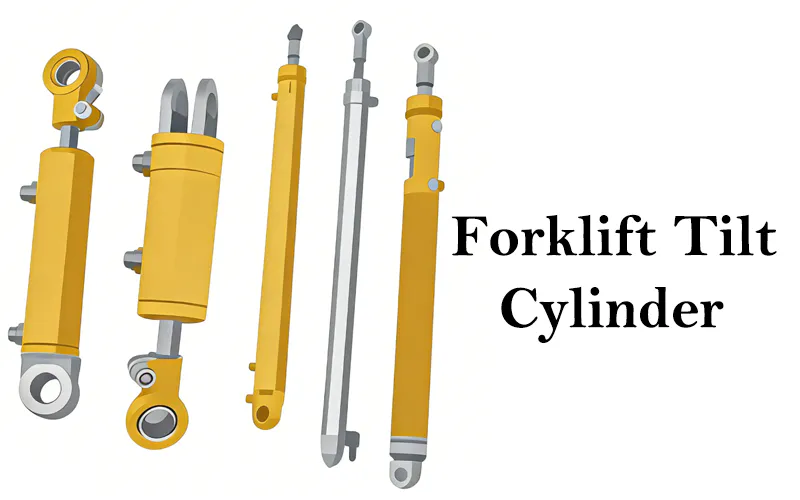
وصف المنتج
تم تصميم هذه الأسطوانة الهيدروليكية خصيصاً لآلات رصف الطرق.
تتميز هذه الأسطوانة ببنية مدمجة وموثوقية عالية.
| نموذج | قطر التجويف (مم) |
قطر القضيب (مم) |
سكتة دماغية (مم) |
الضغط الاسمي (حاجِز) |
| HSG55/32-400*650-WX | 55 | 32 | 400 | 210 |
| يكتب: | أسطوانة هيدروليكية |
|---|---|
| طلب: | شاحنات، رافعات شوكية، رافعات، لوادر، آلات الطرق |
| Nominal Pressure: | 210 Bar |
| Stroke: | 400 mm |
| شهادة: | ISO9001:2008 |
| ضمان: | سنة واحدة |
| التخصيص: |
متاح
|
|
|---|
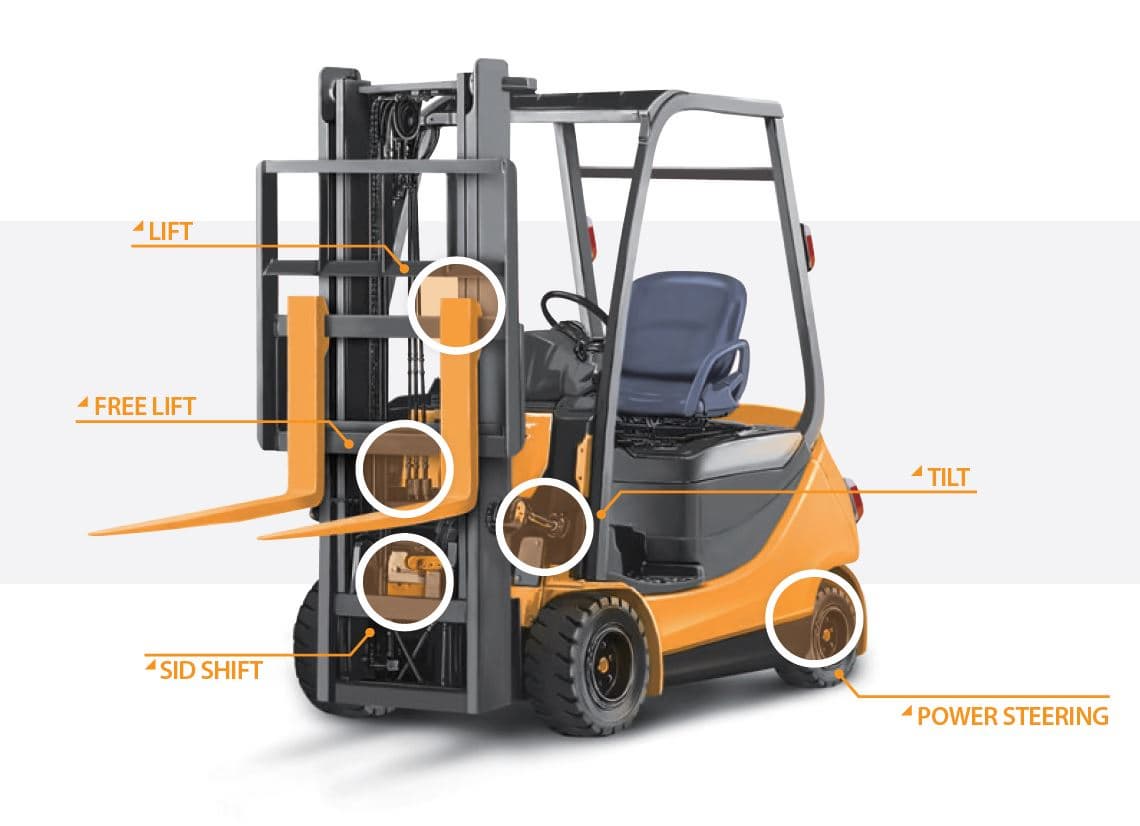
هل يمكن استخدام الأسطوانات الهيدروليكية في الرافعات الشوكية ذات التحميل الجانبي؟
نعم، يمكن استخدام الأسطوانات الهيدروليكية في الرافعات الشوكية ذات التحميل الجانبي. تُستخدم الأنظمة الهيدروليكية، بما في ذلك الأسطوانات الهيدروليكية، بشكل شائع في الرافعات الشوكية ذات التحميل الجانبي، وتلعب دورًا أساسيًا في تشغيلها. إليك شرحًا لاستخدامها:
صُممت الرافعات الشوكية ذات التحميل الجانبي، والمعروفة أيضًا باسم الرافعات الجانبية، خصيصًا لتحميل وتفريغ المواد الطويلة والضخمة، مثل الأخشاب والأنابيب وغيرها من المواد الطويلة. تتميز هذه الرافعات بتصميم فريد يسمح لها بالاقتراب من الحمولة من الجانب، على عكس الرافعات الشوكية التقليدية التي تُحمّل من الأمام أو الخلف.
تُعد الأسطوانات الهيدروليكية في الرافعات الشوكية ذات التحميل الجانبي جزءًا لا يتجزأ من وظائفها، وتساهم بالطرق التالية:
1. الحركة الجانبية:
تُستخدم الأسطوانات الهيدروليكية لتمكين الحركة الجانبية لمنصة التحميل أو الشوكات في الرافعات الشوكية ذات التحميل الجانبي. تُوضع هذه الأسطوانات عادةً بشكل أفقي، وتوفر القوة اللازمة لمدّ وسحب الشوكات أو المنصة، مما يسمح بحركة جانبية دقيقة. يتحكم النظام الهيدروليكي في مدّ وسحب الأسطوانات، مما يُسهّل تحميل وتفريغ العناصر الطويلة والضخمة بكفاءة.
2. استقرار الحمل:
تساهم الأسطوانات الهيدروليكية أيضًا في استقرار الحمولة في الرافعات الشوكية ذات التحميل الجانبي. فمن خلال ضبط ارتفاع وزاوية الشوكات أو المنصة، تساعد هذه الأسطوانات على ضمان بقاء الحمولة آمنة أثناء النقل. ويتيح النظام الهيدروليكي تحكمًا دقيقًا في موضع الحمولة، مما يقلل من خطر انزلاقها أو انقلابها أثناء عمليات التحميل الجانبي.
3. توزيع الوزن:
تساعد الأسطوانات الهيدروليكية في الحفاظ على توزيع الوزن الأمثل في الرافعات الشوكية ذات التحميل الجانبي. فمن خلال ضبط ارتفاع وزاوية منصة التحميل أو الشوكات، تُسهم هذه الأسطوانات في توزيع وزن الحمولة بالتساوي على الرافعة الشوكية. وهذا يضمن الثبات والتوازن أثناء عمليات التحميل الجانبي، مما يقلل من خطر الانقلاب أو التحميل الزائد.
4. التحكم والقدرة على المناورة:
يُوفر النظام الهيدروليكي، بما في ذلك الأسطوانات، تحكمًا دقيقًا وسهولة في المناورة في الرافعات الشوكية ذات التحميل الجانبي. فمن خلال ضبط امتداد الأسطوانات وانكماشها، يستطيع المشغلون التنقل في المساحات الضيقة، وتحديد موضع الحمولة بدقة، وتنفيذ مناورات دقيقة بكل سهولة. كما تُعزز استجابة النظام الهيدروليكي وتحكمه الكفاءة العامة والسلامة في عمليات التحميل الجانبي.
باختصار، تُعدّ الأسطوانات الهيدروليكية مكونات أساسية في الرافعات الشوكية ذات التحميل الجانبي. فهي تُتيح الحركة الجانبية، وتُساهم في استقرار الحمولة، وتُساعد في الحفاظ على توزيع الوزن بشكل صحيح، وتُوفر التحكم والقدرة على المناورة. وباستخدام الطاقة الهيدروليكية، تُسهّل هذه الأسطوانات عملية تحميل وتفريغ العناصر الطويلة والضخمة بكفاءة وأمان في تطبيقات الرافعات الشوكية ذات التحميل الجانبي.
 \
\
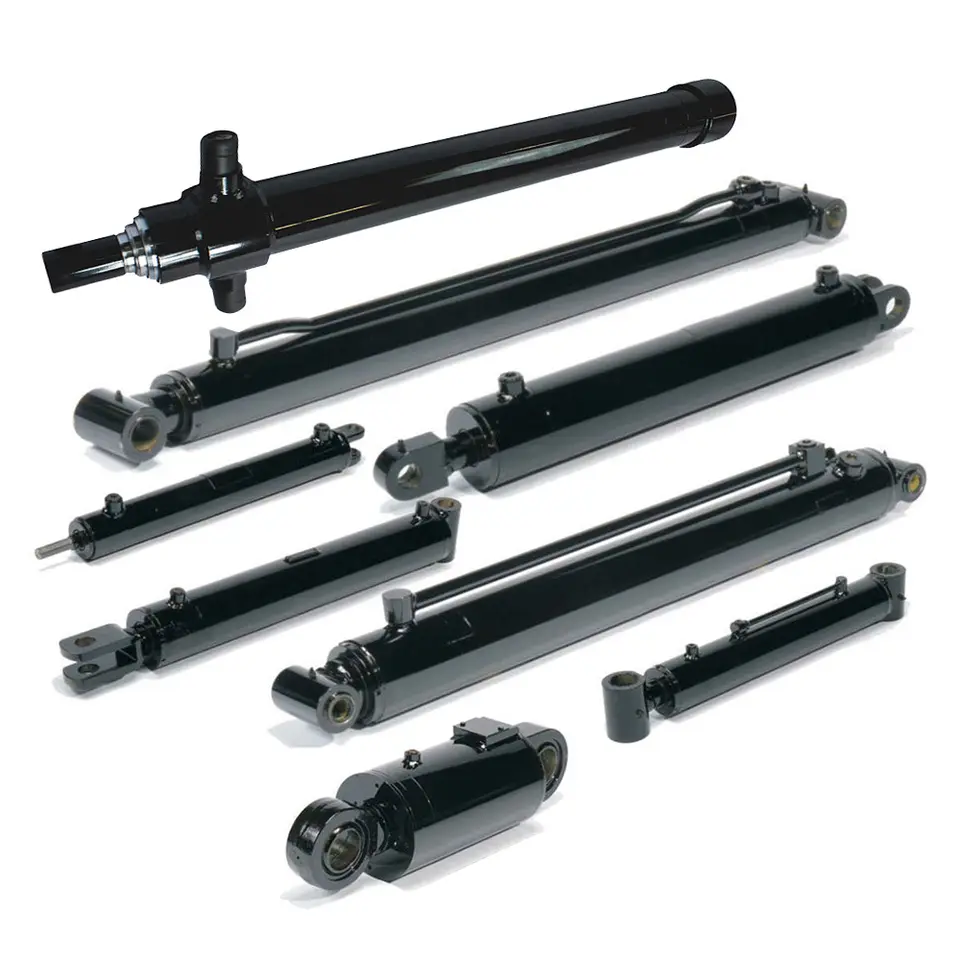
Can hydraulic cylinders be used in order fulfillment centers?
Yes, hydraulic cylinders can be used in order fulfillment centers. Order fulfillment centers require efficient and precise material handling equipment to handle the storage and movement of goods. Hydraulic cylinders are commonly used in various applications within these centers. Here’s an explanation of how they can be utilized:
Hydraulic cylinders find applications in order fulfillment centers in the following ways:
1. Conveyor Systems:
Conveyor systems are extensively used in order fulfillment centers for the transportation of goods. Hydraulic cylinders are employed to control the movement and positioning of conveyor belts. These cylinders enable smooth and precise adjustments of the conveyor height, ensuring efficient transfer of items between different processing areas.
2. Lift Tables and Platforms:
Hydraulic cylinders are utilized in lift tables and platforms used for order picking and loading/unloading operations. These cylinders provide controlled lifting and lowering of the tables or platforms, allowing operators to adjust the working height as needed. This enables ergonomic working conditions and precise alignment with shelving or loading docks.
3. Scissor Lifts:
Scissor lifts are commonly used in order fulfillment centers to reach elevated areas for order picking or stock replenishment. Hydraulic cylinders power the vertical movement of scissor lifts, providing stability and controlled elevation. The cylinders allow for precise positioning at different heights, enhancing efficiency and safety during the order fulfillment process.
4. Pallet Handling Equipment:
Order fulfillment centers often utilize pallet handling equipment, such as pallet jacks and pallet positioners, to move and stack palletized goods. Hydraulic cylinders are integral components of these machines, enabling the lifting and lowering of pallets. The cylinders provide the necessary force and control to handle heavy loads and ensure accurate placement of pallets.
5. Automated Guided Vehicles (AGVs):
AGVs are autonomous vehicles utilized in order fulfillment centers to transport goods within the facility. Hydraulic cylinders are employed in the lifting mechanisms of AGVs, allowing them to pick up and drop off loads at designated locations. The cylinders enable precise vertical movement and positioning of the load, ensuring accurate and efficient material handling.
In summary, hydraulic cylinders have various applications in order fulfillment centers, including conveyor systems, lift tables and platforms, scissor lifts, pallet handling equipment, and AGVs. These cylinders contribute to efficient and precise material handling, enhancing productivity and streamlining the order fulfillment process.
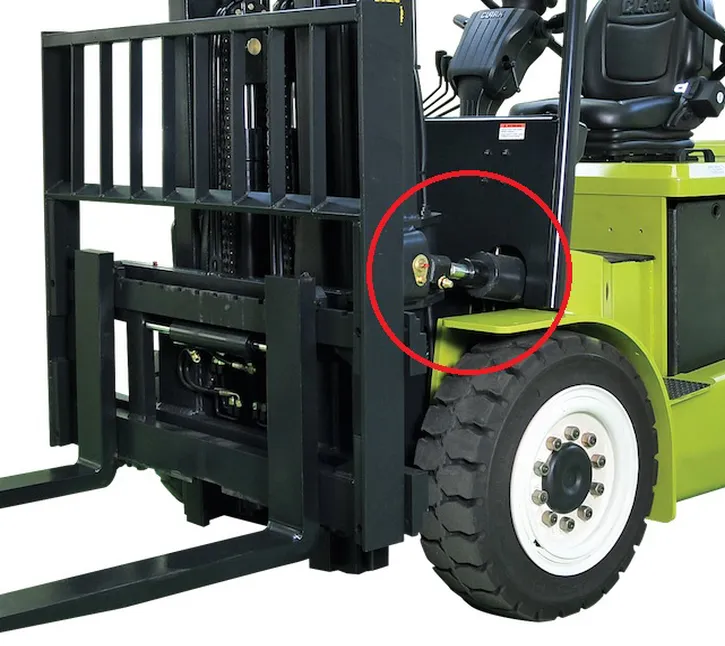
How Does a Forklift Hydraulic Cylinder Handle Variations in Lift Height?
A forklift hydraulic cylinder is responsible for raising and lowering the forks or lifting platform, allowing the forklift to handle loads at different heights. It handles variations in lift height through a combination of design features and hydraulic principles. Here’s a detailed explanation of how a forklift hydraulic cylinder handles variations in lift height:
1. Piston and Cylinder Design:
The hydraulic cylinder consists of a piston and a cylinder, which are sealed together to form a closed hydraulic system. The piston is connected to the forks or lifting platform, while the cylinder is fixed to the forklift frame. The design of the piston and cylinder allows for smooth movement and effective transfer of hydraulic pressure to generate lifting force.
2. Hydraulic Fluid and Pressure:
The hydraulic cylinder operates on the principle of Pascal’s Law, which states that when pressure is applied to a fluid in a closed system, it is transmitted equally in all directions. In the case of a forklift hydraulic cylinder, hydraulic fluid is used as the medium to transmit pressure. When hydraulic fluid is pumped into the cylinder, it creates pressure on the piston, causing it to move upward and lift the forks or lifting platform.
3. Cross-Sectional Area and Force:
The cross-sectional area of the piston within the hydraulic cylinder determines the force that can be exerted. A larger piston area can generate a greater lifting force. By varying the diameter of the piston, forklift manufacturers can adjust the lifting capacity and handle variations in lift height. Forklifts designed for heavier loads typically have larger piston areas to generate the necessary lifting force.
4. Valves and Controls:
The hydraulic system of a forklift includes valves and controls that regulate the flow of hydraulic fluid to the cylinder. These valves, such as control valves and relief valves, allow for precise control of the lifting operation. By adjusting the valves, operators can control the speed of ascent and descent, enabling smooth and controlled variations in lift height.
5. Telescopic Cylinders:
In some forklift designs, especially those used for high-reach applications, telescopic cylinders are employed. Telescopic cylinders consist of several nested stages that extend and retract, providing increased lift height. These cylinders allow for a compact design when retracted while offering extended reach when fully extended. Telescopic cylinders enable forklifts to handle variations in lift height without compromising stability or requiring excessively long cylinder strokes.
6. Stability and Counterbalancing:
Handling variations in lift height requires maintaining forklift stability. Forklifts are designed with counterweight systems to balance the load and prevent tipping. The hydraulic cylinder’s operation is coordinated with the counterweight system, ensuring that the center of gravity remains within safe limits during lifting and lowering operations. This counterbalancing helps maintain stability even when handling loads at different heights.
Through careful design, hydraulic principles, and the integration of valves and controls, a forklift hydraulic cylinder effectively handles variations in lift height. The combination of hydraulic pressure, piston and cylinder design, control mechanisms, and counterbalancing ensures precise and controlled lifting operations, allowing forklifts to safely handle loads at different heights as required in various material handling applications.


editor by CX 2023-10-19