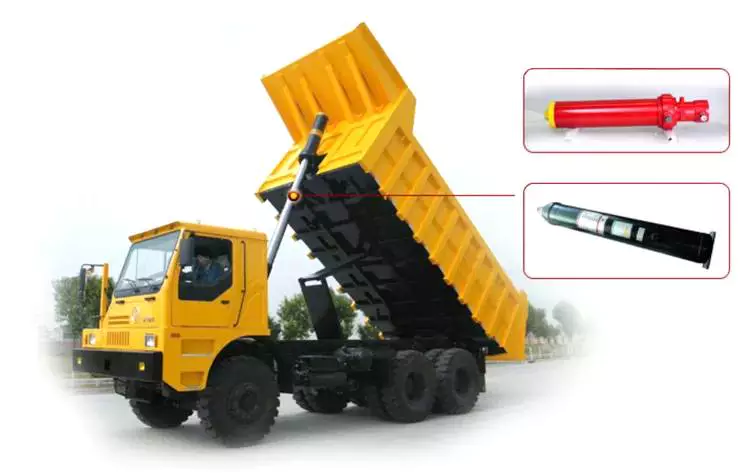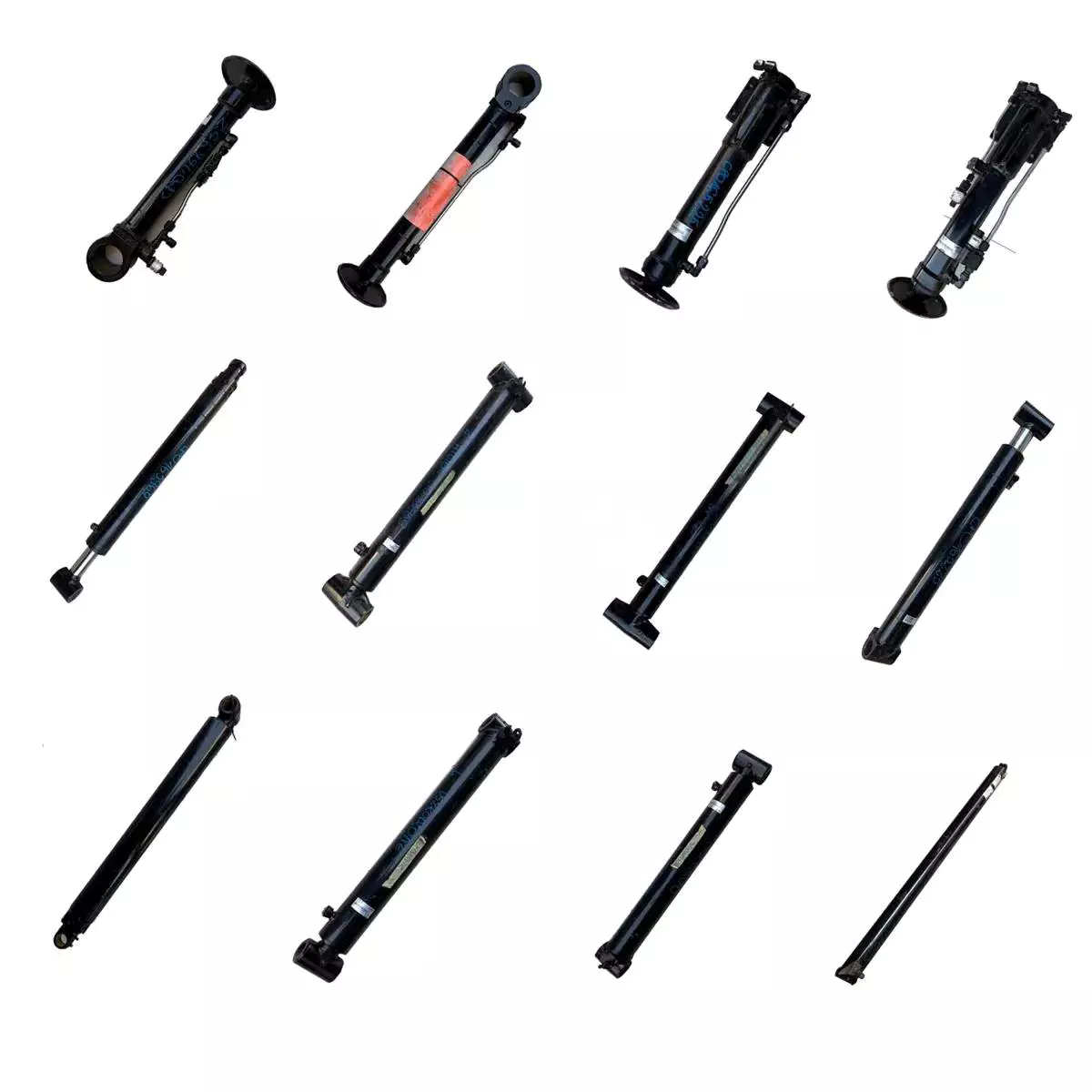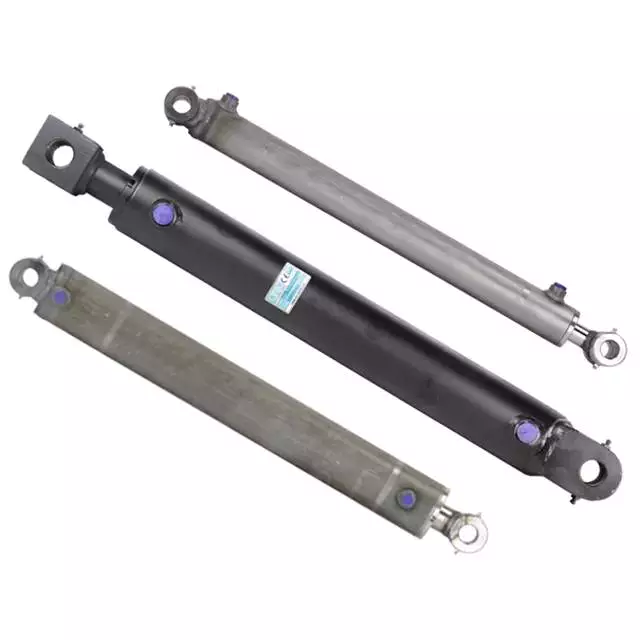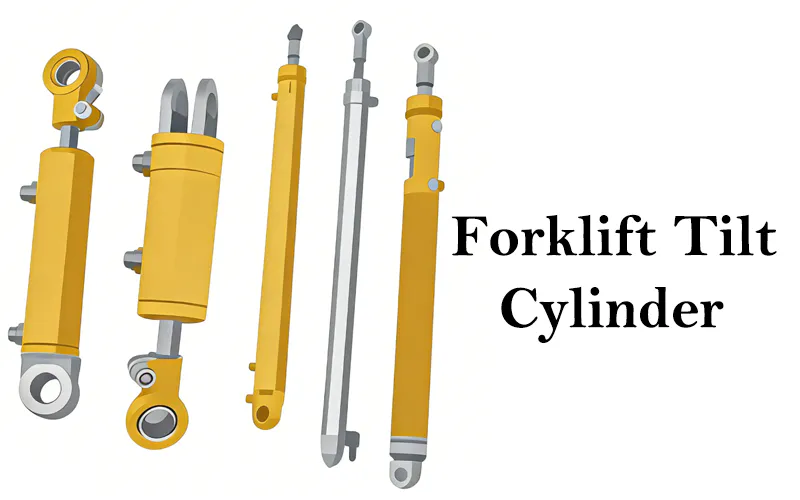
وصف المنتج
Product model Parameters
| غرض | MODEL NO. | # of Stages | Largest Moving Stage Diameter(mm) | stroke(mm) | the largest sleeve OD(mm) | mounting distance(mm) | |||||||||
| 1 | WTFC 4TG-E152*4280ZJ | 4 | 152 | 4280 | 272 | 335 | |||||||||
| 2 | WTFC 5TG-E152*4280ZJ | 5 | 152 | 4280 | 272 | 335 | |||||||||
| 3 | WTFC 4TG-E160*5390ZJ | 4 | 160 | 5390 | 272 | 335 | |||||||||
| 4 | WTFC 4TG-F175*4280ZJ | 4 | 175 | 4280 | 272 | 335 | |||||||||
| 5 | WTFC 4TG-F175*5390ZJ | 4 | 175 | 5390 | 272 | 335 | |||||||||
| 6 | WTFC 4TG-F175*57 square meters,with 500 employees *Capacity:Annual production of more than 200,000 sets *Equipment:700set ,invested a large amount of money in introducing 1 electroplating production line. *Certificate:ISO9001,ISO/TS16949,ABS,AQA etc *Delivery time:20 Days *Service:52 Service Outlets nationwide,24-hour Service *Accept Custom 2.produce line 3.Certificate 4.Quality guarantee system
Program before Delivery 1. اختبار التشغيل التجريبي 2. اختبار ضغط بدء التشغيل 3. اختبار إحكام الضغط 4. اختبار التسرب 5. اختبار الضربة الكاملة 6. اختبار المحلول المنظم 7. اختبار أثر الحد 8. اختبار كفاءة الحمل 9. اختبار الموثوقية Every piece of hydraulic cylinder are tested and will send out only after they are pasted the each test
5..Guarantee and after sale service:
6.Why Wantong? 1.Complete Manufacturing Processes: 2.Strict Quality Control system: 3.Rich Market Experiences: 7.FAQ: 8..Dream
Can hydraulic cylinders be adapted for specialized applications like material handling?Yes, hydraulic cylinders can be effectively adapted for specialized applications such as material handling. The versatility, power, and precise control offered by hydraulic cylinders make them well-suited for a wide range of material handling tasks. Hydraulic systems, including cylinders, are commonly used in industrial settings to lift, position, push, pull, and manipulate various types of materials. Here’s a detailed explanation of how hydraulic cylinders can be adapted for specialized material handling applications: 1. Lifting and Lowering: – Hydraulic cylinders are commonly used for lifting and lowering heavy loads in material handling applications. By utilizing the force generated by hydraulic pressure, cylinders can provide the necessary power to lift and hold loads at different elevations. The precise control offered by hydraulic systems allows for accurate positioning of materials, ensuring efficient and safe lifting operations. 2. Pushing and Pulling: – Hydraulic cylinders are capable of generating substantial pushing and pulling forces, making them ideal for applications that involve moving or manipulating materials. They can be used to push or pull heavy objects, control the movement of conveyors or rollers, or engage mechanisms for material transfer. The ability to exert high forces with precise control enables hydraulic cylinders to efficiently handle a variety of material handling tasks. 3. Tilting and Rotating: – Hydraulic cylinders can be adapted to provide tilting and rotating functions in material handling equipment. By integrating cylinders into the design, equipment such as forklifts, cranes, or material handling arms can tilt or rotate to facilitate material placement or maneuvering. Hydraulic cylinders offer the required force and control to achieve smooth and controlled tilting or rotating motions, enhancing operational efficiency in material handling processes. 4. Gripping and Clamping: – Hydraulic cylinders can be utilized to provide gripping and clamping functions for secure material handling. By incorporating specialized gripping or clamping mechanisms with hydraulic actuation, materials of various shapes and sizes can be securely held or clamped during transportation or processing. Hydraulic cylinders enable precise and adjustable gripping or clamping forces, ensuring the safe and reliable handling of materials. 5. Material Compaction and Forming: – Hydraulic cylinders can be adapted for material compaction and forming applications. For example, in the production of bricks, hydraulic cylinders are used to apply high pressure and force to compact the raw materials into desired shapes. Similarly, in metal forming processes, hydraulic cylinders are employed to exert force on metal sheets or components, enabling precise shaping and forming operations. 6. Conveyor and Sorting Systems: – Hydraulic cylinders can be integrated into conveyor and sorting systems to facilitate material movement and sorting. By incorporating hydraulic actuators, conveyor belts or sorting mechanisms can be efficiently controlled for optimal material flow and distribution. Hydraulic cylinders provide the necessary force and control to handle varying load capacities and adjust the speed and position of material transfer, improving the overall efficiency of handling and sorting operations. 7. Customized Designs: – Hydraulic cylinders can be customized and adapted to meet specific requirements of specialized material handling applications. Engineers can design cylinders with unique dimensions, stroke lengths, mounting options, and sealing arrangements to fit into equipment or systems with specific space limitations or operating conditions. Customized hydraulic cylinders ensure optimal performance and compatibility for specialized material handling tasks. In summary, hydraulic cylinders can be effectively adapted for specialized material handling applications, offering the necessary force, control, and versatility required in various material handling tasks. Whether it involves lifting and lowering, pushing and pulling, tilting and rotating, gripping and clamping, material compaction and forming, or integration into conveyor and sorting systems, hydraulic cylinders provide reliable and efficient solutions. Their adaptability, precise control, and ability to handle heavy loads make hydraulic cylinders a valuable component in optimizing material handling processes across different industries.
ضمان تطبيق القوة بشكل آمن ومتحكم به في الآلات الثقيلة المزودة بأسطوانات هيدروليكيةتؤدي الأسطوانات الهيدروليكية دورًا بالغ الأهمية في الآلات الثقيلة، إذ تضمن تطبيقًا آمنًا ومتحكمًا للقوة. وتُعدّ القدرة على توليد قوى عالية والتحكم بها أمرًا أساسيًا لعمليات الآلات الثقيلة، مثل رفع الأحمال الثقيلة وضغطها ودفعها وسحبها. دعونا نستكشف كيف تضمن الأسطوانات الهيدروليكية تطبيقًا آمنًا ومتحكمًا للقوة في الآلات الثقيلة:
باختصار، تضمن الأسطوانات الهيدروليكية تطبيقًا آمنًا ومتحكمًا للقوة في الآلات الثقيلة من خلال التحكم في القوة، وموازنة الأحمال، وصمامات الأمان، وأنظمة تخفيف الضغط، والتصميم الهيكلي المتين. تُمكّن هذه الميزات واعتبارات التصميم المشغلين من بذل القوة اللازمة مع الحفاظ على السلامة ومنع الأحمال الزائدة أو ارتفاعات القوة المفاجئة. من خلال دمج الأسطوانات الهيدروليكية في الآلات الثقيلة، يستطيع المصنّعون تحقيق تطبيق متحكم للقوة، وتعزيز السلامة التشغيلية، وحماية الآلات من التلف أو الأعطال.
ما هي العوامل التي يجب مراعاتها عند اختيار الأسطوانة الهيدروليكية المناسبة لتطبيق معين؟عند اختيار الأسطوانة الهيدروليكية المناسبة لتطبيق معين، يجب مراعاة عدة عوامل مهمة. تساعد هذه العوامل على ضمان ملاءمة الأسطوانة الهيدروليكية المختارة لمتطلبات التطبيق المحددة، وأدائها بكفاءة عالية. فيما يلي أهم العوامل التي يجب مراعاتها: 1. متطلبات التحميل: من أهم العوامل التي يجب مراعاتها متطلبات الحمل للتطبيق. حدد أقصى حمل يجب أن يتحمله الأسطوانة الهيدروليكية. ضع في اعتبارك كلاً من الحمل الساكن (عندما تكون الأسطوانة ثابتة) والحمل الديناميكي (عندما تكون الأسطوانة متحركة). ستؤثر متطلبات الحمل على قطر تجويف الأسطوانة، وقطر قضيبها، وقوتها الإجمالية. اختر أسطوانة هيدروليكية ذات سعة تحميل تتجاوز أقصى حمل للتطبيق لضمان السلامة وطول العمر. 2. طول الشوط: يشير طول الشوط إلى المسافة التي يحتاجها الأسطوانة الهيدروليكية للتمدد والانكماش لأداء الحركة المطلوبة. قِس طول الشوط المطلوب بناءً على متطلبات تشغيل التطبيق. من الضروري اختيار أسطوانة هيدروليكية بطول شوط يُطابق أو يتجاوز المسافة المطلوبة. ضع في اعتبارك أي تغييرات أو تعديلات محتملة في طول الشوط قد تكون مطلوبة في المستقبل. 3. ضغط التشغيل: - ضع في اعتبارك ضغط التشغيل المطلوب للتطبيق. يجب أن يكون الأسطوانة الهيدروليكية قادرة على تحمل أقصى ضغط داخل النظام الهيدروليكي. تأكد من أن الأسطوانة المختارة تتمتع بتصنيف ضغط يتجاوز أقصى ضغط تشغيل للتطبيق. هذا يضمن السلامة ويمنع الأعطال المبكرة. 4. متطلبات السرعة: حدد السرعة المطلوبة لحركة الأسطوانة الهيدروليكية للتطبيق. ضع في اعتبارك سرعتي التمدد والانكماش. اختر أسطوانة قادرة على تحقيق السرعة المطلوبة مع الحفاظ على دقة التحكم والاستقرار. من المهم اختيار أسطوانة تتحمل السرعة المطلوبة دون المساس بالأداء أو السلامة. 5. التركيب: - قيّم المساحة المتاحة ومتطلبات تركيب الأسطوانة الهيدروليكية. ضع في اعتبارك نوع التركيب (مثل الشفة، أو القاعدة، أو المحور، أو الوصلة)، ونقاط التركيب المتاحة، وأي قيود خاصة بالتركيب. تأكد من إمكانية تركيب الأسطوانة المختارة بسهولة وأمان في الموقع المطلوب. 6. العوامل البيئية: - قيّم الظروف البيئية التي سيعمل فيها الأسطوانة الهيدروليكية. ضع في اعتبارك عوامل مثل درجات الحرارة القصوى، والرطوبة، والتعرض للمواد الكيميائية، والغبار، أو المواد المسببة للتآكل. اختر أسطوانة مصممة لتحمل الظروف البيئية المحددة للتطبيق. قد يشمل ذلك اختيار مواد أو طلاءات أو موانع تسرب مناسبة لضمان عمر الأسطوانة وأدائها الأمثل. 7. تكوين الأسطوانة: - حدد تصميم الأسطوانة المناسب بناءً على متطلبات التطبيق. ضع في اعتبارك عوامل مثل الأسطوانات أحادية الفعل أو ثنائية الفعل، والأسطوانات التلسكوبية للمساحات المحدودة، أو التصاميم المخصصة للتطبيقات الفريدة. قيّم الاحتياجات الخاصة بالتطبيق لاختيار تصميم الأسطوانة الأنسب. 8. الصيانة وسهولة الخدمة: - ضع في اعتبارك متطلبات صيانة وخدمة الأسطوانة الهيدروليكية. قيّم عوامل مثل سهولة الوصول للصيانة، وتوافر قطع الغيار، وسمعة الشركة المصنعة أو المورد من حيث دعم العملاء وخدمات ما بعد البيع. اختيار علامة تجارية موثوقة وذات سمعة طيبة يضمن استمرار الدعم وتوافر قطع الغيار عند الحاجة. 9. الامتثال والمعايير: - قد يتطلب الأمر استيفاء معايير امتثال محددة، وذلك بحسب الصناعة والتطبيق. لذا، يُرجى مراعاة أي لوائح أو معايير سلامة أو شهادات خاصة بالصناعة يجب أن يلتزم بها الأسطوانة الهيدروليكية. تأكد من أن الأسطوانة المختارة تستوفي المعايير والشهادات المطلوبة للتطبيق. 10. التكلفة والميزانية: أخيرًا، ضع في اعتبارك تكلفة الأسطوانة الهيدروليكية وميزانيتها. فبينما يُعد اختيار أسطوانة تلبي متطلبات التطبيق أمرًا بالغ الأهمية، من الضروري أيضًا مراعاة جدواها الاقتصادية الإجمالية. قيّم تكلفة الشراء الأولية، وتكاليف الصيانة طويلة الأجل، والعمر الافتراضي المتوقع للأسطوانة. سيساعدك تحقيق التوازن بين التكلفة والجودة على اختيار أسطوانة هيدروليكية تُحقق أفضل قيمة للتطبيق. بمراعاة هذه العوامل في عملية الاختيار، يصبح من الممكن اختيار الأسطوانة الهيدروليكية المناسبة التي تلبي المتطلبات المحددة للتطبيق من حيث سعة التحميل، وطول الشوط، وضغط التشغيل، والسرعة، والتركيب، والظروف البيئية، واحتياجات الصيانة، والامتثال، والجدوى الاقتصادية. ويضمن الاختيار الصحيح الأداء الأمثل والموثوقية وطول عمر الأسطوانة الهيدروليكية في التطبيق المقصود.
|