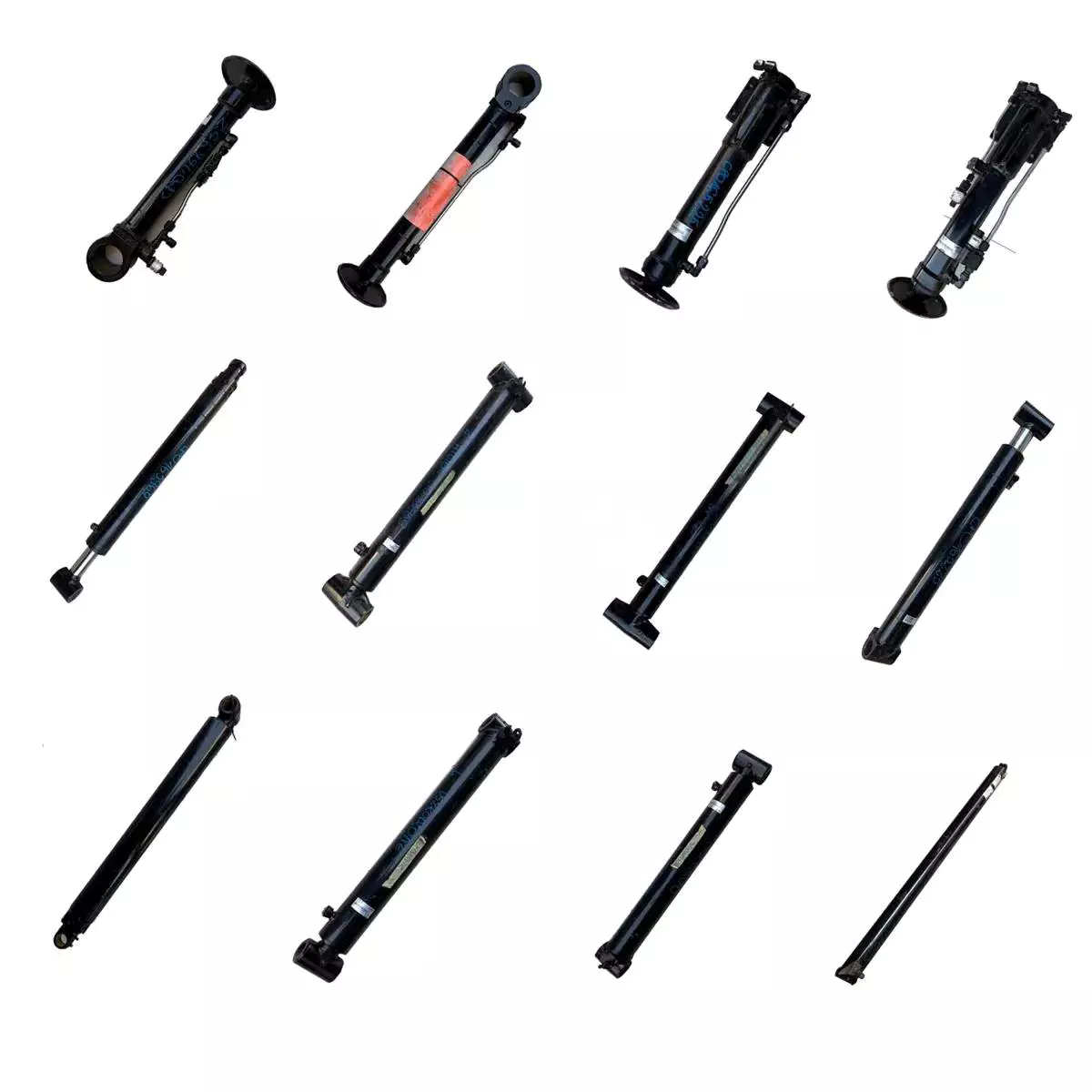
وصف المنتج
1. وصف المنتج
جميع أسطوانات ثاني أكسيد الكربون مصنوعة من أنابيب فولاذية غير ملحومة عالية الجودة، ذات ارتفاع ثابت، وطلاء ناعم، وخصائص ممتازة، وهي تستخدم على نطاق واسع في قطع الفولاذ، واللحام، والإلكترونيات، والطب، وغيرها من المجالات. ومن المفترض استخدامها بشكل متكرر لحفظ غاز الأرجون الذي يستخدم بشكل أساسي في قطع الفولاذ، واللحام، والإلكترونيات، والطب، وما إلى ذلك.
| يكتب | أسطوانة غاز SEFIC | القطر الخارجي | 178 ملم | ||||||||||||
| سعة الماء | 13.4 لتر | ارتفاع | 705 ملم | ||||||||||||
| ضغط العمل | 2
كيف تتعامل الأسطوانات الهيدروليكية مع تحديات تحديد المواقع والتحكم الدقيق؟صُممت الأسطوانات الهيدروليكية لمواجهة تحديات تحديد المواقع والتحكم الدقيقين، وذلك من خلال الجمع بين المبادئ الهندسية وأنظمة التحكم المتقدمة. غالبًا ما تظهر هذه التحديات في التطبيقات التي تتطلب حركات دقيقة ومتحكم بها، كما هو الحال في الأتمتة الصناعية والبناء ومناولة المواد. إليكم شرحًا مفصلًا لكيفية تغلب الأسطوانات الهيدروليكية على هذه التحديات: 1. التحكم في الطاقة الهيدروليكية: تستخدم الأسطوانات الهيدروليكية نظام التحكم في الطاقة الهيدروليكية لتحقيق دقة عالية في تحديد المواقع والتحكم. يتكون النظام الهيدروليكي من مضخة هيدروليكية، وصمامات تحكم، وسائل هيدروليكي. من خلال تنظيم تدفق السائل الهيدروليكي داخل وخارج الأسطوانة، يستطيع المشغلون التحكم في سرعة الأسطوانة واتجاهها والقوة التي تبذلها. يتيح نظام التحكم في الطاقة الهيدروليكية حركات سلسة ودقيقة، مما يمكّن من تحديد المواقع بدقة للأسطوانة الهيدروليكية والحمل المتصل بها. 2. صمامات التحكم: تلعب صمامات التحكم دورًا محوريًا في مواجهة تحديات تحديد المواقع والتحكم الدقيق. تتولى هذه الصمامات مسؤولية توجيه تدفق السائل الهيدروليكي داخل النظام، ويمكن تشغيلها يدويًا أو إلكترونيًا. تتيح صمامات التحكم للمشغلين ضبط معدل تدفق السائل الهيدروليكي، وبالتالي التحكم في سرعة حركة الأسطوانة. ومن خلال تعديل التدفق، يمكن للمشغلين تحقيق تحكم دقيق في موضع الأسطوانة الهيدروليكية، مما يُمكّن من تنفيذ حركات دقيقة وسلسة. 3. التحكم النسبي: يمكن تجهيز الأسطوانات الهيدروليكية بأنظمة تحكم تناسبية، مما يوفر دقة فائقة في تحديد المواقع والتحكم. تستخدم هذه الأنظمة التغذية الراجعة الإلكترونية وخوارزميات التحكم لتنظيم تدفق وضغط السائل الهيدروليكي بدقة متناهية. توفر هذه الأنظمة تحكمًا دقيقًا وتناسبيًا في حركة الأسطوانة الهيدروليكية، مما يسمح بتحديد المواقع بدقة في نقاط مختلفة على طول شوطها. يعزز التحكم التناسبي قدرة الأسطوانة على التعامل مع المهام المعقدة التي تتطلب حركات وتحكمًا دقيقين. 4. مستشعرات التغذية الراجعة للموقع: لتحقيق دقة عالية في تحديد المواقع، غالبًا ما تُزود الأسطوانات الهيدروليكية بمستشعرات تغذية راجعة للموقع. توفر هذه المستشعرات معلومات آنية حول موقع قضيب مكبس الأسطوانة. تشمل الأنواع الشائعة لمستشعرات التغذية الراجعة للموقع: مقاييس الجهد، ومحولات الإزاحة التفاضلية الخطية المتغيرة (LVDTs)، والمستشعرات المغناطيسية الانضغاطية. من خلال المراقبة المستمرة للموقع، تُمكّن مستشعرات التغذية الراجعة من التحكم في الحلقة المغلقة، مما يسمح بتحديد الموقع والتحكم في الأسطوانة الهيدروليكية بدقة. تُستخدم معلومات التغذية الراجعة لضبط تدفق السائل الهيدروليكي لتحقيق الموقع المطلوب بدقة. 5. أنظمة التحكم المؤازر: تستخدم الأنظمة الهيدروليكية المتقدمة أنظمة تحكم مؤازرة لمواجهة تحديات تحديد المواقع والتحكم الدقيق. تجمع أنظمة التحكم المؤازرة بين التحكم الإلكتروني، ومستشعرات التغذية الراجعة للموقع، وصمامات التحكم التناسبية لتحقيق مستويات عالية من الدقة والاستجابة. يقارن نظام التحكم المؤازر باستمرار الموقع المطلوب مع الموقع الفعلي للأسطوانة الهيدروليكية، ويضبط تدفق السائل الهيدروليكي لتقليل أي خطأ في الموقع. تُمكّن آلية التحكم ذات الحلقة المغلقة هذه الأسطوانة الهيدروليكية من الحفاظ على دقة تحديد المواقع والتحكم، حتى في ظل الأحمال المتغيرة أو الاضطرابات الخارجية. 6. الأتمتة المتكاملة: يمكن دمج الأسطوانات الهيدروليكية في الأنظمة الآلية لتحقيق دقة عالية في تحديد المواقع والتحكم. في هذه الأنظمة، تُتحكم الأسطوانات الهيدروليكية بواسطة وحدات تحكم منطقية قابلة للبرمجة (PLCs) أو وحدات تحكم آلية أخرى. تستقبل هذه الوحدات إشارات دخل من مستشعرات مختلفة، وتستخدم منطقًا مُبرمجًا مسبقًا لتوجيه حركة الأسطوانة الهيدروليكية. يتيح دمج الأسطوانات الهيدروليكية في الأنظمة الآلية تحديد المواقع والتحكم بدقة عالية وقابلية للتكرار، مما يسمح بتنفيذ تسلسلات معقدة من الحركات بدقة فائقة. 7. خوارزميات التحكم المتقدمة: ساهمت التطورات في خوارزميات التحكم في دقة تحديد موضع الأسطوانات الهيدروليكية والتحكم بها. وتتيح هذه الخوارزميات، مثل التحكم التناسبي التكاملي التفاضلي (PID) والتحكم التكيفي والتحكم القائم على النماذج، تطبيق استراتيجيات تحكم متطورة. وتأخذ هذه الخوارزميات في الاعتبار عوامل مثل تغيرات الحمل وديناميكيات النظام والظروف البيئية لتحسين التحكم في الأسطوانات الهيدروليكية. وباستخدام خوارزميات التحكم المتقدمة، يمكن للأسطوانات الهيدروليكية التعويض عن الاضطرابات وتحقيق دقة عالية في تحديد الموضع والتحكم ضمن نطاق واسع من ظروف التشغيل. باختصار، تتغلب الأسطوانات الهيدروليكية على تحديات تحديد المواقع والتحكم الدقيقين من خلال استخدام التحكم في الطاقة الهيدروليكية، وصمامات التحكم، والتحكم النسبي، ومستشعرات التغذية الراجعة للموقع، وأنظمة التحكم المؤازر، والأتمتة المتكاملة، وخوارزميات التحكم المتقدمة. وبدمج هذه العناصر، تستطيع الأسطوانات الهيدروليكية تحقيق حركات دقيقة ومضبوطة، مما يتيح تحديد المواقع والتحكم الدقيقين في مختلف التطبيقات. وتُعد هذه الإمكانيات أساسية للصناعات التي تتطلب دقة عالية وقابلية تكرار في عملياتها، مثل الأتمتة الصناعية، والروبوتات، ومناولة المواد.
Adaptation of Hydraulic Cylinders for Medical Equipment and Aerospace ApplicationsHydraulic cylinders have the potential to be adapted for use in medical equipment and aerospace applications, offering unique advantages in these industries. Let’s explore how hydraulic cylinders can be adapted for these specialized fields:
In summary, hydraulic cylinders can be adapted for use in medical equipment and aerospace applications, leveraging their precise positioning, load handling capabilities, controlled motion, durability, and reliability. In medical equipment, hydraulic cylinders enable comfortable patient positioning, smooth transitions, and controlled movements during procedures. In aerospace, hydraulic cylinders provide precise actuation, weight optimization, shock and vibration resistance, and space-efficient solutions. By adapting hydraulic cylinders to these specialized fields, manufacturers can meet the unique requirements and enhance the performance of medical equipment and aerospace systems.
What safety precautions should be followed when working with hydraulic cylinders?Working with hydraulic cylinders requires strict adherence to safety precautions to prevent accidents, injuries, and damage to equipment or property. Hydraulic systems operate under high pressures and involve moving parts, which can pose serious hazards if not handled properly. Here’s a detailed explanation of the safety precautions that should be followed when working with hydraulic cylinders: 1. Training and Knowledge: – Ensure that personnel working with hydraulic cylinders have received adequate training and possess a thorough understanding of hydraulic system operation, maintenance, and safety protocols. Proper training should cover topics such as hydraulic principles, pressure ratings, safe work practices, and emergency procedures. Only trained and authorized personnel should be allowed to handle hydraulic cylinders. 2. Wear Personal Protective Equipment (PPE): – Always wear appropriate personal protective equipment when working with hydraulic cylinders. This may include safety glasses, gloves, protective clothing, and steel-toed boots. PPE helps protect against potential hazards, such as hydraulic fluid leaks, flying debris, or accidental contact with moving parts. 3. Hydraulic System Inspection: – Before working with hydraulic cylinders, inspect the entire hydraulic system for any signs of damage, leaks, or loose connections. Check hydraulic hoses, fittings, valves, and cylinders for integrity and secure fastening. If any issues are detected, the system should be repaired or serviced before operation. 4. Relieve Pressure: – Before performing any maintenance or disassembly on a hydraulic cylinder, it is crucial to relieve the pressure in the system. Follow the manufacturer’s instructions to properly release pressure and ensure that the hydraulic cylinder is depressurized before starting any work. Failure to do so can result in sudden and uncontrolled movement of the cylinder or hydraulic lines, leading to serious injuries. 5. Lockout/Tagout Procedures: – Implement lockout/tagout procedures to prevent accidental energization of the hydraulic system while maintenance or repair work is being conducted. Lockout/tagout involves isolating the energy source, such as shutting off the hydraulic pump and locking or tagging the controls to prevent unauthorized operation. This procedure ensures that the hydraulic cylinder remains in a safe, non-operational state during maintenance activities. 6. Use Proper Lifting Techniques: – When working with heavy hydraulic cylinders or components, use proper lifting techniques and equipment to avoid strain or injury. Hydraulic cylinders can be heavy and awkward to handle, so ensure that lifting equipment, such as cranes or hoists, is properly rated and used correctly. Follow safe lifting practices, including securing the load and maintaining a stable lifting posture. 7. Hydraulic Fluid Handling: – Handle hydraulic fluid with care and follow proper procedures for fluid filling, transfer, and disposal. Avoid contact with the skin or eyes, as hydraulic fluid may be hazardous. Use appropriate containers and equipment to prevent spills or leaks. If any hydraulic fluid comes into contact with the skin or eyes, rinse thoroughly with water and seek medical attention if necessary. 8. Regular Maintenance: – Perform regular maintenance and inspections on hydraulic cylinders to ensure their safe and reliable operation. This includes checking for leaks, inspecting seals, monitoring fluid levels, and conducting periodic servicing as recommended by the manufacturer. Proper maintenance helps prevent unexpected failures and ensures the continued safe use of hydraulic cylinders. 9. Follow Manufacturer Guidelines: – Always follow the manufacturer’s guidelines, instructions, and recommendations for the specific hydraulic cylinders and equipment being used. Manufacturers provide important safety information, maintenance schedules, and operational guidelines that should be strictly adhered to for safe and optimal performance. 10. Emergency Preparedness: – Be prepared for potential emergencies by having appropriate safety equipment, such as fire extinguishers, first aid kits, and emergency eyewash stations, readily available. Establish clear communication channels and emergency response procedures to promptly address any accidents, leaks, or injuries that may occur during hydraulic cylinder operations. By following these safety precautions, individuals working with hydraulic cylinders can minimize the risk of accidents, injuries, and property damage. It is essential to prioritize safety, maintain awareness of potential hazards, and ensure compliance with relevant safety regulations and industry standards.
|