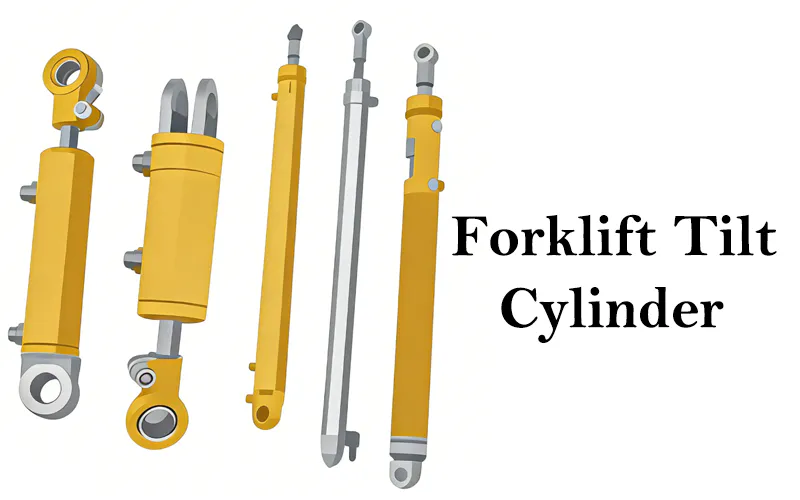
Agricultural Material Handling Guide
Forklift Lifting Cylinder Applications in Grain Storage and Agricultural Cooperative Logistics
A practical reference on how a forklift tilt cylinder and its paired lifting actuator support grain silo loading, cooperative warehouse handling, and seasonal harvest logistics across agricultural regions in Colombia and beyond.
Key Specification Facts at a Glance
Forklift Tilt Cylinder, Double-Acting
16–25 MPa
24–35 MPa
96.5 mm – 200 mm
6 kg – 16.5 kg
OEM and ODM, custom drawing accepted
Grain Storage, Agricultural Cooperatives, Farm Logistics
Trunnion, Clevis, Pin-Mount
1. Why Grain Cooperatives Depend on a Reliable Forklift Tilt Cylinder
Agricultural cooperatives operating grain storage facilities across Colombia move enormous tonnages of sacked grain, loose bulk product in jumbo bags, and palletized feed stock between collection points, silo intake bays, and regional distribution warehouses during peak harvest windows. A forklift tilt cylinder is the hydraulic actuator that angles the mast and forks during this handling cycle, letting an operator tip a load forward to seat it precisely against a stacking position or tilt it backward to stabilize bulk bags during transport across uneven yard surfaces common at rural collection centers. Without a properly functioning tilt actuator, operators lose the fine control needed to prevent bag rupture or pallet slip when stacking grain sacks three and four levels high inside a storage shed.
The seasonal nature of grain logistics places unusual demand on a forklift hydraulic lift cylinder and its tilt counterpart. Cooperative fleets often sit idle for months between harvest cycles, then suddenly run continuous multi-shift operation for several weeks straight as incoming truckloads queue at the weighbridge. This intermittent duty pattern, combined with the dusty environment typical of grain handling, creates specific seal and contamination challenges that differ meaningfully from the steady, controlled conditions found in an indoor manufacturing warehouse.
Understanding how a forklift mast cylinder and forklift tilt cylinder work together within the broader hydraulic circuit helps cooperative fleet managers make better sourcing decisions when a unit eventually requires a forklift tilt cylinder seal kit replacement or full cylinder swap. Every forklift tilt cylinder purchased for cooperative service should be backed by verified dimensional and pressure data. The sections below walk through the manufacturing structure, material choices, and regional compliance considerations that should inform any procurement decision for grain storage and agricultural cooperative logistics equipment.
2. Manufacturing Structure of a Grain-Duty Forklift Tilt Cylinder
A forklift tilt cylinder built for agricultural cooperative duty follows the same fundamental hydraulic architecture as any industrial tilt actuator, but the internal tolerances and external protective features are selected with grain dust, organic debris, and intermittent operation in mind. A correctly specified forklift tilt cylinder reduces unplanned downtime precisely when cooperative fleets can least afford it. Reading a forklift hydraulic cylinder diagram for this duty class reveals reinforced dust exclusion details at the rod gland that a standard indoor warehouse cylinder typically omits.
Cylinder Barrel
The barrel is a seamless cold-drawn steel tube, internally honed to maintain a smooth bore surface that minimizes piston seal drag. For grain storage applications where the forklift tilt cylinder may sit dormant between harvest seasons, barrel corrosion resistance during storage periods becomes a relevant selection factor alongside in-service pressure performance.
Piston Rod Assembly
The polished rod connects the internal piston to the mast mounting eye, and its surface hardness directly governs how the lift cylinder forklift assembly resists side-loading from uneven bag stacking weight. Grain cooperatives stacking jumbo bags at varying fill levels place irregular lateral stress on the tilt cylinder rod that a properly hardened and ground surface is designed to tolerate over thousands of cycles.
Piston and Seal Carrier
Inside a double-acting forklift tilt cylinder, the piston divides the two pressure chambers while the seal carrier retains the dynamic seals controlling fluid flow between them. A forklift tilt cylinder seal kit suited to grain dust environments typically specifies a tighter wiper seal profile to reduce particulate ingress compared to a standard industrial configuration.
Gland and Mounting Eyes
The rod gland houses the primary seal and dust wiper, while the mounting eyes determine how the forklift tilt cylinder pins into the mast bracket and chassis frame. Mounting hole distance and pin diameter must be confirmed against the forklift hydraulic cylinder diagram supplied by the manufacturer before ordering a replacement unit for cooperative fleet equipment.
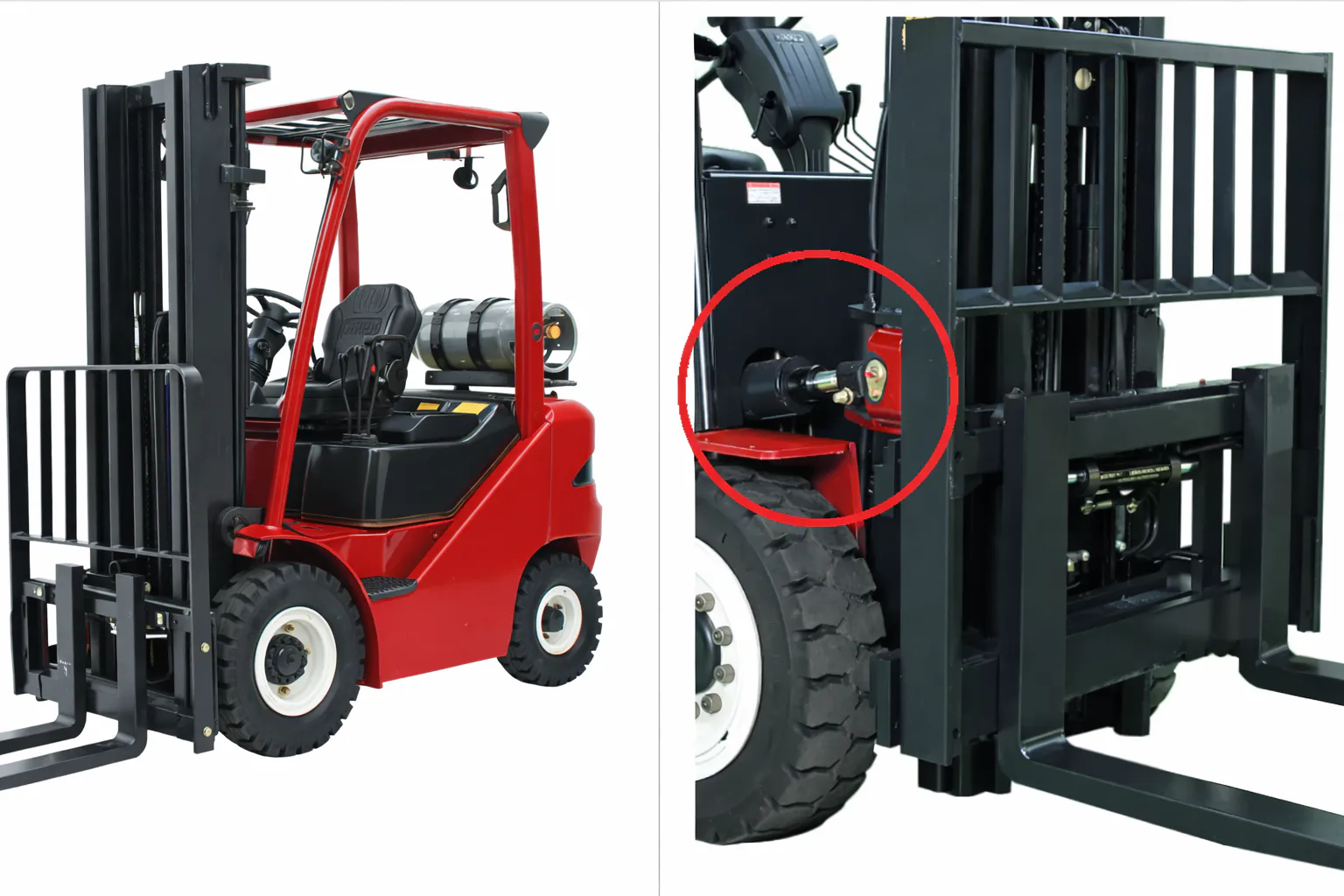
3. Material System Built for Dusty, Intermittent Duty
Material selection for a forklift hydraulic lift cylinder destined for grain storage service centers on resistance to abrasive particulate exposure combined with corrosion protection during long idle periods between harvest cycles. The barrel material is typically medium-carbon seamless steel tube, chosen for consistent wall thickness and reliable fatigue performance under cyclic pressure loading, while external surface treatment with phosphate coating and enamel paint protects against the humid, dust-laden air common in rural Colombian grain storage sheds.
The piston rod undergoes induction hardening followed by hard chrome plating to a controlled thickness, a treatment that performs double duty on grain-duty equipment. The chrome layer resists the abrasive wear caused by airborne grain dust settling on the exposed rod surface during retraction, while simultaneously forming a corrosion barrier against the moisture that accumulates inside poorly ventilated storage buildings during rainy season months. Buyers sourcing a hydraulic forklift tilt cylinder for cooperative use should confirm the chrome plating thickness meets a standard suited to outdoor and semi-outdoor storage yard conditions rather than the lighter specification adequate for climate-controlled indoor warehouses.
Seal compound selection depends on both the hydraulic fluid type in service and the ambient temperature range across the operating region. Polyurethane seals remain the common choice for general agricultural duty due to their balance of wear resistance and elasticity, though cooperatives operating in higher-altitude Colombian growing regions with cooler ambient temperatures may specify seal compounds rated for a broader low-temperature range. A forklift tilt cylinder seal replacement program should always reference the original fluid specification sheet rather than defaulting to a generic mineral oil compound assumption, since the wrong forklift tilt cylinder seal choice accelerates wear under exactly the dusty, intermittent conditions cooperative fleets experience most.
4. Grain Storage and Cooperative Logistics Application Scenarios
A forklift tilt cylinder supports several distinct handling tasks across the grain storage and agricultural cooperative supply chain, each placing slightly different demands on the hydraulic actuator and its seal system.
Silo Intake Bay Loading
During harvest intake, forklifts equipped with a hydraulic forklift tilt cylinder maneuver sacked grain pallets into position at silo loading bays, where precise tilt control prevents bag slippage as the forks angle to clear loading dock thresholds and uneven concrete aprons typical of older cooperative facilities. A well-maintained forklift hydraulic tilt cylinder reduces the chance of pallet shift during this critical intake stage.
Jumbo Bag Stacking and Stabilization
Bulk jumbo bags shift weight unpredictably during lift, and a responsive forklift tilt cylinder lets the operator continuously correct the mast angle to keep the load centered, reducing the risk of bag tipping when stacking grain reserves three or more levels high inside storage warehouses.
Cooperative Distribution Yard Transfer
Moving pallets between intake, drying, and outbound shipping zones across a cooperative yard exposes the lift cylinder forklift assembly to variable terrain, where consistent tilt response keeps loads stable during transit over compacted earth and gravel surfaces common at rural collection points.
Seasonal Feed Stock Rotation
Animal feed cooperatives rotating stock by arrival date rely on a forklift mast cylinder and tilt actuator pairing to access deep rack positions, where the ability to fine-tune fork angle reduces product damage when retrieving older stock from beneath newer deliveries.
Truck Loading for Regional Distribution
Loading outbound delivery trucks at cooperative dispatch points requires repeated tilt adjustments to clear tailgate clearances and stack pallets tightly within trailer space, a high-cycle task where forklift tilt cylinder drift becomes noticeable first if internal seal wear is developing. Crews handling this stage of the workflow rely on a responsive forklift tilt cylinder to keep loading times consistent during peak dispatch hours.
Equipment Maintenance Yard Support
Beyond grain handling itself, cooperative maintenance yards use the same forklift tilt cylinder equipped units to position farm implements, replacement parts crates, and bulk fertilizer pallets during seasonal equipment preparation ahead of planting cycles.
5. Specification Checklist for Agricultural Cooperative Buyers
Cooperative fleet managers replacing a forklift tilt cylinder for the first time often submit incomplete dimensional data, leading to repeated clarification rounds and delayed equipment downtime during peak harvest season when forklift availability matters most. Confirming bore diameter, rod diameter, stroke length, and closed length against the existing unit prevents this back-and-forth, since dimensions forklift tilt cylinder listings vary across forklift brands even within similar nominal capacity classes commonly used on cooperative fleets.
Mounting hole distance and pin diameter must also be confirmed precisely, as a mismatch here is the most frequent cause of failed installation when sourcing a replacement forklift tilt cylinder without verified drawings. Reviewing a current forklift tilt cylinder diagram against the physical mast bracket before ordering eliminates most of this fitment risk entirely. Buyers should additionally specify the working pressure rating required, along with port thread standard, since equipment imported from different manufacturing regions over a cooperative fleet’s operating history may use inconsistent thread specifications that complicate hose fitting compatibility during replacement.
Finally, the hydraulic fluid type in active service should accompany every quote request, since seal compound compatibility depends on actual fluid chemistry rather than forklift brand assumptions. Cooperatives operating mixed fleets across multiple storage locations benefit from standardizing on a single forklift tilt cylinder supplier capable of supporting both standard catalog units and custom forklift tilt cylinder parts for older or non-standard mast assemblies still in active service.
6. Regulatory and Compliance Considerations Across Markets
Powered industrial trucks used in grain storage and agricultural cooperative logistics fall under occupational safety regulation that applies regardless of the specific commodity being handled. In Colombia, Resolucion 1409 issued by the Ministerio del Trabajo establishes the national technical framework for safe load handling and work at height, while the Sistema General de Riesgos Laborales requires cooperatives to maintain documented preventive maintenance records for hydraulic material handling equipment, including periodic inspection of the forklift tilt cylinder and associated mast hydraulics.
Agricultural cooperative operations frequently sit outside dense urban regulatory enforcement zones, which makes proactive internal compliance documentation even more important for fleet managers. Many cooperative federations across Colombia and neighboring countries reference international standards such as ISO 3691 for industrial truck safety requirements as a technical baseline when establishing internal maintenance protocols, even where local enforcement infrastructure may be limited in rural storage regions.
Across the broader Latin American agricultural sector, countries including Mexico, Argentina, and Brazil apply similar national occupational safety frameworks requiring periodic hydraulic system inspection on powered industrial trucks used in grain and feed handling. Cooperatives exporting product internationally should also be aware that European buyers operating under the EU Machinery Regulation 2023/1230 and North American buyers under OSHA 1910.178 may request hydraulic equipment compliance documentation as part of supply chain due diligence during export partnership agreements.
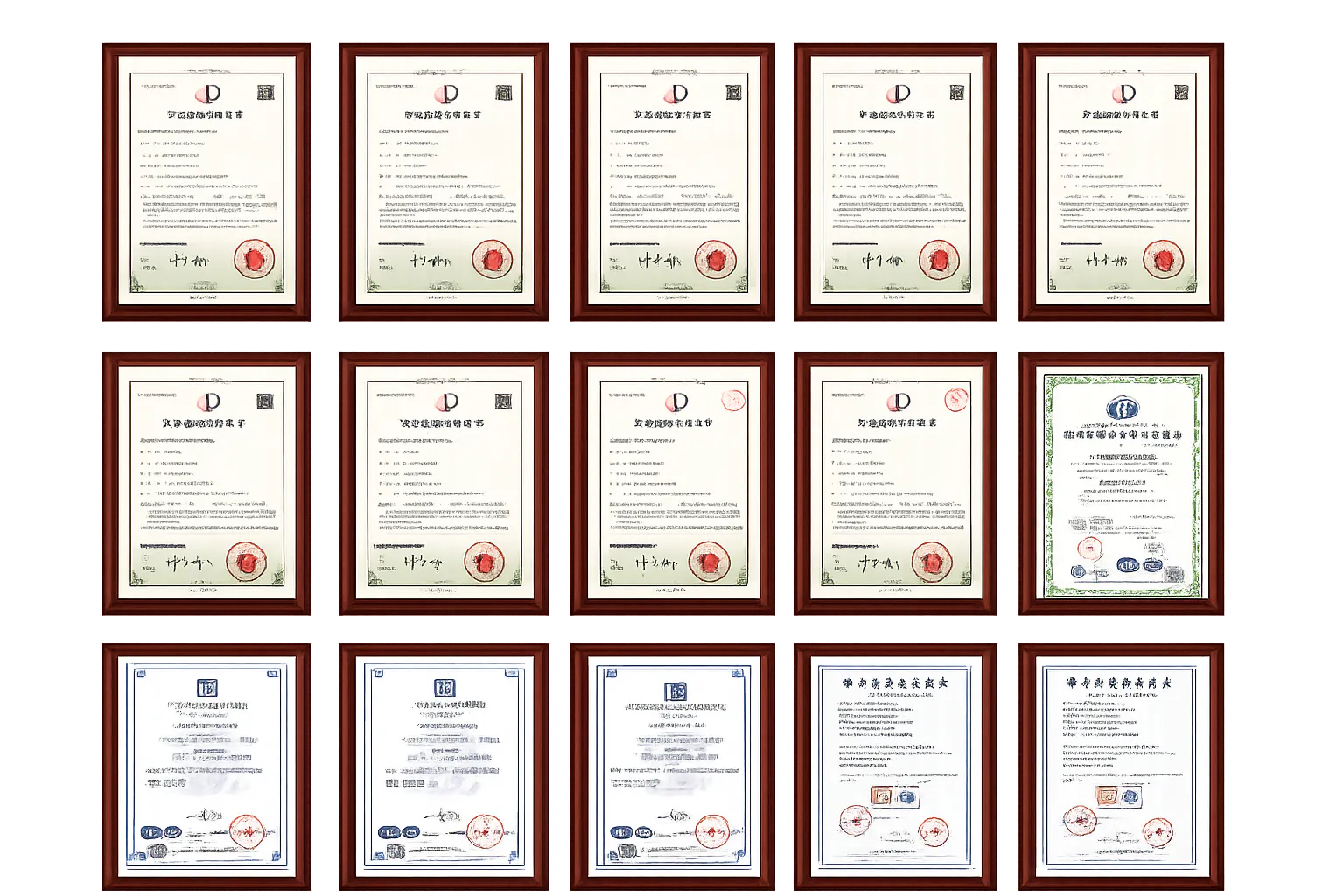
Maintaining a forklift tilt cylinder supplier relationship that provides dimensional drawings, pressure test certificates, and material certification on request gives cooperative fleet managers a documentation trail that supports both domestic safety audits and any international buyer compliance requests that arise as export relationships develop with forklift tilt cylinder fitment data already on file.
7. Featured Forklift Tilt Cylinder Models for Agricultural Use
The two models below represent commonly specified configurations suited to grain storage and agricultural cooperative logistics, covering both a precision-control tilt cylinder and a lighter accessory cylinder appropriate for smaller cooperative fleet vehicles.

أسطوانة إمالة الرافعة الشوكية EP-HCY-3
| ضغط العمل | 16 ميجا باسكال |
| Max Withstand Pressure | 24 ميجا باسكال |
| سكتة دماغية | 96.5 x 2 mm |
| Installation Distance | 585.7 ملم |
| وزن | 16.5 كجم |
This forklift tilt cylinder configuration suits standard cooperative fleet forklifts handling sacked grain and palletized feed stock, offering reliable repeatability across the high cycle counts typical of peak harvest intake periods.
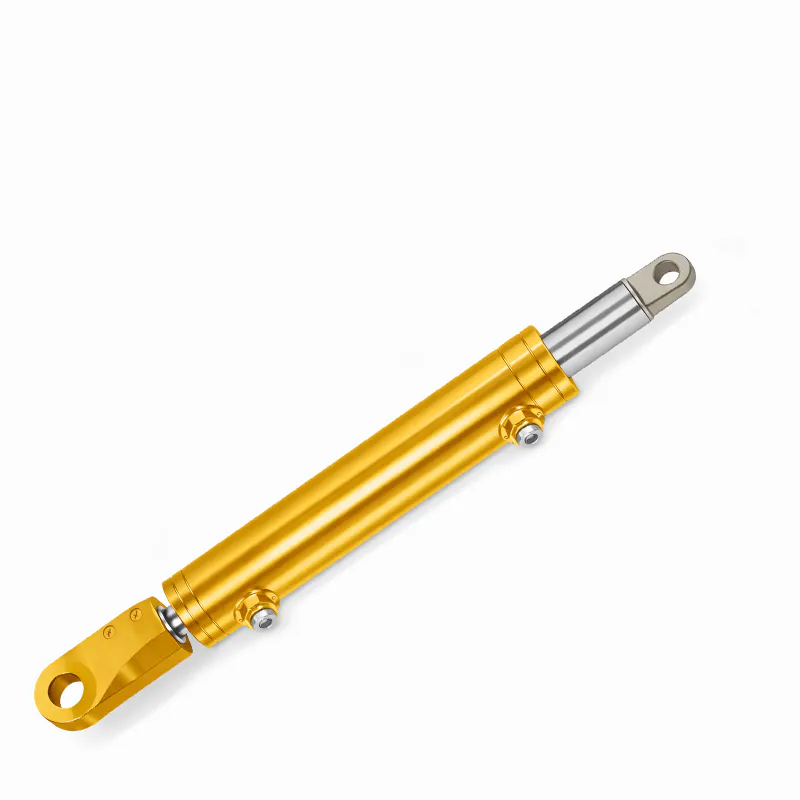
EP-HCYA-1 Cylinder for Forklift Accessories
| ضغط العمل | 25 MPa |
| Max Withstand Pressure | 35 MPa |
| سكتة دماغية | 200 mm |
| Mounting Hole Distance | 450 mm |
| وزن | 6 kg |
A lighter accessory cylinder suited to smaller cooperative fleet vehicles or auxiliary mast attachments, this unit pairs naturally alongside a forklift tilt cylinder where lower overall mast assembly weight benefits narrow-aisle warehouse layouts.
7. نبذة عنا
We are a dedicated OEM and ODM manufacturer of forklift tilt cylinder and forklift hydraulic lift cylinder assemblies, supplying custom hydraulic solutions with working pressure ratings up to 25 MPa for agricultural, industrial, and general material handling applications. Every forklift tilt cylinder leaving our production line is verified against the original buyer drawing. Our production capability supports cooperative fleet buyers across Colombia and the wider Latin American agricultural sector, covering both standard catalog configurations and full custom-drawing builds for non-standard mast assemblies still in active service across older fleet vehicles.
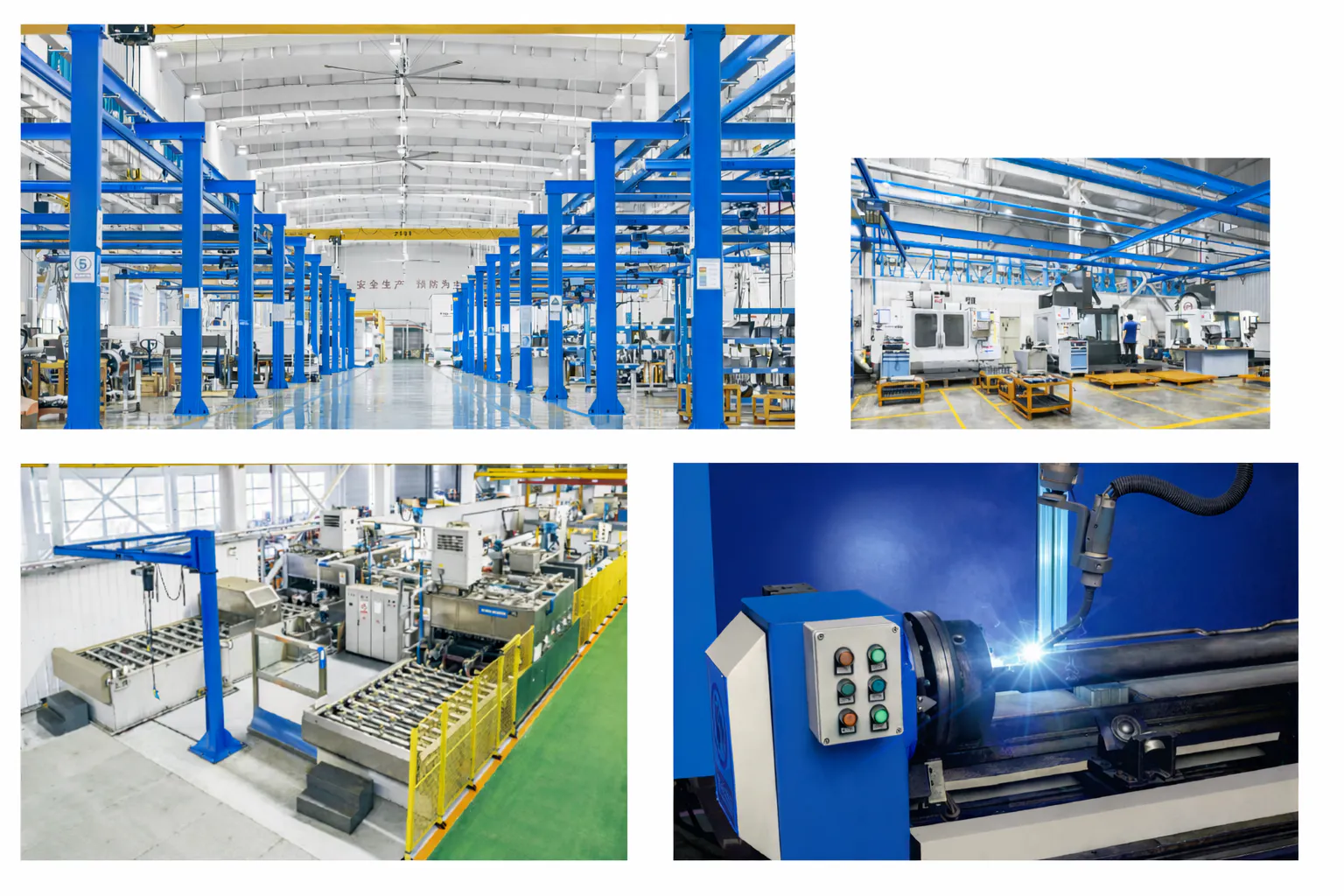
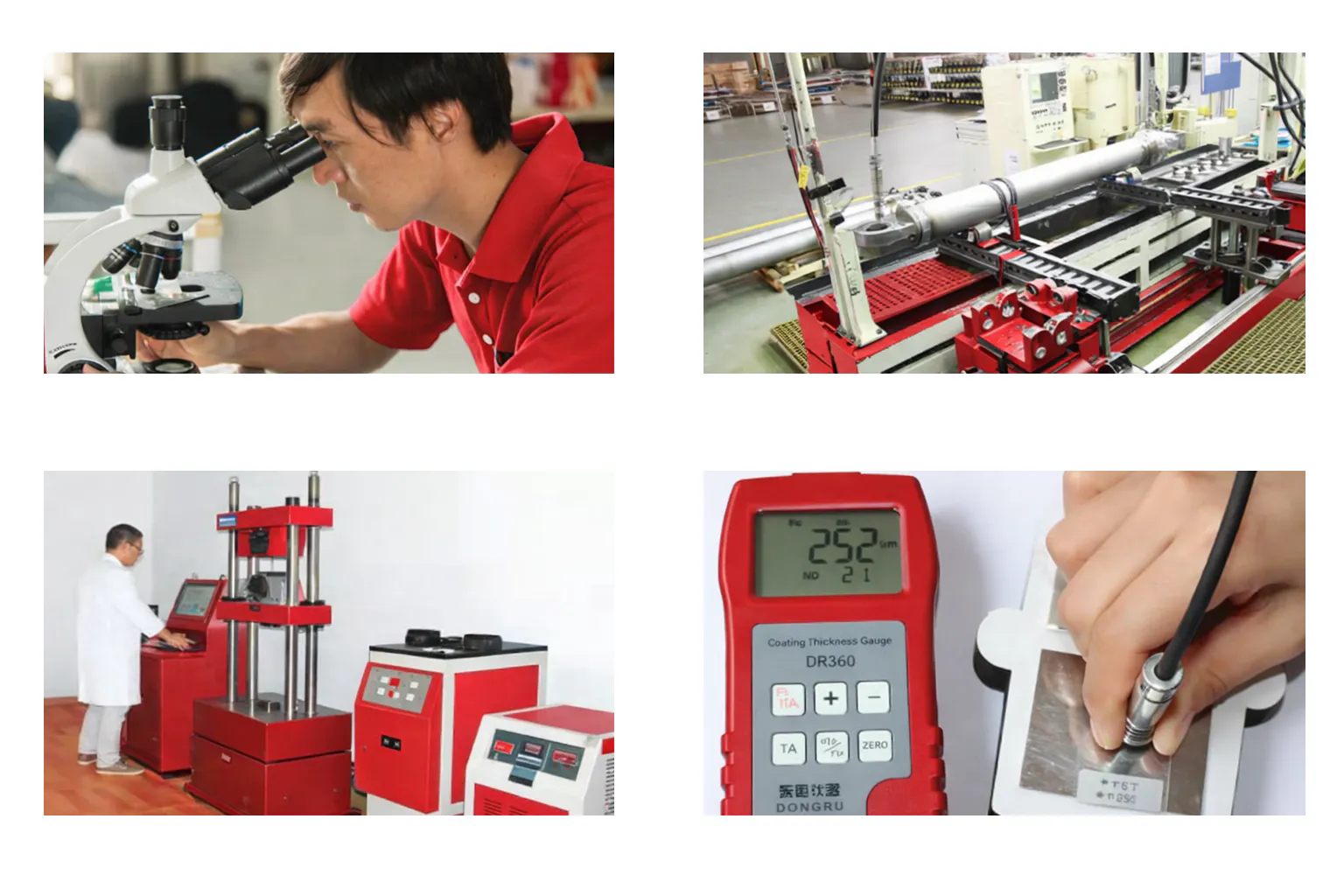
Production facilities maintain dedicated assembly lines for lift and tilt cylinder manufacturing, supported by an independent research and development team capable of accommodating non-standard bore diameters and stroke lengths for specialized agricultural equipment configurations. Technical documentation including dimensional drawings, pressure test certificates, and material certification is available on request to support buyer-side compliance verification for cooperative procurement processes.
ورشة عمل
8. Related Products for Complete Hydraulic System Supply
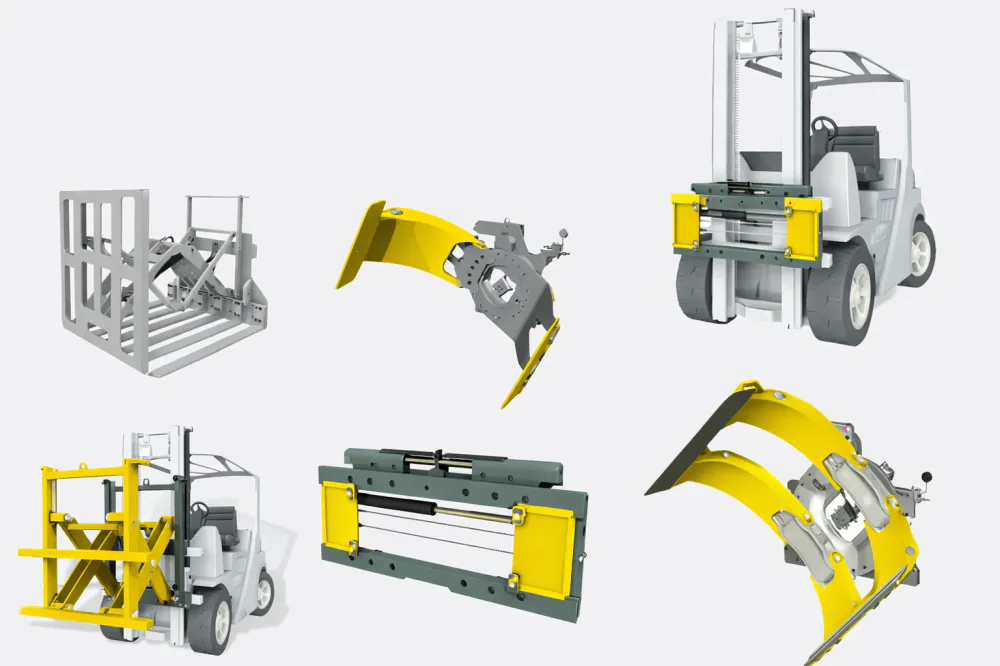
Beyond the forklift tilt cylinder itself, we manufacture compatible hydraulic actuators and pump systems designed for consistent fit and performance across the full mast hydraulic circuit, supporting cooperative buyers who prefer single-source procurement across their fleet hydraulic component requirements.
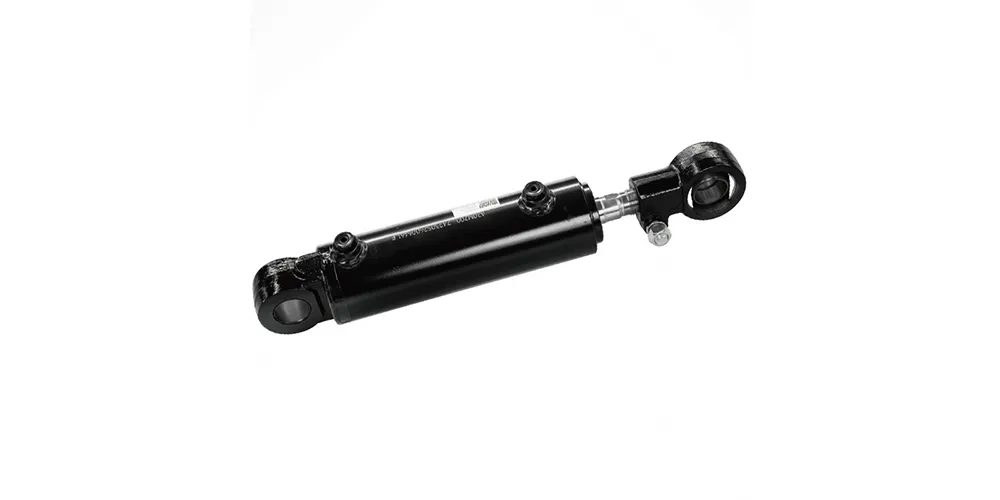
سلسلة أسطوانات الإمالة
Our full أسطوانة الإمالة range extends beyond forklift applications into broader agricultural and material handling equipment tilt actuation, sharing the same engineering standards and quality control processes applied to every forklift tilt cylinder we supply.
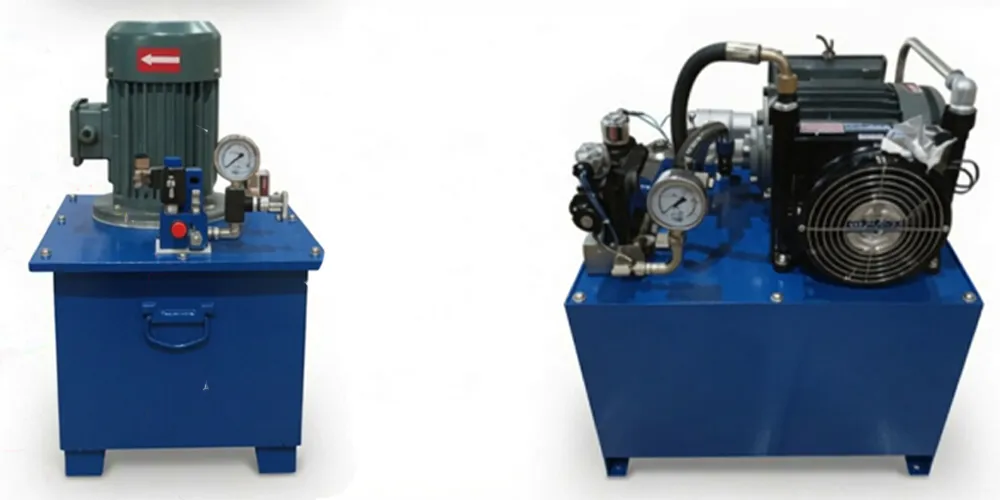
سلسلة محطات الضخ الهيدروليكية
A correctly matched hydraulic pump station ensures the flow rate and pressure delivered to the forklift tilt cylinder circuit stay within the rated operating window, avoiding sluggish tilt response during the high-cycle stacking operations typical of harvest season grain handling.
الأسئلة الشائعة
Q1. What is a tilt cylinder forklift and what is the difference between lift cylinder and tilt cylinder in a grain handling forklift?
A1. A forklift tilt cylinder angles the mast forward and backward to position loads, while a lift cylinder forklift assembly raises and lowers the mast vertically. In grain handling, both work together to stack sacked product securely without bag damage.
Q2. What is a tilt on a forklift and how does it help with jumbo bag stacking in cooperative warehouses?
A2. The tilt function angles the forks to seat and stabilize a load before placement. For jumbo bags that shift weight unpredictably during lift, continuous tilt adjustment keeps the bag centered and reduces the risk of tipping during stacking.
Q3. What are the different types of forklift cylinders used on equipment at a grain storage facility?
A3. A typical forklift hydraulic system includes a lift cylinder for vertical mast travel and a tilt cylinder for mast angle control, with some models also fitted with a free lift cylinder, forming the complete forklift hydraulic lift cylinder circuit used in grain handling fleets.
Q4. How do I determine which size forklift tilt cylinder fits my cooperative fleet forklift without removing the unit?
A4. Measure the mounting hole distance, pin diameter, stroke length, and closed length where accessible, or photograph the stamped model number on the cylinder body alongside mast bracket photos for supplier cross-reference confirmation before ordering.
Q5. What causes forklift tilt cylinder drift during repeated jumbo bag stacking cycles at a grain warehouse?
A5. Drift typically results from internal seal bypass letting hydraulic fluid slowly cross between pressure chambers, often worsened by grain dust contamination. Scheduling a forklift tilt cylinder seal kit replacement at the recommended interval prevents drift from worsening into a safety concern.
Q6. Which hydraulic fluid specification should accompany a forklift hydraulic cylinder repair request for cooperative equipment?
A6. Provide the current hydraulic fluid viscosity grade and base type in service so seal compound compatibility can be confirmed against actual fluid chemistry, ensuring reliable performance from the moment of installation onward.
Q7. How long does a forklift tilt cylinder seal kit typically last in seasonal harvest intake operation?
A7. Service life depends heavily on dust exposure, cycle count during peak intake weeks, and hydraulic fluid cleanliness, but cooperatives following good filtration and storage practices commonly see reliable performance across multiple consecutive harvest seasons before seal kit replacement becomes necessary.
Q8. Can a forklift mast cylinder supplier accommodate custom dimensions for older cooperative fleet equipment still in service?
A8. Yes, custom forklift tilt cylinder production by drawing is available, covering non-standard bore diameters, stroke lengths, and mounting configurations to match older mast assemblies common in long-running cooperative fleet vehicles.
Q9. When is the best time to schedule forklift tilt cylinder maintenance ahead of peak grain intake season?
A9. Scheduling inspection and any required forklift tilt cylinder seal replacement during the off-season weeks before harvest intake begins avoids unplanned downtime during the critical multi-week period when forklift availability directly affects intake throughput.
Request Forklift Tilt Cylinder Specification Support for Your Cooperative Fleet
Submit your mast bracket dimensions, working pressure requirement, and hydraulic fluid specification for a confirmed forklift tilt cylinder fitment quotation, suited to grain storage, agricultural cooperative, and farm logistics buyers across Colombia and beyond.
المحرر: PXY