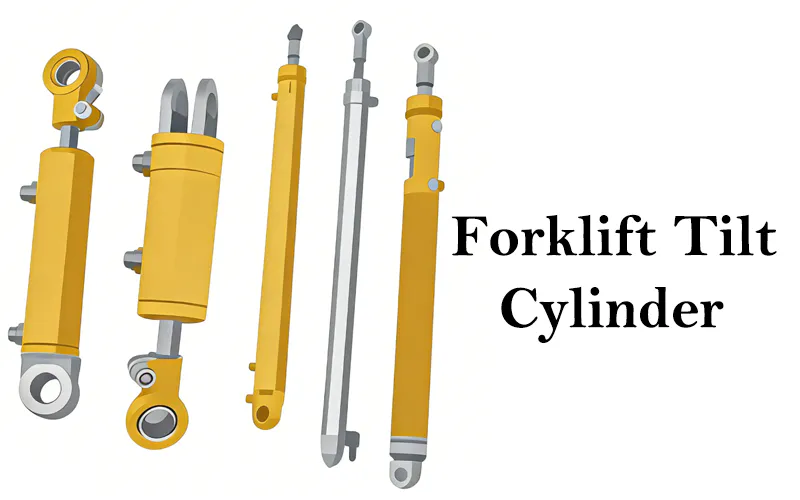
Produktbeschreibung
Dieser Hydraulikzylinder ist speziell für Fräsmaschinen konzipiert.
Dieser Zylinder zeichnet sich durch seine kompakte Bauweise und hohe Zuverlässigkeit aus. Die spezifischen Anschlussabmessungen und -größen können entsprechend den Anforderungen des Hauptmotors ausgelegt werden.
| Modell | Bohrungsdurchmesser (mm) |
Stangendurchmesser (mm) |
Schlaganfall (mm) |
Nenndruck (Bar) |
| HSG25/16-180*420-WX | 25 | 16 | 180 | 160 |
| Typ: | Hoist Cylinder |
|---|---|
| Anwendung: | Lkw, Gabelstapler, Kran, Lader, Straßenbaumaschinen |
| Nominal Pressure: | 160 Bar |
| Stroke: | 180 mm |
| Zertifikat: | ISO9001:2008 |
| Garantie: | 1 Jahr |
| Anpassung: |
Verfügbar
|
|
|---|
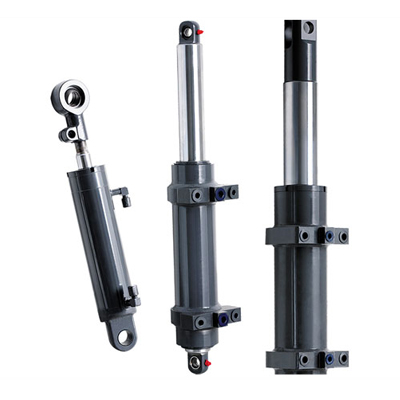
Wie trägt ein Hydraulikzylinder eines Gabelstaplers zu einem effizienten Materialtransport bei?
Der Hydraulikzylinder eines Gabelstaplers spielt eine entscheidende Rolle für effiziente Materialhandhabung. Seine Konstruktion und Funktionsweise tragen wesentlich zu höherer Produktivität, Präzision und Sicherheit bei. Im Folgenden finden Sie eine detaillierte Erklärung, wie ein Hydraulikzylinder eines Gabelstaplers zu effizienter Materialhandhabung beiträgt:
- Hebe- und Senkkapazität:
- Hohe Hubkraft:
- Schnelle Reaktions- und Zykluszeiten:
- Präzise Lastpositionierung:
- Vielseitigkeit und Anpassungsfähigkeit:
- Stabilität und Sicherheit:
- Zuverlässigkeit und Langlebigkeit:
Die Hauptfunktion eines Hydraulikzylinders an einem Gabelstapler besteht darin, die Gabeln oder die Hubplattform anzuheben und abzusenken, um Lasten zu heben und zu positionieren. Diese Fähigkeit ermöglicht eine effiziente vertikale Bewegung und erlaubt es dem Bediener, Materialien schnell und sicher zu stapeln, zu entstapeln, zu be- und entladen. Der gleichmäßige und kontrollierte Betrieb des Hydraulikzylinders in Verbindung mit der einstellbaren Hubhöhe gewährleistet eine präzise Positionierung der Gabeln oder der Hubplattform und optimiert so die Effizienz des Lastumschlags.
Die Hydraulikzylinder von Gabelstaplern sind so konstruiert, dass sie erhebliche Hubkräfte erzeugen und so das mühelose Heben schwerer Lasten ermöglichen. Dank der Fähigkeit des Hydrauliksystems, hohen Druck zu erzeugen und diesen auf den Zylinder zu übertragen, können Lasten effizient angehoben werden, die manuell nur schwer oder gar nicht zu handhaben wären. Diese hohe Hubkraft trägt zu einer gesteigerten Produktivität bei, indem sie die Anzahl der für den Materialtransport erforderlichen Fahrten reduziert und die gesamte betriebliche Effizienz verbessert.
Die Hydraulikzylinder in Gabelstaplern zeichnen sich durch kurze Reaktionszeiten aus und ermöglichen so schnelle und effiziente Materialumschlagszyklen. Sobald der Bediener die Hydrauliksteuerung aktiviert, überträgt die Hydraulikflüssigkeit sofort Druck auf den Zylinder und leitet die gewünschte Hebe- oder Senkbewegung ein. Die kurze Reaktionszeit verkürzt die Zykluszeiten, sodass Gabelstapler Aufgaben schneller erledigen und die Gesamtproduktivität gesteigert wird.
Der gleichmäßige und kontrollierte Betrieb der Hydraulikzylinder ermöglicht eine präzise Positionierung der Last – ein entscheidender Faktor für effizientes Materialhandling. Bediener können die Hubhöhe exakt einstellen, die Gabeln stufenweise absenken oder anheben und die Positionierung feinjustieren, um den jeweiligen Anforderungen der Aufgabe gerecht zu werden. Diese Präzision minimiert das Risiko von Ladungsschäden, optimiert die Raumausnutzung und ermöglicht die nahtlose Integration in Lagersysteme. Dadurch werden die Effizienz gesteigert und die Wahrscheinlichkeit von Fehlern oder Unfällen reduziert.
Die Hydraulikzylinder von Gabelstaplern bieten Vielseitigkeit und Anpassungsfähigkeit und ermöglichen so das effiziente Handling unterschiedlichster Lastenarten, -größen und -gewichte. Dank der einstellbaren Hubhöhen können Gabelstapler verschiedene Stapelhöhen, Freiraumanforderungen und Be- und Entladesituationen bewältigen. Diese Flexibilität gewährleistet, dass Gabelstapler ein breites Spektrum an Materialtransportaufgaben übernehmen können, was die betriebliche Effizienz steigert und den Bedarf an Spezialausrüstung reduziert.
Der Beitrag des Hydraulikzylinders zu effizientem Materialtransport erstreckt sich auch auf die Gewährleistung von Stabilität und Sicherheit beim Heben und Senken. Gabelstapler sind mit Gegengewichtssystemen ausgestattet, die in Verbindung mit dem Hydraulikzylinder für Balance sorgen und ein Umkippen verhindern. Das synchronisierte Zusammenspiel von Hydraulik- und Gegengewichtssystem erhöht die Stabilität und ermöglicht sicheres Lastenhandling auch in großen Höhen. Dies fördert effizienten Materialtransport bei gleichzeitiger Gewährleistung der Sicherheit von Bediener und Arbeitsplatz.
Hydraulikzylinder für Gabelstapler sind für den Einsatz in anspruchsvollen Industrieumgebungen und häufigen Gebrauch konzipiert. Sie bestehen aus robusten Materialien und werden strengen Tests unterzogen, um Langlebigkeit und Zuverlässigkeit zu gewährleisten. Diese Zuverlässigkeit minimiert Ausfallzeiten aufgrund von Zylinderdefekten und ermöglicht so einen kontinuierlichen Materialfluss und eine höhere Gesamteffizienz.
Die Kombination aus Hebe- und Senkfähigkeit, hoher Hubkraft, kurzen Reaktionszeiten, präziser Lastpositionierung, Vielseitigkeit, Stabilität, Zuverlässigkeit und Langlebigkeit macht Gabelstapler-Hydraulikzylinder unverzichtbar für effizientes Materialhandling. Diese Zylinder ermöglichen es dem Bediener, Lasten präzise zu handhaben, die Produktivität zu optimieren und einen sicheren und zuverlässigen Betrieb in unterschiedlichsten Materialhandling-Anwendungen zu gewährleisten.
 \
\
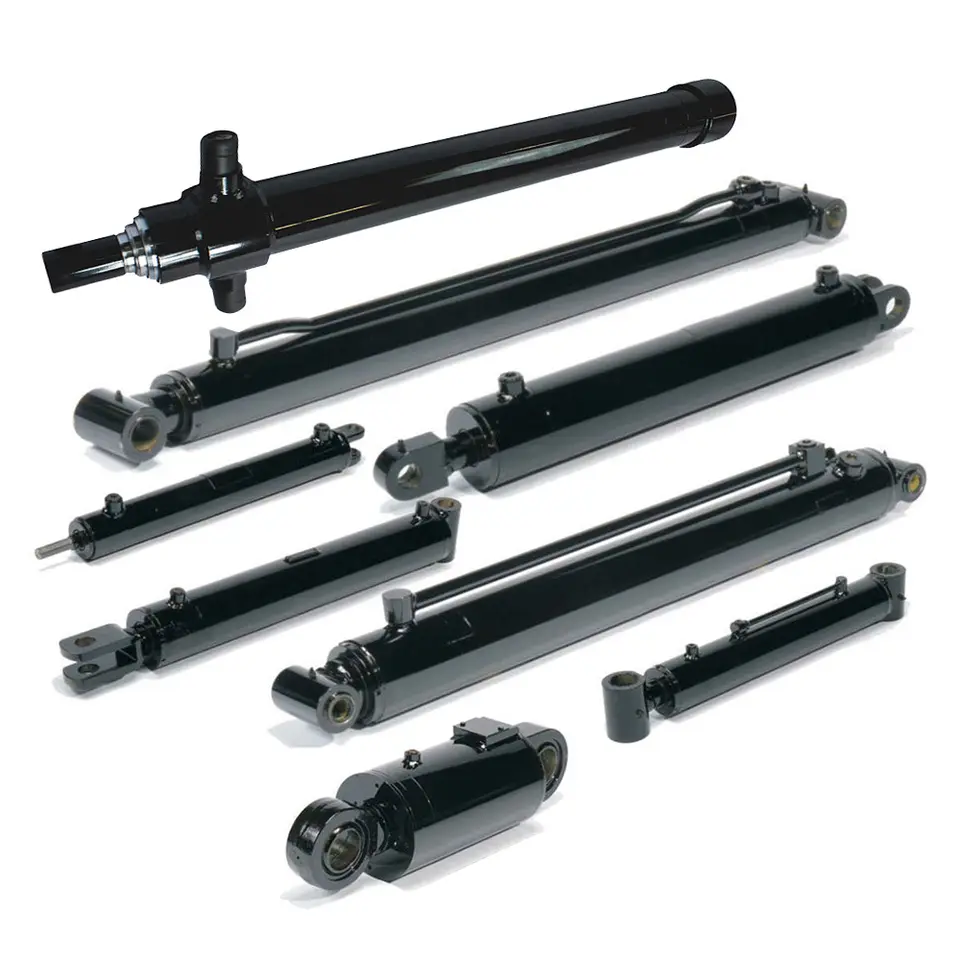
Can hydraulic cylinders be used in order fulfillment centers?
Yes, hydraulic cylinders can be used in order fulfillment centers. Order fulfillment centers require efficient and precise material handling equipment to handle the storage and movement of goods. Hydraulic cylinders are commonly used in various applications within these centers. Here’s an explanation of how they can be utilized:
Hydraulic cylinders find applications in order fulfillment centers in the following ways:
1. Conveyor Systems:
Conveyor systems are extensively used in order fulfillment centers for the transportation of goods. Hydraulic cylinders are employed to control the movement and positioning of conveyor belts. These cylinders enable smooth and precise adjustments of the conveyor height, ensuring efficient transfer of items between different processing areas.
2. Lift Tables and Platforms:
Hydraulic cylinders are utilized in lift tables and platforms used for order picking and loading/unloading operations. These cylinders provide controlled lifting and lowering of the tables or platforms, allowing operators to adjust the working height as needed. This enables ergonomic working conditions and precise alignment with shelving or loading docks.
3. Scissor Lifts:
Scissor lifts are commonly used in order fulfillment centers to reach elevated areas for order picking or stock replenishment. Hydraulic cylinders power the vertical movement of scissor lifts, providing stability and controlled elevation. The cylinders allow for precise positioning at different heights, enhancing efficiency and safety during the order fulfillment process.
4. Pallet Handling Equipment:
Order fulfillment centers often utilize pallet handling equipment, such as pallet jacks and pallet positioners, to move and stack palletized goods. Hydraulic cylinders are integral components of these machines, enabling the lifting and lowering of pallets. The cylinders provide the necessary force and control to handle heavy loads and ensure accurate placement of pallets.
5. Automated Guided Vehicles (AGVs):
AGVs are autonomous vehicles utilized in order fulfillment centers to transport goods within the facility. Hydraulic cylinders are employed in the lifting mechanisms of AGVs, allowing them to pick up and drop off loads at designated locations. The cylinders enable precise vertical movement and positioning of the load, ensuring accurate and efficient material handling.
In summary, hydraulic cylinders have various applications in order fulfillment centers, including conveyor systems, lift tables and platforms, scissor lifts, pallet handling equipment, and AGVs. These cylinders contribute to efficient and precise material handling, enhancing productivity and streamlining the order fulfillment process.
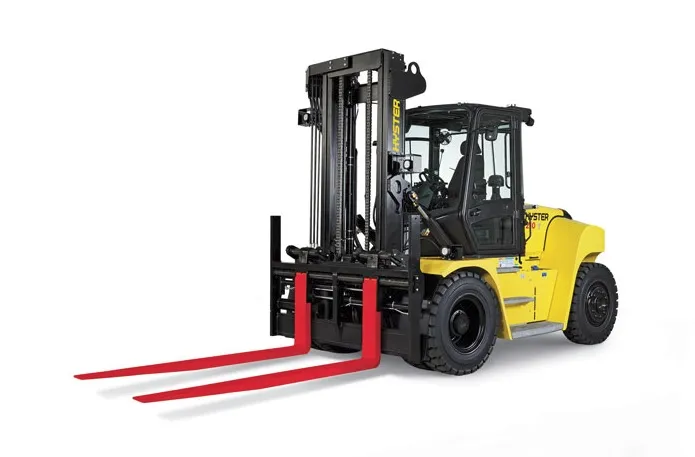
What Industries Rely on Forklifts with Hydraulic Cylinders?
Various industries heavily rely on forklifts equipped with hydraulic cylinders for their material handling and logistics operations. Forklifts with hydraulic cylinders offer efficient lifting, lowering, and maneuvering capabilities, making them indispensable in numerous sectors. Here are some industries that heavily rely on forklifts with hydraulic cylinders:
- Warehousing and Distribution:
- Manufacturing:
- Construction:
- Retail:
- Transportation and Logistics:
- Agriculture:
- Wholesale and Distribution:
- Food and Beverage:
In the warehousing and distribution industry, forklifts are essential for lifting and moving goods within warehouses and distribution centers. Forklifts with hydraulic cylinders enable the efficient stacking and retrieval of palletized goods, speeding up the loading and unloading process. They play a significant role in inventory management, order fulfillment, and ensuring smooth logistics operations.
Forklifts with hydraulic cylinders are widely used in manufacturing facilities for various applications. They are used to transport raw materials, components, and finished products within production lines and warehouses. Hydraulic-powered forklifts enable manufacturers to efficiently move heavy loads, streamline production processes, and optimize material flow.
The construction industry heavily relies on forklifts with hydraulic cylinders for material handling tasks on construction sites. Forklifts are used to lift and transport building materials, such as lumber, steel, bricks, and concrete blocks. Hydraulic cylinders allow forklift operators to lift and position heavy construction materials with precision, enhancing productivity on construction projects.
In the retail sector, forklifts with hydraulic cylinders play a crucial role in managing inventory and stock replenishment. They are used in retail warehouses, distribution centers, and large retail stores to handle palletized goods, unload delivery trucks, and stock shelves. Forklifts equipped with hydraulic cylinders enable efficient movement of goods, helping retailers maintain optimal stock levels and meet customer demand.
The transportation and logistics industry heavily relies on forklifts with hydraulic cylinders at various stages of the supply chain. Forklifts are used in freight terminals, airports, seaports, and rail yards to load and unload cargo containers, pallets, and freight shipments. Hydraulic-powered forklifts ensure smooth and efficient material handling operations in transportation hubs, contributing to the timely movement of goods.
In the agriculture industry, forklifts with hydraulic cylinders are utilized for various tasks on farms, nurseries, and agricultural warehouses. They are used to handle and transport bulky items such as bales of hay, bags of feed, and agricultural equipment. Forklifts enable efficient loading and unloading of agricultural products, contributing to streamlined operations and improved productivity.
Wholesale and distribution companies heavily rely on forklifts with hydraulic cylinders for their material handling needs. These forklifts are used to handle a wide range of products, including palletized goods, crates, and containers, in wholesale warehouses and distribution centers. Forklifts equipped with hydraulic cylinders enable efficient sorting, stacking, and movement of goods, ensuring smooth distribution operations.
In the food and beverage industry, forklifts with hydraulic cylinders are extensively used for material handling tasks in production facilities, warehouses, and cold storage facilities. They are employed to transport ingredients, packaging materials, and finished products. Forklifts equipped with hydraulic cylinders enable careful handling of delicate food items and efficient movement of goods in temperature-controlled environments.
These are just a few examples of the industries that heavily rely on forklifts with hydraulic cylinders. The versatility and lifting capabilities of these forklifts make them indispensable in a wide range of sectors, supporting efficient and safe material handling operations.


editor by CX 2023-10-16