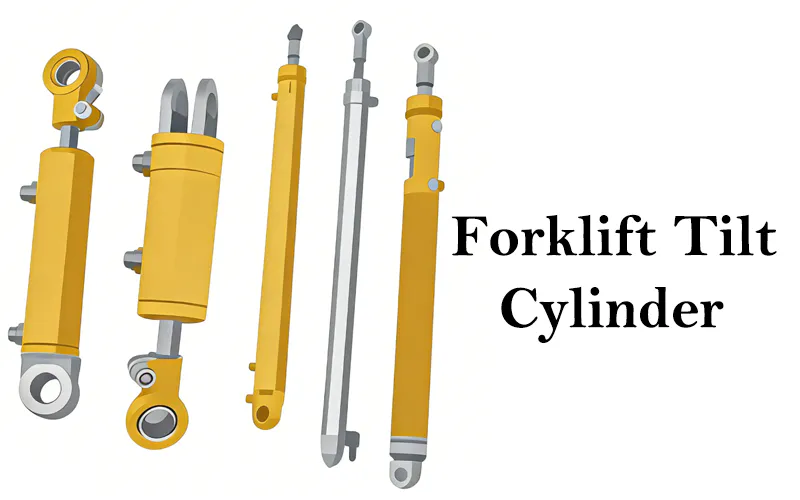
Wartungshandbuch für landwirtschaftliche Geräte
Saisonale Wartungsanleitung für Kippzylinder von landwirtschaftlichen Gabelstaplern im europäischen Agrarzyklus
Ein strukturierter Leitfaden für die saisonale Wartung von landwirtschaftlichen Gabelstaplern mit Kippzylinder für Flottenmanager und Wartungsteams, der Inspektionsverfahren, Materialverschleißfaktoren und Konformitätsanforderungen für europäische landwirtschaftliche Betriebszyklen und Käufer in ganz Kolumbien abdeckt.
Wartungsreferenz auf einen Blick
1. Warum sich die saisonale Wartung von landwirtschaftlichen Gabelstaplern von den üblichen Wartungsplänen in der Industrie unterscheidet
Ein landwirtschaftlicher Gabelstapler arbeitet in einem Rhythmus, den nur wenige andere Industriefahrzeuge aufweisen: Intensiver Mehrschichtbetrieb über mehrere Wochen während der Frühjahrsaussaat oder Herbsternte, gefolgt von längeren Stillstandszeiten, in denen das Gerät in einer offenen Scheune, einer Feldecke oder einer unbeheizten Lagerhalle steht. Dieses ständige Anhalten und Starten belastet den Kippzylinder des Gabelstaplers auf besondere Weise, die ein aus der Lagerhaltung übernommener Wartungsplan mit festen Intervallen nicht ausreichend berücksichtigt. Ein Kippzylinder, der während der Juliernte einwandfrei funktioniert, kann nach dem Winter ein völlig anderes Verhalten zeigen, wenn die Stillstandszeiten nicht korrekt eingehalten wurden. Während der Stillstandszeiten kondensiert Feuchtigkeit an der freiliegenden Kolbenstange und sammelt sich an der Kolbenstangendichtung. Dort kann sie die Abstreifdichtung durchdringen und in Richtung der Hauptdichtung der Kolbenstange wandern. Beim Start des Gabelstaplers für die nächste Saison hatte diese latente Feuchtigkeit Monate Zeit, die Integrität der Chromstange zu beeinträchtigen oder einen statischen Verformungssatz der Dichtung zu verursachen. Dies äußert sich dann in den ersten Tagen des intensiven Einsatzes durch Ölaustritt oder -verlust.
Der europäische Agrarkalender bringt zusätzliche Komplexität mit sich. Ein Gabelstapler in einer nordeuropäischen Getreide- oder Kartoffelgenossenschaft kann bei Feldarbeiten im Spätsommer echten Minusgraden ausgesetzt sein. Ein Kippzylinder, der mit altem Hydrauliköl aus dem vorherigen Arbeitszyklus betrieben wurde, kann unter diesen Bedingungen träge reagieren oder eine verstärkte Kippbewegung zeigen, da die Viskosität des Öls die Fähigkeit der Pumpe übersteigt, den Nenndruck aufrechtzuerhalten. Umgekehrt ist derselbe Zylinder während der Hauptsaison der Sommerernte in südeuropäischen Weinbergen und Olivenhainen anhaltend hohen Temperaturen und UV-Strahlung an allen ungeschützten Chromstangenabschnitten ausgesetzt.
Für kolumbianische Käufer von Landmaschinen und Flottenmanager, die europäische Wartungspraktiken als Vorbild für ihre eigenen Betriebe studieren, lässt sich die wichtigste Erkenntnis direkt übertragen: Saisonale Wartung bedeutet, Inspektionen und Servicearbeiten nach dem landwirtschaftlichen Kalender und nicht nach einem festen monatlichen Zeitplan zu planen, wobei zwei primäre Interventionsfenster auf den Beginn jeder wichtigen Betriebsperiode abgestimmt sind.
2. Fertigungsstruktur des Kippzylinders von Gabelstaplern und Bereiche mit saisonalem Verschleiß
Für eine aussagekräftige Saisoninspektion benötigt der Wartungstechniker ein grundlegendes Verständnis der wichtigsten internen Baugruppen, die in einem Hydraulikzylinderdiagramm des Gabelstaplers dargestellt sind, sowie der Bereiche, in denen sich zwischen den Betriebssaisons am ehesten Verschleißerscheinungen ansammeln. Ein übersichtliches Diagramm des Kippzylinders, das vom Hersteller bereitgestellt wird, hilft dem Techniker außerdem, die Abmessungen der Dichtungsnut und die Positionen der Anschlüsse zu ermitteln, bevor er eine Ersatz-Kippzylindereinheit für ein Flottenfahrzeug bestellt.
Zylinderlauf und Bohrung
Der Zylinder besteht aus einem nahtlosen Stahlrohr mit einer innen gehonten Lauffläche, an der die Kolbendichtung anliegt. Während der saisonalen Stillstandszeiten sammeln sich Verunreinigungen der Hydraulikflüssigkeit, die während des vorherigen Betriebszyklus in das System gelangt sind, am tiefsten Punkt. Abrasive Partikel aus Erntestaub können die Lauffläche beschädigen, wenn die Flüssigkeitsfiltration vor dem Stillstand unzureichend war. Die Inspektion vor Saisonbeginn sollte einen Funktionstest des Kolbenhubs umfassen, der Unebenheiten in der Kolbenbewegung aufdeckt, die auf Beschädigungen der Lauffläche hindeuten.
Kolbenstange aus Chrom
Die polierte Chromstange ist der am besten sichtbare Teil des Kippzylinders eines Gabelstaplers und sollte daher bei der Inspektion vor Saisonbeginn als Erstes überprüft werden. Bei der Winterlagerung von Landmaschinen wird die Stange oft teilweise eingefahren, wodurch ein Teil des Chroms ungeschützt Kondenswasser, Vogelkot, Düngemittelspritzern und UV-Strahlung ausgesetzt ist – je nach Lagerort. Jeglicher Rostbefall, Lochfraß oder Chromabrieb an der Stangenoberfläche muss beseitigt werden, bevor der Gabelstapler wieder in Betrieb genommen wird.
Stangendichtung und Abstreiferdichtung
Die Kolbenstangendichtung beherbergt die primäre Kolbenstangendichtung, die den Hydraulikdruck aufrechterhält, und die Abstreifdichtung, die das Eindringen von Fremdkörpern verhindert. Die Abstreifdichtung ist bei einem Kippzylinder eines landwirtschaftlichen Gabelstaplers den größten Umwelteinflüssen ausgesetzt, da sie bei jedem Aus- und Einfahrvorgang mit der Kolbenstange in Kontakt kommt und Erntestaub, getrocknete Erdpartikel und Feuchtigkeit abstreift, bevor diese die primäre Dichtung erreichen können. Der Austausch der Abstreifdichtung im Rahmen eines Dichtungssatzes für den Kippzylinder des Gabelstaplers bei jeder Wartung vor Saisonbeginn verhindert, dass Verunreinigungen den Verschleiß der primären Dichtung während der Phase mit hohem Hub beschleunigen.
Kolben und Kolbendichtung
Der Kolben trennt die beiden Druckkammern im Zylinder. Eine unzureichende Kolbendichtung ist die Hauptursache für das Abdriften des Hubmastes bei Gabelstaplern, bei dem sich der Mast ohne Eingriff des Fahrers langsam absenkt oder neigt. Verschlimmert sich dieses Abdriften nach einer saisonalen Wiederinbetriebnahme, deutet dies oft darauf hin, dass die Kolbendichtung während einer längeren Ruhephase einen Kompressionsverformung erlitten hat. Dadurch ist ihre Fähigkeit, den Druckunterschied zwischen den Kammern aufrechtzuerhalten, wenn der Zylinder unter Last stillsteht, beeinträchtigt.
Befestigungsösen und Drehzapfen
Die Befestigungsösen verbinden den Kippzylinder des Gabelstaplers über Drehzapfen mit dem Mast und dem Fahrgestellrahmen. Landwirtschaftliche Gabelstapler fahren regelmäßig auf unbefestigten Wegen, und zwischen den Jahreszeiten sammelt sich Erde um den Drehzapfen und die Ösenbohrung an, was die Korrosion an der Kontaktfläche des Zapfens beschleunigt. Das Fetten der Drehzapfen und die Überprüfung des Zapfenspiels sind einfache saisonale Maßnahmen, die den in der Dokumentation der Hydraulikzylinder von landwirtschaftlichen Gabelstaplern dargestellten beschleunigten Verschleiß verhindern.
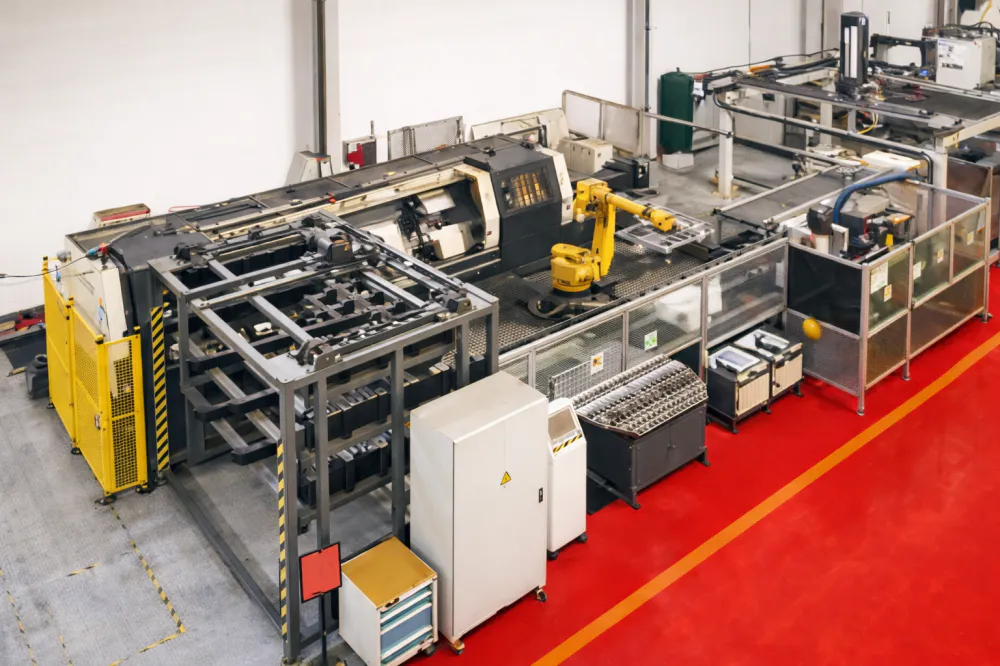
3. Materialsystem und saisonale Umwelteinflüsse
Die Materialwahl bei der Herstellung eines Kippzylinders für Gabelstapler beeinflusst die Einsatzbedingungen in der Landwirtschaft auf spezifische Weise, die in einer rein industriellen Wartungsanleitung nicht berücksichtigt wird. Das Zylinderrohr eines Kippzylinders für Getreide- oder allgemeine Landwirtschaftsstapler besteht typischerweise aus nahtlosem, mittelgekohltem Stahlrohr mit externer Phosphatierung und Emaille-Decklackierung. Dieses Schutzsystem ist bei trockener Lagerung bewährt, doch in der Landwirtschaft stellen Regen, Spritzwasser aus der Bewässerung und Feldschlamm aufgrund von Feuchtigkeits- und Trocknungszyklen jede Beschichtung über mehrere Jahre hinweg vor große Herausforderungen. Vor Saisonbeginn sollte die Zylinderbeschichtung visuell auf abblätternde Farbe, Oberflächenrost oder sichtbare Korrosion an den Schweißnähten in der Nähe der Befestigungspunkte geprüft werden, da die Beschichtung dort durch die Rahmenbiegung häufig beansprucht wird.
Die Hartverchromung der Kippzylinderstange von Gabelstaplern bietet den primären Korrosionsschutz im Betrieb. Chrom ist jedoch nicht unempfindlich gegenüber stehender Feuchtigkeit bei längeren Stillstandszeiten, insbesondere in Küstenregionen oder landwirtschaftlichen Gebieten mit hoher Luftfeuchtigkeit, wie beispielsweise in der kolumbianischen Karibik oder in den atlantischen Anbaugebieten Nordeuropas. Ein dünner Anstrich mit einem für Hydrauliksysteme geeigneten Konservierungsöl auf dem freiliegenden Stangenabschnitt vor der saisonalen Einlagerung reduziert das Risiko von Rostbildung unter dem Chrom während der Ruhezeit erheblich. Dieser Schritt dauert weniger als fünf Minuten pro Zylinder und kann die Kosten eines vorzeitigen Austauschs des Kippzylinders später vermeiden.
Bei der Auswahl der Dichtungsmasse für landwirtschaftliche Anwendungen sollte der gesamte Betriebstemperaturbereich über das Kalenderjahr hinweg berücksichtigt werden, nicht nur die Spitzenwerte im Sommer. Ein Kippzylinder eines Gabelstaplers, der bei der Ernte im Juli einwandfrei funktioniert, kann bei der Späternte im Oktober in europäischen Hochlandregionen, wo die Morgentemperaturen unter 5 °C fallen, ein träges Ansprechverhalten oder eine erhöhte Drift aufweisen. Dies zeigt, dass die Dichtungsmasse nur für mittlere Temperaturen optimiert wurde. Die Verwendung einer Dichtungsklasse, die für einen breiteren Temperaturbereich, einschließlich Flexibilität bei niedrigen Temperaturen, ausgelegt ist, beseitigt diese saisonalen Schwankungen.
4. Checkliste für die saisonale Inspektion – Vor- und Nachsaison
Die folgende Checkliste umfasst die wichtigsten Prüfpunkte für den Kippzylinder eines Gabelstaplers im europäischen Agrarsektor. Bei der Beschaffung eines Ersatzteils lassen sich die häufigsten Montagefehler vermeiden, indem man die Größe und Abmessungen des Kippzylinders anhand der Zeichnung der Masthalterung überprüft. Das gleiche Vorgehen gilt für Logistikgeräte auf kolumbianischen Kaffee-, Zuckerrohr- und Bananenplantagen, wo die beiden wichtigsten Wartungsintervalle mit der Vorbereitungsphase vor der Ernte und der Stillstandsphase nach der Ernte übereinstimmen.
| Prüfgegenstand | Vorsaison-Check | Nachsaison-Check | Maßnahmen im Fehlerfall |
|---|---|---|---|
| Chromstangenoberfläche | Visuelle Anzeichen für Rostblüte, Lochfraß und Chromabplatzungen | Vor der Lagerung Konservierungsöl auftragen. | Klein: Polieren mit feinem Schleifmittel; Groß: Austausch des Kippzylinders am Gabelstapler |
| Zustand der Wischerdichtung | Auf Risse, Verformungen der Lippen und Schmutzeintritt prüfen. | Beachten Sie die Bedingungen für die Entscheidung über den Federsatz. | Als Teil des Dichtungssatzes für den Kippzylinder des Gabelstaplers ersetzen. |
| Zustand der Hydraulikflüssigkeit | Farbe, Trübung, Prüfung auf Verunreinigungen durch Partikel | Vor der Lagerung Flüssigkeit und Filter wechseln. | Kompletter Flüssigkeitswechsel und Systemspülung |
| Neigungsdrifttest | Belastungstest, Mastdrift unter Nennlast beobachten | Rekord-Driftrate für den Basislinienvergleich | Austausch der Dichtung oder der kompletten Einheit des Kippzylinders am Gabelstapler |
| Befestigungsöse und Drehzapfen | Auf Spiel, Korrosion und Fettverlust prüfen. | Vor der Einlagerung alle Drehpunkte neu einfetten. | Ersetzen Sie den verschlissenen Stift; beheben Sie übermäßigen Verschleiß der Augenbohrung. |
| Schlauch- und Anschlussanschlüsse | Prüfen Sie die Anschlussarmaturen auf Risse und Undichtigkeiten. | Verschließen Sie die Öffnungen, um Feuchtigkeit während der Lagerung fernzuhalten. | Schlauch ersetzen; Anschlussverschraubungen mit dem vorgeschriebenen Drehmoment nachziehen. |
| Laufbeschichtung | Visuelle Anzeichen für abblätternde Farbe und Korrosion an Schweißnähten | Freiliegende Metallteile vor der Lagerung ausbessern. | Punktuelle Behandlung mit kalter Zinkgrundierung |
5. Saisonale Wartungszeiten im europäischen Landwirtschaftsjahr
Das untenstehende vierphasige Saisonmodell ordnet die Wartungsarbeiten an den Kippzylindern von Gabelstaplern dem europäischen Agrarkalender zu. Kolumbianische Abnehmer, die in zwei unterschiedlichen Anbauzyklen pro Jahr tätig sind, können dieses Modell anpassen, indem sie die beiden Wartungsfenster auf ihren spezifischen regionalen Erntekalender abstimmen.
Phase 1 — Aktivierung vor dem Frühjahr (Februar–März)
Vor Beginn der Frühjahrsaussaat und der frühen Erntesaison ist eine vollständige Sichtprüfung der verchromten Kolbenstange des Kippzylinders des Gabelstaplers auf Winterkorrosion durchzuführen. Hydraulikölstand und -klarheit sind zu prüfen, der Zustand der Abstreifdichtung ist zu kontrollieren und ein Driftversuch unter Nennlast durchzuführen. Verschleißteile des Dichtungssatzes am Kippzylinder sind zu ersetzen und alle Drehzapfen zu fetten, bevor der Gabelstapler wieder im Feld eingesetzt wird.
Phase 2 – Zwischensaison-Monitoring (Juni–Juli)
Während der aktiven Erntezeit im Sommer sollte eine kurze Zwischenprüfung durchgeführt werden, um auf Ölaustritt von außen, ungewöhnliche Änderungen der Mastneigungsreaktion und sichtbare Abweichungen des Gabelstapler-Neigezylinders unter normaler Arbeitslast zu achten. Dies ist keine vollständige Wartung, sondern eine Gelegenheit, beginnende Probleme zu erkennen, bevor sie in den anspruchsvollsten Wochen des landwirtschaftlichen Kalenders zu ungeplanten Ausfallzeiten führen.
Phase 3 – Vorbereitung vor der Ernte (August–September)
Die Hauptsaison der Herbsternte bringt die höchsten Gabelstapler-Einsatzzahlen des Jahres mit sich, insbesondere in Getreidegenossenschaften und Kartoffellagern. Eine gezielte Inspektion und Reparatur der Hydraulikzylinder der Gabelstapler zwei bis vier Wochen vor Beginn der Erntespitze ermöglicht es, Ersatzteile für die Kippzylinder oder eine komplette Einheit zu bestellen und einzubauen, ohne den Erntedurchsatz zu gefährden.
Phase 4 — Winterfestmachung nach der Saison (November–Dezember)
Nach dem Ende der Saison schützt die Nachsaisonwartung den Kippzylinder des Gabelstaplers während der Winterpause. Zu den Aufgaben gehören der Wechsel von Hydrauliköl und -filter, das Auftragen von Konservierungsöl auf die freiliegende Chromstange, das Verschließen der Hydraulikanschlüsse, das Nachfetten aller Drehzapfen und die Dokumentation des aktuellen Zustands als Ausgangsbasis für die Inspektion vor Saisonbeginn im folgenden Frühjahr.
6. Einsatzszenarien für Gabelstapler in der Landwirtschaft, die saisonale Wartungsarbeiten erfordern
Unterschiedliche Einsatzgebiete von Landmaschinen beanspruchen die Kippzylinder von Gabelstaplern im Laufe des landwirtschaftlichen Jahres auf unterschiedliche Weise. Das Verständnis dieser Belastungsmuster hilft Wartungsplanern, Serviceressourcen dort einzusetzen, wo sie die größte Wirkung auf die Zuverlässigkeit der Geräte erzielen. Ein Inspektionsprotokoll für die Kippzylinder von Gabelstaplern, abgestimmt auf das jeweilige Einsatzprofil, ist eine der effektivsten Gewohnheiten, die ein Fuhrparkmanager in der Landwirtschaft entwickeln kann. Ein hydraulischer Hubzylinder und der zugehörige Kippaktuator eines Gabelstaplers, der beispielsweise in einer Strohballenpresse eingesetzt wird, weisen ein ganz anderes Verschmutzungsprofil auf als dasselbe Gerät in einer Weingenossenschaft, die Glasflaschenpaletten handhabt – selbst wenn an beiden Standorten nominell identische Hubzylinderkonfigurationen verwendet werden.
Bei Getreidestaplern sammelt sich innerhalb weniger Stunden nach dem Einfahren in den Dreschbereich feiner, abrasiver Staub an der Kolbenstange an. Jeder Rückhub zieht diesen Staub zur Abstreifdichtung. Im Gegensatz dazu sind Stapler, die in Obstplantagen zum Palettentransport eingesetzt werden, Spritzern von saurem Saft und Hochdruckreinigern während der Reinigungszyklen ausgesetzt. Diese können beschädigte Abstreifdichtungen durchdringen und die Hauptdichtung der Kolbenstange von außen nach innen angreifen. Stapler, die in der Wein- und Olivenerntelogistik auf geneigtem Gelände eingesetzt werden, sind stärker auf den Neigezylinder angewiesen, um den Mastwinkel während der Fahrt unter Last entgegen der Schwerkraft aufrechtzuerhalten. Dadurch erhöht sich der interne Druckunterschied, dem die Kolbendichtung ständig standhalten muss.
Für Fuhrparkmanager, die landwirtschaftliche Gabelstapler für verschiedene Einsatzbereiche betreiben, dient ein standardisiertes Prüfformular für die Kippzylinder, das bei jeder Vor- und Nachsaisonwartung ausgefüllt wird, als Langzeitdokumentation. Diese zeigt, welche Anwendungen die Lebensdauer der Zylinder am schnellsten verbrauchen und wo sich Investitionen in verbesserte hydraulische Kippzylinder über einen Flottenerneuerungszyklus hinweg auszahlen würden. Der Kippzylinder ist letztendlich die Komponente, die das Vertrauen des Fahrers während der anspruchsvollsten Arbeitszyklen der Erntesaison maßgeblich beeinflusst.
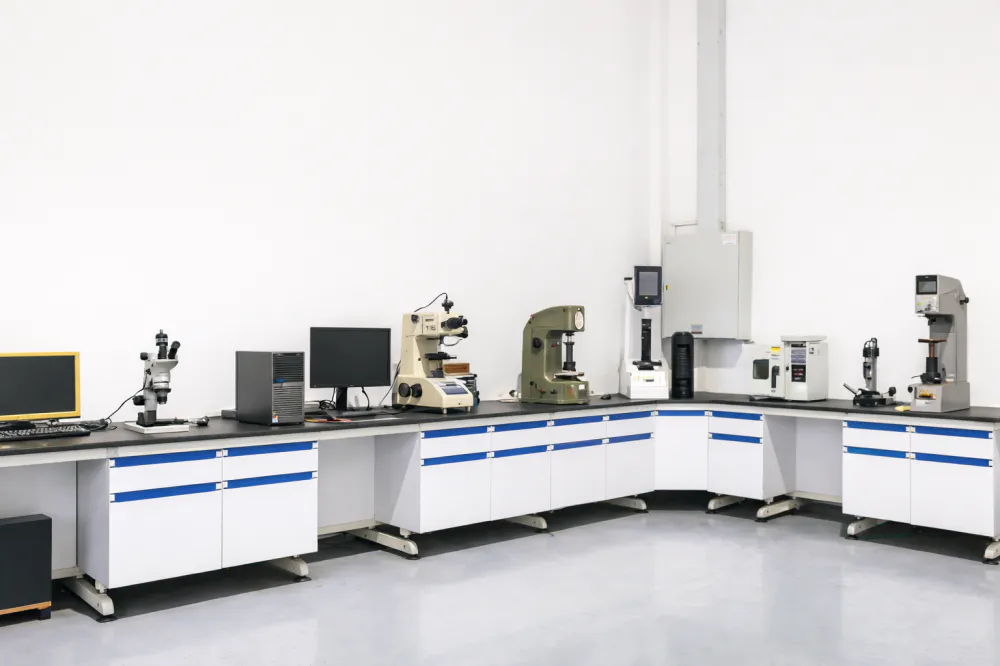
7. Rechtsrahmen für die Instandhaltung der Hydraulik von landwirtschaftlichen Gabelstaplern
Landwirtschaftliche Gabelstapler mit Kippzylinder unterliegen den nationalen Arbeitsschutzbestimmungen, unabhängig davon, ob der Einsatzort eine Sammelstelle am Feldrand oder ein Getreidelager ist. In Kolumbien regelt die Verordnung 1409 des Arbeitsministeriums (Ministerio del Trabajo) die Sicherheitsanforderungen für Lastenhandhabung und Arbeiten in der Höhe, während das allgemeine Sicherheitssystem (Sistema General de Riesgos Laborales) dokumentierte Wartungsaufzeichnungen für Flurförderzeuge vorschreibt – eine Anforderung, die die saisonale Inspektion und Wartung der Hydraulikzylinder direkt betrifft.
In der Europäischen Union aktualisiert die EU-Maschinenverordnung 2023/1230, die ab Januar 2027 die Maschinenrichtlinie 2006/42/EG ersetzt, die grundlegenden Gesundheits- und Sicherheitsanforderungen für Hydraulikkomponenten in motorbetriebenen Industriegeräten. Für Fuhrparkmanager von Landmaschinen, die Konformitätsdokumentationen für in EU-Mitgliedstaaten betriebene Geräte führen, schreibt die Verordnung eine angemessene Wartungsdokumentation für Reparaturen an Gabelstapler-Hydraulikzylindern vor, insbesondere für drucktragende Bauteile wie den Kippzylinder. Die bestehenden ISO-3691-Normen für die Sicherheit von Flurförderzeugen bilden die technische Grundlage für die Prüfhäufigkeit und die Abnahmekriterien, auf die sich nationale Aufsichtsbehörden in verschiedenen Rechtsordnungen beziehen.
Im Vereinigten Königreich gelten für Gabelstapler in der Landwirtschaft die Vorschriften für die Bereitstellung und Verwendung von Arbeitsmitteln (PUWER) und die Vorschriften für Hebevorgänge und Hebezeuge (LOLER). Diese schreiben regelmäßige, gründliche Prüfungen durch eine sachkundige Person vor, die auch den Zustand der hydraulischen Kipp- und Hubsysteme umfassen. Die LOLER-Prüfberichte müssen für vorgeschriebene Zeiträume als Teil der Prüfdokumentation des Geräts aufbewahrt werden. Diese Dokumentationspflicht entspricht den Anforderungen des kolumbianischen Sistema General de Riesgos Laborales an die Wartungsdokumentation.
In den USA regelt OSHA 1910.178 die Vorschriften für motorisierte Flurförderzeuge im Agrarhandel und in der Lagerung. Die Vorschriften verpflichten die Bediener, vor Schichtbeginn Sichtprüfungen durchzuführen, die die Inspektion des hydraulischen Hubzylinders und des Kippzylinders auf äußere Leckagen, Beschädigungen der Kolbenstangen und Funktionsstörungen umfassen. Fuhrparkmanager, die in diesen Gebieten Ersatz-Kippzylinder beschaffen, profitieren von Lieferanten, die Maßdokumentationen, Druckprüfzertifikate und Materialzertifizierungen zur Verfügung stellen können, um die Einhaltung der Vorschriften nachzuweisen. Eine gut dokumentierte Lieferbeziehung für Kippzylinder vereinfacht den jährlichen Wartungszyklus erheblich.
8. Ausgewählte Gabelstapler-Neigezylindermodelle für die Instandhaltung landwirtschaftlicher Flotten
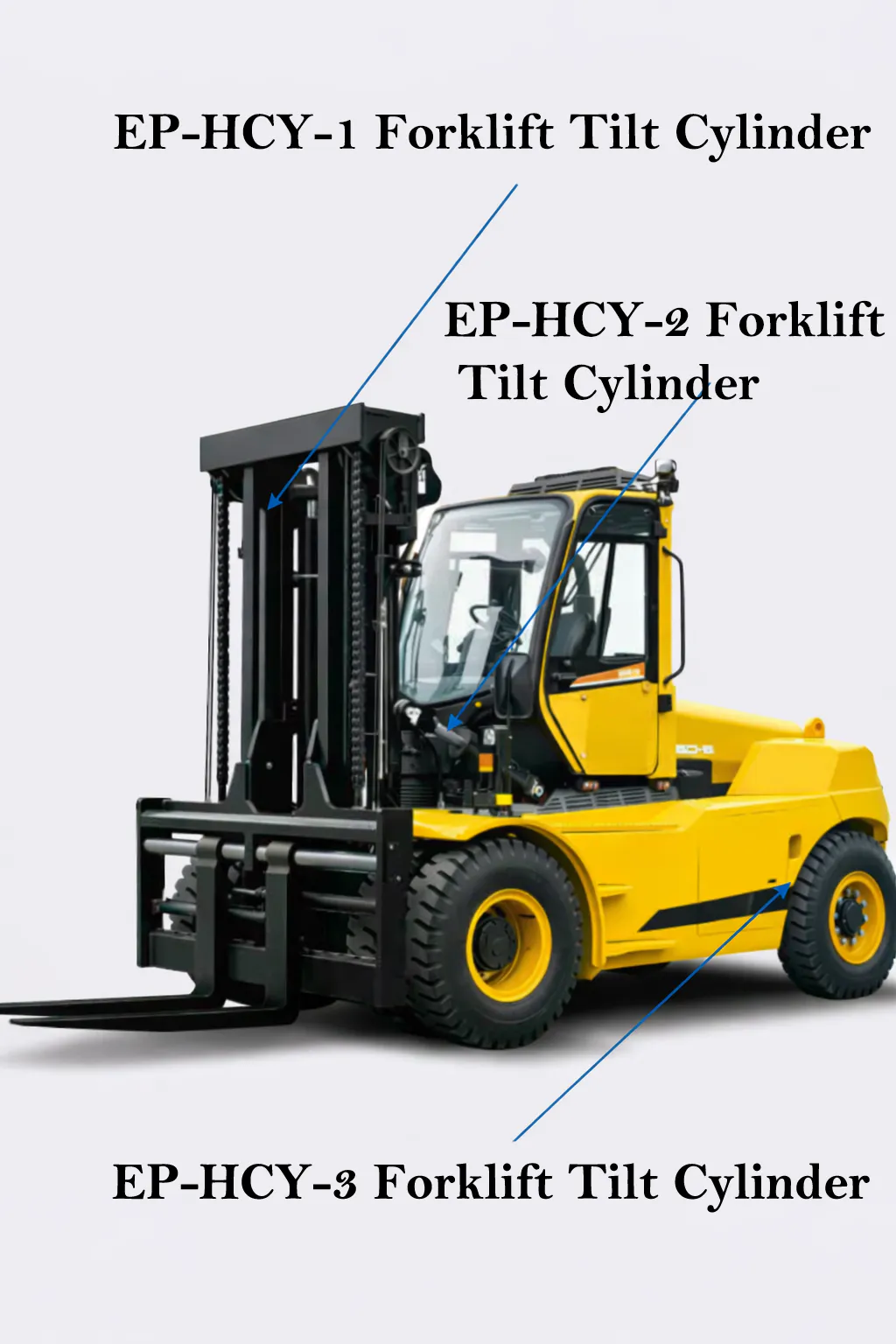
Die folgenden Modelle stellen Konfigurationen dar, die üblicherweise für Wartungsprogramme von Kippzylindern landwirtschaftlicher Gabelstapler als Ersatzteile spezifiziert oder beschafft werden und sowohl einen Standard-Kippaktuator als auch einen verstärkter Zubehörzylinder Wird in kombinierten Mastkonstruktionen verwendet.

EP-HCY-3 Gabelstapler-Neigezylinder
| Betriebsdruck | 16 MPa |
| Maximaler Widerstandsdruck | 24 MPa |
| Schlaganfall | 96,5 x 2 mm |
| Installationsabstand | 585,7 mm |
| Gewicht | 16,5 kg |
Eine weit verbreitete Konfiguration, die sich für saisonale Wartungs- und Austauschprogramme an Standard-Gabelstaplern in landwirtschaftlichen Flotten eignet, mit dokumentierten Abmessungen, die die Überprüfung der Passgenauigkeit anhand vorhandener Masthalterungszeichnungen unterstützen.
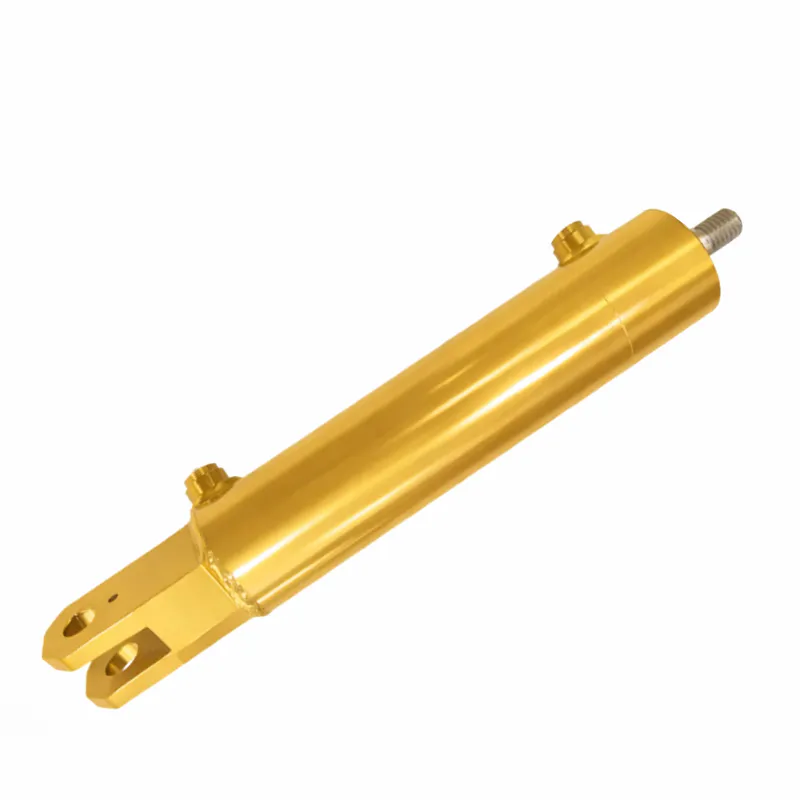
EP-HCYA-3 Zylinder für Gabelstaplerzubehör
| Betriebsdruck | 25 MPa |
| Maximaler Widerstandsdruck | 35 MPa |
| Schlaganfall | 250 mm |
| Abstand der Befestigungslöcher | 500 mm |
| Gewicht | 12,5 kg |
Geeignet für Anbaugeräte und Zubehörzylinderpositionen von landwirtschaftlichen Gabelstaplern, die während der Palettenhandhabung in der Erntezeit höheren Druckzyklen ausgesetzt sind, mit einer längeren Hubauslegung, die für Zubehörmastkonfigurationen geeignet ist.
9. Über uns
Wir sind ein spezialisierter OEM- und ODM-Hersteller von Kippzylinderbaugruppen und hydraulischen Hubzylindern für Gabelstapler. Wir beliefern Betreiber von Landmaschinenflotten, Wartungsgenossenschaften und Landmaschinenhändler in Kolumbien und auf internationalen Märkten mit Standardkatalogeinheiten sowie kundenspezifischen Kippzylindern nach Zeichnung. Unser Produktsortiment deckt Betriebsdrücke von 16 MPa bis 25 MPa in verschiedenen Bohrungs- und Hubkombinationen ab. Für jede gelieferte Einheit ist eine vollständige technische Dokumentation inklusive Maßzeichnungen und Druckprüfzeugnissen verfügbar.
Unsere Produktionskapazität ermöglicht sowohl die Lieferung einzelner Ersatzteile für den unmittelbaren Wartungsbedarf von Fahrzeugflotten als auch die Fertigung größerer OEM-Aufträge für Händler, die Flottenprogramme in mehreren Regionen betreuen. Unser Team bietet vor der Bestellung technischen Support, um die Kompatibilität mit den vorhandenen Masthalterungsmaßen zu prüfen, bevor die Produktion bestätigt wird. So vermeiden Käufer Maßabweichungen, die häufigste Ursache für Installationsfehler während der zeitkritischen Wartungsphase in der Erntesaison.
10. Verwandte Produkte für die saisonale Wartung
Neben dem Kippzylinder für Gabelstapler bieten wir kompatible Produkte an, die die komplette Wartung von Hydraulikkreisläufen und die Beschaffung aus einer Hand für Serviceprogramme für landwirtschaftliche Fahrzeugflotten unterstützen.
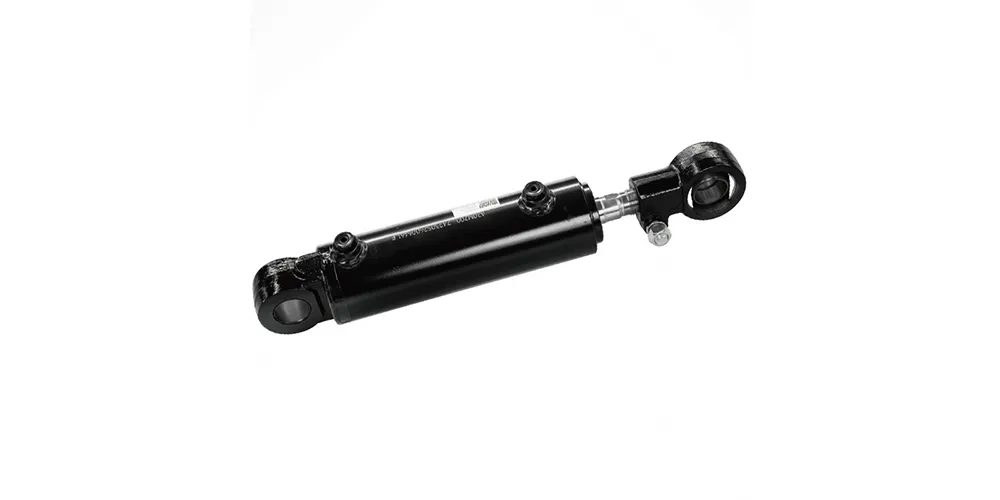
Kippzylinder-Serie
Unser erweitertes Kippzylinder Das Sortiment umfasst Kippantriebe für Bau-, Landwirtschafts- und allgemeine Industriemaschinen, die über die Anwendung bei Gabelstaplern hinausgehen. Dabei werden die gleichen Material- und Fertigungsstandards verwendet, die eine gleichbleibende Zuverlässigkeit über die gesamte Saison hinweg bei landwirtschaftlichen Maschinenflotten gewährleisten.
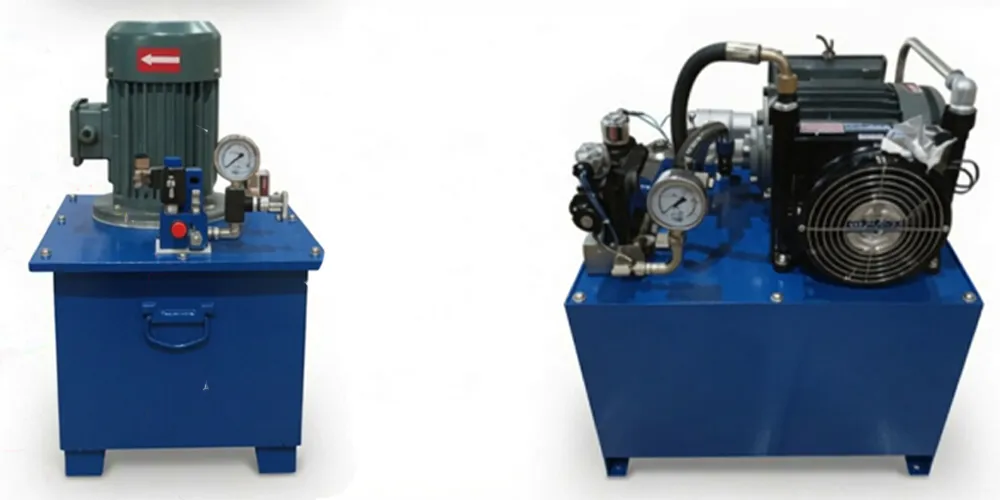
Hydraulikpumpstationsserie
Eine abgestimmte Hydraulikpumpstation gewährleistet, dass der Kippzylinderkreislauf des Gabelstaplers während der gesamten landwirtschaftlichen Saison den richtigen Arbeitsdruck und die richtige Durchflussrate erhält. Dadurch wird die träge Kippreaktion verhindert, die häufig beim saisonalen Start in der kalten Jahreszeit auftritt, wenn nicht übereinstimmende Pumpenspezifikationen die Systemleistung einschränken.
Häufig gestellte Fragen
Frage 1: Was ist ein Kippzylinder-Gabelstapler und worin besteht der Unterschied zwischen Hubzylinder und Kippzylinder bei einem landwirtschaftlichen Gabelstapler?
A1. Ein Kippzylinder am Gabelstapler neigt den Mast zur Lastpositionierung nach vorn und hinten, während ein Hubzylinder den Mast vertikal hebt und senkt. Bei einem landwirtschaftlichen Gabelstapler arbeiten beide Komponenten bei jedem Materialtransportzyklus zusammen. Die saisonale Wartung sollte daher beide Komponenten als System und nicht unabhängig voneinander betrachten.
Frage 2: Was versteht man unter der Neigung eines Gabelstaplers und warum ist sie während der Erntezeit besonders wichtig?
A2. Die Neigefunktion neigt die Gabeln, um Lasten während des Transports zu stabilisieren und Paletten beim Stapeln präzise zu positionieren. Während der Erntezeit, wenn die Zykluszahlen am höchsten sind, führt ein verschlissener Neigezylinder des Gabelstaplers zu deutlicheren Schwierigkeiten beim Handling und einem höheren Sicherheitsrisiko als in Zeiten geringerer Auslastung. Daher ist die Inspektion vor der Ernte besonders wichtig.
Frage 3: Welche verschiedenen Arten von Gabelstaplerzylindern müssen an landwirtschaftlichen Fahrzeugen einer saisonalen Inspektion unterzogen werden?
A3. Ein typischer Hydraulikkreislauf eines landwirtschaftlichen Gabelstaplers umfasst einen Neigungszylinder zur Steuerung des Hubgestellwinkels, einen Hubzylinder für die vertikale Bewegung und bei einigen Ausführungen einen Freihubzylinder und einen Servolenkzylinder. Alle diese Komponenten sollten in das saisonale Inspektionsprogramm einbezogen werden, nicht nur die am besten sichtbare Einheit.
Frage 4: Wie finde ich in Kolumbien einen zuverlässigen Lieferanten für Gabelstapler-Neigezylinder, der vor Beginn der Erntesaison Ersatzteile liefern kann?
A4. Bitte teilen Sie uns die Abmessungen Ihrer Masthalterung und den erforderlichen Betriebsdruck rechtzeitig vor dem voraussichtlichen Wartungsfenster vor der Saison mit, damit genügend Vorlaufzeit für die Bestätigung der Passform und die Produktionsplanung bleibt.
Frage 5: Woran kann ich erkennen, ob die Neigung des Zylinders meines landwirtschaftlichen Gabelstaplers durch Verschleiß der Kolbendichtung oder durch eine Bypass-Operation der Stangendichtung verursacht wird?
A5. Tritt die Drift unter einem stillstehenden, beladenen Mast ohne sichtbaren Ölaustritt auf, ist ein Kolbendichtungsbypass die wahrscheinlichste Ursache. Tritt die Drift zusammen mit sichtbarem Ölaustritt um die Kolbenstangendichtung auf, ist höchstwahrscheinlich die primäre Kolbenstangendichtung defekt. Beide Fehler werden beim Austausch eines Dichtungssatzes für den Kippzylinder eines Gabelstaplers behoben, die Identifizierung des Hauptfehlers hilft jedoch bei der Priorisierung der Maßnahmen.
Frage 6: Welche Hydraulikölsorte eignet sich am besten für den Einsatz eines Hyster-Gabelstapler-Neigezylinders unter den kalten Bedingungen der europäischen Herbsternte?
A6. Für die europäischen Herbsterntebedingungen wird typischerweise ein Niedertemperatur-Hydrauliköl vom Typ ISO VG 32 oder ISO VG 46 mit einem Pourpoint unter minus 30 Grad Celsius spezifiziert. Es gewährleistet eine ausreichende Fließfähigkeit beim Kaltstart am Morgen und verhindert ein träges Ansprechverhalten des Kippzylinders des Gabelstaplers, das die Stapelgenauigkeit bei Frühschichtbetrieb beeinträchtigen könnte.
Frage 7: Welche Unterlagen sollte eine landwirtschaftliche Genossenschaft anfordern, wenn sie Ersatz-Neigezylinder für Gabelstapler zur Durchführung eines Compliance-Audits bestellt?
A7. Fordern Sie Maßzeichnungen an, die die Einbaumaße bestätigen, ein Druckprüfzeugnis für den gelieferten Betriebsdruck und den maximalen Druckfestigkeitsdruck sowie eine Materialzertifizierung für Zylinder und Gestänge. All dies dient als Grundlage für die Wartungsdokumentation, die sowohl nach der kolumbianischen Resolucion 1409 als auch nach den europäischen LOLER-Inspektionsrahmen erforderlich ist.
Frage 8: Wie oft sollte der Dichtungssatz für den Kippzylinder eines Gabelstaplers bei einem landwirtschaftlichen Gabelstapler, der saisonal im staubigen Getreideumschlag eingesetzt wird, ausgetauscht werden?
A8. In staubigen Getreideumschlagsumgebungen ist eine jährliche Vorsaisoninspektion der Dichtungssätze der Kippzylinder von Gabelstaplern sowie der Austausch verschlissener Abstreif- oder Stangendichtungen ein praktischer Standard. Das tatsächliche Intervall wird verkürzt, wenn bei der Überwachung während der Saison eine äußere Sickerung oder eine erhöhte Abdrift festgestellt wird.
Frage 9: Welche Abmessungen sollte ich messen, wenn ich einen Ersatz-Neigezylinder für einen landwirtschaftlichen Gabelstapler mit nicht standardmäßiger Mastkonfiguration beschaffe?
A9. Messen Sie am vorhandenen Gerät den Bohrungsdurchmesser, den Stangendurchmesser, die Hublänge, die geschlossene Länge, den Abstand der Befestigungslöcher, den Bolzenbohrungsdurchmesser und das Anschlussgewinde. Senden Sie diese Daten zusammen mit Fotos der Masthalterung zur Bestätigung der Passgenauigkeit an den Lieferanten, bevor Sie bestellen, um Maßabweichungen bei der Installation zu vermeiden.
Frage 10: Wo sollte der Kippzylinder eines landwirtschaftlichen Gabelstaplers während der Winterruhezeit gelagert werden, um Korrosionsschäden zu vermeiden?
A10. Idealerweise sollte der Gabelstapler in Innenräumen gelagert werden, wobei die Kolbenstange vollständig eingefahren ist, um die freiliegende Chromoberfläche der Kolbenstange zu minimieren. Die Hydraulikanschlüsse sollten verschlossen und alle unvermeidbar freiliegenden Abschnitte der Kolbenstange mit Konservierungsöl behandelt werden. Der Zylinder sollte während der gesamten Ruhezeit vor direkter Feuchtigkeit geschützt werden.
Frage 11. Wann ist der richtige Zeitpunkt, den Kippzylinder eines landwirtschaftlichen Gabelstaplers komplett auszutauschen, anstatt nur den Dichtungssatz zu erneuern?
A11. Der komplette Austausch des Kippzylinders eines Gabelstaplers ist die bessere Wahl, wenn die Chromstange Lochfraß aufweist, der die Chromschicht durchdringt, die Zylinderbohrung eine Ovalität aufweist, die über die Toleranz der Dichtungsnut hinausgeht, die Befestigungsaugen Risse oder übermäßigen Verschleiß an der Bolzenbohrung aufweisen oder der Zylinder einen strukturellen Stoß erlitten hat, der die Geradheit der Stange irreparabel beeinträchtigt haben könnte.
Fordern Sie ein Angebot für saisonale Wartungsmaterialien für den Kippzylinder Ihres landwirtschaftlichen Gabelstaplers an.
Bitte übermitteln Sie uns die Abmessungen Ihrer Gabelstapler-Neigezylinder und die aktuelle Betriebsdruckspezifikation für eine Bestätigung der saisonalen Wartungslieferung, die sowohl komplette Ersatzzylinder als auch Dichtungssätze für landwirtschaftliche Genossenschaften und Fuhrparkkäufer in Kolumbien und Europa umfasst.
Herausgeber: PXY