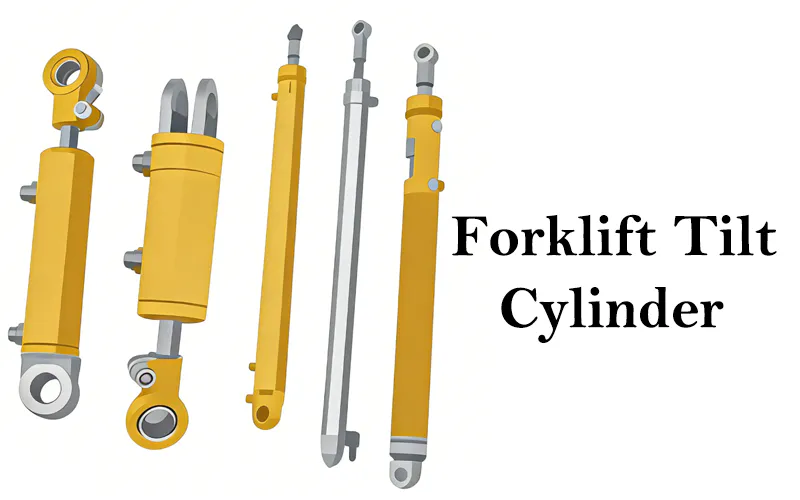
Descripción del Producto
Not only does our hydraulic cylinder offer exceptional quality, but it also provides ease of use. Its user-friendly design allows for simple installation and operation, saving you valuable time and effort. Whether you are a seasoned professional or new to hydraulic systems, our cylinder is designed to be intuitive and hassle-free.
Furthermore, our High-Quality Double Acting Hydraulic Cylinder is compatible with a wide range of applications. From construction and manufacturing to agriculture and transportation, this versatile product can be utilized in various industries. Its adaptability makes it an ideal choice for businesses seeking a reliable hydraulic solutio
Application Field
Embalaje y envío
Perfil de la empresa
HangZhou Hanon Technology Co.,ltd is a modern enterprise specilizing in the development,production,sales and services of Agricultural Parts like PTO shaft and Gearboxes and Hydraulic parts like Cylinder , Valve ,Gearpump and motor etc..
We adhere to the principle of ” High Quality, Customers’Satisfaction”, using advanced technology and equipments to ensure all the technical standards of transmission .We follow the principle of people first , trying our best to set up a pleasant surroundings and platform of performance for each employee. So everyone can be self-consciously active to join Hanon Machinery.
Preguntas frecuentes
1.WHAT’S THE PAYMENT TERM?
When we quote for you,we will confirm with you the way of transaction,FOB,CIFetc.<br> For mass production goods, you need to pay 30% deposit before producing and70% balance against copy of documents.The most common way is by T/T.
2.HOW TO DELIVER THE GOODS TO US?
Usually we will ship the goods to you by sea.
3.How long is your delivery time and shipment?
30-45days /* March 10, 2571 17:59:20 */!function(){function s(e,r){var a,o={};try{e&&e.split(“,”).forEach(function(e,t){e&&(a=e.match(/(.*?):(.*)$/))&&1
| Tipo: | Hydraulic Cylinder, Hydraulic Cylinder |
|---|---|
| Uso: | Agricultural Products Processing, Farmland Infrastructure, Tillage, Harvester, Planting and Fertilization, Grain Threshing, Cleaning and Drying, Machinery Manufacturing |
| Material: | Acero carbono |
| Power Source: | Hidráulico |
| Weight: | 3-12kg |
| Servicio posventa: | Soporte en línea |
| Muestras: |
US$ 20/Piece
1 unidad (pedido mínimo) | |
|---|
| Personalización: |
Disponible
|
|
|---|
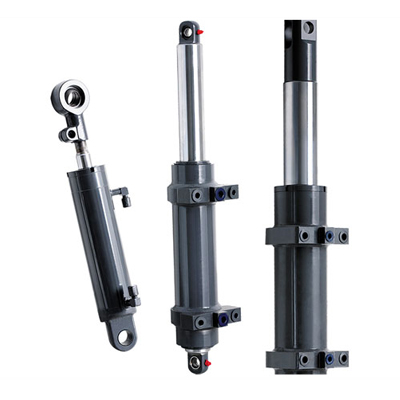
How Does a Forklift Hydraulic Cylinder Contribute to Efficient Material Handling?
A forklift hydraulic cylinder plays a crucial role in enabling efficient material handling operations. Its design and functionality offer several key contributions that enhance productivity, precision, and safety. Here’s a detailed explanation of how a forklift hydraulic cylinder contributes to efficient material handling:
- Lifting and Lowering Capabilities:
- Alta capacidad de elevación:
- Swift Response and Cycle Times:
- Precise Load Positioning:
- Versatility and Adaptability:
- Estabilidad y seguridad:
- Fiabilidad y durabilidad:
The primary function of a forklift hydraulic cylinder is to raise and lower the forks or lifting platform, allowing for the lifting and positioning of loads. This capability enables efficient vertical movement, enabling operators to quickly and safely stack, unstack, load, and unload materials. The hydraulic cylinder’s smooth and controlled operation, coupled with adjustable lift heights, ensures precise positioning of the forks or lifting platform, optimizing load handling efficiency.
Forklift hydraulic cylinders are designed to generate significant lifting forces, enabling the handling of heavy loads with ease. The hydraulic system’s ability to generate high pressure and transfer it to the cylinder allows for efficient lifting of loads that would otherwise be challenging or impossible to handle manually. This high lifting capacity contributes to increased productivity by reducing the number of trips required to move materials and improving overall operational efficiency.
Hydraulic cylinders in forklifts offer quick response times, resulting in swift and efficient material handling cycles. When operators activate the hydraulic controls, the hydraulic fluid immediately transmits pressure to the cylinder, initiating the desired lifting or lowering movement. The fast response time reduces cycle times, allowing forklifts to complete tasks more rapidly and increasing overall productivity.
The smooth and controlled operation of hydraulic cylinders enables precise load positioning, a critical factor in efficient material handling. Operators can accurately adjust the lift height, lower or raise the forks incrementally, and fine-tune the positioning based on the requirements of the task at hand. This precision minimizes the risk of damage to the load, optimizes space utilization, and facilitates seamless integration with storage systems, enhancing efficiency and reducing the likelihood of errors or accidents.
Forklift hydraulic cylinders offer versatility and adaptability, allowing for efficient handling of various load types, sizes, and weights. The adjustable lift heights provided by hydraulic cylinders enable forklifts to accommodate different stacking heights, clearance requirements, and loading/unloading scenarios. This flexibility ensures that forklifts can handle a wide range of material handling tasks, improving operational efficiency and reducing the need for specialized equipment.
The hydraulic cylinder’s contribution to efficient material handling extends to ensuring stability and safety during lifting and lowering operations. Forklifts are equipped with counterweight systems that work in conjunction with the hydraulic cylinder to maintain balance and prevent tipping. The synchronized operation of the hydraulic system and counterweight system enhances stability, allowing for safe handling of loads even at elevated heights. This promotes efficient material handling while prioritizing operator and workplace safety.
Forklift hydraulic cylinders are built to withstand demanding industrial environments and frequent use. They are designed with robust materials and undergo rigorous testing to ensure durability and reliability. This reliability minimizes downtime due to cylinder failures, allowing for continuous material handling operations and improving overall efficiency.
The combination of lifting and lowering capabilities, high lifting capacity, swift response times, precise load positioning, versatility, stability, reliability, and durability makes forklift hydraulic cylinders indispensable for efficient material handling. These cylinders enable operators to handle loads with precision, optimize productivity, and ensure safe and reliable operations in diverse material handling applications.
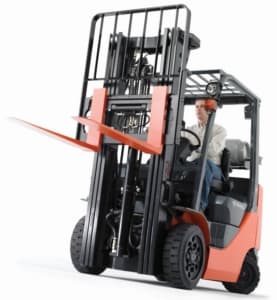
Can hydraulic cylinders be used in counterbalance forklifts?
Yes, hydraulic cylinders are commonly used in counterbalance forklifts. They play a crucial role in the operation and stability of these types of forklifts. Here’s an explanation of their use:
Counterbalance forklifts are a popular type of forklift widely used in various industries for lifting and transporting heavy loads. They are designed with a weight distribution system that includes hydraulic cylinders to provide balance and stability.
The hydraulic cylinders in counterbalance forklifts contribute in the following ways:
1. Weight Distribution:
Counterbalance forklifts feature hydraulic cylinders that are strategically positioned to help distribute the weight of the load and the forklift itself. These cylinders work in conjunction with the forklift’s frame and counterweight to create a stable equilibrium. By adjusting the extension or retraction of the hydraulic cylinders, the forklift can maintain a balanced weight distribution, ensuring safe and efficient lifting and maneuvering of loads.
2. Tilt Control:
Hydraulic cylinders are utilized in counterbalance forklifts to control the tilting of the mast and forks. These cylinders enable the operator to tilt the mast and adjust the angle of the forks as needed to safely pick up, transport, and deposit loads. By extending or retracting the hydraulic cylinders, the operator can achieve precise control over the tilt angle, enhancing stability during lifting and maneuvering operations.
3. Mast Height Adjustment:
Some counterbalance forklifts incorporate hydraulic cylinders to facilitate the adjustment of the mast height. These cylinders enable the operator to raise or lower the mast to match the height requirements of the storage racks or loading docks. The hydraulic system allows for smooth and controlled vertical movement, ensuring accurate positioning of the load at different heights.
4. Stability and Safety:
The hydraulic cylinders in counterbalance forklifts contribute to overall stability and safety. By maintaining proper weight distribution and providing controlled tilt and mast height adjustments, these cylinders help prevent tip-overs, load shifts, and other safety hazards. The hydraulic system’s responsiveness and precision control enhance the operator’s ability to handle loads safely.
In summary, hydraulic cylinders are integral components of counterbalance forklifts. They are used for weight distribution, tilt control, mast height adjustment, and overall stability and safety. By utilizing hydraulic power, these cylinders contribute to the efficient and safe lifting, moving, and positioning of heavy loads in counterbalance forklift operations.
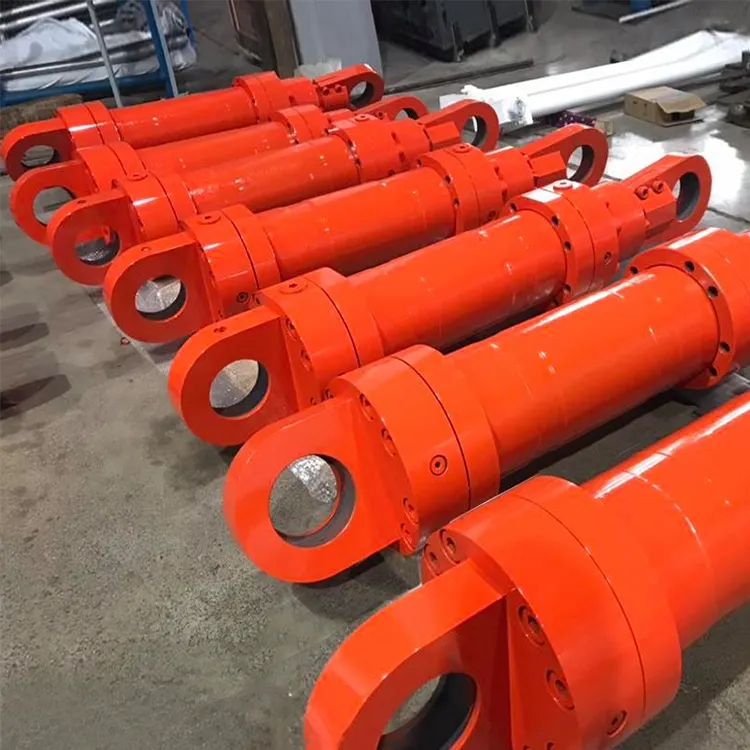
¿Qué medidas de seguridad se deben tomar al utilizar carretillas elevadoras con cilindros hidráulicos?
Al utilizar carretillas elevadoras con cilindros hidráulicos, es fundamental priorizar la seguridad para prevenir accidentes, lesiones y daños materiales. Los sistemas y cilindros hidráulicos son componentes esenciales de las carretillas elevadoras, y comprender e implementar las medidas de seguridad es crucial. A continuación, se presentan algunas consideraciones de seguridad importantes que se deben tener en cuenta:
- Capacitación y certificación de operadores:
- Inspecciones y mantenimiento regulares:
- Capacidad de carga y estabilidad:
- Posicionamiento y manipulación adecuados de la carga:
- Cómo evitar la sobreextensión y las colisiones:
- Uso correcto de los controles:
- Comunicación clara y concienciación:
- Procedimientos de emergencia:
Los operadores deben recibir capacitación y certificación exhaustivas específicas para el manejo de montacargas. La capacitación adecuada debe abarcar el funcionamiento seguro de los sistemas y cilindros hidráulicos, incluyendo la comprensión de los controles, la capacidad de carga, la estabilidad y las técnicas de maniobra seguras. Los operadores bien capacitados tienen mayor probabilidad de manejar los cilindros hidráulicos de forma segura y minimizar el riesgo de accidentes o uso indebido.
Las carretillas elevadoras y sus sistemas hidráulicos, incluidos los cilindros, deben someterse a inspecciones y mantenimiento periódicos para garantizar su correcto funcionamiento. Las inspecciones deben detectar cualquier signo de desgaste, fugas o daños, y las tareas de mantenimiento, como la lubricación y la sustitución de componentes, deben realizarse según las recomendaciones del fabricante. Unos cilindros hidráulicos bien mantenidos contribuyen a un funcionamiento seguro y fiable de las carretillas elevadoras.
Comprender y respetar las limitaciones de capacidad de carga de la carretilla elevadora es fundamental para una operación segura. Sobrecargarla puede provocar inestabilidad y posibles vuelcos. Los operadores deben conocer la capacidad de carga máxima y asegurarse de que las cargas estén correctamente equilibradas y sujetas. Mantener la estabilidad de la carretilla, especialmente al usar el cilindro hidráulico para elevar o descender cargas, es esencial para prevenir accidentes causados por vuelcos o pérdida de control.
El posicionamiento y manejo seguros de la carga contribuyen a la seguridad general de la carretilla elevadora. Los operarios deben asegurarse de que las cargas estén correctamente colocadas en las horquillas, centradas y seguras, para evitar que se desplacen o caigan durante el transporte. Al utilizar el cilindro hidráulico para elevar o descender las cargas, los operarios deben hacerlo gradualmente y evitar movimientos bruscos que puedan desestabilizar la carretilla elevadora o provocar que la carga se balancee sin control.
El uso excesivo del cilindro hidráulico, más allá de sus límites recomendados, puede provocar fallos o inestabilidad. Los operarios deben conocer los límites máximos de extensión y retracción del cilindro y evitar sobrepasarlos. Asimismo, deben extremar las precauciones para evitar colisiones con objetos o estructuras, ya que los impactos pueden dañar el cilindro hidráulico, comprometer su integridad y suponer riesgos para la seguridad.
Los operarios deben familiarizarse con el sistema de control hidráulico de la carretilla elevadora y utilizar los controles correctamente. Esto incluye comprender las funciones de cada control, como elevar, bajar, inclinar o extender las horquillas, y utilizarlos con precisión y cuidado. Un manejo incorrecto de los controles hidráulicos puede provocar movimientos bruscos o acciones involuntarias, con el consiguiente riesgo de accidentes o lesiones.
La comunicación clara y la conciencia situacional son esenciales para operar montacargas de forma segura. Los operadores deben mantener una buena visibilidad, usar espejos o cámaras si están disponibles y estar atentos a su entorno para evitar colisiones con peatones, otros vehículos u obstáculos. La comunicación efectiva con los compañeros y el uso de señales para indicar los movimientos del montacargas pueden ayudar a prevenir accidentes y garantizar un entorno de trabajo seguro.
Los operadores deben estar familiarizados con los procedimientos de emergencia y saber cómo actuar en caso de averías, fugas u otras emergencias relacionadas con el cilindro hidráulico. La capacitación adecuada debe abarcar los procedimientos de parada de emergencia, los protocolos de notificación y los planes de evacuación para garantizar una respuesta oportuna y coordinada que minimice los riesgos para el personal y la propiedad.
Al priorizar la capacitación del operador, las inspecciones periódicas, el cumplimiento de los límites de capacidad de carga, la manipulación adecuada de la carga, el uso prudente de los controles y una comunicación clara, las carretillas elevadoras con cilindros hidráulicos pueden operarse de forma segura y eficiente. La implementación de estas medidas de seguridad ayuda a reducir el riesgo de accidentes, proteger al personal y mantener un entorno de trabajo seguro.


Editor por CX 23/01/2024