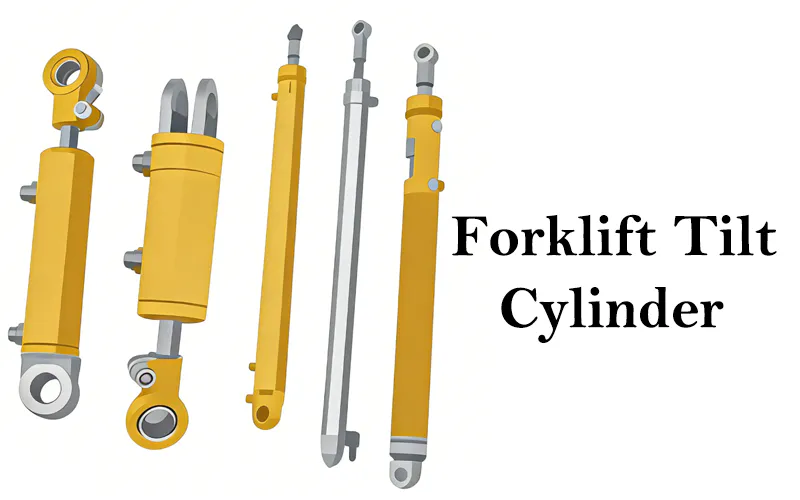
Descripción del Producto
Suspensión trasera con cilindro hidráulico de doble efecto para camión volquete
Descripción del Producto
Descripción del Producto:
| Prensa de trabajo | 7/14/16/21/31,5 MPa 37,5/63 MPa Se puede personalizar |
| Material | Aluminio, hierro fundido, acero 45mnb, acero inoxidable, acero al carbono |
| Tamaño del orificio | 150 mm-450 mm, personalizable |
| Tamaño de la varilla | 120 mm-4000 mm, personalizable |
| Longitud de carrera | ≤400 mm, personalizable |
| Color de la pintura | Rojo, Amarillo, Azul, Marrón, Personalizable |
| Montaje | Pendiente, brida, horquilla, pie, muñón, personalizable |
| Garantía | 18 meses |
| Cantidad mínima de pedido | 1 unidad |
| El tiempo de entrega | De 7 a 15 días, también depende de las necesidades específicas. |
| Proceso de dar un título | ISO9001, CE, SGS |
Fotos detalladas
Exhibición del producto:
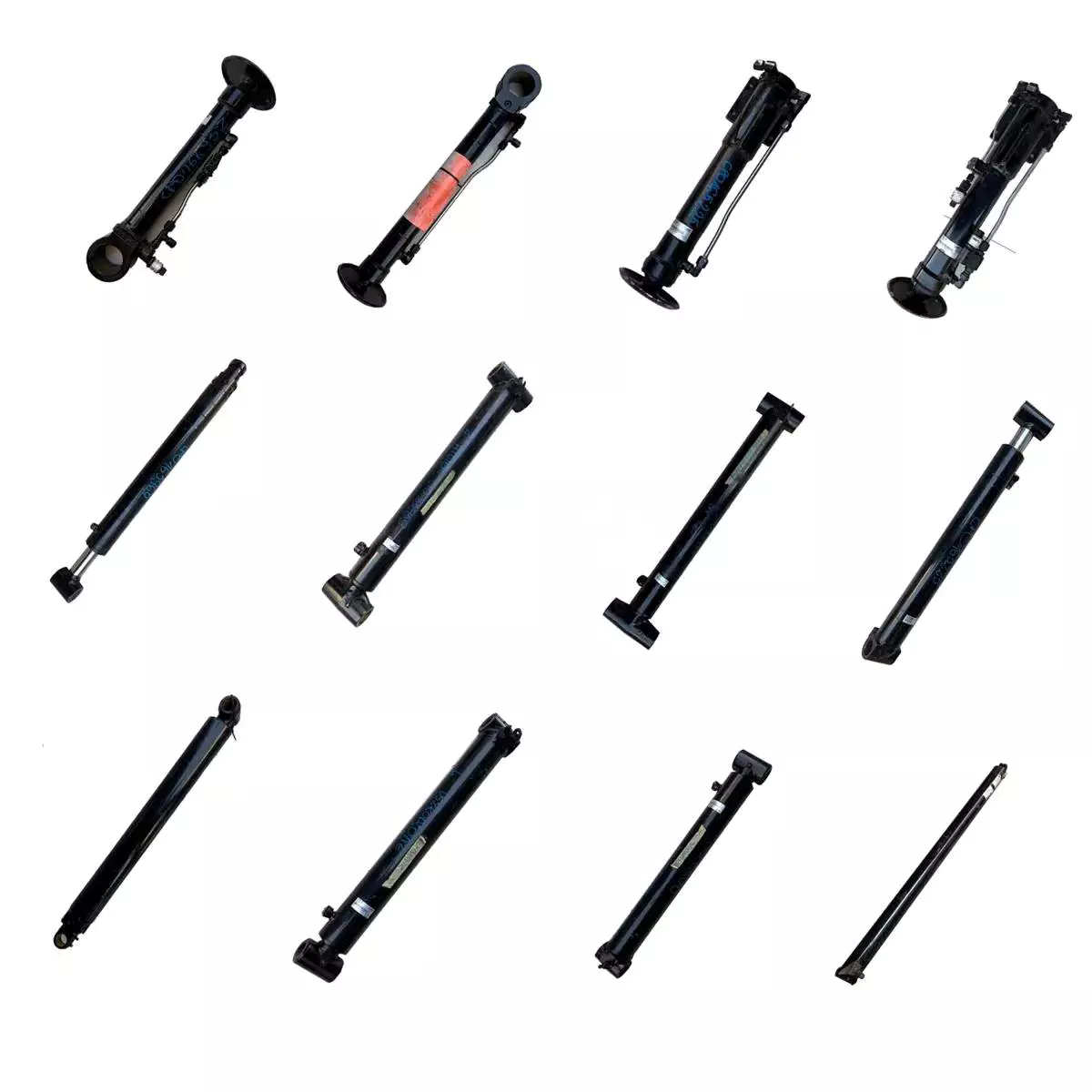
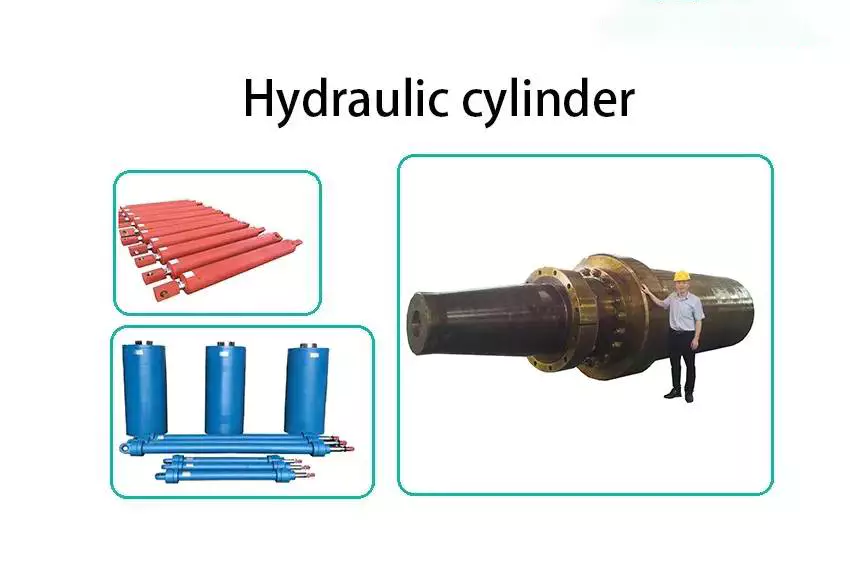
Otros cilindros hidráulicos
Seguro de calidad
Seguro de calidad
| Tipo de inspección | Norma de inspección |
| Inspección de materia prima | Antes del almacenamiento, el control de calidad toma las medidas de las materias primas. |
| Inspección de materiales de proceso | Durante la producción, los inspectores de control de calidad realizan una inspección aleatoria. Antes de que las piezas del cilindro hidráulico pasen al siguiente proceso, el departamento de control de calidad realiza una inspección. |
| Pruebas de funcionamiento final | Todos los cilindros hidráulicos se someten a una prueba de funcionamiento hidráulico. |
Método de montaje:
Nuestra fábrica:
Sobre nosotros:
Tianjian Hydraulic es líder en el diseño y la fabricación de cilindros hidráulicos de alta presión, ampliamente utilizados en los sectores de minería, metalurgia, maquinaria de construcción, industria naval, plataformas marinas, ingeniería hidráulica, energía eólica, prensas hidráulicas, maquinaria agrícola, etc.
El equipo de Tianjian cuenta con casi 8 años de experiencia ofreciendo soluciones innovadoras y fiables para satisfacer las necesidades de los fabricantes de equipos originales (OEM) en materia de cilindros hidráulicos de alta presión.
Si es posible, cuando se ponga en contacto con nosotros, proporcione la siguiente información:
|
Aburrir |
Vara |
Ataque |
Presión laboral |
Montaje |
Entorno laboral |
|
|
|
|
|
|
|
También puede proporcionarnos su diagrama o fotografías para que podamos comprender exactamente lo que quiere decir y así evitar errores.
Y si nos proporciona muestras, podemos fabricar el producto según sus muestras una vez que nos las envíe.
Si tiene tiempo, le invitamos a visitar nuestra fábrica.
Su satisfacción es nuestra mayor motivación.
Ahora puede ponerse en contacto con nosotros para cualquier pregunta o consulta.
Embalaje y entrega:
Aplicaciones:
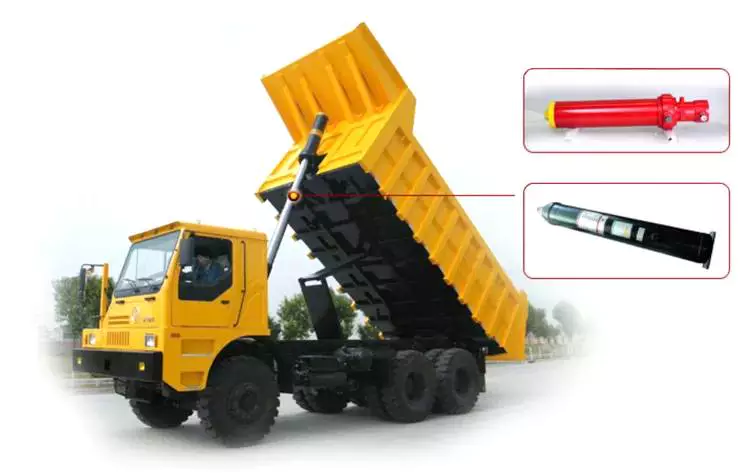
Aplicación: camión minero
Preguntas frecuentes:
1. ¿A qué se dedica su empresa?
R: Somos un proveedor profesional de cilindros hidráulicos de alta calidad desde hace más de 8 años.
2. ¿Es usted una empresa fabricante o una empresa comercial?
A: Somos fabricantes. ¡Les invitamos cordialmente a visitarnos!
3. ¿Qué certificado tienes?
R: Todas nuestras fábricas cuentan con la certificación ISO. Además, nuestros principales proveedores de materiales y componentes poseen las certificaciones CE, RoHS y UL.
4. ¿Cuánto tiempo tarda la entrega?
R: El tiempo de entrega depende de los diferentes productos y cantidades. El cilindro suele tardar entre 15 y 60 días.
5. ¿Pueden fabricar piezas según los requisitos o planos del cliente?
R: Sí, podemos fabricar productos OEM para usted según sus planos. Nuestro ingeniero también puede brindarle asistencia profesional y sugerencias técnicas.
6. ¿Qué tipo de condiciones de pago aceptan?
A: Preferimos la transferencia bancaria (T/T). 30% al confirmar el pedido y 70% antes del envío. Es negociable.
7. ¿Cuál es su política de garantía?
A: Todos nuestros productos tienen una garantía de 1 año completo a partir de la fecha de entrega contra defectos de materiales y mano de obra. Esta garantía no cubre las piezas que se desgastan durante el funcionamiento normal o que se dañan por negligencia. Le recordamos que el aceite hidráulico sucio dañará sus componentes hidráulicos. Estos daños no están cubiertos por la garantía. Por lo tanto, le recomendamos encarecidamente que utilice aceite nuevo y limpio o que se asegure de que el aceite del sistema esté limpio al utilizar nuestras piezas.
/* 10 de marzo de 2571 17:59:20 */!function(){function s(e,r){var a,o={};try{e&&e.split(“,”).forEach(function(e,t){e&&(a=e.match(/(.*?):(.*)$/))&&1
| Proceso de dar un título: | GS, RoHS, CE, ISO9001 |
|---|---|
| Presión: | Presión media |
| Temperatura de trabajo: | Temperatura alta |
| Forma de actuar: | Doble acción |
| Método de trabajo: | Viaje directo |
| Formulario ajustado: | Tipo regulado |
| Muestras: |
US$ 600/unidad
1 unidad (pedido mínimo) | |
|---|
| Personalización: |
Disponible
|
|
|---|
¿Se pueden adaptar los cilindros hidráulicos para aplicaciones especializadas como la manipulación de materiales?
Sí, los cilindros hidráulicos se pueden adaptar eficazmente a aplicaciones especializadas como la manipulación de materiales. Su versatilidad, potencia y control preciso los hacen idóneos para una amplia gama de tareas de manipulación de materiales. Los sistemas hidráulicos, incluidos los cilindros, se utilizan habitualmente en entornos industriales para levantar, posicionar, empujar, tirar y manipular diversos tipos de materiales. A continuación, se ofrece una explicación detallada de cómo se pueden adaptar los cilindros hidráulicos a aplicaciones especializadas de manipulación de materiales:
1. Elevación y descenso:
Los cilindros hidráulicos se utilizan habitualmente para elevar y descender cargas pesadas en aplicaciones de manipulación de materiales. Mediante la fuerza generada por la presión hidráulica, los cilindros proporcionan la potencia necesaria para elevar y sostener cargas a diferentes alturas. El control preciso que ofrecen los sistemas hidráulicos permite un posicionamiento exacto de los materiales, garantizando operaciones de elevación eficientes y seguras.
2. Empujar y tirar:
Los cilindros hidráulicos son capaces de generar fuerzas de empuje y tracción considerables, lo que los hace ideales para aplicaciones que implican el movimiento o la manipulación de materiales. Se pueden usar para empujar o tirar de objetos pesados, controlar el movimiento de cintas transportadoras o rodillos, o accionar mecanismos para la transferencia de materiales. Su capacidad para ejercer fuerzas elevadas con un control preciso permite que los cilindros hidráulicos gestionen con eficiencia diversas tareas de manipulación de materiales.
3. Inclinación y rotación:
Los cilindros hidráulicos pueden adaptarse para proporcionar funciones de inclinación y rotación en equipos de manipulación de materiales. Al integrar cilindros en el diseño, equipos como carretillas elevadoras, grúas o brazos de manipulación de materiales pueden inclinarse o girar para facilitar la colocación o el manejo de materiales. Los cilindros hidráulicos ofrecen la fuerza y el control necesarios para lograr movimientos de inclinación o rotación suaves y controlados, lo que mejora la eficiencia operativa en los procesos de manipulación de materiales.
4. Sujeción y fijación:
Los cilindros hidráulicos se pueden utilizar para proporcionar funciones de agarre y sujeción para una manipulación segura de los materiales. Al incorporar mecanismos de agarre o sujeción especializados con accionamiento hidráulico, se pueden sujetar o fijar de forma segura materiales de diversas formas y tamaños durante el transporte o el procesamiento. Los cilindros hidráulicos permiten fuerzas de agarre o sujeción precisas y ajustables, lo que garantiza una manipulación segura y fiable de los materiales.
5. Compactación y conformado del material:
Los cilindros hidráulicos pueden adaptarse para aplicaciones de compactación y conformado de materiales. Por ejemplo, en la producción de ladrillos, se utilizan para aplicar alta presión y fuerza y compactar las materias primas dándoles la forma deseada. De manera similar, en los procesos de conformado de metales, se emplean para ejercer fuerza sobre láminas o componentes metálicos, lo que permite operaciones de conformado y moldeado precisas.
6. Sistemas de transporte y clasificación:
Los cilindros hidráulicos pueden integrarse en sistemas de transporte y clasificación para facilitar el movimiento y la clasificación de materiales. Mediante la incorporación de actuadores hidráulicos, las cintas transportadoras o los mecanismos de clasificación pueden controlarse eficazmente para lograr un flujo y una distribución óptimos del material. Los cilindros hidráulicos proporcionan la fuerza y el control necesarios para manejar diferentes capacidades de carga y ajustar la velocidad y la posición de la transferencia de material, mejorando así la eficiencia general de las operaciones de manipulación y clasificación.
7. Diseños personalizados:
Los cilindros hidráulicos se pueden personalizar y adaptar para satisfacer los requisitos específicos de aplicaciones especializadas de manipulación de materiales. Los ingenieros pueden diseñar cilindros con dimensiones, longitudes de carrera, opciones de montaje y sistemas de sellado únicos para que se ajusten a equipos o sistemas con limitaciones de espacio o condiciones de funcionamiento específicas. Los cilindros hidráulicos personalizados garantizan un rendimiento óptimo y la compatibilidad para tareas especializadas de manipulación de materiales.
En resumen, los cilindros hidráulicos se adaptan eficazmente a aplicaciones especializadas de manipulación de materiales, ofreciendo la fuerza, el control y la versatilidad necesarios para diversas tareas. Ya sea para elevar y descender, empujar y tirar, inclinar y girar, sujetar y fijar, compactar y dar forma a los materiales, o integrarse en sistemas de transporte y clasificación, los cilindros hidráulicos proporcionan soluciones fiables y eficientes. Su adaptabilidad, control preciso y capacidad para manejar cargas pesadas convierten a los cilindros hidráulicos en un componente valioso para optimizar los procesos de manipulación de materiales en diferentes industrias.
Garantizar una aplicación de fuerza controlada y segura en maquinaria pesada con cilindros hidráulicos.
Los cilindros hidráulicos desempeñan un papel fundamental en la maquinaria pesada al garantizar una aplicación de fuerza controlada y segura. La capacidad de ejercer y controlar fuerzas elevadas es esencial para las operaciones de maquinaria pesada, como levantar, presionar, empujar o tirar de cargas pesadas. Exploremos cómo los cilindros hidráulicos garantizan una aplicación de fuerza controlada y segura en la maquinaria pesada:
- Control de fuerza: Los cilindros hidráulicos ofrecen un control preciso de la fuerza. La presión del sistema hidráulico se puede ajustar para regular la fuerza ejercida por el cilindro. Este control permite a los operarios aplicar la fuerza necesaria para una tarea específica, garantizando que se mantenga dentro de los límites de seguridad. Al controlar la fuerza con precisión, los cilindros hidráulicos ayudan a prevenir una fuerza excesiva que podría dañar la maquinaria o comprometer la seguridad de la operación.
- Balanceo de carga: En maquinaria pesada, se suelen utilizar varios cilindros hidráulicos en conjunto para distribuir y equilibrar la fuerza aplicada. Mediante el uso de múltiples cilindros, la carga se distribuye uniformemente por toda la maquinaria, minimizando las concentraciones de tensión y garantizando una aplicación de fuerza controlada. Este sistema de equilibrio de carga mejora la estabilidad y la seguridad de la maquinaria, evitando cargas desiguales que podrían provocar problemas estructurales o inestabilidad.
- Válvulas de seguridad: Los sistemas hidráulicos de la maquinaria pesada están equipados con válvulas de seguridad para proteger contra fuerzas excesivas o sobrecargas. Estas válvulas liberan el fluido hidráulico del cilindro cuando la fuerza supera un umbral predeterminado. Esto evita que la fuerza alcance niveles peligrosos, protegiendo la maquinaria y previniendo posibles accidentes o daños. Las válvulas de seguridad proporcionan una capa adicional de protección y garantizan una aplicación controlada de la fuerza incluso en circunstancias imprevistas.
- Sistemas de alivio de presión: Los cilindros hidráulicos incorporan sistemas de alivio de presión para mejorar aún más la seguridad. Estos sistemas están diseñados para aliviar el exceso de presión en el sistema hidráulico, que podría producirse debido a factores como la dilatación térmica o fallos del sistema. Al aliviar el exceso de presión, los sistemas de alivio de presión evitan aumentos de fuerza repentinos e incontrolados, manteniendo una aplicación de fuerza segura y controlada en la maquinaria pesada.
- Integridad estructural: Los cilindros hidráulicos están diseñados para soportar las elevadas fuerzas y cargas propias de la maquinaria pesada. Se fabrican con materiales robustos, como acero de alta resistencia, y se someten a rigurosas pruebas para garantizar su integridad estructural. Esto asegura que los cilindros puedan soportar con seguridad las fuerzas aplicadas durante el funcionamiento de la maquinaria pesada, sin sufrir fallos ni deformaciones que puedan comprometer la seguridad y el control de la fuerza aplicada.
En resumen, los cilindros hidráulicos garantizan una aplicación de fuerza controlada y segura en maquinaria pesada mediante el control de fuerza, el equilibrio de carga, las válvulas de seguridad, los sistemas de alivio de presión y un diseño estructural robusto. Estas características y consideraciones de diseño permiten a los operadores ejercer la fuerza necesaria manteniendo la seguridad y evitando cargas excesivas o picos de fuerza. Al incorporar cilindros hidráulicos en la maquinaria pesada, los fabricantes pueden lograr una aplicación de fuerza controlada, mejorar la seguridad operativa y proteger la maquinaria contra daños o fallas.
¿Podría explicar la función y la importancia de los cilindros hidráulicos en la maquinaria?
Los cilindros hidráulicos desempeñan un papel crucial en la maquinaria de diversas industrias. Son componentes esenciales que proporcionan un movimiento lineal controlado y potente, lo que permite el funcionamiento de equipos pesados y facilita numerosas tareas. El papel y la importancia de los cilindros hidráulicos en la maquinaria se explican detalladamente a continuación:
Función de los cilindros hidráulicos:
– Conversión de energía hidráulica: Los cilindros hidráulicos convierten la energía hidráulica, generalmente en forma de fluido hidráulico a presión, en fuerza lineal y movimiento. Esta conversión permite que la maquinaria realice tareas como levantar, empujar, tirar, sujetar, inclinar y controlar diversos mecanismos.
Generación de movimiento lineal: Los cilindros hidráulicos generan movimiento lineal aplicando los principios de la ley de Pascal. Al dirigir el fluido hidráulico hacia un lado del cilindro, se ejerce presión sobre el pistón, lo que produce un movimiento lineal del pistón y su vástago. Este movimiento lineal puede utilizarse para accionar otros componentes de la maquinaria o para realizar directamente la tarea requerida.
– Generación de fuerza: Los cilindros hidráulicos son capaces de generar fuerzas elevadas gracias a la presión hidráulica aplicada al pistón. La fuerza que produce un cilindro hidráulico depende de la superficie del pistón y de la presión del fluido hidráulico. Esta fuerza permite que la maquinaria ejerza una potencia considerable para levantar cargas pesadas, aplicar presión o vencer resistencias.
Control preciso: Los cilindros hidráulicos ofrecen un control preciso del movimiento lineal y la fuerza ejercida. Al regular el flujo del fluido hidráulico, se puede ajustar con exactitud la velocidad y la dirección del movimiento del cilindro. Este nivel de control es crucial en maquinaria que requiere un posicionamiento preciso, movimientos delicados o la sincronización de varios cilindros.
Integración con sistemas hidráulicos: Los cilindros hidráulicos son componentes esenciales de los sistemas hidráulicos utilizados en la maquinaria. Funcionan en conjunto con bombas, válvulas y actuadores hidráulicos para crear un circuito hidráulico completo. Esta integración permite una transmisión de potencia, un control y una coordinación eficientes de las diversas funciones de la máquina.
Importancia de los cilindros hidráulicos:
– Operación de maquinaria pesada: Los cilindros hidráulicos son esenciales en la maquinaria pesada utilizada en la construcción, la minería, la agricultura, la manipulación de materiales y otras industrias. Permiten levantar y mover cargas pesadas, accionar implementos y realizar tareas que requieren alta fuerza y precisión.
Versatilidad y adaptabilidad: Los cilindros hidráulicos son componentes versátiles que pueden diseñarse y personalizarse para satisfacer las necesidades específicas de cada maquinaria. Se integran en diversos tipos de equipos y se adaptan según factores como la capacidad de fuerza, la longitud de carrera, la velocidad y las opciones de montaje. Esta adaptabilidad hace que los cilindros hidráulicos sean idóneos para una amplia gama de aplicaciones.
Durabilidad y fiabilidad: Los cilindros hidráulicos están diseñados para soportar condiciones de funcionamiento rigurosas, como altas presiones, cargas pesadas y uso continuo. Su diseño, con materiales robustos, mecanizado de precisión y sistemas de sellado eficaces, garantiza durabilidad y fiabilidad durante largos periodos de funcionamiento.
Seguridad y control de carga: Los cilindros hidráulicos proporcionan un funcionamiento seguro y controlado en la maquinaria. Ofrecen mecanismos de protección contra sobrecargas, como válvulas de alivio, para prevenir daños causados por fuerza o presión excesivas. Además, permiten un control preciso de la carga, minimizando el riesgo de accidentes durante el izado, descenso o posicionamiento de cargas pesadas.
– Diseño compacto: Los cilindros hidráulicos ofrecen una alta relación potencia-tamaño, lo que permite un diseño de maquinaria compacto. Su tamaño relativamente pequeño en comparación con las fuerzas que pueden generar los hace idóneos para aplicaciones donde el espacio es limitado o existen restricciones de peso.
– Eficiencia energética: Los cilindros hidráulicos contribuyen a la eficiencia energética de la maquinaria. El uso de sistemas hidráulicos permite la transmisión de potencia a largas distancias sin pérdidas significativas. Además, los cilindros hidráulicos pueden incorporar funciones de ahorro energético, como tecnología de detección de carga y circuitos regenerativos, lo que reduce el consumo de energía.
En general, los cilindros hidráulicos desempeñan un papel fundamental en la maquinaria al proporcionar un movimiento lineal potente y controlado. Su importancia radica en su capacidad para convertir la energía hidráulica, generar fuerzas elevadas, ofrecer un control preciso, integrarse con sistemas hidráulicos y facilitar el funcionamiento de equipos pesados en diversas industrias. Los cilindros hidráulicos contribuyen a aumentar la productividad, la seguridad y la eficiencia en las aplicaciones de maquinaria, lo que los convierte en componentes indispensables de la ingeniería moderna.


Editor por CX 2023-12-21