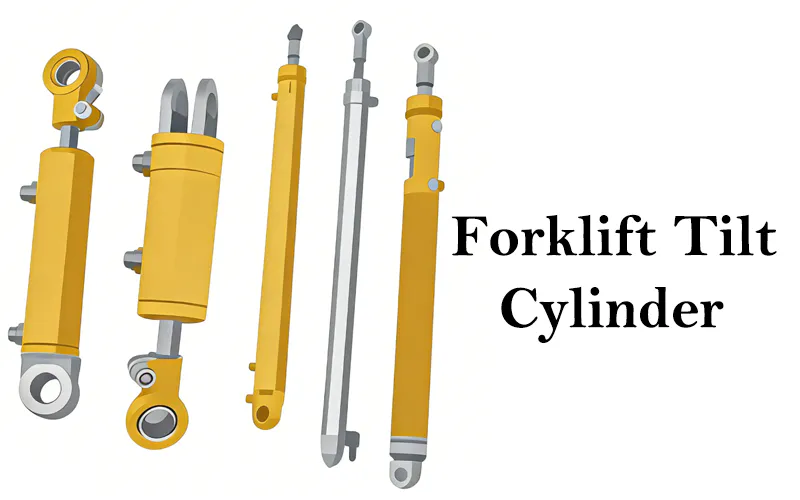
Description du produit
Ce vérin hydraulique est spécialement conçu pour les finisseurs.
Ce cylindre se caractérise par une structure compacte et une grande fiabilité.
| Modèle | Diamètre d'alésage (mm) |
Diamètre de la tige (mm) |
Accident vasculaire cérébral (mm) |
Pression nominale (bar) |
| HSG55/32-400*650-WX | 55 | 32 | 400 | 210 |
| Taper: | Cylindre hydraulique |
|---|---|
| Application: | Camions, chariots élévateurs, grues, chargeuses, engins de chantier |
| Nominal Pressure: | 210 Bar |
| Stroke: | 400 mm |
| Certificat: | ISO9001:2008 |
| Garantie: | 1 an |
| Personnalisation : |
Disponible
|
|
|---|
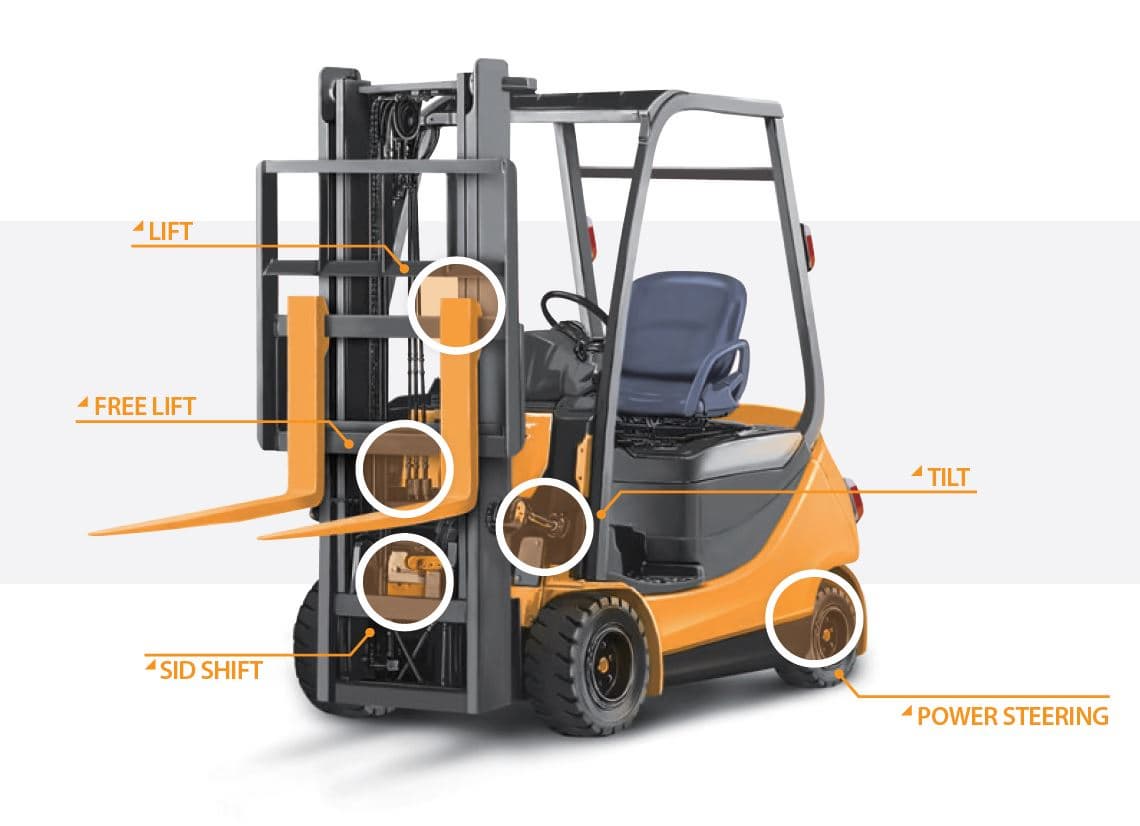
Les vérins hydrauliques peuvent-ils être utilisés dans les chariots élévateurs à chargement latéral ?
Oui, les vérins hydrauliques peuvent être utilisés dans les chariots élévateurs à chargement latéral. Les systèmes hydrauliques, notamment les vérins hydrauliques, sont couramment utilisés dans ces chariots et jouent un rôle essentiel dans leur fonctionnement. Voici une explication de leur utilisation :
Les chariots élévateurs à chargement latéral sont spécialement conçus pour le chargement et le déchargement de charges longues et volumineuses, telles que le bois, les tuyaux et autres matériaux allongés. Leur configuration unique leur permet d'aborder la charge latéralement, contrairement aux chariots élévateurs traditionnels qui l'abordent par l'avant ou l'arrière.
Les vérins hydrauliques des chariots élévateurs à chargement latéral font partie intégrante de leur fonctionnement et y contribuent de la manière suivante :
1. Mouvement latéral :
Les vérins hydrauliques permettent le déplacement latéral de la plateforme ou des fourches des chariots élévateurs à chargement latéral. Généralement positionnés horizontalement, ces vérins fournissent la force nécessaire à l'extension et à la rétraction des fourches ou de la plateforme, assurant ainsi un déplacement latéral précis. Le système hydraulique commande l'extension et la rétraction des vérins, facilitant le chargement et le déchargement efficaces d'objets longs et volumineux.
2. Stabilité de la charge :
Les vérins hydrauliques contribuent également à la stabilité du chargement sur les chariots élévateurs à chargement latéral. En ajustant la hauteur et l'angle des fourches ou de la plateforme, ils permettent de garantir la sécurité du chargement pendant le transport. Le système hydraulique assure un contrôle précis du positionnement du chargement, minimisant ainsi les risques de déplacement ou de basculement lors des opérations de chargement latéral.
3. Répartition du poids :
Les vérins hydrauliques contribuent à maintenir une répartition optimale du poids sur les chariots élévateurs à chargement latéral. En ajustant la hauteur et l'angle de la plateforme ou des fourches, ils permettent de répartir uniformément la charge sur le chariot. Ceci garantit la stabilité et l'équilibre lors des manœuvres de chargement latéral, réduisant ainsi les risques de basculement ou de surcharge.
4. Contrôle et maniabilité :
Le système hydraulique, notamment les vérins, assure un contrôle précis et une grande maniabilité des chariots élévateurs à chargement latéral. En ajustant l'extension et la rétraction des vérins, les opérateurs peuvent manœuvrer dans des espaces restreints, positionner la charge avec exactitude et effectuer des manœuvres délicates en toute simplicité. La réactivité et la précision du système hydraulique améliorent l'efficacité et la sécurité des opérations de chargement latéral.
En résumé, les vérins hydrauliques sont des composants essentiels des chariots élévateurs à chargement latéral. Ils permettent les mouvements latéraux, contribuent à la stabilité de la charge, participent au maintien d'une répartition optimale du poids et assurent la maniabilité et le contrôle. Grâce à la puissance hydraulique, ces vérins facilitent le chargement et le déchargement efficaces et sûrs d'objets longs et volumineux lors des opérations avec les chariots élévateurs à chargement latéral.
 \
\
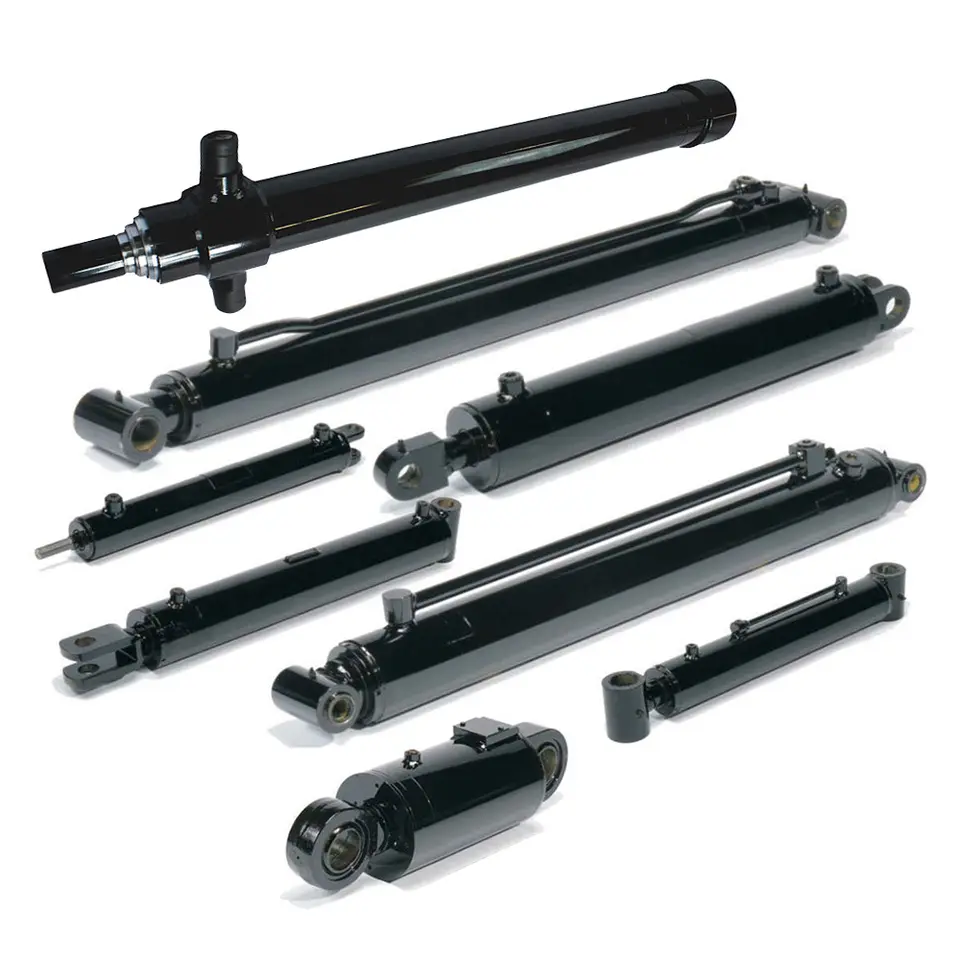
Can hydraulic cylinders be used in order fulfillment centers?
Yes, hydraulic cylinders can be used in order fulfillment centers. Order fulfillment centers require efficient and precise material handling equipment to handle the storage and movement of goods. Hydraulic cylinders are commonly used in various applications within these centers. Here’s an explanation of how they can be utilized:
Hydraulic cylinders find applications in order fulfillment centers in the following ways:
1. Conveyor Systems:
Conveyor systems are extensively used in order fulfillment centers for the transportation of goods. Hydraulic cylinders are employed to control the movement and positioning of conveyor belts. These cylinders enable smooth and precise adjustments of the conveyor height, ensuring efficient transfer of items between different processing areas.
2. Lift Tables and Platforms:
Hydraulic cylinders are utilized in lift tables and platforms used for order picking and loading/unloading operations. These cylinders provide controlled lifting and lowering of the tables or platforms, allowing operators to adjust the working height as needed. This enables ergonomic working conditions and precise alignment with shelving or loading docks.
3. Scissor Lifts:
Scissor lifts are commonly used in order fulfillment centers to reach elevated areas for order picking or stock replenishment. Hydraulic cylinders power the vertical movement of scissor lifts, providing stability and controlled elevation. The cylinders allow for precise positioning at different heights, enhancing efficiency and safety during the order fulfillment process.
4. Pallet Handling Equipment:
Order fulfillment centers often utilize pallet handling equipment, such as pallet jacks and pallet positioners, to move and stack palletized goods. Hydraulic cylinders are integral components of these machines, enabling the lifting and lowering of pallets. The cylinders provide the necessary force and control to handle heavy loads and ensure accurate placement of pallets.
5. Automated Guided Vehicles (AGVs):
AGVs are autonomous vehicles utilized in order fulfillment centers to transport goods within the facility. Hydraulic cylinders are employed in the lifting mechanisms of AGVs, allowing them to pick up and drop off loads at designated locations. The cylinders enable precise vertical movement and positioning of the load, ensuring accurate and efficient material handling.
In summary, hydraulic cylinders have various applications in order fulfillment centers, including conveyor systems, lift tables and platforms, scissor lifts, pallet handling equipment, and AGVs. These cylinders contribute to efficient and precise material handling, enhancing productivity and streamlining the order fulfillment process.
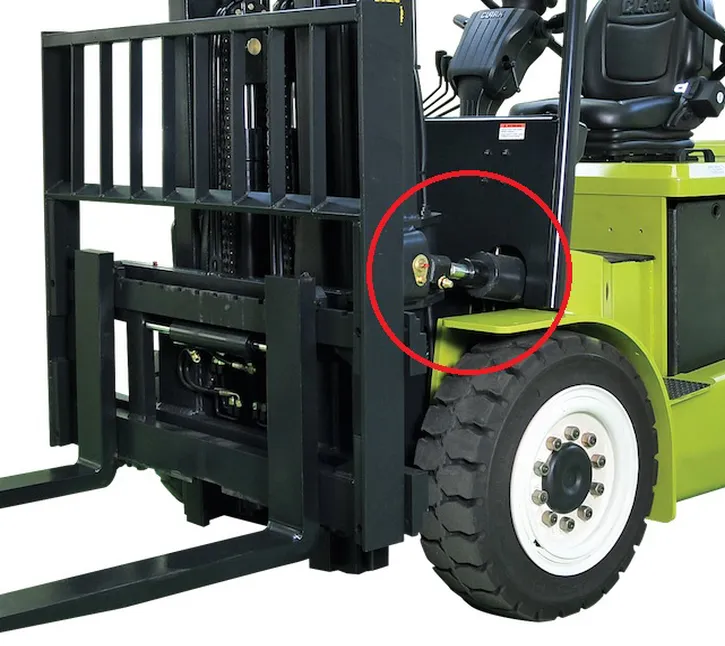
How Does a Forklift Hydraulic Cylinder Handle Variations in Lift Height?
A forklift hydraulic cylinder is responsible for raising and lowering the forks or lifting platform, allowing the forklift to handle loads at different heights. It handles variations in lift height through a combination of design features and hydraulic principles. Here’s a detailed explanation of how a forklift hydraulic cylinder handles variations in lift height:
1. Piston and Cylinder Design:
The hydraulic cylinder consists of a piston and a cylinder, which are sealed together to form a closed hydraulic system. The piston is connected to the forks or lifting platform, while the cylinder is fixed to the forklift frame. The design of the piston and cylinder allows for smooth movement and effective transfer of hydraulic pressure to generate lifting force.
2. Hydraulic Fluid and Pressure:
The hydraulic cylinder operates on the principle of Pascal’s Law, which states that when pressure is applied to a fluid in a closed system, it is transmitted equally in all directions. In the case of a forklift hydraulic cylinder, hydraulic fluid is used as the medium to transmit pressure. When hydraulic fluid is pumped into the cylinder, it creates pressure on the piston, causing it to move upward and lift the forks or lifting platform.
3. Cross-Sectional Area and Force:
The cross-sectional area of the piston within the hydraulic cylinder determines the force that can be exerted. A larger piston area can generate a greater lifting force. By varying the diameter of the piston, forklift manufacturers can adjust the lifting capacity and handle variations in lift height. Forklifts designed for heavier loads typically have larger piston areas to generate the necessary lifting force.
4. Valves and Controls:
The hydraulic system of a forklift includes valves and controls that regulate the flow of hydraulic fluid to the cylinder. These valves, such as control valves and relief valves, allow for precise control of the lifting operation. By adjusting the valves, operators can control the speed of ascent and descent, enabling smooth and controlled variations in lift height.
5. Telescopic Cylinders:
In some forklift designs, especially those used for high-reach applications, telescopic cylinders are employed. Telescopic cylinders consist of several nested stages that extend and retract, providing increased lift height. These cylinders allow for a compact design when retracted while offering extended reach when fully extended. Telescopic cylinders enable forklifts to handle variations in lift height without compromising stability or requiring excessively long cylinder strokes.
6. Stability and Counterbalancing:
Handling variations in lift height requires maintaining forklift stability. Forklifts are designed with counterweight systems to balance the load and prevent tipping. The hydraulic cylinder’s operation is coordinated with the counterweight system, ensuring that the center of gravity remains within safe limits during lifting and lowering operations. This counterbalancing helps maintain stability even when handling loads at different heights.
Through careful design, hydraulic principles, and the integration of valves and controls, a forklift hydraulic cylinder effectively handles variations in lift height. The combination of hydraulic pressure, piston and cylinder design, control mechanisms, and counterbalancing ensures precise and controlled lifting operations, allowing forklifts to safely handle loads at different heights as required in various material handling applications.


Édité par CX le 19 octobre 2023