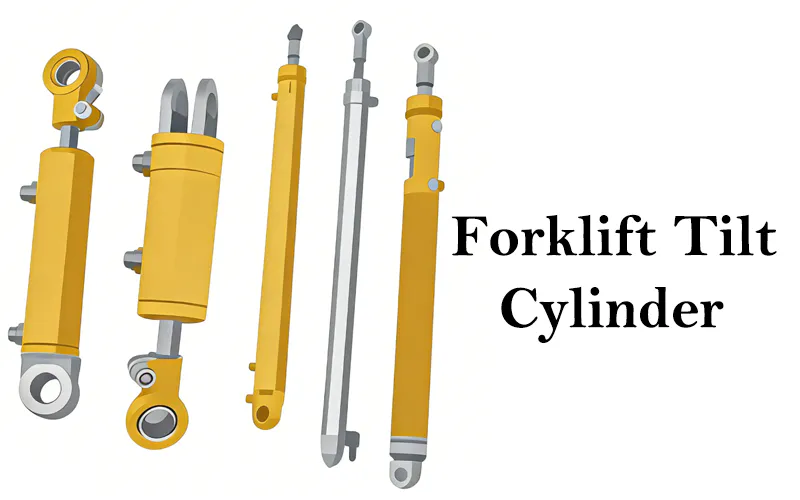
Description du produit
Profil de l'entreprise
Handavos International Trading Co.,Ltd focus on forklift spare parts for over 10 years. The factory covers about 30,000 square meters,there are 150 employees.The company is located in HangZhou.The logistics and transportation is very convenient. It is 100 kilometers from ZheJiang Port.
We are one of the Domestic specialized import forklift parts in the wholesalers and retailers. Main products are Engine parts,Hydraulic Parts,Transmission Parts,Electrical Parts,Filter parts,Drive System,Cooling system and Attachments.Our company has more than millions of parts inventory and in HangZhou, ZheJiang , ZheJiang ,HangZhou,Chendu with offices.
Welcome to company to visit and negotiate.
Specfication
Teamwork
Our team is a contingent of younger,better educated,quality efficient and vibrant.There are 50 people in the team.We have first-class products,superior service and high competitive prices and adequate inventory and timely delivery have won the trust of customers.
Where you are ,Handavos provides high quality forklift parts at competitive price with excellent service.
Emballage et livraison
Détails de l'emballage
Strong wooden case in standard export pallets.
6-piece per set package.
Port: ZheJiang ,HangZhou…
Délai de mise en œuvre:
| Service après-vente : | Assistance en ligne |
|---|---|
| Garantie: | Three Months |
| Matériel: | Acier au carbone |
| Traitement de surface : | Peinture cuite |
| Personnalisé : | Non personnalisé |
| Standard: | Standard |
| Personnalisation : |
Disponible
|
|
|---|
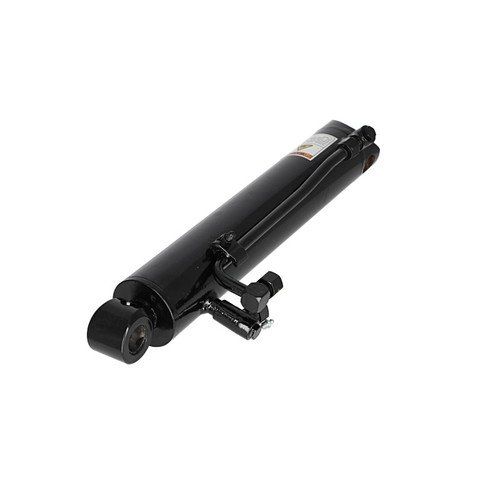
Can tilt cylinders be used in agricultural machinery for field work?
Yes, tilt cylinders can be used in agricultural machinery for field work. These cylinders play a valuable role in enhancing the functionality and productivity of agricultural equipment used for various tasks in the field. Here’s a detailed explanation:
- Implement Control: Tilt cylinders enable precise control of agricultural implements, such as blades, plows, cultivators, and harrows. By adjusting the tilt angle, operators can optimize the implement’s position and orientation for efficient soil preparation, leveling, seedbed creation, and other field work activities. Tilt cylinders provide the necessary force and control to achieve the desired implement tilt, enhancing operational efficiency and effectiveness.
- Contour Following: Tilt cylinders allow agricultural machinery to follow the contours of the field surface. By adjusting the tilt angle of the implement, the equipment can adapt to uneven terrain, ensuring consistent depth and contact with the ground. This contour following capability enhances seed placement accuracy, promotes uniform soil tillage, and reduces the risk of damaging crops or the machinery itself.
- Field Drainage: In field drainage operations, tilt cylinders can be used to adjust the angle of drainage implements, such as scrapers or ditchers. By controlling the tilt of these implements, operators can effectively shape and maintain proper field drainage patterns. Tilt cylinders enable precise and controlled adjustments, ensuring efficient water flow and preventing waterlogging in agricultural fields.
- Crop Residue Management: Tilt cylinders facilitate crop residue management by allowing operators to adjust the angle of implements used for residue incorporation, such as disc harrows or rotary tillers. By optimizing the implement tilt, residue incorporation can be performed effectively, promoting decomposition, weed control, and soil health. Tilt cylinders provide the necessary control to achieve the desired residue management results.
- Integration with Hydraulic Systems: Tilt cylinders are integrated with the hydraulic systems present in agricultural machinery. Hydraulic power is utilized to actuate the cylinders, providing the required force and control for implement adjustment. The hydraulic system allows for responsive and precise movement, enabling operators to adjust the tilt angle according to specific field conditions and requirements.
- Compatibility and Customization: Tilt cylinders are designed to be compatible with different types of agricultural machinery and implement systems. Manufacturers offer tilt cylinders with various specifications, such as different force capacities, stroke lengths, and mounting options, to ensure compatibility and optimal performance. This customization allows for seamless integration and enhances the overall functionality of agricultural machinery.
Therefore, tilt cylinders can be effectively utilized in agricultural machinery for field work. Whether it involves implement control, contour following, field drainage, crop residue management, or other field-related tasks, tilt cylinders provide the necessary force, control, and adaptability to enhance the performance and productivity of agricultural equipment in the field.
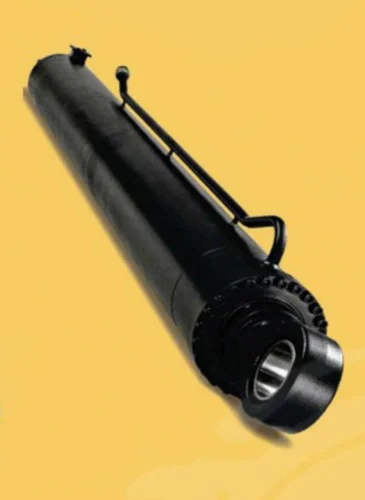
How does a tilt cylinder handle variations in tilt angle and load?
A tilt cylinder is designed to handle variations in tilt angle and load to ensure optimal performance and safe operation. It employs various mechanisms and features that allow it to adapt to different angles and loads. Here’s a detailed explanation:
- Adjustable Force and Stroke: Tilt cylinders can be adjusted to accommodate variations in tilt angle and load. The force generated by the cylinder can be controlled by adjusting the hydraulic pressure, allowing for precise control over the tilting movement. Similarly, the stroke length of the cylinder can be customized to provide the desired range of motion, enabling flexibility in achieving different tilt angles.
- Flow Control Valves: Tilt cylinders often incorporate flow control valves that regulate the speed and rate of hydraulic fluid flow. These valves allow operators to adjust the flow rate, providing finer control over the tilting movement. By adjusting the flow control valves, operators can handle variations in tilt angle and load with greater precision and stability.
- Load-Sensing Technology: Some advanced tilt cylinders utilize load-sensing technology to automatically adjust the force output based on the load applied. Load sensors integrated into the cylinder or the hydraulic system provide real-time feedback on the load, enabling the cylinder to adjust its force accordingly. This ensures consistent and safe operation, even when dealing with varying loads.
- Structural Integrity: Tilt cylinders are designed with robust construction to handle variations in load. The materials used, such as high-strength steel, provide structural integrity and durability. The cylinder’s design considers factors such as bending moments and stress distribution to ensure safe operation under different load conditions.
- Seals and Lubrication: Tilt cylinders incorporate seals and lubrication systems to minimize friction and maintain the required performance. Seals prevent leakage and contamination, ensuring the hydraulic system operates efficiently. Proper lubrication reduces wear and tear on moving parts, allowing the cylinder to handle variations in tilt angle and load smoothly and reliably.
- Stability and Balance: Tilt cylinders are designed to maintain stability and balance during tilting operations. The cylinder’s attachment points, along with the equipment’s center of gravity, are carefully considered to ensure safe and controlled tilting. This helps prevent instability or tipping when facing variations in tilt angle or load.
By incorporating adjustable force and stroke, flow control valves, load-sensing technology, robust construction, seals and lubrication, as well as ensuring stability and balance, tilt cylinders can effectively handle variations in tilt angle and load. These features enable precise control, safe operation, and reliable performance in a wide range of applications across industries.
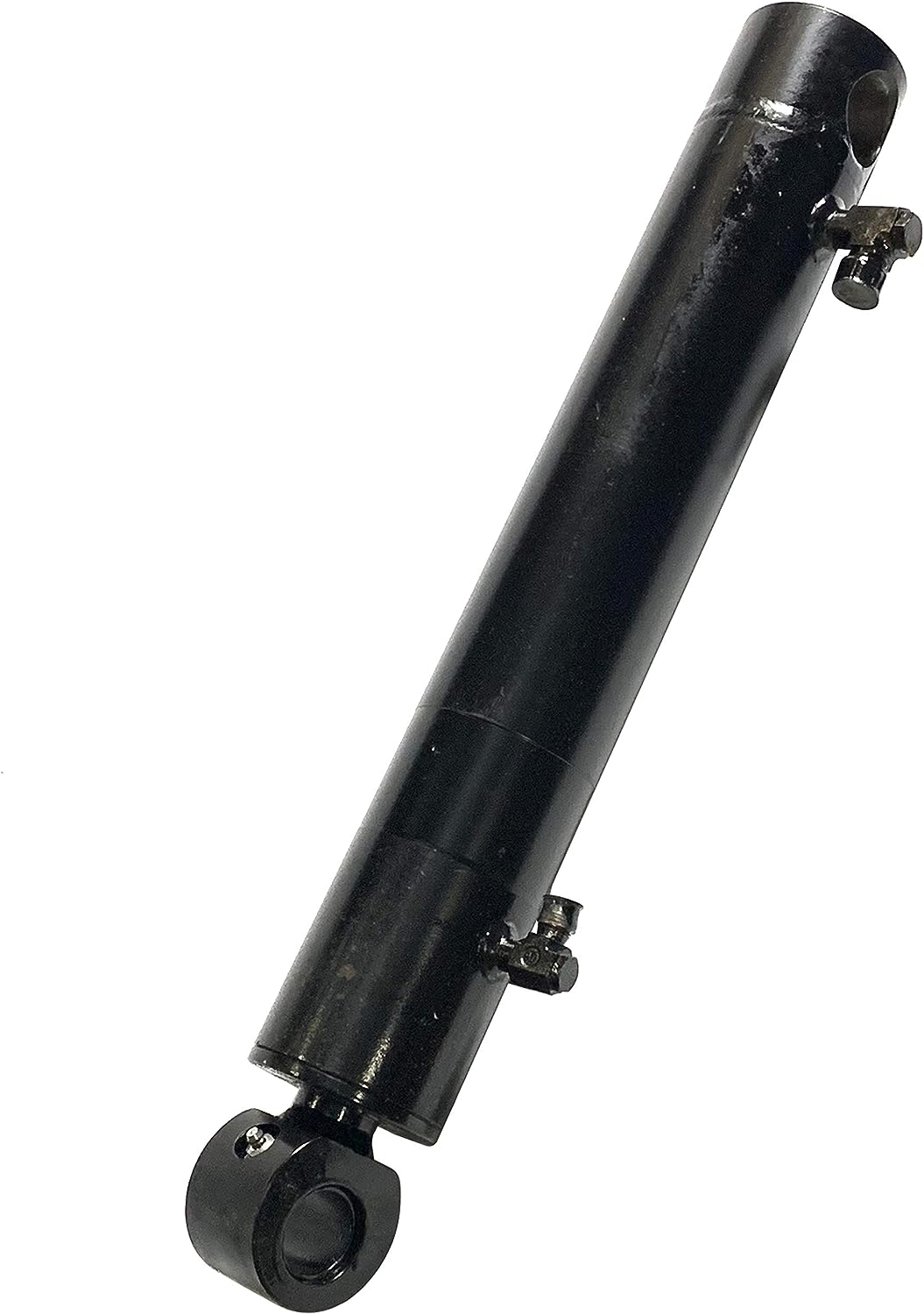
Pouvez-vous expliquer le rôle du fluide hydraulique dans un vérin d'inclinaison ?
Le fluide hydraulique joue un rôle crucial dans le fonctionnement d'un vérin d'inclinaison. C'est un milieu essentiel qui permet la transmission de la force et contrôle le mouvement du vérin. Voici une explication détaillée du rôle du fluide hydraulique dans un vérin d'inclinaison :
- Transmission de la force : Le fluide hydraulique transmet la force du système hydraulique au vérin d’inclinaison. Le système hydraulique pressurise le fluide, créant une pression hydraulique qui agit sur la surface du piston. Ce déséquilibre de pression génère une force qui déplace le piston et, par conséquent, étend ou rétracte la tige du vérin d’inclinaison. La force transmise par le fluide hydraulique permet l’inclinaison contrôlée du composant fixé sur les engins lourds.
- Contrôle du débit : Le fluide hydraulique contrôle le flux de force au sein du vérin d’inclinaison. Le système hydraulique utilise des distributeurs pour réguler le débit et la direction du fluide. En ajustant la position de ces distributeurs, l’opérateur contrôle la vitesse, la direction et l’amplitude du mouvement d’inclinaison. Ce mécanisme de contrôle du débit permet un positionnement et un réglage précis de l’élément incliné, en fonction des exigences spécifiques de la tâche.
- Régulation de la pression : Le fluide hydraulique permet également de réguler la pression à l’intérieur du vérin d’inclinaison. Le système hydraulique intègre des régulateurs de pression ou des soupapes de décharge afin de maintenir les niveaux de pression souhaités. Ces soupapes garantissent que la pression du fluide hydraulique reste dans la plage de fonctionnement sécuritaire, évitant ainsi une surpression susceptible d’endommager le vérin ou d’autres composants. La régulation de la pression contribue au fonctionnement sûr et efficace du vérin d’inclinaison.
- Lubrification et refroidissement : Le fluide hydraulique lubrifie le vérin d’inclinaison, réduisant ainsi le frottement entre les pièces mobiles. Cette lubrification minimise l’usure et prolonge la durée de vie du vérin. De plus, le fluide hydraulique absorbe et dissipe la chaleur générée pendant le fonctionnement, agissant comme un liquide de refroidissement. Une lubrification et un refroidissement efficaces contribuent aux performances et à la durabilité globales du vérin d’inclinaison.
- Étanchéité et protection contre la contamination : L’huile hydraulique contribue à préserver l’intégrité des joints hydrauliques du vérin d’inclinaison. Elle assure l’étanchéité entre le piston et la paroi du vérin, empêchant ainsi les fuites d’huile hydraulique. Elle fait également office de barrière, empêchant les contaminants tels que la poussière, les débris ou l’humidité de pénétrer dans le vérin et de l’endommager. Cette fonction d’étanchéité et de protection contre la contamination garantit le bon fonctionnement et la longévité du vérin d’inclinaison.
En résumé, le fluide hydraulique joue un rôle essentiel dans un vérin d'inclinaison. Il transmet la force, contrôle le débit et la pression, assure la lubrification et le refroidissement, garantit l'étanchéité du vérin et prévient toute contamination. Grâce à une utilisation optimale du fluide hydraulique, le vérin d'inclinaison permet une inclinaison contrôlée des composants des machines lourdes, assurant un fonctionnement précis et améliorant les performances et la fiabilité de l'équipement.


editor by CX 2023-11-02