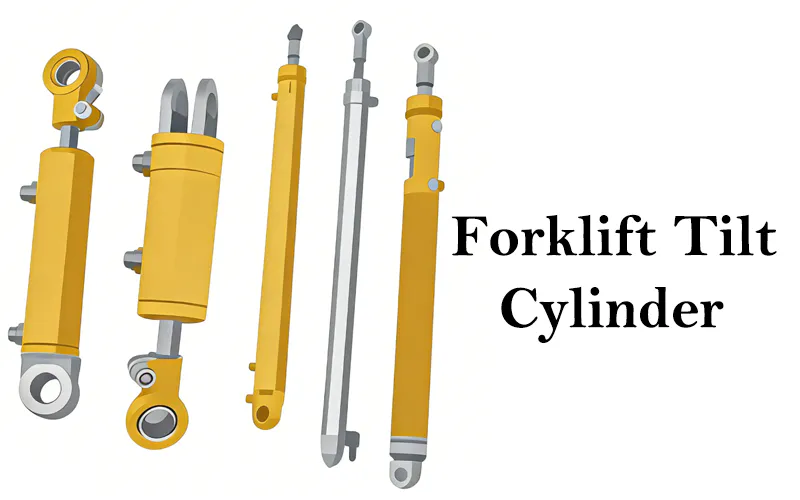
Retail & FMCG | Urban Logistics | Narrow-Aisle Equipment
Compact Forklift Tilt Cylinder Designs for Narrow-Aisle Reach Trucks in Urban Convenience Store Distribution
A technical guide for fleet managers, procurement specialists, and warehouse engineers selecting compact फोर्कलिफ्ट झुकाव सिलेंडर configurations for narrow-aisle reach trucks serving urban FMCG distribution networks in Colombia and across Latin America.
Why Compact Forklift Tilt Cylinder Design Matters in Urban Convenience Store Distribution
Urban convenience store distribution networks in Colombia face a challenge that many industrial warehouse designers never encounter: they must move fast-moving consumer goods through dense urban environments, into multi-story distribution centers in city centers like Bogotá, Medellín, and Cali, and then replenish store shelves from delivery vehicles parked on narrow streets with unreliable dock access. The forklifts serving these networks are typically narrow-aisle reach trucks — vehicles with a very different geometry from the open-warehouse counterbalance forklifts that dominate most industrial supply chain conversations. And at the center of the reach truck’s mast control system sits the फोर्कलिफ्ट झुकाव सिलेंडर — the key hydraulic positioning actuator — whose dimensional envelope and performance characteristics have to fit within the tight spatial constraints of a narrow-aisle vehicle while meeting the demanding duty cycle of a high-frequency distribution operation.
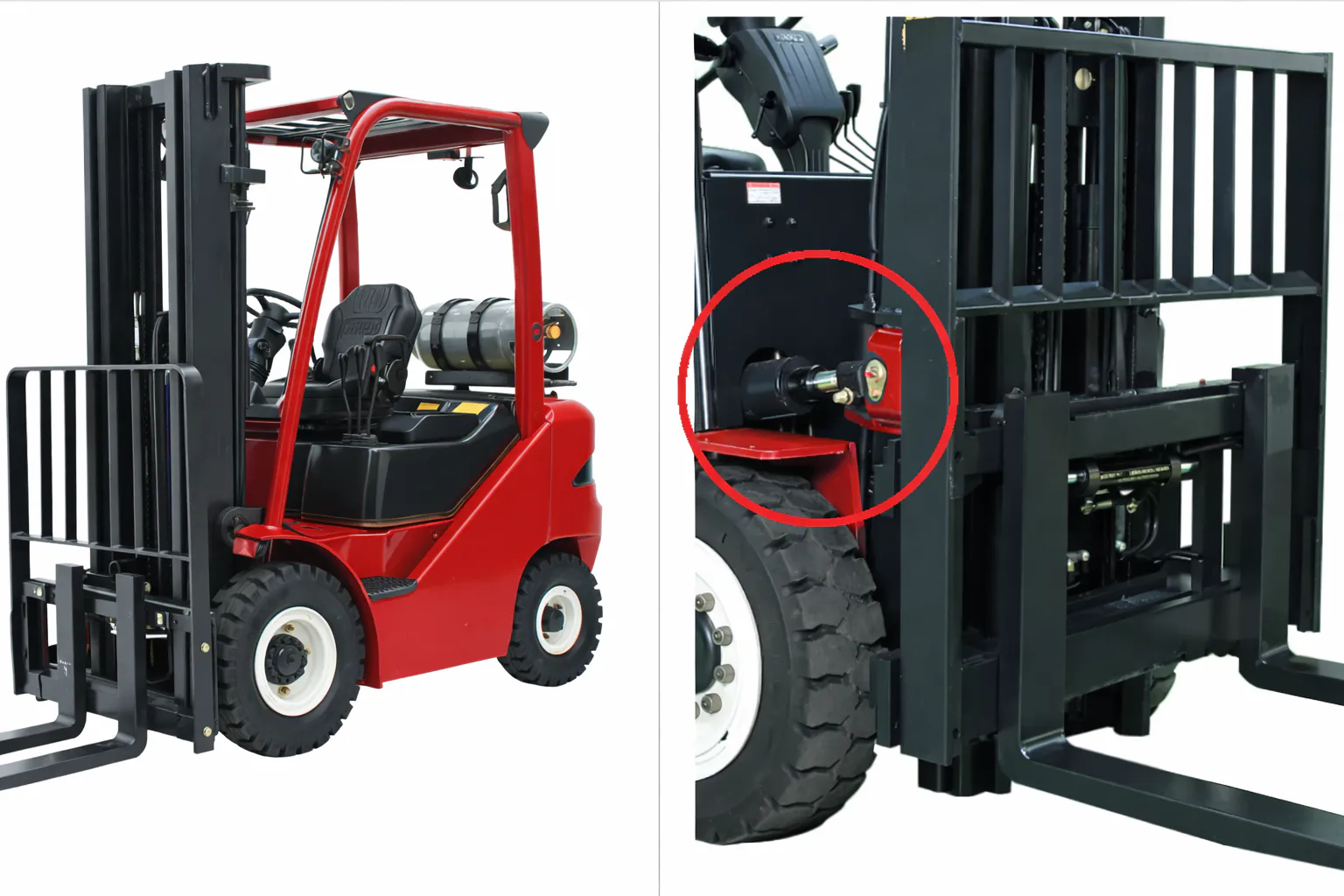
The फोर्कलिफ्ट झुकाव सिलेंडर on a narrow-aisle reach truck performs the same fundamental function as on a larger counterbalance forklift — it controls the angular orientation of the mast relative to the truck’s chassis, allowing the operator to tilt the forks forward for load engagement and backward to secure the load for travel. But on a compact reach truck, this फोर्कलिफ्ट झुकाव सिलेंडर must fit within a frame design where every millimetre of installation space is shared with the mast structure, the lift chain anchor points, the electrical harness for the reach mechanism, and the battery box that provides the energy for a full eight-hour urban distribution shift. Getting the cylinder specification wrong — choosing a unit that is too long, has the incorrect mounting geometry, or uses seals that cannot handle the rapid duty cycle of a convenience store replenishment operation — creates maintenance problems that ripple directly into fleet availability and on-shelf replenishment performance.
This article covers the key design considerations when selecting a compact फोर्कलिफ्ट झुकाव सिलेंडर for narrow-aisle reach truck applications in urban FMCG distribution, including manufacturing structure, material systems, applicable regulations in Colombia and internationally, and which फोर्कलिफ्ट झुकाव सिलेंडर products from our range best match these demanding operational requirements.
1. The Urban FMCG Distribution Context in Colombia
Colombia’s convenience store sector — dominated by formats like D1, Ara, Justo & Bueno, and the independent tienda network — relies on urban distribution centers that serve dozens or hundreds of store points within a single city zone. These facilities are rarely purpose-built on the city periphery with generous dock areas and wide aisles; they are more often adapted industrial properties in dense urban neighborhoods where land cost makes every square metre of floor space a capital investment. Storage aisles narrower than 2,000 mm are standard, and single-aisle heights exceeding 8 metres are common as operators stack vertically to maximize cubic capacity in a constrained footprint.
The reach truck is the primary piece of lift equipment in these environments. Unlike the conventional counterbalance forklift that maintains stability by positioning its centre of gravity behind the rear axle, the reach truck uses an extending mast or reach mechanism that positions the forks and load above the front axle before lifting, allowing it to operate in aisles as narrow as 1,800 mm while still reaching rack heights above 10 metres. The फोर्कलिफ्ट झुकाव सिलेंडर in a reach truck must be designed for this compact installation geometry — it cannot be a फोर्कलिफ्ट झुकाव सिलेंडर transplanted from a larger counterbalance vehicle. The stroke, installation distance, bore dimensions, and mounting interface must all be sized to fit the reach truck mast design, and in many cases, the correctly specified छोटे फोर्कलिफ्ट टिल्ट सिलेंडर and फोर्कलिफ्ट झुकाव सिलेंडर is significantly shorter and lighter than anything used on a standard warehouse counterbalance.
The high-frequency duty cycle of urban FMCG distribution adds another dimension to the specification challenge. A narrow-aisle reach truck in a Bogotá FMCG distribution center may complete 200 to 400 pallet handling cycles per shift — each cycle involving multiple full tilt actuations as operators engage shelf positions, adjust load angles, and park loads on staging areas before outbound vehicle loading. This is dramatically higher than the duty cycle of a reach truck in a slower-moving manufacturing material store. The हाइड्रोलिक फोर्कलिफ्ट टिल्ट सिलेंडर and its seal system, in particular, must be specified for this high-cycle environment rather than defaulting to the seal compounds used in lower-frequency industrial applications.
2. Manufacturing Structure of the Compact Forklift Tilt Cylinder
The manufacturing structure of a compact फोर्कलिफ्ट झुकाव सिलेंडर for reach trucks intended for narrow-aisle reach truck service shares the same fundamental hydraulic cylinder architecture as its larger industrial counterparts — barrel, piston rod, piston assembly, seal system, and end caps — but each element must be engineered to the tighter dimensional envelope and the different load profile of a compact reach truck mast. Understanding these structural differences is essential for procurement teams specifying replacement cylinders or fleet managers evaluating aftermarket cylinder quality.
Compact Barrel Geometry
In a compact फोर्कलिफ्ट झुकाव सिलेंडर design, the barrel length is significantly shorter than on a standard warehouse counterbalance cylinder — often 40% to 60% shorter — reflecting the reduced installation distance available within the narrow reach truck mast assembly. The bore diameter may also be smaller, since the force required to tilt a reach truck mast under the typical 1.0 to 2.0 tonne load capacity is lower than the forces on a 3.5 tonne counterbalance forklift mast. Cold-drawn seamless steel tube with a honed bore finish is the standard barrel construction, providing the consistent inner surface finish required for reliable seal performance across the high cycle count of an urban FMCG operation.
Short-Stroke Piston Rod
The piston rod of a compact reach truck फोर्कलिफ्ट झुकाव सिलेंडर operates over a shorter stroke distance that corresponds to the limited tilt angle range typical of reach truck mast designs — often restricted to 3° forward and 5° backward tilt compared to the 6° forward and 12° backward range common on counterbalance forklifts. The reduced stroke means the rod spends less time in the extended, exposed position, which reduces the contamination loading on the wiper ring and prolongs seal life. However, the frequency of stroke actuation in FMCG distribution is much higher, so the seal system must still be specified for durability rather than longevity in low-cycle service.
Integrated Mounting Clevis
The mounting interface of the compact फोर्कलिफ्ट झुकाव सिलेंडर assembly must precisely match the reach truck manufacturer’s chassis and mast bracket geometry. On reach trucks, the tilt cylinder mounting is often internal to the mast structure rather than externally accessible as on a counterbalance forklift — this means installation and removal requires either partial mast disassembly or careful cylinder positioning through a service access opening. The clevis pin bore diameter, clevis fork width, and mounting face offset dimensions must match the OEM specification exactly. Even small deviations introduce misalignment loads into the cylinder rod that cause accelerated guide ring and seal wear.
Dual-Stage Cylinder Configuration
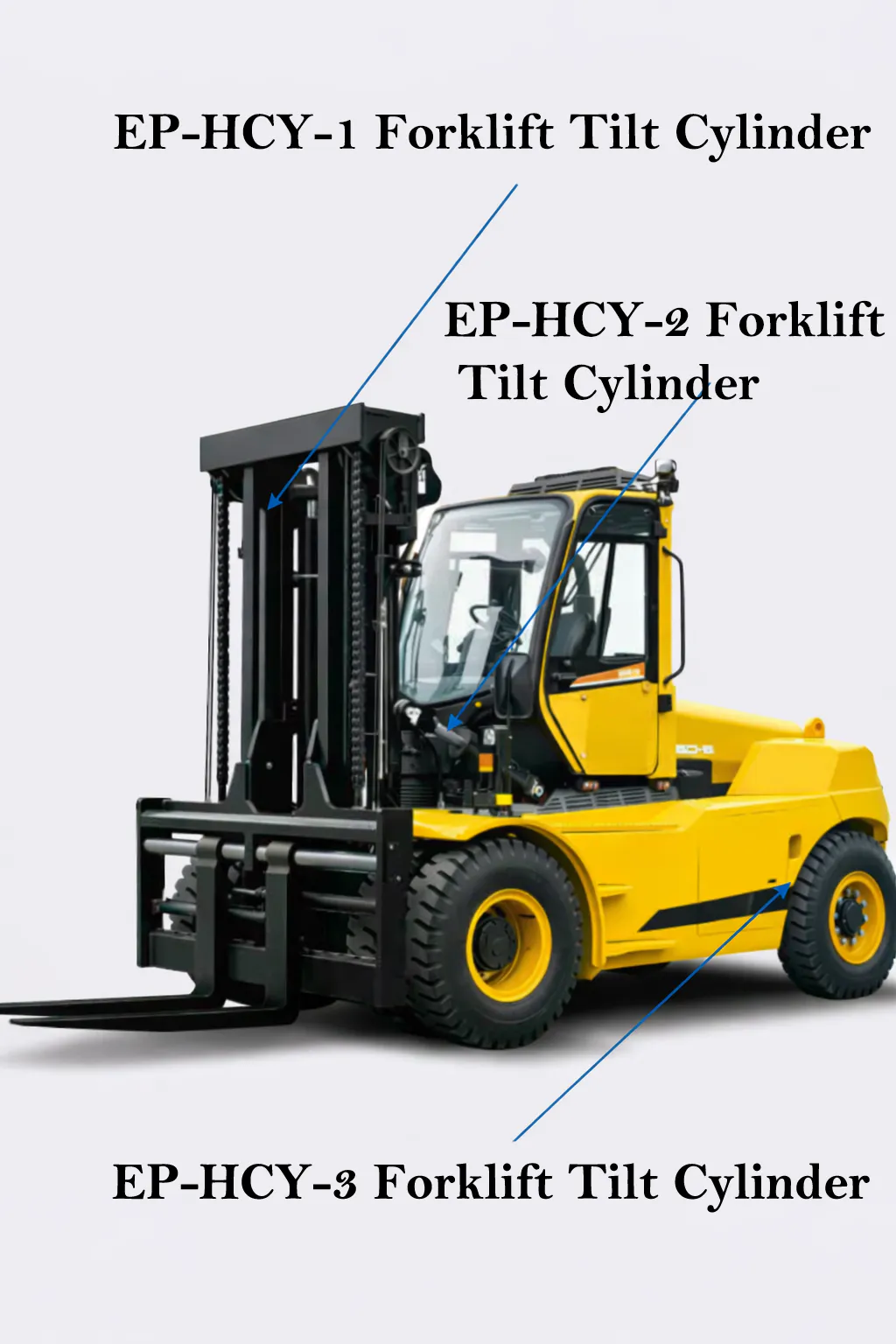
Some compact reach truck applications use a dual-stage or telescopic फोर्कलिफ्ट झुकाव सिलेंडर configuration where the total cylinder length is reduced by staging two smaller strokes within the same installation envelope. This design provides the equivalent angular tilt movement while fitting within a more compact overall cylinder length — an approach particularly relevant for ultra-narrow reach trucks where conventional single-stage cylinder configurations would protrude beyond the mast side frame envelope. The EP-HCY-3 फोर्कलिफ्ट झुकाव सिलेंडर in our range uses exactly this dual-stage approach with a 96.5 × 2 mm stroke configuration.
3. Material System — Matching Materials to High-Cycle FMCG Distribution Demands
Material selection for the compact फोर्कलिफ्ट झुकाव सिलेंडर in an urban FMCG reach truck setting must address two competing demands: the need for a compact, lightweight design that does not add unnecessary mass to the reach truck’s upper mast structure (where additional weight reduces stability during elevated load travel), and the need for high cycle life in the demanding daily operation of a Colombian urban distribution center. The table below summarizes the principal material choices for each cylinder component in this application context.
| Component | Standard Specification | High-Cycle FMCG Recommendation | Rationale |
|---|---|---|---|
| सिलेंडर बैरल | St52 cold-drawn seamless steel | St52, bore honed to Ra ≤ 0.4 µm | Consistent bore finish reduces seal contact stress variation that shortens seal life in high-cycle applications |
| पिस्टन रॉड | 45# steel, hard chrome ≥ 20 µm | 42CrMo4, hard chrome ≥ 25 µm, Ra ≤ 0.2 µm | Higher alloy base metal handles the fatigue loading of rapid cyclic actuation; thicker chrome extends wiper durability |
| Primary Rod Seal | Polyurethane lip seal | Polyurethane or PTFE-compound lip seal (NBR backup) | Polyurethane provides better abrasion resistance per cycle than NBR in high-frequency rod movement applications |
| Wiper Ring | Single-lip polyurethane | Dual-lip PTFE or polyurethane | Dual-lip design provides redundant contamination exclusion — critical in urban distribution where dusty ambient air accelerates rod surface contamination |
| Guide Ring | PTFE-bronze composite | PTFE-bronze composite, wider contact land | Wider guide ring distributes lateral loads from mast deflection across a larger contact area, reducing wear rate per cycle |
| Piston Seal | NBR O-ring + backup ring | Polyurethane step-seal or NBR + PTFE guide ring | Step-seal design maintains sealing contact across the pressure cycling range typical of reach truck hydraulic systems |
| External Coating | Alkyd primer + enamel | Epoxy primer + polyurethane topcoat | Resists the cleaning and sanitizing chemicals used in food-adjacent FMCG distribution facilities |
4. Recommended Compact Forklift Tilt Cylinder Models for Narrow-Aisle Reach Trucks
The following two compact फोर्कलिफ्ट झुकाव सिलेंडर models from our product range are best matched to the dimensional and performance requirements of narrow-aisle reach trucks in urban convenience store distribution operations. Both products feature the compact dimensions, matched hydraulic pressure ratings, and seal system durability needed for high-frequency FMCG distribution cycles.
ईपी-एचसीवाई-2 फोर्कलिफ्ट टिल्ट सिलेंडर

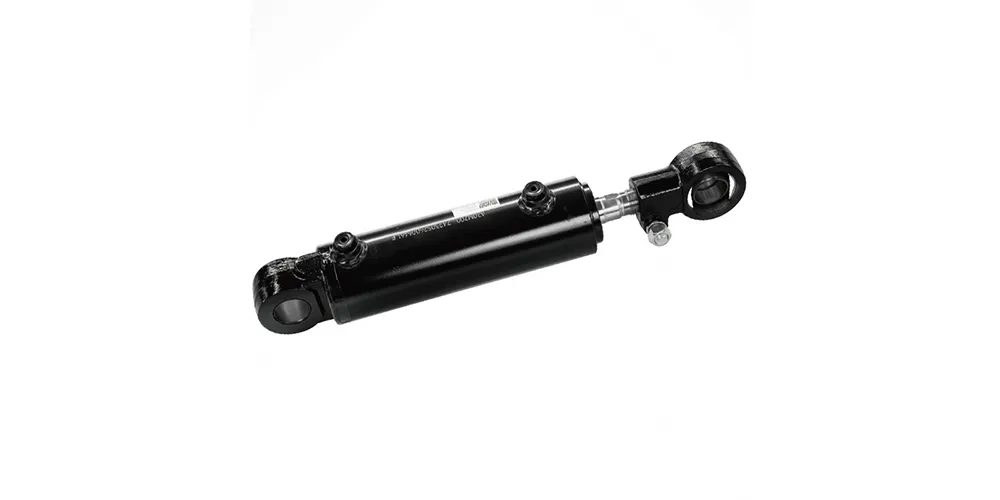
The EP-HCY-2 is a compact फोर्कलिफ्ट झुकाव सिलेंडर with a 156 mm stroke, designed for narrow-aisle reach trucks and smaller capacity counterbalance forklifts in urban distribution environments. Its short stroke and compact फोर्कलिफ्ट झुकाव सिलेंडर installation distance of 453 mm make it a natural fit for reach truck mast assemblies where the cylinder must fit within a constrained lateral frame dimension. The low weight of 12 kg is an important consideration in reach truck applications where mast-mounted weight directly affects vehicle stability during elevated load travel through narrow urban warehouse aisles.
| पैरामीटर | कीमत |
|---|---|
| आघात | 156 मिमी |
| कार्य का दबाव | 18.1 एमपीए |
| Maximum Pressure | 27 एमपीए |
| स्थापना दूरी | 453 मिमी |
| वज़न | 12 किलो |
ईपी-एचसीवाई-3 फोर्कलिफ्ट टिल्ट सिलेंडर

The EP-HCY-3 is a dual-stage compact फोर्कलिफ्ट झुकाव सिलेंडर with a unique 96.5 × 2 mm stroke configuration — providing two sequential stroke stages within a single cylinder body for use where the available installation envelope is insufficient for a conventional single-stage cylinder of equivalent total travel. With an installation distance of just 585.7 mm and a weight of only 16.5 kg, the EP-HCY-3 suits ultra-compact reach truck mast assemblies in the narrowest-aisle formats found in urban Colombian distribution centers. The lower working pressure of 16 MPa (24 MPa maximum) is consistent with the hydraulic systems on smaller-capacity reach trucks operating in these environments.
| पैरामीटर | कीमत |
|---|---|
| Stroke Configuration | 96.5 × 2 mm |
| कार्य का दबाव | 16 एमपीए |
| Maximum Pressure | 24 एमपीए |
| स्थापना दूरी | 585.7 मिमी |
| वज़न | 16.5 किलोग्राम |
5. How to Size a Forklift Tilt Cylinder for a Narrow-Aisle Reach Truck
Sizing a replacement फोर्कलिफ्ट झुकाव सिलेंडर for a narrow-aisle reach truck operation requires a different approach than specifying a cylinder for a standard counterbalance forklift, because the dimensional tolerance within a compact reach truck mast assembly is much tighter. The primary sizing parameters are the same — stroke, installation distance, bore and rod diameters, and mounting interface dimensions — but the acceptable tolerance on each parameter is narrower, and the consequences of dimensional mismatch are more severe due to the internal mounting location in most reach truck mast designs.
The starting point is always the existing cylinder. If the reach truck is undergoing a फोर्कलिफ्ट टिल्ट सिलेंडर प्रतिस्थापन rather than a first-fit specification for a new vehicle, measure the removed फोर्कलिफ्ट झुकाव सिलेंडर‘s stroke length (distance between rod end face and cap end face when fully extended), installation distance (pin centre to pin centre when fully retracted), bore diameter, and rod diameter. Also note the clevis pin bore diameter at each end and the clevis fork internal width — these are the mounting interface dimensions that the replacement फोर्कलिफ्ट झुकाव सिलेंडर must match exactly. A फोर्कलिफ्ट झुकाव सिलेंडर that is dimensionally correct in stroke and pressure rating but has the wrong clevis pin bore diameter cannot be installed without modification, and field modification of cylinder mounting components is a maintenance practice that introduces safety risk and potential warranty voiding.
For fleet managers in Colombian FMCG distribution operations who manage multiple reach truck brands — for example, a fleet mixing Jungheinrich ETV and Toyota BT Reflex vehicles alongside locally-specified smaller trucks — maintaining a clear फोर्कलिफ्ट हाइड्रोलिक सिलेंडर आरेख of the फोर्कलिफ्ट झुकाव सिलेंडर installed position for each vehicle model is the most practical way to ensure correct replacement cylinder specification across a diverse reach truck fleet. This diagram should show the cylinder in its installed position with all critical dimensions annotated, and should be kept in the vehicle maintenance file alongside the service history record for each truck.
6. Common Failure Modes of the Forklift Tilt Cylinder in High-Frequency Reach Truck Operation
Understanding the reasons why a फोर्कलिफ्ट झुकाव सिलेंडर fails in a high-frequency FMCG distribution environment helps fleet managers design preventive maintenance protocols that actually address the root causes of failure rather than simply replacing cylinders when symptoms appear. The failure modes in a narrow-aisle reach truck application differ from those in a lower-cycle industrial setting in both frequency and dominant cause.
Rod Seal Wear and External Leakage
The primary rod seal is the first component to show wear in high-cycle reach truck service. As the rod extends and retracts 200 to 400 times per shift, the seal contact stress accumulates until the sealing lip loses its ability to maintain zero leakage against the cylinder working pressure. In the फोर्कलिफ्ट टिल्ट सिलेंडर सील किट for a reach truck फोर्कलिफ्ट झुकाव सिलेंडर, the rod seal is typically the first item to require replacement in a proactive maintenance program. Visual inspection of the rod seal area should be part of every scheduled reach truck service — a thin hydraulic film on the rod between maintenance intervals is an early warning sign that this फोर्कलिफ्ट झुकाव सिलेंडर seal is nearing its replacement threshold.
Forklift Tilt Cylinder Drift
Forklift tilt cylinder drift in a reach truck — the gradual, uncontrolled change in mast tilt angle when the hydraulic control is in the neutral position — becomes a productivity and safety issue in urban reach truck operations because operators rely on consistent mast position during elevated load travel through narrow aisles. A reach truck with measurable फोर्कलिफ्ट टिल्ट सिलेंडर ड्रिफ्ट requires constant operator correction during aisle travel, increasing fatigue, reducing picking efficiency, and creating elevated risk of load shifting or mast contact with rack uprights. Drift typically indicates internal piston seal bypass or control valve seat wear and requires immediate diagnostic attention.
Wiper Ring Contamination Failure
Urban distribution environments present higher-than-average wiper ring contamination loads, because dust from cardboard packaging, pallet wood particles, and ambient urban particulate all accumulate on the reach truck mast and rod surfaces. When the wiper ring fails to exclude this material from the rod seal zone, abrasive particles become embedded in the फोर्कलिफ्ट झुकाव सिलेंडर seal lip and begin cutting microscopic grooves into the chrome rod surface — a failure mode that progressively worsens with each rod stroke and ultimately requires फोर्कलिफ्ट टिल्ट सिलेंडर सील प्रतिस्थापन plus rod re-chroming or full cylinder replacement.
Mounting Clevis Wear
In compact reach truck फोर्कलिफ्ट झुकाव सिलेंडर installations, the clevis pin at each end of the फोर्कलिफ्ट झुकाव सिलेंडर of the cylinder carries the reversing load each time the mast changes tilt direction — at 200 to 400 cycles per shift, this loading accumulates rapidly. Inadequate lubrication of the clevis pins is the primary cause of accelerated bore wear, which eventually produces measurable lateral play in the cylinder mounting that introduces unwanted bending loads into the cylinder barrel and rod. Including clevis pin lubrication in the weekly reach truck maintenance schedule — rather than waiting for the scheduled periodic service — dramatically extends the life of the cylinder mounting assembly and reduces the frequency of complete फोर्कलिफ्ट टिल्ट सिलेंडर प्रतिस्थापन.
7. Regulatory and Safety Framework — Colombia and International Standards
The फोर्कलिफ्ट झुकाव सिलेंडर is a structural hydraulic component of a powered industrial truck is within the scope of multiple Colombian and international regulatory frameworks governing workplace safety and powered industrial truck operation. FMCG distribution operators in Colombia must ensure that their fleet maintenance practices — including cylinder replacement and seal repair — comply with the applicable requirements.
Colombia — Resolución 2400 de 1979 (Estatuto de Seguridad Industrial)
Colombia’s foundational industrial safety regulation, Resolución 2400 de 1979, requires that all powered industrial equipment — including reach trucks and the फोर्कलिफ्ट झुकाव सिलेंडर systems that make them operational — be maintained in safe working condition by the employer. The फोर्कलिफ्ट झुकाव सिलेंडर hydraulic system must be inspected periodically, with defects documented and corrected before the vehicle returns to service. For FMCG distribution operators in Bogotá, Medellín, Cali, or Barranquilla, this regulation is the baseline requirement that underpins the company’s vehicle maintenance program and makes proper फोर्कलिफ्ट हाइड्रोलिक सिलेंडर की मरम्मत a legal as well as operational obligation.
Colombia — Resolución 0312 de 2019 (Mínimos de SST)
More recent Colombian workplace safety legislation under Resolución 0312 de 2019 establishes the minimum occupational health and safety standards that companies must meet, including requirements for equipment inspection programs and documentation of corrective maintenance. For FMCG operators with a fleet of narrow-aisle reach trucks, this means maintaining a formal equipment inspection record for each truck that includes hydraulic system condition assessments — with the फोर्कलिफ्ट झुकाव सिलेंडर and its associated seals condition specifically noted as a structural and hydraulic integrity parameter in the vehicle inspection checklist.
ISO 3691-1:2011 — Industrial Trucks Safety Requirements
ISO 3691-1 specifies safety requirements for design and construction of industrial trucks, including the hydraulic system. The standard addresses hydraulic cylinder design, pressure rating, and drift (creep) performance for mast and load control hydraulics. A हाइड्रोलिक फोर्कलिफ्ट टिल्ट सिलेंडर installed on an ISO 3691-compliant reach truck reach truck must meet the drift performance requirements of the standard — typically requiring that the loaded mast not exceed a specified angular change per time unit. ISO 3691-1 is the primary international reference used by reach truck manufacturers in their hydraulic system design and is directly relevant to specifying replacement cylinder performance requirements.
ASME B56.1 — Safety Standard for Low Lift and High Lift Trucks (USA)
The ASME B56.1 standard is the North American safety standard for powered industrial trucks and is referenced in many Latin American market specifications and equipment import requirements. It covers hydraulic system requirements for lift and tilt control, including requirements for load-holding valve performance that prevents uncontrolled load movement when a hydraulic line fails. Colombian FMCG operators importing reach trucks from North American-market supply chains will typically find that the vehicles’ फोर्कलिफ्ट झुकाव सिलेंडर assembly and control system are designed and tested to B56.1 requirements, and replacement components should be specified to maintain compliance with these performance criteria.
EU Directive 2006/42/EC — Machinery Directive
European reach trucks and their hydraulic components, including the फोर्कलिफ्ट झुकाव सिलेंडर, are designed and manufactured under the EU Machinery Directive, which requires that hydraulic systems on machinery be designed with adequate safety factors to prevent failure, and that load-holding functions be fail-safe against hydraulic line breaks. Colombian FMCG distribution operators using European-brand reach trucks (Jungheinrich, Still, Linde) should ensure that replacement फोर्कलिफ्ट झुकाव सिलेंडर units meet the same design specifications as the original EU-compliant equipment — using under-specified aftermarket components can compromise the safety function the original directive-compliant design provided.
ISO 4413 — Hydraulic Fluid Power Safety
ISO 4413 provides general safety requirements for hydraulic fluid power systems including those in industrial trucks. It addresses fluid selection, contamination control, pressure relief, and maintenance requirements. For FMCG distribution operators managing their own fleet maintenance, ISO 4413 provides the technical reference for establishing hydraulic fluid maintenance intervals, contamination monitoring programs, and the documentation requirements for hydraulic component replacements. Specifying the correct hydraulic fluid viscosity class for the फोर्कलिफ्ट झुकाव सिलेंडर circuit (typically ISO VG 46 for ambient temperatures in Colombian distribution centers) is important for maintaining the फोर्कलिफ्ट झुकाव सिलेंडर seal system within its rated temperature and pressure range.
8. Preventive Maintenance Best Practices for High-Cycle Reach Truck Fleets in Colombia
For Colombian FMCG distribution operators running narrow-aisle reach trucks on double-shift or continuous operations, a reactive maintenance approach to the फोर्कलिफ्ट झुकाव सिलेंडर component — replacing it when it fails — is the most expensive option available. The labour cost of unplanned downtime in a high-cycle urban distribution center, combined with the cascade effect on order fulfillment and store replenishment, makes a reactive approach economically irrational even when the upfront cost of preventive maintenance feels significant. The following best practices reduce the total cost of फोर्कलिफ्ट झुकाव सिलेंडर ownership in high-frequency reach truck fleets.
Implement a fluid sampling program using portable oil analysis kits available from hydraulic fluid suppliers. Drawing a 50 ml hydraulic fluid sample from each reach truck’s फोर्कलिफ्ट झुकाव सिलेंडर circuit every 250 operating hours and testing it for viscosity change, water content, and particulate count provides an early warning of hydraulic system degradation long before visible symptoms appear at the फोर्कलिफ्ट झुकाव सिलेंडर rod seal. Rising particulate counts indicate that the cylinder bore or rod surface is shedding material — typically from a wiper ring failure that is allowing contamination into the seal system — and allow targeted maintenance intervention before a catastrophic seal failure occurs. This approach costs significantly less per unit than unplanned replacement of complete फोर्कलिफ्ट झुकाव सिलेंडर assemblies.
Keep a minimum stock of at least one complete फोर्कलिफ्ट टिल्ट सिलेंडर सील किट per three vehicles in the fleet, stored in original packaging in the maintenance area. Proactive फोर्कलिफ्ट झुकाव सिलेंडर seal replacement at the first signs of external weepage — rather than waiting for a full leak — reduces the time between service and return to operation from the hours required for a full cylinder replacement to the 45-60 minutes needed for an in-position फोर्कलिफ्ट टिल्ट सिलेंडर सील प्रतिस्थापन. For larger FMCG fleets with ten or more narrow-aisle reach trucks, keeping one or two complete spare cylinders on-site for emergency exchange allows full cylinder replacement within a single shift period when seal replacement alone is not sufficient.
9. Compatible Products — Complete Hydraulic System for Reach Trucks
The फोर्कलिफ्ट झुकाव सिलेंडर is one component in the complete reach truck hydraulic circuit. Sourcing the फोर्कलिफ्ट झुकाव सिलेंडर alongside compatible system components from an integrated supplier ensures pressure class matching, seal chemistry compatibility, and consistent maintenance documentation.
झुकाव सिलेंडर
हमारा झुकाव सिलेंडर product range covers the broader family of mast tilt and angular positioning actuators for different forklift and industrial truck configurations. When a reach truck fleet includes mixed equipment — narrow-aisle reach trucks using a compact फोर्कलिफ्ट झुकाव सिलेंडर alongside standard counterbalance forklifts serving the loading dock — sourcing both फोर्कलिफ्ट झुकाव सिलेंडर types from our unified product range ensures consistent documentation, matched seal specifications, and simplified parts ordering for the maintenance team.
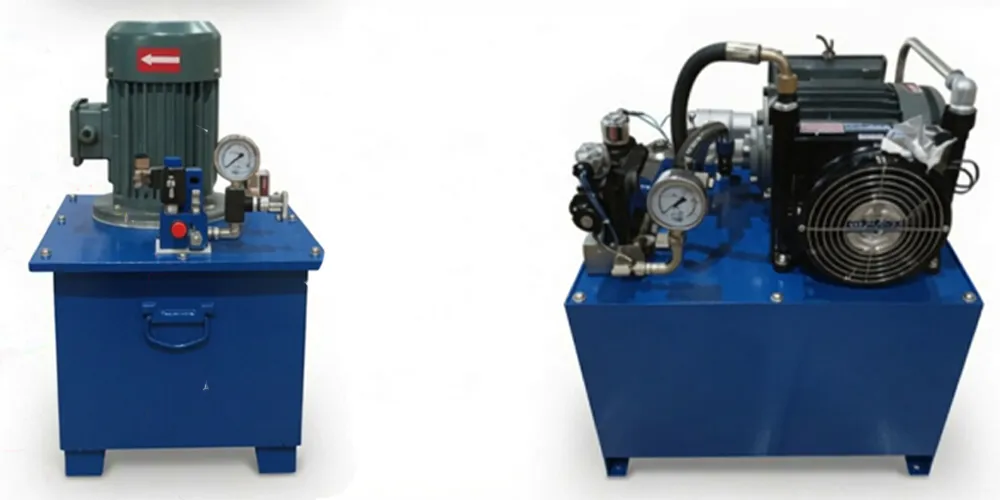
हाइड्रोलिक पंप स्टेशन श्रृंखला
A matched hydraulic pump station delivers the flow rate and system pressure at which the फोर्कलिफ्ट झुकाव सिलेंडर operates within its rated performance envelope. For FMCG distribution operations carrying out a reach truck rebuild or hydraulic system upgrade, replacing the pump station alongside the फोर्कलिफ्ट झुकाव सिलेंडर concurrently from a matched specification ensures that the system operating pressure aligns with the फोर्कलिफ्ट झुकाव सिलेंडर‘s rated working pressure and that the pump flow rate provides the cylinder actuation speed needed for productive narrow-aisle operation without overpressure events that would accelerate seal wear.
9. हमारे बारे में
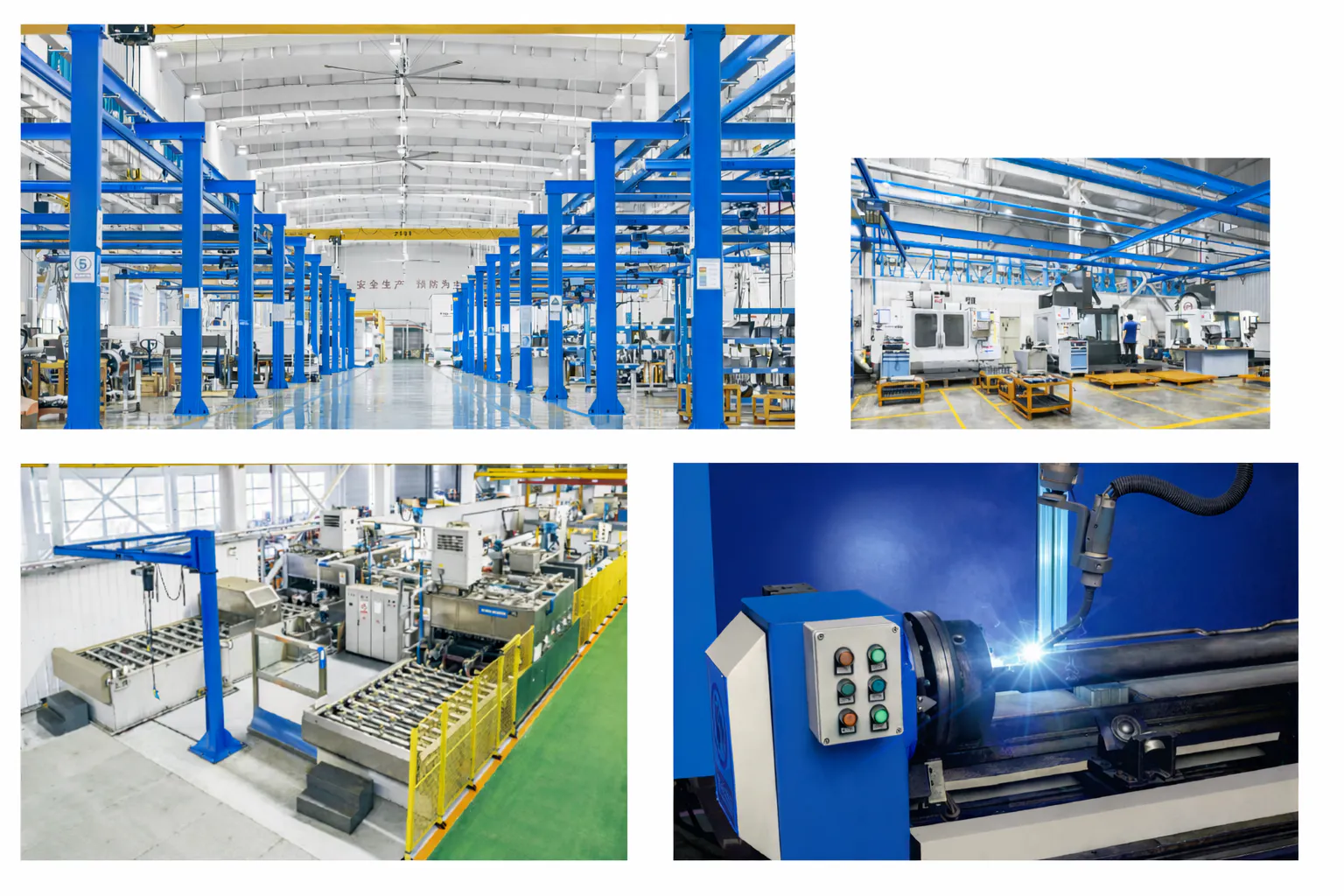
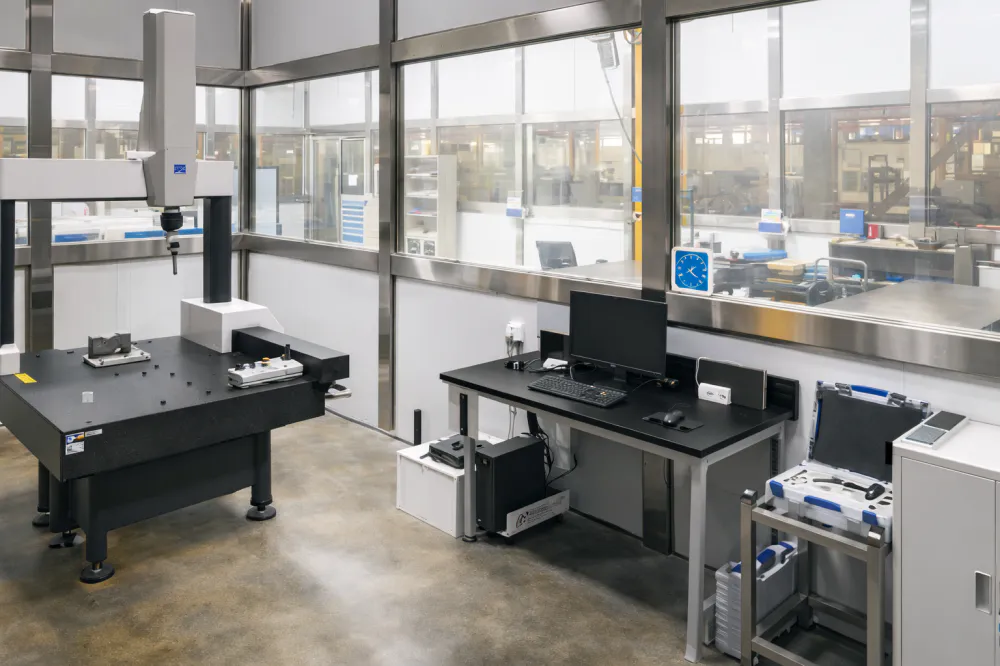
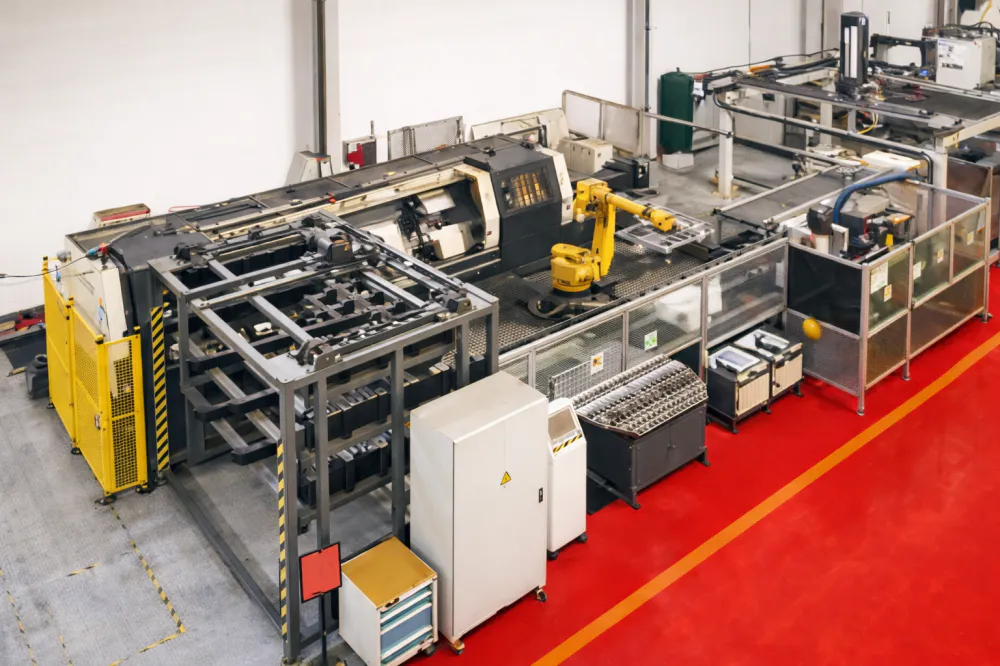
We are a specialist hydraulic cylinder manufacturer with deep experience in compact फोर्कलिफ्ट झुकाव सिलेंडर design for narrow-aisle and reach truck applications across industrial, retail, and FMCG distribution sectors. Our product range covers the compact cylinder configurations needed for narrow-aisle reach truck service, including the EP-HCY-2 and EP-HCY-3 models described in this guide, alongside the broader range of lift cylinder forklift components and associated hydraulic accessories needed for complete reach truck hydraulic circuit supply. Every फोर्कलिफ्ट झुकाव सिलेंडर product is manufactured under ISO 9001:2015 quality management processes, with material traceability documentation and hydraulic pressure test records available for each unit to support customer fleet maintenance and compliance programs. We supply FMCG distribution operators, forklift service companies, and industrial maintenance teams across Colombia and throughout Latin America, providing both standard catalogue cylinders for immediate dispatch and custom-specification compact cylinders for unusual reach truck applications.
कार्यशाला
अक्सर पूछे जाने वाले प्रश्नों
Q1. What is a tilt cylinder on a forklift reach truck and how does it differ from the tilt cylinder on a standard counterbalance forklift in an FMCG warehouse in Colombia?
Q2. What is the difference between a lift cylinder and a tilt cylinder on a narrow-aisle reach truck used in urban convenience store distribution?
Q3. How do I find a reliable supplier of compact forklift tilt cylinders for narrow-aisle reach trucks operating in Bogotá or Medellín convenience store distribution?
Q4. What are the different types of forklift cylinders on a narrow-aisle reach truck and which one has the shortest replacement cycle in high-frequency FMCG operations?
Q5. What does forklift tilt cylinder drift mean and what action should Colombian FMCG distribution fleet managers take when it is observed on a reach truck?
Q6. Which Colombian regulations specifically require documented maintenance records for forklift hydraulic cylinders in FMCG distribution centers operating narrow-aisle reach trucks?
Q7. How often should the forklift tilt cylinder seal kit be replaced on a reach truck running double shifts in a high-volume urban FMCG distribution center in Colombia?
Q8. What are the key dimensions I need to measure to identify the correct replacement forklift tilt cylinder for my reach truck, and where exactly is the tilt cylinder located?
संपादक: पीएक्सवाई