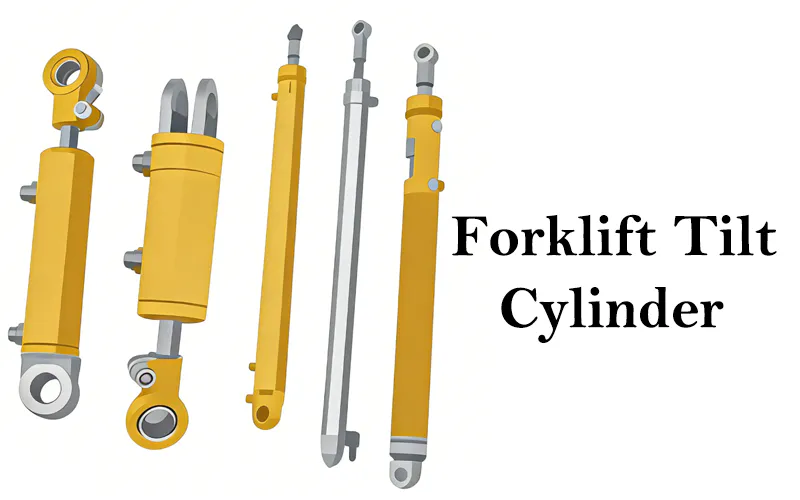
1. Why Tilt Cylinder Precision Matters Beyond Warehouse Operations
When operators and procurement managers think about a forklift tilt cylinder, the first applications that usually come to mind are pallet handling, container loading, and general warehouse logistics. But across Colombia’s growing automotive assembly and components manufacturing sector — concentrated around Bogotá, Medellín, and the industrial corridors of the Valle del Cauca region — counterbalance forklifts and reach trucks fitted with precision tilt cylinders perform a far more demanding role: positioning engine subassemblies, transmission units, body panels, and chassis components to tolerances that directly affect downstream assembly quality. A forklift tilt cylinder operating in this context is not just moving material from point A to point B; it is functioning as a precision positioning actuator inside a manufacturing cell where millimetre-level accuracy determines whether a component aligns correctly with robotic welding stations, torque-controlled fastening tools, or vision-guided assembly fixtures.
The connection between hydraulic forklift tilt cylinder condition and final positioning accuracy is not always obvious to maintenance teams focused primarily on leak prevention and load capacity. Yet internal seal wear, bore-to-rod clearance drift, and control valve response lag in a forklift hydraulic lift cylinder or tilt cylinder assembly all introduce small but cumulative positioning errors. In an automotive production environment where a single misaligned component can trigger a line stop, rework cycle, or quality escape, the precision characteristics of the forklift tilt cylinder — not just its rated tonnage — become a direct production quality variable that engineering teams must actively manage.
This article examines the engineering relationship between forklift tilt cylinder design, manufacturing tolerance, and material specification on one side, and real-world component positioning accuracy on the other. We look at how cylinder construction, seal technology, and control response combine to determine repeatability, and what this means practically for Colombian manufacturers integrating forklift-based material transfer into precision assembly workflows.
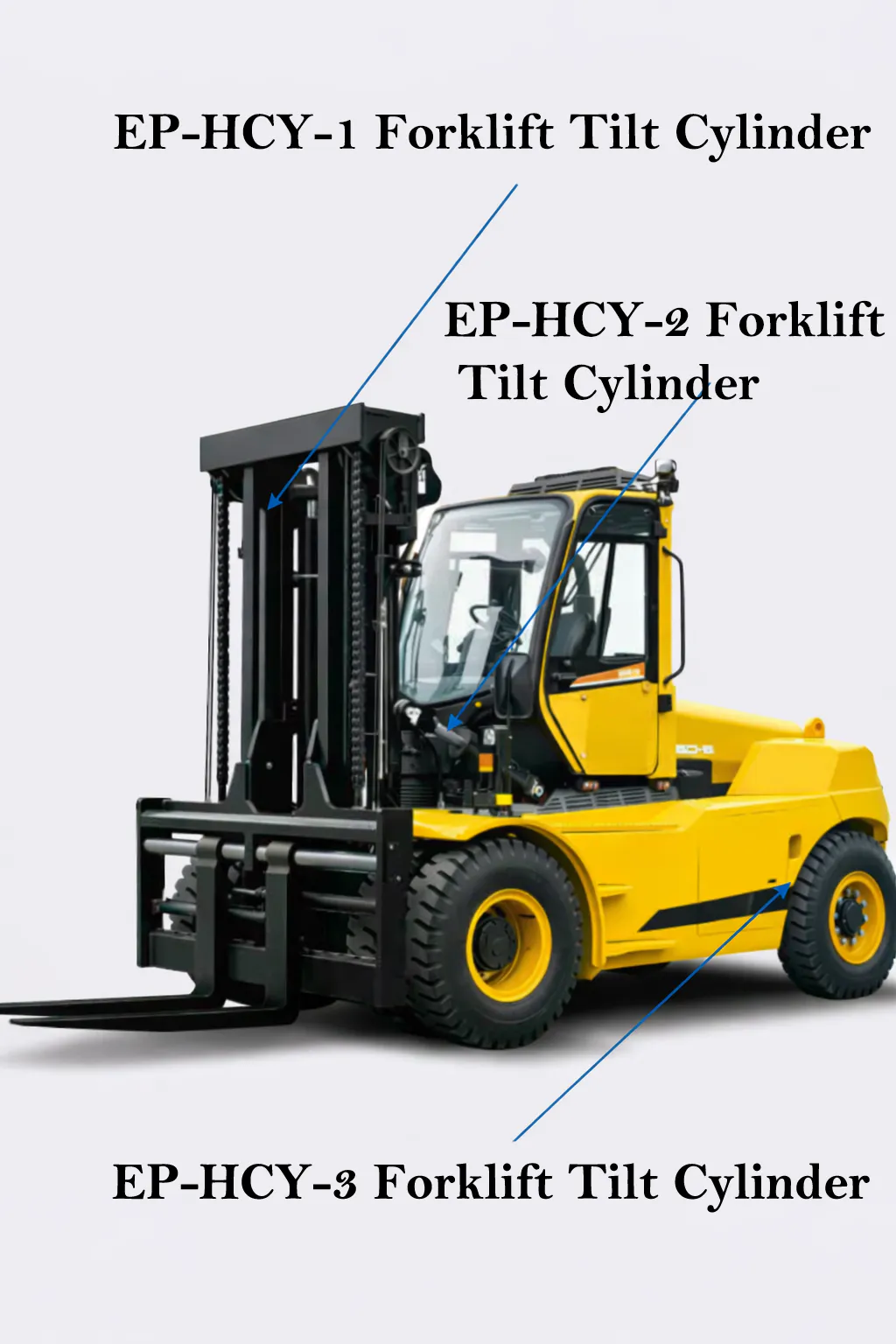
2. From Hydraulic Tolerance to Millimetre-Level Component Accuracy
The forklift tilt cylinder governs the forward and backward angle of the mast, which in turn determines the tilt angle of the fork carriage and any load held on it. In a standard logistics application, a tilt angle variance of one or two degrees is operationally meaningless. In an automotive production line application where a forklift is used to deliver a subassembly into a fixture, dock a body panel against an alignment jig, or present an engine cradle to a robotic pick point, that same one or two degrees of tilt variance can translate into several millimetres of positional offset at the contact point — often enough to cause fixture clamping failure or to push a part outside the tolerance window a downstream robot or vision system expects.
Three specific hydraulic characteristics of the forklift tilt cylinder determine how much of this positional error actually occurs in practice. First, internal bore-to-piston clearance: as seals wear and bore surface finish degrades, oil bypass increases, and the piston no longer holds position as firmly under load, allowing micro-drift in tilt angle even when the control valve is centred. Second, rod straightness and surface finish: any deviation in rod geometry introduces binding or uneven friction through the stroke, which shows up as inconsistent tilt response — smooth at one point in the stroke, sticky at another — making repeatable positioning unreliable. Third, response lag in the control circuit: the time delay between an operator’s tilt command and the cylinder’s actual movement affects how precisely an operator can stop the tilt angle at the exact point needed, particularly during the fine positioning moves common in subassembly docking tasks.
Forklift tilt cylinder drift — the tendency of a cylinder to slowly change position under sustained load without operator input — is a particularly important failure mode to monitor in precision applications. A cylinder exhibiting noticeable drift may pass a basic functional test in a warehouse setting while still being unsuitable for automotive component positioning work, where the forklift may need to hold a precise tilt angle for 10 to 30 seconds while a robotic station completes a pick or while an operator verifies alignment before releasing the load.
3. Manufacturing Structure of a Precision Forklift Tilt Cylinder
The structural design of a forklift tilt cylinder intended for precision positioning duty differs meaningfully from a general-purpose forklift tilt cylinder, even when both share similar bore and stroke dimensions. The cylinder barrel must be honed to a tighter surface finish tolerance — typically Ra 0.4 µm or better across the full bore length — because surface irregularities at this scale directly affect how consistently the piston seals maintain contact pressure as the rod travels through its stroke. Inconsistent seal contact translates into inconsistent friction, and inconsistent friction is the direct mechanical cause of the positioning variability that automotive line engineers want to eliminate.
Clevis mounting geometry at both ends of the cylinder must also be manufactured to tighter tolerances for precision applications. Any play in the pin-to-bore fit at the cylinder’s mounting points introduces a mechanical backlash that shows up as positioning inconsistency independent of the hydraulic system itself — the cylinder might be performing perfectly internally, but if the mounting pin has 0.3 mm of radial play, that play appears as positioning error at the fork tip regardless of hydraulic precision. For this reason, forklift tilt cylinder size and dimensional accuracy at the mounting interfaces matter as much as the bore and stroke specification when the cylinder is destined for component positioning duty rather than general material handling.
End cap and gland design contributes to long-term dimensional stability as well. A well-engineered gland assembly maintains consistent rod guidance and seal compression across the temperature range the cylinder experiences during a working shift, preventing the small dimensional shifts that occur when thermal expansion is not properly managed in the gland-to-rod clearance. Manufacturing structure decisions made at this level — gland tolerance, seal groove machining accuracy, clevis bore finish — are largely invisible in a cylinder’s published specification sheet, yet they are precisely what separates a forklift tilt cylinder suitable for automotive precision positioning work from one suited only to bulk material handling.
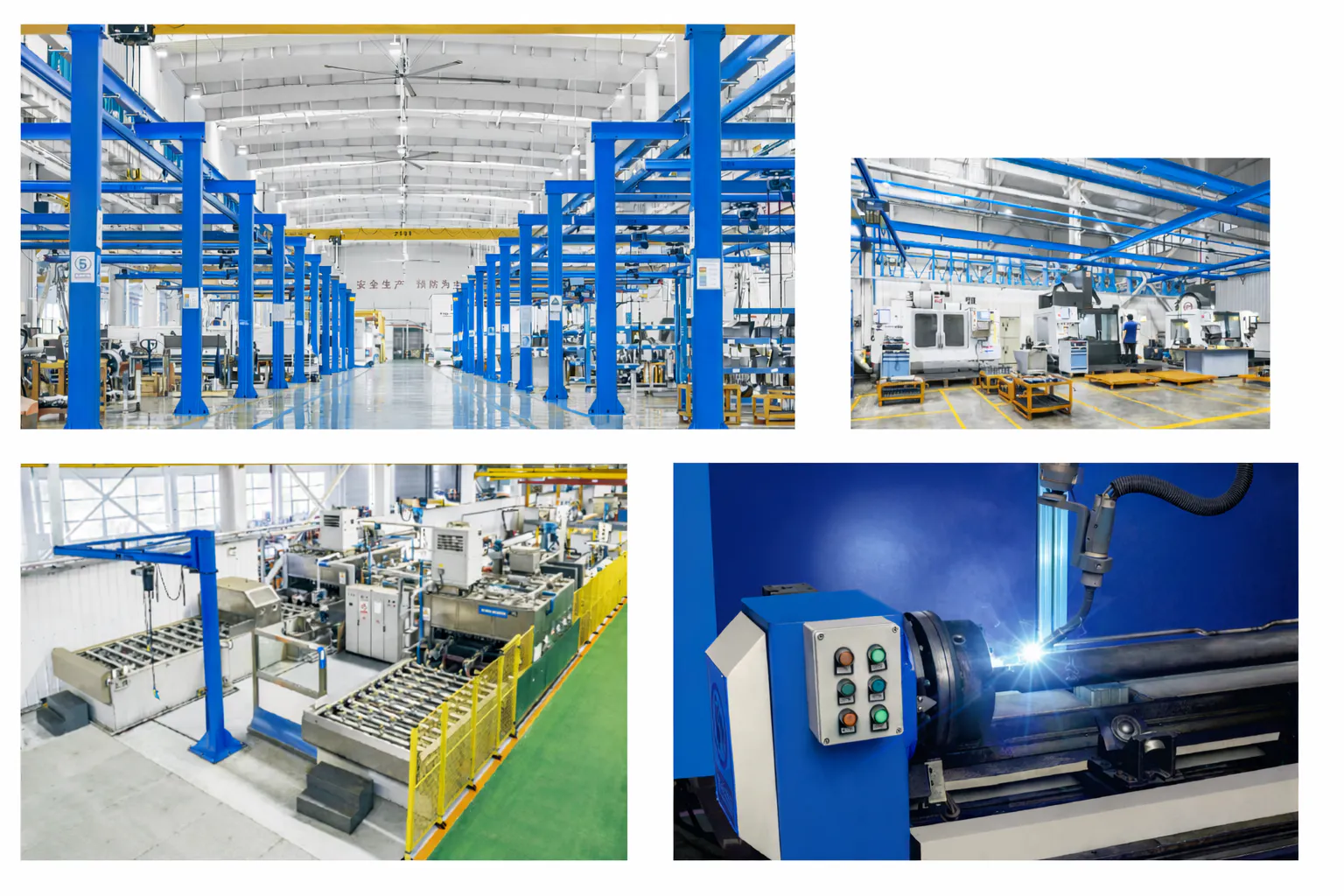
4. Material System and Component Specification
Material selection across the forklift tilt cylinder assembly directly governs how stable the cylinder’s dimensional accuracy remains over the working life of the component — a critical factor for any Colombian manufacturing operation relying on precise, repeatable positioning over multiple shifts and years of service.
Barrel Steel
Cold-drawn seamless tube, honed internally to a tight Ra finish. Dimensional stability under repeated pressure cycling is essential — barrel ovality or taper over time directly reduces positioning repeatability.
पिस्टन रॉड
Induction-hardened alloy steel with hard chrome plating, ground to a fine surface finish. Rod straightness within tight tolerance prevents the binding that causes uneven tilt response across the stroke.
Seal Compound
Polyurethane and PTFE-based seal systems selected for low compression-set characteristics, maintaining consistent sealing force over thousands of cycles rather than degrading rapidly under continuous shift work.
Clevis and Pin Assembly
Forged steel clevis ends with hardened pin bores, machined to minimise mechanical play at the mounting interface — directly reducing the backlash component of overall positioning error.
5. Working Principle of the Forklift Tilt Cylinder
A forklift tilt cylinder is a double-acting hydraulic actuator mounted between the forklift frame and the mast assembly, typically in a pair — one cylinder on each side of the mast for stability and balanced load distribution. When the operator activates the tilt control, hydraulic fluid is directed into one chamber of the cylinder while the opposite chamber returns oil to tank, extending or retracting the piston rod. Because the rod is pinned to the mast at a fixed moment-arm distance from the mast’s pivot point, this linear motion converts directly into rotational tilt of the entire mast assembly — and by extension, the fork carriage and any load mounted on it.
The relationship between hydraulic flow rate and tilt angle change rate determines how finely an operator can control positioning. A forklift hydraulic tilt cylinder paired with a well-calibrated proportional control valve allows the operator to modulate flow precisely, producing smooth, controllable tilt motion rather than an abrupt on-off response. This proportional control characteristic is what makes fine positioning work — such as presenting a body panel at a precise angle to an alignment jig — achievable with standard forklift equipment rather than requiring dedicated robotic handling systems for every precision task.
Holding position under load — without drift — depends on the cylinder’s internal sealing integrity at both the piston seal and the cylinder’s check or counterbalance functions if fitted. When an operator centres the tilt control to hold a fixed angle, the cylinder must resist the load-induced pressure differential across the piston without allowing oil to bypass internally. Any internal leakage past a worn piston seal manifests as gradual tilt drift, which is precisely the failure mode that erodes positioning accuracy in automotive assembly applications even when the cylinder otherwise appears to function normally during routine operation.
6. Application Scenarios in Automotive and Precision Manufacturing
Across Colombia’s automotive components and assembly sector, forklift tilt cylinder precision plays a direct role in the following production scenarios.
Engine and Transmission Subassembly Transfer
Forklifts equipped with precision tilt cylinders deliver engine and transmission subassemblies to docking stations where alignment with mounting bolts and electrical connectors depends on consistent fork angle. Tilt drift during the docking sequence is a common cause of failed first-time connection attempts in Colombian assembly operations using older or poorly maintained equipment.
Body Panel and Sheet Metal Positioning
Large body panels handled by forklift during pre-assembly staging require precise, stable tilt angle to avoid edge contact damage when presenting panels to storage racks or fixture loading stations. A forklift tilt cylinder with low internal leakage maintains the panel angle steady during the slow, careful approach moves these tasks demand.
Chassis and Frame Component Loading
Heavy chassis components loaded onto assembly line conveyors or fixture carriers depend on consistent tilt angle to ensure the load contacts the receiving surface evenly. Uneven contact from tilt inconsistency can introduce micro-misalignment that propagates through subsequent assembly steps, an issue increasingly recognised by quality engineers at Colombian Tier 1 and Tier 2 automotive suppliers.
Robotic Cell Material Presentation
Where forklifts feed material into robotic pick zones, the tilt angle at the point of presentation must remain within the robot’s vision system tolerance window. A forklift tilt cylinder exhibiting drift can present material outside this window, triggering vision system fault states and unplanned line stoppages that production engineering teams in Colombia’s growing automation sector are working to minimise.
Quality Inspection and Gauge Fixture Loading
Components delivered for dimensional inspection at coordinate measuring stations require consistent presentation angle to avoid skewing initial gauge readings. Precision forklift tilt cylinder performance directly supports the repeatability that quality control processes in Colombian automotive plants depend on for accurate first-piece and ongoing process verification.
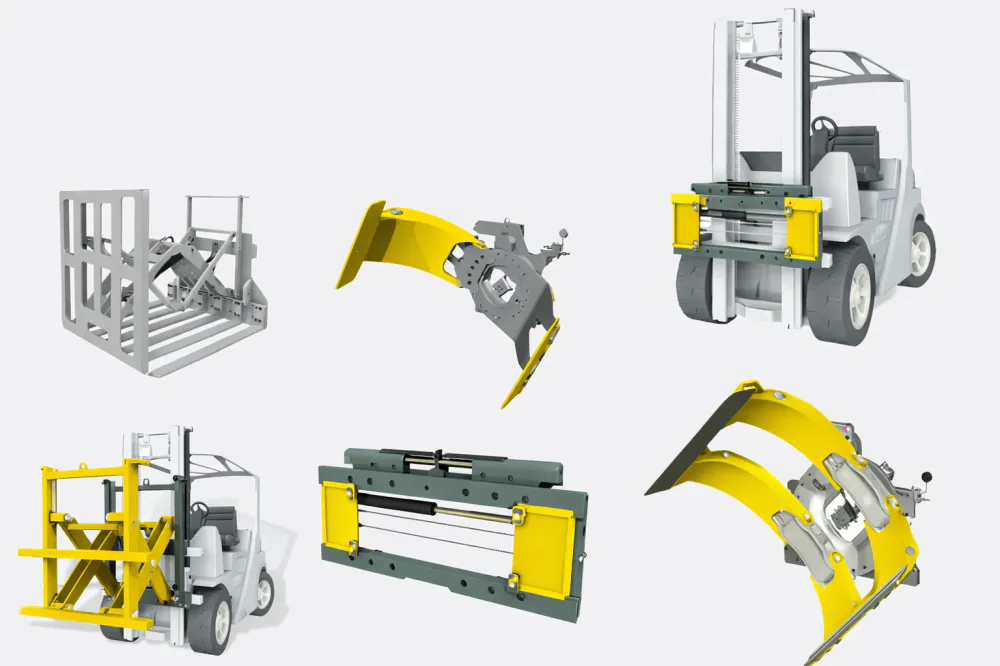
7. Recommended Forklift Tilt Cylinder Models for Precision Applications
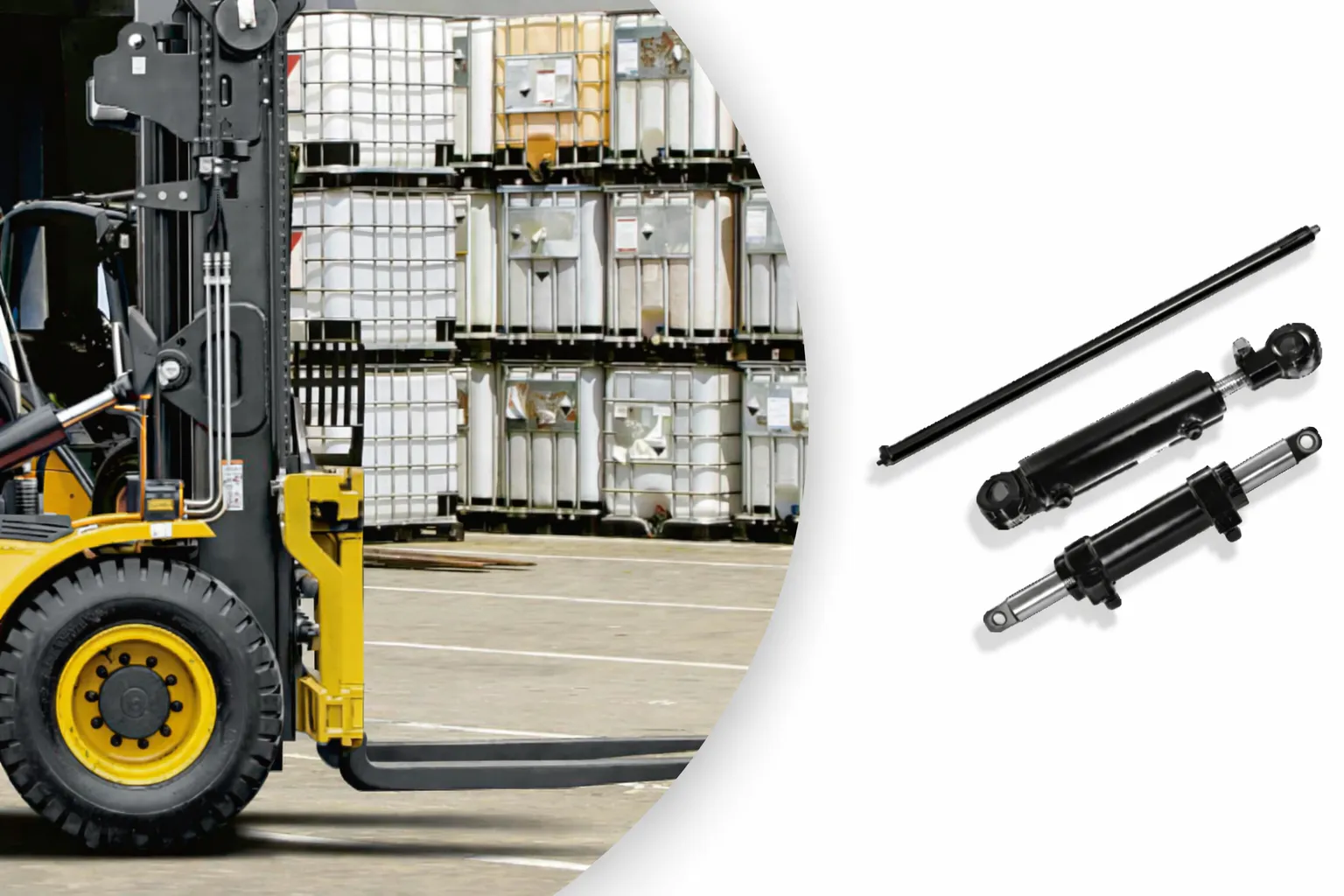
The following models from the current forklift tilt cylinder range are well suited to the precision positioning demands described in this article.


8. Regulatory and Safety Standards Affecting Forklift Tilt Cylinder Use
Forklift hydraulic systems including the tilt cylinder are subject to a layered set of regulations and standards across Colombia and the wider international market, particularly relevant to manufacturers integrating forklift-based positioning into formal quality management systems.
कोलम्बिया - रिज़ॉल्यूशन 0312 डी 2019 (मिनिस्टरियो डेल ट्रैबाजो)
This Colombian occupational health and safety regulation establishes minimum standards for workplace risk management, including requirements for periodic inspection and maintenance documentation of mobile mechanical equipment such as forklifts. Hydraulic system components including the forklift tilt cylinder fall within the scope of equipment requiring documented preventive maintenance under this framework.
NTC-ISO 3691 (ICONTEC Colombia)
The Colombian technical standard adapted from ISO 3691 covers safety requirements for powered industrial trucks, including hydraulic system design criteria relevant to lift and forklift tilt cylinder function. Compliance with this standard is typically required for equipment used in formal industrial and manufacturing settings across Colombia.
ISO 3691-1: Industrial Trucks Safety Requirements
The international standard governing safety requirements for self-propelled industrial trucks establishes design and performance criteria applicable to forklift hydraulic systems, including stability and load-handling function tied directly to forklift tilt cylinder performance specifications.
OSHA 1910.178 (Reference Standard for Multinational Operations)
For Colombian manufacturing operations connected to multinational automotive supply chains, OSHA 29 CFR 1910.178 is frequently referenced as a benchmark standard for powered industrial truck operation and maintenance, including hydraulic component inspection requirements that extend to forklift tilt cylinder condition monitoring.
IATF 16949 Quality Management (Automotive Sector)
Automotive component manufacturers in Colombia operating under IATF 16949 quality management requirements must demonstrate process control over material handling equipment that directly affects part quality — a category that increasingly includes documented forklift tilt cylinder performance verification where forklifts are used in precision positioning roles within the production process.
EN 1726 / EU Machinery Directive (Export Reference)
For Colombian operations supplying components into European automotive supply chains, EN 1726 and the EU Machinery Directive 2006/42/EC establish the hydraulic safety and performance benchmarks that equipment suppliers and their forklift tilt cylinder components are commonly expected to meet or exceed.
9. संबंधित हाइड्रोलिक उत्पाद
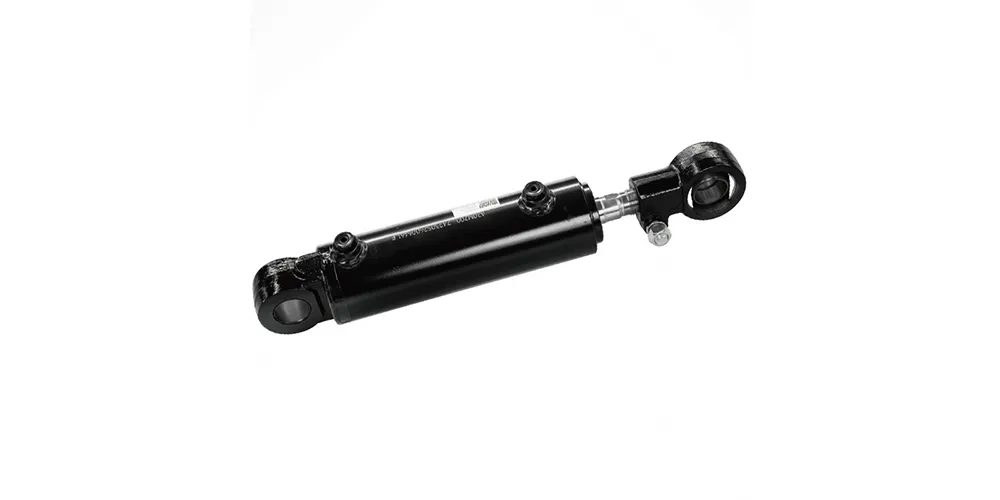
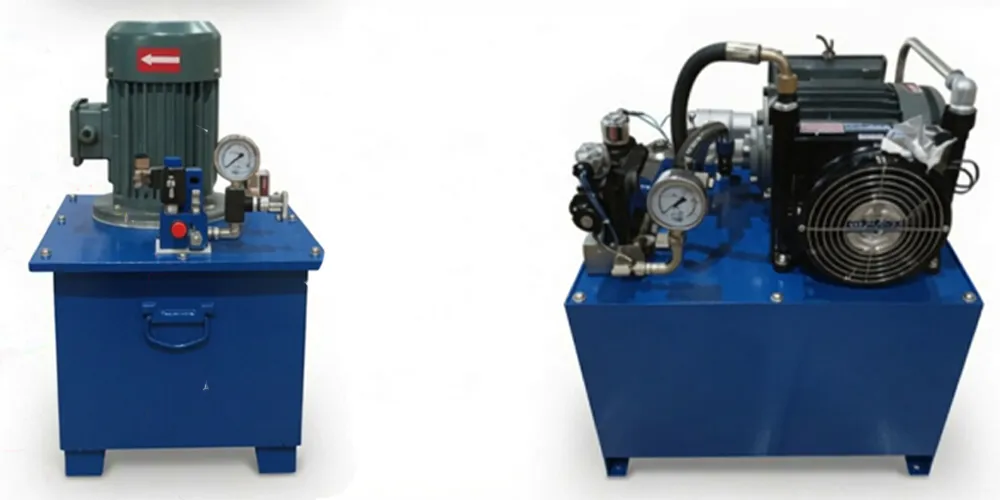
We supply hydraulic system components that complement the forklift tilt cylinder within a complete material handling and positioning system, supporting single-source procurement for Colombian manufacturers and equipment integrators.
10. हमारे फोर्कलिफ्ट टिल्ट सिलेंडर निर्माण के बारे में
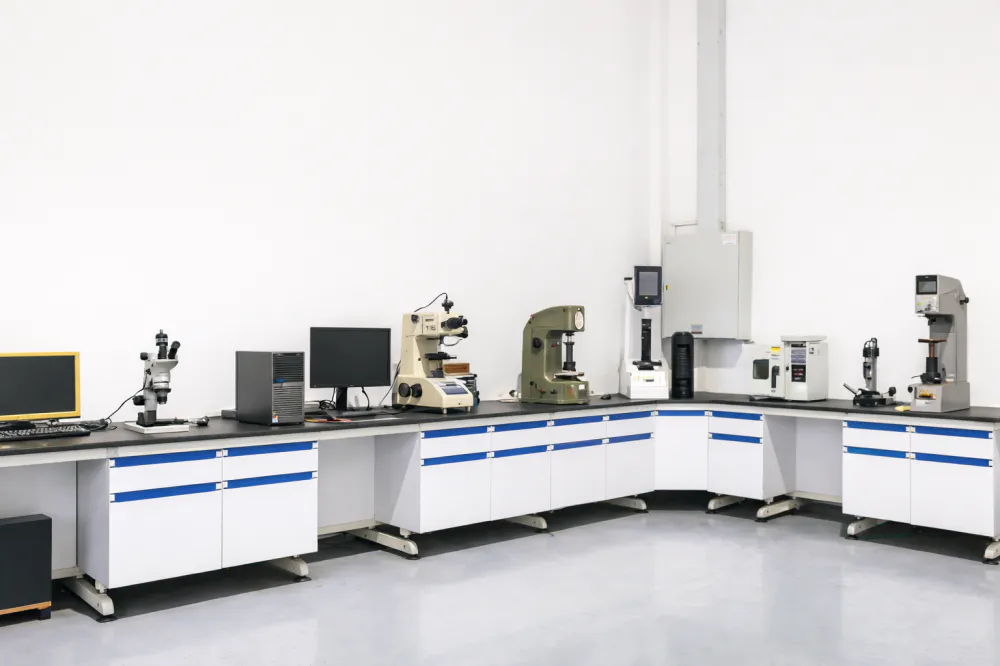
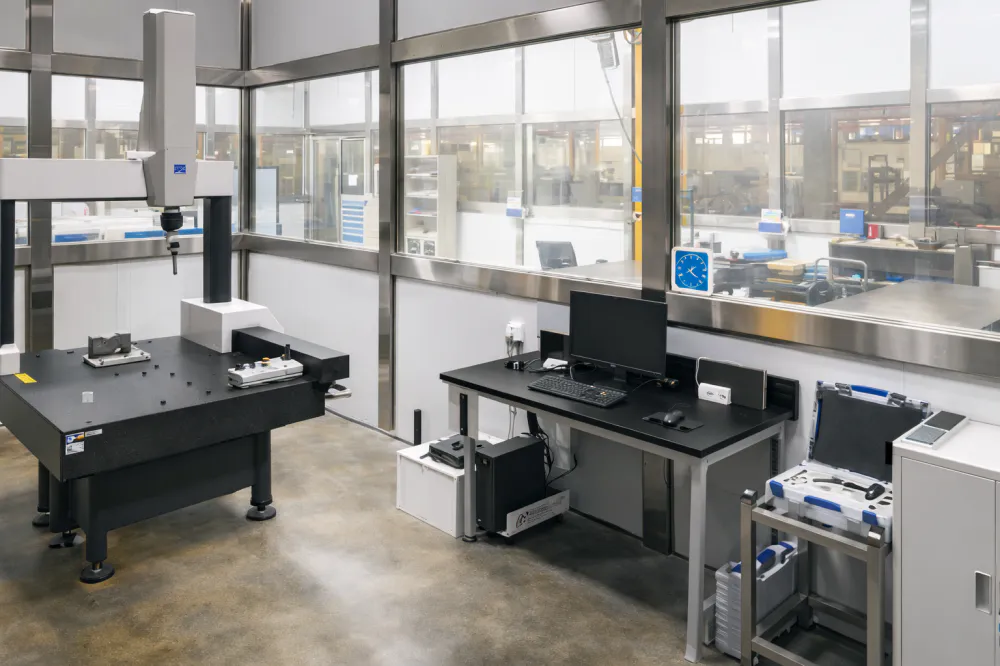
We are a specialist hydraulic cylinder manufacturer with deep technical experience supplying material handling and industrial machinery sectors, including the precision forklift tilt cylinder applications described in this article. Every forklift tilt cylinder we produce undergoes dimensional verification, pressure testing, and seal integrity inspection before dispatch, providing the documented quality assurance that automotive component manufacturers and Tier 1 suppliers across Colombia and the broader region require for their own quality management systems.
We support OEMs, equipment distributors, and manufacturing operations across Colombia and international markets with technical guidance on forklift tilt cylinder selection, replacement cross-referencing, and custom configuration for specific positioning accuracy requirements. Our engineering team works directly with customers facing precision positioning challenges to confirm the correct combination of bore tolerance, seal specification, and clevis fit needed for demanding manufacturing applications.
कार्यशाला

अक्सर पूछे जाने वाले प्रश्नों
संपादक: पीएक्सवाई