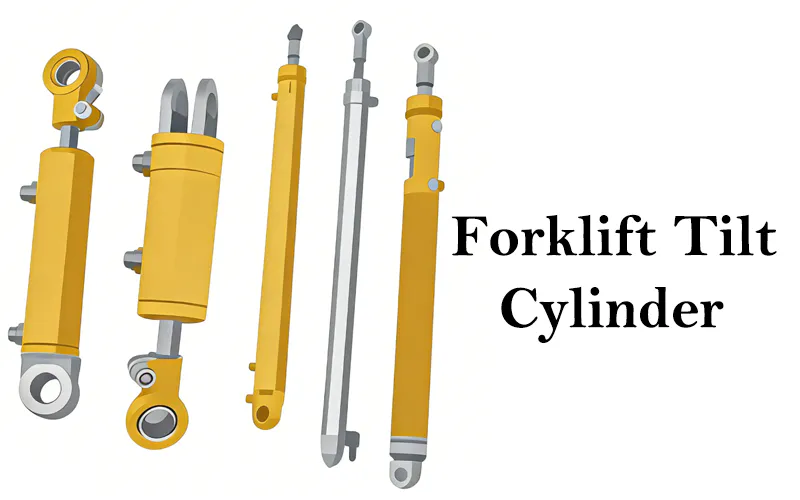
製品説明
This hydraulic cylinder is specially designed for truck crane.
Our company produces a great variety of cylinders for all kinds of truck crane. It has the features of reliable performance, unique structure and high safety factor.
| モデル | ボア径 (ミリメートル) |
ロッド径 (ミリメートル) |
脳卒中 (ミリメートル) |
公称圧力 (バー) |
| HSG55/30-1220*135-WX | 55 | 30 | 1220 | 250 |
| 認証: | ISO9001 |
|---|---|
| プレッシャー: | 高圧 |
| 作業温度: | 常温 |
| 演技方法: | ダブルアクティング |
| 作業方法: | ストレートトリップ |
| 調整されたフォーム: | 規制タイプ |
| カスタマイズ: |
利用可能
|
|
|---|
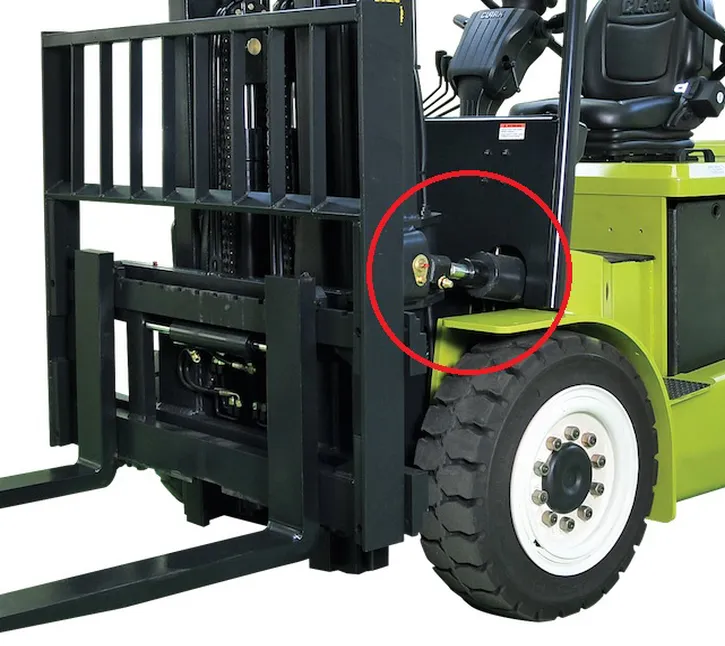
フォークリフトの油圧シリンダーは、荷物の迅速な解放にどのように貢献するのでしょうか?
フォークリフトの油圧シリンダーは、資材運搬作業における迅速な荷物解放を可能にする上で重要な役割を果たします。その仕組みを以下に説明します。
油圧シリンダーが迅速な負荷解放に貢献する主な要因は、その設計と以下の要素にある。
1. シリンダー作動:
油圧シリンダーは、作動油の制御された放出によって作動します。オペレーターが適切な制御装置を操作すると、油圧システムは作動油をリザーバーに戻し、シリンダーを急速に収縮させます。この急速な収縮により、負荷を素早く解放することができ、荷降ろし作業を迅速化します。
2. 流量制御弁:
フォークリフトの油圧システムには、油圧シリンダーへの流体の流入量と流出量を調整する流量制御弁が組み込まれています。荷物の解放時には、これらの弁を調整して流量を増加させることで、油圧作動油がより速やかにリザーバーに戻るようにすることができます。流量を制御することでシリンダーを迅速に収縮させることができ、荷物の迅速な解放が可能になります。
3. 荷物降下速度:
油圧シリンダーは、荷物降下機能によって迅速な荷物解放にも貢献します。オペレーターが荷物を素早く降下させたい場合、油圧システムを調整して作動油の流量を増やすことで、荷物をより速く降下させることができます。このように荷物降下速度を制御することで、荷降ろし作業を迅速化できます。
4. 応答性の高い制御システム:
フォークリフトの油圧制御システム(油圧シリンダーの制御を含む)は、応答性と操作性を重視して設計されています。オペレーターは、荷物解放機能を素早く作動させ、シリンダーの急速な引き込みとそれに続く荷物の迅速な解放を開始できます。直感的な制御システムにより、効率的かつ迅速な荷物解放が実現します。
5.安全対策:
フォークリフトの油圧シリンダーは、迅速な荷物解放を可能にするだけでなく、荷物の意図しない解放や偶発的な解放を防ぐための安全対策も組み込んでいます。圧力リリーフバルブや荷重保持バルブなどのこれらの安全機能により、荷物解放プロセスが安全かつ制御された状態で行われ、事故や損傷のリスクを最小限に抑えます。
要約すると、フォークリフトの油圧シリンダーは、作動機構、流量制御弁、荷重降下機能、応答性の高い制御システム、および統合された安全対策により、迅速な荷重解放に貢献します。これらの機能を活用することで、シリンダーは荷重の迅速な引き込みと制御された解放を可能にし、マテリアルハンドリング作業の効率を高めます。
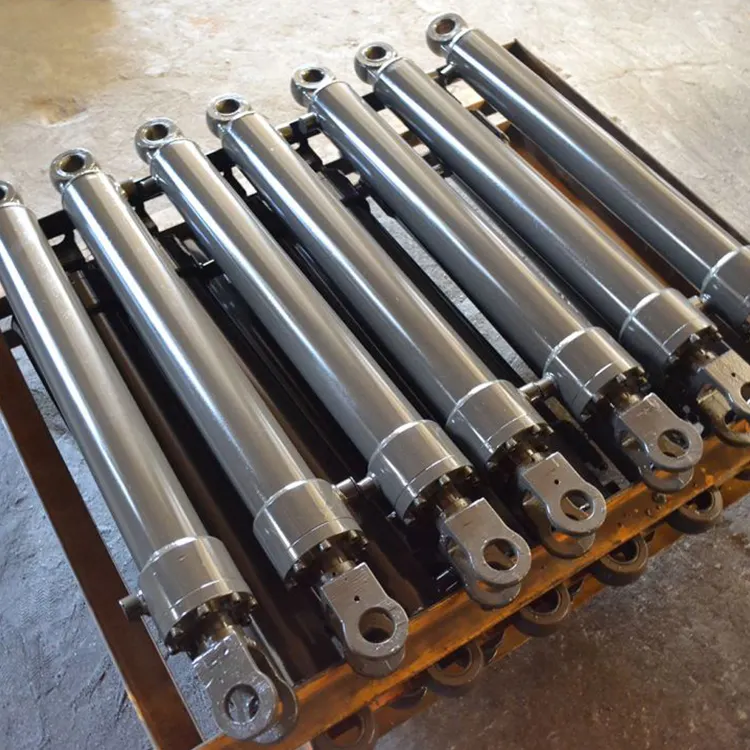
フォークリフトの油圧シリンダーは、シリンダーの取り付け位置のばらつきにどのように対応するのでしょうか?
フォークリフトの油圧シリンダーは、さまざまなフォークリフトの構成や用途に対応できるよう、シリンダーの取り付け方法のばらつきに対応できるように設計されています。以下に、その仕組みを説明します。
フォークリフトの油圧シリンダーは、シリンダーの取り付け位置のばらつきに以下の方法で対応します。
1. 調節可能な取り付けブラケット:
多くのフォークリフト用油圧シリンダーには、調整可能な取り付けブラケットが装備されています。これらのブラケットにより、フォークリフトの特定の要件に合わせてシリンダーの位置と位置を柔軟に調整できます。取り付けブラケットを調整することで、取り付け位置、角度、距離のばらつきに対応しながら、シリンダーをフォークリフトのフレームにしっかりと固定できます。
2. ねじ付きロッドエンド:
ねじ付きロッドエンドは、フォークリフトの油圧シリンダーで一般的に使用されています。これらのロッドエンドはねじ接続部を備えており、シリンダーの取り付け位置を微調整できます。ロッドエンドを回転させることでシリンダーの位置を変更でき、取り付け位置や角度のばらつきを補正できます。
3. クレビスマウント:
クレビスマウントは、フォークリフトの油圧シリンダーに使用されるもう一つの取り付け機構です。これらのマウントは、シリンダーに取り付けるクレビスブラケットと、フォークリフトに接続するクレビスピンで構成されています。クレビスマウントは、さまざまなフォークリフトの構成に対応できるよう、幅広い取り付け位置を提供します。シリンダーの取り付けに柔軟性があり、取り付け位置や角度のばらつきを補正するための調整が可能です。
4. カスタマイズ可能な取り付けオプション:
フォークリフトの油圧シリンダーは、特定の取り付け要件に合わせてカスタマイズできる場合があります。メーカーによっては、フォークリフト固有の仕様に基づいて、カスタムブラケット、ロッドエンド、または取り付け構成のオプションを提供する場合があります。このカスタマイズにより、取り付け方法に大きなばらつきがある場合でも、シリンダーの適切な位置合わせと確実な固定が保証されます。
5. 位置合わせおよび調整機構:
フォークリフトの油圧シリンダーには、シリンダーの適切な取り付けを容易にするための位置合わせおよび調整機構が組み込まれている場合があります。旋回ジョイントや調整可能なリンケージシステムなどのこれらの機構により、取り付け時にシリンダーの微調整と位置合わせが可能になります。これにより、オペレーターや技術者は取り付け時のばらつきを補正し、最適な性能と機能性を確保できます。
要約すると、フォークリフト用油圧シリンダーは、調整可能な取り付けブラケット、ねじ付きロッドエンド、クレビスマウント、カスタマイズ可能な取り付けオプション、および位置合わせ・調整機構により、シリンダーの取り付け方法の多様性に対応できます。これらの機能により、柔軟性と適応性が確保され、シリンダーをしっかりと取り付け、適切に位置合わせすることで、さまざまなフォークリフトの構成や用途において効率的かつ信頼性の高い動作を実現します。
How Does a Forklift Hydraulic Cylinder Handle Variations in Lift Height?
A forklift hydraulic cylinder is responsible for raising and lowering the forks or lifting platform, allowing the forklift to handle loads at different heights. It handles variations in lift height through a combination of design features and hydraulic principles. Here’s a detailed explanation of how a forklift hydraulic cylinder handles variations in lift height:
1. Piston and Cylinder Design:
The hydraulic cylinder consists of a piston and a cylinder, which are sealed together to form a closed hydraulic system. The piston is connected to the forks or lifting platform, while the cylinder is fixed to the forklift frame. The design of the piston and cylinder allows for smooth movement and effective transfer of hydraulic pressure to generate lifting force.
2. Hydraulic Fluid and Pressure:
The hydraulic cylinder operates on the principle of Pascal’s Law, which states that when pressure is applied to a fluid in a closed system, it is transmitted equally in all directions. In the case of a forklift hydraulic cylinder, hydraulic fluid is used as the medium to transmit pressure. When hydraulic fluid is pumped into the cylinder, it creates pressure on the piston, causing it to move upward and lift the forks or lifting platform.
3. Cross-Sectional Area and Force:
The cross-sectional area of the piston within the hydraulic cylinder determines the force that can be exerted. A larger piston area can generate a greater lifting force. By varying the diameter of the piston, forklift manufacturers can adjust the lifting capacity and handle variations in lift height. Forklifts designed for heavier loads typically have larger piston areas to generate the necessary lifting force.
4. Valves and Controls:
The hydraulic system of a forklift includes valves and controls that regulate the flow of hydraulic fluid to the cylinder. These valves, such as control valves and relief valves, allow for precise control of the lifting operation. By adjusting the valves, operators can control the speed of ascent and descent, enabling smooth and controlled variations in lift height.
5. Telescopic Cylinders:
In some forklift designs, especially those used for high-reach applications, telescopic cylinders are employed. Telescopic cylinders consist of several nested stages that extend and retract, providing increased lift height. These cylinders allow for a compact design when retracted while offering extended reach when fully extended. Telescopic cylinders enable forklifts to handle variations in lift height without compromising stability or requiring excessively long cylinder strokes.
6. Stability and Counterbalancing:
Handling variations in lift height requires maintaining forklift stability. Forklifts are designed with counterweight systems to balance the load and prevent tipping. The hydraulic cylinder’s operation is coordinated with the counterweight system, ensuring that the center of gravity remains within safe limits during lifting and lowering operations. This counterbalancing helps maintain stability even when handling loads at different heights.
Through careful design, hydraulic principles, and the integration of valves and controls, a forklift hydraulic cylinder effectively handles variations in lift height. The combination of hydraulic pressure, piston and cylinder design, control mechanisms, and counterbalancing ensures precise and controlled lifting operations, allowing forklifts to safely handle loads at different heights as required in various material handling applications.


editor by CX 2023-10-19