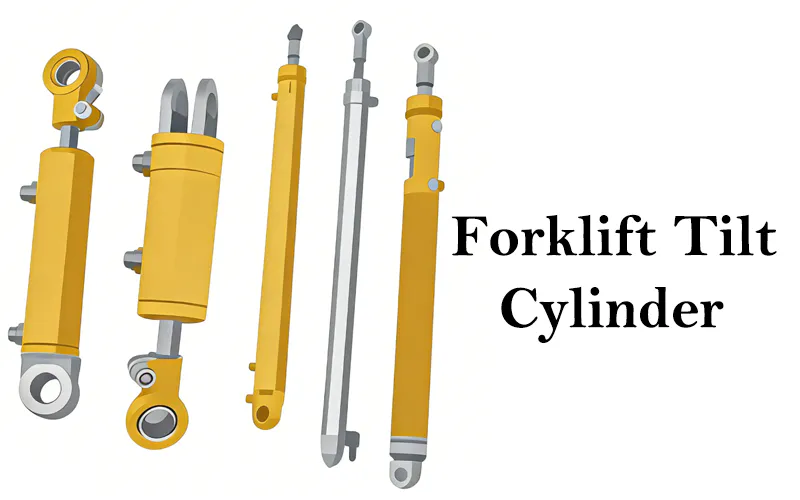
Penerangan Produk
Penerangan Produk
| Part Name | Brake Wheel Cylinder |
| Jenama | TOYOTA TCM CHINAMFG KOMATSU LINDE CHINAMFG HANGCHA |
| OEM | 44100-22H25 ,91446-00920, 24433-76000G |
| Vehicle Model | Tailift 2T-2.5T,HELI3T |
| Waranti | Three Months |
| Berat | 0.6KG |
| Delivery | 3-5days ZheJiang ,HangZhou PORT |
Profil Syarikat
Handavos International Trading Co.,Ltd focus on forklift spare parts for over 10 years. The factory covers about 30,000 square meters,there are 150 employees.The company is located in HangZhou.The logistics and transportation is very convenient. It is 100 kilometers from ZheJiang Port.
We are one of the Domestic specialized import forklift parts in the wholesalers and retailers. Main products are Engine parts,Hydraulic Parts,Transmission Parts,Electrical Parts,Filter parts,Drive System,Cooling system and Attachments.Our company has more than millions of parts inventory and in HangZhou, ZheJiang , ZheJiang ,HangZhou,Chendu with offices.
Welcome to company to visit and negotiate.
Kerja Berpasukan
Our team is a contingent of younger,better educated,quality efficient and vibrant.There are 50 people in the team.We have first-class products,superior service and high competitive prices and adequate inventory and timely delivery have won the trust of customers.
Where you are ,Handavos provides high quality forklift parts at competitive price with excellent service.
Pembungkusan & Penghantaran
| Kuantiti (Set) | 1 – 100 | >100 |
| Anggaran Masa (hari) | 7 | Untuk dirundingkan |
| Perkhidmatan selepas jualan: | Sokongan Dalam Talian |
|---|---|
| Waranti: | Three Months |
| Bahan: | Keluli Karbon |
| Rawatan Permukaan: | Cat Pembakar |
| Disesuaikan: | Tidak Disesuaikan |
| Piawai: | Piawai |
| Penyesuaian: |
Tersedia
|
|
|---|
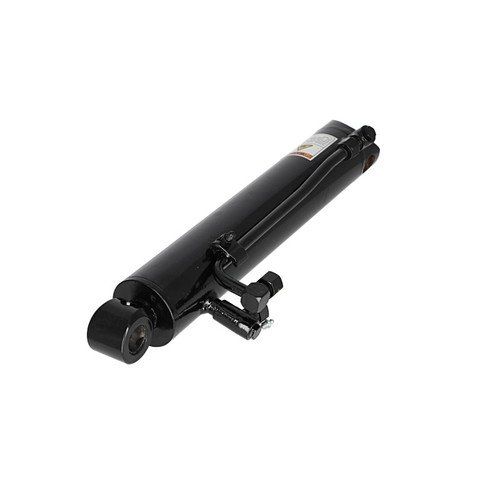
Can tilt cylinders be used in agricultural machinery for field work?
Yes, tilt cylinders can be used in agricultural machinery for field work. These cylinders play a valuable role in enhancing the functionality and productivity of agricultural equipment used for various tasks in the field. Here’s a detailed explanation:
- Implement Control: Tilt cylinders enable precise control of agricultural implements, such as blades, plows, cultivators, and harrows. By adjusting the tilt angle, operators can optimize the implement’s position and orientation for efficient soil preparation, leveling, seedbed creation, and other field work activities. Tilt cylinders provide the necessary force and control to achieve the desired implement tilt, enhancing operational efficiency and effectiveness.
- Contour Following: Tilt cylinders allow agricultural machinery to follow the contours of the field surface. By adjusting the tilt angle of the implement, the equipment can adapt to uneven terrain, ensuring consistent depth and contact with the ground. This contour following capability enhances seed placement accuracy, promotes uniform soil tillage, and reduces the risk of damaging crops or the machinery itself.
- Field Drainage: In field drainage operations, tilt cylinders can be used to adjust the angle of drainage implements, such as scrapers or ditchers. By controlling the tilt of these implements, operators can effectively shape and maintain proper field drainage patterns. Tilt cylinders enable precise and controlled adjustments, ensuring efficient water flow and preventing waterlogging in agricultural fields.
- Crop Residue Management: Tilt cylinders facilitate crop residue management by allowing operators to adjust the angle of implements used for residue incorporation, such as disc harrows or rotary tillers. By optimizing the implement tilt, residue incorporation can be performed effectively, promoting decomposition, weed control, and soil health. Tilt cylinders provide the necessary control to achieve the desired residue management results.
- Integration with Hydraulic Systems: Tilt cylinders are integrated with the hydraulic systems present in agricultural machinery. Hydraulic power is utilized to actuate the cylinders, providing the required force and control for implement adjustment. The hydraulic system allows for responsive and precise movement, enabling operators to adjust the tilt angle according to specific field conditions and requirements.
- Compatibility and Customization: Tilt cylinders are designed to be compatible with different types of agricultural machinery and implement systems. Manufacturers offer tilt cylinders with various specifications, such as different force capacities, stroke lengths, and mounting options, to ensure compatibility and optimal performance. This customization allows for seamless integration and enhances the overall functionality of agricultural machinery.
Therefore, tilt cylinders can be effectively utilized in agricultural machinery for field work. Whether it involves implement control, contour following, field drainage, crop residue management, or other field-related tasks, tilt cylinders provide the necessary force, control, and adaptability to enhance the performance and productivity of agricultural equipment in the field.
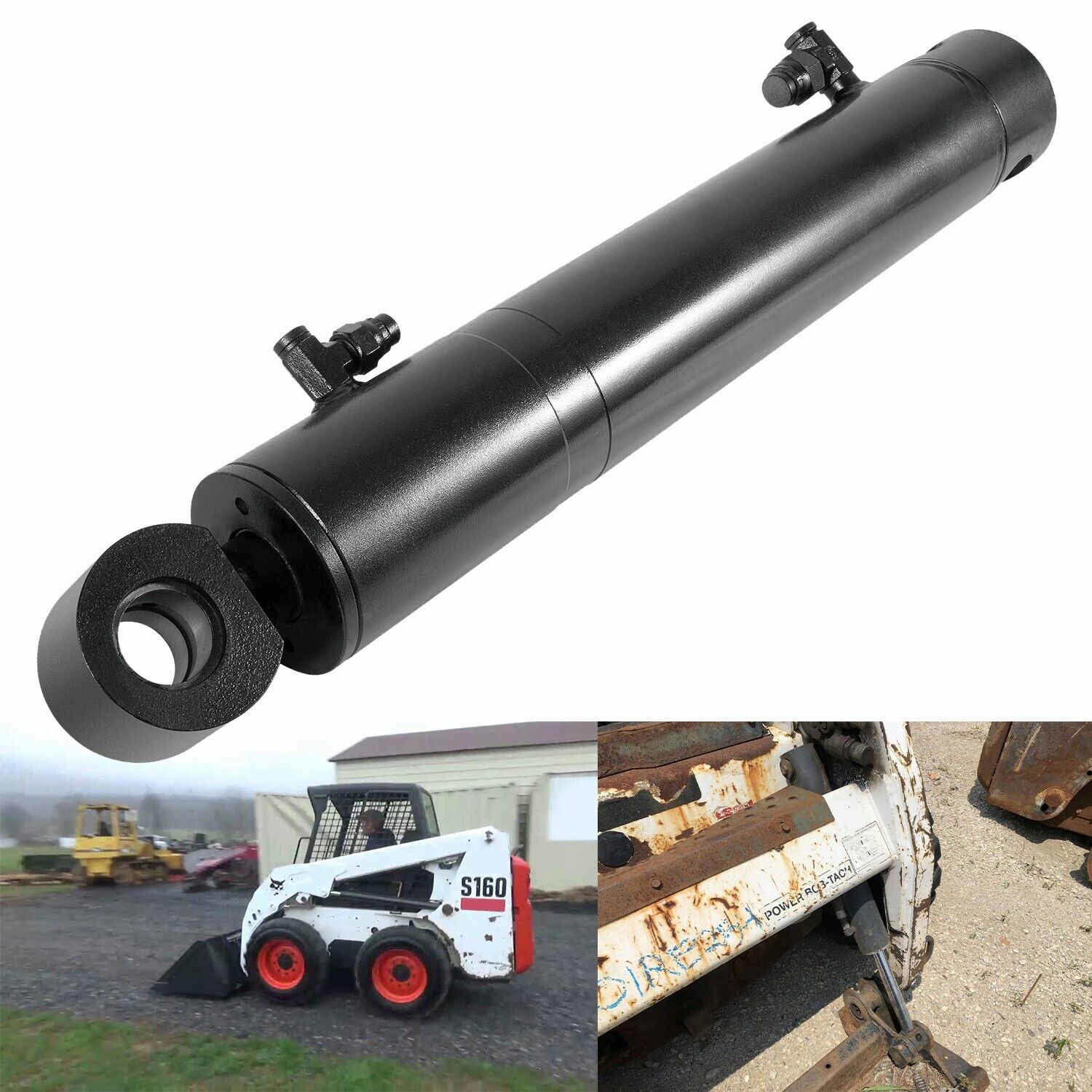
What are the safety considerations when using machinery equipped with tilt cylinders?
When using machinery equipped with tilt cylinders, several safety considerations should be taken into account to ensure the well-being of operators, bystanders, and the overall work environment. Here are the key safety considerations:
- Operator Training: Proper training is essential for operators who will be working with machinery equipped with tilt cylinders. Operators should receive comprehensive training on the safe operation of the equipment, including understanding the controls, precautions, and potential hazards associated with tilt cylinder usage. Training helps operators develop the necessary skills and knowledge to operate the machinery safely.
- Safe Operating Procedures: Establishing and following safe operating procedures is crucial for minimizing risks when using machinery with tilt cylinders. Standard operating procedures should outline the correct sequence of operations, safety checks, and precautions to be taken before, during, and after using the equipment. Operators should adhere to these procedures to ensure safe and consistent operation.
- Inspection and Maintenance: Regular inspection and maintenance of the tilt cylinders and associated equipment components are essential for safety. This includes checking for leaks, damage, loose connections, or excessive wear. Any identified issues should be promptly addressed through maintenance or repairs to prevent potential malfunctions or accidents during operation.
- Load Capacity and Stability: Tilt cylinders have specific load capacity limits, and exceeding these limits can compromise safety. Operators should be aware of the equipment’s load capacity and ensure that the loads being lifted or tilted fall within the specified limits. Additionally, attention should be given to maintaining the stability of the machinery during tilting operations, considering factors such as uneven terrain or shifting loads.
- Proper Use of Safety Devices: Machinery equipped with tilt cylinders may have additional safety devices such as safety locks, sensors, or audible alarms. Operators should use these safety devices as intended and ensure they are in good working condition. For example, safety locks should be engaged when the equipment is stationary to prevent unintended tilting.
- Clear Communication and Signaling: Clear communication among operators, signalers, and other personnel is vital for ensuring safety during tilt cylinder operations. Hand signals or radio communication should be used effectively to convey instructions and warnings. Adequate signaling and communication protocols should be established and followed to avoid misunderstandings or accidents.
- Personal Protective Equipment (PPE): Operators and personnel working with machinery equipped with tilt cylinders should wear appropriate personal protective equipment, including safety helmets, protective eyewear, gloves, and high-visibility clothing. PPE helps minimize the risk of injury from potential hazards, such as falling objects, debris, or hydraulic fluid leaks.
By considering these safety aspects and implementing appropriate measures, the risks associated with using machinery equipped with tilt cylinders can be mitigated. Prioritizing safety promotes a secure working environment, reduces accidents, and protects the well-being of everyone involved in the operation.
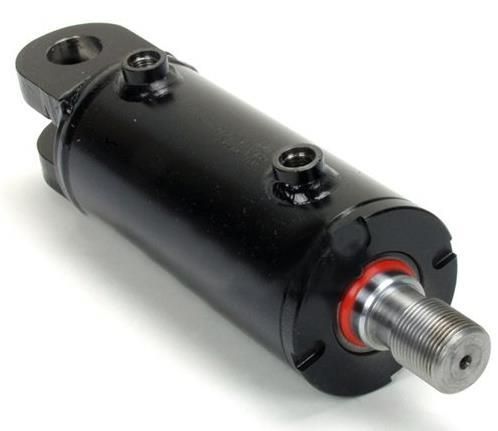
Bagaimanakah silinder condong mengendalikan variasi dalam kecondongan dan kedudukan peralatan?
Silinder condong direka bentuk untuk mengendalikan variasi kecondongan dan kedudukan peralatan dengan menggabungkan ciri dan mekanisme tertentu. Ciri-ciri ini membolehkan silinder condong menyesuaikan diri dengan sudut dan kedudukan yang berbeza dengan berkesan. Berikut ialah penjelasan tentang cara silinder condong mengendalikan variasi kecondongan dan kedudukan peralatan:
- Julat Gerakan: Silinder condong direka bentuk untuk memberikan julat gerakan yang luas. Ia boleh memiringkan atau menyudutkan komponen dalam julat tertentu, membolehkan pelbagai kedudukan dan sudut. Julat gerakan ditentukan oleh reka bentuk dan pembinaan silinder, serta titik pelekatan pada peralatan. Fleksibiliti ini membolehkan silinder condong menampung keperluan kecondongan yang berbeza dan menyesuaikan diri dengan kedudukan peralatan yang berbeza-beza.
- Injap Kawalan: Silinder condong dilengkapi dengan injap kawalan yang membolehkan kawalan tepat ke atas pergerakan condong. Injap ini mengawal aliran dan arah bendalir hidraulik, membolehkan pengendali mengawal kelajuan, tahap dan arah condong. Dengan melaraskan injap kawalan, pengendali boleh memperhalusi kedudukan peralatan, mengimbangi variasi kecondongan dan memastikan penjajaran yang tepat.
- Mekanisme Maklum Balas: Sesetengah silinder condong menggabungkan mekanisme maklum balas seperti suis had atau sensor. Mekanisme ini memberikan maklum balas masa nyata pada kedudukan dan sudut komponen condong. Dengan memantau maklum balas, pengendali boleh melaraskan silinder condong dengan tepat untuk mengimbangi variasi dalam kecondongan dan kedudukan peralatan. Ini memastikan komponen kekal pada kedudukan dan sudut yang diingini, sekali gus meningkatkan kecekapan dan keselamatan operasi.
- Kawalan Sistem Hidraulik: Sistem hidraulik yang menggerakkan silinder kecondongan memainkan peranan penting dalam mengendalikan variasi kecondongan dan kedudukan peralatan. Sistem hidraulik merangkumi pengawal tekanan, injap kawalan aliran dan komponen lain yang membolehkan pengendali melaraskan tekanan dan aliran hidraulik dengan halus. Dengan memanipulasi kawalan sistem hidraulik, pengendali boleh mengimbangi variasi kecondongan peralatan dan mencapai kedudukan yang diingini dengan tepat.
- Pembinaan yang Kukuh: Silinder condong dibina dengan bahan dan binaan yang kukuh untuk menahan variasi kecondongan dan kedudukan peralatan. Ia direka bentuk untuk mengendalikan beban tinggi dan menahan daya luaran yang mungkin memberi kesan kepada pergerakan kecondongan. Pembinaan yang kukuh memastikan ketahanan dan kestabilan silinder condong, membolehkannya mengekalkan prestasi yang konsisten walaupun dalam keadaan operasi yang mencabar.
Secara keseluruhannya, gabungan faktor seperti julat gerakan, injap kawalan, mekanisme maklum balas, kawalan sistem hidraulik dan pembinaan yang teguh membolehkan silinder condong mengendalikan variasi dalam kecondongan dan kedudukan peralatan. Ciri-ciri ini berfungsi bersama untuk memastikan kawalan, kebolehsuaian dan kestabilan yang tepat, membolehkan silinder condong mengendalikan sudut dan kedudukan peralatan yang berbeza yang dipasang dengan berkesan.


penyunting oleh CX 2023-11-09