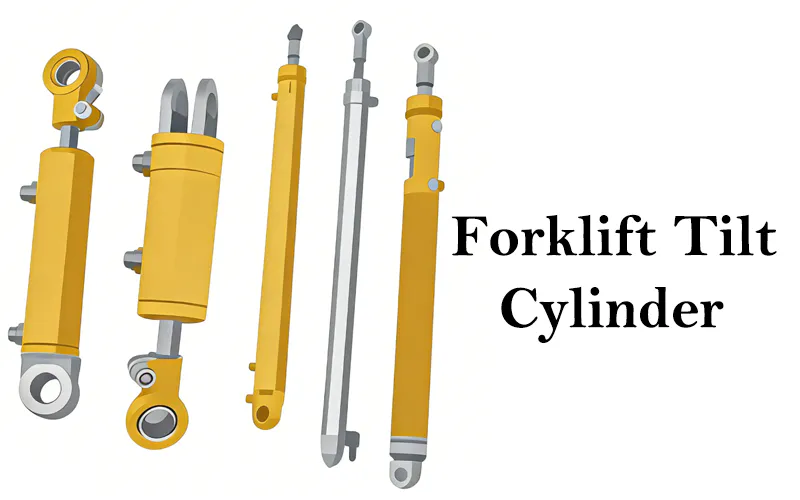
Penerangan Produk
Penerangan Produk:
Data Teknikal
| Produk | adjustable hydraulic cylinder for fitness |
| Strok | 50mm-16000mm |
| Inside Cylinder Tube Dia. | 40 – 1000 mm (1.5 – 40 inch) |
| Liner material | copper (prolongs the life cycle of cylinder) |
| Hydraulic cylinder tube material | Carbon steel, Alloy steel, Stainless steel |
| Piston Rod Dia | :12 – 500 mm (1/2 – 20 inch) Hydraulic Cylinder Piston Rod should be hard chrome plated to minimum thickness of 35-55 microns and polished to 0.15 um Ra |
| Chome Plated | Cr, Ni or Ceramic |
| Tekanan Reka Bentuk | Max 700 bar (10150 PSI) |
| Berat | Max 60 tons |
| Valves | SUN (USA),or famous Chinese brand with same quality to PARKER |
| Seals Type | PARKER (USA), MERKEL (Germany) or NOK (Japan) |
| Liner material | copper (prolongs the life cycle of cylinder) |
| Bearings | SKF |
| Painting | follow with customer requirement or 3-coat marine painting |
| Sijil | DNV, ABS, Lloyds, BV, GL, KR, NK, RINA, RS and CCS |
| Permohonan | Engineering machinery (Excavator/ Forklift/ Cranes/ Dump truck,etc), mine, metallurgy, shipping, water conservancy, etc. |
Manufacturing Process
Each Hydraulic Ram has suffered rigorous process and inspection to promise the good quality for our customer.
1). Design Services
Our design team has experience in cardan shaft relating to product design and development. If you have any needs for your new product or wish to make further improvements, we are here to offer our support.
2). Product Services
raw materials → Cutting → Forging →Rough machining →Shot blasting →Heat treatment →Testing →Fashioning →Cleaning→ Assembly→Packing→Shipping
3). Samples Procedure
We could develop the sample according to your requirement and amend the sample constantly to meet your need.
4). Research & Development
We usually research the new needs of the market and develop the new model when there is new cars in the market.
5). Quality Control
Every step should be special test by Professional Staff according to the standard of ISO9001 and TS16949.
6). Pensijilan
Should your products require testing and certification to comply with international standards, we can arrange this with independent, fully recognized testing companies such as SGS, Intertec, Bureau Veritas, Lloyd’s Register or the testing company of your choice.
Connection method:
Permohonan:
Aplikasi: Kren Bergerak, Treler, penggali, pembahagi balak, mesin tekan hidraulik, pemadat sampah,
platform lif, perata dok
Kilang Kami:
| Pensijilan: | GS, CE, ISO9001 |
|---|---|
| Cara Lakonan: | Lakonan Berganda |
| Kaedah Kerja: | Perjalanan Lurus |
| Borang yang Diselaraskan: | Jenis Terkawal |
| Struktur: | Jenis Omboh |
| Bahan: | Keluli Karbon |
| Penyesuaian: |
Tersedia
|
|
|---|
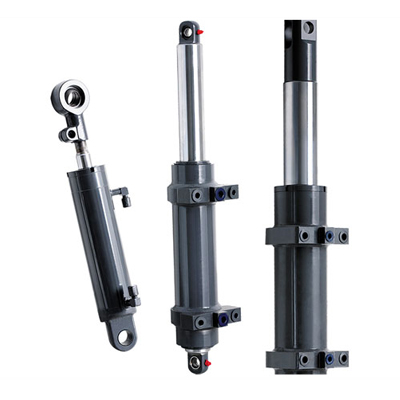
How Does a Forklift Hydraulic Cylinder Contribute to Efficient Material Handling?
A forklift hydraulic cylinder plays a crucial role in enabling efficient material handling operations. Its design and functionality offer several key contributions that enhance productivity, precision, and safety. Here’s a detailed explanation of how a forklift hydraulic cylinder contributes to efficient material handling:
- Lifting and Lowering Capabilities:
- Kapasiti Pengangkatan Tinggi:
- Swift Response and Cycle Times:
- Precise Load Positioning:
- Versatility and Adaptability:
- Kestabilan dan Keselamatan:
- Kebolehpercayaan dan Ketahanan:
The primary function of a forklift hydraulic cylinder is to raise and lower the forks or lifting platform, allowing for the lifting and positioning of loads. This capability enables efficient vertical movement, enabling operators to quickly and safely stack, unstack, load, and unload materials. The hydraulic cylinder’s smooth and controlled operation, coupled with adjustable lift heights, ensures precise positioning of the forks or lifting platform, optimizing load handling efficiency.
Forklift hydraulic cylinders are designed to generate significant lifting forces, enabling the handling of heavy loads with ease. The hydraulic system’s ability to generate high pressure and transfer it to the cylinder allows for efficient lifting of loads that would otherwise be challenging or impossible to handle manually. This high lifting capacity contributes to increased productivity by reducing the number of trips required to move materials and improving overall operational efficiency.
Hydraulic cylinders in forklifts offer quick response times, resulting in swift and efficient material handling cycles. When operators activate the hydraulic controls, the hydraulic fluid immediately transmits pressure to the cylinder, initiating the desired lifting or lowering movement. The fast response time reduces cycle times, allowing forklifts to complete tasks more rapidly and increasing overall productivity.
The smooth and controlled operation of hydraulic cylinders enables precise load positioning, a critical factor in efficient material handling. Operators can accurately adjust the lift height, lower or raise the forks incrementally, and fine-tune the positioning based on the requirements of the task at hand. This precision minimizes the risk of damage to the load, optimizes space utilization, and facilitates seamless integration with storage systems, enhancing efficiency and reducing the likelihood of errors or accidents.
Forklift hydraulic cylinders offer versatility and adaptability, allowing for efficient handling of various load types, sizes, and weights. The adjustable lift heights provided by hydraulic cylinders enable forklifts to accommodate different stacking heights, clearance requirements, and loading/unloading scenarios. This flexibility ensures that forklifts can handle a wide range of material handling tasks, improving operational efficiency and reducing the need for specialized equipment.
The hydraulic cylinder’s contribution to efficient material handling extends to ensuring stability and safety during lifting and lowering operations. Forklifts are equipped with counterweight systems that work in conjunction with the hydraulic cylinder to maintain balance and prevent tipping. The synchronized operation of the hydraulic system and counterweight system enhances stability, allowing for safe handling of loads even at elevated heights. This promotes efficient material handling while prioritizing operator and workplace safety.
Forklift hydraulic cylinders are built to withstand demanding industrial environments and frequent use. They are designed with robust materials and undergo rigorous testing to ensure durability and reliability. This reliability minimizes downtime due to cylinder failures, allowing for continuous material handling operations and improving overall efficiency.
The combination of lifting and lowering capabilities, high lifting capacity, swift response times, precise load positioning, versatility, stability, reliability, and durability makes forklift hydraulic cylinders indispensable for efficient material handling. These cylinders enable operators to handle loads with precision, optimize productivity, and ensure safe and reliable operations in diverse material handling applications.
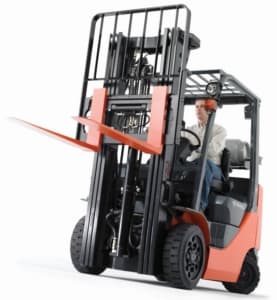
Can hydraulic cylinders be used in counterbalance forklifts?
Yes, hydraulic cylinders are commonly used in counterbalance forklifts. They play a crucial role in the operation and stability of these types of forklifts. Here’s an explanation of their use:
Counterbalance forklifts are a popular type of forklift widely used in various industries for lifting and transporting heavy loads. They are designed with a weight distribution system that includes hydraulic cylinders to provide balance and stability.
The hydraulic cylinders in counterbalance forklifts contribute in the following ways:
1. Weight Distribution:
Counterbalance forklifts feature hydraulic cylinders that are strategically positioned to help distribute the weight of the load and the forklift itself. These cylinders work in conjunction with the forklift’s frame and counterweight to create a stable equilibrium. By adjusting the extension or retraction of the hydraulic cylinders, the forklift can maintain a balanced weight distribution, ensuring safe and efficient lifting and maneuvering of loads.
2. Tilt Control:
Hydraulic cylinders are utilized in counterbalance forklifts to control the tilting of the mast and forks. These cylinders enable the operator to tilt the mast and adjust the angle of the forks as needed to safely pick up, transport, and deposit loads. By extending or retracting the hydraulic cylinders, the operator can achieve precise control over the tilt angle, enhancing stability during lifting and maneuvering operations.
3. Mast Height Adjustment:
Some counterbalance forklifts incorporate hydraulic cylinders to facilitate the adjustment of the mast height. These cylinders enable the operator to raise or lower the mast to match the height requirements of the storage racks or loading docks. The hydraulic system allows for smooth and controlled vertical movement, ensuring accurate positioning of the load at different heights.
4. Stability and Safety:
The hydraulic cylinders in counterbalance forklifts contribute to overall stability and safety. By maintaining proper weight distribution and providing controlled tilt and mast height adjustments, these cylinders help prevent tip-overs, load shifts, and other safety hazards. The hydraulic system’s responsiveness and precision control enhance the operator’s ability to handle loads safely.
In summary, hydraulic cylinders are integral components of counterbalance forklifts. They are used for weight distribution, tilt control, mast height adjustment, and overall stability and safety. By utilizing hydraulic power, these cylinders contribute to the efficient and safe lifting, moving, and positioning of heavy loads in counterbalance forklift operations.
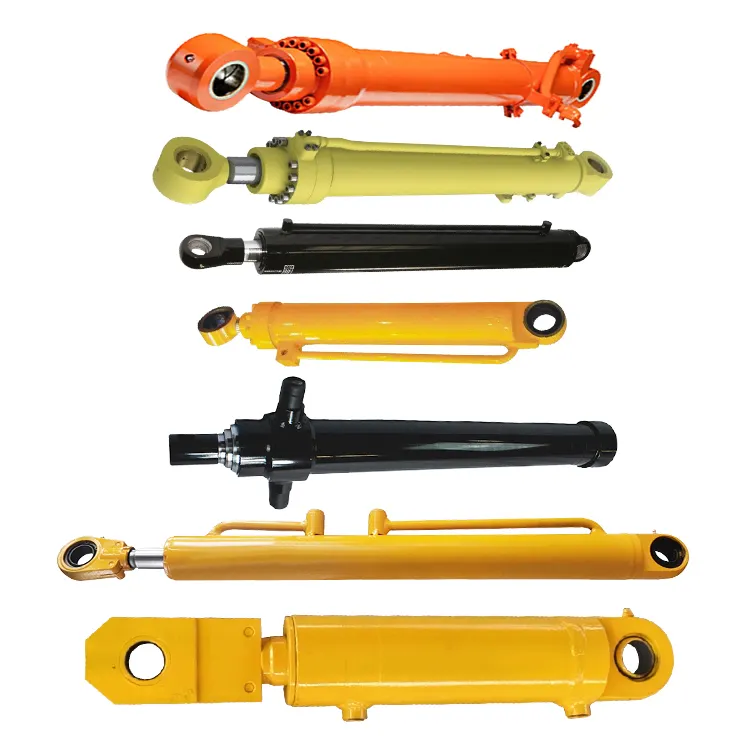
Bolehkah Silinder Hidraulik Forklift Digunakan dalam Aplikasi Tugas Berat?
Ya, silinder hidraulik forklift boleh digunakan dalam aplikasi tugas berat kerana reka bentuknya yang teguh dan kapasiti angkat yang tinggi. Forklift dengan silinder hidraulik biasanya digunakan dalam pelbagai tetapan perindustrian, termasuk aplikasi tugas berat yang melibatkan mengangkat dan menggerakkan beban yang besar. Berikut adalah beberapa sebab mengapa silinder hidraulik forklift sesuai untuk kegunaan tugas berat:
- Kekuatan dan Ketahanan:
- Kapasiti Pengangkatan:
- Kebolehlarasan dan Kefleksibelan:
- Kestabilan dan Keselamatan:
- Aplikasi Industri:
Silinder hidraulik forklift direka bentuk untuk menahan beban berat dan keadaan operasi yang mencabar. Ia dibina daripada bahan berkekuatan tinggi seperti keluli dan direka bentuk untuk menahan tekanan yang berkaitan dengan mengangkat dan menggerakkan objek berat. Silinder menjalani ujian yang ketat dan langkah kawalan kualiti untuk memastikan kekuatan dan ketahanannya, menjadikannya sesuai untuk aplikasi tugas berat.
Silinder hidraulik forklift direka bentuk untuk menyediakan kapasiti pengangkatan yang ketara. Ia boleh menjana daya yang besar untuk mengangkat beban berat, membolehkan pengendalian bahan yang cekap dalam persekitaran tugas berat. Forklift yang dilengkapi dengan silinder hidraulik selalunya boleh mengangkat beban antara beberapa ribu paun hingga lebih 50,000 paun, bergantung pada model forklift dan konfigurasi silinder tertentu.
Silinder hidraulik menawarkan kebolehlarasan dan fleksibiliti, yang bermanfaat dalam aplikasi tugas berat. Sistem hidraulik membolehkan kawalan yang tepat ke atas pengangkatan dan penurunan beban, membolehkan pengendali mengendalikan pelbagai saiz dan berat beban. Di samping itu, tekanan hidraulik boleh dilaraskan untuk menampung keperluan beban yang berbeza, menjadikan silinder hidraulik forklift boleh disesuaikan dengan pelbagai tugas tugas berat.
Forklift dengan silinder hidraulik direka bentuk untuk mengutamakan kestabilan dan keselamatan, walaupun dalam aplikasi tugas berat. Forklift ini biasanya mempunyai jarak roda yang lebar dan pusat graviti yang rendah untuk meningkatkan kestabilan semasa mengangkat beban berat. Sistem hidraulik, termasuk silinder, berfungsi bersama-sama dengan ciri keselamatan lain untuk memastikan operasi yang selamat, seperti injap pengesan beban, perlindungan beban lampau dan kawalan pengendali untuk pengendalian beban yang tepat.
Silinder hidraulik forklift digunakan secara meluas dalam industri yang memerlukan pengangkatan tugas berat dan pengendalian bahan. Ia digunakan secara meluas dalam sektor seperti pembinaan, pembuatan, pergudangan dan pengangkutan. Dalam pembinaan, forklift dengan silinder hidraulik digunakan untuk mengangkat dan mengangkut bahan binaan berat. Dalam pembuatan, ia memudahkan pergerakan komponen besar dan produk siap. Di gudang, ia membolehkan penyusunan dan pengambilan barang berat yang telah dipaletkan. Dan dalam pengangkutan, ia mengendalikan pemuatan dan pemunggahan kargo berat.
Secara keseluruhannya, silinder hidraulik forklift sangat sesuai untuk aplikasi tugas berat. Kekuatan, ketahanan, kapasiti pengangkatan, kebolehlarasan dan ciri keselamatannya menjadikannya alat yang boleh dipercayai untuk mengendalikan beban yang besar dalam pelbagai industri. Sama ada mengangkat bahan berat, memindahkan objek bersaiz besar atau menguruskan kargo besar, silinder hidraulik forklift menyediakan keupayaan yang diperlukan untuk operasi tugas berat yang cekap dan selamat.


editor by CX 2023-10-17