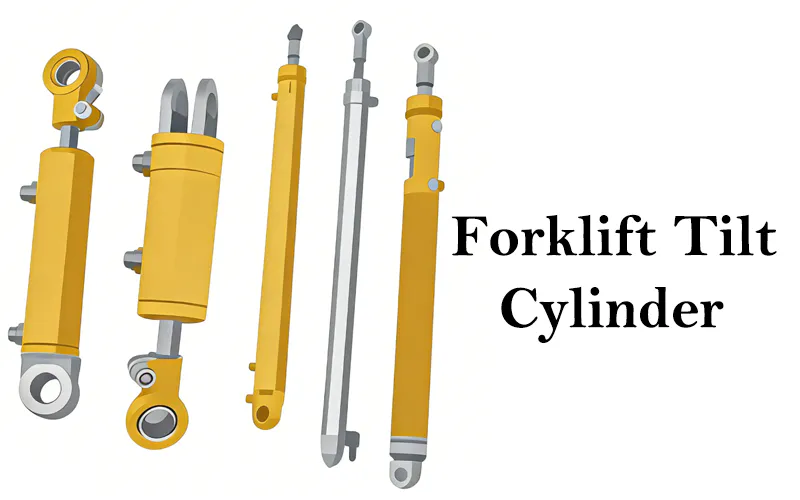
Produktbeskrivelse
Produktbeskrivelse
| Delnavn | Brake Wheel Cylinder |
| Merke | TOYOTA TCM CHINAMFG KOMATSU LINDE CHINAMFG HANGCHA |
| OEM | 44100-22H25 ,91446-00920, 24433-76000G |
| Vehicle Model | Tailift 2T-2.5T,HELI3T |
| Garanti | Three Months |
| Vekt | 0.6KG |
| Delivery | 3-5days ZheJiang ,HangZhou PORT |
Firmaprofil
Handavos International Trading Co.,Ltd focus on forklift spare parts for over 10 years. The factory covers about 30,000 square meters,there are 150 employees.The company is located in HangZhou.The logistics and transportation is very convenient. It is 100 kilometers from ZheJiang Port.
Vi er en av de innenlandske spesialiserte importørene av gaffeltruckdeler til grossister og detaljister. Hovedproduktene er motordeler, hydrauliske deler, girkassedeler, elektriske deler, filterdeler, drivsystemer, kjølesystemer og redskaper. Vårt firma har et lager av mer enn millioner av deler og kontorer i HangZhou, ZheJiang, HangZhou og Chendu.
Velkommen til bedriften for å besøke og forhandle.
Teamarbeid
Teamet vårt består av yngre, bedre utdannede, kvalitetseffektive og livlige medarbeidere. Det er 50 personer i teamet. Vi har førsteklasses produkter, overlegen service og høye konkurransedyktige priser, og tilstrekkelig lagerbeholdning og rettidig levering har vunnet kundenes tillit.
Der du er, tilbyr Handavos gaffeltruckdeler av høy kvalitet til konkurransedyktige priser med utmerket service.
Pakking og levering
| Antall (sett) | 1 – 100 | >100 |
| Estimert tid (dager) | 7 | Skal forhandles |
| Ettersalgsservice: | Nettstøtte |
|---|---|
| Garanti: | Three Months |
| Materiale: | Karbonstål |
| Overflatebehandling: | Bakemaling |
| Tilpasset: | Ikke-tilpasset |
| Standard: | Standard |
| Tilpasning: |
Tilgjengelig
|
|
|---|
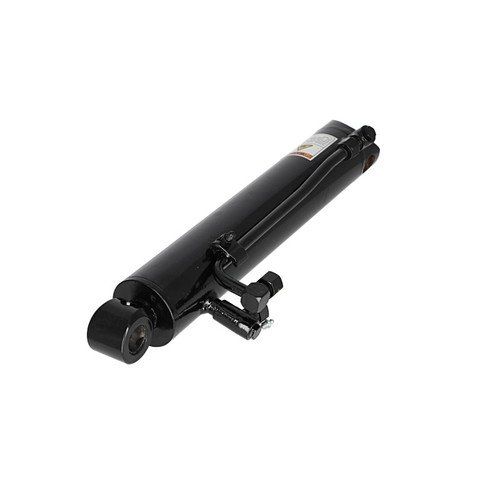
Can tilt cylinders be used in agricultural machinery for field work?
Yes, tilt cylinders can be used in agricultural machinery for field work. These cylinders play a valuable role in enhancing the functionality and productivity of agricultural equipment used for various tasks in the field. Here’s a detailed explanation:
- Implement Control: Tilt cylinders enable precise control of agricultural implements, such as blades, plows, cultivators, and harrows. By adjusting the tilt angle, operators can optimize the implement’s position and orientation for efficient soil preparation, leveling, seedbed creation, and other field work activities. Tilt cylinders provide the necessary force and control to achieve the desired implement tilt, enhancing operational efficiency and effectiveness.
- Contour Following: Tilt cylinders allow agricultural machinery to follow the contours of the field surface. By adjusting the tilt angle of the implement, the equipment can adapt to uneven terrain, ensuring consistent depth and contact with the ground. This contour following capability enhances seed placement accuracy, promotes uniform soil tillage, and reduces the risk of damaging crops or the machinery itself.
- Field Drainage: In field drainage operations, tilt cylinders can be used to adjust the angle of drainage implements, such as scrapers or ditchers. By controlling the tilt of these implements, operators can effectively shape and maintain proper field drainage patterns. Tilt cylinders enable precise and controlled adjustments, ensuring efficient water flow and preventing waterlogging in agricultural fields.
- Crop Residue Management: Tilt cylinders facilitate crop residue management by allowing operators to adjust the angle of implements used for residue incorporation, such as disc harrows or rotary tillers. By optimizing the implement tilt, residue incorporation can be performed effectively, promoting decomposition, weed control, and soil health. Tilt cylinders provide the necessary control to achieve the desired residue management results.
- Integration with Hydraulic Systems: Tilt cylinders are integrated with the hydraulic systems present in agricultural machinery. Hydraulic power is utilized to actuate the cylinders, providing the required force and control for implement adjustment. The hydraulic system allows for responsive and precise movement, enabling operators to adjust the tilt angle according to specific field conditions and requirements.
- Compatibility and Customization: Tilt cylinders are designed to be compatible with different types of agricultural machinery and implement systems. Manufacturers offer tilt cylinders with various specifications, such as different force capacities, stroke lengths, and mounting options, to ensure compatibility and optimal performance. This customization allows for seamless integration and enhances the overall functionality of agricultural machinery.
Therefore, tilt cylinders can be effectively utilized in agricultural machinery for field work. Whether it involves implement control, contour following, field drainage, crop residue management, or other field-related tasks, tilt cylinders provide the necessary force, control, and adaptability to enhance the performance and productivity of agricultural equipment in the field.
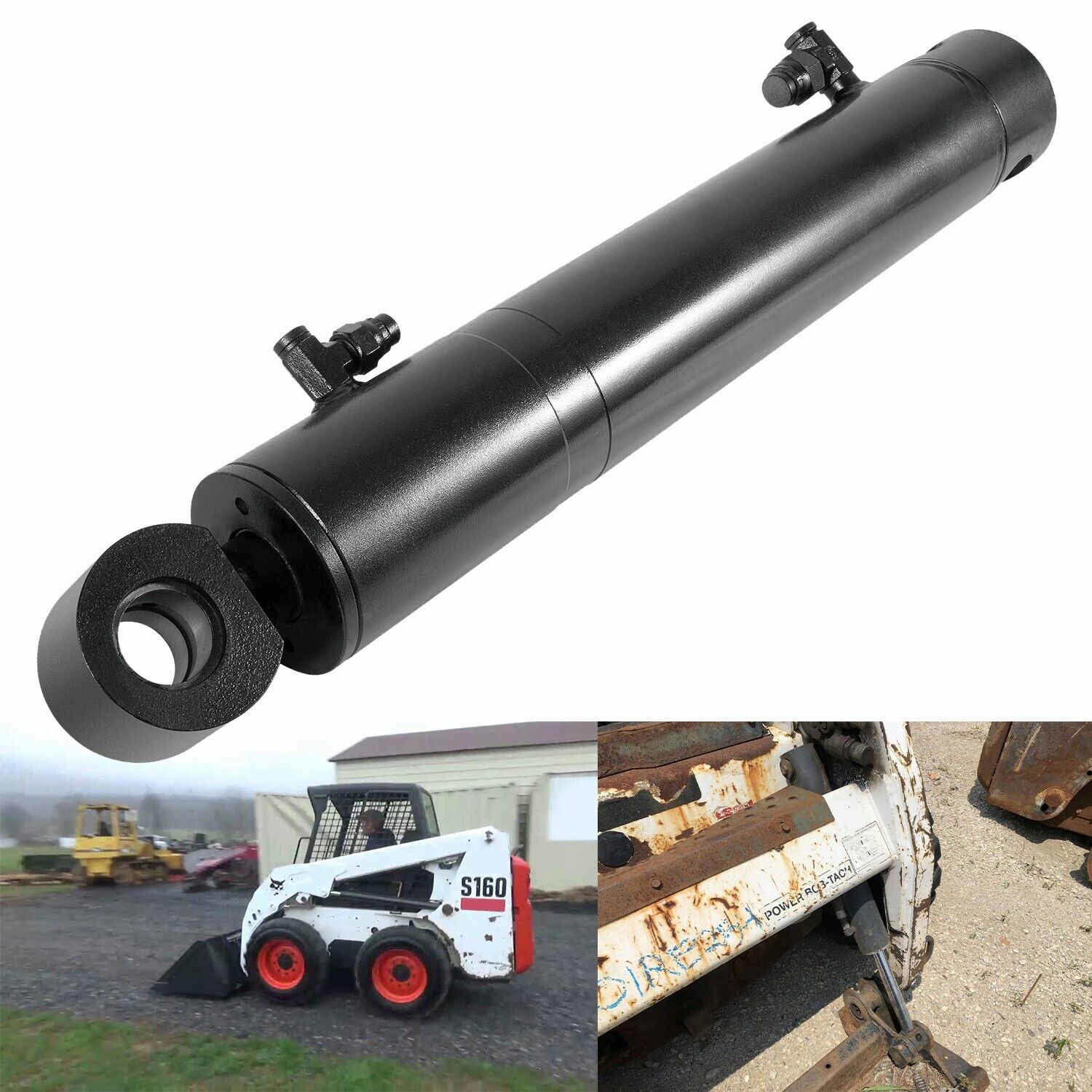
What are the safety considerations when using machinery equipped with tilt cylinders?
When using machinery equipped with tilt cylinders, several safety considerations should be taken into account to ensure the well-being of operators, bystanders, and the overall work environment. Here are the key safety considerations:
- Operator Training: Proper training is essential for operators who will be working with machinery equipped with tilt cylinders. Operators should receive comprehensive training on the safe operation of the equipment, including understanding the controls, precautions, and potential hazards associated with tilt cylinder usage. Training helps operators develop the necessary skills and knowledge to operate the machinery safely.
- Safe Operating Procedures: Establishing and following safe operating procedures is crucial for minimizing risks when using machinery with tilt cylinders. Standard operating procedures should outline the correct sequence of operations, safety checks, and precautions to be taken before, during, and after using the equipment. Operators should adhere to these procedures to ensure safe and consistent operation.
- Inspection and Maintenance: Regular inspection and maintenance of the tilt cylinders and associated equipment components are essential for safety. This includes checking for leaks, damage, loose connections, or excessive wear. Any identified issues should be promptly addressed through maintenance or repairs to prevent potential malfunctions or accidents during operation.
- Load Capacity and Stability: Tilt cylinders have specific load capacity limits, and exceeding these limits can compromise safety. Operators should be aware of the equipment’s load capacity and ensure that the loads being lifted or tilted fall within the specified limits. Additionally, attention should be given to maintaining the stability of the machinery during tilting operations, considering factors such as uneven terrain or shifting loads.
- Proper Use of Safety Devices: Machinery equipped with tilt cylinders may have additional safety devices such as safety locks, sensors, or audible alarms. Operators should use these safety devices as intended and ensure they are in good working condition. For example, safety locks should be engaged when the equipment is stationary to prevent unintended tilting.
- Clear Communication and Signaling: Clear communication among operators, signalers, and other personnel is vital for ensuring safety during tilt cylinder operations. Hand signals or radio communication should be used effectively to convey instructions and warnings. Adequate signaling and communication protocols should be established and followed to avoid misunderstandings or accidents.
- Personal Protective Equipment (PPE): Operators and personnel working with machinery equipped with tilt cylinders should wear appropriate personal protective equipment, including safety helmets, protective eyewear, gloves, and high-visibility clothing. PPE helps minimize the risk of injury from potential hazards, such as falling objects, debris, or hydraulic fluid leaks.
By considering these safety aspects and implementing appropriate measures, the risks associated with using machinery equipped with tilt cylinders can be mitigated. Prioritizing safety promotes a secure working environment, reduces accidents, and protects the well-being of everyone involved in the operation.
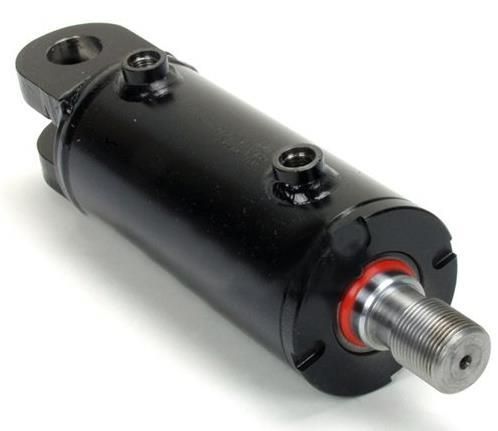
Hvordan håndterer en tiltsylinder variasjoner i utstyrets tilt og posisjonering?
En tiltsylinder er utformet for å håndtere variasjoner i utstyrets tilt og posisjonering ved å innlemme spesifikke funksjoner og mekanismer. Disse funksjonene gjør at tiltsylinderen kan tilpasse seg forskjellige vinkler og posisjoner effektivt. Her er en forklaring på hvordan en tiltsylinder håndterer variasjoner i utstyrets tilt og posisjonering:
- Bevegelsesområde: Tiltsylindere er konstruert for å gi et bredt bevegelsesområde. De kan vippe eller vinkle komponenter innenfor et spesifisert område, noe som gir mulighet for ulike posisjoner og vinkler. Bevegelsesområdet bestemmes av sylinderens design og konstruksjon, samt festepunktene på utstyret. Denne allsidigheten gjør at tiltsylinderen kan imøtekomme ulike tiltekrav og tilpasse seg varierende utstyrsposisjoner.
- Kontrollventiler: Tiltsylindere er utstyrt med kontrollventiler som muliggjør presis kontroll over tiltebevegelsen. Disse ventilene regulerer strømmen og retningen på hydraulisk væske, slik at operatører kan kontrollere hastigheten, omfanget og retningen på tilten. Ved å justere kontrollventilene kan operatører finjustere utstyrets plassering, kompensere for variasjoner i tilten og sikre nøyaktig justering.
- Tilbakemeldingsmekanismer: Noen vippesylindere har tilbakemeldingsmekanismer som grensebrytere eller sensorer. Disse mekanismene gir tilbakemelding i sanntid om posisjonen og vinkelen til den vippede komponenten. Ved å overvåke tilbakemeldingen kan operatører justere vippesylinderen nøyaktig for å kompensere for variasjoner i utstyrets vipping og posisjonering. Dette sikrer at komponenten forblir i ønsket posisjon og vinkel, noe som forbedrer driftseffektiviteten og sikkerheten.
- Kontroll av hydraulisk system: Det hydrauliske systemet som driver tiltsylinderen spiller en avgjørende rolle i håndteringen av variasjoner i utstyrets tilt og posisjonering. Det hydrauliske systemet inkluderer trykkregulatorer, strømningskontrollventiler og andre komponenter som lar operatører finjustere hydraulisk trykk og strømning. Ved å manipulere kontrollene i det hydrauliske systemet kan operatører kompensere for variasjoner i utstyrets tilt og oppnå ønsket posisjonering med presisjon.
- Robust konstruksjon: Tiltsylindere er bygget med robuste materialer og konstruksjon for å tåle variasjoner i utstyrets tilting og posisjonering. De er konstruert for å håndtere høye belastninger og motstå eksterne krefter som kan påvirke vippebevegelsen. Den robuste konstruksjonen sikrer holdbarheten og stabiliteten til tiltsylinderen, slik at den kan opprettholde jevn ytelse selv under utfordrende driftsforhold.
Samlet sett gjør en kombinasjon av faktorer som bevegelsesområde, kontrollventiler, tilbakekoblingsmekanismer, hydraulisk systemkontroll og robust konstruksjon at en tiltsylinder kan håndtere variasjoner i utstyrets tilting og posisjonering. Disse funksjonene fungerer sammen for å sikre presis kontroll, tilpasningsevne og stabilitet, slik at tiltsylinderen effektivt kan håndtere forskjellige vinkler og posisjoner på utstyret den er festet til.


editor by CX 2023-11-09