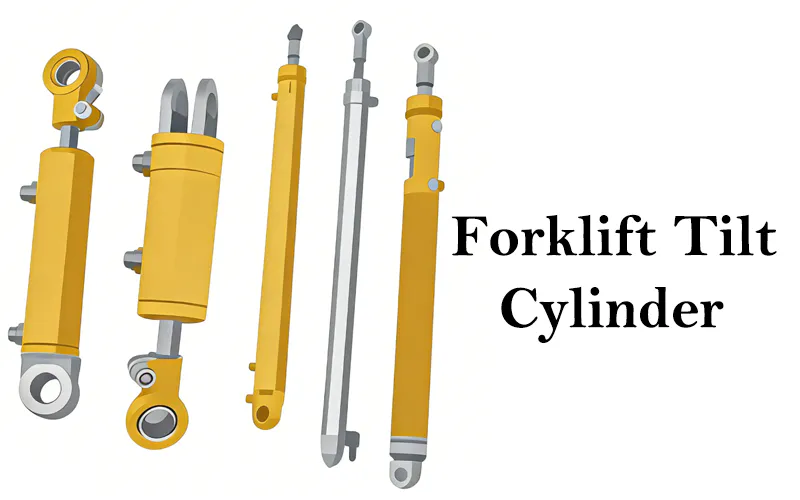
OEM Hydraulic Cylinder Sourcing Guide
OEM Forklift Tilt Cylinder Supply for Automotive Tier-1 Suppliers: What to Specify
A practical specification guide for procurement engineers sourcing a forklift tilt cylinder for high-cycle material handling operations across automotive supply chains, construction logistics yards, and industrial distribution centers in Colombia and across the wider Latin American manufacturing corridor.
Key Specification Facts at a Glance
Forklift Tilt Cylinder, Double-Acting
16–25 MPa
24–35 MPa
96.5 mm – 250 mm
16.5 kg – 38 kg
OEM and ODM, custom drawing accepted
Automotive Tier-1, Construction, Distribution
Trunnion, Clevis, Pin-Mount
1. What an Automotive Tier-1 Buyer Means by Forklift Tilt Cylinder
When a Tier-1 automotive component supplier in Bogota or Medellin specifies a forklift tilt cylinder for an internal logistics fleet, the requirement is rarely identical to a generic warehouse replacement order. A correctly specified forklift tilt cylinder helps automotive plants run forklifts on fixed cycle counts tied to production line takt time, which means the lift cylinder forklift assembly and its paired tilt actuator must hold dimensional tolerance across tens of thousands of repeated movements per shift without drift. A forklift tilt cylinder in this context is the hydraulic actuator that pivots the mast assembly forward and backward, letting the operator angle the forks to seat a pallet of stamped panels, engine components, or wiring harness bundles squarely against a rack face before insertion.
The distinction that matters for sourcing teams is that a forklift hydraulic cylinder diagram for an automotive-grade tilt actuator usually specifies tighter rod concentricity and a narrower bore tolerance band than a comparable unit destined for general construction yard service. Plants supplying just-in-time sequencing to assembly lines cannot tolerate uneven tilt response, because a forklift tilt cylinder that drifts even a few degrees off-axis can misalign a pallet at the point of insertion, slowing the entire feed line. This is why OEM specification documents for automotive buyers typically reference both the working pressure rating and a stated repeatability tolerance, something rarely requested in standard aftermarket parts catalogs.
Beyond the automotive plant floor, the same forklift tilt cylinder architecture extends naturally into construction and civil engineering material handling, where rough-terrain forklifts and telehandlers use a structurally similar hydraulic forklift tilt cylinder to angle loads on uneven ground. Understanding this shared engineering lineage helps procurement teams in Colombia evaluate a single supplier relationship across both automotive intralogistics and outdoor construction material handling fleets, reducing the number of separate hydraulic component vendors a fleet manager has to qualify.
2. Manufacturing Structure of an OEM Forklift Tilt Cylinder
The internal architecture of a forklift tilt cylinder follows a layered structure that converts pressurized hydraulic fluid into controlled rotational force at the mast pivot point. Each subassembly contributes a distinct mechanical function, and understanding the manufacturing structure helps buyers read a forklift hydraulic cylinder diagram correctly when comparing supplier drawings against an existing OEM unit pulled from a fleet vehicle.
Cylinder Barrel
The barrel is a precision-honed steel tube that houses the piston and contains the hydraulic pressure generated during each tilt stroke. Internal honing to a controlled surface roughness reduces piston seal wear and keeps the forklift tilt cylinder responsive across its rated service interval, which matters most on automotive lines running continuous multi-shift operation.
Piston Rod Assembly
The rod connects the internal piston to the external mounting eye that links into the forklift mast bracket. Rod diameter and surface hardness directly determine how the forklift mast cylinder resists side-loading from uneven pallet weight distribution, a recurring stress condition in automotive component yards where load weight varies between empty racks and fully stacked sequencing carts.
Piston and Seal Carrier
The piston separates the two pressure chambers inside a double-acting forklift tilt cylinder, and the seal carrier holds the dynamic seals that prevent internal bypass between chambers. A forklift tilt cylinder seal kit replacement at this stage is the single most common maintenance event across a fleet lifecycle, which is why seal groove tolerance is one of the first dimensions a buyer should confirm against an existing sample part.
Gland and Mounting Eyes
The rod gland retains the rod seal and wiper while allowing smooth linear travel, and the mounting eyes at each end determine how the forklift tilt cylinder pins into the mast and chassis frame. Mounting hole distance and pin diameter are the dimensions most frequently mismatched in aftermarket sourcing, so verified drawings against the existing forklift hydraulic cylinder diagram are essential before committing to bulk OEM production. Buyers who request a clear forklift tilt cylinder diagram from the manufacturer up front gain a reliable visual reference for confirming every dimension before placing a large order.
3. Material System and Surface Treatment Standards
Material selection for a forklift hydraulic lift cylinder and its paired tilt actuator follows a layered approach where each component group is matched to its specific load and environmental exposure profile. The barrel is typically manufactured from seamless cold-drawn carbon steel tube, chosen for its consistent wall thickness and resistance to fatigue cracking under the cyclic pressure loading that characterizes continuous forklift duty cycles. For automotive Tier-1 facilities running three-shift operations, barrel fatigue life under repeated pressure cycling becomes a primary specification criterion rather than a secondary consideration.
The piston rod material system centers on medium-carbon alloy steel, induction hardened along the contact surface and then hard chrome plated to a controlled thickness. This chrome layer performs two simultaneous functions on a forklift tilt cylinder: it resists abrasive wear from repeated seal contact, and it forms a corrosion barrier against moisture exposure, which is a relevant consideration for plants operating near coastal logistics corridors in Colombia where humidity and salt-laden air can accelerate rod pitting on unprotected steel surfaces. Surface finish on the rod is held to a fine ground tolerance, since any roughness translates directly into accelerated seal degradation and earlier need for a forklift tilt cylinder seal replacement cycle.
Seal material selection depends heavily on the operating environment and hydraulic fluid type specified by the buyer. Polyurethane seals are common for general industrial duty due to their balance of wear resistance and elasticity, while nitrile or fluorocarbon compounds may be specified where the forklift tilt cylinder operates in colder distribution center environments or where extended fluid compatibility with biodegradable hydraulic oils is required under regional environmental procurement policy. Buyers requesting a custom forklift tilt cylinder seal kit should confirm seal compound compatibility against their actual hydraulic fluid specification sheet rather than assuming a default mineral oil compound will suit every application.
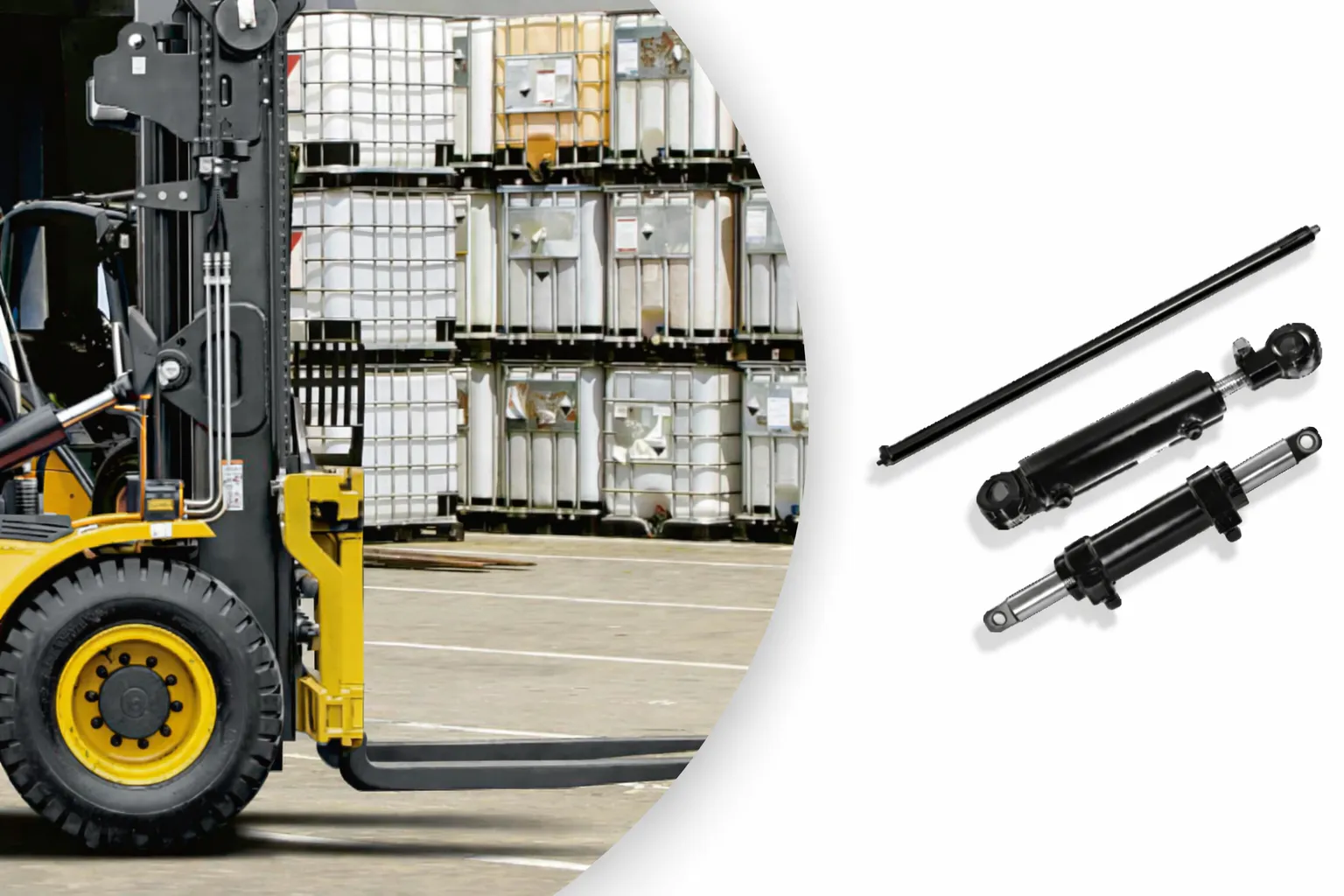
4. Specification Checklist Before Placing an OEM Order
Procurement engineers evaluating a hydraulic forklift tilt cylinder supplier for the first time often discover that a quotation request without complete dimensional data leads to repeated rounds of clarification and delayed lead times. Sourcing forklift tilt cylinder parts individually, such as seal kits or rod assemblies, follows the same dimensional verification logic as ordering a complete forklift hydraulic tilt cylinder unit. The checklist below covers the data points that consistently determine fitment accuracy.
Bore and Rod Diameter
Confirm both the internal bore diameter and the polished rod diameter against the original forklift tilt cylinder, since these two dimensions set the available force output at a given working pressure and directly affect compatibility with the existing hydraulic pump flow rate on the host vehicle.
Stroke Length and Closed Length
Stroke length determines the maximum tilt angle range, while closed length governs whether the unit physically fits within the available mast bracket envelope. Buyers should measure both dimensions on the existing forklift tilt cylinder rather than relying solely on a model number, since dimensions forklift tilt cylinder listings vary across regional forklift brands even within the same nominal capacity class.
Mounting Hole Distance and Pin Diameter
The center-to-center mounting hole distance and the pin bore diameter must match the mast bracket and chassis ear exactly. A mismatch here is the most frequent cause of failed installation attempts when sourcing a replacement forklift tilt cylinder from an unfamiliar supplier without verified drawings.
Working Pressure and Port Thread Standard
Specify both the rated working pressure and the maximum withstand pressure required, along with the port thread standard used on the existing hydraulic hose fittings. European and Asian forklift brands frequently use different thread standards, so confirming this detail avoids costly adapter fittings after delivery.
Cylinder Weight and Mass Distribution
For Tier-1 automotive logistics fleets operating narrow-aisle reach trucks, the size forklift tilt cylinder selected affects overall mast assembly weight and forward weight bias, which in turn influences load capacity charts published by the forklift manufacturer.
Seal Compound and Hydraulic Fluid Compatibility
Specify the actual hydraulic fluid type in service so the supplier can confirm seal compound compatibility, particularly important for cold-storage adjacent facilities or plants that have transitioned to biodegradable hydraulic fluid under sustainability procurement mandates.
5. Forklift Tilt Cylinder Applications in Construction and Civil Engineering Material Handling
While automotive Tier-1 plants represent one major demand source for OEM forklift tilt cylinder supply, the construction and civil engineering sector forms an equally significant application base, particularly across Colombia’s expanding infrastructure and building materials logistics networks. Rough-terrain forklifts and telehandlers operating on active construction sites rely on a robust hydraulic forklift tilt cylinder to angle loads of structural steel, masonry pallets, or formwork panels safely across uneven and sloped surfaces where precise mast control prevents load shift during transport.
Construction logistics differs from automotive plant floor service in one critical respect: exposure to environmental contamination. Dust, concrete debris, and intermittent rain exposure place additional demand on the rod wiper seal and the overall forklift tilt cylinder seal kit, since contaminant ingress accelerates internal wear far faster than in a controlled indoor automotive facility. Buyers sourcing units for outdoor construction equipment should specify reinforced dust wiper configurations and confirm the chrome plating thickness on the rod meets a minimum standard suited to abrasive jobsite conditions rather than the lighter-duty specification acceptable for indoor warehouse forklifts.
In precast concrete yards and building materials distribution centers across major Colombian urban centers, the forklift lifting cylinder and tilt cylinder pairing must also account for heavier-than-standard pallet weights, since masonry and aggregate materials frequently exceed the rated capacity assumptions built into standard warehouse forklift hydraulics. A forklift tilt cylinder specified with a higher maximum withstand pressure margin provides the structural safety buffer construction equipment fleet managers need when operating at or near rated load capacity on a routine basis.
6. Regulatory and Compliance Considerations Across Markets
Hydraulic cylinder components used in forklift mast and tilt systems fall under multiple layers of national and regional safety regulation depending on where the equipment is operated. In Colombia, workplace material handling equipment is governed under Resolucion 1409 of the Ministerio del Trabajo, which establishes the national technical regulation for work at height and load handling safety, alongside the broader Sistema General de Riesgos Laborales framework that requires documented preventive maintenance records for powered industrial trucks including forklift hydraulic systems. Fleet operators sourcing a replacement forklift tilt cylinder for equipment used in Colombian industrial or construction settings should retain supplier documentation confirming pressure rating compliance to support internal safety audits.
Across the broader Latin American region, countries including Mexico, Chile, and Peru apply similar occupational safety frameworks requiring periodic inspection of hydraulic lift and tilt systems on powered industrial trucks, often referencing international standards such as ISO 3691 for industrial truck safety requirements as a technical baseline. Automotive Tier-1 suppliers operating multi-country manufacturing footprints frequently standardize hydraulic component specifications across plants precisely to simplify compliance documentation across these varying national frameworks.
In the European Union, where many automotive Tier-1 component groups maintain parallel manufacturing operations, forklift hydraulic cylinders fall under the Machinery Directive 2006/42/EC and its successor framework, the EU Machinery Regulation 2023/1230, which sets essential safety requirements for fluid power transmission components used in powered industrial equipment. North American operations reference OSHA 1910.178 for powered industrial truck operation and maintenance standards, which similarly expects documented inspection of hydraulic cylinder condition as part of routine forklift safety checks.
For buyers managing cross-border procurement between Colombian operations and European or North American manufacturing sites, requesting a forklift tilt cylinder supplier capable of providing dimensional drawings, pressure test certificates, and material certification in a consistent documentation format significantly reduces the administrative burden of maintaining compliance records across jurisdictions with differing regulatory citation requirements.
7. Featured OEM Forklift Tilt Cylinder Models
The two models below represent commonly specified configurations within the forklift tilt cylinder and accessory cylinder portfolio, suited respectively to precision steering-linked tilt control and heavy-duty accessory cylinder applications referenced by automotive and construction logistics buyers.

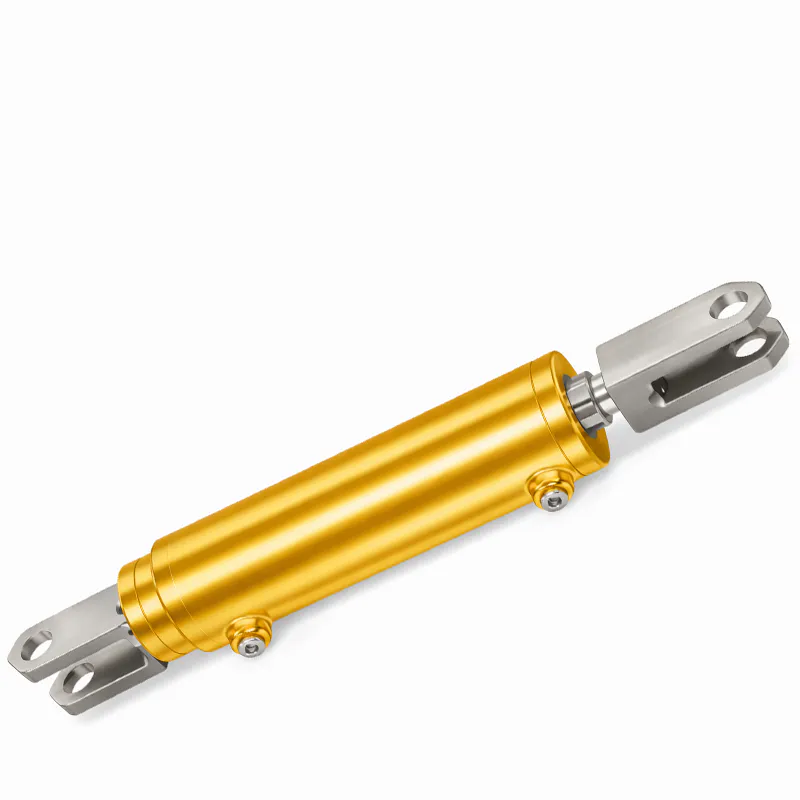
EP-HCY-3 Gaffeltruck Tiltsylinder
| Arbeidstrykk | 16 MPa |
| Max Withstand Pressure | 24 MPa |
| Slag | 96.5 x 2 mm |
| Installation Distance | 585,7 mm |
| Vekt | 16,5 kg |
This forklift tilt cylinder configuration is engineered for precise mast control applications where consistent repeatability under cyclic load is the primary performance driver, suited to both automotive plant intralogistics and general warehouse duty.
EP-HCYA-2 Cylinder for Forklift Accessories
| Arbeidstrykk | 25 MPa |
| Max Withstand Pressure | 35 MPa |
| Slag | 200 mm |
| Mounting Hole Distance | 597 mm |
| Vekt | 38 kg |
Built for heavy-duty forklift applications, this accessory cylinder pairs naturally with a forklift tilt cylinder in mast assemblies handling above-standard pallet weights, common in construction materials and automotive component distribution yards.
8. About Us
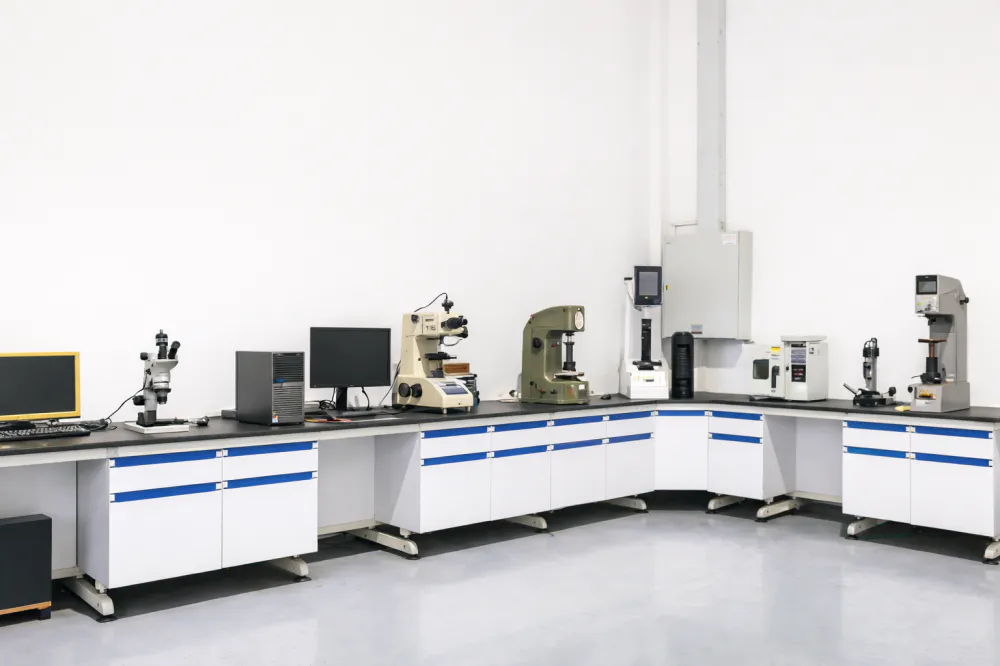
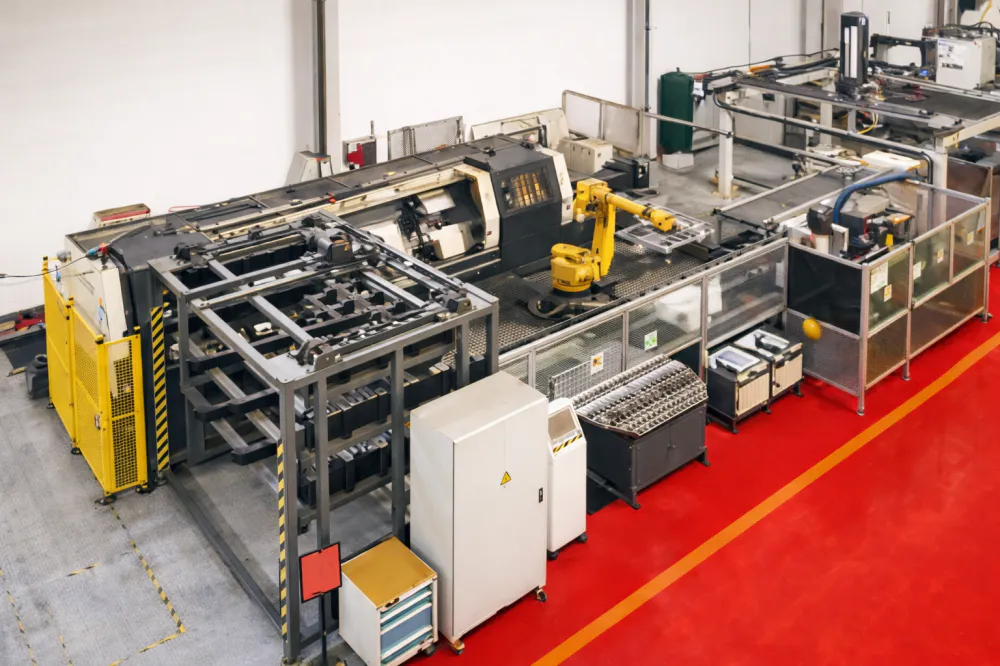
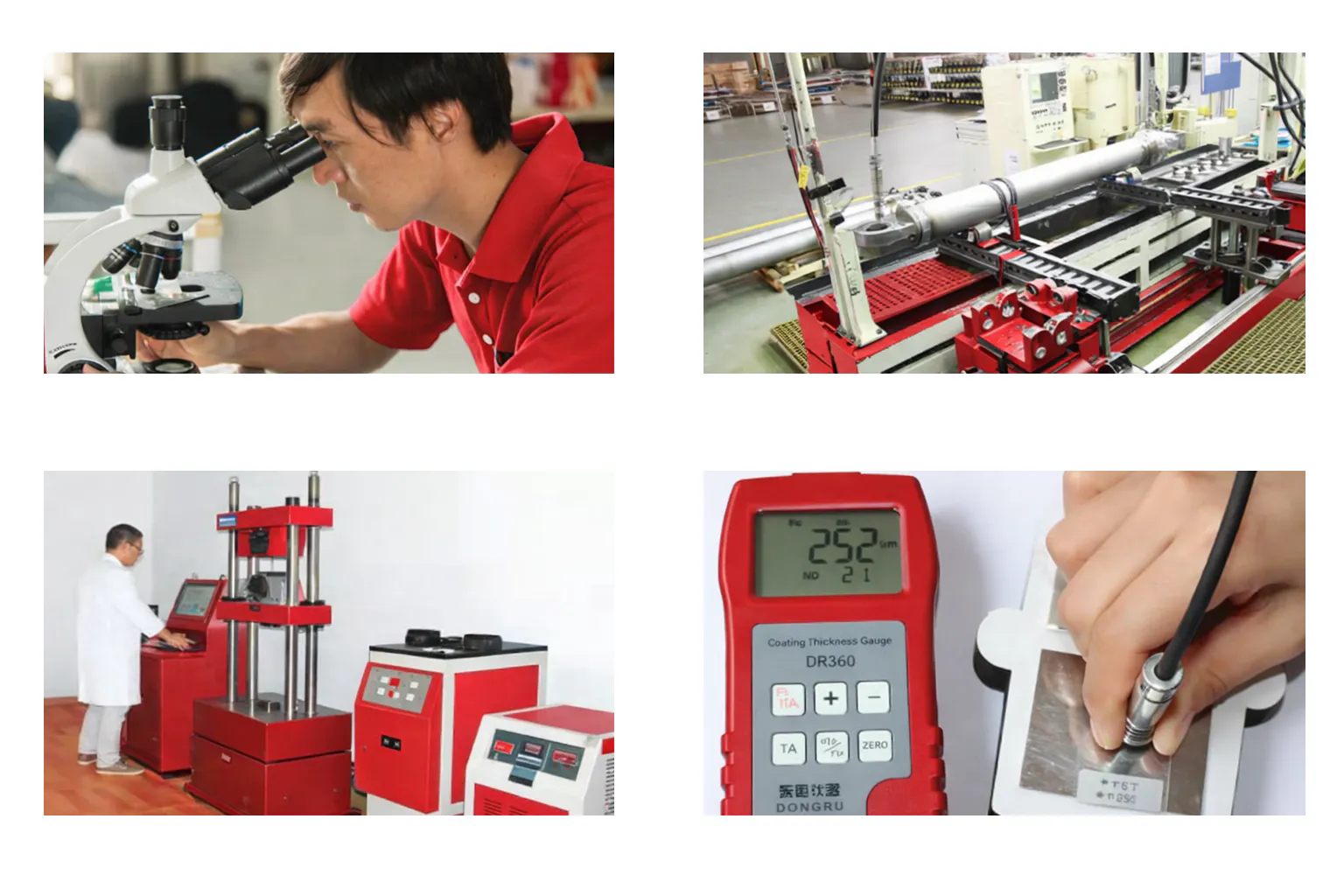
We are a dedicated OEM and ODM manufacturer of forklift tilt cylinder and forklift hydraulic lift cylinder assemblies, supplying custom hydraulic solutions with working pressure ratings up to 25 MPa for industrial material handling applications. Our production capability covers full-drawing custom builds alongside standard catalog configurations, supporting automotive Tier-1 component suppliers, construction equipment fleets, and general industrial logistics operators across multiple regional markets, including ongoing supply relationships with buyers across Colombia and the wider Latin American manufacturing corridor.
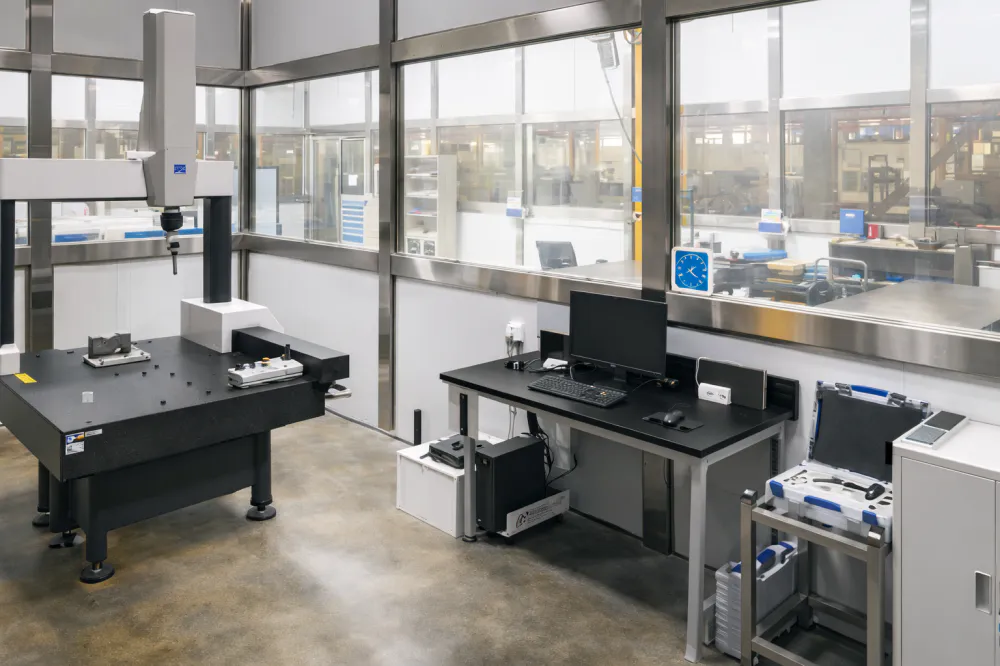
Production facilities operate semi-automatic and fully automatic assembly lines dedicated to lift and tilt cylinder manufacturing, supported by independent research and development capability for non-standard cylinder configurations up to large bore diameters and extended stroke lengths. Technical documentation including dimensional drawings, pressure test certificates, and material certification is available on request to support buyer-side compliance and quality verification processes.
Verksted
9. Related Products for Complete Hydraulic System Supply
Beyond the forklift tilt cylinder itself, we manufacture compatible hydraulic actuators and pump systems designed for consistent fit and performance across the full mast hydraulic circuit, supporting buyers who prefer single-source procurement across their forklift hydraulic component requirements.
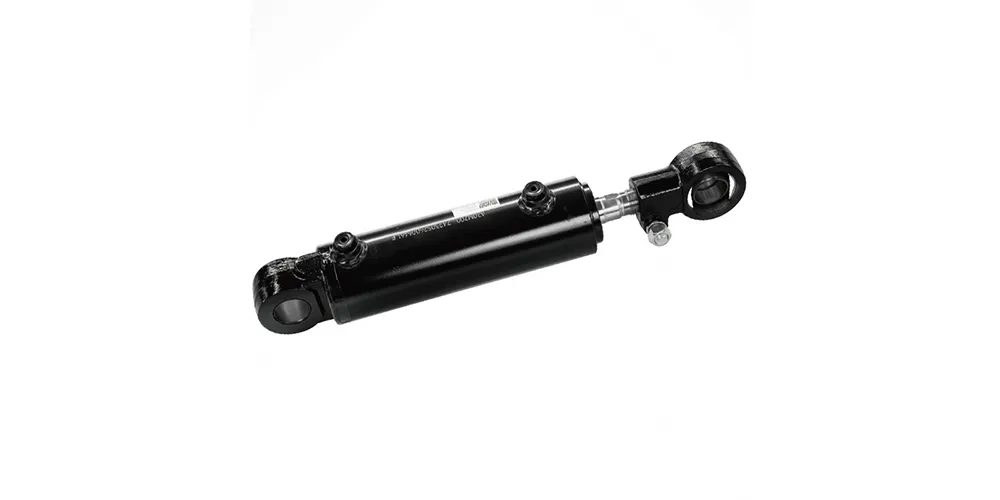
Tilt-sylinderserien
Our full Tiltsylinder range extends beyond forklift applications into broader industrial and construction equipment tilt actuation, sharing the same engineering standards and quality control processes applied to every forklift tilt cylinder we supply, giving fleet buyers a consistent technical baseline across multiple equipment types.
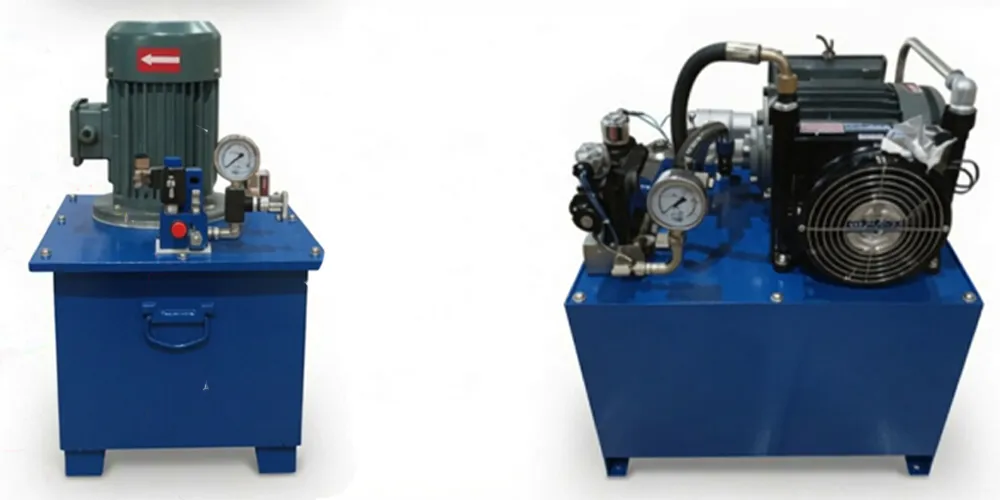
Hydraulisk pumpestasjonsserie
A correctly matched hydraulic pump station ensures the flow rate and pressure delivered to the forklift tilt cylinder circuit stay within the rated operating window, avoiding sluggish tilt response or premature seal wear caused by mismatched pump output across the mast hydraulic system.
Ofte stilte spørsmål
Q1. What is a tilt cylinder forklift and what is the difference between lift cylinder and tilt cylinder?
A1. A forklift tilt cylinder controls the forward and backward angle of the mast, while a lift cylinder forklift assembly raises and lowers the mast vertically. The two perform separate but complementary functions within the same hydraulic system, and most forklifts use both in coordinated operation during a single load handling cycle.
Q2. What is a tilt on a forklift and why does it matter for automotive logistics?
A2. The tilt function angles the mast and forks to securely seat a load against a rack or pallet position before insertion. In automotive Tier-1 logistics, precise tilt control reduces the risk of misaligned pallet placement during high-cycle sequencing operations on the production line.
Q3. What are the different types of forklift cylinders used across a typical mast assembly?
A3. A standard forklift hydraulic system typically includes a lift cylinder for vertical mast travel, a tilt cylinder for mast angle control, and on some models a free lift cylinder and steering cylinder, each serving a distinct function within the overall hydraulic forklift tilt cylinder circuit.
Q4. Where can a construction equipment fleet manager in Colombia source a replacement forklift tilt cylinder with verified dimensional drawings?
A4. We provide verified dimensional drawings, pressure test documentation, and material certificates for every forklift tilt cylinder supplied, supporting fleet managers across Colombia who need confirmed compliance records for internal safety audits and procurement approval processes.
Q5. How do I know which size forklift tilt cylinder fits my existing mast bracket without removing the original unit?
A5. Measure the mounting hole distance, pin diameter, stroke length, and closed length on the existing forklift tilt cylinder where accessible, or photograph the stamped model number on the cylinder body and submit it along with mast bracket photos for supplier cross-reference confirmation.
Q6. What causes a forklift tilt cylinder drift condition during automotive plant material handling operations?
A6. Drift typically results from internal seal bypass allowing hydraulic fluid to slowly cross between pressure chambers, often caused by worn piston seals or scratched bore surfaces. Replacing the forklift tilt cylinder seal kit at the recommended service interval prevents drift from developing into a safety concern.
Q7. Which hydraulic fluid specification should accompany a quote request for a hyster forklift tilt cylinder replacement?
A7. Provide the current hydraulic fluid viscosity grade and base type in service, since seal compound compatibility must be confirmed against the actual fluid chemistry rather than assumed from the forklift brand alone, ensuring the replacement cylinder performs reliably from installation.
Q8. What documentation should a Tier-1 automotive supplier request for an OEM forklift hydraulic cylinder repair or replacement order?
A8. Request dimensional drawings, working and maximum withstand pressure certificates, material certification for the barrel and rod, and seal compound data sheets, all of which support internal quality assurance documentation required across most automotive supplier audit frameworks.
Q9. How long does a forklift tilt cylinder seal kit typically last in continuous three-shift automotive plant operation?
A9. Service life depends heavily on cycle count, contamination exposure, and hydraulic fluid cleanliness, but plants running continuous multi-shift schedules with good filtration practices commonly see seal kit replacement intervals measured in tens of thousands of operating cycles before performance degradation becomes noticeable.
Q10. Can a forklift mast cylinder supplier accommodate custom bore and stroke dimensions for a non-standard mast assembly?
A10. Yes, custom forklift tilt cylinder production by drawing is available, covering non-standard bore diameters, stroke lengths, and mounting configurations to match mast assemblies that fall outside catalog standard offerings, common in retrofitted or older fleet vehicles.
Q11. What is the typical lead time when ordering a forklift tilt cylinder for a construction equipment fleet operating across multiple Colombian regions?
A11. Lead time for a standard forklift tilt cylinder varies based on whether the order matches an existing catalog configuration or requires custom drawing development, with catalog units generally available for faster dispatch and custom builds requiring additional engineering confirmation before production scheduling begins.
Request OEM Forklift Tilt Cylinder Specification Support
Submit your mast bracket dimensions, working pressure requirement, and hydraulic fluid specification for a confirmed forklift tilt cylinder fitment quotation, suited to automotive Tier-1, construction, and general industrial logistics buyers across Colombia and beyond.
Redaktør: PXY