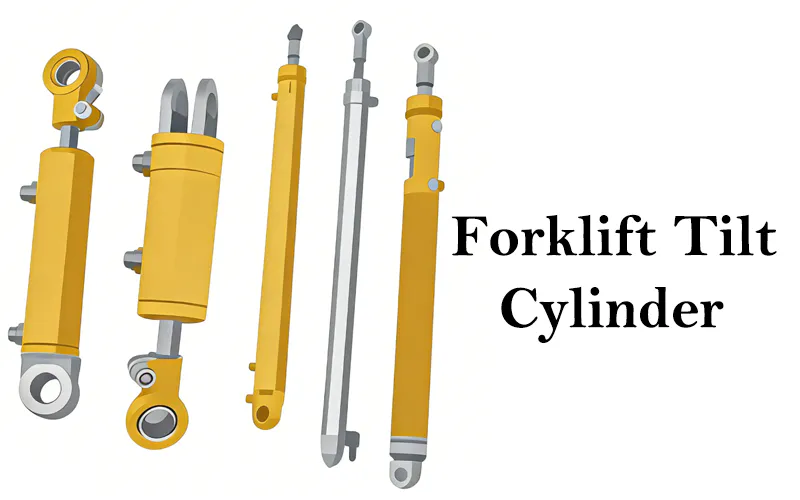
Opis produktu
Profil firmy
Handavos International Trading Co.,Ltd focus on forklift spare parts for over 10 years. The factory covers about 30,000 square meters,there are 150 employees.The company is located in HangZhou.The logistics and transportation is very convenient. It is 100 kilometers from ZheJiang Port.
Jesteśmy jednym z krajowych, wyspecjalizowanych importerów części do wózków widłowych, oferującym swoje usługi hurtowo i detalicznie. Oferujemy głównie części do silników, układów hydraulicznych, przekładni, układów elektrycznych, filtrów, układów napędowych, układów chłodzenia oraz osprzętu. Nasza firma posiada ponad milion części w magazynach w HangZhou, ZheJiang, ZheJiang, HangZhou i Chendu.
Zapraszamy do odwiedzenia naszej firmy i negocjacji.
Specyfikacja
Praca zespołowa
Nasz zespół składa się z młodych, lepiej wykształconych, wydajnych i pełnych energii osób. Nasz zespół liczy 50 osób. Oferujemy produkty najwyższej klasy, zapewniamy doskonałą obsługę, konkurencyjne ceny, odpowiednie zapasy i terminowe dostawy, dzięki czemu zyskaliśmy zaufanie klientów.
Handavos oferuje w Twojej okolicy wysokiej jakości części do wózków widłowych w konkurencyjnych cenach, a także doskonałą obsługę.
Pakowanie i dostawa
Szczegóły opakowania
Strong wooden case in standard export pallets.
Opakowanie zawiera 6 sztuk.
Port: ZheJiang, HangZhou…
Czas realizacji:
| Serwis posprzedażowy: | Wsparcie online |
|---|---|
| Gwarancja: | Three Months |
| Tworzywo: | Stal węglowa |
| Obróbka powierzchni: | Farba do pieczenia |
| Dostosowane: | Niespersonalizowane |
| Standard: | Standard |
| Personalizacja: |
Dostępny
|
|
|---|
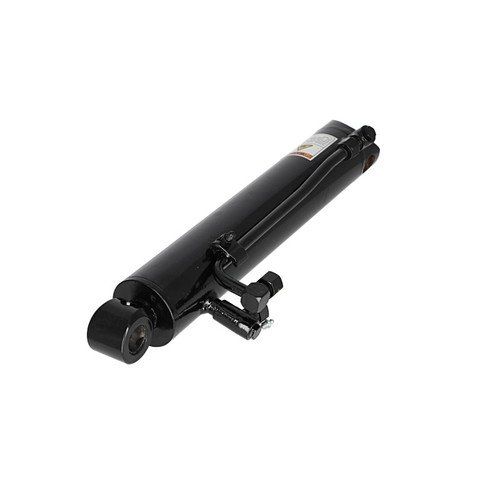
Can tilt cylinders be used in agricultural machinery for field work?
Yes, tilt cylinders can be used in agricultural machinery for field work. These cylinders play a valuable role in enhancing the functionality and productivity of agricultural equipment used for various tasks in the field. Here’s a detailed explanation:
- Implement Control: Tilt cylinders enable precise control of agricultural implements, such as blades, plows, cultivators, and harrows. By adjusting the tilt angle, operators can optimize the implement’s position and orientation for efficient soil preparation, leveling, seedbed creation, and other field work activities. Tilt cylinders provide the necessary force and control to achieve the desired implement tilt, enhancing operational efficiency and effectiveness.
- Contour Following: Tilt cylinders allow agricultural machinery to follow the contours of the field surface. By adjusting the tilt angle of the implement, the equipment can adapt to uneven terrain, ensuring consistent depth and contact with the ground. This contour following capability enhances seed placement accuracy, promotes uniform soil tillage, and reduces the risk of damaging crops or the machinery itself.
- Field Drainage: In field drainage operations, tilt cylinders can be used to adjust the angle of drainage implements, such as scrapers or ditchers. By controlling the tilt of these implements, operators can effectively shape and maintain proper field drainage patterns. Tilt cylinders enable precise and controlled adjustments, ensuring efficient water flow and preventing waterlogging in agricultural fields.
- Crop Residue Management: Tilt cylinders facilitate crop residue management by allowing operators to adjust the angle of implements used for residue incorporation, such as disc harrows or rotary tillers. By optimizing the implement tilt, residue incorporation can be performed effectively, promoting decomposition, weed control, and soil health. Tilt cylinders provide the necessary control to achieve the desired residue management results.
- Integration with Hydraulic Systems: Tilt cylinders are integrated with the hydraulic systems present in agricultural machinery. Hydraulic power is utilized to actuate the cylinders, providing the required force and control for implement adjustment. The hydraulic system allows for responsive and precise movement, enabling operators to adjust the tilt angle according to specific field conditions and requirements.
- Compatibility and Customization: Tilt cylinders are designed to be compatible with different types of agricultural machinery and implement systems. Manufacturers offer tilt cylinders with various specifications, such as different force capacities, stroke lengths, and mounting options, to ensure compatibility and optimal performance. This customization allows for seamless integration and enhances the overall functionality of agricultural machinery.
Therefore, tilt cylinders can be effectively utilized in agricultural machinery for field work. Whether it involves implement control, contour following, field drainage, crop residue management, or other field-related tasks, tilt cylinders provide the necessary force, control, and adaptability to enhance the performance and productivity of agricultural equipment in the field.
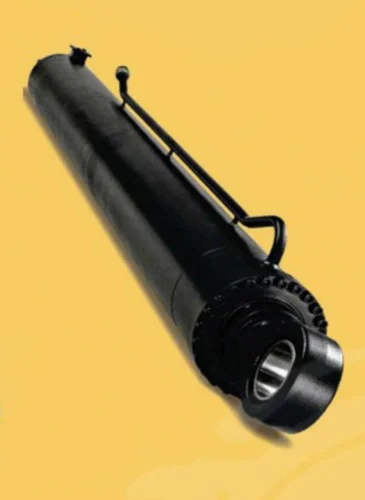
How does a tilt cylinder handle variations in tilt angle and load?
A tilt cylinder is designed to handle variations in tilt angle and load to ensure optimal performance and safe operation. It employs various mechanisms and features that allow it to adapt to different angles and loads. Here’s a detailed explanation:
- Adjustable Force and Stroke: Tilt cylinders can be adjusted to accommodate variations in tilt angle and load. The force generated by the cylinder can be controlled by adjusting the hydraulic pressure, allowing for precise control over the tilting movement. Similarly, the stroke length of the cylinder can be customized to provide the desired range of motion, enabling flexibility in achieving different tilt angles.
- Flow Control Valves: Tilt cylinders often incorporate flow control valves that regulate the speed and rate of hydraulic fluid flow. These valves allow operators to adjust the flow rate, providing finer control over the tilting movement. By adjusting the flow control valves, operators can handle variations in tilt angle and load with greater precision and stability.
- Load-Sensing Technology: Some advanced tilt cylinders utilize load-sensing technology to automatically adjust the force output based on the load applied. Load sensors integrated into the cylinder or the hydraulic system provide real-time feedback on the load, enabling the cylinder to adjust its force accordingly. This ensures consistent and safe operation, even when dealing with varying loads.
- Structural Integrity: Tilt cylinders are designed with robust construction to handle variations in load. The materials used, such as high-strength steel, provide structural integrity and durability. The cylinder’s design considers factors such as bending moments and stress distribution to ensure safe operation under different load conditions.
- Seals and Lubrication: Tilt cylinders incorporate seals and lubrication systems to minimize friction and maintain the required performance. Seals prevent leakage and contamination, ensuring the hydraulic system operates efficiently. Proper lubrication reduces wear and tear on moving parts, allowing the cylinder to handle variations in tilt angle and load smoothly and reliably.
- Stability and Balance: Tilt cylinders are designed to maintain stability and balance during tilting operations. The cylinder’s attachment points, along with the equipment’s center of gravity, are carefully considered to ensure safe and controlled tilting. This helps prevent instability or tipping when facing variations in tilt angle or load.
By incorporating adjustable force and stroke, flow control valves, load-sensing technology, robust construction, seals and lubrication, as well as ensuring stability and balance, tilt cylinders can effectively handle variations in tilt angle and load. These features enable precise control, safe operation, and reliable performance in a wide range of applications across industries.
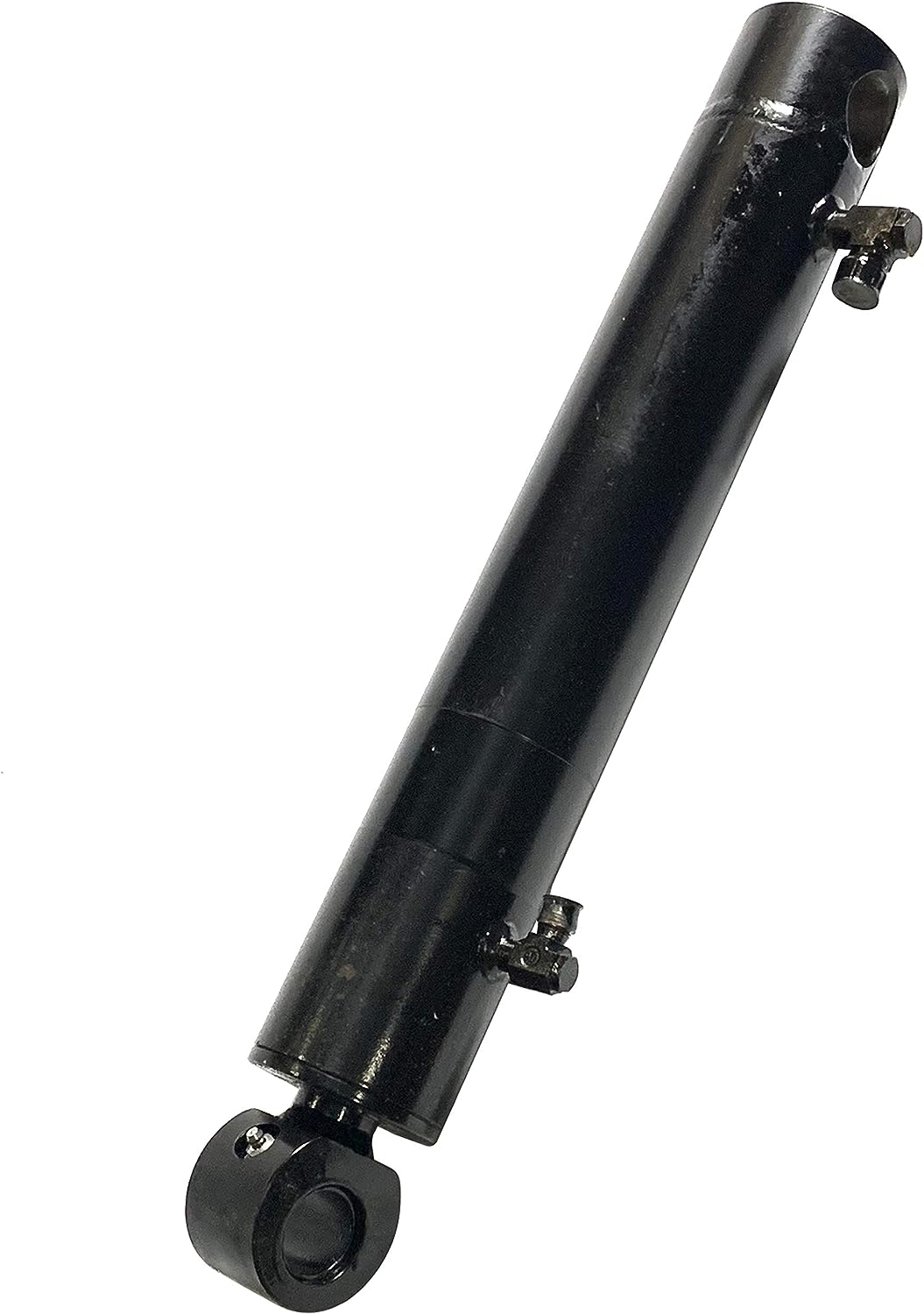
Can you explain the role of hydraulic fluid in a tilt cylinder?
Hydraulic fluid plays a crucial role in the operation of a tilt cylinder. It is an essential medium that enables the transfer of force and controls the movement of the cylinder. Here’s a detailed explanation of the role of hydraulic fluid in a tilt cylinder:
- Force Transmission: Hydraulic fluid is used to transmit force from the hydraulic system to the tilt cylinder. The hydraulic system pressurizes the fluid, creating hydraulic pressure that acts on the surface of the piston. This pressure imbalance generates a force that moves the piston and, in turn, extends or retracts the rod of the tilt cylinder. The force transmitted through the hydraulic fluid allows for controlled tilting of the attached component in heavy machinery.
- Flow Control: Hydraulic fluid is responsible for controlling the flow of force within the tilt cylinder. The hydraulic system uses control valves to regulate the flow and direction of the fluid. By adjusting the position of the control valves, the operator can control the speed, direction, and extent of the tilting movement. This flow control mechanism enables precise positioning and adjustment of the tilted component according to the specific task requirements.
- Pressure Regulation: Hydraulic fluid also allows for the regulation of pressure within the tilt cylinder. The hydraulic system incorporates pressure regulators or relief valves to maintain the desired pressure levels. These valves ensure that the hydraulic fluid pressure remains within the safe operating range, preventing excessive pressure buildup that could damage the cylinder or other components. Pressure regulation contributes to the safe and efficient operation of the tilt cylinder.
- Lubrication and Cooling: Hydraulic fluid serves as a lubricant within the tilt cylinder, reducing friction between moving components. This lubrication minimizes wear and tear, extending the lifespan of the cylinder. Additionally, the hydraulic fluid absorbs and dissipates heat generated during operation, acting as a coolant. Effective lubrication and cooling contribute to the overall performance and durability of the tilt cylinder.
- Sealing and Contamination Prevention: Hydraulic fluid helps maintain the integrity of the tilt cylinder’s hydraulic seals. The fluid creates a seal between the piston and cylinder wall, preventing hydraulic fluid leakage. It also acts as a barrier, preventing contaminants such as dirt, debris, or moisture from entering the cylinder and potentially causing damage. This sealing and contamination prevention function ensures the proper functioning and longevity of the tilt cylinder.
In summary, hydraulic fluid plays a multifaceted role in a tilt cylinder. It transmits force, controls the flow and pressure, provides lubrication and cooling, seals the cylinder, and prevents contamination. By utilizing hydraulic fluid effectively, the tilt cylinder enables controlled tilting of components in heavy machinery, ensuring precise operation, and enhancing the performance and reliability of the equipment.


editor by CX 2023-11-02