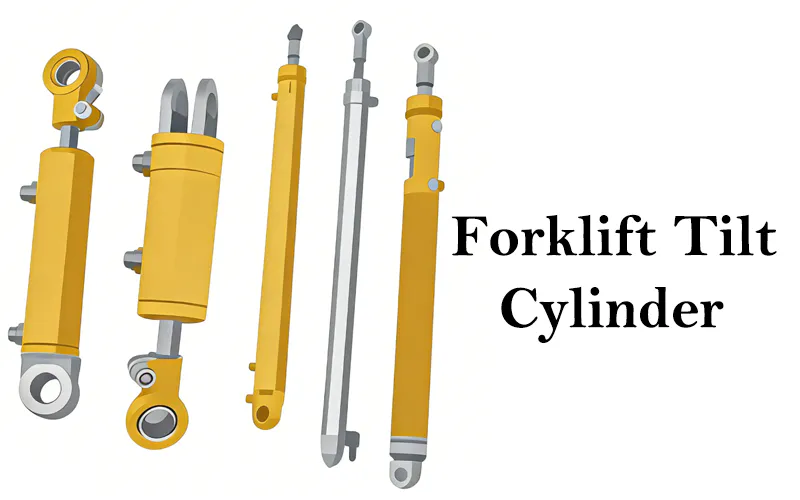
คำอธิบายผลิตภัณฑ์
กระบอกไฮดรอลิกนี้ได้รับการออกแบบมาเป็นพิเศษสำหรับเครื่องปูผิวถนน
กระบอกสูบนี้มีคุณสมบัติเด่นคือโครงสร้างกะทัดรัดและมีความน่าเชื่อถือสูง
| แบบอย่าง | เส้นผ่านศูนย์กลางรูเจาะ (มม.) |
เส้นผ่านศูนย์กลางของแท่ง (มม.) |
จังหวะ (มม.) |
ความดันที่ระบุ (บาร์) |
| HSG55/32-400*650-WX | 55 | 32 | 400 | 210 |
| พิมพ์: | กระบอกไฮดรอลิก |
|---|---|
| แอปพลิเคชัน: | รถบรรทุก, รถยก, เครน, รถตัก, เครื่องจักรกลงานถนน |
| Nominal Pressure: | 210 Bar |
| Stroke: | 400 mm |
| ใบรับรอง: | ISO9001:2008 |
| การรับประกัน: | 1 ปี |
| การปรับแต่ง: |
มีอยู่
|
|
|---|
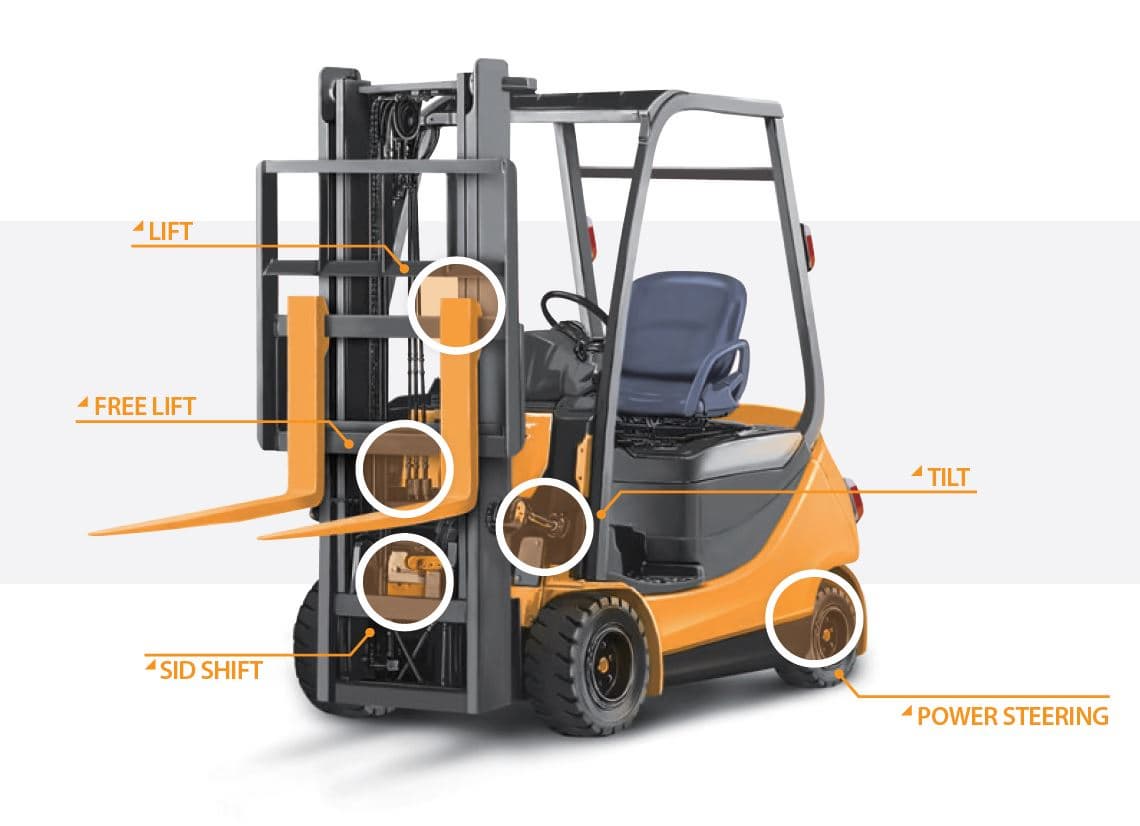
สามารถใช้กระบอกไฮดรอลิกในรถยกแบบโหลดด้านข้างได้หรือไม่?
ใช่แล้ว กระบอกไฮดรอลิกสามารถใช้ในรถยกแบบโหลดด้านข้างได้ ระบบไฮดรอลิก รวมถึงกระบอกไฮดรอลิก มักถูกนำมาใช้ในรถยกแบบโหลดด้านข้างและมีบทบาทสำคัญในการทำงานของรถยกประเภทนี้ ต่อไปนี้คือคำอธิบายเกี่ยวกับการใช้งาน:
รถยกแบบโหลดด้านข้าง หรือที่รู้จักกันในชื่อรถยกแบบไซด์โหลดเดอร์ ถูกออกแบบมาโดยเฉพาะสำหรับการขนถ่ายสิ่งของที่มีความยาวและขนาดใหญ่ เช่น ไม้แปรรูป ท่อ และวัสดุที่มีลักษณะยาวอื่นๆ รถยกเหล่านี้มีโครงสร้างที่เป็นเอกลักษณ์ที่ช่วยให้สามารถเข้าถึงสินค้าจากด้านข้างได้ ต่างจากรถยกแบบดั้งเดิมที่เข้าถึงจากด้านหน้าหรือด้านหลัง
กระบอกไฮดรอลิกในรถยกแบบโหลดด้านข้างมีความสำคัญต่อการทำงานของรถยก และมีส่วนช่วยในด้านต่างๆ ดังต่อไปนี้:
1. การเคลื่อนไหวด้านข้าง:
กระบอกไฮดรอลิกใช้เพื่อช่วยให้แท่นรับน้ำหนักหรืองาของรถยกแบบยกด้านข้างเคลื่อนที่ไปด้านข้างได้ โดยทั่วไปแล้วกระบอกเหล่านี้จะติดตั้งในแนวนอนและให้แรงที่จำเป็นในการยืดและหดงาหรือแท่น ทำให้สามารถเคลื่อนที่ไปด้านข้างได้อย่างแม่นยำ ระบบไฮดรอลิกควบคุมการยืดและหดของกระบอก ทำให้การขนถ่ายสิ่งของที่มีขนาดใหญ่และยาวเป็นไปอย่างมีประสิทธิภาพ
2. ความเสถียรในการรับน้ำหนัก:
กระบอกไฮดรอลิกยังมีส่วนช่วยในการรักษาเสถียรภาพของสินค้าในรถยกแบบยกด้านข้าง โดยการปรับความสูงและมุมของงาหรือแท่นวาง กระบอกไฮดรอลิกจะช่วยให้มั่นใจได้ว่าสินค้าจะมั่นคงในระหว่างการขนส่ง ระบบไฮดรอลิกช่วยให้ควบคุมตำแหน่งของสินค้าได้อย่างแม่นยำ ลดความเสี่ยงที่จะเกิดการเคลื่อนที่หรือพลิกคว่ำในระหว่างการยกด้านข้าง
3. การกระจายน้ำหนัก:
กระบอกไฮดรอลิกช่วยรักษาสมดุลการกระจายน้ำหนักที่เหมาะสมในรถยกแบบยกด้านข้าง โดยการปรับความสูงและมุมของแท่นรับน้ำหนักหรืองา กระบอกไฮดรอลิกจะช่วยกระจายน้ำหนักของสินค้าอย่างสม่ำเสมอทั่วทั้งรถยก ซึ่งช่วยให้รถยกมีความเสถียรและสมดุลขณะทำการยกด้านข้าง ลดความเสี่ยงต่อการพลิคว่ำหรือการบรรทุกเกินพิกัด
4. การควบคุมและความคล่องตัว:
ระบบไฮดรอลิก รวมถึงกระบอกสูบ ช่วยให้ควบคุมและเคลื่อนย้ายรถยกแบบยกด้านข้างได้อย่างแม่นยำ โดยการปรับการยืดและหดของกระบอกสูบ ผู้ปฏิบัติงานสามารถเคลื่อนที่ในพื้นที่แคบ จัดวางสินค้าได้อย่างแม่นยำ และทำการเคลื่อนไหวที่ละเอียดอ่อนได้อย่างง่ายดาย การตอบสนองและการควบคุมของระบบไฮดรอลิกช่วยเพิ่มประสิทธิภาพและความปลอดภัยโดยรวมของการทำงานยกด้านข้าง
โดยสรุปแล้ว กระบอกไฮดรอลิกเป็นส่วนประกอบสำคัญของรถยกแบบโหลดด้านข้าง ช่วยให้เคลื่อนที่ไปด้านข้างได้ ช่วยรักษาเสถียรภาพของสินค้า ช่วยรักษาสมดุลของน้ำหนักบรรทุก และให้การควบคุมและการบังคับเลี้ยว ด้วยการใช้พลังงานไฮดรอลิก กระบอกไฮดรอลิกเหล่านี้ช่วยให้การขนถ่ายสินค้าที่มีขนาดใหญ่และยาวในงานรถยกแบบโหลดด้านข้างเป็นไปอย่างมีประสิทธิภาพและปลอดภัย
 \
\
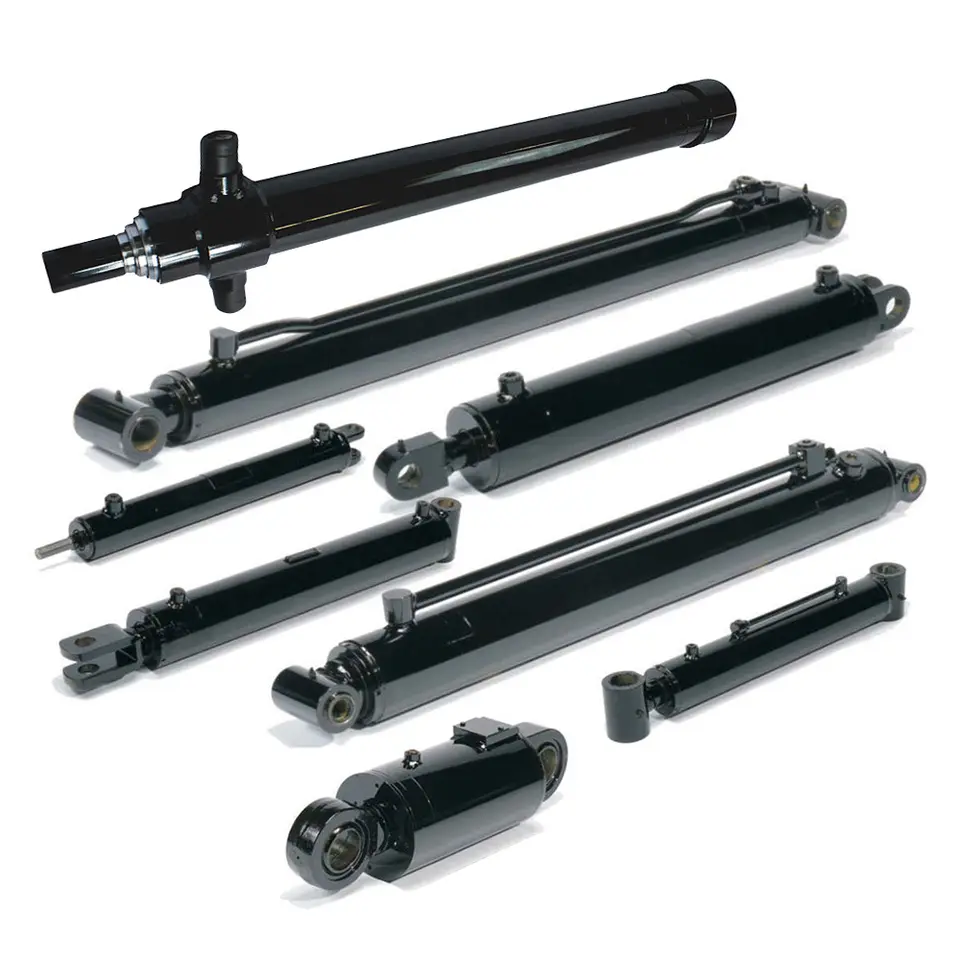
Can hydraulic cylinders be used in order fulfillment centers?
Yes, hydraulic cylinders can be used in order fulfillment centers. Order fulfillment centers require efficient and precise material handling equipment to handle the storage and movement of goods. Hydraulic cylinders are commonly used in various applications within these centers. Here’s an explanation of how they can be utilized:
Hydraulic cylinders find applications in order fulfillment centers in the following ways:
1. Conveyor Systems:
Conveyor systems are extensively used in order fulfillment centers for the transportation of goods. Hydraulic cylinders are employed to control the movement and positioning of conveyor belts. These cylinders enable smooth and precise adjustments of the conveyor height, ensuring efficient transfer of items between different processing areas.
2. Lift Tables and Platforms:
Hydraulic cylinders are utilized in lift tables and platforms used for order picking and loading/unloading operations. These cylinders provide controlled lifting and lowering of the tables or platforms, allowing operators to adjust the working height as needed. This enables ergonomic working conditions and precise alignment with shelving or loading docks.
3. Scissor Lifts:
Scissor lifts are commonly used in order fulfillment centers to reach elevated areas for order picking or stock replenishment. Hydraulic cylinders power the vertical movement of scissor lifts, providing stability and controlled elevation. The cylinders allow for precise positioning at different heights, enhancing efficiency and safety during the order fulfillment process.
4. Pallet Handling Equipment:
Order fulfillment centers often utilize pallet handling equipment, such as pallet jacks and pallet positioners, to move and stack palletized goods. Hydraulic cylinders are integral components of these machines, enabling the lifting and lowering of pallets. The cylinders provide the necessary force and control to handle heavy loads and ensure accurate placement of pallets.
5. Automated Guided Vehicles (AGVs):
AGVs are autonomous vehicles utilized in order fulfillment centers to transport goods within the facility. Hydraulic cylinders are employed in the lifting mechanisms of AGVs, allowing them to pick up and drop off loads at designated locations. The cylinders enable precise vertical movement and positioning of the load, ensuring accurate and efficient material handling.
In summary, hydraulic cylinders have various applications in order fulfillment centers, including conveyor systems, lift tables and platforms, scissor lifts, pallet handling equipment, and AGVs. These cylinders contribute to efficient and precise material handling, enhancing productivity and streamlining the order fulfillment process.
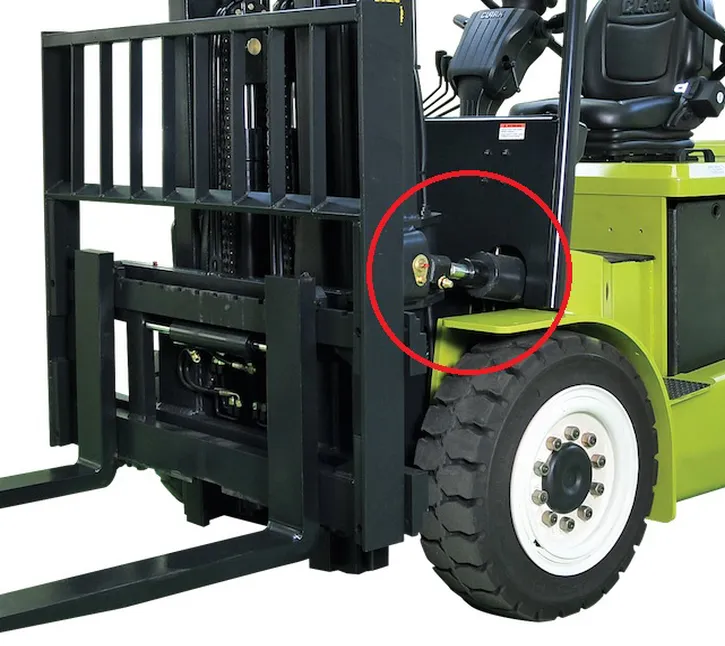
How Does a Forklift Hydraulic Cylinder Handle Variations in Lift Height?
A forklift hydraulic cylinder is responsible for raising and lowering the forks or lifting platform, allowing the forklift to handle loads at different heights. It handles variations in lift height through a combination of design features and hydraulic principles. Here’s a detailed explanation of how a forklift hydraulic cylinder handles variations in lift height:
1. Piston and Cylinder Design:
The hydraulic cylinder consists of a piston and a cylinder, which are sealed together to form a closed hydraulic system. The piston is connected to the forks or lifting platform, while the cylinder is fixed to the forklift frame. The design of the piston and cylinder allows for smooth movement and effective transfer of hydraulic pressure to generate lifting force.
2. Hydraulic Fluid and Pressure:
The hydraulic cylinder operates on the principle of Pascal’s Law, which states that when pressure is applied to a fluid in a closed system, it is transmitted equally in all directions. In the case of a forklift hydraulic cylinder, hydraulic fluid is used as the medium to transmit pressure. When hydraulic fluid is pumped into the cylinder, it creates pressure on the piston, causing it to move upward and lift the forks or lifting platform.
3. Cross-Sectional Area and Force:
The cross-sectional area of the piston within the hydraulic cylinder determines the force that can be exerted. A larger piston area can generate a greater lifting force. By varying the diameter of the piston, forklift manufacturers can adjust the lifting capacity and handle variations in lift height. Forklifts designed for heavier loads typically have larger piston areas to generate the necessary lifting force.
4. Valves and Controls:
The hydraulic system of a forklift includes valves and controls that regulate the flow of hydraulic fluid to the cylinder. These valves, such as control valves and relief valves, allow for precise control of the lifting operation. By adjusting the valves, operators can control the speed of ascent and descent, enabling smooth and controlled variations in lift height.
5. Telescopic Cylinders:
In some forklift designs, especially those used for high-reach applications, telescopic cylinders are employed. Telescopic cylinders consist of several nested stages that extend and retract, providing increased lift height. These cylinders allow for a compact design when retracted while offering extended reach when fully extended. Telescopic cylinders enable forklifts to handle variations in lift height without compromising stability or requiring excessively long cylinder strokes.
6. Stability and Counterbalancing:
Handling variations in lift height requires maintaining forklift stability. Forklifts are designed with counterweight systems to balance the load and prevent tipping. The hydraulic cylinder’s operation is coordinated with the counterweight system, ensuring that the center of gravity remains within safe limits during lifting and lowering operations. This counterbalancing helps maintain stability even when handling loads at different heights.
Through careful design, hydraulic principles, and the integration of valves and controls, a forklift hydraulic cylinder effectively handles variations in lift height. The combination of hydraulic pressure, piston and cylinder design, control mechanisms, and counterbalancing ensures precise and controlled lifting operations, allowing forklifts to safely handle loads at different heights as required in various material handling applications.


editor by CX 2023-10-19