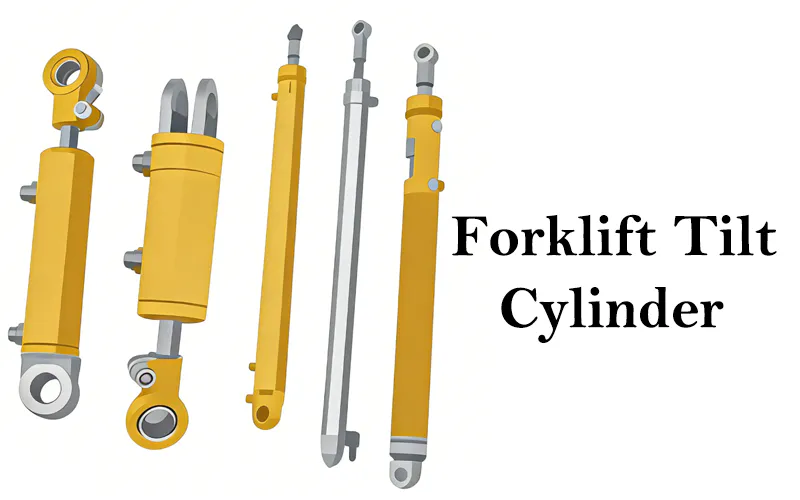
คำอธิบายผลิตภัณฑ์
Hydraulic Cylinder Description
| รายการ | กระบอกไฮดรอลิก |
| HS CODE | 8412210090 |
| Usage | Dump Truck,Dump Trailer,Tipper etc |
| พิมพ์ | FC,FE,FEE,FSE Telescopic Hydraulic Cylinder |
| Each Stage Diameter(mm) | 214/191/169/149/129/110/91/75/60mm, 202/179/1574/137/118/99/80/63mm |
| Max.Stroke | 11000mm |
ข้อมูลบริษัท
Zhongxin Machinery specialize in the production and R&D of Dump Truck&Trailer Telescopic Hydraulic Cylinder,
Dump Truck Hydraulic System,Agricultural Machinery Hydraulic Cylinder, Garbage Truck Hydraulic Cylinder,
Tipping Platform Hydraulic Cylinder,Snow Plow Hydraulic Cylinder and so on.
Over the years development,our products have been exported to
America,Australia,Russia,Canada,Mexico,Guatemala,Colombia,Netherlands etc
and have been widely praised by the customers from home and abroad.
We are committed to providing customers with high quality and reasonable price products.
All ZhongXin products are designed,engineered and manufactured by highly skilled and experienced engineers,
All the products do QC 3 times before delivery to make sure the quality.
Workshop Show
Hydraulic Cylinder Test
Package&Shipping
คำถามที่พบบ่อย
A. Compared with CHINAMFG cylinder, what are your cylinder advantages?
1. Rod are chrome plated.
2. Tubes are quenched and tempered.
3.Tube inner hole goes through deep hole boring machine processing. Surface roughness is 0.4Ra
and circular degree is 0.571.
4. Good quality yet lower price.
B: Are you a manufacture or a trade company?
Manufacture, we are the leader manufacturer of hydraulic industry in China with 14 years’ experience and technology accumulation.
With strong technical team we could solve any annoyance of you.
C: How can I get a booklet and buy a cylinder from you?
Just leave me a message or email or call me directly, let me know you are interesting in our products. I will talk with you for the details soon!
1. Please advice the drawing with technical requirement.
2. Please advice the model No. after you check our booklet.
3. Please advice the tipping capacity, number of stages, closed length, mounting type and size.
4. Please also help advice the quantities, this is very important.
D: Do your products come with a warranty?
Yes, we have 14 months warranty. In this year, if the quality problem we will free repair for you.
E: What about the quality feedback of your products?
We have never received even once quality complaint for many years of international business.
F: Can you help me to install or recommend what kind of hydraulic cylinder or power pack should I use for specific machine?
Yes, we have 6 experienced engineers who are always ready to help you. If you do not know what kind of hydraulic cylinders should be used in your machine, please just contact us, our engineers will design the exact products match your need.
G: What is the delivery time?
Within 15 days for samples.
25-30 days for bulk production, which is depend on quality, production process and so on.
H: What is your main payment term?
T/T, L/C, either is available.
| การรับรอง: | ซีอี, ไอโอเอส9001 |
|---|---|
| ความดัน: | ความดันสูง |
| อุณหภูมิในการทำงาน: | อุณหภูมิปกติ |
| วิธีการแสดง: | ออกฤทธิ์เดี่ยว |
| วิธีการทำงาน: | การเดินทางตรง |
| แบบฟอร์มที่ปรับปรุงแล้ว: | ประเภทควบคุม |
| การปรับแต่ง: |
มีอยู่
|
|
|---|
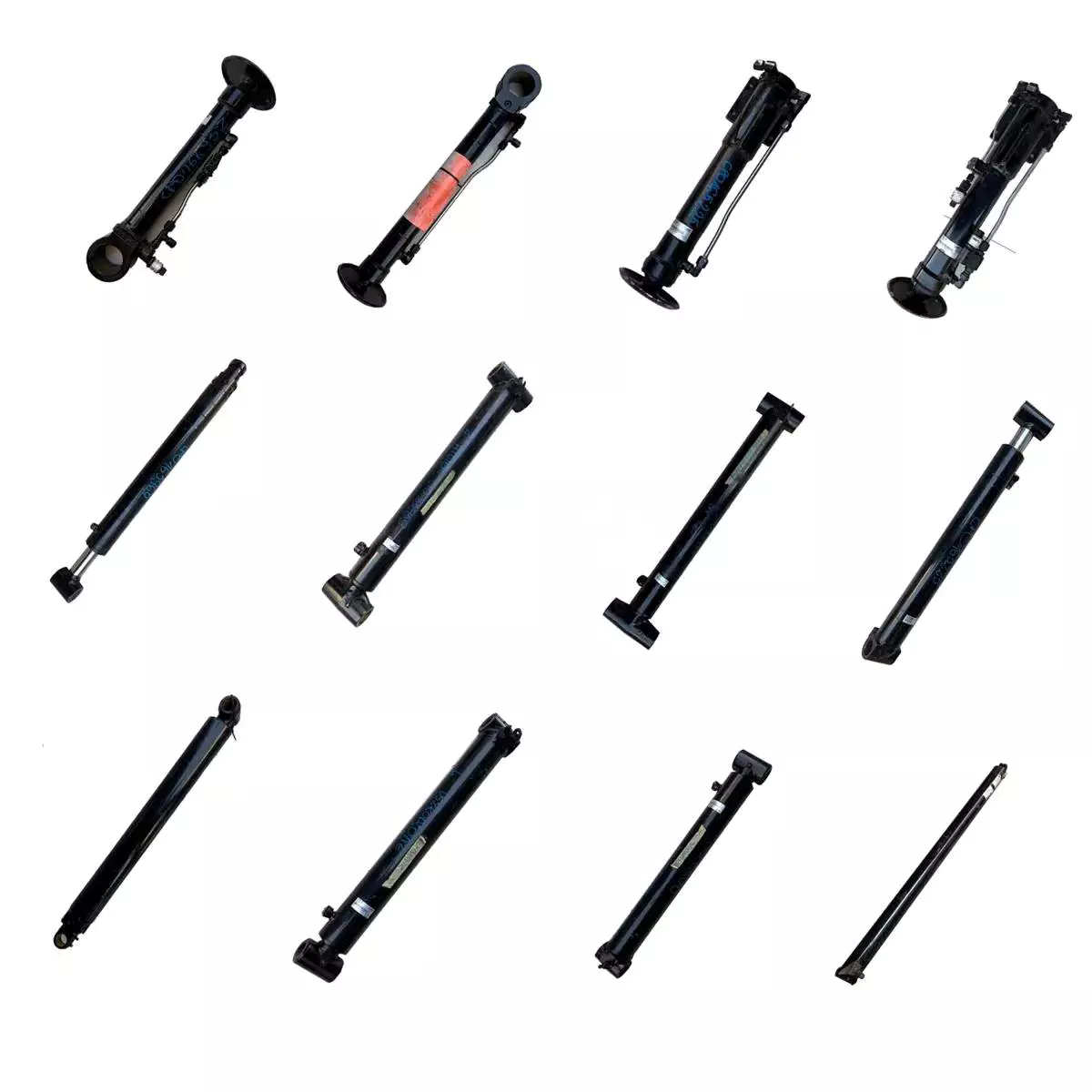
How do hydraulic cylinders handle the challenges of precise positioning and control?
Hydraulic cylinders are designed to handle the challenges of precise positioning and control with a combination of engineering principles and advanced control systems. These challenges often arise in applications where accurate and controlled movements are required, such as in industrial automation, construction, and material handling. Here’s a detailed explanation of how hydraulic cylinders overcome these challenges:
1. Fluid Power Control:
– Hydraulic cylinders utilize fluid power control to achieve precise positioning and control. The hydraulic system consists of a hydraulic pump, control valves, and hydraulic fluid. By regulating the flow of hydraulic fluid into and out of the cylinder, operators can control the speed, direction, and force exerted by the cylinder. The fluid power control allows for smooth and accurate movements, enabling precise positioning of the hydraulic cylinder and the attached load.
2. Control Valves:
– Control valves play a crucial role in handling the challenges of precise positioning and control. These valves are responsible for directing the flow of hydraulic fluid within the system. They can be manually operated or electronically controlled. Control valves allow operators to adjust the flow rate of the hydraulic fluid, controlling the speed of the cylinder’s movement. By modulating the flow, operators can achieve fine control over the positioning of the hydraulic cylinder, enabling precise and accurate movements.
3. Proportional Control:
– Hydraulic cylinders can be equipped with proportional control systems, which offer enhanced precision in positioning and control. Proportional control systems utilize electronic feedback and control algorithms to precisely regulate the flow and pressure of the hydraulic fluid. These systems provide accurate and proportional control over the movement of the hydraulic cylinder, allowing for precise positioning at various points along its stroke length. Proportional control enhances the cylinder’s ability to handle complex tasks that require precise movements and control.
4. Position Feedback Sensors:
– To achieve precise positioning, hydraulic cylinders often incorporate position feedback sensors. These sensors provide real-time information about the position of the cylinder’s piston rod. Common types of position feedback sensors include potentiometers, linear variable differential transformers (LVDTs), and magnetostrictive sensors. By continuously monitoring the position, the feedback sensors enable closed-loop control, allowing for accurate positioning and control of the hydraulic cylinder. The feedback information is used to adjust the flow of hydraulic fluid to achieve the desired position accurately.
5. Servo Control Systems:
– Advanced hydraulic systems employ servo control systems to handle the challenges of precise positioning and control. Servo control systems combine electronic control, position feedback sensors, and proportional control valves to achieve high levels of accuracy and responsiveness. The servo control system continuously compares the desired position with the actual position of the hydraulic cylinder and adjusts the flow of hydraulic fluid to minimize any positional error. This closed-loop control mechanism enables the hydraulic cylinder to maintain precise positioning and control, even under varying loads or external disturbances.
6. Integrated Automation:
– Hydraulic cylinders can be integrated into automated systems to achieve precise positioning and control. In such setups, the hydraulic cylinders are controlled by programmable logic controllers (PLCs) or other automation controllers. These controllers receive input signals from various sensors and use pre-programmed logic to command the hydraulic cylinder’s movements. The integration of hydraulic cylinders into automated systems allows for precise and repeatable positioning and control, enabling complex sequences of movements to be executed with high accuracy.
7. Advanced Control Algorithms:
– Advancements in control algorithms have also contributed to the precise positioning and control of hydraulic cylinders. These algorithms, such as PID (Proportional-Integral-Derivative) control, adaptive control, and model-based control, enable sophisticated control strategies to be implemented. These algorithms consider factors such as load variations, system dynamics, and environmental conditions to optimize the control of hydraulic cylinders. By employing advanced control algorithms, hydraulic cylinders can compensate for disturbances and achieve precise positioning and control over a wide range of operating conditions.
In summary, hydraulic cylinders overcome the challenges of precise positioning and control through the use of fluid power control, control valves, proportional control, position feedback sensors, servo control systems, integrated automation, and advanced control algorithms. By combining these elements, hydraulic cylinders can achieve accurate and controlled movements, enabling precise positioning and control in various applications. These capabilities are essential for industries that require high precision and repeatability in their operations, such as industrial automation, robotics, and material handling.
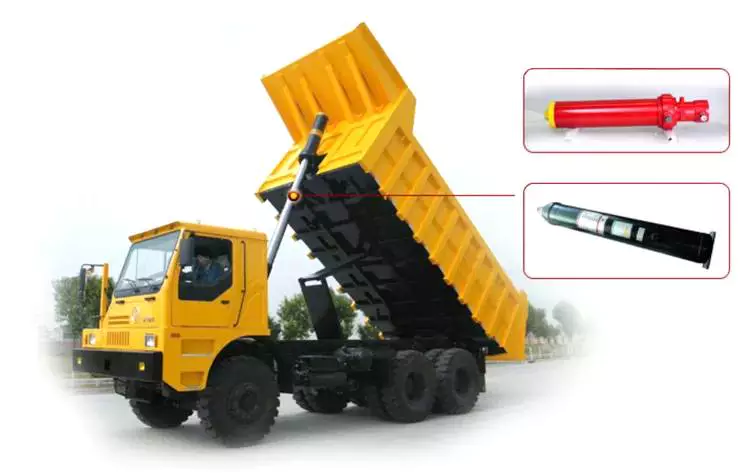
ความก้าวหน้าในเทคโนโลยีกระบอกไฮดรอลิกช่วยเพิ่มความต้านทานการกัดกร่อน
ความก้าวหน้าในเทคโนโลยีของกระบอกไฮดรอลิกส่งผลให้ความต้านทานต่อการกัดกร่อนดีขึ้นอย่างมาก การกัดกร่อนเป็นปัญหาสำคัญในระบบไฮดรอลิก โดยเฉพาะอย่างยิ่งในสภาพแวดล้อมที่กระบอกไฮดรอลิกสัมผัสกับความชื้น สารเคมี หรือสารกัดกร่อน ความก้าวหน้าเหล่านี้มีจุดมุ่งหมายเพื่อเพิ่มความทนทานและอายุการใช้งานของกระบอกไฮดรอลิก เรามาสำรวจความก้าวหน้าสำคัญบางประการในเทคโนโลยีของกระบอกไฮดรอลิกที่ช่วยเพิ่มความต้านทานต่อการกัดกร่อนกัน:
- วัสดุที่ทนต่อการกัดกร่อน: การใช้วัสดุที่ทนต่อการกัดกร่อนถือเป็นความก้าวหน้าพื้นฐานในเทคโนโลยีของกระบอกไฮดรอลิก ตัวอย่างเช่น เหล็กกล้าไร้สนิมมีความทนทานต่อการกัดกร่อนได้ดีเยี่ยม ทำให้เป็นที่นิยมใช้ในงานทางทะเล งานนอกชายฝั่ง และสภาพแวดล้อมที่มีการกัดกร่อนอื่นๆ นอกจากนี้ ความก้าวหน้าในด้านโลหะวิทยาได้นำไปสู่การพัฒนาโลหะผสมและสารเคลือบพิเศษที่ให้ความทนทานต่อการกัดกร่อนที่เพิ่มขึ้น ช่วยยืดอายุการใช้งานของกระบอกไฮดรอลิก
- การปรับสภาพพื้นผิวและการเคลือบผิว: มีการพัฒนาวิธีการเคลือบผิวและกรรมวิธีต่างๆ เพื่อป้องกันการกัดกร่อนของกระบอกไฮดรอลิก วิธีการเหล่านี้อาจรวมถึงการชุบด้วยไฟฟ้า การชุบสังกะสี การเคลือบผง และการเคลือบป้องกันการกัดกร่อนแบบพิเศษ การเคลือบเหล่านี้สร้างเกราะป้องกันระหว่างพื้นผิวกระบอกกับองค์ประกอบที่ก่อให้เกิดการกัดกร่อน ป้องกันการสัมผัสโดยตรงและยับยั้งการเกิดการกัดกร่อน การเลือกใช้การเคลือบที่เหมาะสมนั้นขึ้นอยู่กับการใช้งานเฉพาะและสภาพแวดล้อม
- เทคโนโลยีการปิดผนึก: ระบบซีลที่มีประสิทธิภาพมีความสำคัญอย่างยิ่งในการป้องกันไม่ให้น้ำ ความชื้น และสิ่งปนเปื้อนเข้าไปในกระบอกสูบและก่อให้เกิดการกัดกร่อน ความก้าวหน้าในเทคโนโลยีการซีลได้นำไปสู่การพัฒนาซีลคุณภาพสูงและการออกแบบซีลขั้นสูงที่ให้ความต้านทานต่อการกัดกร่อนที่เหนือกว่า ซีลเหล่านี้มักทำจากวัสดุที่ได้รับการออกแบบมาเป็นพิเศษเพื่อทนต่อสภาพแวดล้อมที่กัดกร่อน ทำให้มั่นใจได้ถึงประสิทธิภาพการซีลในระยะยาวและลดความเสี่ยงของปัญหาที่เกี่ยวข้องกับการกัดกร่อน
- ปรับปรุงพื้นผิวให้เรียบเนียนยิ่งขึ้น: พื้นผิวของกระบอกไฮดรอลิกมีบทบาทสำคัญต่อความต้านทานต่อการกัดกร่อน ความก้าวหน้าในเทคนิคการกลึงและการขัดเงาทำให้ได้พื้นผิวที่เรียบเนียนและสม่ำเสมอยิ่งขึ้น พื้นผิวที่เรียบเนียนช่วยลดโอกาสการเกิดการกัดกร่อนและทำให้ทำความสะอาดและบำรุงรักษากระบอกไฮดรอลิกได้ง่ายขึ้น นอกจากนี้ ยังสามารถใช้การเคลือบผิวแบบพิเศษ เช่น การทำให้เกิดชั้นป้องกันการกัดกร่อนหรือการบำบัดทางเคมี เพื่อเพิ่มความต้านทานต่อการกัดกร่อนให้ดียิ่งขึ้นไปอีก
- คุณสมบัติการรักษาสิ่งแวดล้อม: กระบอกไฮดรอลิกสามารถติดตั้งคุณสมบัติเพิ่มเติมเพื่อป้องกันการกัดกร่อนได้ คุณสมบัติเหล่านี้อาจรวมถึงปลอกป้องกัน ท่ออ่อน หรือแผ่นป้องกันที่ช่วยปกป้องบริเวณที่เสี่ยงต่อการสัมผัสกับสารกัดกร่อน การรวมองค์ประกอบป้องกันเหล่านี้เข้ากับการออกแบบจะช่วยให้กระบอกไฮดรอลิกสามารถทนต่อสภาพแวดล้อมที่รุนแรงและลดความเสี่ยงต่อความเสียหายที่เกิดจากการกัดกร่อนได้
โดยสรุปแล้ว ความก้าวหน้าในเทคโนโลยีของกระบอกไฮดรอลิกได้ช่วยเพิ่มความต้านทานการกัดกร่อนอย่างมีนัยสำคัญ การใช้วัสดุที่ทนต่อการกัดกร่อน การปรับปรุงการรักษาพื้นผิวและการเคลือบผิว การใช้เทคโนโลยีการซีลที่เป็นนวัตกรรมใหม่ การตกแต่งพื้นผิวที่ดีขึ้น และการรวมคุณสมบัติการปกป้องสิ่งแวดล้อม ล้วนมีส่วนช่วยเพิ่มความทนทานและอายุการใช้งานของกระบอกไฮดรอลิกในสภาพแวดล้อมที่มีการกัดกร่อน ความก้าวหน้าเหล่านี้ช่วยให้มั่นใจได้ถึงประสิทธิภาพที่เชื่อถือได้ และลดค่าใช้จ่ายในการบำรุงรักษาและการเปลี่ยนชิ้นส่วนที่เกี่ยวข้องกับปัญหาที่เกิดจากการกัดกร่อน
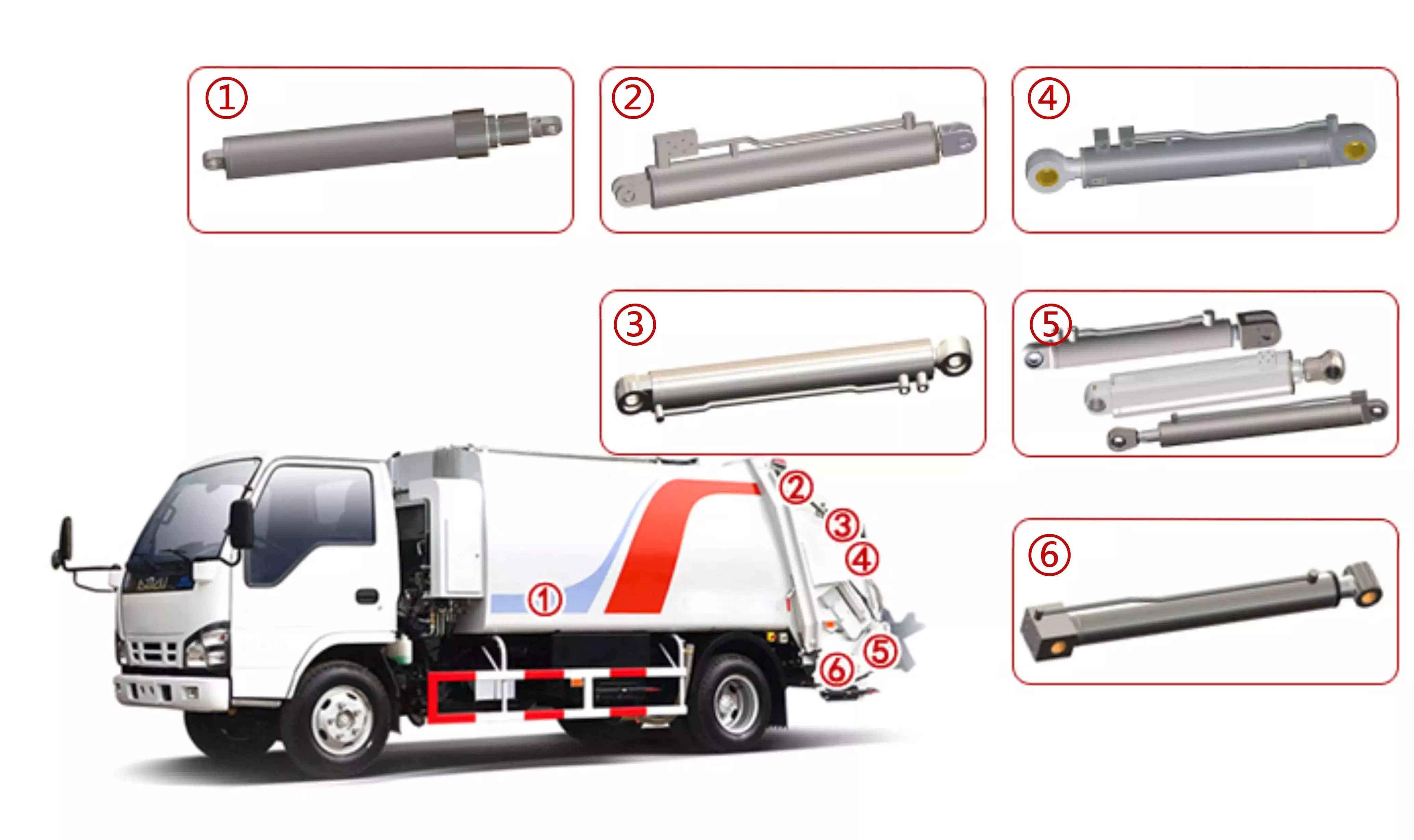
กระบอกไฮดรอลิกปรับตัวอย่างไรให้สามารถรองรับการเปลี่ยนแปลงของระยะชักและแรงที่ต้องการได้?
กระบอกไฮดรอลิกได้รับการออกแบบมาเพื่อรองรับความแปรผันของระยะชักและความต้องการแรงดัน ทำให้มีความยืดหยุ่นและปรับตัวได้สำหรับการใช้งานที่หลากหลาย สามารถปรับแต่งให้ตรงตามความต้องการเฉพาะได้โดยพิจารณาจากปัจจัยต่างๆ เช่น เส้นผ่านศูนย์กลางลูกสูบ เส้นผ่านศูนย์กลางก้านสูบ แรงดันไฮดรอลิก และการออกแบบกระบอกสูบ ต่อไปนี้เป็นคำอธิบายโดยละเอียดเกี่ยวกับวิธีการที่กระบอกไฮดรอลิกสามารถรองรับความแปรผันของระยะชักและความต้องการแรงดัน:
1. ขนาดและดีไซน์ของกระบอกสูบ:
– กระบอกไฮดรอลิกมีหลายขนาดและหลายแบบเพื่อให้เหมาะกับระยะชักและแรงที่ต้องการแตกต่างกัน เส้นผ่านศูนย์กลางของกระบอก พื้นที่หน้าตัดของลูกสูบ และเส้นผ่านศูนย์กลางของก้านสูบเป็นปัจจัยสำคัญที่กำหนดแรงที่ได้ กระบอกที่มีเส้นผ่านศูนย์กลางและพื้นที่หน้าตัดของลูกสูบมากจะสร้างแรงได้มากกว่า ในขณะที่กระบอกที่มีเส้นผ่านศูนย์กลางเล็กกว่าเหมาะสำหรับงานที่ต้องการแรงน้อยกว่า โดยการเลือกขนาดและแบบของกระบอกที่เหมาะสม ระยะชักและแรงที่ต้องการก็สามารถตอบสนองได้อย่างมีประสิทธิภาพ
2. การจัดวางลูกสูบและก้านสูบ:
– กระบอกไฮดรอลิกสามารถออกแบบได้โดยใช้การจัดเรียงลูกสูบและก้านที่แตกต่างกัน เพื่อรองรับความยาวช่วงชักที่หลากหลาย กระบอกแบบทำงานด้านเดียวมีลูกสูบเพียงตัวเดียวและสามารถให้ช่วงชักได้ในทิศทางเดียว กระบอกแบบทำงานสองด้านมีลูกสูบอยู่ทั้งสองด้าน ทำให้สามารถให้ช่วงชักได้ทั้งสองทิศทาง กระบอกแบบยืดหดได้ประกอบด้วยหลายส่วนที่สามารถยืดและหดได้ ทำให้มีความยาวช่วงชักมากกว่ากระบอกมาตรฐาน การเลือกการจัดเรียงลูกสูบและก้านที่เหมาะสม จะทำให้ได้ความยาวช่วงชักที่ต้องการ
3. แรงดันและอัตราการไหลของระบบไฮดรอลิก:
– แรงดันไฮดรอลิกและอัตราการไหลของของเหลวที่ส่งไปยังกระบอกสูบมีบทบาทสำคัญในการรองรับความต้องการแรงที่แตกต่างกัน การเพิ่มแรงดันไฮดรอลิกจะเพิ่มแรงที่กระบอกสูบสร้างขึ้น ทำให้สามารถรับมือกับความต้องการแรงที่สูงขึ้นได้ โดยการปรับแรงดันและอัตราการไหลผ่านวาล์วและปั๊มไฮดรอลิก แรงที่ได้สามารถควบคุมและปรับให้เหมาะสมกับความต้องการเฉพาะของการใช้งานได้
4. การปรับแต่งและออกแบบเฉพาะ:
– กระบอกไฮดรอลิกสามารถปรับแต่งและออกแบบให้ตรงตามความยาวช่วงชักและแรงดันที่ต้องการได้ ผู้ผลิตมีขนาดกระบอก ความยาวช่วงชัก และกำลังรับแรงให้เลือกมากมาย นอกจากนี้ ยังสามารถผลิตกระบอกที่ออกแบบพิเศษเพื่อให้เหมาะกับการใช้งานเฉพาะที่มีความยาวช่วงชักและแรงดันที่ต้องการได้ โดยการทำงานร่วมกับผู้ผลิตกระบอกไฮดรอลิกอย่างใกล้ชิด จะสามารถจัดหากระบอกที่ตรงกับความยาวช่วงชักและแรงดันที่ต้องการได้อย่างแม่นยำ
5. กระบอกสูบหลายตัวและการซิงโครไนซ์:
– ในงานที่ต้องการแรงสูงหรือระยะชักยาว สามารถใช้กระบอกไฮดรอลิกหลายตัวร่วมกันได้ โดยการประสานการเคลื่อนที่ของกระบอกหลายตัวผ่านระบบไฮดรอลิก จะช่วยเพิ่มระยะชักและแรงที่ส่งออกมาได้อย่างมีประสิทธิภาพ การประสานสามารถทำได้โดยใช้กลไกเชื่อมต่อ การควบคุมทางอิเล็กทรอนิกส์ หรือวงจรไฮดรอลิก เพื่อให้มั่นใจได้ว่าการเคลื่อนที่และการกระจายแรงไปยังกระบอกต่างๆ นั้นเป็นไปอย่างสอดคล้องกัน
6. การตรวจจับภาระและการควบคุมแรงดัน:
– ระบบไฮดรอลิกสามารถผสานรวมกลไกการตรวจจับภาระและการควบคุมแรงดันเพื่อรองรับความแปรผันของความต้องการแรง ระบบตรวจจับภาระจะตรวจสอบความต้องการภาระและปรับแรงดันไฮดรอลิกให้เหมาะสม เพื่อให้แน่ใจว่ากระบอกสูบส่งแรงที่ต้องการโดยไม่ใช้แรงมากเกินไป วาล์วควบคุมแรงดันจะควบคุมแรงดันภายในระบบไฮดรอลิก ทำให้สามารถควบคุมและปรับแรงที่ส่งออกได้อย่างแม่นยำตามความต้องการของงาน
7. ข้อควรพิจารณาด้านความปลอดภัย:
– เมื่อต้องปรับเปลี่ยนความยาวช่วงชักและความต้องการแรงดัน จำเป็นอย่างยิ่งที่จะต้องคำนึงถึงปัจจัยด้านความปลอดภัย ควรเลือกและออกแบบกระบอกไฮดรอลิกโดยมีระยะปลอดภัยที่เหมาะสมเพื่อรับมือกับภาระที่ไม่คาดคิดหรือการเปลี่ยนแปลงในสภาวะการทำงาน กลไกความปลอดภัย เช่น วาล์วป้องกันการโอเวอร์โหลดและวาล์วระบายแรงดัน สามารถติดตั้งเพิ่มเติมเพื่อป้องกันความเสียหายหรือความล้มเหลวในกรณีที่แรงดันเกินขีดจำกัด
ด้วยการพิจารณาปัจจัยต่างๆ เช่น ขนาดและการออกแบบของกระบอกสูบ การจัดเรียงลูกสูบและก้านสูบ แรงดันและอัตราการไหลของไฮดรอลิก ตัวเลือกการปรับแต่ง การซิงโครไนซ์ การตรวจจับภาระ การควบคุมแรงดัน และข้อควรพิจารณาด้านความปลอดภัย กระบอกสูบไฮดรอลิกจึงสามารถรองรับความแปรผันของความยาวช่วงชักและความต้องการแรงได้อย่างมีประสิทธิภาพ ความยืดหยุ่นนี้ช่วยให้สามารถปรับแต่งกระบอกสูบไฮดรอลิกให้ตรงตามความต้องการเฉพาะของงานใช้งานที่หลากหลาย ทำให้มั่นใจได้ถึงประสิทธิภาพและประสิทธิผลสูงสุด


editor by CX 2023-11-30