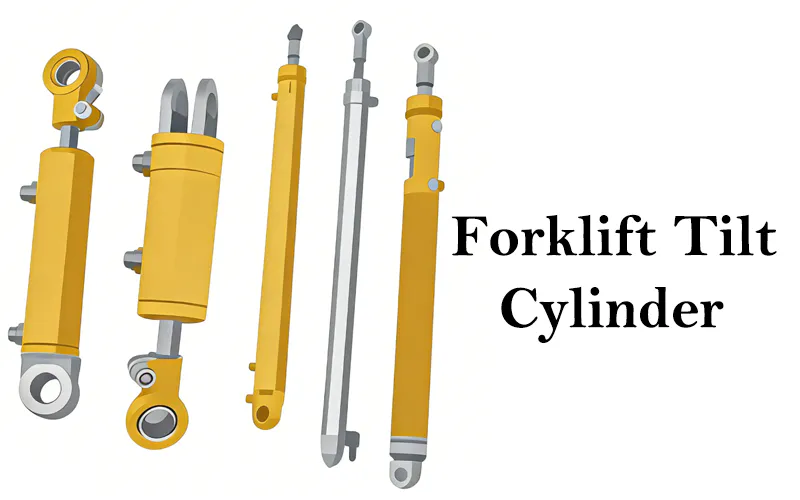
1. Why Cold Chain Fleets Demand a Different Standard from a Forklift Tilt Cylinder
Colombia’s cold chain logistics sector — spanning refrigerated export hubs near Buenaventura and Cartagena, perishable distribution centres around Bogotá and Medellín, and the pharmaceutical cold storage network supporting the country’s growing healthcare and vaccine distribution requirements — places hydraulic equipment under conditions that few other forklift applications encounter. A forklift tilt cylinder operating inside a −18°C frozen storage room, or cycling repeatedly between a 4°C chilled dock and ambient outdoor loading bays, experiences thermal cycling, condensation, and seal-material stress that simply does not occur in standard dry warehouse operation. Equipment specified without this duty cycle in mind tends to fail prematurely, and a forklift tilt cylinder failure inside a cold room is rarely a minor inconvenience — it typically means an idle forklift blocking a narrow rack aisle while perishable inventory sits exposed to temperature excursion risk.
The specific engineering challenge a forklift tilt cylinder faces in cold chain service comes down to material behaviour at low temperature. Standard hydraulic seal compounds, designed and tested primarily for ambient and high-temperature performance, can lose elasticity and sealing effectiveness as temperature drops, particularly during the repeated freeze-thaw cycling that occurs when forklifts move between frozen, chilled, and ambient zones multiple times per shift. Hydraulic fluid viscosity also changes substantially at low temperature, affecting how the forklift tilt cylinder responds to control input — a forklift that tilts smoothly and predictably at 20°C may exhibit sluggish, jerky, or delayed tilt response once moved into sub-zero storage, directly affecting operator control and load stability.
This article examines how forklift tilt cylinder construction, seal material selection, and lubricant specification combine to determine cold chain reliability, and what Colombian logistics operators handling frozen and chilled goods should look for when specifying forklift tilt cylinder equipment for this demanding application.
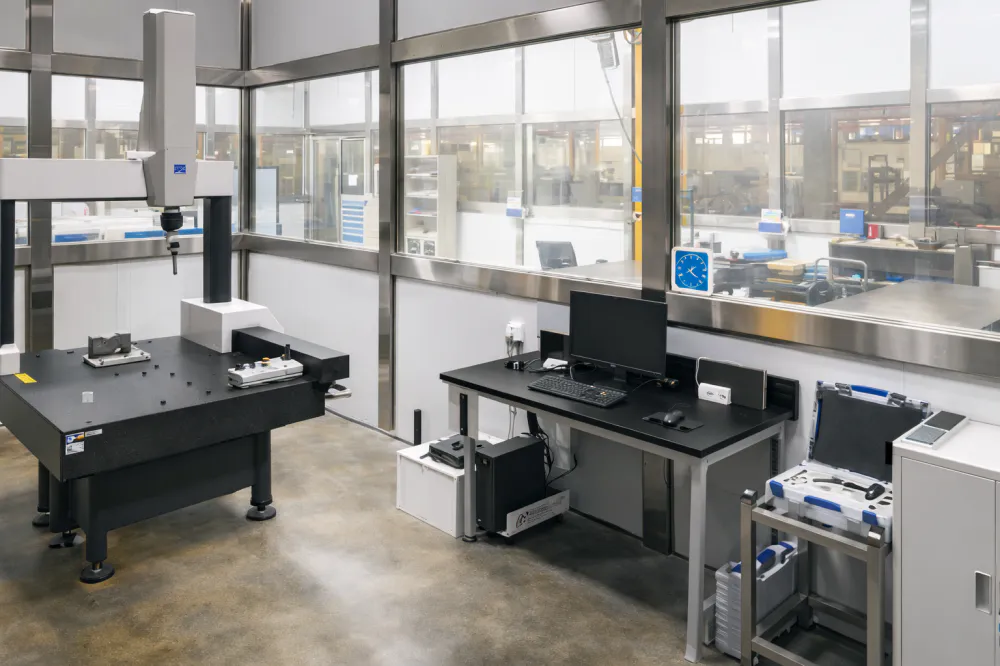
2. How Tilt Cylinders Perform Inside Cold Storage and Freezer Environments
Inside a −18°C to −25°C blast freezer or frozen storage room — the standard temperature range for frozen protein, seafood, and ice cream distribution across Colombia’s cold chain network — the forklift tilt cylinder must continue delivering consistent, controllable tilt response despite the dramatic change in both seal material behaviour and hydraulic fluid characteristics. Elastomer seals that perform well at ambient temperature can become noticeably stiffer at sub-zero temperatures, increasing breakout friction and making the initial movement of the forklift tilt cylinder feel abrupt rather than smooth. This is particularly relevant for cold chain operators because forklifts often start a shift in a chilled receiving dock, then move repeatedly in and out of a deep-freeze storage area, exposing the same forklift tilt cylinder seals to repeated thermal cycling within a single working period.
Condensation and moisture ingress present a second major challenge specific to cold chain duty. When a forklift exits a freezer into a warmer ambient or chilled-dock environment, moisture in the air condenses rapidly on cold metal surfaces — including the exposed portion of the forklift tilt cylinder rod. Without an effective wiper seal and corrosion-resistant rod surface treatment, this condensation cycle accelerates rod pitting and corrosion far faster than would occur in a stable, dry warehouse environment. Over months of repeated temperature transitions, this corrosion can damage the rod surface enough to compromise the primary seal, leading to internal leakage and tilt drift precisely in the application where reliable, predictable tilt control matters most for safe handling of stacked perishable loads.
Hydraulic fluid viscosity grade selection plays an equally important role in forklift tilt cylinder cold chain forklift tilt cylinder performance. Standard ISO VG 46 or VG 68 hydraulic oil, commonly used in general warehouse forklift fleets, can become noticeably more viscous at sub-zero temperatures, slowing flow through the tilt circuit and producing the sluggish response operators sometimes describe when a forklift first enters a freezer area. Cold chain fleet operators frequently specify lower-viscosity, cold-rated hydraulic fluid for forklifts dedicated to freezer duty specifically to maintain consistent forklift tilt cylinder response across the full temperature range the equipment will encounter during a typical operating cycle.
3. Manufacturing Structure for Cold Chain Duty
A forklift tilt cylinder intended for reliable cold chain service incorporates structural design choices that address the specific stresses of repeated thermal cycling, beyond what a standard ambient-duty cylinder requires. The gland design at the rod exit point is one of the most critical structural elements, since this is where the cylinder is most exposed to the condensation and moisture cycling described above. A robust gland incorporates a primary wiper seal positioned to clear moisture and frost residue from the rod surface before it reaches the primary sealing element, preventing the gradual ice or frost buildup that can otherwise interfere with smooth rod travel during cold starts.
Barrel and end cap material selection also factors into cold chain durability. Forklift tilt cylinder steel components must maintain adequate impact toughness at low temperature — some steel grades become more brittle as temperature drops, a property that matters if the cylinder experiences any impact loading during forklift operation in the often tighter aisle clearances typical of cold storage facilities designed to maximise refrigerated cubic capacity. Manufacturing structure decisions around steel grade selection and stress-relief processing after welding or machining directly affect how a forklift tilt cylinder performs structurally across the temperature range it will experience in cold chain service.
Clevis pin and bushing tolerances also deserve attention in cold-rated cylinder design, since differential thermal contraction between dissimilar materials at the pin-bushing interface can introduce unwanted play or, conversely, excessive tightness as temperature drops. Selecting bushing materials with thermal expansion characteristics compatible with the surrounding steel components helps maintain consistent mechanical fit across the operating temperature range, supporting the smooth, predictable tilt response that cold chain operators depend on for safe load handling in racking systems where clearance margins are often tighter than in standard ambient warehouse layouts.
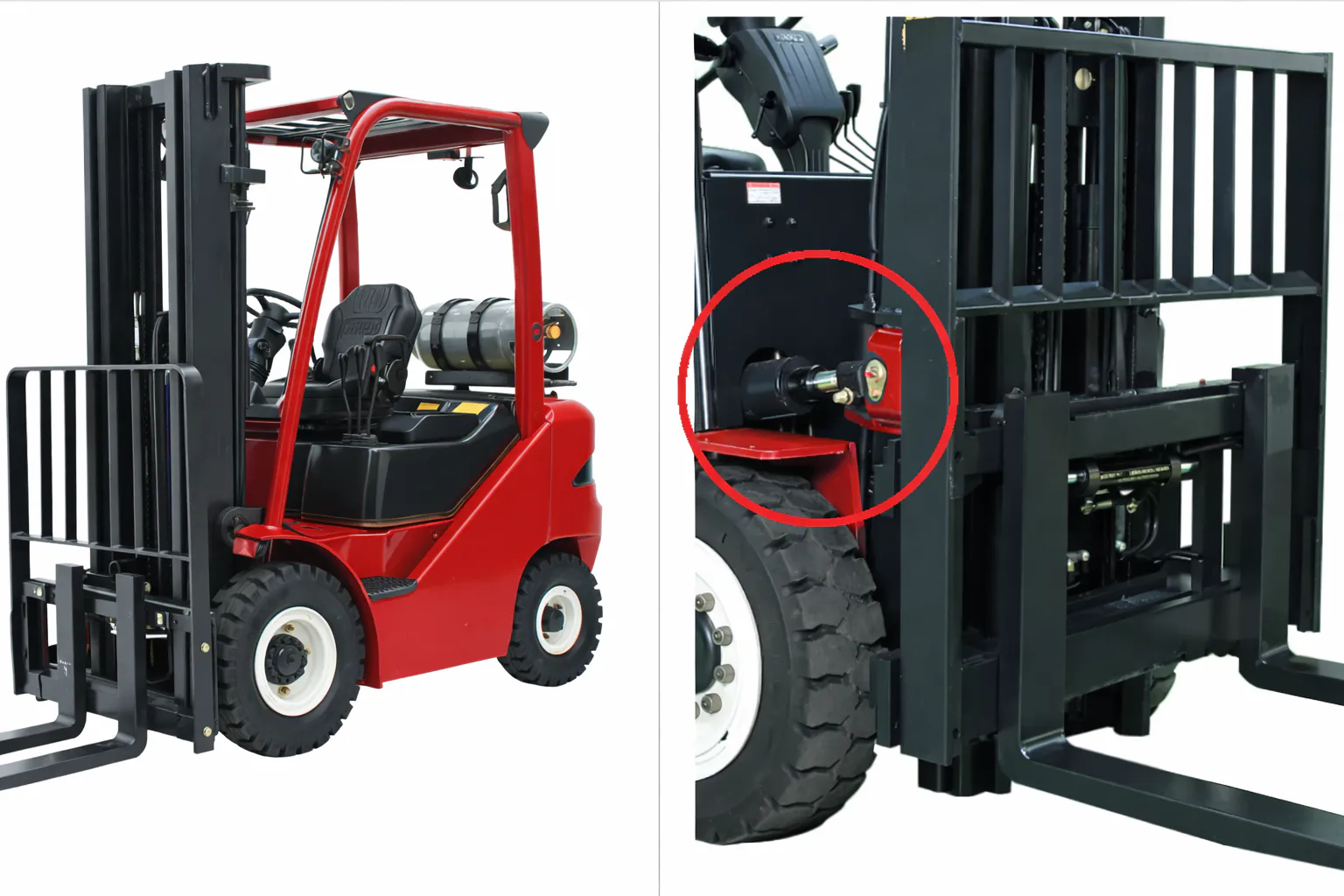
4. Material System for Sub-Zero and Freeze-Thaw Service
Material specification is the single most important factor separating a forklift tilt cylinder suited to cold chain logistics from a general-purpose unit. Each forklift tilt cylinder component must be matched to the operating temperature range. Each component in the assembly must be selected with low-temperature performance and repeated freeze-thaw cycling explicitly considered.
Cold-Rated Seal Compounds
Polyurethane and low-temperature nitrile (NBR) seal formulations selected to retain flexibility and sealing force down to −30°C or lower, avoiding the stiffening and reduced sealing contact pressure that standard ambient-rated seal compounds exhibit in freezer conditions.
Corrosion-Resistant Rod Plating
Hard chrome plating to extended thickness specification with a fine surface finish, providing the corrosion resistance needed to withstand the repeated condensation cycling that occurs as the rod transitions between freezer and ambient or chilled environments multiple times per shift.
Wiper Seal and Gland Design
A dedicated wiper seal at the rod gland clears moisture, frost, and condensation from the rod surface before it can reach the primary seal, reducing internal contamination and slowing the corrosion process that otherwise accelerates in repeated freeze-thaw conditions.
Impact-Tough Barrel Steel
Steel grades selected and processed for adequate Charpy impact toughness at low operating temperature, maintaining structural reliability under the impact loading that can occur in the tighter aisle clearances common to cold storage racking layouts.
5. Working Principle in Cold Chain Operating Conditions
The basic working principle of a forklift tilt cylinder remains unchanged in cold chain service: hydraulic fluid directed into one chamber extends the piston rod, while fluid in the opposite chamber returns to tank, and because the rod connects to the mast at a fixed moment-arm distance from its pivot, this linear motion produces the rotational tilt that angles the fork carriage forward or backward. What changes meaningfully in cold storage operation is the speed and consistency of this response, driven by the combined effect of cold hydraulic fluid viscosity and seal material behaviour described earlier in this article.
In a well-specified cold-rated forklift tilt cylinder paired with appropriate low-viscosity hydraulic fluid, the operator experiences tilt response that remains reasonably consistent whether the forklift is working in a 4°C chilled dock or a −20°C deep-freeze area. This consistency matters directly for load safety — when stacking palletised frozen goods at height in narrow cold-storage racking, an operator needs predictable tilt behaviour to set the load angle correctly on the first attempt, since repeated tilt adjustments in confined freezer aisles increase both cycle time and the risk of rack contact.
Holding tilt position under load without drift remains just as important in cold chain applications as in any other forklift duty, but the consequences of drift are arguably more serious in this context. A forklift holding a stacked pallet of frozen product at an elevated position in a narrow aisle that experiences even minor forklift tilt cylinder drift risks load shift against adjacent racking, potentially damaging both the product and the racking structure in a confined space where recovery manoeuvring room is limited. This is why cold chain fleet operators place particular emphasis on forklift tilt cylinder internal seal integrity and low-leakage performance when specifying forklift tilt cylinder equipment for freezer and chilled-storage duty.
6. Application Scenarios Across Colombia’s Cold Chain Network
The forklift tilt cylinder serves a range of specific duty profiles across Colombia’s growing cold chain logistics infrastructure, from export-oriented refrigerated facilities to pharmaceutical and food distribution operations.
Frozen Protein and Seafood Export Facilities
Export-oriented frozen protein and seafood processing facilities near Colombia’s Pacific and Caribbean ports rely on forklift tilt cylinder performance inside deep-freeze holding rooms where product is staged before container loading, requiring consistent tilt response across repeated transitions between processing, freezer, and dock environments throughout the export cycle.
Pharmaceutical Cold Chain Distribution
Pharmaceutical and vaccine distribution centres operating controlled 2°C to 8°C storage zones across Colombia’s healthcare logistics network depend on reliable forklift tilt cylinder function to handle palletised medical product without the load instability that could risk product damage during the precise, careful handling these high-value goods require.
Retail Chilled Goods Distribution Centres
Large-format retail and supermarket chilled distribution centres serving Colombia’s major urban markets use forklift hydraulic lift cylinder and tilt cylinder systems continuously across multi-temperature zones within a single facility, demanding equipment that performs reliably as forklifts transition between ambient receiving, chilled produce, and frozen sections in rapid succession.
Floricultural Cold Storage and Export
Colombia’s significant cut flower export industry, centred around the Bogotá savanna region, depends on precisely controlled cold storage handling where forklift tilt cylinder reliability directly affects how gently and consistently flower pallets are positioned for cooling and export container loading, protecting a highly perishable and time-sensitive export product.
Dairy and Beverage Cold Storage
Dairy processing and beverage distribution operations across Colombia’s central agricultural regions use chilled storage warehouses where forklift tilt cylinder seal kit condition is monitored closely as part of preventive maintenance programs, since seal degradation in this environment can lead to hydraulic fluid contamination risk near food-grade storage areas if not addressed proactively.
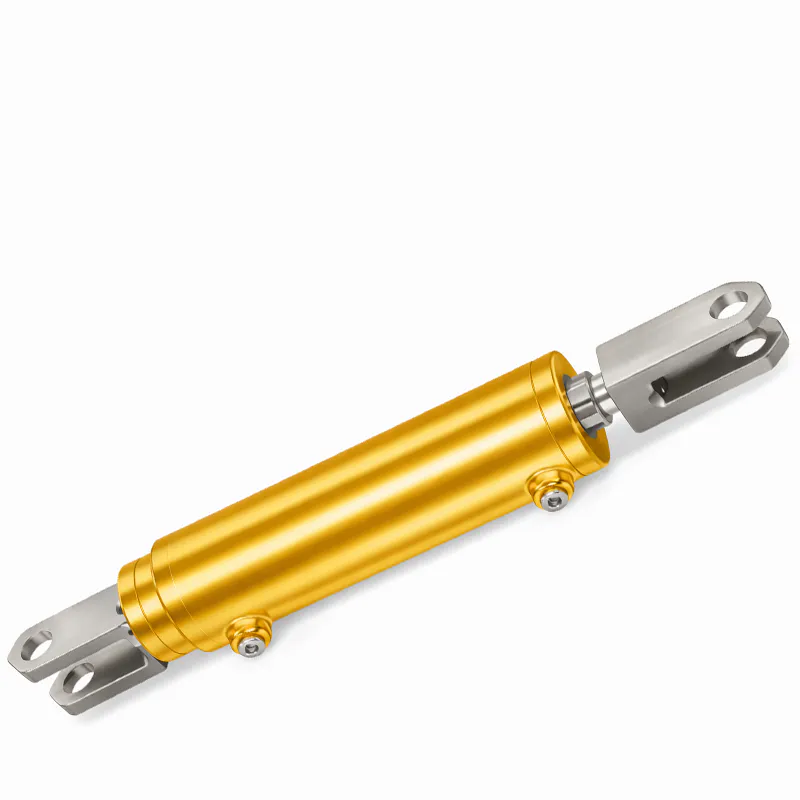
7. Recommended Forklift Tilt Cylinder Models for Cold Chain Service
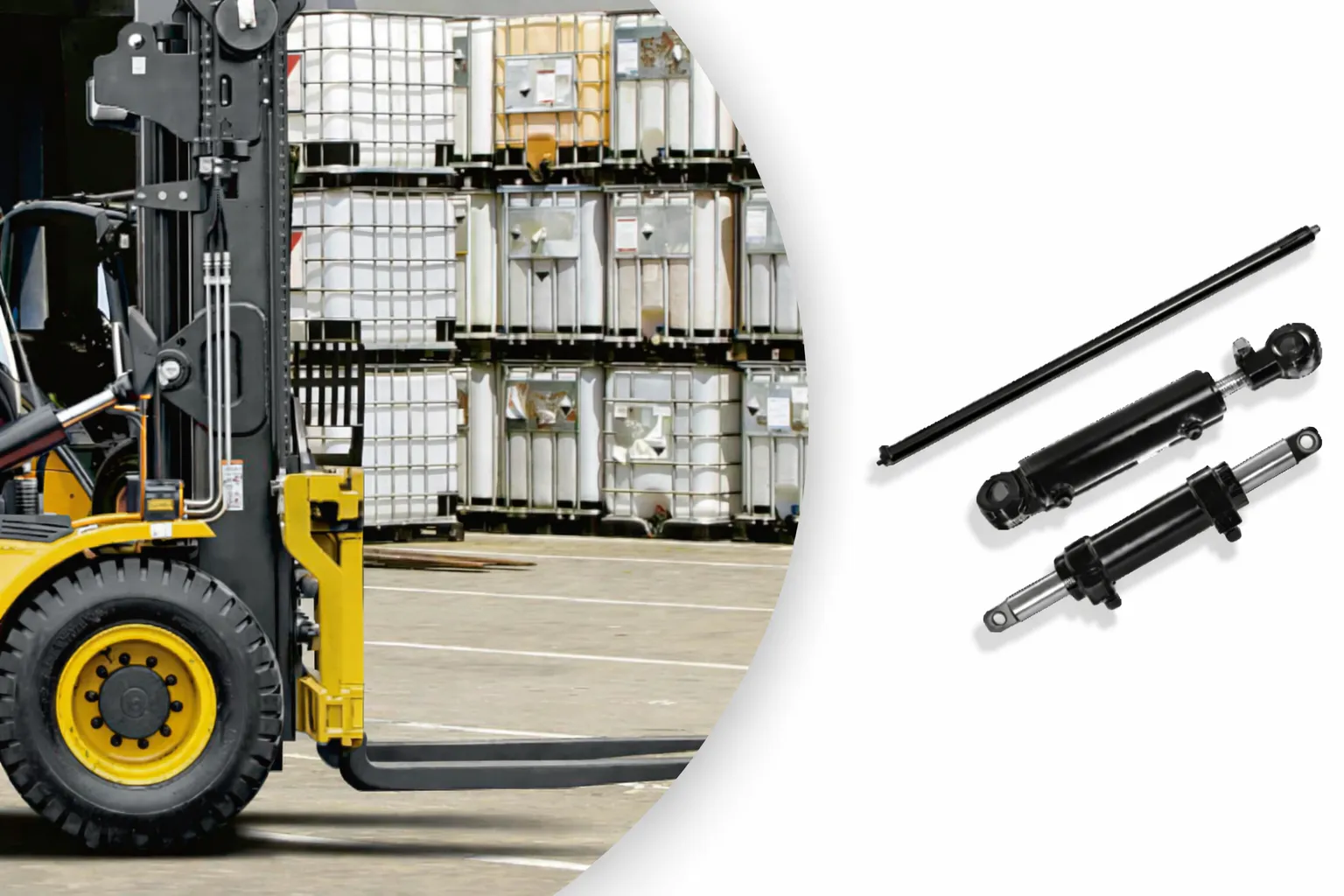
The following models from the current forklift tilt cylinder range can be configured for the seal and material specification needed in cold chain and refrigerated logistics applications.

8. Regulatory and Food Safety Standards Affecting Cold Chain Forklift Equipment
Forklift hydraulic equipment used in cold chain logistics intersects with both general industrial safety regulation and food/pharmaceutical safety standards across Colombia and international markets relevant to cold chain operators and exporters.
Colombia — Resolución 0312 de 2019 (Ministerio del Trabajo)
This Colombian occupational health and safety regulation requires documented preventive maintenance and inspection of mobile mechanical equipment including forklifts, with particular relevance to cold chain operations where equipment failure inside a freezer creates both safety and product-loss risk that inspectors increasingly scrutinise.
Colombia — INVIMA Cold Chain Standards
INVIMA, Colombia’s national food and drug surveillance authority, establishes cold chain integrity requirements for pharmaceutical and certain food product handling. While these standards focus primarily on temperature control, equipment reliability — including forklift tilt cylinder performance preventing load damage during handling — supports the broader product integrity obligations INVIMA-regulated facilities must demonstrate.
NTC-ISO 3691 (ICONTEC Colombia)
The Colombian technical standard adapted from ISO 3691 covers safety requirements for powered industrial trucks, including hydraulic system performance criteria relevant to forklift tilt cylinder function across the full operating temperature range equipment may encounter in cold storage applications.
ISO 22000 / HACCP (Food Safety Management)
For Colombian food processing and cold storage operations certified under ISO 22000 or HACCP food safety management frameworks, hydraulic equipment maintenance — including monitoring for forklift tilt cylinder seal kit leakage near food-contact storage areas — forms part of the broader hazard analysis and preventive control documentation these standards require.
ISO 3691-1: Industrial Trucks Safety Requirements
The international standard for self-propelled industrial truck safety establishes baseline hydraulic system performance and reliability criteria applicable to forklift tilt cylinder design, relevant for Colombian cold chain operators procuring equipment intended for export-facility or multinational supply chain integration.
EN 1726 / EU Cold Chain Equipment Reference
For Colombian cold chain exporters supplying the European market, EN 1726 hydraulic safety requirements alongside EU food safety regulation (EC) 852/2004 establish equipment reliability expectations that extend to the forklift hydraulic systems used throughout the export cold chain.
9. Related Hydraulic Products
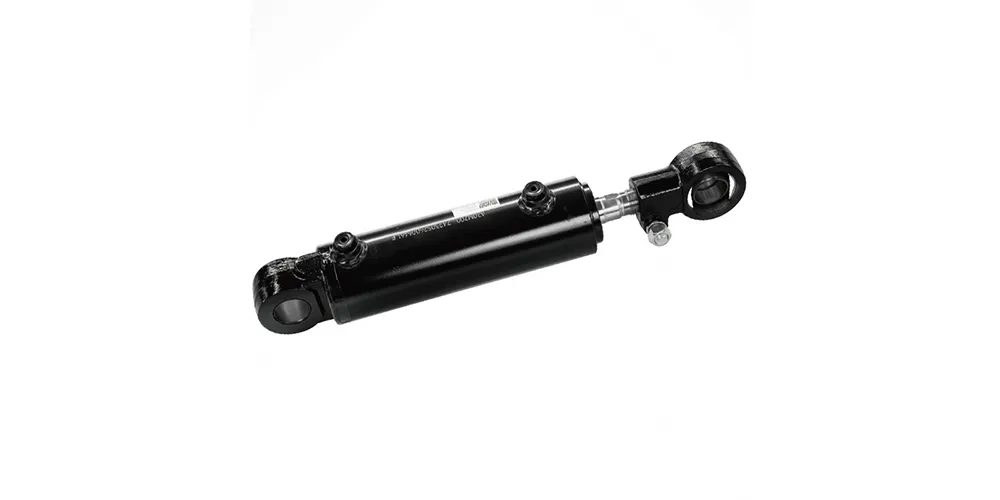
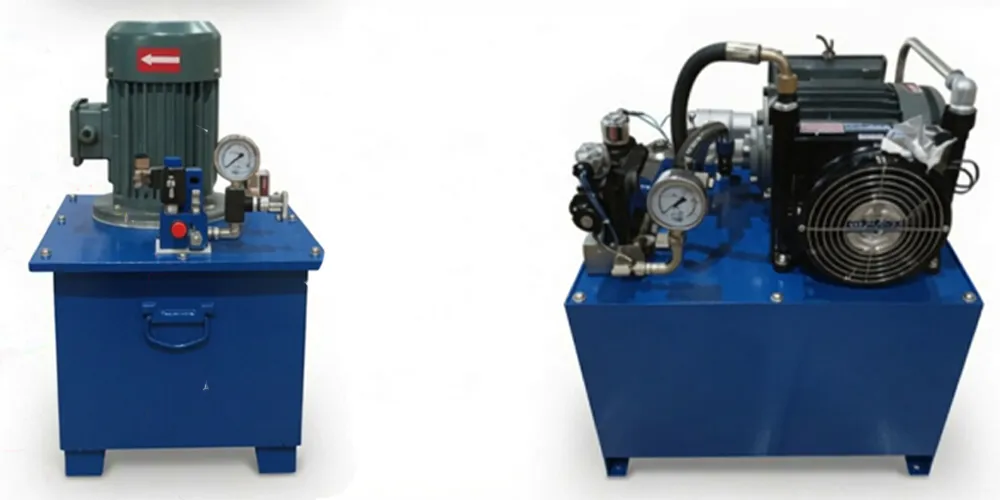
We supply hydraulic system components that complement the forklift tilt cylinder for complete cold chain material handling solutions, supporting single-source procurement for Colombian logistics operators and equipment integrators.
10. About Our Forklift Tilt Cylinder Manufacturing
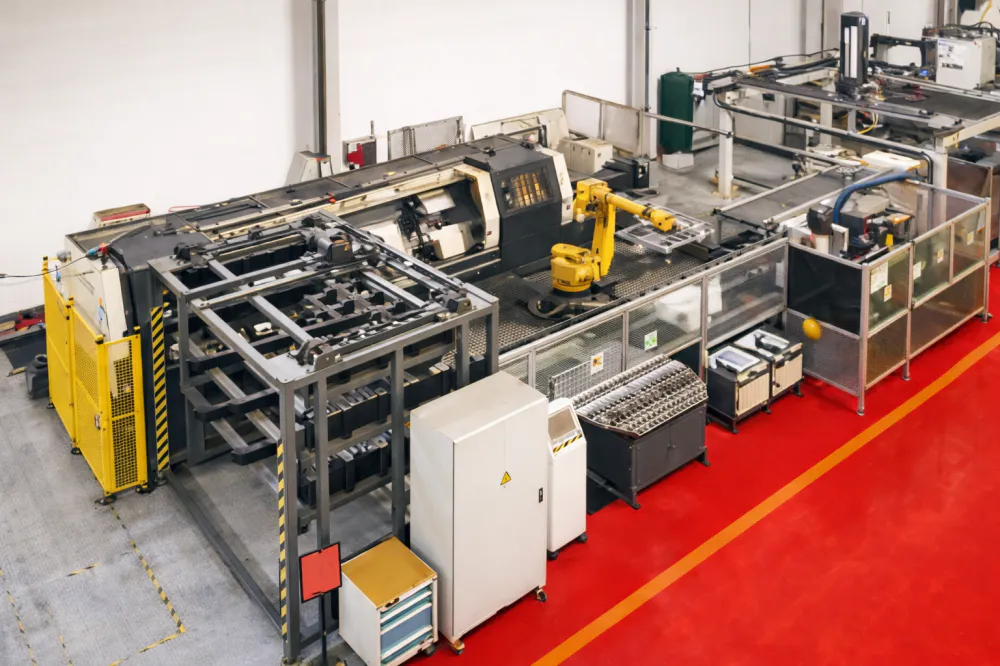
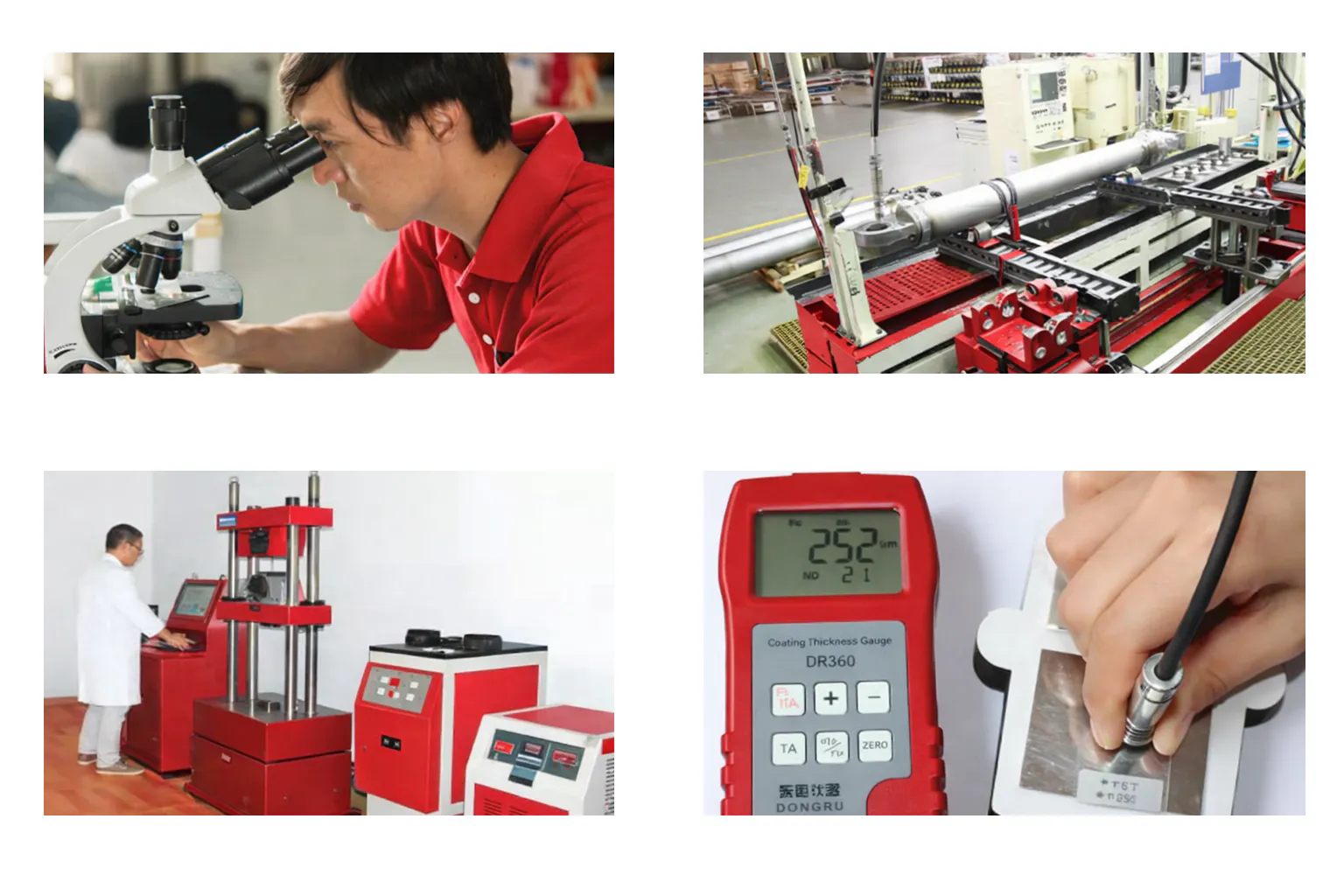
We are a specialist hydraulic cylinder manufacturer with technical experience supplying material handling equipment across demanding operating environments, including the cold chain logistics applications described in this article. Every forklift tilt cylinder we produce undergoes dimensional verification, pressure testing, and seal integrity inspection before dispatch, and cold-rated seal and lubricant configurations are available for fleets operating in chilled or frozen storage environments across Colombia and the broader region.
We support cold chain logistics operators, food and pharmaceutical distribution facilities, and equipment integrators across Colombia with technical guidance on forklift tilt cylinder selection for sub-zero and freeze-thaw duty, replacement cross-referencing, and seal kit specification suited to specific temperature and humidity operating profiles. Our engineering team works directly with customers to confirm the correct combination of seal compound, rod plating, and hydraulic fluid compatibility needed for reliable performance in refrigerated and frozen storage applications.
เวิร์กช็อป
คำถามที่พบบ่อย
บรรณาธิการ: PXY