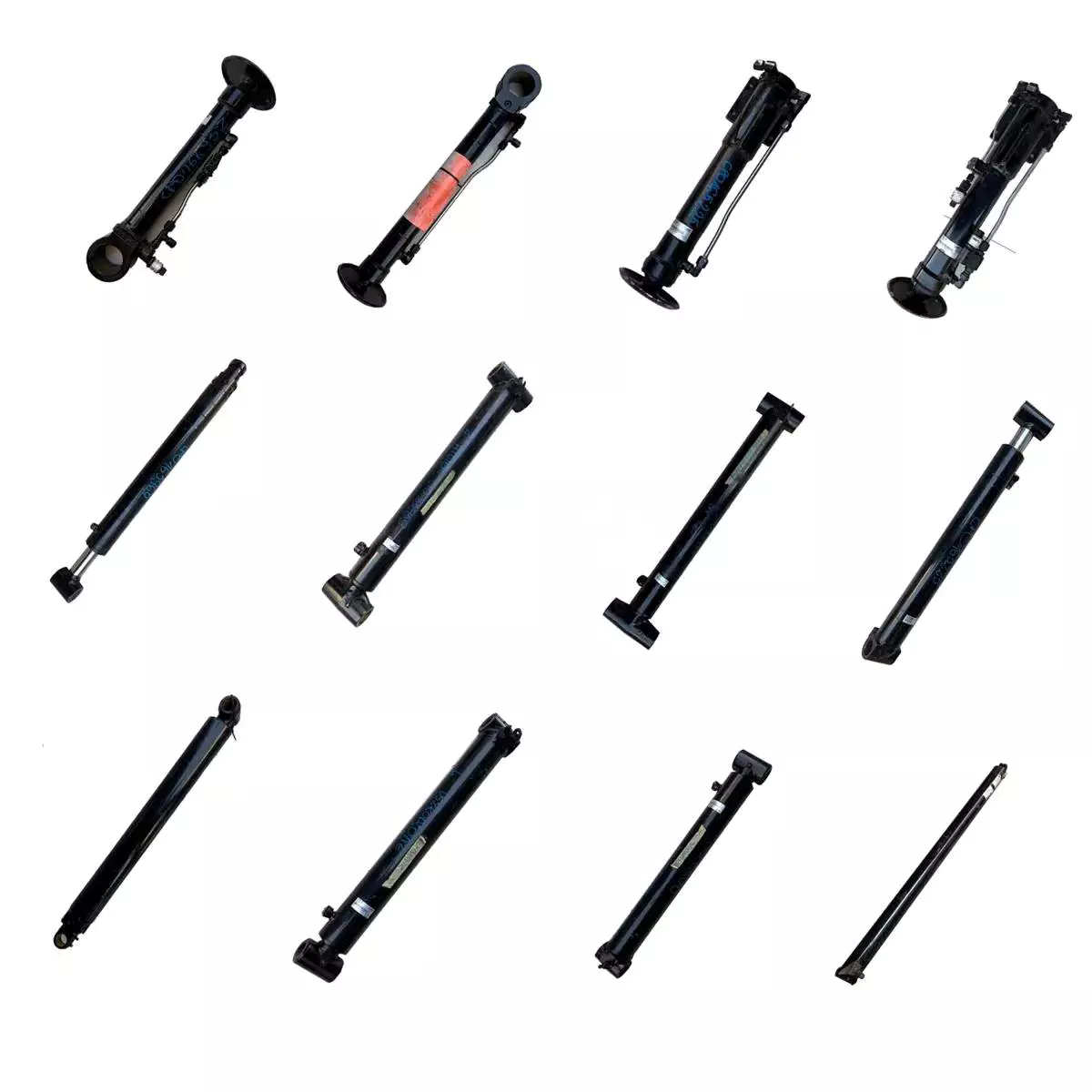
Ürün Açıklaması
1. Ürün Açıklaması
CO2 tüpleri, yüksek kaliteli dikişsiz çelik borudan üretilmiştir, yüksekliği tutarlıdır, boyası düzgündür ve mükemmel özelliklere sahiptir; çelik kesme, kaynak, elektronik, tıp ve diğer alanlarda yaygın olarak kullanılmaktadır. Ayrıca, esas olarak çelik kesme, kaynak, elektronik, tıp vb. alanlarda kullanılan argon gazını depolamak için tekrar tekrar kullanılmak üzere tasarlanmıştır.
| Tip | SEFIC gaz tüpü | Dış çap | 178 mm | ||||||||||||
| Su kapasitesi | 13.4L | Yükseklik | 705 mm | ||||||||||||
| Çalışma baskısı | 2
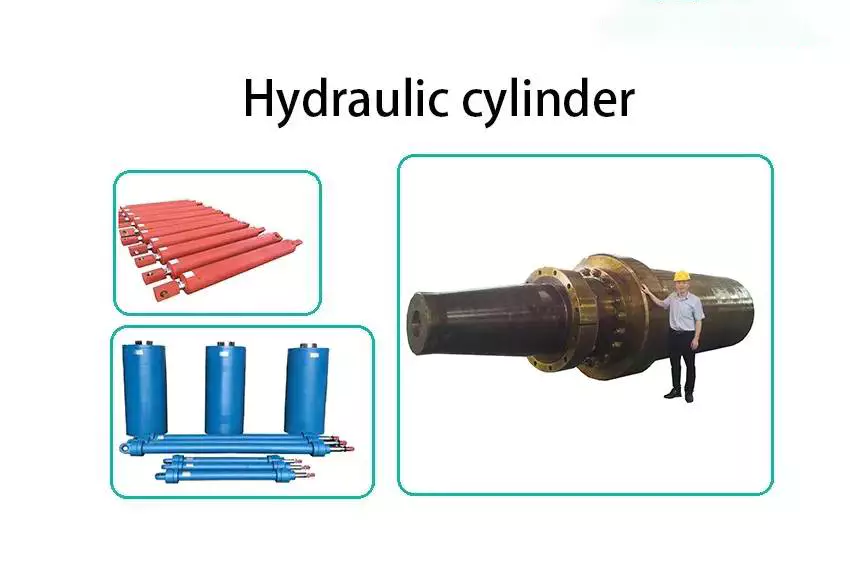
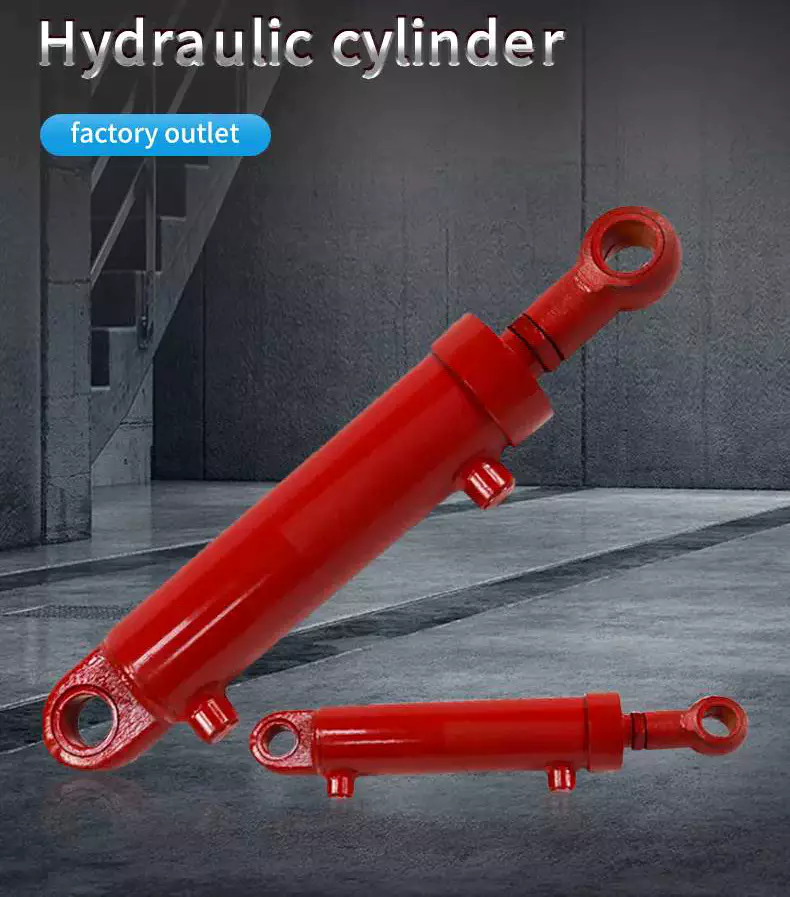
Hidrolik silindirler hassas konumlandırma ve kontrol zorluklarının üstesinden nasıl gelir?Hidrolik silindirler, mühendislik prensipleri ve gelişmiş kontrol sistemlerinin birleşimiyle hassas konumlandırma ve kontrol zorluklarının üstesinden gelmek üzere tasarlanmıştır. Bu zorluklar genellikle endüstriyel otomasyon, inşaat ve malzeme taşıma gibi hassas ve kontrollü hareketlerin gerekli olduğu uygulamalarda ortaya çıkar. İşte hidrolik silindirlerin bu zorlukların üstesinden nasıl geldiğine dair ayrıntılı bir açıklama: 1. Akışkan Güç Kontrolü: – Hidrolik silindirler, hassas konumlandırma ve kontrol sağlamak için akışkan güç kontrolünü kullanır. Hidrolik sistem, bir hidrolik pompa, kontrol vanaları ve hidrolik sıvıdan oluşur. Operatörler, silindire giren ve çıkan hidrolik sıvının akışını düzenleyerek silindirin uyguladığı hızı, yönü ve kuvveti kontrol edebilirler. Akışkan güç kontrolü, düzgün ve doğru hareketlere olanak tanıyarak hidrolik silindirin ve bağlı yükün hassas konumlandırılmasını sağlar. 2. Kontrol Vanaları: – Kontrol vanaları, hassas konumlandırma ve kontrol zorluklarının üstesinden gelmede çok önemli bir rol oynar. Bu vanalar, sistem içindeki hidrolik sıvının akışını yönlendirmekten sorumludur. Manuel olarak veya elektronik olarak kontrol edilebilirler. Kontrol vanaları, operatörlerin hidrolik sıvının akış hızını ayarlamasına ve silindirin hareket hızını kontrol etmesine olanak tanır. Akışı modüle ederek, operatörler hidrolik silindirin konumlandırılması üzerinde hassas kontrol sağlayabilir ve böylece hassas ve doğru hareketler gerçekleştirebilirler. 3. Orantılı Kontrol: – Hidrolik silindirler, konumlandırma ve kontrolde gelişmiş hassasiyet sağlayan oransal kontrol sistemleriyle donatılabilir. Oransal kontrol sistemleri, hidrolik sıvının akışını ve basıncını hassas bir şekilde düzenlemek için elektronik geri besleme ve kontrol algoritmaları kullanır. Bu sistemler, hidrolik silindirin hareketinde doğru ve oransal kontrol sağlayarak, strok uzunluğu boyunca çeşitli noktalarda hassas konumlandırmaya olanak tanır. Oransal kontrol, silindirin hassas hareketler ve kontrol gerektiren karmaşık görevleri yerine getirme yeteneğini artırır. 4. Konum Geri Besleme Sensörleri: – Hassas konumlandırma sağlamak için hidrolik silindirler genellikle konum geri bildirim sensörleri içerir. Bu sensörler, silindirin piston kolunun konumu hakkında gerçek zamanlı bilgi sağlar. Yaygın konum geri bildirim sensörü türleri arasında potansiyometreler, doğrusal değişken diferansiyel transformatörler (LVDT'ler) ve manyetostriktif sensörler bulunur. Konumu sürekli olarak izleyerek, geri bildirim sensörleri kapalı döngü kontrolü sağlar ve hidrolik silindirin doğru konumlandırılmasını ve kontrolünü mümkün kılar. Geri bildirim bilgisi, istenen konumu doğru bir şekilde elde etmek için hidrolik sıvının akışını ayarlamak için kullanılır. 5. Servo Kontrol Sistemleri: – Gelişmiş hidrolik sistemler, hassas konumlandırma ve kontrol zorluklarının üstesinden gelmek için servo kontrol sistemleri kullanır. Servo kontrol sistemleri, yüksek doğruluk ve tepki hızı seviyelerine ulaşmak için elektronik kontrolü, konum geri bildirim sensörlerini ve oransal kontrol valflerini birleştirir. Servo kontrol sistemi, istenen konumu hidrolik silindirin gerçek konumuyla sürekli olarak karşılaştırır ve herhangi bir konum hatasını en aza indirmek için hidrolik sıvının akışını ayarlar. Bu kapalı döngü kontrol mekanizması, hidrolik silindirin değişen yükler veya dış etkenler altında bile hassas konumlandırma ve kontrolü korumasını sağlar. 6. Entegre Otomasyon: – Hidrolik silindirler, hassas konumlandırma ve kontrol sağlamak için otomatik sistemlere entegre edilebilir. Bu tür kurulumlarda, hidrolik silindirler programlanabilir mantık kontrolörleri (PLC'ler) veya diğer otomasyon kontrolörleri tarafından kontrol edilir. Bu kontrolörler çeşitli sensörlerden giriş sinyalleri alır ve hidrolik silindirin hareketlerini komutlandırmak için önceden programlanmış mantığı kullanır. Hidrolik silindirlerin otomatik sistemlere entegrasyonu, hassas ve tekrarlanabilir konumlandırma ve kontrol sağlayarak karmaşık hareket dizilerinin yüksek doğrulukla gerçekleştirilmesine olanak tanır. 7. Gelişmiş Kontrol Algoritmaları: – Kontrol algoritmalarındaki gelişmeler, hidrolik silindirlerin hassas konumlandırılmasına ve kontrolüne de katkıda bulunmuştur. PID (Oransal-İntegral-Türev) kontrolü, adaptif kontrol ve model tabanlı kontrol gibi bu algoritmalar, gelişmiş kontrol stratejilerinin uygulanmasını mümkün kılar. Bu algoritmalar, hidrolik silindirlerin kontrolünü optimize etmek için yük değişimleri, sistem dinamikleri ve çevresel koşullar gibi faktörleri dikkate alır. Gelişmiş kontrol algoritmaları kullanılarak, hidrolik silindirler bozulmaları telafi edebilir ve geniş bir çalışma koşulları aralığında hassas konumlandırma ve kontrol sağlayabilir. Özetle, hidrolik silindirler, akışkan güç kontrolü, kontrol vanaları, oransal kontrol, konum geri besleme sensörleri, servo kontrol sistemleri, entegre otomasyon ve gelişmiş kontrol algoritmaları kullanarak hassas konumlandırma ve kontrol zorluklarının üstesinden gelir. Bu unsurları birleştirerek, hidrolik silindirler doğru ve kontrollü hareketler sağlayabilir ve çeşitli uygulamalarda hassas konumlandırma ve kontrol imkanı sunar. Bu yetenekler, endüstriyel otomasyon, robotik ve malzeme taşıma gibi operasyonlarında yüksek hassasiyet ve tekrarlanabilirlik gerektiren sektörler için hayati önem taşır.
Adaptation of Hydraulic Cylinders for Medical Equipment and Aerospace ApplicationsHydraulic cylinders have the potential to be adapted for use in medical equipment and aerospace applications, offering unique advantages in these industries. Let’s explore how hydraulic cylinders can be adapted for these specialized fields:
In summary, hydraulic cylinders can be adapted for use in medical equipment and aerospace applications, leveraging their precise positioning, load handling capabilities, controlled motion, durability, and reliability. In medical equipment, hydraulic cylinders enable comfortable patient positioning, smooth transitions, and controlled movements during procedures. In aerospace, hydraulic cylinders provide precise actuation, weight optimization, shock and vibration resistance, and space-efficient solutions. By adapting hydraulic cylinders to these specialized fields, manufacturers can meet the unique requirements and enhance the performance of medical equipment and aerospace systems.
What safety precautions should be followed when working with hydraulic cylinders?Working with hydraulic cylinders requires strict adherence to safety precautions to prevent accidents, injuries, and damage to equipment or property. Hydraulic systems operate under high pressures and involve moving parts, which can pose serious hazards if not handled properly. Here’s a detailed explanation of the safety precautions that should be followed when working with hydraulic cylinders: 1. Training and Knowledge: – Ensure that personnel working with hydraulic cylinders have received adequate training and possess a thorough understanding of hydraulic system operation, maintenance, and safety protocols. Proper training should cover topics such as hydraulic principles, pressure ratings, safe work practices, and emergency procedures. Only trained and authorized personnel should be allowed to handle hydraulic cylinders. 2. Wear Personal Protective Equipment (PPE): – Always wear appropriate personal protective equipment when working with hydraulic cylinders. This may include safety glasses, gloves, protective clothing, and steel-toed boots. PPE helps protect against potential hazards, such as hydraulic fluid leaks, flying debris, or accidental contact with moving parts. 3. Hydraulic System Inspection: – Before working with hydraulic cylinders, inspect the entire hydraulic system for any signs of damage, leaks, or loose connections. Check hydraulic hoses, fittings, valves, and cylinders for integrity and secure fastening. If any issues are detected, the system should be repaired or serviced before operation. 4. Relieve Pressure: – Before performing any maintenance or disassembly on a hydraulic cylinder, it is crucial to relieve the pressure in the system. Follow the manufacturer’s instructions to properly release pressure and ensure that the hydraulic cylinder is depressurized before starting any work. Failure to do so can result in sudden and uncontrolled movement of the cylinder or hydraulic lines, leading to serious injuries. 5. Lockout/Tagout Procedures: – Implement lockout/tagout procedures to prevent accidental energization of the hydraulic system while maintenance or repair work is being conducted. Lockout/tagout involves isolating the energy source, such as shutting off the hydraulic pump and locking or tagging the controls to prevent unauthorized operation. This procedure ensures that the hydraulic cylinder remains in a safe, non-operational state during maintenance activities. 6. Use Proper Lifting Techniques: – When working with heavy hydraulic cylinders or components, use proper lifting techniques and equipment to avoid strain or injury. Hydraulic cylinders can be heavy and awkward to handle, so ensure that lifting equipment, such as cranes or hoists, is properly rated and used correctly. Follow safe lifting practices, including securing the load and maintaining a stable lifting posture. 7. Hydraulic Fluid Handling: – Handle hydraulic fluid with care and follow proper procedures for fluid filling, transfer, and disposal. Avoid contact with the skin or eyes, as hydraulic fluid may be hazardous. Use appropriate containers and equipment to prevent spills or leaks. If any hydraulic fluid comes into contact with the skin or eyes, rinse thoroughly with water and seek medical attention if necessary. 8. Regular Maintenance: – Perform regular maintenance and inspections on hydraulic cylinders to ensure their safe and reliable operation. This includes checking for leaks, inspecting seals, monitoring fluid levels, and conducting periodic servicing as recommended by the manufacturer. Proper maintenance helps prevent unexpected failures and ensures the continued safe use of hydraulic cylinders. 9. Follow Manufacturer Guidelines: – Always follow the manufacturer’s guidelines, instructions, and recommendations for the specific hydraulic cylinders and equipment being used. Manufacturers provide important safety information, maintenance schedules, and operational guidelines that should be strictly adhered to for safe and optimal performance. 10. Emergency Preparedness: – Be prepared for potential emergencies by having appropriate safety equipment, such as fire extinguishers, first aid kits, and emergency eyewash stations, readily available. Establish clear communication channels and emergency response procedures to promptly address any accidents, leaks, or injuries that may occur during hydraulic cylinder operations. By following these safety precautions, individuals working with hydraulic cylinders can minimize the risk of accidents, injuries, and property damage. It is essential to prioritize safety, maintain awareness of potential hazards, and ensure compliance with relevant safety regulations and industry standards.
|