Ürün Açıklaması
HİDROLİK SİLİNDİR
İnşaat, kömür ve madencilik, tarım, yüksekte çalışma platformları ve çevre temizliği gibi alanlarda yaygın olarak kullanılmaktadır.
| Özellikler | özelleştirilmiş hidrolik silindir |
| Delik Çapı | 2′-50'/50-1500mm |
| Çubuk Çapı | 1′ – 60'/25 -1000 mm |
| Duvar Kalınlığı | 0,1'-4'/3-100 mm |
| Maksimum Vuruş | 366'/9280 mm |
| Maksimum Basınç | 9600 psi/600 bar |
| Test Basıncı | 14500 psi/1000 bar |
| Malzeme | 20#, 40#, 45#, 16Mn, 27SiMn, vb. |
| Conta Setleri | Hallit, Parker, NOK, DICHTOMATIK, Trelleborg, Merkel |
| Boyutsal Doğruluk | H7-H11 |
| Delik Pürüzlülüğü | Ra 0.4-1.6mm |
| Kaplama | sert krom |
| Amaç | mühendislik, Kömür ve madencilik, tarım makineleri, çevre sağlığı |
| OEM/ODM | Evet |
| Minimum Sipariş Miktarı | 1 Adet |
| Sertifikalar | ISO9001, CE, CCS |
S1. Üretici misiniz?
Evet, 30 yılı aşkın süredir hidrolik silindir üretiyoruz. Bu silindirler mühendislik, kömür ve madencilik, tarım ve çevre temizliği gibi alanlarda yaygın olarak kullanılmaktadır.
Soru 2. Ürünleriniz garanti kapsamında mı?
Evet, 1 yıl garantimiz var.
Q3. Yapabilir misiniz? Biz Ürünlerimizi sizin isteklerinize göre özelleştirelim mi?
Evet, aslında ürünlerimizin 70% modeli müşterilerimiz için özel olarak üretilmektedir. Sadece talebinizi (özellikler ve çizim daha iyi olur) bize bildirmeniz yeterli, biz de sizin için gerçekleştireceğiz.
Q4Ürünleri nasıl teslim ediyorsunuz?
Deniz yoluyla, uçakla veya kuryeler aracılığıyla.
Soru 5Numunelerin tamamlanması kaç gün sürüyor? Peki ya seri üretim?
Numunelerin hazırlanması genellikle 5-7 gün sürer. Seri üretimin teslim süresi kaliteye, üretim tekniğine vb. bağlı olarak değişir. Genellikle 35 gündür.
| Sertifikasyon: | CE, ISO9001 |
|---|---|
| Basınç: | Yüksek Basınç |
| Çalışma Sıcaklığı: | -40~120 |
| Oyunculuk Tarzı: | Çifte Etki |
| Çalışma Yöntemi: | Direkt Yolculuk |
| Yapı: | Piston Tipi |
| Özelleştirme: |
Mevcut
|
|
|---|
Hidrolik silindirler, endüstriyel süreçlerin genel maliyet etkinliğine nasıl katkıda bulunur?
Hidrolik silindirler, endüstriyel süreçlerin genel maliyet etkinliğini artırmada çok önemli bir rol oynar. Birçok avantaj sunarlar ve üretkenliğin artmasına, verimliliğin iyileşmesine, bakım maliyetlerinin azalmasına ve operasyonel performansın artmasına katkıda bulunurlar. İşte hidrolik silindirlerin endüstriyel süreçlerin maliyet etkinliğine nasıl katkıda bulunduğuna dair ayrıntılı bir açıklama:
1. Yüksek Güç Yoğunluğu:
– Hidrolik silindirler yüksek güç-ağırlık oranına sahip olup, kompakt bir tasarımda önemli miktarda kuvvet üretebilirler. Bu güç yoğunluğu, daha küçük ve daha hafif ekipman kullanımına olanak tanıyarak malzeme ve üretim maliyetlerini düşürür ve endüstriyel süreçlerin verimliliğini artırır.
2. Hassas Kuvvet ve Konum Kontrolü:
– Hidrolik silindirler, hassas kuvvet ve konum kontrolü sağlayarak makinelerin veya iş parçalarının doğru hareket ettirilmesine ve konumlandırılmasına olanak tanır. Bu kontrol seviyesi, süreç verimliliğini artırır, malzeme israfını azaltır ve genel ürün kalitesini iyileştirir. Hassas kuvvet kontrolü ayrıca ekipman hasarı riskini en aza indirerek bakım ve onarım maliyetlerini daha da düşürür.
3. Yüksek Yük Taşıma Kapasitesi:
– Hidrolik silindirler, yüksek yükleri taşıma kapasiteleriyle bilinir. Önemli miktarda kuvvet uygulayabildikleri için ağır sanayi uygulamaları için uygundurlar. Ağır yükleri verimli bir şekilde taşıyarak, hidrolik silindirler verimliliği ve üretim kapasitesini artırır, ek ekipman ihtiyacını azaltır ve endüstriyel süreçleri kolaylaştırır.
4. Esneklik ve Çok Yönlülük:
– Hidrolik silindirler, endüstriyel süreçlerde yüksek derecede esneklik ve çok yönlülük sunar. Çeşitli makine ve ekipman türlerine kolayca entegre edilebilirler ve bu da farklı uygulamalara olanak tanır. Bu uyarlanabilirlik, özel ekipman ihtiyacını azaltarak maliyet tasarrufu ve operasyonel verimliliğin artmasına yol açar.
5. Enerji Verimliliği:
– Hidrolik silindirler de dahil olmak üzere hidrolik sistemler, yüksek enerji verimliliğiyle çalışacak şekilde tasarlanabilir. Verimli hidrolik devre tasarımları, gelişmiş kontrol sistemleri ve enerji geri kazanım mekanizmaları kullanılarak, hidrolik silindirler enerji israfını en aza indirir ve işletme maliyetlerini düşürür. Enerji verimli hidrolik sistemler ayrıca daha sürdürülebilir ve çevre dostu bir endüstriyel işletmeye de katkıda bulunur.
6. Dayanıklılık ve Uzun Ömür:
– Hidrolik silindirler, zorlu endüstriyel ortamlara ve yoğun kullanıma dayanacak şekilde üretilmiştir. Sağlam malzemelerden üretilirler ve dayanıklılık ve uzun ömürlülük sağlamak için sıkı kalite kontrol önlemlerinden geçerler. Zorlu koşullara ve tekrarlayan hareketlere dayanabilme yetenekleri, sık değiştirme ihtiyacını azaltarak arıza süresini ve bakım maliyetlerini en aza indirir.
7. Azaltılmış Bakım Gereksinimleri:
– Hidrolik silindirler, diğer aktüatör türlerine kıyasla nispeten düşük bakım gerektirir. Etkin filtreleme ve kirlilik kontrol mekanizmalarına sahip, doğru tasarlanmış hidrolik sistemler, silindirlerin hasar görmesini önleyebilir ve kullanım ömrünü uzatabilir. Azalan bakım gereksinimleri, daha düşük arıza süreleri, daha düşük işçilik maliyetleri ve endüstriyel süreçlerin maliyet etkinliğinin artmasıyla sonuçlanır.
8. Sistem Entegrasyonu ve Otomasyonu:
– Hidrolik silindirler, otomatik endüstriyel süreçlere sorunsuz bir şekilde entegre edilebilir. Hidrolik silindirlerin otomatik sistemlere dahil edilmesiyle, işler hassasiyet ve tekrarlanabilirlik ile gerçekleştirilebilir, insan hatası azaltılabilir ve verimlilik optimize edilebilir. Otomasyon ayrıca sürekli çalışmaya olanak tanıyarak verimliliği ve genel maliyet etkinliğini artırır.
9. Maliyet Etkin Değişim:
– Hidrolik silindirlerin değiştirilmesi veya onarılması gereken durumlarda bile, sürecin maliyet etkinliği korunmaktadır. Hidrolik silindirler genellikle modüler bir tasarıma sahiptir ve bu da tek tek bileşenlerin veya komple ünitelerin kolayca değiştirilmesine olanak tanır. Bu modülerlik, yalnızca etkilenen bileşenlerin değiştirilmesi gerektiğinden, tüm sistemin değiştirilmesine gerek kalmadığı için arıza süresini ve ilgili maliyetleri azaltır.
Özetle, hidrolik silindirler yüksek güç yoğunluğu, hassas kontrol yetenekleri, yüksek yük taşıma kapasitesi, esneklik, enerji verimliliği, dayanıklılık, düşük bakım gereksinimleri, sistem entegrasyonu ve uygun maliyetli değiştirme seçenekleri sayesinde endüstriyel süreçlerin genel maliyet etkinliğine katkıda bulunur. Üretkenliği, verimliliği ve operasyonel performansı artırırken bakım ve arıza sürelerinin maliyetini en aza indirme yetenekleri, hidrolik silindirleri çeşitli endüstriyel uygulamalarda değerli bir bileşen haline getirir.

Hidrolik Silindirlerin Üretim Operasyonlarının Genel Verimliliğine Etkisi
Hidrolik silindirler, üretim süreçlerinin genel verimliliğini artırmada çok önemli bir rol oynar. Bu çok yönlü cihazlar, güçlü ve kontrollü doğrusal hareket üretme yetenekleri nedeniyle çeşitli endüstriyel uygulamalarda yaygın olarak kullanılmaktadır. Gelin, hidrolik silindirlerin üretim süreçlerinin genel verimliliğini nasıl etkilediğini inceleyelim:
- Güçlü Kuvvet Üretimi: Hidrolik silindirler, yüksek kuvvetler üretebilme kapasitesine sahip oldukları için ağır yükleri kaldırabilir ve zorlu görevleri yerine getirebilirler. Gerekli kuvveti sağlayarak, hidrolik silindirler imalat süreçlerinde makine ve ekipmanların verimli ve etkili çalışmasını kolaylaştırır. Bu önemli kuvvet uygulama yeteneği, daha büyük iş parçalarının taşınmasını sağlayarak, süreç verimliliğini artırarak ve manuel iş gücü gereksinimlerini azaltarak üretkenliğin artmasına katkıda bulunur.
- Hassasiyet ve Kontrol: Hidrolik silindirler, yüklerin hareketinde hassas kontrol sağlayarak doğru konumlandırma, hizalama ve tekrarlayan işlerin gerçekleştirilmesine olanak tanır. Hidrolik silindirlerin sağladığı düzgün ve kontrollü doğrusal hareket, montaj, malzeme taşıma ve işleme gibi üretim süreçlerinde hassas çalışma sağlar. Bu hassasiyet ve kontrol, hataları, yeniden işlemeyi ve hurda miktarını en aza indirerek verimliliği artırır ve daha yüksek kaliteli çıktı sağlar.
- Hız ve Verimlilik: Hidrolik silindirler yüksek hızlarda çalışabilme özelliği sayesinde üretim süreçlerinde hızlı hareket ve çevrim süreleri sağlar. Yüksek kuvvet ve hızın birleşimi, makine ve ekipmanların daha hızlı çalışmasını sağlayarak üretim çevrim sürelerini kısaltır ve genel verimliliği artırır. Üretim süreçlerinin hızını ve verimliliğini optimize ederek, hidrolik silindirler üretkenliğin ve çıktının artmasına katkıda bulunur.
- Esneklik ve Uyarlanabilirlik: Hidrolik silindirler, farklı üretim uygulamalarına son derece esnek ve uyarlanabilir yapıdadır. Yük kapasitesi, strok uzunluğu ve montaj seçenekleri gibi özel gereksinimleri karşılayacak şekilde özelleştirilebilirler. Bu çok yönlülük, hidrolik silindirlerin çok çeşitli makine ve ekipmanlara entegre edilmesini ve farklı üretim ihtiyaçlarını karşılamasını sağlar. Farklı görevlere ve ortamlara uyum sağlama yeteneği, kaynakların verimli kullanımını sağlayarak ve süreç optimizasyonunu kolaylaştırarak genel verimliliği artırır.
- Güvenilirlik ve Dayanıklılık: Hidrolik silindirler, sağlamlıkları ve dayanıklılıklarıyla bilinir ve bu da onları zorlu üretim ortamları için uygun hale getirir. Ağır yüklere, tekrarlanan kullanıma ve zorlu çalışma koşullarına dayanabilme yetenekleri, uzun süreler boyunca güvenilir performans sağlar. Silindir arızası veya bakım gereksinimleri nedeniyle oluşan arıza sürelerinin en aza indirilmesi, verimliliğin artmasına ve üretim işlemlerinin kesintisiz devam etmesine katkıda bulunur.
Özetle, hidrolik silindirler imalat işlemlerinin genel verimliliği üzerinde önemli bir etkiye sahiptir. Güçlü kuvvet üretimi, hassasiyet ve kontrol, hız ve verimlilik, esneklik ve uyarlanabilirlik, güvenilirlik ve dayanıklılık gibi özellikleri, optimize edilmiş süreçlere, artan üretime, iyileştirilmiş kaliteye ve azaltılmış iş gücü gereksinimlerine katkıda bulunur. Üreticiler, hidrolik silindirlerin yeteneklerinden yararlanarak verimliliği artırabilir, işlemleri kolaylaştırabilir ve imalat süreçlerinde daha yüksek verimlilik elde edebilirler.
Hidrolik silindir nedir ve çeşitli uygulamalarda nasıl çalışır?
Hidrolik silindir, hidrolik enerjiyi doğrusal kuvvete ve harekete dönüştüren mekanik bir aktüatördür. Kontrollü ve güçlü doğrusal hareketin gerekli olduğu çeşitli uygulamalarda kritik bir rol oynar. Hidrolik silindirler genellikle inşaat, imalat, tarım ve ulaşım gibi sektörlerde kullanılır. İşte hidrolik silindirin ne olduğu ve nasıl çalıştığına dair detaylı bir açıklama:
Tanım ve Bileşenler:
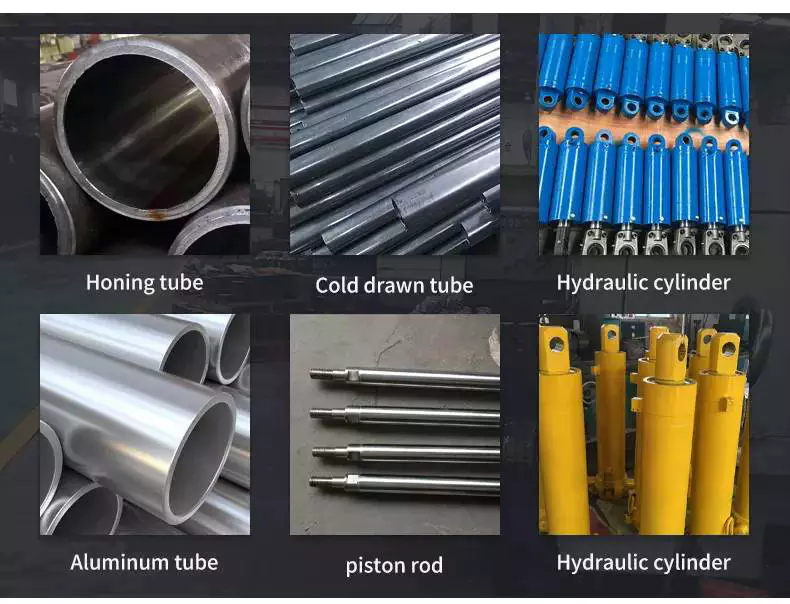
– Hidrolik silindir, silindirik bir gövde, bir piston, bir piston kolu ve çeşitli contalardan oluşur. Gövde, pistonu barındıran ve sıvı akışına izin veren içi boş bir borudur. Piston, silindiri iki bölmeye ayırır: piston kolu tarafı ve kapak tarafı. Piston kolu, pistondan uzanır ve dış yükler için bir bağlantı noktası sağlar. Contalar, sıvı sızıntısını önlemek ve silindir içindeki hidrolik basıncı korumak için kullanılır.
İşlev:
– Hidrolik silindirin işlevi, hidrolik sıvının basıncını ve akışını doğrusal kuvvete ve harekete dönüştürmektir. Genellikle yağ olan hidrolik sıvı, basınçlandırılır ve silindirin haznelerinden birine yönlendirilir. Sıvı hazneye girerken, pistona basınç uygular ve pistonun doğrusal yönde hareket etmesine neden olur. Pistonun bu doğrusal hareketi, piston koluna aktarılarak itme veya çekme kuvveti oluşturur.
Çalışma Prensibi:
– Hidrolik silindirin çalışma prensibi, kapalı bir alanda bir sıvıya uygulanan basıncın her yöne eşit olarak iletildiğini belirten Pascal yasasına dayanmaktadır. Bir hidrolik silindirde, hidrolik sıvı silindirin bir tarafına pompalandığında, piston üzerinde basınç oluşturur. Basınç, sıvı yoluyla pistonun diğer tarafına iletilir ve piston ile piston kolu arasında dengeli bir kuvvet oluşur. Bu kuvvet, sıvı girişinin belirlediği yönde doğrusal hareket üretir.
Uygulamalar:
– Hidrolik silindirler, yüksek kuvvet üretme ve doğrusal hareketi hassas bir şekilde kontrol etme yetenekleri nedeniyle çok çeşitli uygulamalarda yaygın olarak kullanılmaktadır. Bazı yaygın uygulamalar şunlardır:
1. İnşaat Ekipmanları: Hidrolik silindirler, ekskavatörlerde, yükleyicilerde, buldozerlerde ve vinçlerde kaldırma, itme ve kazma işlerinde kullanılır.
2. İmalat Makineleri: Hidrolik silindirler, preslerde, takım tezgahlarında ve malzeme taşıma ekipmanlarında presleme, sıkıştırma ve kaldırma işlemleri için kullanılır.
3. Tarım Makineleri: Hidrolik silindirler, traktörlerde, biçerdöverlerde ve sulama sistemlerinde direksiyon, kaldırma ve ataşman kontrolü gibi görevler için kullanılır.
4. Ulaşım: Hidrolik silindirler, damperli kamyonlar, çöp kamyonları ve forkliftler gibi araçlarda devirme, kaldırma ve boşaltma işlemleri için kullanılır.
5. Havacılık ve Savunma: Hidrolik silindirler, uçak iniş takımlarında, füze sistemlerinde ve kontrol yüzeyleri için hidrolik aktüatörlerde kullanılır.
6. Denizcilik ve Açık Deniz: Hidrolik silindirler, gemi dümen sistemlerinde, vinçlerde ve açık deniz sondaj ekipmanlarında çeşitli kaldırma ve konumlandırma görevleri için kullanılır.
Bu uygulamalarda hidrolik silindirler, yüksek kuvvet kapasitesi, hassas kontrol, kompakt boyut ve dayanıklılık gibi avantajlar sunar. Verimli ve güvenilir doğrusal hareket sağlayarak, çok çeşitli sektörlerde üretkenliğin ve işlevselliğin artmasına katkıda bulunurlar.
Genel olarak, hidrolik silindirler, kontrollü ve güçlü doğrusal hareketin gerekli olduğu çeşitli uygulamalarda ayrılmaz bileşenlerdir. Hidrolik enerjiyi mekanik kuvvete dönüştürme yetenekleri, onları birçok endüstride paha biçilmez kılmakta, ağır makinelerin çalıştırılmasını, hassas konumlandırmayı ve verimli yük taşımayı mümkün kılmaktadır.


CX tarafından düzenlendi, 30.11.2023