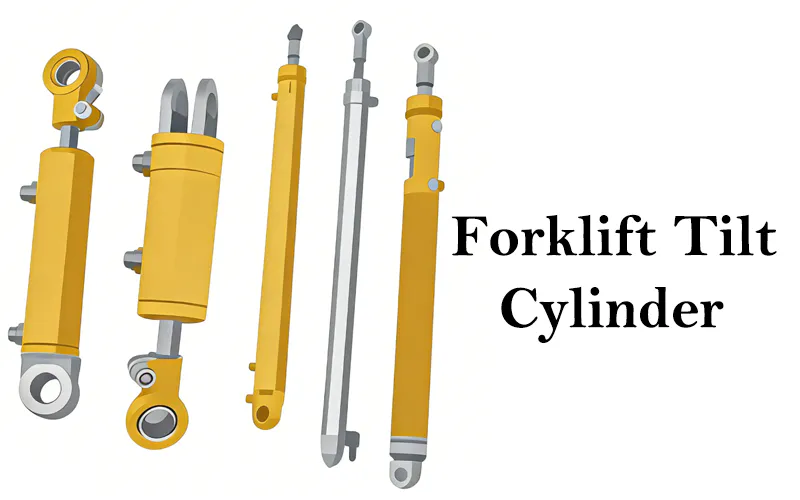
1. Why Vineyards Rely on Compact, Precise Hydraulic Equipment
When most people picture agricultural forklift equipment, they imagine flat-ground warehouse contexts or open-field grain handling operations. French viticulture tells a different story. From the narrow terraced hillside vineyards of Burgundy and the Rhône Valley to the dense stone-walled cave cellars and barrel halls of Bordeaux and Champagne, the forklift tilt cylinder must perform in environments that combine the physical demands of outdoor field machinery with the spatial constraints of historic stone buildings and the material sensitivity of handling product worth orders of magnitude more per tonne than typical agricultural commodities. The consequence of a tilt cylinder failure — or even imprecise tilt control — during active harvest period in a French winery can be costly, from a dropped pallet of grape bins to a barrel toppled in a narrow cave corridor.
For Colombian agricultural machinery importers, wine producers in the Boyacá highlands or the emerging Santander and Valle del Cauca viticulture zones, and agricultural equipment distributors supplying the broader Latin American wine and agribusiness sector, understanding how the forklift tilt cylinder is applied in the world’s most technically demanding viticultural environment — France — provides a useful benchmark for equipment specification in any wine or high-value crop handling context. The precision, compactness, and durability standards that French wineries demand from their hydraulic forklift equipment represent a practical reference point for anyone specifying similar equipment in new or growing wine-producing regions.
This article examines the specific roles a forklift tilt cylinder plays across the French vineyard harvest cycle, what construction and material standards make a cylinder suitable for this environment, and what Colombian winery and agricultural operators should look for when sourcing hydraulic cylinder equipment for high-value crop handling applications.
2. The Forklift Tilt Cylinder Across the French Vineyard Harvest Cycle
French vineyard harvest — known as the vendange — generates intense, time-compressed material handling demands that place forklift equipment under considerable stress across a very short seasonal window, typically two to four weeks in September and October. Every harvested load must be moved from the vineyard reception area through the winery’s pressing, fermentation, and cellar storage sequence as quickly and gently as possible, since temperature and time directly affect juice quality from the moment grapes leave the vine. A forklift tilt cylinder failure during this window has consequences far beyond the mechanical cost of the repair itself — it can stall the movement of harvested product precisely when delays cost the most.
The most visible application of a forklift tilt cylinder in the harvest context is handling grape bins, harvest crates, and hopper-type reception containers. These range from 50-litre hand crates handled with small attachment forklifts to 1,000-litre macro-bins that a mid-capacity forklift handles with a standard pallet fork or clamp attachment. In both cases, the tilt cylinder controls how level the load is presented for discharge — forward tilt to decant grapes into the reception hopper, backward tilt to stabilise a full container during transport to the pressing area, and precise intermediate angles for gently placing stacked bins without the sharp angular transitions that can bruise grape clusters in whole-bunch handling applications.
Beyond the harvest reception area, the forklift tilt cylinder plays a central role in wine cave and cellar operations throughout the year. French wine estates — particularly in regions such as Burgundy, Côte du Rhône, and Champagne — operate barrel halls, cave galleries, and bottle storage areas where aisle clearances measured in centimetres rather than metres dictate the use of very compact forklift equipment. A small forklift tilt cylinder on a narrow-aisle or electric counterbalance truck used in these spaces must deliver the same precise, low-drift tilt control as a full-size warehouse unit, since barrel and bottle handling errors in confined cave spaces rarely have room for recovery manoeuvring.
3. Manufacturing Structure for Vineyard and Winery Duty
The structural requirements for a forklift tilt cylinder used in French viticulture differ from standard warehouse duty in several important ways, driven by the combination of outdoor seasonal use, exposure to grape juice and acidic cleaning chemicals, and the tight space constraints of historic winery architecture. The barrel of a forklift tilt cylinder destined for winery service must be manufactured to the same honing and bore tolerance standards as any industrial tilt cylinder, but the corrosion protection applied to external surfaces — barrel, end caps, and clevis fittings — should be specified with the acidic environment of a working winery in mind rather than the dry, relatively clean environment of an enclosed logistics warehouse.
Compact physical dimensions are a defining structural requirement for vineyard cellar use. The forklift tilt cylinder dimensions — not just the bore and stroke but the overall installed envelope, including the clevis eye outer diameter and the clearance required by the rod-gland assembly — must be compatible with the narrow mast and frame geometry of the small counterbalance and reach trucks used in cave settings. A cylinder that fits a 3-tonne general warehouse forklift is likely too large for the narrow-track, low-overhead models deployed inside French wine cellars. This is where dimensions forklift tilt cylinder specification becomes directly relevant to application suitability rather than simply a matter of rated capacity matching.
Clevis mounting precision at both ends of the forklift tilt cylinder is equally important in vineyard equipment for the same fatigue-life reasons it matters in any precision application: the repeated, relatively gentle tilt movements that dominate cellar operation may accumulate thousands of cycles over a wine production year, and loose-fitting clevis pins introduce mechanical play that compounds with normal seal wear to produce tilt position inconsistency over time. French winery maintenance teams that prioritise preventive hydraulic inspection — particularly seal condition checks before each harvest season — consistently report fewer in-season hydraulic failures compared to estates that treat the forklift as a set-and-forget piece of infrastructure.
4. Material System for Agricultural and Winery Service
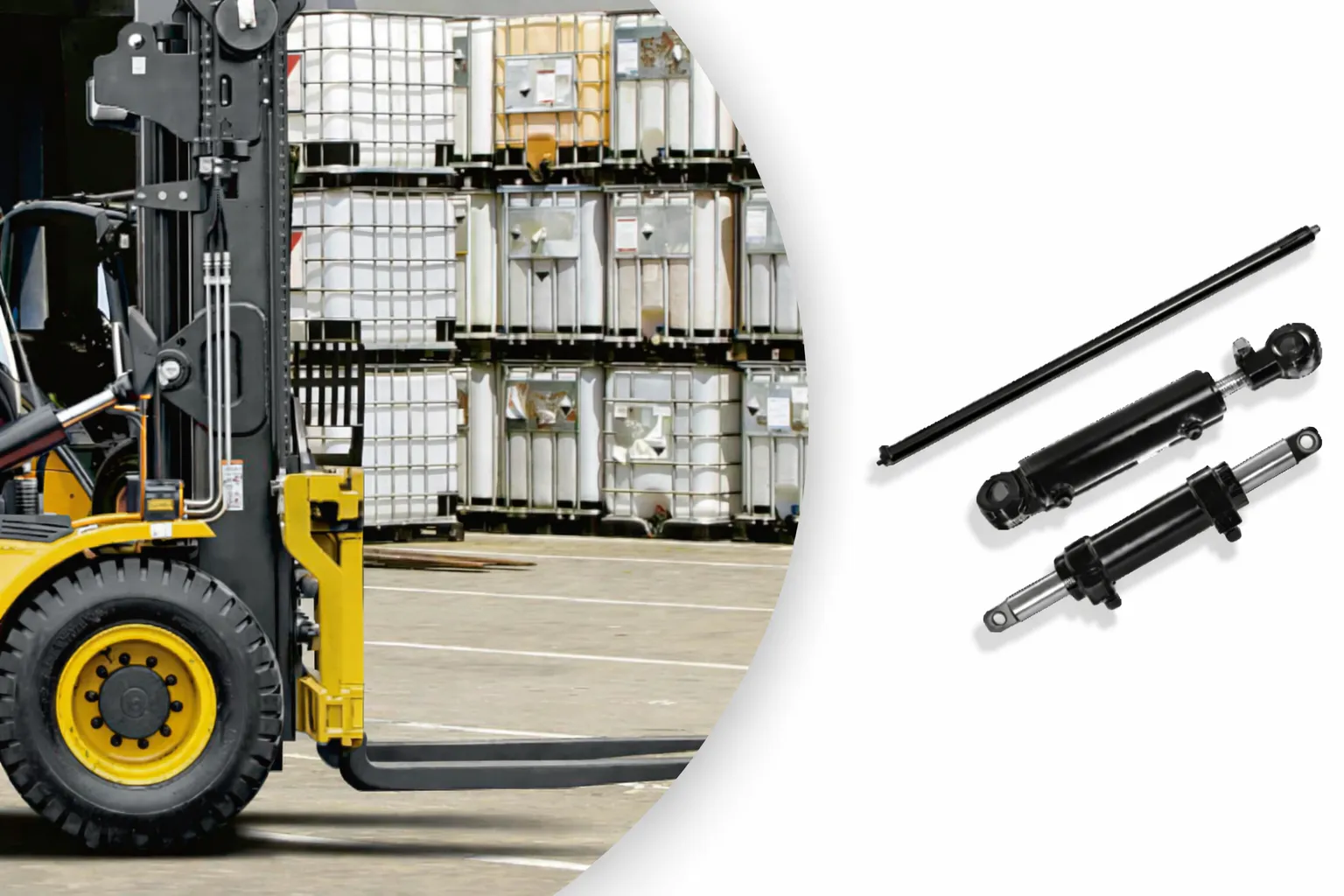
Material selection for a forklift tilt cylinder operating in vineyard and winery environments must account for the combination of seasonal outdoor exposure, chemical contact with grape juice, tartaric acid cleaning solutions, and steam-cleaning processes used throughout the winery cycle, alongside the standard hydraulic pressure and seal-life requirements common to all tilt cylinder applications.
Chemical-Resistant External Coating
Two-component epoxy primer with acid-resistant topcoat on barrel and end cap external surfaces, protecting against the tartaric acid, citric acid, and caustic cleaning agents routinely used in winery sanitation programs. A forklift tilt cylinder surface coating that degrades under chemical exposure in the first season leaves bare steel vulnerable to accelerated pitting and corrosion.
Hard Chrome Rod with Fine Polish
Hard chrome plating on the Φ-series piston rod, finished to a mirror-level surface to prevent the micro-surface roughness that accelerates seal wear. In a winery environment where airborne grape particulates and cleaning agent mist settle on the exposed rod during operation, rod surface quality directly determines primary seal service life between forklift tilt cylinder seal kit replacements.
Food-Grade Adjacent Seals
Polyurethane and NBR seal compounds selected for compatibility with incidental exposure to food-adjacent environments. While the hydraulic fluid itself should not contact product, the external surface of the wiper seal and gland must not leach plasticisers or additives that could contaminate surfaces in areas where food-grade hygiene standards apply, as mandated in EU food safety frameworks.
Corrosion-Resistant Clevis Steel
Forged alloy steel clevis ends with phosphate conversion coating and topcoat protection at the bore surfaces. The pin-to-bore interface is particularly vulnerable to crevice corrosion in the periodic wet conditions of outdoor harvest work, making pre-treatment of clevis bore surfaces essential for service life in vineyard field applications.
5. Working Principle in Vineyard and Cellar Material Handling
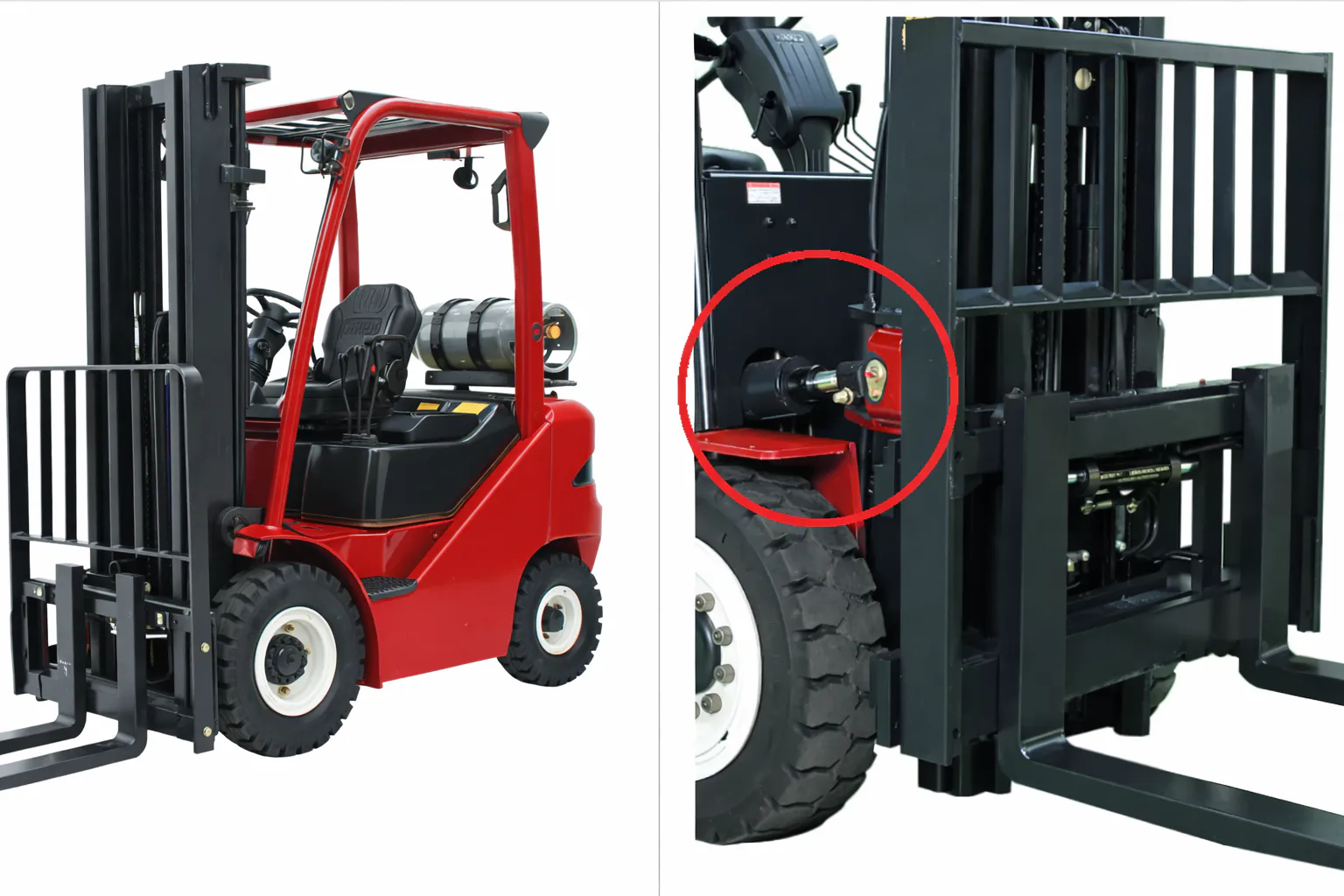
The forklift tilt cylinder in a vineyard context operates identically in principle to any other double-acting forklift tilt cylinder: oil directed into the cap-end chamber extends the rod, rotating the mast and fork carriage forward; oil directed into the rod-end chamber retracts the rod, tilting the mast backward. What changes in the vineyard context is the precision and smoothness required across the full tilt arc, and the specific angles at which operators need reliable hold position without drift during loading and unloading tasks.
During grape bin and crate handling, the most commonly required tilt position is a mild forward tilt of 3 to 6 degrees — the angle at which harvest containers are tipped to deliver grapes into the reception hopper by gravity while the operator maintains controlled, steady forward tilt rather than a single sudden dump movement. This mild, sustained forward tilt is held under the weight of the partially emptied bin for several seconds during each decant cycle, placing a steady load on the forklift tilt cylinder’s internal sealing at a position roughly mid-way through the forward stroke. Any internal bypass at this position — indicating forklift tilt cylinder drift beginning to develop from worn seals — produces an uncontrolled forward lean that discharges grapes too rapidly and risks container instability.
In wine barrel handling inside cave cellars, the relevant tilt characteristic is zero or near-zero tilt maintained against the load weight of a 225-litre oak barrel (approximately 300 kg when full) on a barrel-handling fork attachment. The cylinder must hold this level position without detectable drift for the duration of the barrel placement sequence — sometimes 30 to 60 seconds in a complex racking manoeuvre inside a narrow, low-clearance gallery. This is where the quality of the forklift tilt cylinder’s piston seal and internal bore honing most directly determines whether barrel placement inside a French cave cellar is a routine operation or a source of ongoing operator anxiety.
6. Application Scenarios in French Viticulture Operations
The forklift tilt cylinder supports a range of specific tasks across the annual French viticulture production calendar, from harvest reception through to wine distribution logistics.
Harvest Reception and Grape Bin Decanting
During the vendange, forklifts with controlled tilt cylinder function handle the reception of harvested grape bins — placing full bins on reception tables, decanting grapes into reception hoppers at controlled tilt angles, and stacking emptied bins for return to the vineyard. The speed and gentleness of each tilt movement directly affects grape and juice quality, particularly for whole-bunch and high-end natural wine production practices where minimising mechanical grape damage is a technical priority.
Wine Barrel Handling and Cellar Racking
Moving and racking 225-litre Bordeaux or Burgundy barrels inside French cave cellars is one of the more technically demanding forklift applications in the food and beverage sector. The forklift tilt cylinder must hold exact level positions during barrel placement on narrow cave racking systems, where barrel-to-rack clearances of 20 to 30 mm leave no room for the load shift that tilt drift would introduce during a multi-barrel stacking sequence inside a dimly lit cave gallery.
Tank and Equipment Movement During Vinification
During the active fermentation period, mobile stainless fermentation tanks — some on wheeled bases for repositioning within the chai — may be moved with forklift attachment systems where tilt cylinder function determines how smoothly and safely these heavy, liquid-filled vessels can be repositioned without slosh or stability risk. The hydraulic forklift tilt cylinder on equipment used for this task benefits from proportional control to allow fine-speed tilt movements rather than sharp on-off engagement.
Bottled Wine Pallet Handling and Export Staging
French wine estates and negociant shippers handle vast pallet quantities of bottled wine during release and export staging, where the forklift tilt cylinder ensures stable, level pallet transport through bottle stores, loading docks, and container stuffing operations. For wine destined for Colombian and other Latin American markets — a growing export segment — precise tilt cylinder function prevents bottle damage from load shift during long-distance pallet stacking in high-cube container operations.
Vineyard Infrastructure and Trellis Equipment Handling
Beyond the harvest season, vineyard forklifts — often the same small equipment units used in the cellar — handle trellis wire, vine training stakes, pruning equipment, and ground preparation materials across the vineyard parcels throughout the year. This seasonal diversity of tasks places the forklift tilt cylinder in an unusually wide range of outdoor conditions across a year’s operation, from summer heat to winter vine dormancy work in wet, muddy field conditions.
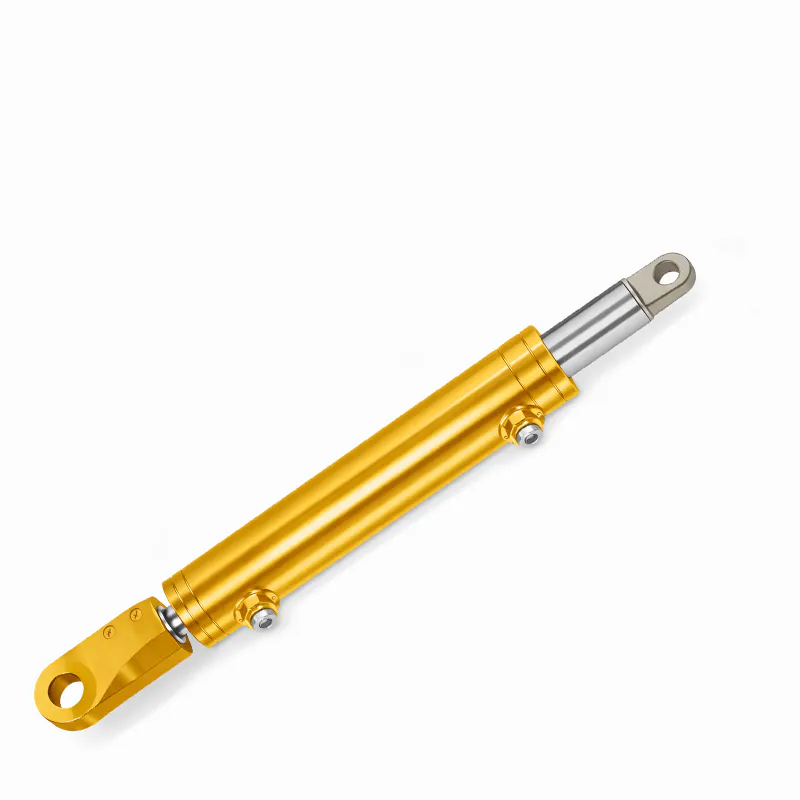
7. Recommended Forklift Tilt Cylinder Models for Viticulture Applications
The following models from the current forklift tilt cylinder range are well suited to the compact, precise, and chemically resistant demands of vineyard, winery, and high-value agricultural equipment applications.

8. Regulatory and Standards Context for Vineyard Forklift Equipment
Forklift tilt cylinder equipment used in French viticulture and winery operations intersects with agricultural machinery safety regulation, food safety standards, and general powered industrial truck compliance requirements across France, the European Union, and internationally relevant frameworks.
France — Code Rural et de la Pêche Maritime
The French agricultural labour code establishes occupational safety obligations for agricultural enterprises including wineries, covering the maintenance and inspection requirements for powered mobile equipment such as forklifts used during harvest operations. Tilt cylinder condition directly affects load stability — a safety-critical parameter in this regulatory framework.
France — AOC/AOP Wine Traceability and Handling
Appellation d’Origine Contrôlée (AOC) and Appellation d’Origine Protégée (AOP) wine production rules, administered through the Institut National de l’Origine et de la Qualité (INAO), indirectly affect equipment standards by establishing that wine handling must maintain product quality from grape to bottle. Equipment failures that damage product or contaminate it with hydraulic fluid carry both quality certification and commercial liability consequences for the estate.
EU Food Safety Regulation (EC) 852/2004
European food safety hygiene regulation (EC) 852/2004 establishes requirements for equipment used in food production environments, which extend to maintenance machinery and handling equipment in areas where food contact can occur. Hydraulic fluid leakage from a forklift tilt cylinder in a harvest reception or barrel cellar area is a potential contamination risk requiring documentation under EU food safety management requirements.
Директива ЄС 2006/42/ЄС про машини
Forklift equipment sold into the European agricultural market, including the French viticulture sector, must meet CE marking requirements under the Machinery Directive, which governs hydraulic system design, guarding, and stability requirements for powered industrial trucks including tilt cylinder specification and counterbalance valve requirements.
Colombia — Resolución 0312 de 2019 and ICA
For Colombian winery and agricultural equipment operators, Resolución 0312 de 2019 of the Ministerio del Trabajo establishes occupational safety standards for mobile mechanical equipment, while Colombia’s Instituto Colombiano Agropecuario (ICA) regulates agricultural inputs and equipment quality in the country’s emerging viticulture sector, relevant to operators importing high-quality forklift tilt cylinder equipment for winery applications in Boyacá, Santander, and Valle del Cauca.
ISO 3691-1 and NTC-ISO 3691 (Colombia)
ISO 3691-1 international safety requirements for self-propelled industrial trucks — adapted in Colombia as NTC-ISO 3691 through ICONTEC — establish hydraulic system safety criteria applicable to forklift tilt cylinder design in all powered industrial truck applications, including those in agricultural and winery environments across both France and Colombia.
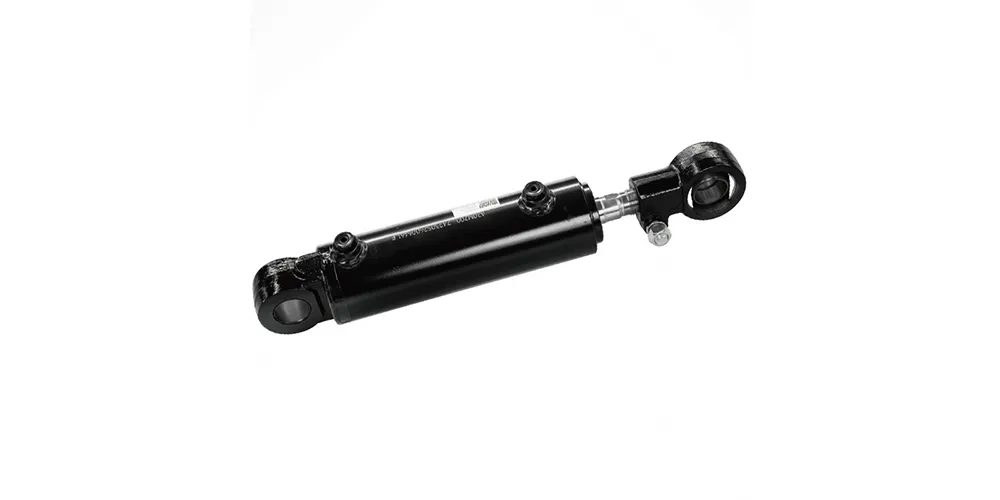
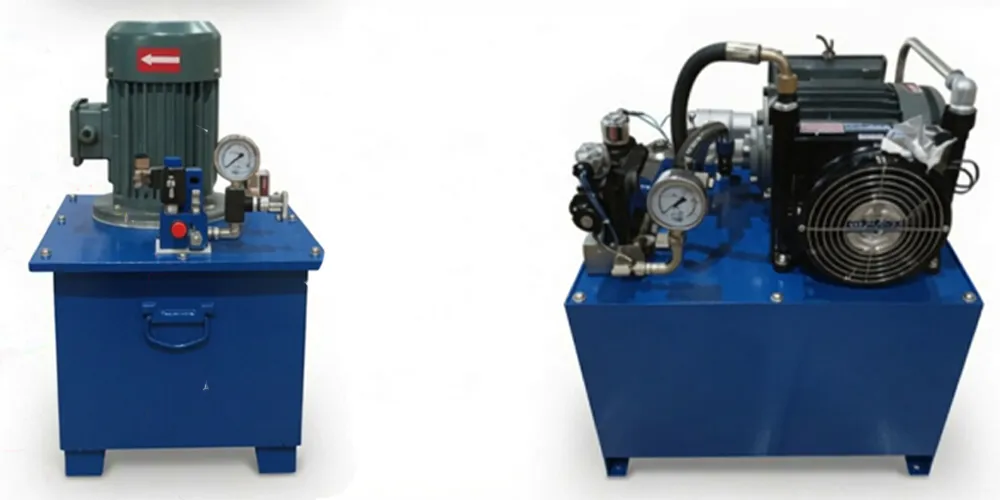
9. Related Hydraulic Products
We supply hydraulic system products that complement the forklift tilt cylinder within vineyard, winery, and agricultural equipment systems — supporting one-stop procurement for equipment integrators and operators across France, Colombia, and international agricultural markets.
10. About Our Forklift Tilt Cylinder Manufacturing
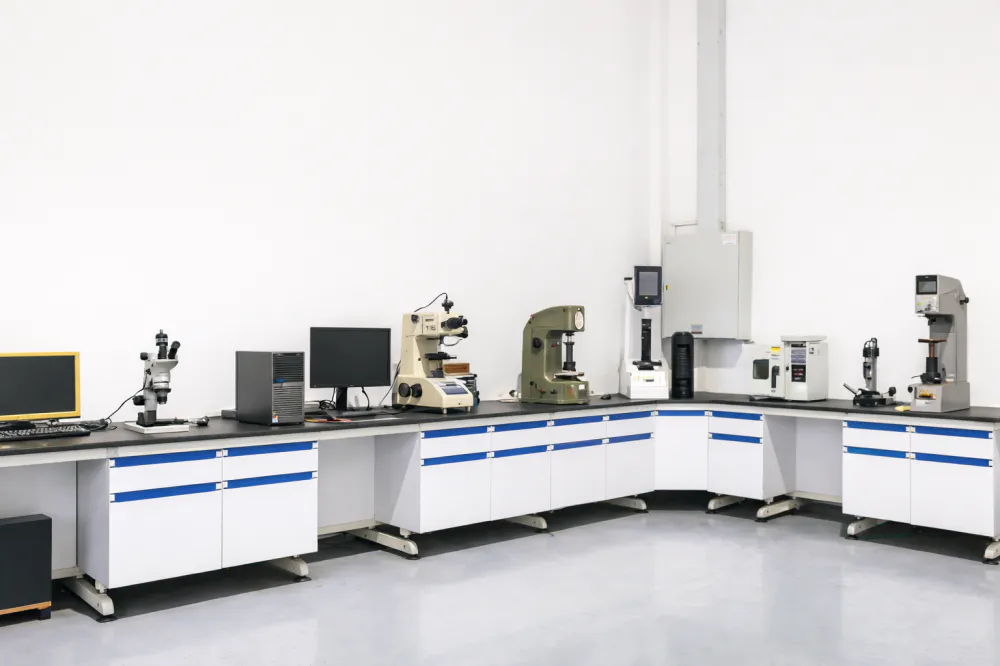
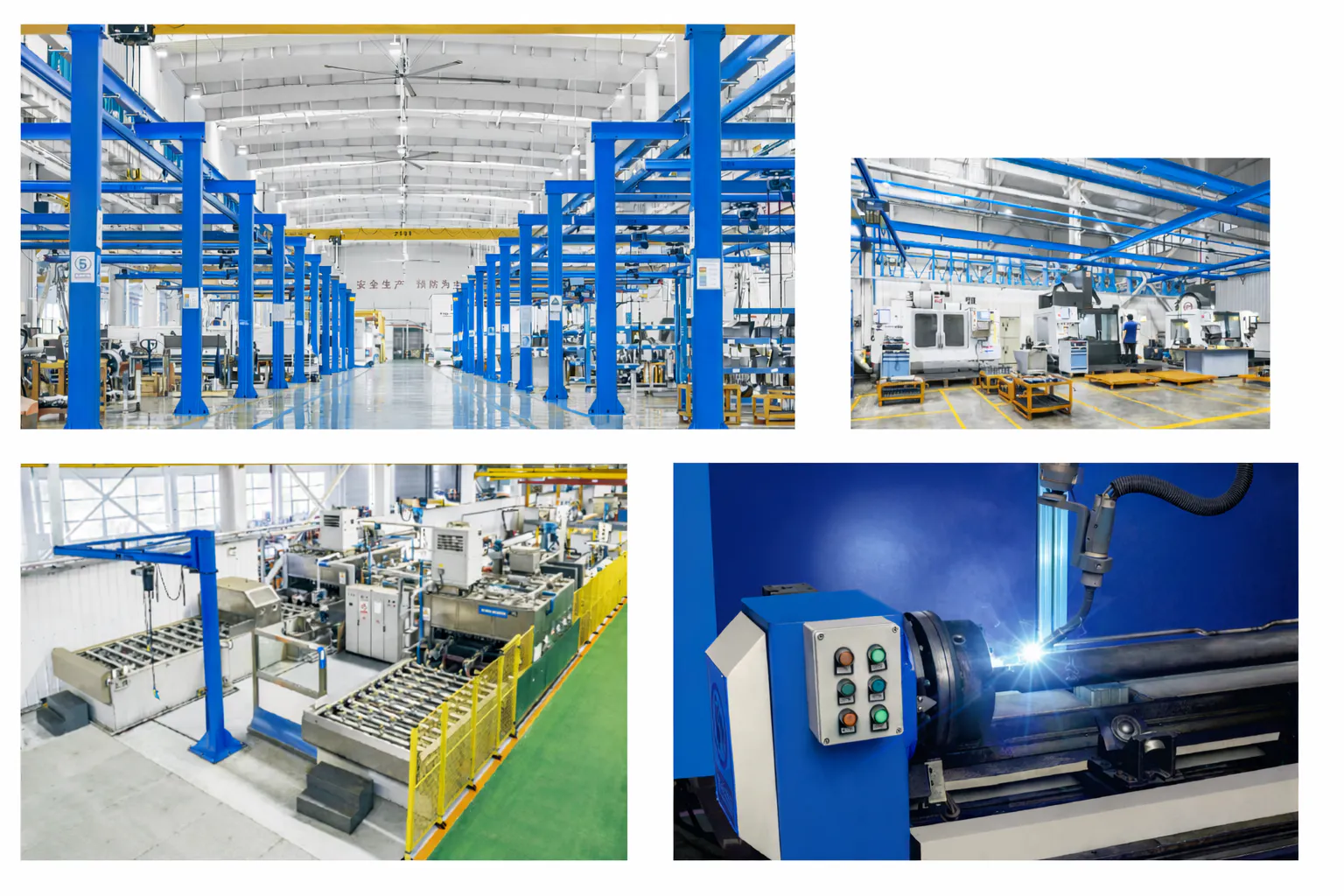
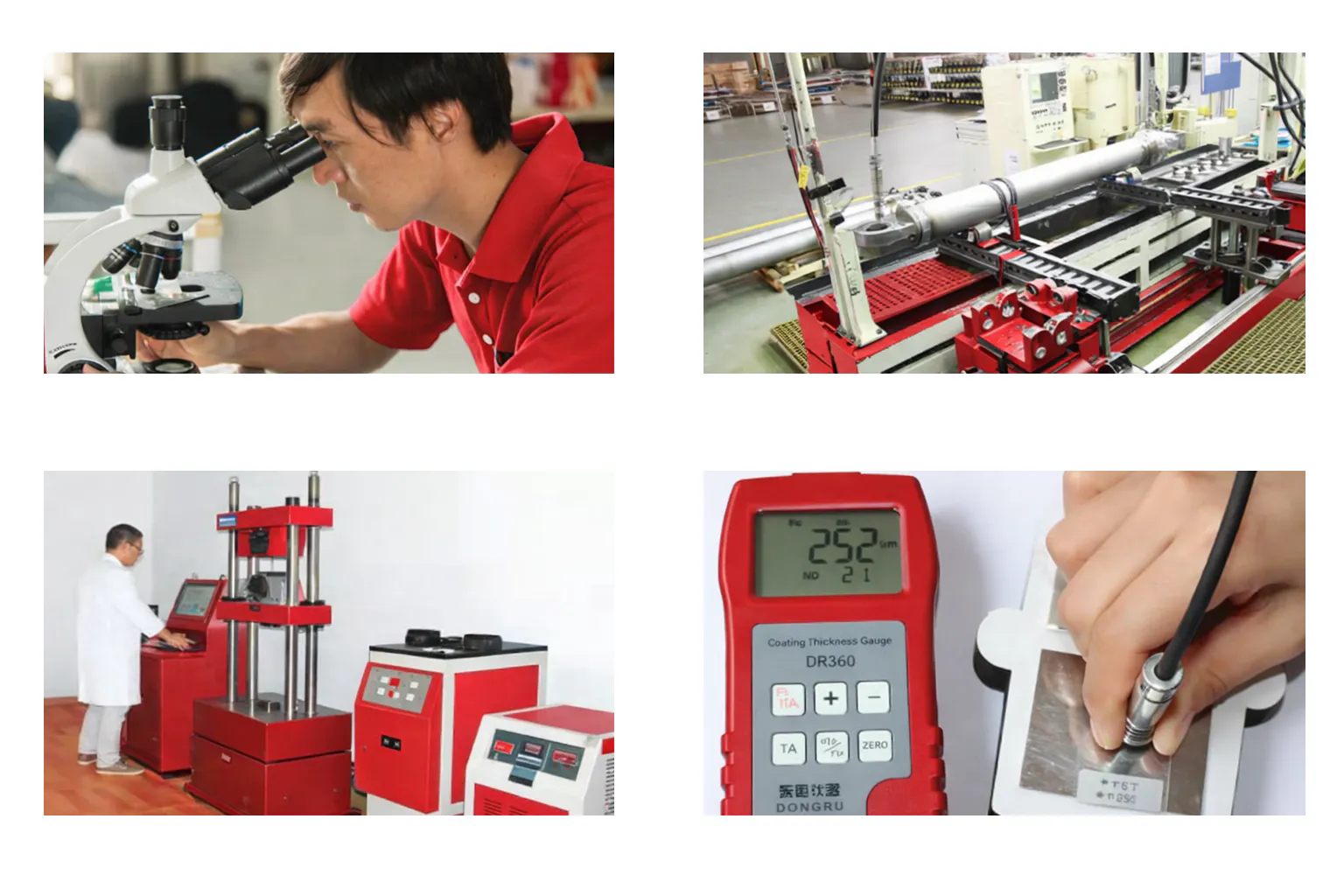
We are a specialist hydraulic cylinder manufacturer with technical experience supplying material handling, agricultural, and industrial machinery sectors — including the precision forklift tilt cylinder applications described in this article. Every forklift tilt cylinder we produce undergoes dimensional verification, pressure testing, and seal integrity inspection before dispatch, providing the documented quality assurance that agricultural and food-industry operators in France, Colombia, and international markets require for equipment used near sensitive food production environments.
We supply agricultural machinery integrators, winery equipment specialists, and forklift service operators across France and Colombia with technical guidance on forklift tilt cylinder selection, replacement cross-referencing, and specification customisation for demanding agricultural applications including the vineyard and cellar use cases described in this article. Our engineering team works directly with buyers to confirm bore, stroke, seal compound, and surface coating choices suited to the specific material handling and environmental challenges of each application.
Майстерня
Часті запитання
Редактор: PXY