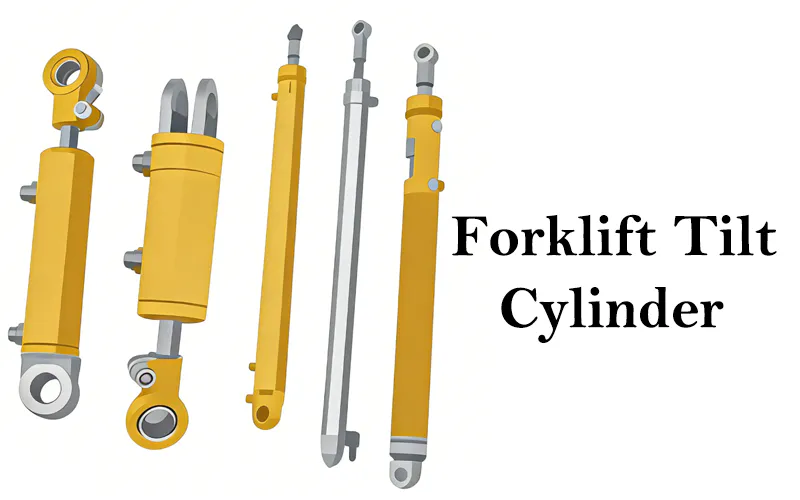
Mô tả sản phẩm
| Description | Cab Tilt Cylinder |
| Nhà sản xuất thiết bị gốc (OEM) | 0571534405 |
| Appl | Mercedes Benz |
| Bảo hành | One year |
| Package&Delivery | |
| Packaing Details |
Eastiger Packing |
| Customer Packing | |
| Plain box | |
| Delivery Detail | 30-60 days after payment |
If you need more information, please send email to us. Thank you!
| Bảo hành: | One Year |
|---|---|
| Kiểu: | Cab Tilt Cylinder |
| OEM Number: | 0025534405 |
| Service: | 24hours |
| Tên sản phẩm: | Cab Tilt Cylinder |
| Gói vận chuyển: | Eastiger, Tapffer, Masko, Kowa. |
| Tùy chỉnh: |
Có sẵn
|
|
|---|
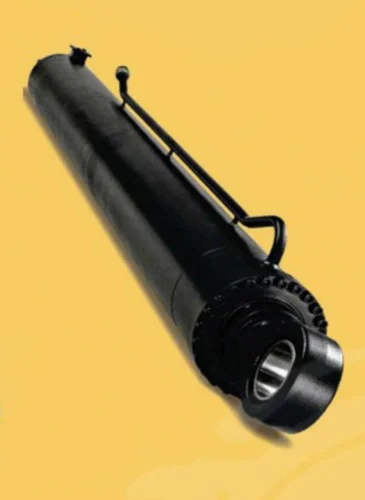
Xi lanh nghiêng có thể được sử dụng trong thiết bị khai thác mỏ để vận chuyển vật liệu không?
Yes, tilt cylinders can be used in mining equipment for material transport. These cylinders play a crucial role in enhancing the functionality and efficiency of mining machinery involved in the movement of materials within mining operations. Here’s a detailed explanation:
- Bed Tilt Control: Tilt cylinders enable control over the tilt angle of the loading or hauling bed in mining equipment such as dump trucks, articulated trucks, and underground mining vehicles. By adjusting the tilt angle, operators can optimize the loading, dumping, and spreading of materials, improving the efficiency of material transport.
- Load Discharge: Tilt cylinders facilitate the discharge of materials from mining equipment. By tilting the bed or container, operators can unload the materials at the desired location, such as stockpiles or processing areas. The precise control provided by tilt cylinders ensures accurate and efficient material discharge, reducing the risk of spillage and improving overall productivity.
- Center of Gravity Management: Tilt cylinders help in managing the center of gravity of mining equipment during material transport. By adjusting the tilt angle, operators can optimize the distribution of weight and maintain stability, especially when navigating uneven or challenging terrains. This center of gravity management enhances safety and control during material transport operations.
- Material Flow Control: Tilt cylinders allow operators to control the flow of materials within mining equipment. By adjusting the tilt angle, they can regulate the rate at which materials are loaded, dumped, or spread. This control over material flow ensures efficient handling, minimizes material loss, and optimizes the utilization of mining equipment.
- Integration with Hydraulic Systems: Tilt cylinders are integrated with the hydraulic systems present in mining equipment. Hydraulic power is utilized to actuate the cylinders, providing the required force and control for bed or container tilt adjustment. The hydraulic system enables responsive and precise movement, allowing operators to position the materials accurately and efficiently.
- Robust Design: Tilt cylinders used in mining equipment are designed to withstand the harsh operating conditions encountered in mining environments. They are engineered to handle heavy loads, extreme temperatures, dust, and debris. The robust design ensures durability, reliability, and long service life, even in demanding mining applications.
Therefore, tilt cylinders can be effectively utilized in mining equipment for material transport. Whether it involves bed tilt control, load discharge, center of gravity management, material flow control, integration with hydraulic systems, or the robust design required for mining operations, tilt cylinders contribute to improving the efficiency, safety, and productivity of material transport within mining sites.
Xi lanh nghiêng xử lý sự khác biệt về kích thước và dung tích xi lanh như thế nào?
Xi lanh nghiêng được thiết kế để xử lý hiệu quả sự thay đổi về kích thước và dung tích xi lanh. Đây là một bộ phận đa năng có thể đáp ứng các thông số kỹ thuật khác nhau để đáp ứng các yêu cầu cụ thể của nhiều ứng dụng. Dưới đây là giải thích chi tiết:
- Tính linh hoạt về kích thước: Xi lanh nghiêng có nhiều kích thước khác nhau để phù hợp với các cấu hình thiết bị và điều kiện vận hành khác nhau. Các nhà sản xuất cung cấp xi lanh với đường kính lỗ, đường kính cần piston và chiều dài hành trình khác nhau. Tính linh hoạt về kích thước cho phép tích hợp phù hợp với nhiều loại máy móc và đảm bảo hiệu suất tối ưu dựa trên các yêu cầu về tải trọng và lực cụ thể.
- Khả năng chịu lực: Xi lanh nghiêng được thiết kế để xử lý các khả năng chịu lực khác nhau. Khả năng chịu lực của xi lanh phụ thuộc vào các yếu tố như áp suất thủy lực, kích thước xi lanh và diện tích piston. Các nhà sản xuất cung cấp xi lanh nghiêng với các mức lực khác nhau, cho phép người vận hành lựa chọn xi lanh phù hợp dựa trên tải trọng của thiết bị và lực điều chỉnh góc nghiêng mong muốn.
- Khả năng chịu tải: Xi lanh nghiêng được thiết kế để xử lý các tải trọng gặp phải trong nhiều ứng dụng khác nhau. Chúng được thiết kế để chịu được các lực tác động trong quá trình vận hành thiết bị và duy trì tính toàn vẹn cấu trúc. Khả năng chịu tải của xi lanh nghiêng được xác định bởi các yếu tố như vật liệu sử dụng, kích thước xi lanh và các đặc điểm thiết kế. Bằng cách lựa chọn kích thước và công suất xi lanh phù hợp, người vận hành có thể đảm bảo rằng xi lanh nghiêng có thể xử lý các tải trọng cụ thể gặp phải trong ứng dụng của họ.
- Tùy chọn tùy chỉnh: Các nhà sản xuất cung cấp các tùy chọn tùy chỉnh cho xi lanh nghiêng để đáp ứng các yêu cầu cụ thể. Việc tùy chỉnh này bao gồm khả năng điều chỉnh kích thước, dung tích và các thông số khác của xi lanh để đáp ứng nhu cầu của thiết bị và ứng dụng. Bằng cách hợp tác với các nhà sản xuất, người vận hành có thể có được các xi lanh nghiêng được thiết kế riêng theo thông số kỹ thuật độc đáo của họ, đảm bảo hiệu suất và khả năng tương thích tối ưu.
- Khả năng thay thế: Xi lanh nghiêng được thiết kế để có thể thay thế cho nhau trong nhiều trường hợp. Các nhà sản xuất thường tuân theo các tiêu chuẩn ngành hoặc cung cấp các tùy chọn lắp đặt tương thích, cho phép người vận hành thay thế hoặc nâng cấp xi lanh mà không cần sửa đổi đáng kể. Khả năng thay thế này đơn giản hóa các quy trình bảo trì và thay thế, cho phép người vận hành điều chỉnh kích thước và công suất xi lanh khi cần thiết.
Do đó, xi lanh nghiêng xử lý các biến thể về kích thước và công suất xi lanh thông qua tính linh hoạt về kích thước, cung cấp các khả năng lực khác nhau, đảm bảo khả năng chịu tải phù hợp, cung cấp các tùy chọn tùy chỉnh và đảm bảo khả năng thay thế. Những tính năng này cho phép người vận hành lựa chọn và lắp đặt các xi lanh nghiêng phù hợp với thiết bị và yêu cầu ứng dụng cụ thể của họ, nâng cao chức năng và hiệu suất tổng thể của máy móc.
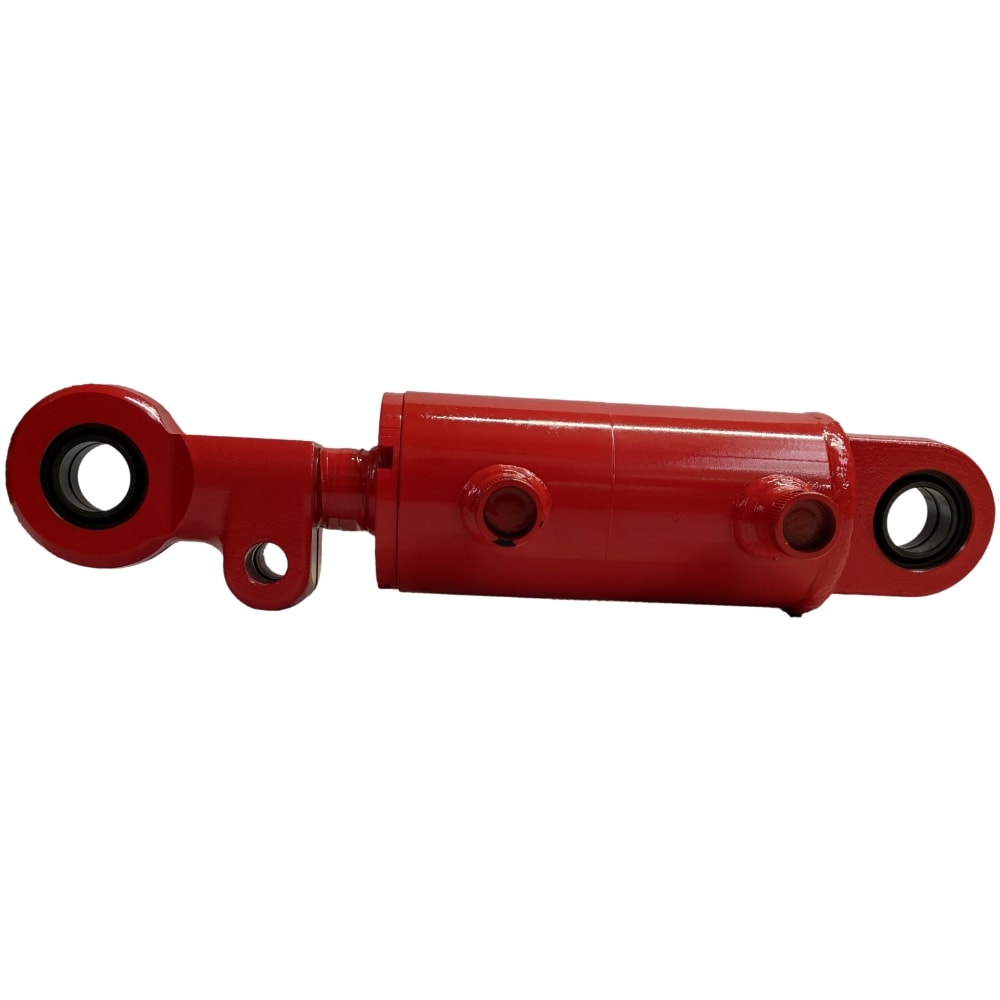
How does a tilt cylinder contribute to energy-efficient equipment operation?
A tilt cylinder plays a significant role in promoting energy-efficient equipment operation. By implementing certain design features and functionalities, tilt cylinders help optimize energy usage and improve overall equipment performance. Here’s a detailed explanation:
- Accurate Control: Tilt cylinders allow for precise control of the angle and position of attachments or implements, such as blades or buckets. This level of control enables operators to perform tasks with greater accuracy, minimizing the need for rework or additional passes. By achieving the desired angle or position on the first attempt, energy consumption is reduced, leading to more efficient equipment operation.
- Reduced Wasted Effort: Tilt cylinders prevent wasted effort by providing operators with the ability to adjust the tilt angle according to the specific requirements of the task at hand. For example, in grading operations, the ability to fine-tune the blade angle ensures that only the necessary amount of soil is moved, avoiding unnecessary exertion and energy expenditure. By minimizing wasted effort, tilt cylinders contribute to energy conservation and more efficient equipment operation.
- Optimized Material Handling: In equipment like excavators, tilt cylinders allow for precise control of the bucket tilt angle during material handling operations. This optimized control ensures that the right amount of material is loaded or dumped, minimizing spillage and unnecessary movements. By reducing material waste and improving handling efficiency, energy consumption is optimized, resulting in energy-efficient equipment operation.
- Hydraulic System Efficiency: Tilt cylinders are part of the hydraulic system in equipment. A well-designed hydraulic system, including the tilt cylinder, ensures efficient power transmission and minimal energy losses. By utilizing advanced hydraulic technologies, such as efficient pumps, valves, and control systems, equipment manufacturers can optimize the energy efficiency of the overall system, including the tilt cylinder’s operation.
- Smart Control Systems: Some modern equipment incorporates smart control systems that integrate with the tilt cylinder. These systems utilize sensors, actuators, and data processing capabilities to optimize equipment operation and energy usage. By analyzing real-time data, such as load conditions, terrain characteristics, and operator inputs, the control system can adjust the tilt cylinder’s operation for maximum energy efficiency while maintaining productivity.
- System Integration and Optimization: Tilt cylinders are designed to integrate seamlessly into the overall equipment system. Manufacturers optimize the interaction between the tilt cylinder, hydraulic system, control systems, and other components to achieve energy-efficient equipment operation. Components are selected and engineered to work together harmoniously, minimizing energy losses and maximizing system performance.
By enabling accurate control, reducing wasted effort, optimizing material handling, contributing to efficient hydraulic systems, incorporating smart control systems, and focusing on system integration and optimization, tilt cylinders significantly contribute to energy-efficient equipment operation. These cylinders play a vital role in enhancing productivity while minimizing energy consumption, promoting sustainability, and reducing operational costs.
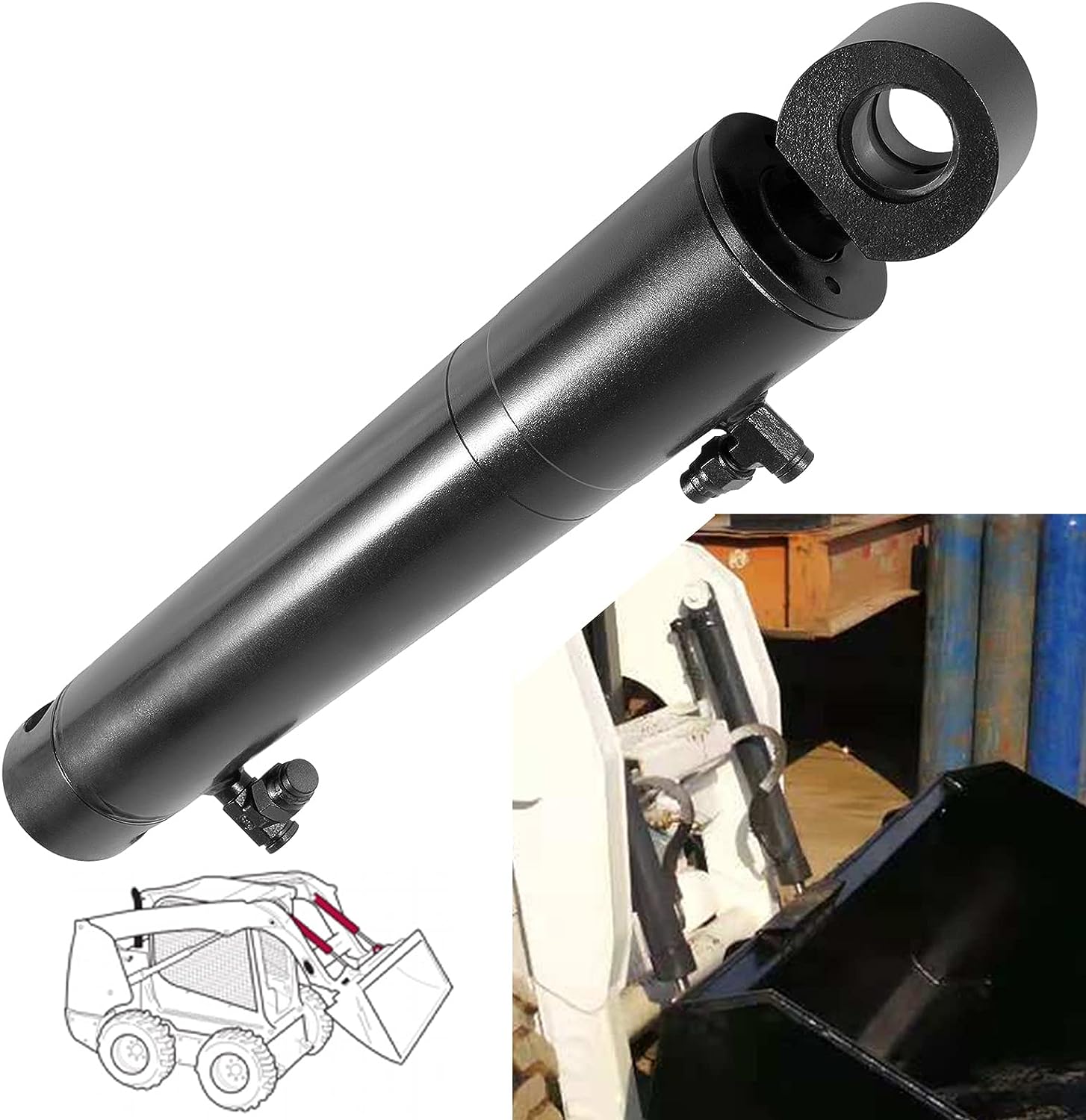
How does a tilt cylinder contribute to precise equipment tilt control?
A tilt cylinder plays a crucial role in achieving precise equipment tilt control. It provides the necessary force and control mechanisms to enable controlled and accurate tilting movements. Here’s a detailed explanation of how a tilt cylinder contributes to precise equipment tilt control:
- Force Generation: A tilt cylinder is a hydraulic component that generates the force required to tilt or angle the equipment. It consists of a cylinder housing, piston, and rod assembly. When hydraulic pressure is applied to the cylinder, the piston moves, exerting force on the attached component. The force generated by the tilt cylinder allows for precise and controlled tilting of the equipment.
- Controlled Fluid Flow: Tilt cylinders utilize hydraulic fluid to transmit force and control the tilting movement. The flow of hydraulic fluid is regulated by control valves, which allow operators to control the speed, extent, and direction of the tilt. By adjusting the control valves, operators can achieve precise control over the fluid flow, enabling accurate and controlled tilting of the equipment.
- Range of Motion: Tilt cylinders provide a specific range of motion, allowing for controlled tilting within that range. The range of motion is determined by the design and construction of the cylinder, as well as the attachment points on the equipment. The defined range enables operators to tilt the equipment to the desired angle with precision, ensuring precise control over the tilt position.
- Feedback Mechanisms: Some tilt cylinders incorporate feedback mechanisms such as limit switches or sensors. These mechanisms provide real-time feedback on the position and angle of the tilted component. By monitoring the feedback, operators can precisely adjust the tilt cylinder to achieve the desired tilt angle. This feedback loop enhances the precision of equipment tilt control.
- Operator Input: Tilt cylinders are typically operated by equipment operators who have control over the hydraulic system. Operators can manipulate the control levers or buttons to adjust the hydraulic pressure and flow, thereby controlling the tilt cylinder’s movement. The operator’s skill and experience in operating the tilt cylinder contribute to achieving precise equipment tilt control.
By combining the force generation capabilities, controlled fluid flow, defined range of motion, feedback mechanisms, and operator input, a tilt cylinder enables precise control over the equipment’s tilt. This precision is essential for applications where accurate tilting is required, such as in construction, mining, agriculture, and material handling. The ability to achieve precise equipment tilt control enhances operational efficiency, productivity, and safety in various industries.


editor by CX 2023-10-12