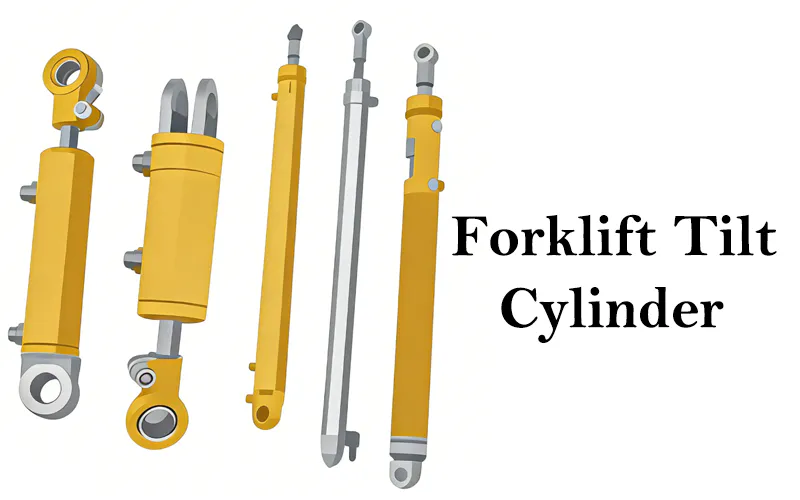
Mô tả sản phẩm
Product Information
High quality CHINAMFG CaterpiIIar Blade Tilt Cylinder LH D10T 2320652/G hydraulic cylinder
| Working temperature | -40°C ~ 80°C |
| Màu sắc | RAL9005,Customize |
| Vật liệu | CK45,ST52,ST52-3,27SiMn,Customize |
| Bộ gioăng | SKF, Trelleborg, Halite, Chesterton, NOK, Kayaba |
| Piston rod | Hard chromed |
| Bao bì | Plywood case |
| Bảo hành | 12 tháng |
| Sự chi trả | T/T |
| Part NO. | Name of Commodity & Specification | Người mẫu | Measurement(CMS) | Volume | Net Weight(kg) | Gross WT (kg) | ||||
| Length | Width | Chiều cao | m³ | Đơn vị | Total | Đơn vị | Total | |||
| 2320652/G | D10T Cat truck | D10T | 205.00 | 50.00 | 60.00 | 0.62 | 350.00 | 350.00 | 410.00 | 410.00 |
Popular Cylinder Type and Part No. for Mining Haul Truck
| Mục No. |
Part NO. |
Name of Commodity & Specification |
Người mẫu |
| 1 | EJ6895/G | Front Suspension ASSY/830E Dump Truck | 830E |
| 2 | EM8840/G | Rear Suspension ASSY/830E Dump Truck | |
| 3 | EM8354/G | Hoist Cylinder ASSY/830E Dump Truck | |
| 4 | EL7952/G | Steering Cylinder ASSY/830E Dump Truck | |
| 5 | 9T2869/G | Blade Hoist Cylinder | D10T |
| 6 | 2320652/G | Blade Tilt Cylinder LH | |
| 7 | 2320653/G | Blade Tilt Cylinder RH | |
| 8 | 19926445/G | Ripper Lift Cylinder RH | |
| 9 | 19926446/G | Ripper Lift Cylinder LH | |
| 10 | 4T9977/G | Ripper Tilt Cylinder | |
| 11 | 252571/G | Blade Hoist Cylinder | D11T |
| 12 | 3672259 /G | Blade Tilt Cylinder LH | |
| 13 | 3672258 /G | Blade Tilt Cylinder RH | |
| 14 | 1616616/G | Ripper Lift Cylinder LH | |
| 15 | 1616615/G | Ripper Lift Cylinder RH | |
| 16 | 1306381/G | Ripper Lift Cylinder LH | |
| 17 | 1303263/G | Ripper Lift Cylinder RH |
Advantage
Better designs, better material, better value.
ROCA hydraulic cylinders are designed with rugged features to give unequaled service life and performance.
Mining equipment is continually subjected to torturous conditions that punish hydraulic cylinders. These difficult conditions include dust, grit, heat, cold, and moisture. Besides, the equipment is subject to slamming loads and mechanical impacts.
ROCA designs and manufactures excavators, dumper trucks, and heavy-duty hydraulic cylinders that endure these very difficult conditions.
Show
Shipment
Company Information
HangZhou CHINAMFG is a comprehensive manufacturing enterprise engaged in hydraulic cylinders, excavator attachment, metal casting, hydraulic components with certification approval to meet custom or OEM requirements.
ROCA owned factory offers customers effective-cost products with quality assurance. With its professional and experienced R&D team, CHINAMFG Hydraulic devotes itself to research and development to optimize products applied in construction, mining, waste management, forestry, agriculture, etc.
Xi lanh thủy lực là phương pháp hiệu quả và tiết kiệm nhất để đẩy, kéo, nâng và hạ.
Hiện nay, xi lanh thủy lực đóng vai trò thiết yếu trong ứng dụng hàng ngày và công nghiệp:
√ Khai thác mỏ
√ San lấp mặt bằng & Xây dựng
√ Nông nghiệp & Lâm nghiệp
√Quản lý chất thải & Xử lý vật liệu
√Cần cẩu tàu biển & ngoài khơi
Việc lựa chọn xi lanh phù hợp cho từng ứng dụng là rất quan trọng để đạt được hiệu suất và độ tin cậy tối đa.
ROCA team takes all your concerns into consideration to suit your hydraulic cylinder requirements.
Chúng ta sẽ cùng nhau tìm ra giải pháp thiết kế tốt nhất cho ứng dụng của bạn.
Câu hỏi thường gặp
1. What is the Warranty Period?
Generally 12 months from the date of bill of lading. For some special machines, the warranty can be prolonged after mutual agreement.
2. Which Payment Terms Can you Accept?
1,L/C+T/T
2,L/C+D/P
3. How Is Your Delivery Time?
It depends on the type of machine. In general circumstances, it will take more than from 30days to 90days to finish production. But we always will try our best to advance the delivery. If the material is in handy, the production time will also be shortened accordingly.
4. How Soon Can You Respond to Client’s Inquiry?
As soon as we saw it, no more than 12hours.
| Chứng nhận: | CE, ISO9001 |
|---|---|
| Áp lực: | Áp suất cao |
| Nhiệt độ làm việc: | Low Temperature |
| Cách diễn xuất: | Tác động kép |
| Phương pháp làm việc: | Chuyến đi thẳng |
| Dạng điều chỉnh: | Loại được quy định |
| Tùy chỉnh: |
Có sẵn
|
|
|---|
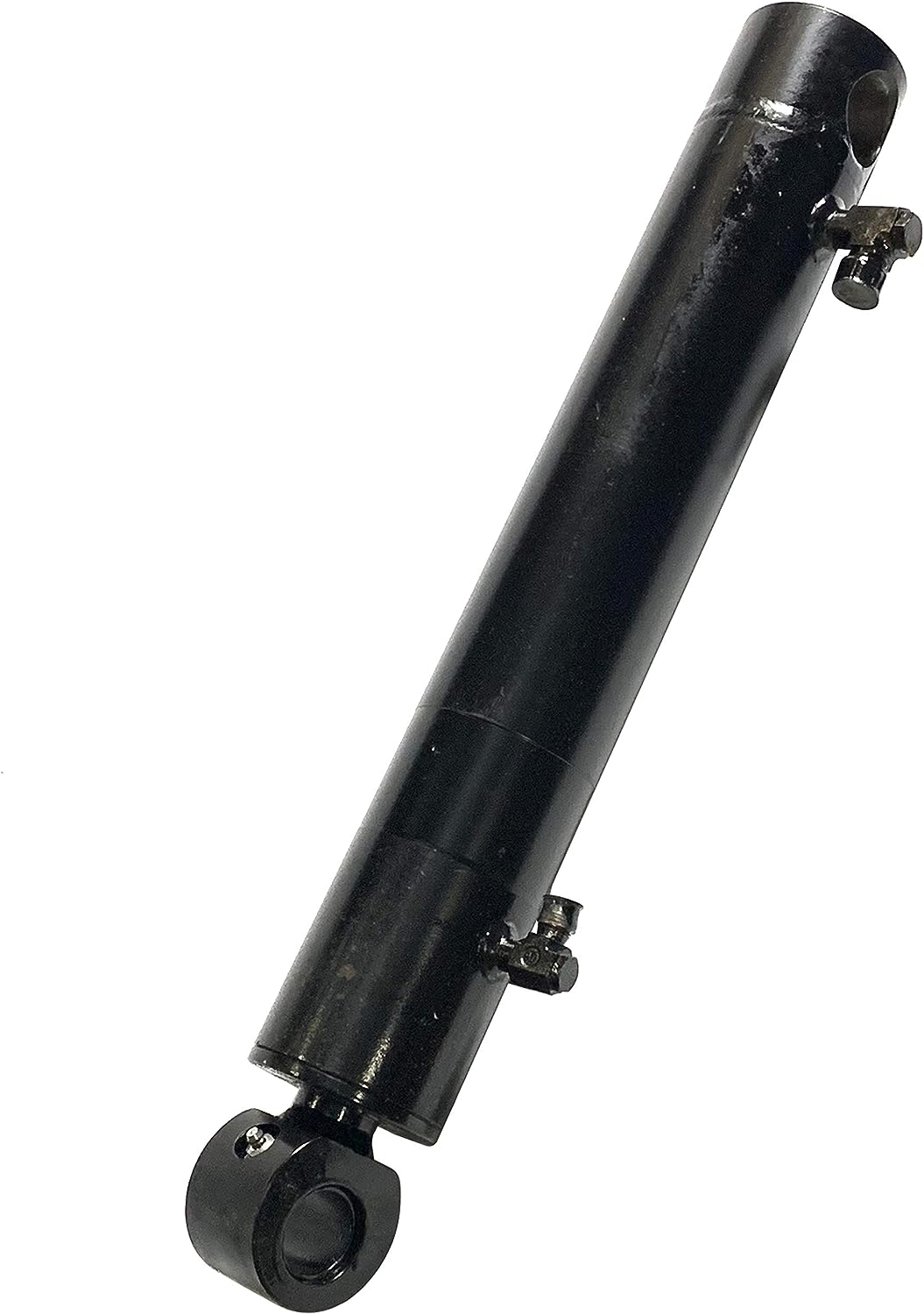
How does a tilt cylinder handle variations in hydraulic seal technology?
A tilt cylinder is designed to handle variations in hydraulic seal technology effectively. Hydraulic seals play a critical role in the proper functioning and performance of tilt cylinders. Here’s a detailed explanation:
- Sealing Efficiency: Tilt cylinders are equipped with hydraulic seals that effectively prevent leakage of hydraulic fluid. The design and construction of these seals ensure a tight and reliable seal, even under high-pressure conditions. Whether the hydraulic seal technology involves traditional seals, such as O-rings or lip seals, or more advanced sealing solutions, tilt cylinders are designed to accommodate and utilize the specific seal technology for optimal sealing efficiency.
- Compatibility with Seal Materials: Tilt cylinders are designed to be compatible with various seal materials used in hydraulic systems. Different hydraulic seal technologies may utilize different materials, such as rubber compounds, polyurethane, or synthetic materials. Tilt cylinders are engineered to work seamlessly with a wide range of seal materials, ensuring proper sealing performance and longevity.
- Seal Configuration and Design: Tilt cylinders are designed to accommodate different seal configurations and designs. Hydraulic seal technologies may vary in terms of seal profiles, dimensions, and installation methods. Tilt cylinders are manufactured with the necessary features and specifications to accommodate these variations. Whether it involves single-acting or double-acting cylinders, piston seals, rod seals, or wiper seals, tilt cylinders are designed to handle the specific seal configuration and design requirements.
- Seal Maintenance and Replacement: Tilt cylinders are designed to facilitate seal maintenance and replacement. Hydraulic seals may require periodic inspection, lubrication, or replacement to ensure optimal performance and prevent leakage. Tilt cylinders are designed with accessible seal areas, allowing for convenient inspection and maintenance. Additionally, the design of tilt cylinders enables efficient seal replacement when necessary, minimizing downtime and ensuring continuous operation.
- Seal Technology Advancements: Tilt cylinders are adaptable to advancements in hydraulic seal technology. The field of hydraulic seal technology continues to evolve, with new materials, designs, and technologies being developed. Tilt cylinder manufacturers actively incorporate and adapt to these advancements, ensuring that their cylinders can effectively handle the variations and improvements in hydraulic seal technology over time.
Therefore, tilt cylinders are designed to handle variations in hydraulic seal technology by providing sealing efficiency, compatibility with seal materials, accommodating different seal configurations and designs, facilitating seal maintenance and replacement, and adapting to seal technology advancements. By considering the specific requirements of hydraulic seal technology, tilt cylinders ensure reliable and efficient sealing performance in hydraulic systems.
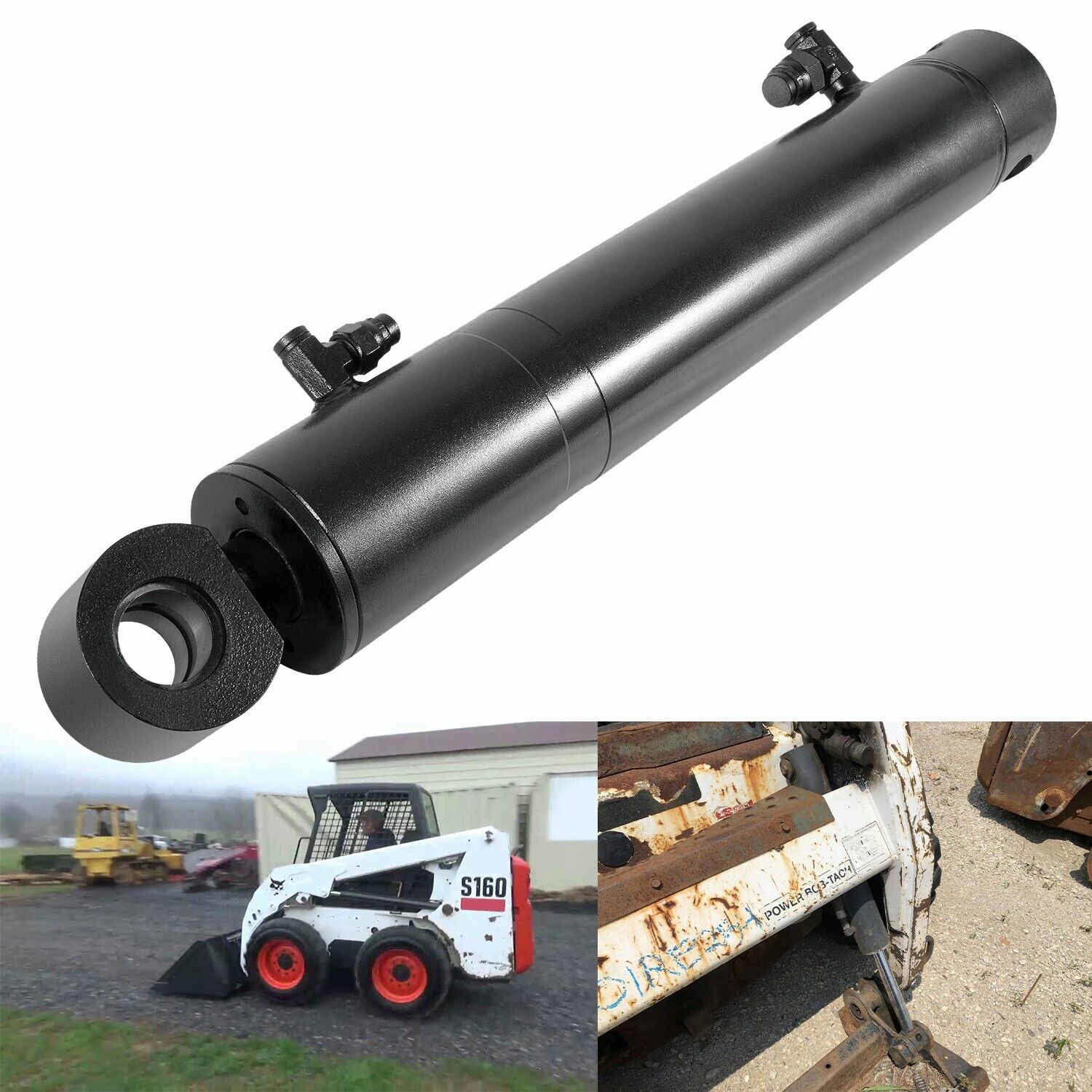
What are the safety considerations when using machinery equipped with tilt cylinders?
When using machinery equipped with tilt cylinders, several safety considerations should be taken into account to ensure the well-being of operators, bystanders, and the overall work environment. Here are the key safety considerations:
- Operator Training: Proper training is essential for operators who will be working with machinery equipped with tilt cylinders. Operators should receive comprehensive training on the safe operation of the equipment, including understanding the controls, precautions, and potential hazards associated with tilt cylinder usage. Training helps operators develop the necessary skills and knowledge to operate the machinery safely.
- Safe Operating Procedures: Establishing and following safe operating procedures is crucial for minimizing risks when using machinery with tilt cylinders. Standard operating procedures should outline the correct sequence of operations, safety checks, and precautions to be taken before, during, and after using the equipment. Operators should adhere to these procedures to ensure safe and consistent operation.
- Inspection and Maintenance: Regular inspection and maintenance of the tilt cylinders and associated equipment components are essential for safety. This includes checking for leaks, damage, loose connections, or excessive wear. Any identified issues should be promptly addressed through maintenance or repairs to prevent potential malfunctions or accidents during operation.
- Load Capacity and Stability: Tilt cylinders have specific load capacity limits, and exceeding these limits can compromise safety. Operators should be aware of the equipment’s load capacity and ensure that the loads being lifted or tilted fall within the specified limits. Additionally, attention should be given to maintaining the stability of the machinery during tilting operations, considering factors such as uneven terrain or shifting loads.
- Proper Use of Safety Devices: Machinery equipped with tilt cylinders may have additional safety devices such as safety locks, sensors, or audible alarms. Operators should use these safety devices as intended and ensure they are in good working condition. For example, safety locks should be engaged when the equipment is stationary to prevent unintended tilting.
- Clear Communication and Signaling: Clear communication among operators, signalers, and other personnel is vital for ensuring safety during tilt cylinder operations. Hand signals or radio communication should be used effectively to convey instructions and warnings. Adequate signaling and communication protocols should be established and followed to avoid misunderstandings or accidents.
- Personal Protective Equipment (PPE): Operators and personnel working with machinery equipped with tilt cylinders should wear appropriate personal protective equipment, including safety helmets, protective eyewear, gloves, and high-visibility clothing. PPE helps minimize the risk of injury from potential hazards, such as falling objects, debris, or hydraulic fluid leaks.
By considering these safety aspects and implementing appropriate measures, the risks associated with using machinery equipped with tilt cylinders can be mitigated. Prioritizing safety promotes a secure working environment, reduces accidents, and protects the well-being of everyone involved in the operation.
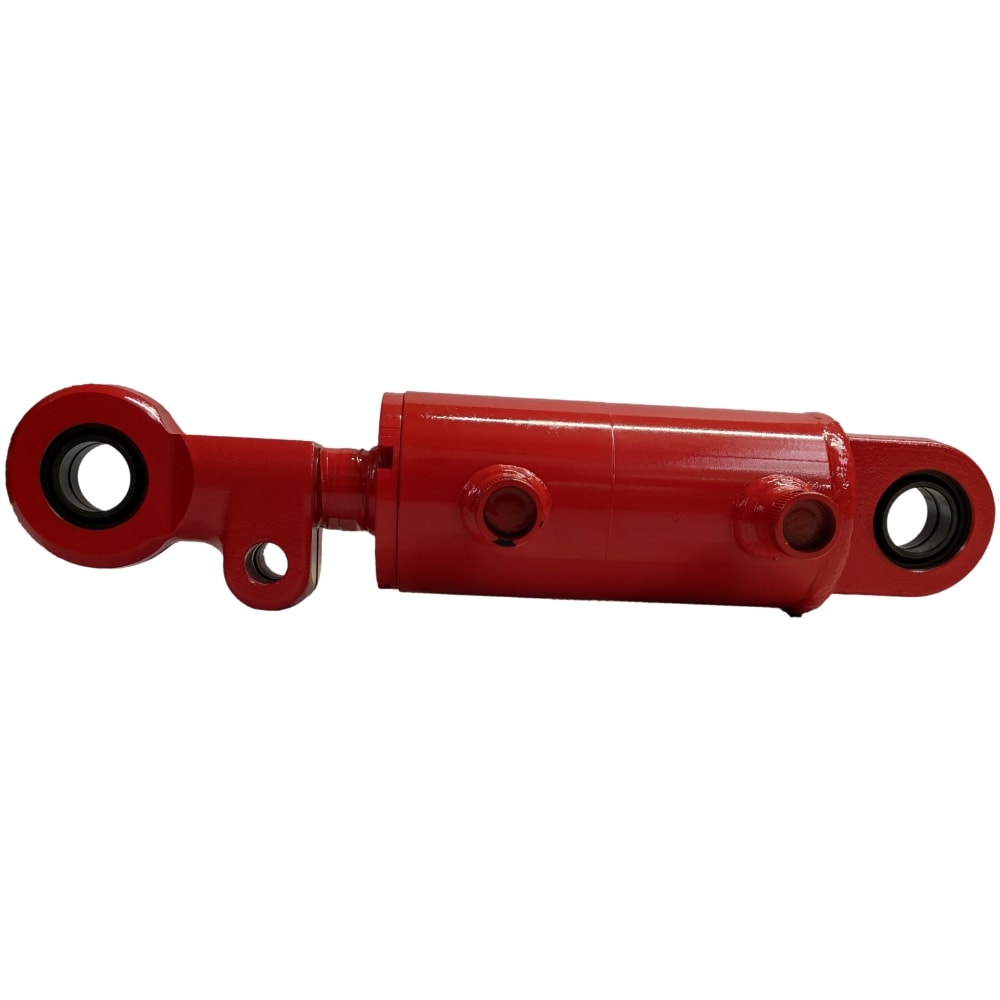
Xi lanh nghiêng có thể được sử dụng cho cả ứng dụng nghiêng và cân bằng không?
Đúng vậy, xi lanh nghiêng có thể được sử dụng cho cả ứng dụng nghiêng và cân bằng. Chúng là các bộ phận thủy lực đa năng được thiết kế để cung cấp các chuyển động nghiêng có kiểm soát, cũng như hỗ trợ các hoạt động cân bằng. Dưới đây là giải thích chi tiết:
Ứng dụng nghiêng:
Xi lanh nghiêng thường được sử dụng cho các ứng dụng nghiêng trong nhiều ngành công nghiệp khác nhau. Chúng cho phép điều khiển việc nghiêng hoặc xoay góc các bộ phận gắn trên máy móc hạng nặng. Ví dụ:
- Trong thiết bị xây dựng, xi lanh nghiêng cho phép điều chỉnh gầu xúc, lưỡi gạt hoặc các phụ kiện, giúp đào, san lấp và làm phẳng bề mặt một cách chính xác.
- Trong máy móc khai thác mỏ, xi lanh nghiêng điều khiển góc nghiêng của gầu hoặc lưỡi gầu, giúp việc vận chuyển và khai thác vật liệu diễn ra hiệu quả.
- Trong thiết bị nông nghiệp, xi lanh nghiêng cho phép nghiêng các dụng cụ như máy cày hoặc gầu xúc, giúp nông dân điều chỉnh góc làm việc để tối ưu hóa việc cày xới đất hoặc xử lý vật liệu.
- Trong máy móc thiết bị xử lý vật liệu, xi lanh nghiêng được sử dụng để điều khiển độ nghiêng của càng nâng, bệ đỡ hoặc các phụ kiện, giúp việc xếp dỡ và chất hàng diễn ra hiệu quả.
Ứng dụng san lấp mặt bằng:
Ngoài chức năng nghiêng, xi lanh nghiêng còn có thể được sử dụng cho các ứng dụng cân bằng. Cân bằng bao gồm điều chỉnh vị trí nằm ngang hoặc sự thẳng hàng của thiết bị để đảm bảo bề mặt bằng phẳng và ổn định. Xi lanh nghiêng có thể hỗ trợ các hoạt động cân bằng bằng cách:
- Khắc phục địa hình không bằng phẳng: Xi lanh nghiêng có thể được sử dụng để điều chỉnh độ nghiêng của các phụ kiện thiết bị, bù đắp cho bề mặt không bằng phẳng và duy trì vị trí cân bằng.
- Căn chỉnh các bộ phận: Xi lanh nghiêng có thể được sử dụng để căn chỉnh hoặc cân bằng các bộ phận như lưỡi dao, gầu xúc hoặc bệ đỡ, đảm bảo độ cân bằng nhất quán và chính xác trên toàn khu vực làm việc.
- Cung cấp khả năng điều chỉnh chính xác: Các van điều khiển trong xi lanh nghiêng cho phép kiểm soát chính xác chuyển động nghiêng. Người vận hành có thể thực hiện các điều chỉnh nhỏ để đạt được độ nghiêng mong muốn, đảm bảo độ cân bằng chính xác.
Bằng cách tận dụng khả năng điều khiển và phạm vi chuyển động của xi lanh nghiêng, người vận hành có thể thực hiện hiệu quả cả thao tác nghiêng và cân bằng chỉ với cùng một bộ phận thủy lực.
Tóm lại, xi lanh nghiêng rất đa năng và có thể được sử dụng cho cả ứng dụng nghiêng và cân bằng. Chúng cho phép nghiêng các bộ phận một cách có kiểm soát trong nhiều ngành công nghiệp khác nhau và cũng có thể hỗ trợ các hoạt động cân bằng chính xác. Khả năng thực hiện cả hai chức năng này làm cho xi lanh nghiêng trở thành các bộ phận thủy lực có giá trị trong các thiết bị cần cả chức năng nghiêng và cân bằng.


editor by CX 2023-10-14