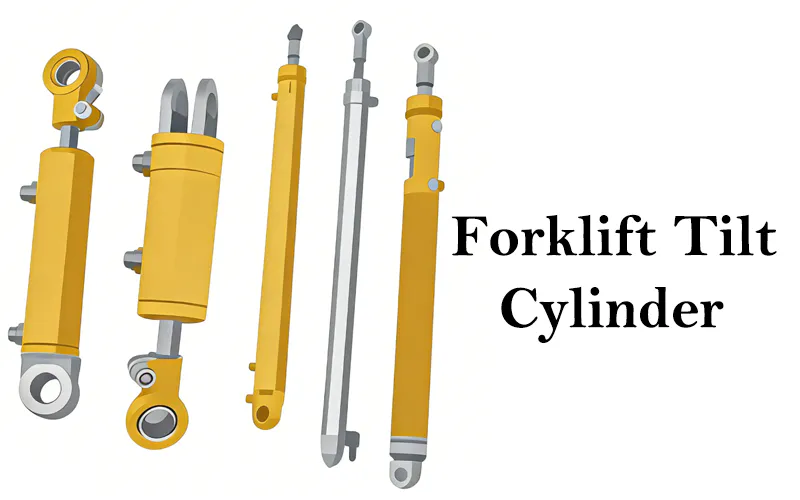
Pharma & Chemical Industry | Material Handling Guide
Forklift Tilt Cylinder Chemical Resistance Guide for Pharmaceutical Warehouse Forklifts
A comprehensive technical reference covering construction, material systems, seal compatibility, and regulatory compliance for hydraulic forklift tilt cylinders operating in pharmaceutical and chemical storage environments — with specific relevance for Colombian warehouse operators and Latin American regulatory frameworks.
Why Chemical Resistance Matters in Pharma Warehouse Forklifts
Pharmaceutical and chemical warehouses represent one of the most demanding environments for any hydraulic component. Forklifts operating inside these facilities are routinely exposed to alcohol-based sanitizers, isopropyl alcohol wash-downs, acidic cleaning agents, concentrated solvents, and corrosive vapors released during the transfer of raw materials and packaged finished goods. In such conditions, a unit that performs flawlessly in a dry goods warehouse can fail within weeks — seal degradation, barrel corrosion, and piston rod pitting each threaten the precision mast control that pharmaceutical logistics depends on.
This hydraulic cylinder is responsible for controlling the forward and backward angle of the mast assembly. In a pharmaceutical warehouse in Bogotá, Medellín, or Barranquilla, that tilt angle directly determines whether a pallet of injectables or chemical reagents is deposited safely onto a rack — or topples under an uncontrolled tilt caused by a compromised cylinder. This guide breaks down the engineering behind chemical-resistant cylinders, covering material composition, seal chemistry, surface treatment standards, and the legal landscape that governs pharmaceutical material handling across Colombia, Latin America, and international markets.
Understanding which cylinder parts, seal kits, and construction materials are suited to your specific chemical exposure profile is not merely a maintenance decision — it is a regulatory and safety obligation. The pages that follow offer the technical depth needed to make that judgment correctly.
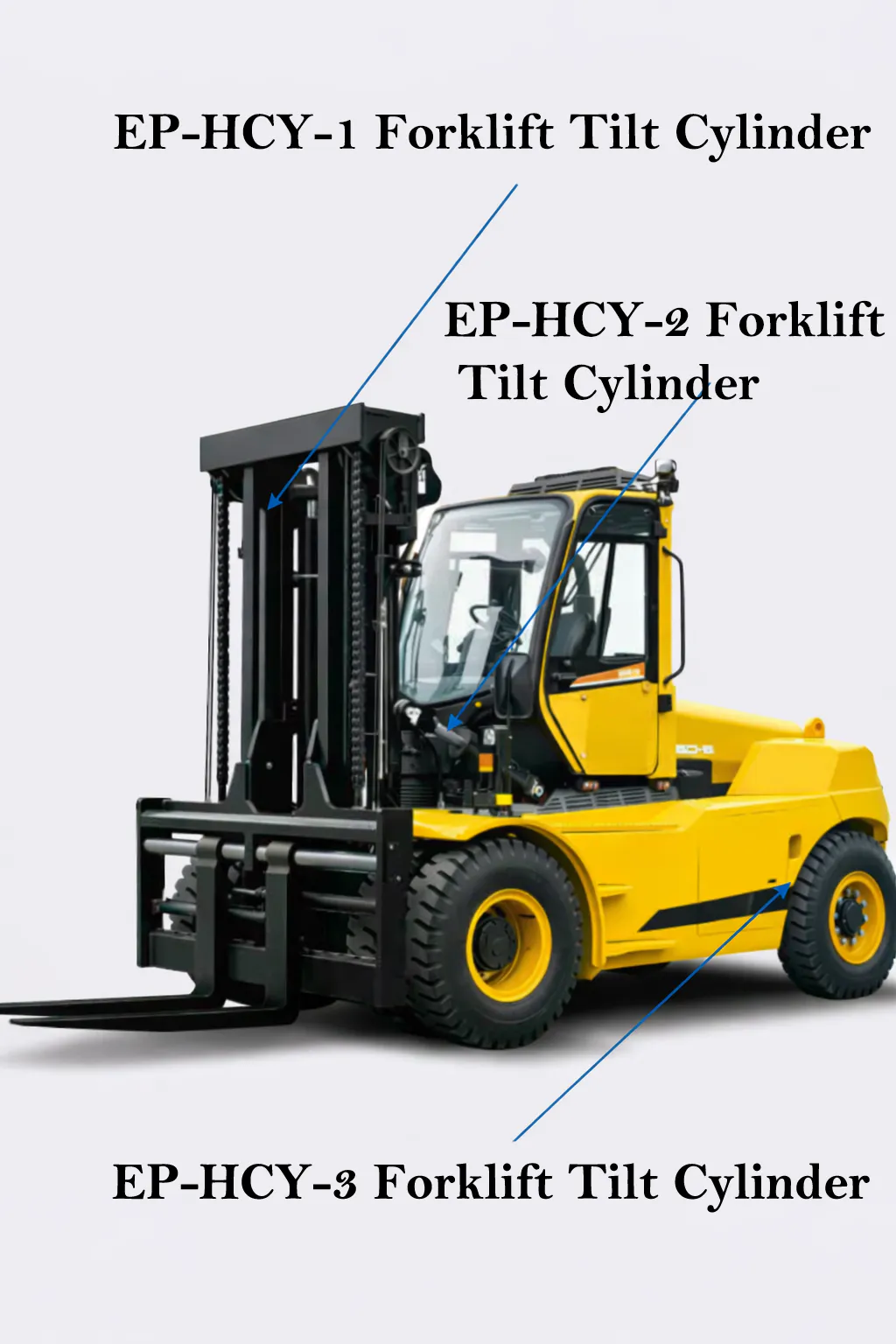
1. Manufacturing Structure of a Forklift Tilt Cylinder
A hydraulic tilt cylinder is a double-acting hydraulic actuator that extends and retracts to pivot the mast assembly about the chassis-mounted pivot pins. Unlike a single-acting lift cylinder forklift component — which relies on gravity for return — the double-acting tilt cylinder maintains active hydraulic pressure in both extend and retract directions, making precision control possible even under asymmetric loads.
At the structural level, each unit consists of five principal sub-assemblies:
Cylinder Barrel
The barrel is the outer pressure vessel, precision-honed to a mirror-smooth bore. In pharmaceutical environments, the barrel is typically fabricated from seamless cold-drawn steel tube (equivalent to EN 10305-4 or ASTM A519) with a nominal tensile strength of 520–600 MPa. For applications with chronic acidic exposure, stainless steel barrels in 304 or 316L grade provide superior corrosion immunity. The internal bore diameter determines the hydraulic output force at a given pressure — for the EP-HCY-2 tilt cylinder, the working pressure is 18.1 MPa with a maximum withstand of 27 MPa.
Piston Rod Assembly
The piston rod is the component most directly exposed to the warehouse atmosphere. In standard construction, rods are made from C45 carbon steel, ground and hard-chrome plated to a depth of 0.02–0.05 mm to resist wear and corrosion. For pharmaceutical grade duty, hard chrome alternatives include HVOF (High-Velocity Oxy-Fuel) tungsten carbide coating or electroless nickel plating, both of which offer better resistance to alkaline cleaning agents without the hexavalent chromium concerns that arise under EU REACH and Colombian environmental chemical regulations.
Piston and Piston Seals
The piston divides the cylinder into rod-end and cap-end chambers. Its sealing system — which prevents internal hydraulic crossflow between chambers — is the most chemically sensitive element in the cylinder assembly. Standard NBR (nitrile rubber) piston seals are adequate for mineral oil but may swell or harden upon prolonged contact with glycol-based hydraulic fluids, certain ester lubricants, or concentrated alcohol. Fluoroelastomer (FKM) and PTFE-based seals are specified for these environments and are standard in the seal kit for pharmaceutical-grade duty.
Gland Assembly and Rod Seals
The rod seal gland controls external leakage along the piston rod as it cycles in and out of the barrel. In a pharmaceutical warehouse, external leakage of hydraulic oil onto a chemical pallet or cleanroom floor is both a regulatory violation and a contamination risk. The gland assembly typically houses a primary wiper seal, a secondary rod seal, and a backup anti-extrusion ring. Seal material compatibility with the specific cleaning chemicals used in the facility must be confirmed at the cylinder seal replacement stage — substituting the wrong seal kit can accelerate leakage cycles rather than prevent them.
End Caps, Port Fittings, and Mounting Clevises
Cap-end and rod-end closures are threaded or welded to the barrel and carry the hydraulic port fittings. In pharmaceutical environments, stainless steel port adapters prevent galvanic corrosion at the connection point between the steel cylinder body and the plumbing system. Mounting clevises on both ends of the cylinder locate the component between the chassis mount and the mast bracket via pivot pins. Clevis bores are typically greased via zerk fittings — a maintenance point that must use food-grade or chemical-resistant grease in cleanroom or pharmaceutical areas.
2. Material System — Chemical Resistance by Component
Choosing the correct cylinder for a pharmaceutical or chemical warehouse starts with understanding which material is assigned to each structural position and how it performs against the chemical agents commonly used in those environments. The table below summarizes the principal material options and their resistance profiles across the most frequently encountered chemical exposure categories in Colombian pharmaceutical logistics facilities.
| Component | Standard Material | Pharma-Grade Option | Alcohols / Solvents | Acids / Alkalis | Mineral Oil |
|---|---|---|---|---|---|
| Cylinder Barrel | EN 10305-4 Steel | 316L Stainless Steel | ⚠ | ✗ | ✓ |
| Thanh piston | C45 + Hard Chrome | HVOF Tungsten Carbide | ⚠ | ⚠ | ✓ |
| Piston Seals | NBR (Nitrile) | FKM / PTFE | ✗ NBR / ✓ FKM | ✗ NBR / ✓ FKM | ✓ |
| Rod Wiper Seal | PUR (Polyurethane) | PTFE-Loaded PUR / FKM | ⚠ | ⚠ | ✓ |
| End Caps / Ports | Thép cacbon | 304 / 316 SS | ✓ | ✗ CS / ✓ SS | ✓ |
| Pivot Pin / Clevis | Hardened Steel | Zinc-Nickel Plated or SS | ⚠ | ✗ | ✓ |
✓ = Compatible ⚠ = Conditional / requires verification ✗ = Not recommended
3. Seal Chemistry — Selecting the Right Forklift Tilt Cylinder Seal Kit
The cylinder seal kit is the single most critical consumable in a pharmaceutical warehouse maintenance programme. Seals are the primary barrier between the high-pressure hydraulic circuit and the external environment, and they are the components most susceptible to chemical degradation. Selecting an incompatible seal material does not simply cause leakage — it can cause catastrophic cylinder drift, where the mast tilts uncontrolled while loaded, creating a potentially fatal dropped-load incident. The Colombian Occupational Health and Safety standard NTC-OSHAS 18001 and its successor ISO 45001 explicitly require that hydraulic system components be specified for the foreseeable chemical environment of their workplace.
The four primary elastomers used in forklift tilt cylinder seal kits — and their pharmaceutical-environment behavior — are as follows:
NBR — Nitrile Butadiene Rubber
The most widely used elastomer in standard hydraulic cylinder seal kits. NBR offers excellent resistance to mineral hydraulic oil and petroleum-based fluids, which is why it remains the industry default. However, NBR swells significantly when exposed to aromatic solvents, ketones, and esters — all common in pharmaceutical manufacturing and laboratory environments. Ethanol concentrations above 30%, acetone, and methyl ethyl ketone will degrade NBR seals within days to weeks of exposure. If the hydraulic system uses any bio-based or synthetic ester hydraulic fluid, NBR seal kits are not suitable regardless of external chemical exposure.
FKM — Fluoroelastomer (Viton)
FKM seals are the recommended choice for pharmaceutical and chemical warehouse cylinder seal replacement. They maintain dimensional stability across a chemical exposure range that includes most organic solvents, concentrated acids below pH 2, alkalis up to pH 12, and operating temperatures from -20°C to +200°C. The primary limitation of FKM in hydraulic applications is its poor compatibility with steam and certain amines — factors that must be checked against the specific cleaning-agent Safety Data Sheets used in the facility. These FKM seal kits typically carry a 30–50% price premium over standard NBR kits, but the extended seal life in aggressive environments delivers a lower total cost over a 12-month maintenance cycle.
PTFE — Polytetrafluoroethylene
PTFE is essentially chemically inert — it is resistant to virtually every industrial chemical except molten alkali metals and fluorine gas. In these cylinder assemblies, PTFE is most commonly used as a backup anti-extrusion ring behind the primary elastomeric seal rather than as the primary seal itself, because pure PTFE lacks the elastic recovery needed to maintain a dynamic sealing contact during piston cycling. PTFE-filled composite rings (loaded with glass fibre, carbon, or bronze) provide the dimensional stability of PTFE with improved wear resistance, making them the standard choice for piston guide rings and anti-extrusion elements in pharmaceutical-grade cylinder configurations.
PUR — Polyurethane
Polyurethane seals, commonly used as rod wiper elements in standard hydraulic cylinders, offer excellent mechanical abrasion resistance and are well-suited for dusty industrial environments. In pharmaceutical settings, however, PUR wiper seals can hydrolyze when exposed to warm water or steam cleaning, particularly at temperatures above 60°C. This limits their suitability for applications where regular hot-water washdowns are part of the sanitation protocol. Where PUR is retained in a pharmaceutical warehouse cylinder application, frequent inspection and proactive seal replacement at shortened intervals — typically every 800–1,200 operating hours rather than the 2,000-hour standard interval — is the prudent maintenance approach.
4. Surface Treatment and Coating Standards for Chemical Environments
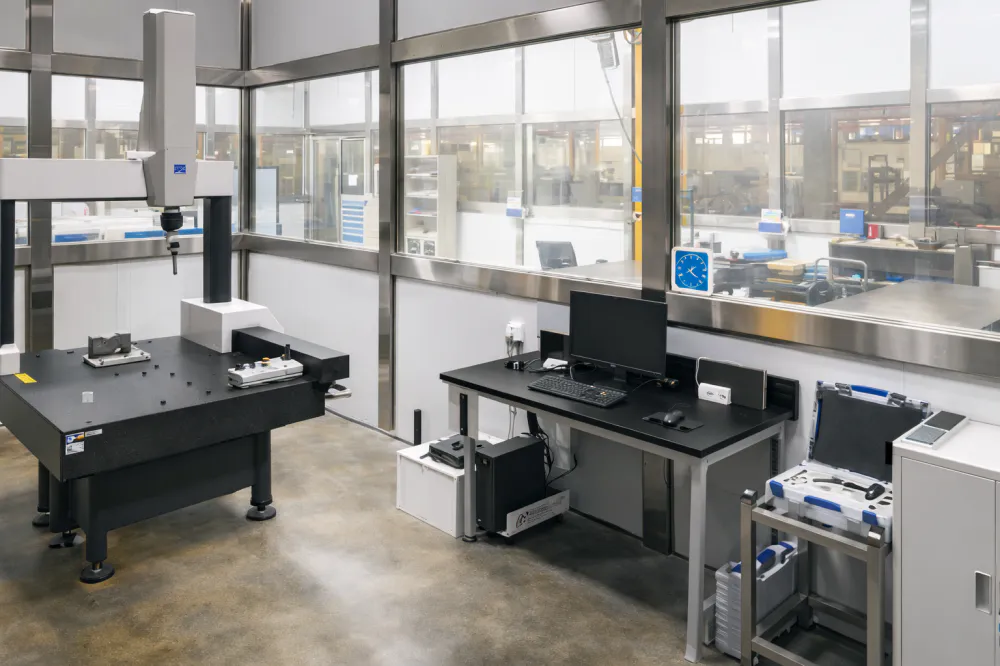
External corrosion of the cylinder body may not directly compromise hydraulic performance in the short term, but in pharmaceutical and chemical warehouse environments, it creates a particulate contamination risk and an audit failure point. Most Good Manufacturing Practice (GMP) frameworks — including Colombia’s INVIMA-aligned Decreto 1782 (for pharmaceutical establishments) and the International Society of Pharmaceutical Engineering (ISPE) baseline guides — require that material handling equipment within controlled storage areas be maintained in a state that prevents contamination of stored products. A corroded cylinder body that is shedding rust particles above a pharmaceutical product pallet is a documented contamination incident.
The principal surface treatment options for hydraulically operated cylinders in chemically aggressive environments are:
| Treatment | Thickness | Salt Spray (h) | Best Use | Limitations |
|---|---|---|---|---|
| Epoxy Primer + PU Topcoat | 80–150 µm | 500–1,000 h | General chemical warehouses | Chips under impact; re-coat needed |
| Hard Chrome (Piston Rod) | 20–50 µm | 200–400 h | Standard hydraulic duty | Cr(VI) REACH concern; pitting in acids |
| HVOF Tungsten Carbide | 100–300 µm | >2,000 h | Pharma & acid environments | Higher initial cost; specialist repair |
| Electroless Nickel Plating | 15–50 µm | 500–1,000 h | Mild acid & alcohol environments | Brittle under heavy impact |
| Stainless Steel (316L) | Bulk material | >3,000 h | Cleanrooms; pharma grade | Highest cost; weight addition |
For Colombian pharmaceutical warehouse operators sourcing this type of cylinder, it is advisable to specify at a minimum: epoxy-coated barrel exterior, HVOF or electroless nickel piston rod, and FKM seal kit. This combination satisfies the most common audit requirements under INVIMA GMP inspections and aligns with the material handling equipment guidance issued by the Ministerio de Salud y Protección Social.
5. Recommended Forklift Tilt Cylinders for Pharmaceutical Applications
Based on the material and pressure requirements common in pharmaceutical and chemical warehouse environments, the following cylinders from the product range represent suitable candidates. Both are double-acting hydraulic units engineered for precision mast tilt control.


6. Hydraulic Fluid Compatibility — Choosing the Right Oil for Pharma Duty
The forklift hydraulic cylinder diagram for a pharmaceutical warehouse machine looks similar to a standard industrial forklift — pump, reservoir, control valve, lift cylinders, and forklift tilt cylinder. But the fluid that circulates through this system has a direct influence on seal longevity, cylinder drift rates, and the chemical compatibility of every elastomeric element in the system. The Colombian Environmental Protection Framework (Decreto 2811) and ICONTEC technical standards both establish requirements for the handling and containment of hydraulic fluids in food-adjacent and pharmaceutical-adjacent work environments, including requirements that bear on fluid selection.
In pharmaceutical environments, the default mineral hydraulic oil (typically ISO VG 46 or VG 68 anti-wear grade) is generally suitable from a cylinder material standpoint — mineral oil is compatible with NBR, FKM, PUR, and PTFE alike. However, operators should consider biodegradable hydraulic fluids in facilities where a spill or leak could reach wastewater treatment systems or outdoor drainage — a scenario explicitly regulated under Colombia’s Decreto 3102 and increasingly enforced by environmental inspectors in Bogotá and Medellín industrial zones. Synthetic ester fluids (classified as HEES under ISO 15380) and polyalkylene glycol (PAG) fluids are both biodegradable options but require FKM or PTFE seal kits — standard NBR cylinder seal kits are incompatible with both.
Where fire-resistant hydraulic fluid is required — for pharmaceutical facilities located near high-temperature processes or in jurisdictions where fire protection regulations mandate it — water-glycol (HFC) or phosphate ester (HFD-R) fluids may be specified. Both require stainless steel cylinders and FKM seals, making the hydraulic cylinder selection decision inseparable from the fluid specification decision. Consult the cylinder manufacturer’s fluid compatibility table before finalizing both choices simultaneously.
7. Regulatory and Legal Framework — Colombia, Latin America, and International Standards
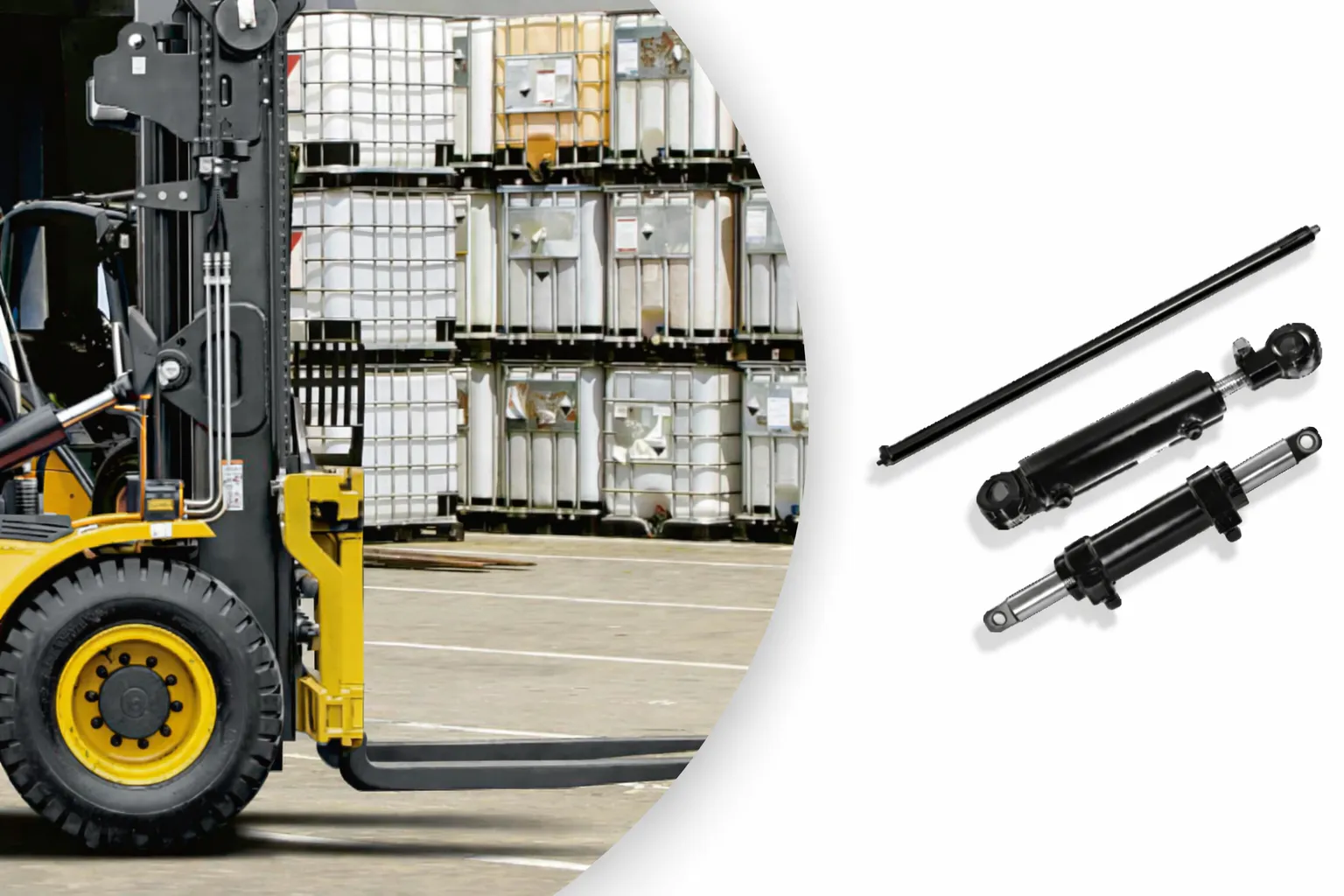
Operating a forklift in a pharmaceutical or chemical warehouse in Colombia — or anywhere in Latin America — involves navigating a layered stack of regulations that address occupational safety, equipment maintenance, chemical handling, and environmental protection. Below is a structured overview of the key frameworks governing tilt cylinder specification and maintenance in these environments.
| Jurisdiction | Standard / Regulation | Scope Relevant to Tilt Cylinders |
|---|---|---|
| Colombia | Decreto 1072 de 2015 (SG-SST) | Requires documented maintenance and inspection of all powered industrial trucks, including hydraulic systems, under the Occupational Safety and Health Management System. |
| Colombia | Resolución 2400 de 1979 | Prescribes general industrial hygiene requirements; hydraulic oil spill prevention and cylinder leak management are covered under chemical hazard control provisions. |
| Colombia (Pharma) | INVIMA Decreto 1782 (GMP) | GMP-regulated facilities must ensure that material handling equipment does not present contamination risks to pharmaceutical products; corrosion-resistant equipment surfaces are required in controlled areas. |
| Colombia | NTC 3915 / ICONTEC | Colombian national standard for the inspection and testing of hydraulic cylinder components used in industrial machinery. |
| Latin America (Regional) | MERCOSUR / IRAM / ABNT NBR 15673 | Argentina and Brazil specify forklift inspection intervals; hydraulic system integrity including tilt cylinder drift testing is a required element of annual mechanical inspection. |
| European Union | Chỉ thị về máy móc của EU 2006/42/EC | Governs CE marking of industrial trucks; hydraulic cylinders must be designed to prevent uncontrolled load movement (addresses forklift tilt cylinder drift risk directly). |
| USA / International | OSHA 29 CFR 1910.178 / ANSI B56.1 | Defines powered industrial truck maintenance standards; hydraulic fluid leakage from tilt cylinders requires immediate removal from service until repaired — applies to US facilities and Colombian OEM manufacturers exporting to the US. |
| International | ISO 3691-1:2011 | International standard for counterbalance forklift safety; includes hydraulic system stability testing and cylinder performance requirements. |
| International (Pharma) | WHO GMP Technical Report 937 | Equipment in pharmaceutical storage areas must be maintained in a clean, functional state without risk of product contamination from lubricants, hydraulic fluid, or corroded surfaces. |
Colombian pharmaceutical operators are strongly advised to maintain a hydraulic system maintenance log that documents seal replacement, oil change intervals, cylinder drift measurements, and any cylinder repair events. This log constitutes primary evidence during INVIMA GMP inspections and SG-SST audits under Decreto 1072.
8. Maintenance Guide — Preventing Forklift Tilt Cylinder Drift in Chemical Environments
Forklift tilt cylinder drift — the slow, uncontrolled tilting of the mast under a held load without any operator input — is one of the most serious functional failures in pharmaceutical warehouse operations. A mast that drifts forward while a pallet of injectables is suspended over a storage rack can result in dropped product, product contamination, and operator injury. Drift originates from internal leakage across the piston seal, external leakage past the rod seal gland, or internal bypass through a faulty control valve. In chemical environments, accelerated seal degradation is the primary root cause of elevated drift rates.
A proactive maintenance programme in pharmaceutical and chemical environments should include the following checks the following elements:
Weekly: Visual Leakage Inspection
Check the rod seal area and barrel exterior for hydraulic oil seepage, staining, or crystallised oil deposits. Any active weeping from the gland constitutes a defect that must be logged and addressed before the next shift in a pharmaceutical GMP area. Document findings in the hydraulic system maintenance log.
Monthly: Drift Rate Measurement
Raise a rated test load to full height with the mast tilted to maximum forward angle, then release the controls and measure mast movement over 10 minutes. Under ISO 3691-1, any drift that results in load movement exceeding 100 mm in 10 minutes under 100% rated load indicates a cylinder or valve that requires inspection and likely seal replacement.
Quarterly: Hydraulic Fluid Analysis
Submit a fluid sample for laboratory analysis covering viscosity, water content, particle count, and acid number. Elevated acid number indicates fluid oxidation or chemical contamination ingress — both of which accelerate seal deterioration. In environments with alcohol or solvent exposure, water content and solvent contamination should be checked via FTIR spectroscopy.
Annual / 2,000 Hours: Full Seal Inspection
Disassemble the cylinder gland and piston assembly for seal inspection. In standard environments this occurs at approximately 2,000 operating hours; in pharmaceutical and chemical environments, reduce this interval to 1,200 hours or annually — whichever comes first. Replace all elastomeric elements with the appropriate seal kit specification for the chemical exposure profile.
As Required: Forklift Hydraulic Cylinder Repair
Barrel scoring, rod chrome damage, clevis pin wear, and gland thread damage each require professional forklift hydraulic cylinder repair by a qualified hydraulic technician. In Colombia, technicians holding SENA certification in hydraulic systems (Mantenimiento de Sistemas Hidráulicos) are the standard qualification benchmark for this work. Never return the unit to pharmaceutical duty without post-repair drift testing and leakage verification under full working pressure.
9. Forklift Mast Cylinder Integration — Tilt vs. Lift in Pharmaceutical Settings
A complete forklift hydraulic cylinder diagram for a pharmaceutical warehouse machine includes at minimum two functional cylinder types operating in parallel: the forklift mast cylinder (more precisely called the lift cylinder forklift system) that provides vertical fork elevation, and the forklift tilt cylinder that controls mast angle. In a full free-lift triple mast configuration common in high-bay pharmaceutical warehouses, there may be three or more lift cylinders plus two tilt cylinders, all operating from the same hydraulic pump and fluid reservoir.
The difference between a lift cylinder and tilt cylinder matters for maintenance in pharmaceutical environments. The forklift hydraulic lift cylinder operates under load for most of its duty cycle — supporting product weight every time forks are raised. This means piston seal wear rate is directly proportional to load cycles. The forklift tilt cylinder, by contrast, is typically operated briefly at the start and end of each handling cycle to set mast angle — but it must hold position under load indefinitely between those brief operations. This makes the piston seal the more critical of the two components for drift prevention, and chemical compatibility of the piston seal is a priority specification for pharmaceutical duty.
From a forklift hydraulic cylinder diagram perspective, ensuring that all cylinders in the system — both lift and tilt types — share the same hydraulic fluid specification and compatible seal material families prevents cross-contamination of degradation products. A pharmaceutical warehouse that has properly specified FKM seal kits in the tilt cylinders but retains NBR seals in the lift cylinders will find that the NBR degradation products — NBR compounds can shed amine-based cure residues into degrading oil — may accelerate FKM deterioration in the same circuit over time.
10. Related Products — One-Stop Hydraulic Supply
For pharmaceutical and chemical warehouse operators seeking system-level compatibility, the following complementary product lines are available from the same supplier. Sourcing the tilt cylinder, tilt cylinder series, and hydraulic pump station from a single supply chain eliminates interface compatibility risks and simplifies spare-parts management.
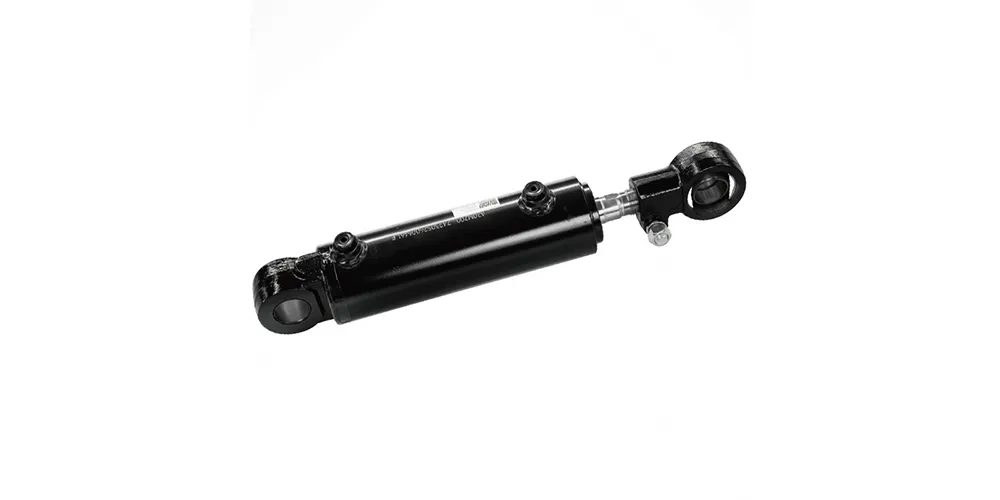
Dòng xi lanh nghiêng
The extended Tilt Cylinder product range covers a broader set of mast configurations, attachment tilt applications, and specialty cylinder formats for side-shifters, rotators, and fork positioners. For pharmaceutical warehouses using specialised attachment forklifts — drum handlers, drum rotators, or paper roll clamps — tilt cylinders from this series provide the attachment-grade pressure rating and chemical-resistant seal options required in demanding environments. System-level compatibility with the EP-HCY main cylinder ensures that both components share the same hydraulic fluid specification and port standards.
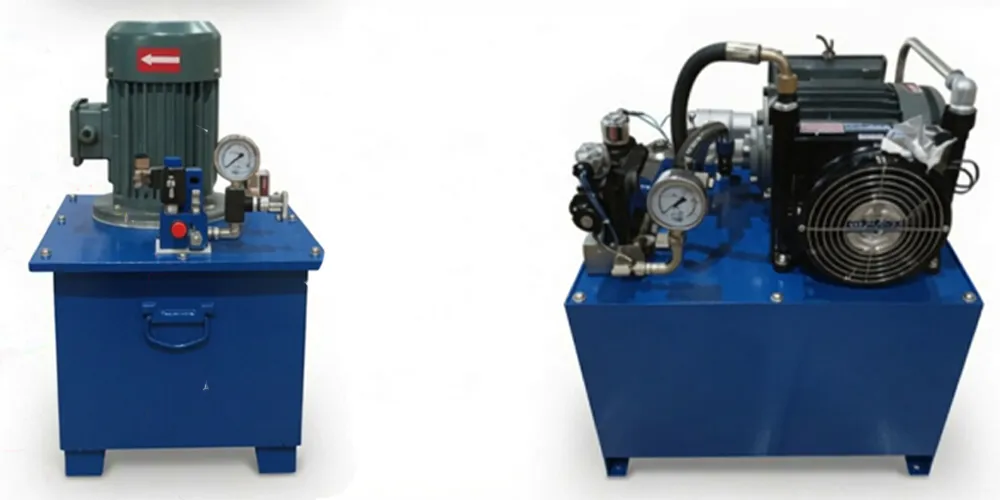
Dòng trạm bơm thủy lực
The hydraulic pump station series provides the power unit that drives both the lift cylinder forklift system and the tilt cylinder assembly from a single, controlled pressure source. In pharmaceutical warehouse environments, pump station selection directly affects fluid contamination risk — pump stations with integrated high-pressure filtration and magnetic particle traps are recommended to prevent metallic wear debris from circulating through the cylinder seal contact zones. Specifying a pump station from the same product family as the main cylinder ensures that pressure ratings, port sizes, and flow rates are matched without requiring field adjustment, reducing commissioning time in Colombian pharmaceutical facilities that operate under GMP change-control procedures.
11. About Us
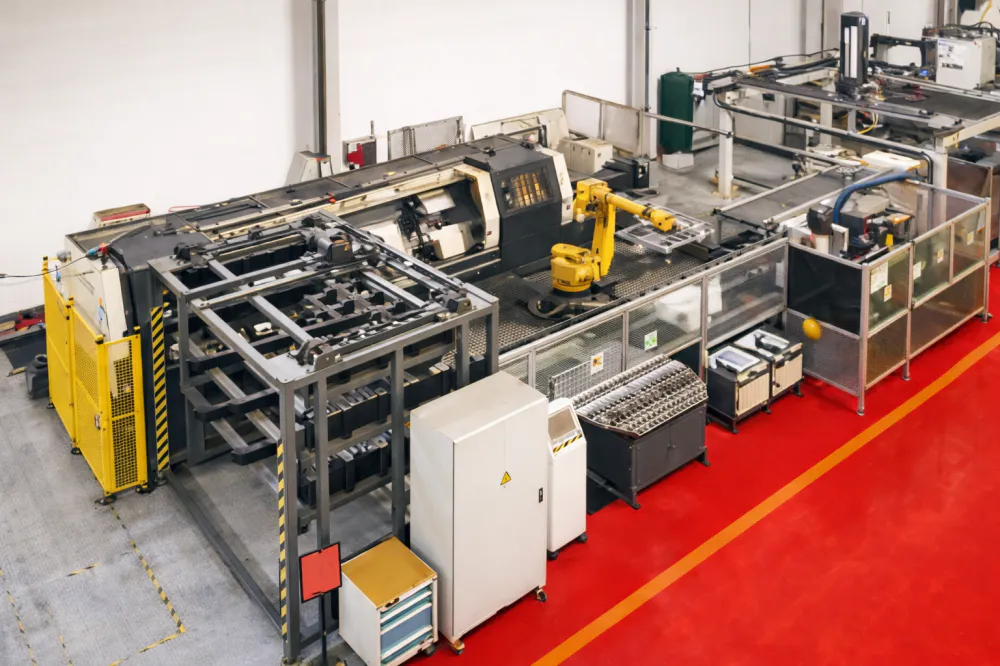
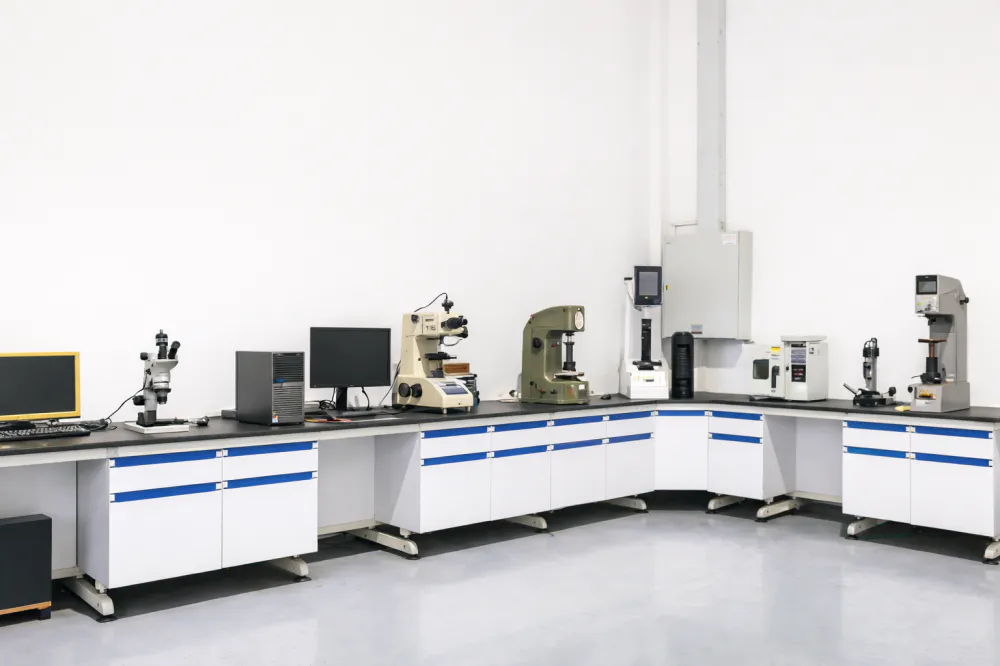
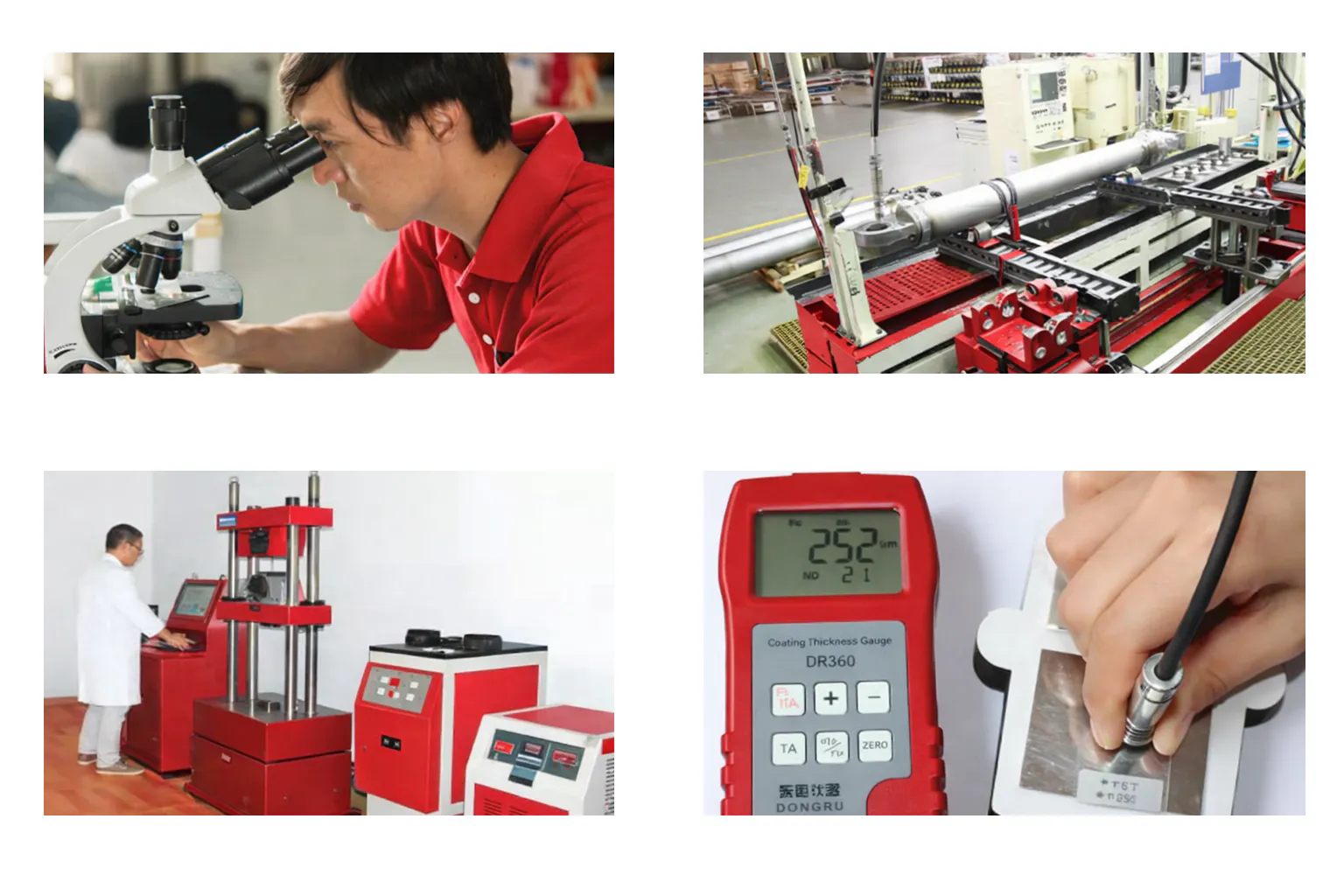
We are a specialist manufacturer of hydraulic forklift tilt cylinders and complementary hydraulic components, supplying industrial operators across Colombia, Latin America, and global markets. Our production facilities operate with fully automatic tilting cylinder assembly lines and semi-automatic lifting cylinder assembly lines, supported by CNC machining centres, robot welding systems, and automated paint production lines. Each unit passes pressure testing, dimensional inspection, and surface quality verification before dispatch. We produce custom forklift tilt cylinder configurations — including pharmaceutical-grade seal specifications, corrosion-resistant surface treatments, and non-standard stroke dimensions — to meet the specific requirements of pharmaceutical, chemical, and regulated warehouse environments. Full documentation packages including material certificates, test pressure records, and forklift hydraulic cylinder diagram drawings are available for GMP qualification and SG-SST compliance documentation in Colombian facilities.
Xưởng

Câu hỏi thường gặp
Q1. What is a forklift tilt cylinder and how does it work in a pharmaceutical warehouse environment?
A forklift tilt cylinder is a double-acting hydraulic actuator that controls the forward and backward angle of the forklift mast. In pharmaceutical warehouses, this angle control is critical for safe pallet placement on narrow pharmaceutical racking systems and for preventing load tipping during transport of high-value or hazardous drug materials. The cylinder extends and retracts under hydraulic pressure to pivot the mast precisely, with the operator controlling tilt angle via the hydraulic control lever. Proper seal material selection is essential in pharmaceutical environments where chemical cleaning agents may contact the cylinder rod.
Q2. Which forklift tilt cylinder seal kit material is best for a chemical warehouse that uses isopropyl alcohol for floor cleaning in Bogota?
For environments where isopropyl alcohol (IPA) is regularly used, FKM (fluoroelastomer) seal kits are the recommended specification for this application. Standard NBR nitrile seals swell and lose sealing contact when exposed to alcohol concentrations above approximately 30%, which is well below the 70% IPA concentration typically used for pharmaceutical-grade surface disinfection. FKM seals maintain dimensional stability across alcohol concentrations up to near-anhydrous levels and are available as a direct seal kit replacement for most standard cylinder configurations.
Q3. How often should I perform forklift tilt cylinder seal replacement on a forklift operating inside a Colombian GMP pharmaceutical facility?
In a Colombian GMP pharmaceutical facility, the recommended forklift tilt cylinder seal replacement interval is 1,200 operating hours or annually — whichever comes first — compared to the 2,000-hour standard interval for general industrial applications. The more aggressive chemical environment accelerates seal aging. Monthly drift rate measurements should also be performed: if tilt drift exceeds 100 mm in 10 minutes under rated load, seal replacement should be carried out immediately regardless of the hours interval. All seal replacement events should be documented in the hydraulic system maintenance log to support INVIMA GMP inspections.
Q4. What causes forklift tilt cylinder drift and how can it be prevented in chemical handling operations in Medellin?
Forklift tilt cylinder drift is caused by internal leakage past the piston seal, external leakage past the rod seal, or bypass through the control valve. In Medellin chemical facilities, the most common root cause is chemical degradation of NBR piston seals by solvents or cleaning agents present in the warehouse atmosphere, combined with elevated ambient temperatures that accelerate elastomer aging. Prevention requires specifying FKM or PTFE seal kits, performing monthly drift rate measurements, maintaining hydraulic fluid cleanliness above ISO 16/14/11, and shortening seal replacement intervals compared to standard industrial cycles.
Q5. What is the difference between a lift cylinder and a tilt cylinder on a forklift and which requires more maintenance in pharmaceutical settings?
The lift cylinder forklift component provides vertical fork elevation and operates under full load during every lifting cycle, making piston seal wear rate proportional to the number of load cycles completed. The forklift tilt cylinder controls mast angle and operates briefly at the start and end of each handling cycle but must hold position under load indefinitely between operations. In pharmaceutical settings, the tilt cylinder piston seal is generally the higher maintenance priority because seal degradation creates a tilt drift hazard — a live safety risk — while lift cylinder degradation typically presents as slow lowering, which is also dangerous but slightly more predictable.
Q6. Where can pharmaceutical warehouse operators in Colombia source a reliable supplier of hydraulic forklift tilt cylinder parts with GMP documentation?
Pharmaceutical operators in Colombia should source cylinder parts from manufacturers who can provide full material traceability documentation, pressure test certificates, and dimensional inspection records — all required for GMP supplier qualification under INVIMA audit. The supplier should be able to provide FKM seal kits as standard, specify the chemical compatibility range of all elastomeric components, and offer HVOF or electroless nickel rod coating options for pharmaceutical-grade piston rod protection. Ensure the supplier maintains ISO 9001 quality certification and can provide the forklift hydraulic cylinder diagram specific to the cylinder model supplied.
Q7. How does Colombia’s Decreto 1072 de 2015 apply to forklift hydraulic tilt cylinder maintenance requirements in an industrial workplace?
Decreto 1072 de 2015 establishes the Sistema de Gestión de Seguridad y Salud en el Trabajo (SG-SST) as mandatory for all Colombian workplaces. Under this decree, powered industrial trucks including forklifts must be covered by a documented preventive maintenance programme. The hydraulic system — including the forklift tilt cylinder, control valves, and fluid circuit — must be inspected and maintained according to the manufacturer’s specifications and any applicable national or international technical standards. Failure to maintain hydraulic system integrity, including unresolved tilt cylinder drift or seal leakage, constitutes a regulatory violation that can result in operational sanctions by the Colombian Ministry of Labour.
Q8. What are the different types of forklift cylinders and which type is most relevant for pharmaceutical pallet racking operations?
Forklift hydraulic systems use three main cylinder types: the forklift mast cylinder (free lift and full lift stages for vertical elevation), the forklift tilt cylinder (forward and backward mast angle control), and side-shift or attachment cylinders on specialised equipment. For pharmaceutical pallet racking operations, the tilt cylinder and the full-lift stage mast cylinder are the most operationally critical. The tilt cylinder is specifically important for ensuring that pallets are tilted slightly backward during travel — the standard pharmaceutical pallet transport position — to prevent forward load shift, and are returned to level for precise rack placement.
Biên tập viên: PXY