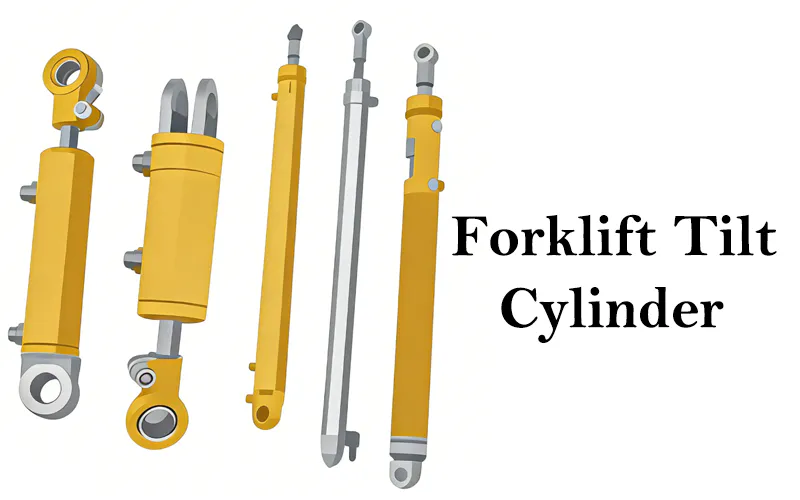
产品描述
该液压缸是专为摊铺机设计的。
该气缸具有结构紧凑、可靠性高的特点。
| 模型 | 孔径 (毫米) |
杆径 (毫米) |
中风 (毫米) |
标称压力 (酒吧) |
| HSG55/32-400*650-WX | 55 | 32 | 400 | 210 |
| 类型: | 液压缸 |
|---|---|
| 应用: | 卡车、叉车、起重机、装载机、道路机械 |
| Nominal Pressure: | 210 Bar |
| Stroke: | 400 mm |
| 证书: | ISO9001:2008 |
| 保修单: | 1 年 |
| 定制化: |
可用的
|
|
|---|
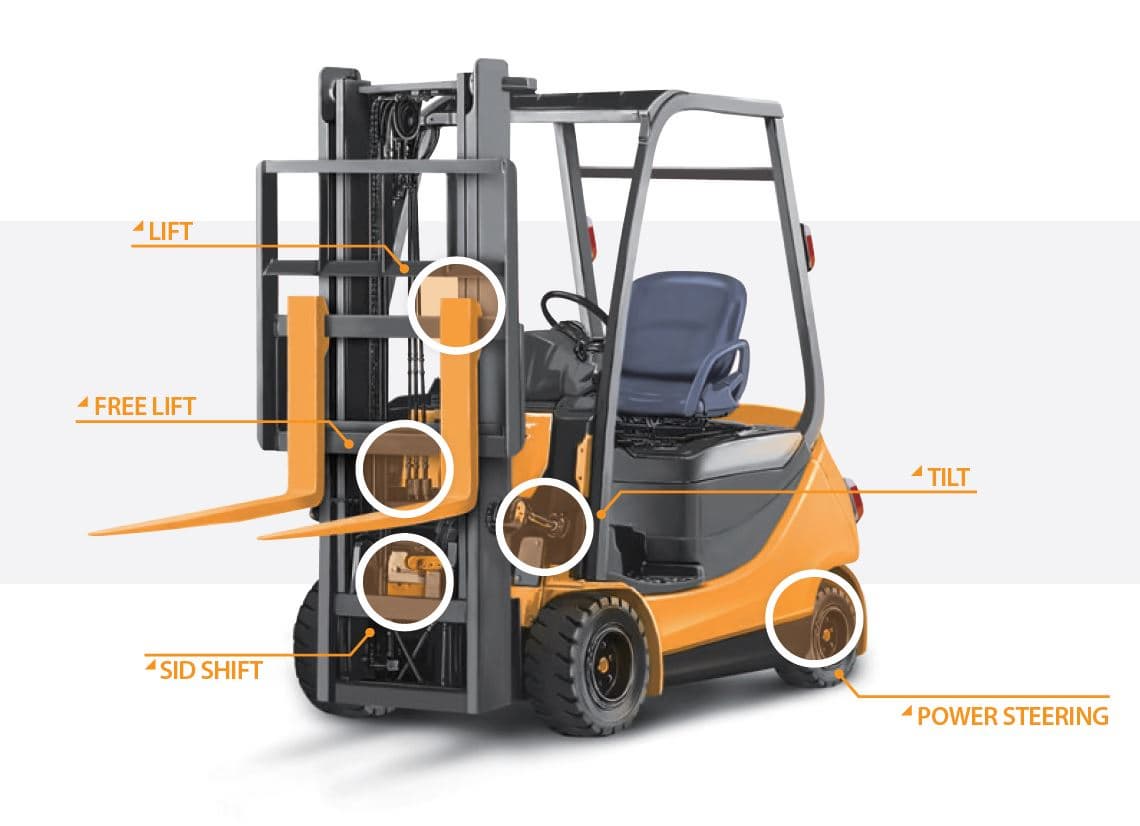
液压缸可以用于侧装式叉车吗?
是的,液压缸可以用于侧装式叉车。液压系统(包括液压缸)在侧装式叉车中应用广泛,并在其运行中起着至关重要的作用。以下是对其用途的解释:
侧装式叉车,也称侧装叉车,专为装卸长而笨重的物品而设计,例如木材、管道和其他细长材料。这类叉车采用独特的结构,可以从侧面接近货物,而不是像传统叉车那样从正面或背面接近。
侧装式叉车的液压缸是其功能不可或缺的一部分,并发挥以下作用:
1. 横向移动:
液压缸用于驱动侧装式叉车的载货平台或货叉进行横向移动。这些液压缸通常水平布置,提供伸缩货叉或平台所需的力,从而实现精确的左右移动。液压系统控制液压缸的伸缩,便于高效地装卸长而笨重的物品。
2. 负载稳定性:
液压缸也有助于侧装式叉车的货物稳定性。通过调节货叉或平台的高度和角度,液压缸有助于确保货物在运输过程中保持稳固。液压系统能够精确控制货物的位置,最大限度地降低侧装作业过程中货物移位或倾覆的风险。
3. 重量分布:
液压缸有助于保持侧装式叉车的合理重量分布。通过调节载货平台或货叉的高度和角度,液压缸能够帮助将货物重量均匀分布在叉车上。这确保了侧装作业过程中的稳定性和平衡性,从而降低了倾覆或超载的风险。
4. 控制性和机动性:
液压系统(包括油缸)为侧装式叉车提供精准的控制和灵活的操控性。通过调节油缸的伸缩,操作人员可以轻松应对狭窄空间,精确定位货物,并完成精细的操作。液压系统的响应性和控制性能提升了侧装作业的整体效率和安全性。
总之,液压缸是侧装式叉车的关键部件。它们能够实现横向移动,有助于保持货物稳定性,辅助维持合理的重量分布,并提供操控性和灵活性。通过利用液压动力,这些液压缸能够高效、安全地装卸侧装式叉车作业中的长形和笨重物品。
 \
\
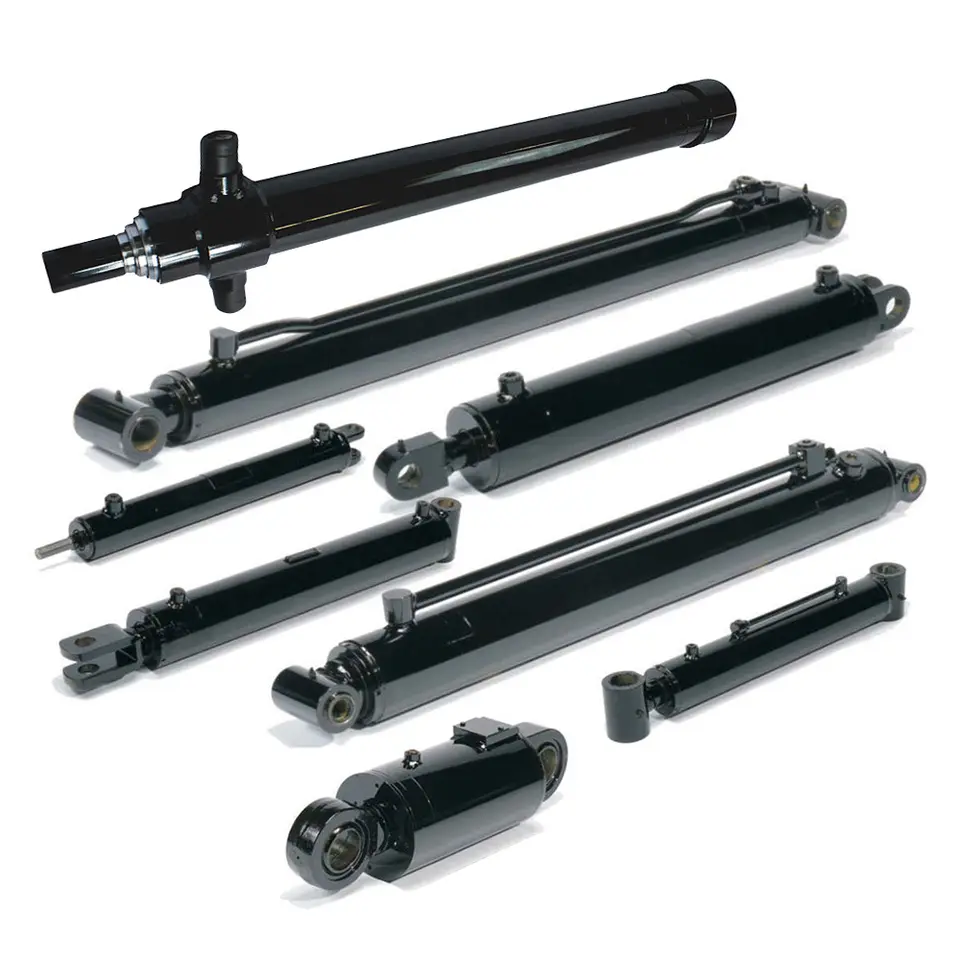
Can hydraulic cylinders be used in order fulfillment centers?
Yes, hydraulic cylinders can be used in order fulfillment centers. Order fulfillment centers require efficient and precise material handling equipment to handle the storage and movement of goods. Hydraulic cylinders are commonly used in various applications within these centers. Here’s an explanation of how they can be utilized:
Hydraulic cylinders find applications in order fulfillment centers in the following ways:
1. Conveyor Systems:
Conveyor systems are extensively used in order fulfillment centers for the transportation of goods. Hydraulic cylinders are employed to control the movement and positioning of conveyor belts. These cylinders enable smooth and precise adjustments of the conveyor height, ensuring efficient transfer of items between different processing areas.
2. Lift Tables and Platforms:
Hydraulic cylinders are utilized in lift tables and platforms used for order picking and loading/unloading operations. These cylinders provide controlled lifting and lowering of the tables or platforms, allowing operators to adjust the working height as needed. This enables ergonomic working conditions and precise alignment with shelving or loading docks.
3. Scissor Lifts:
Scissor lifts are commonly used in order fulfillment centers to reach elevated areas for order picking or stock replenishment. Hydraulic cylinders power the vertical movement of scissor lifts, providing stability and controlled elevation. The cylinders allow for precise positioning at different heights, enhancing efficiency and safety during the order fulfillment process.
4. Pallet Handling Equipment:
Order fulfillment centers often utilize pallet handling equipment, such as pallet jacks and pallet positioners, to move and stack palletized goods. Hydraulic cylinders are integral components of these machines, enabling the lifting and lowering of pallets. The cylinders provide the necessary force and control to handle heavy loads and ensure accurate placement of pallets.
5. Automated Guided Vehicles (AGVs):
AGVs are autonomous vehicles utilized in order fulfillment centers to transport goods within the facility. Hydraulic cylinders are employed in the lifting mechanisms of AGVs, allowing them to pick up and drop off loads at designated locations. The cylinders enable precise vertical movement and positioning of the load, ensuring accurate and efficient material handling.
In summary, hydraulic cylinders have various applications in order fulfillment centers, including conveyor systems, lift tables and platforms, scissor lifts, pallet handling equipment, and AGVs. These cylinders contribute to efficient and precise material handling, enhancing productivity and streamlining the order fulfillment process.
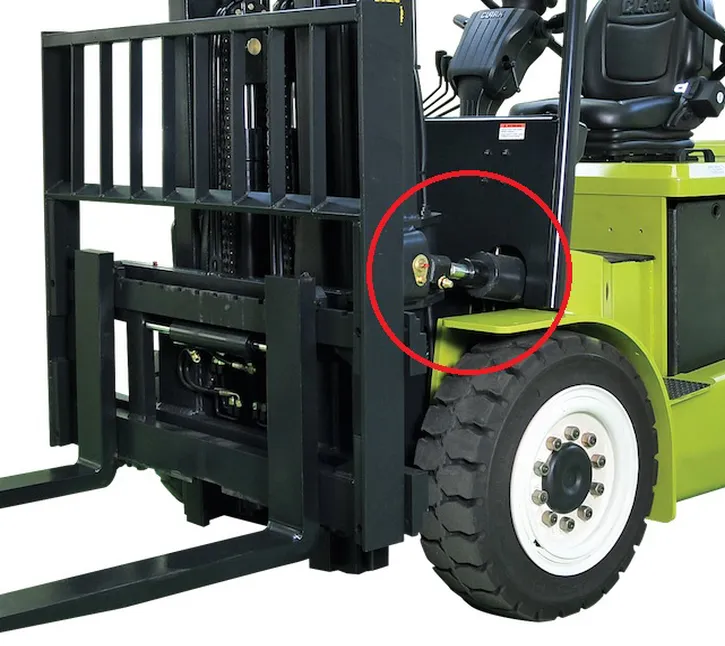
How Does a Forklift Hydraulic Cylinder Handle Variations in Lift Height?
A forklift hydraulic cylinder is responsible for raising and lowering the forks or lifting platform, allowing the forklift to handle loads at different heights. It handles variations in lift height through a combination of design features and hydraulic principles. Here’s a detailed explanation of how a forklift hydraulic cylinder handles variations in lift height:
1. Piston and Cylinder Design:
The hydraulic cylinder consists of a piston and a cylinder, which are sealed together to form a closed hydraulic system. The piston is connected to the forks or lifting platform, while the cylinder is fixed to the forklift frame. The design of the piston and cylinder allows for smooth movement and effective transfer of hydraulic pressure to generate lifting force.
2. Hydraulic Fluid and Pressure:
The hydraulic cylinder operates on the principle of Pascal’s Law, which states that when pressure is applied to a fluid in a closed system, it is transmitted equally in all directions. In the case of a forklift hydraulic cylinder, hydraulic fluid is used as the medium to transmit pressure. When hydraulic fluid is pumped into the cylinder, it creates pressure on the piston, causing it to move upward and lift the forks or lifting platform.
3. Cross-Sectional Area and Force:
The cross-sectional area of the piston within the hydraulic cylinder determines the force that can be exerted. A larger piston area can generate a greater lifting force. By varying the diameter of the piston, forklift manufacturers can adjust the lifting capacity and handle variations in lift height. Forklifts designed for heavier loads typically have larger piston areas to generate the necessary lifting force.
4. Valves and Controls:
The hydraulic system of a forklift includes valves and controls that regulate the flow of hydraulic fluid to the cylinder. These valves, such as control valves and relief valves, allow for precise control of the lifting operation. By adjusting the valves, operators can control the speed of ascent and descent, enabling smooth and controlled variations in lift height.
5. Telescopic Cylinders:
In some forklift designs, especially those used for high-reach applications, telescopic cylinders are employed. Telescopic cylinders consist of several nested stages that extend and retract, providing increased lift height. These cylinders allow for a compact design when retracted while offering extended reach when fully extended. Telescopic cylinders enable forklifts to handle variations in lift height without compromising stability or requiring excessively long cylinder strokes.
6. Stability and Counterbalancing:
Handling variations in lift height requires maintaining forklift stability. Forklifts are designed with counterweight systems to balance the load and prevent tipping. The hydraulic cylinder’s operation is coordinated with the counterweight system, ensuring that the center of gravity remains within safe limits during lifting and lowering operations. This counterbalancing helps maintain stability even when handling loads at different heights.
Through careful design, hydraulic principles, and the integration of valves and controls, a forklift hydraulic cylinder effectively handles variations in lift height. The combination of hydraulic pressure, piston and cylinder design, control mechanisms, and counterbalancing ensures precise and controlled lifting operations, allowing forklifts to safely handle loads at different heights as required in various material handling applications.


editor by CX 2023-10-19