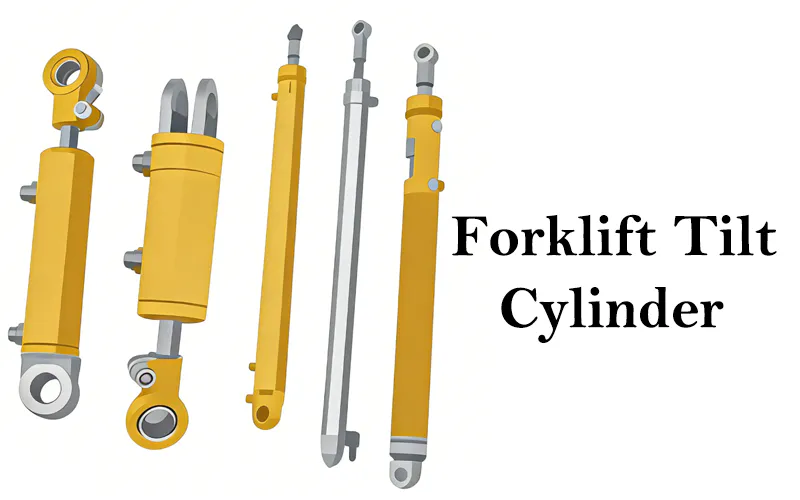
产品描述
液压缸
广泛应用于建筑、煤矿、农业、高空作业平台和环境卫生等领域的设备。
| 特征 | 定制液压缸 |
| 孔径 | 2′-50′/50-1500毫米 |
| 杆径 | 1′ – 60′/25 -1000 毫米 |
| 壁厚 | 0.1′-4′/3-100 毫米 |
| 最大冲程 | 366'/9280 毫米 |
| 最大压力 | 9600 psi/600 bar |
| 测试压力 | 14500 psi/1000 bar |
| 材料 | 20#、40#、45#、16Mn、27SiMn 等 |
| 密封套件 | Hallite, Parker, NOK, SKF, DICHTOMATIK, Trelleborg, Merkel |
| 尺寸精度 | H7-H11 |
| 孔径粗糙度 | Ra 0.4-1.6mm |
| 涂层 | 硬铬 |
| 目的 | 工程、煤炭与采矿、农业机械、环境卫生 |
| OEM/ODM | 是的 |
| 最小起订量 | 1 件 |
| 证书 | ISO9001、CE、CCS |
Q1. 您是制造商吗?
是的,我们生产液压缸已有30多年历史。它们广泛应用于工程、煤矿、农业和环境卫生等领域。
Q2. 你们的产品有保修吗?
是的,我们提供一年保修。
问3. 可以 我们 您能帮我们定制产品吗?
是的,实际上我们70%系列产品都是为客户定制的。您只需告诉我们您的需求(最好能提供规格和图纸),我们就能为您实现。
第四季度你们如何配送产品?
通过海运、空运或快递。
Q5样品需要多少天才能完成?批量生产又需要多久?
样品制作一般需要5-7天。批量生产的交货时间取决于质量、生产工艺等因素,一般为35天。
| 认证: | CE、ISO9001 |
|---|---|
| 压力: | 高压 |
| 工作温度: | -40~120 |
| 表演方式: | 双人表演 |
| 工作方法: | 直达之旅 |
| 结构: | 活塞式 |
| 定制化: |
可用的
|
|
|---|
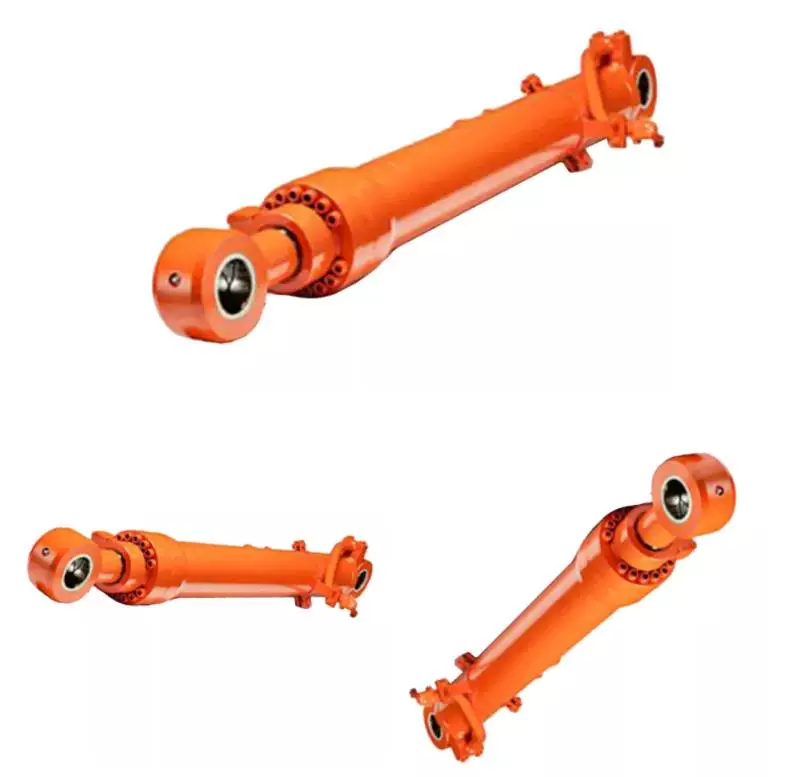
液压缸如何应对减少摩擦和磨损的挑战?
液压缸采用多种机制和技术来有效减少摩擦和磨损,从而确保最佳性能和使用寿命。减少摩擦和磨损对液压缸至关重要,因为这有助于保持效率、降低能耗并防止过早失效。以下详细解释了液压缸如何应对减少摩擦和磨损的挑战:
1. 润滑:
– 适当的润滑对于最大限度地减少液压缸的摩擦和磨损至关重要。润滑液(例如液压油)用于在运动表面之间形成一层薄膜,从而减少金属间的直接接触。这层润滑油膜起到保护屏障的作用,降低摩擦并防止磨损。日常维护包括监测和保持适当的润滑油液位,以确保最佳润滑并最大限度地减少摩擦损失。
2. 表面处理:
液压缸部件的表面光洁度对最大限度地减少摩擦和磨损起着至关重要的作用。通过精密加工、研磨或应用特殊涂层,可以获得更光滑的表面,从而降低表面粗糙度和摩擦阻力。通过最大限度地减少表面不规则性,可以显著降低磨损和摩擦引起的损伤风险,从而提高效率并延长部件寿命。
3. 高品质密封系统:
设计精良、质量上乘的密封系统对于最大限度地减少液压缸的摩擦和磨损至关重要。密封件可防止流体泄漏和污染,同时保持适当的润滑。先进的密封材料,例如聚氨酯或复合材料,具有优异的耐磨性和低摩擦特性。优化的密封设计和正确的安装可确保有效的密封,最大限度地减少活塞和缸体之间的摩擦和磨损。
4. 正确的对准和间隙:
液压缸必须正确对准并保持适当的间隙,以最大限度地减少摩擦和磨损。未对准或间隙过大会导致摩擦增大和磨损不均,从而导致过早失效。正确的安装、对准和维护措施,包括定期检查和调整间隙,有助于确保活塞在缸内平稳均匀地运动,从而减少摩擦和磨损。
5. 过滤和污染控制:
有效的过滤和污染控制对于最大限度地减少液压缸的摩擦和磨损至关重要。污染物,例如颗粒或水分,会起到磨蚀剂的作用,加速磨损并增加摩擦。通过实施可靠的过滤系统和正确的维护措施,液压系统可以防止污染物进入,确保部件清洁且润滑良好。清洁的液压油有助于最大限度地减少磨损和摩擦,从而提高性能并延长使用寿命。
6. 材料选择:
选择合适的液压缸部件材料对于最大限度地减少摩擦和磨损至关重要。承受高摩擦力的部件,例如活塞和缸筒,可采用耐磨性优异的材料制造,例如硬化钢或复合材料。此外,选择低摩擦系数的材料有助于降低摩擦损失。正确的材料选择可确保液压缸关键部件的耐用性并最大限度地减少磨损。
7. 维护和定期检查:
定期维护和检查对于识别和解决可能导致液压缸摩擦和磨损加剧的潜在问题至关重要。定期维护包括润滑检查、密封件检查和间隙监测。通过及时发现并纠正任何磨损或错位迹象,液压缸可以保持最佳状态,从而在其整个使用寿命期间最大限度地减少摩擦和磨损。
总而言之,液压缸采用多种策略来应对减少摩擦和磨损的挑战。这些策略包括:适当的润滑、采用合适的表面光洁度、使用高质量的密封系统、确保正确的对准和间隙、实施有效的过滤和污染控制措施、选择合适的材料以及进行定期维护和检查。通过实施这些措施,液压缸可以最大限度地减少摩擦和磨损,确保平稳高效的运行,并延长系统的整体使用寿命。
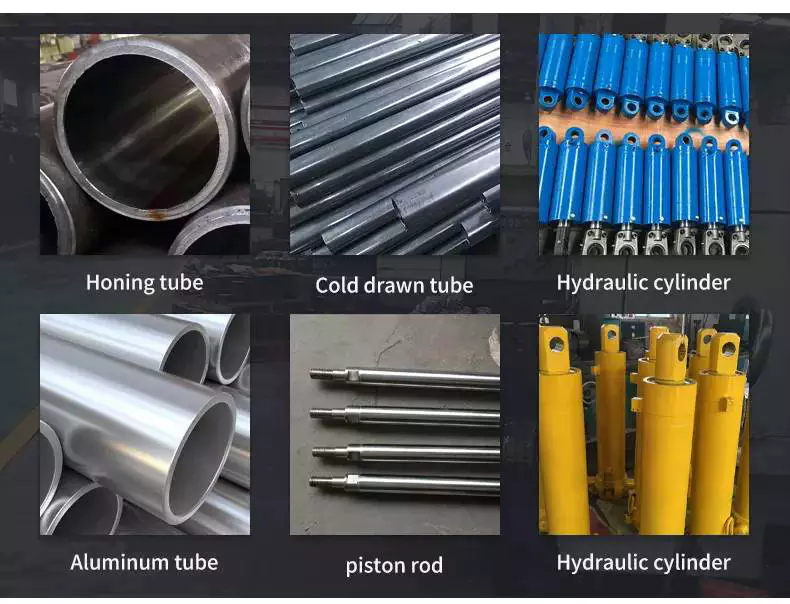
利用液压缸确保重复性任务中动力输出的一致性
液压缸的设计旨在确保重复性任务中输出力的一致性。这种一致性对于保持精确控制、获得一致的结果以及优化液压系统的性能至关重要。让我们来探讨一下液压缸是如何在重复性任务中实现输出力一致性的:
- 设计和制造标准: 液压缸的制造遵循严格的设计和制造标准。这些标准确保液压缸的制造精度和准确性,使其能够提供稳定的力输出。活塞、缸筒、密封件和阀门等部件经过精心设计,能够协同工作,最大限度地减少力输出的波动。
- 压力调节: 液压系统包含压力调节机构,以维持恒定的压力水平。泄压阀、压力调节器和压力补偿泵有助于在整个系统中保持稳定的液压。通过调节压力,液压缸可以获得持续的加压流体供应,从而在重复性任务中产生稳定的力输出。
- 流量控制: 液压系统中利用流量控制阀来管理液压油的流量。这些阀门调节液压油进入和流出液压缸的速度,从而影响液压缸的输出力。通过控制流量,液压缸可以在重复性工作中实现稳定的输出力。这对于需要精确且均匀施力的任务尤为重要。
- 有效的密封性能: 密封系统在液压缸中起着至关重要的作用,它能防止流体泄漏并维持压力完整性。高质量的密封件和正确的安装可确保液压缸在整个运行过程中保持有效的密封。通过最大限度地减少内部泄漏,液压缸即使在重复性工作中也能保持稳定的力输出。
- 维护和检查: 定期维护和检查液压缸对于确保动力输出的稳定性至关重要。通过遵循维护计划、更换磨损部件以及监测液压缸性能,可以及时发现并解决任何可能影响动力输出稳定性的潜在问题。这种积极主动的方法有助于长期保持液压缸的可靠性和性能。
总而言之,液压缸采用多种机制来确保在重复性任务中输出稳定的力。遵循设计和制造标准、压力调节、流量控制、有效的密封性能以及定期维护,都是实现稳定力输出的关键因素。通过保持精度、最大限度地减少偏差并解决潜在问题,液压缸能够提供可靠且稳定的力输出,从而助力各种应用中重复性任务的顺利完成。
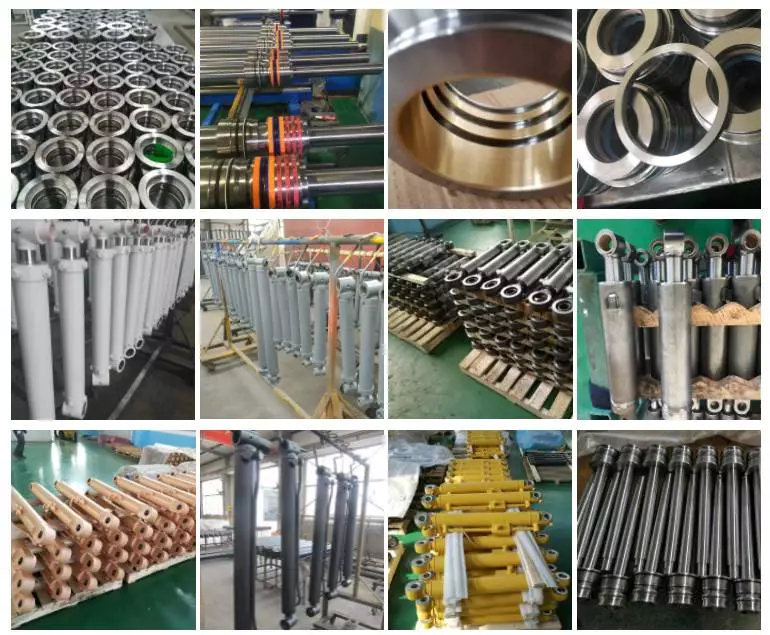
液压缸出现磨损或泄漏的常见迹象有哪些?
液压缸是液压系统中的关键部件,磨损或泄漏会导致性能问题,甚至系统故障。了解液压缸故障的常见迹象至关重要。以下是对液压缸磨损或泄漏常见迹象的详细说明:
1. 液体泄漏:
液压油泄漏是液压缸故障最明显的迹象之一。如果您发现液压油从液压缸泄漏,则表明密封件失效或液压缸本身已损坏。泄漏的液压油可能出现在活塞杆、活塞或缸体周围。必须及时处理液压油泄漏,因为它会导致系统效率下降、污染周围环境,并可能损坏其他系统部件。
2. 性能下降:
液压缸的磨损或内部损坏会导致性能下降。您可能会注意到液压缸的输出力减小、运行速度变慢,或者伸缩液压缸困难。性能下降可能表明密封件磨损、活塞或活塞杆损坏、内部泄漏或液压缸内部受到污染。任何明显的液压缸性能下降都应进行检查并及时处理,以防止进一步损坏或系统效率降低。
3. 异常噪音或振动:
液压缸运转过程中出现异常噪音或振动可能表明内部磨损或损坏。异常的噪音、敲击声或振动(与系统通常情况不符)可能提示轴承磨损、不对中或内部部件松动等问题。应检查这些迹象以确定问题根源并采取相应的纠正措施。
4. 过热:
液压缸过热是潜在问题的另一个征兆。如果液压缸在正常运行期间摸起来过热,则可能表明存在内部泄漏、油液污染或润滑不足等问题。过热会导致磨损加剧、效率降低,并最终导致系统故障。监测液压缸的温度对于发现和解决潜在问题至关重要。
5. 外部损伤:
液压缸的物理损伤,例如凹痕、划痕或活塞杆弯曲,会导致磨损和泄漏问题。外部损伤会损害液压缸的完整性,导致液体泄漏、错位或运行效率低下。定期检查液压缸的外部状况至关重要,以便发现任何可见的损伤迹象并采取相应的措施。
6. 密封失效:
液压缸密封件是防止液压油泄漏和维持系统完整性的关键部件。密封件失效的迹象包括液压油泄漏、性能下降以及液压缸运转时摩擦力增大。损坏或磨损的密封件应及时更换,以防止液压缸性能进一步恶化以及对其他系统部件造成潜在损坏。
7. 污染:
液压缸内部的污染会导致磨损、密封件损坏以及系统整体效率下降。污染迹象包括液压油中存在异物、碎屑或油泥,或密封件及其他内部组件出现可见的损坏。应定期进行液压油分析和维护,以防止污染并及时处理任何污染迹象。
8. 密封件磨损不规则:
液压缸密封件会因摩擦、压力和运行工况而随时间磨损。不规则的密封件磨损模式,例如磨损不均匀或特定区域过度磨损,可能表明密封件未对准或安装不当。在定期维护期间监测密封件状况有助于发现潜在问题并防止密封件过早失效。
及时处理这些常见的磨损或泄漏迹象至关重要,可以防止进一步损坏,确保液压缸的最佳性能,并维持液压系统的整体效率和可靠性。定期检查、维护以及及时维修或更换损坏的部件是减少液压缸问题并最大限度延长系统使用寿命的关键。

editor by CX 2023-10-25