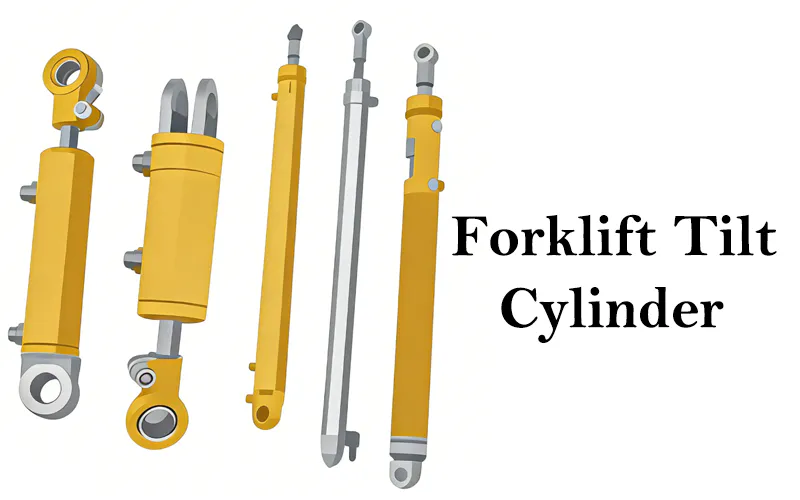
产品描述
产品描述
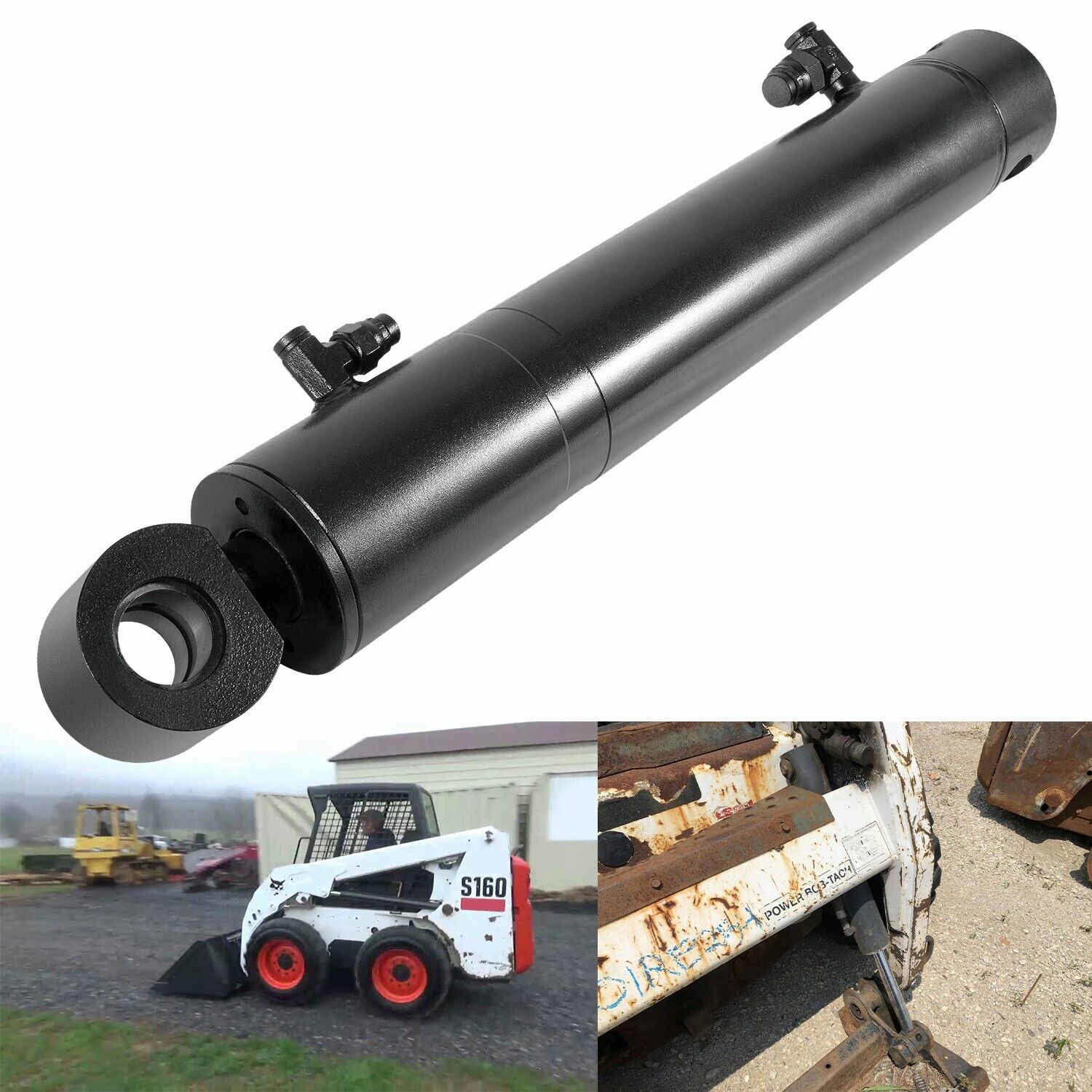
Aftermarket Hydraulic Tilt Cylinder 71571 Tilt Cylinder Fits Skid Steer
| Part NO: | 71571 |
| Used for: | Skid Steer |
| Related Product: | Starter/Alternator/Solenoid Valve/Overhaul Kit/Turbo Repair Kit |
| Feature: | Good quality;Fast delivery;12Months Warranty |
认证
杭州中华机械电气有限公司是各行业高品质零部件的领先供应商。15年来,我们始终以客户满意度为中心,并在以下产品类别中确立了市场领先地位:
查看更多产品,您可以点击产品关键词……
| 主要产品 | |
| 柴油发动机零件 | 工程机械零件 |
| 农业设备零件 | 高空作业平台部件 |
| 传动系统部件 | 叉车配件 |
我们的产品种类齐全,涵盖发动机零件、电气零件、液压零件、变速箱零件、经典车零件等等。作为一家独具特色的供应商,我们始终将客户视为最宝贵的资源。我们致力于提供卓越的服务和极具竞争力的价格。
我们的团队和展览
包装和运输
常问问题
问:您是贸易公司还是制造商?
答:我们是贸易公司,但拥有自己的外包工厂,产品质量有保证。
问:为什么选择 FridayParts?
一个:
15年以上经验
已销往 176 多个国家/地区
20000+ 库存
60000平方英尺仓库
每年推出1000多种新产品
问:你们的交货时间是多久?
答:一般情况下,如果货物有库存,则需要1-2天;如果货物没有库存,则需要7-30天,具体取决于数量。
问:你们提供样品吗?是免费的还是需要额外付费?
A:是的,我们可以提供样品进行质量检测,但不是免费的。
问:保修情况如何?
答:通常我们的保修期为12个月。否则,如果出现任何质量问题,我们接受15天内退款。
您可以试试贸易保障服务,您会喜欢的:
— 100% 产品质量保护
— 100% 准时发货保障
— 100% 为您的承保金额提供支付保障
/* 2571年3月10日 17:59:20 */!function(){function s(e,r){var a,o={};try{e&&e.split(“,”).forEach(function(e,t){e&&(a=e.match(/(.*?):(.*)$/))&&1
| 售后服务: | 12 Months |
|---|---|
| 保修单: | 12 Months |
| 类型: | Bucket Cylinder |
| 应用: | Bucket Cylinder |
| 认证: | CE、ISO9001:2000 |
| 健康)状况: | 新的 |
| 示例: |
US$ 253/Piece
1 件(最低订购量) | |
|---|
| 定制化: |
可用的
|
|
|---|
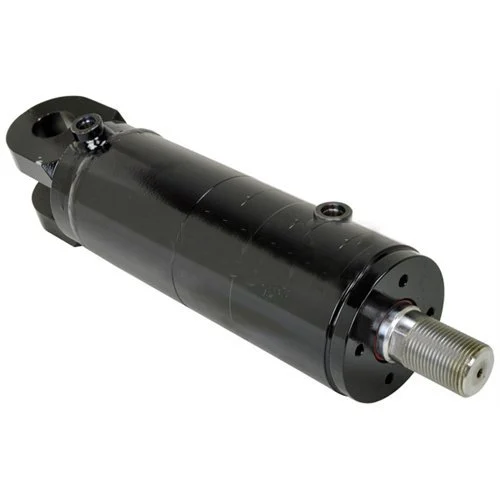
倾斜油缸能否用于林业设备中的树木搬运?
是的,倾斜油缸可用于林业机械的树木搬运作业。这些油缸在提高林业机械的效率和安全性方面发挥着至关重要的作用,例如伐木、去枝和装载树木等作业。以下是详细说明:
- 倾斜角度调节:倾斜油缸允许操作人员调节林业设备附件(例如抓斗或伐木头)的倾斜角度。通过操作油缸,操作人员可以将附件倾斜到所需角度,从而实现精准的树木操作。控制倾斜角度的功能使操作人员能够将附件与树干或树枝对齐,提高切割精度,并最大限度地降低对机械或周围环境造成损坏的风险。
- 树木抓取与操控:倾斜油缸有助于有效地抓取和操控树木。与抓斗或夹具配合使用时,这些油缸可提供必要的力和控制力,从而牢固地抓取和操控树木。操作人员可以调节附件的倾斜角度,以确保在伐木、去枝或装载作业期间牢牢抓住树木。此功能可提高作业安全性,防止树木滑落,并提升整体生产效率。
- 载荷分配:精准的树木搬运需要合理的载荷分配。倾斜油缸允许操作人员调节倾斜角度,使树木的重量均匀分布在设备上。这种载荷分配的优化在搬运大型或重型树木时尤为重要。通过倾斜油缸控制实现平衡定位,操作人员可以最大限度地减少设备受力,保持稳定性,并确保安全的树木搬运。
- 与控制系统集成:倾斜油缸可与现代林业设备的先进控制系统集成。这些控制系统可能包括液压或电子控制装置,可实现精确的自动倾斜角度调节。通过使用此类系统,操作人员可以实现稳定、精准的树木处理,从而减轻操作人员的疲劳并提高作业效率。
- 操作人员安全与人体工程学:倾斜油缸有助于提高树木作业过程中操作人员的安全性和人体工程学性能。通过精确调节倾斜角度,这些油缸使操作人员能够保持舒适且符合人体工程学的工作姿势。这降低了肌肉拉伤或受伤的风险,并增强了操作人员的控制能力和视野,尤其是在复杂的林业环境中。
- 附件多功能性:倾斜油缸为林业设备附件提供了多功能性。根据具体应用需求,它们可以采用多种配置,例如单作用油缸或双作用油缸。这种多功能性使林业机械能够处理不同尺寸、形状和生长状况的树木,从而适应林业作业的各种需求。
因此,倾斜油缸可有效应用于林业机械的树木搬运作业中。无论是倾斜角度调节、树木抓取和操控、载荷分布优化、与控制系统集成、操作人员安全和人体工程学,还是附件的多功能性,倾斜油缸都有助于提高林业树木搬运作业的效率、精度和安全性。
What are the safety considerations when using machinery equipped with tilt cylinders?
When using machinery equipped with tilt cylinders, several safety considerations should be taken into account to ensure the well-being of operators, bystanders, and the overall work environment. Here are the key safety considerations:
- Operator Training: Proper training is essential for operators who will be working with machinery equipped with tilt cylinders. Operators should receive comprehensive training on the safe operation of the equipment, including understanding the controls, precautions, and potential hazards associated with tilt cylinder usage. Training helps operators develop the necessary skills and knowledge to operate the machinery safely.
- Safe Operating Procedures: Establishing and following safe operating procedures is crucial for minimizing risks when using machinery with tilt cylinders. Standard operating procedures should outline the correct sequence of operations, safety checks, and precautions to be taken before, during, and after using the equipment. Operators should adhere to these procedures to ensure safe and consistent operation.
- Inspection and Maintenance: Regular inspection and maintenance of the tilt cylinders and associated equipment components are essential for safety. This includes checking for leaks, damage, loose connections, or excessive wear. Any identified issues should be promptly addressed through maintenance or repairs to prevent potential malfunctions or accidents during operation.
- Load Capacity and Stability: Tilt cylinders have specific load capacity limits, and exceeding these limits can compromise safety. Operators should be aware of the equipment’s load capacity and ensure that the loads being lifted or tilted fall within the specified limits. Additionally, attention should be given to maintaining the stability of the machinery during tilting operations, considering factors such as uneven terrain or shifting loads.
- Proper Use of Safety Devices: Machinery equipped with tilt cylinders may have additional safety devices such as safety locks, sensors, or audible alarms. Operators should use these safety devices as intended and ensure they are in good working condition. For example, safety locks should be engaged when the equipment is stationary to prevent unintended tilting.
- Clear Communication and Signaling: Clear communication among operators, signalers, and other personnel is vital for ensuring safety during tilt cylinder operations. Hand signals or radio communication should be used effectively to convey instructions and warnings. Adequate signaling and communication protocols should be established and followed to avoid misunderstandings or accidents.
- Personal Protective Equipment (PPE): Operators and personnel working with machinery equipped with tilt cylinders should wear appropriate personal protective equipment, including safety helmets, protective eyewear, gloves, and high-visibility clothing. PPE helps minimize the risk of injury from potential hazards, such as falling objects, debris, or hydraulic fluid leaks.
By considering these safety aspects and implementing appropriate measures, the risks associated with using machinery equipped with tilt cylinders can be mitigated. Prioritizing safety promotes a secure working environment, reduces accidents, and protects the well-being of everyone involved in the operation.
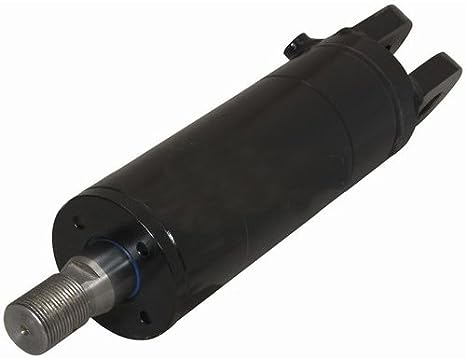
What are the components and features of a tilt cylinder?
A tilt cylinder consists of several components and features that contribute to its functionality and performance. These components work together to enable controlled tilting or angling of components in heavy machinery. Here are the key components and features of a tilt cylinder:
- Cylinder Body: The cylinder body forms the main structure of the tilt cylinder. It houses the piston and provides support and stability during operation. The cylinder body is typically made of durable materials, such as steel, to withstand high loads and harsh operating conditions.
- Piston: The piston is a cylindrical component that divides the cylinder body into two chambers: the rod side and the head side. It is responsible for generating the necessary force to move the rod and perform the tilting action. The piston is sealed to prevent hydraulic fluid leakage between the chambers.
- Rod: The rod is attached to the piston and extends outside the cylinder body. It is connected to the component being tilted, such as a bucket or blade, in heavy machinery. The rod transfers the force generated by the piston to the attached component, causing the desired tilting movement.
- Hydraulic Seals: Hydraulic seals are critical components that ensure the proper functioning of the tilt cylinder. They prevent hydraulic fluid leakage and maintain the separation between the rod side and the head side of the cylinder. Common types of hydraulic seals used in tilt cylinders include piston seals, rod seals, and wiper seals.
- Hydraulic Fluid Ports: The tilt cylinder is connected to a hydraulic system through hydraulic fluid ports. These ports allow hydraulic fluid to enter and exit the cylinder, creating the necessary pressure and flow to control the tilting movement. The hydraulic fluid ports are typically equipped with fittings or connectors for secure attachment to the hydraulic system.
- Control Valves: Control valves play a crucial role in regulating the flow and pressure of hydraulic fluid within the tilt cylinder. They are part of the hydraulic system and allow the operator to control the speed, direction, and extent of the tilting movement. Control valves enable precise positioning and adjustment of the tilted component.
- Limit Switches or Sensors: Tilt cylinders may include limit switches or sensors to provide feedback on the position and angle of the tilted component. These safety features help prevent over-tilting or unintended movement, ensuring safe operation and protecting both the machinery and operators.
The features and components of a tilt cylinder are designed to withstand high loads, provide precise control, and ensure reliable and safe operation. The robust construction, hydraulic seals, hydraulic fluid ports, control valves, and safety features make tilt cylinders capable of performing controlled tilting actions in heavy machinery applications.
In summary, a tilt cylinder comprises key components such as the cylinder body, piston, rod, hydraulic seals, hydraulic fluid ports, control valves, and may incorporate safety features like limit switches or sensors. These components and features work together to enable the controlled tilting or angling of components, enhancing the versatility and functionality of heavy machinery.


editor by CX 2024-01-09