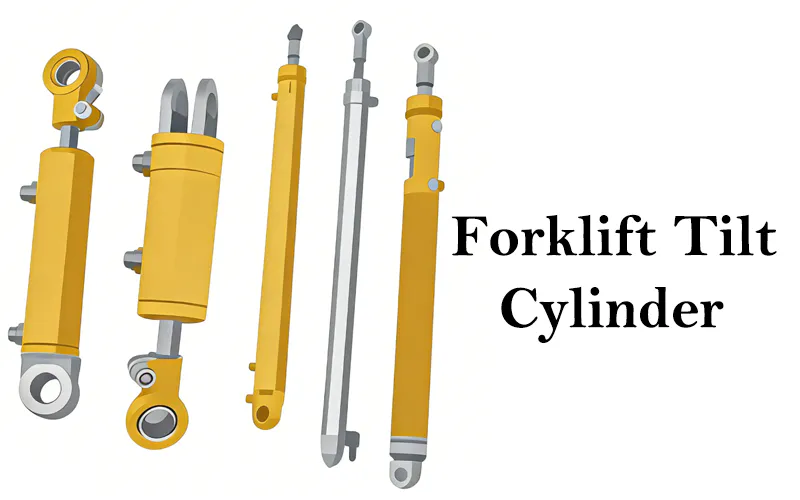
产品描述
产品描述
High Quality Tilt Oil Cylinder 6815798 7361905 Solarhome Hydraulic Bucket Tilt Cylinder
| Part NO: | 6815798 7361905 |
| Used for: |
463 MT50 MT52 MT55 MT85 S70 |
| Related Product: | Starter/Alternator/Solenoid Valve/Overhaul Kit/Turbo Repair Kit |
| Feature: | Good quality;Fast delivery;12Months Warranty |
认证
杭州中华机械电气有限公司是各行业高品质零部件的领先供应商。15年来,我们始终以客户满意度为中心,并在以下产品类别中确立了市场领先地位:
查看更多产品,您可以点击产品关键词……
| 主要产品 | |
| 柴油发动机零件 | 工程机械零件 |
| 农业设备零件 | 高空作业平台部件 |
| 传动系统部件 | 叉车配件 |
我们的产品种类齐全,涵盖发动机零件、电气零件、液压零件、变速箱零件、经典车零件等等。作为一家独具特色的供应商,我们始终将客户视为最宝贵的资源。我们致力于提供卓越的服务和极具竞争力的价格。
我们的团队和展览
包装和运输
常问问题
问:您是贸易公司还是制造商?
答:我们是贸易公司,但拥有自己的外包工厂,产品质量有保证。
问:为什么选择 FridayParts?
一个:
15年以上经验
已销往 176 多个国家/地区
20000+ 库存
60000平方英尺仓库
每年推出1000多种新产品
问:你们的交货时间是多久?
答:一般情况下,如果货物有库存,则需要1-2天;如果货物没有库存,则需要7-30天,具体取决于数量。
问:你们提供样品吗?是免费的还是需要额外付费?
A:是的,我们可以提供样品进行质量检测,但不是免费的。
问:保修情况如何?
答:通常我们的保修期为12个月。否则,如果出现任何质量问题,我们接受15天内退款。
您可以试试贸易保障服务,您会喜欢的:
— 100% 产品质量保护
— 100% 准时发货保障
— 100% 为您的承保金额提供支付保障
/* 2571年3月10日 17:59:20 */!function(){function s(e,r){var a,o={};try{e&&e.split(“,”).forEach(function(e,t){e&&(a=e.match(/(.*?):(.*)$/))&&1
| 售后服务: | 12 Months |
|---|---|
| 保修单: | 12 Months |
| 类型: | Bucket Cylinder |
| 应用: | Bucket Cylinder |
| 认证: | CE、ISO9001:2000 |
| 健康)状况: | 新的 |
| 示例: |
US$ 253/Piece
1 件(最低订购量) | |
|---|
| 定制化: |
可用的
|
|
|---|
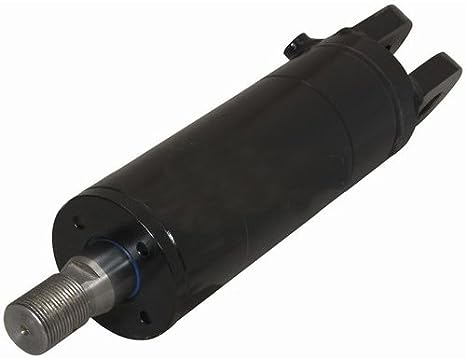
倾斜油缸能否用于材料加工制造机械?
是的,倾斜油缸可用于材料加工制造机械。这些油缸具有多项优势,可提高材料加工操作的效率、通用性和精度。以下是详细说明:
- 倾斜角度调节:倾斜油缸可精确调节设备附件(例如切削刀具、铣头或加工平台)的倾斜角度。这种调节功能使操作人员能够根据材料加工任务的需求,获得所需的倾斜角度。通过控制倾斜角度,操作人员可以优化切削或加工角度,从而提高精度、质量和效率。
- 材料定位:倾斜油缸有助于在加工过程中实现材料的正确定位。操作人员通过调整设备的倾斜角度,可以将材料调整到切割、成型或其他加工操作的理想位置。这确保了材料与切削刀具或加工表面始终保持接触,从而最大限度地减少误差并提高整体精度。
- 增强操作便捷性:倾斜油缸可显著提升对加工物料的操作便捷性。通过倾斜设备,操作人员能够更好地接触到物料的不同区域,即使是难以触及或表面复杂的部位。这种便捷性有助于提高加工效率,并使复杂操作的执行更加轻松。
- 工艺优化:倾斜油缸通过允许操作人员根据特定材料特性或加工要求调整倾斜角度,从而实现工艺优化。例如,某些材料可能需要特定的倾斜角度才能在切削过程中实现最佳切屑去除或提高材料成形效率。优化倾斜角度的能力增强了工艺控制,并确保达到所需的输出质量。
- 物料搬运的灵活性:倾斜油缸为加工操作中的物料搬运提供了灵活性。它们允许工件或平台倾斜,使操作人员能够将物料调整到最适合加工的位置。这种灵活性可适应各种形状、尺寸和方向的物料,从而扩展了该设备可有效加工的物料范围。
- 与自动化系统集成:倾斜油缸可与制造机械中的自动化系统集成。这种集成能够根据预设参数或传感器反馈自动调节倾斜角度。通过将倾斜油缸集成到自动化材料加工系统中,制造商可以获得一致且可重复的加工结果,减少人工干预,并提高整体生产效率。
因此,倾斜油缸可有效应用于材料加工制造机械中。无论是倾斜角度调节、材料定位、提高操作便捷性、优化工艺流程、增强材料搬运灵活性,还是与自动化系统集成,倾斜油缸都有助于提高制造业材料加工操作的效率、精度和灵活性。
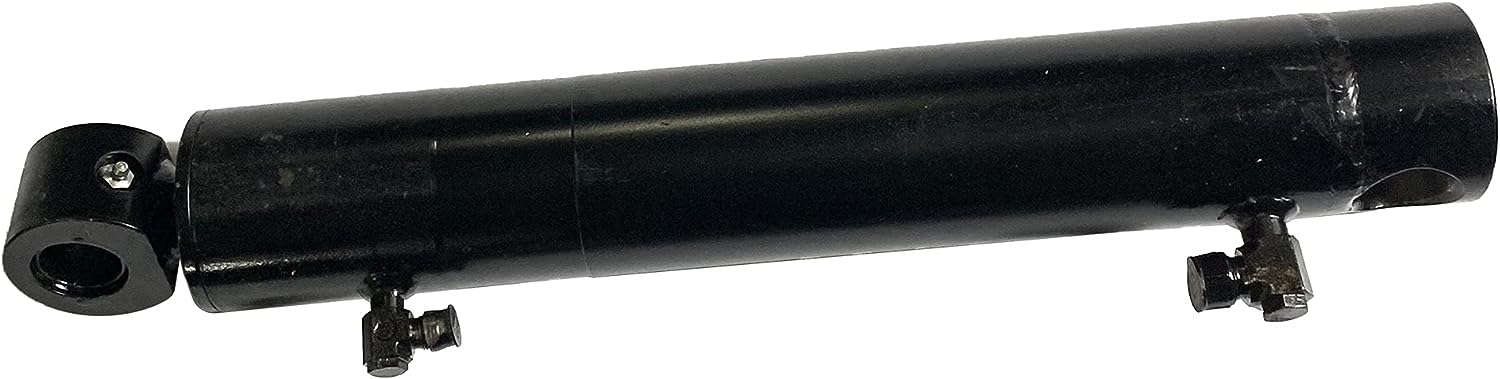
How does a tilt cylinder handle variations in temperature and environmental conditions?
A tilt cylinder is designed to handle variations in temperature and environmental conditions encountered in different applications. Several features and considerations ensure the cylinder’s performance and durability in challenging operating environments. Here’s a detailed explanation:
- Material Selection: Tilt cylinders are typically constructed using high-quality materials known for their strength, durability, and resistance to environmental factors. Common materials include hardened steel, alloy steel, or other corrosion-resistant materials. The chosen materials offer excellent mechanical properties and can withstand temperature fluctuations, moisture, and exposure to chemicals or abrasive elements.
- Surface Treatments: To further enhance the cylinder’s resistance to environmental conditions, surface treatments such as coatings or platings may be applied. These treatments provide additional protection against corrosion, wear, and damage caused by moisture, chemicals, or abrasive particles. Common surface treatments include chrome plating, zinc coating, or specialized coatings designed for specific environmental challenges.
- Sealing Systems: Tilt cylinders incorporate sealing systems to prevent the ingress of contaminants and maintain the integrity of the hydraulic system. The seals used in tilt cylinders are designed to withstand temperature variations, resist degradation from environmental factors, and provide reliable sealing performance over an extended service life. Proper sealing ensures the cylinder’s efficient operation and minimizes the risk of leakage or premature wear.
- Lubrication: Adequate lubrication is essential for the smooth operation and longevity of tilt cylinders. Lubricants help reduce friction, minimize wear, and protect against corrosion. The choice of lubricant depends on the specific operating conditions and temperature range. In extreme temperature environments, specialized lubricants with high-temperature resistance may be used to ensure optimal cylinder performance.
- Temperature Compensation: Tilt cylinders may incorporate temperature compensation mechanisms to account for variations in operating temperatures. These mechanisms ensure that the cylinder’s performance remains consistent, regardless of temperature fluctuations. Temperature compensation can involve adjustments to the hydraulic system’s pressure or flow rate to maintain the desired force and speed, compensating for temperature-related changes in fluid viscosity.
- Testing and Certification: Tilt cylinders undergo rigorous testing and certification processes to ensure their performance and reliability in various environmental conditions. Manufacturers subject the cylinders to simulated temperature cycles, exposure to contaminants, and other environmental tests to validate their durability and functionality. Compliance with industry standards and certifications ensures that the cylinders can handle the anticipated temperature and environmental challenges.
By employing appropriate material selection, surface treatments, sealing systems, lubrication, temperature compensation mechanisms, and rigorous testing, tilt cylinders are engineered to handle variations in temperature and environmental conditions. These design considerations enable the cylinders to operate reliably and maintain optimal performance in a wide range of applications and operating environments.
What are the components and features of a tilt cylinder?
A tilt cylinder consists of several components and features that contribute to its functionality and performance. These components work together to enable controlled tilting or angling of components in heavy machinery. Here are the key components and features of a tilt cylinder:
- Cylinder Body: The cylinder body forms the main structure of the tilt cylinder. It houses the piston and provides support and stability during operation. The cylinder body is typically made of durable materials, such as steel, to withstand high loads and harsh operating conditions.
- Piston: The piston is a cylindrical component that divides the cylinder body into two chambers: the rod side and the head side. It is responsible for generating the necessary force to move the rod and perform the tilting action. The piston is sealed to prevent hydraulic fluid leakage between the chambers.
- Rod: The rod is attached to the piston and extends outside the cylinder body. It is connected to the component being tilted, such as a bucket or blade, in heavy machinery. The rod transfers the force generated by the piston to the attached component, causing the desired tilting movement.
- Hydraulic Seals: Hydraulic seals are critical components that ensure the proper functioning of the tilt cylinder. They prevent hydraulic fluid leakage and maintain the separation between the rod side and the head side of the cylinder. Common types of hydraulic seals used in tilt cylinders include piston seals, rod seals, and wiper seals.
- Hydraulic Fluid Ports: The tilt cylinder is connected to a hydraulic system through hydraulic fluid ports. These ports allow hydraulic fluid to enter and exit the cylinder, creating the necessary pressure and flow to control the tilting movement. The hydraulic fluid ports are typically equipped with fittings or connectors for secure attachment to the hydraulic system.
- Control Valves: Control valves play a crucial role in regulating the flow and pressure of hydraulic fluid within the tilt cylinder. They are part of the hydraulic system and allow the operator to control the speed, direction, and extent of the tilting movement. Control valves enable precise positioning and adjustment of the tilted component.
- Limit Switches or Sensors: Tilt cylinders may include limit switches or sensors to provide feedback on the position and angle of the tilted component. These safety features help prevent over-tilting or unintended movement, ensuring safe operation and protecting both the machinery and operators.
The features and components of a tilt cylinder are designed to withstand high loads, provide precise control, and ensure reliable and safe operation. The robust construction, hydraulic seals, hydraulic fluid ports, control valves, and safety features make tilt cylinders capable of performing controlled tilting actions in heavy machinery applications.
In summary, a tilt cylinder comprises key components such as the cylinder body, piston, rod, hydraulic seals, hydraulic fluid ports, control valves, and may incorporate safety features like limit switches or sensors. These components and features work together to enable the controlled tilting or angling of components, enhancing the versatility and functionality of heavy machinery.


editor by CX 2024-01-16