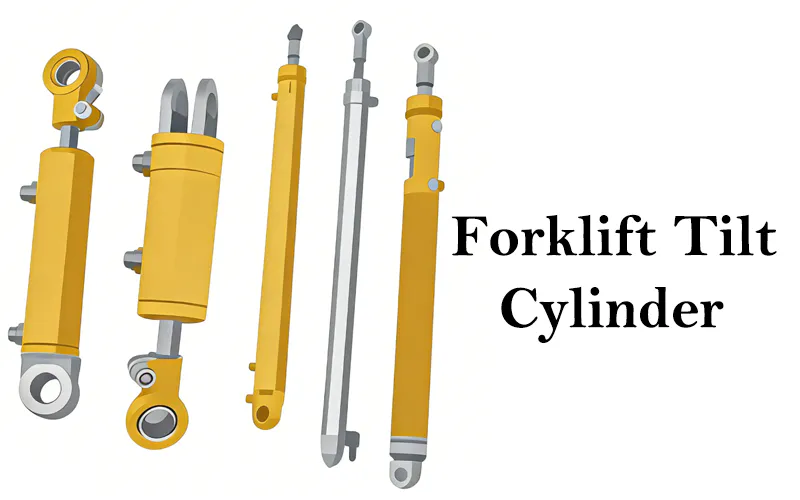
产品描述
Economical Custom Design 22kg hydraulic Forklift Tilt Cylinder 18.1MPa
A tilt cylinder in a forklift is a hydraulic component that enables the mast and forks tilting motion. It allows the operator to adjust the angle of the forks to accommodate different load-handling requirements.
| bore diameter (D) | rod diameter (d) | stroke (S) | Installation distance (L) | working pressure | Interface dimensions (M) | weight |
| Φ100 | Φ40 | 193 | 498 | 18.1兆帕 | 2-M16*1.5 | 22kg |
(1) Our company can customize non-standard oil cylinders within the range of cylinder diameter D360MM and stroke L6000MM according to customer requirements;
(2) The above product prices are nontax unit prices, excluding packaging and transportation costs required for the export
Here are some key points about the tilt cylinder in a forklift:
-
Function: The tilt cylinder controls the tilting movement of the mast and forks. It allows the operator to tilt the forks CHINAMFG or backward, enabling efficient lifting, transporting, and depositing of loads.
-
Hydraulic Power: The tilt cylinder relies on the forklift’s hydraulic system for power. When the operator activates the tilt control lever, hydraulic fluid is directed to the tilt cylinder, causing it to extend or retract and initiate the tilting motion.
-
Construction: Forklift tilt cylinders are typically double-acting hydraulic cylinders. They consist of a cylindrical barrel, a piston rod, and seals to prevent fluid leakage. The cylinder is mounted on the forklift’s mast and connected to the carriage or tilting mechanism. The piston rod extends and retracts within the cylinder barrel, allowing the mast and forks to tilt.
-
Control: The operator controls the tilt cylinder using a control lever or joystick located in the forklift’s operator compartment. By manipulating the control lever, the operator can activate the hydraulic system to extend or retract the tilt cylinder, thereby adjusting the tilt angle of the forks.
-
Safety Features: Forklifts are equipped with safety features related to the tilt cylinder operation. These may include tilt speed control, load backrests, and tilt lock mechanisms to prevent unintentional tilting or ensure the forks remain fixed during transport.
-
Maintenance: Regular maintenance and inspection of the tilt cylinder are essential to ensure its proper functioning. This includes checking for leaks, verifying the condition of seals, and maintaining the hydraulic fluid at the recommended level and quality. Any signs of damage or malfunction should be addressed promptly to prevent equipment downtime and ensure safe operation.
How To Maintain Tilt Cylinder Forklift?
-
Regular Inspection: Regularly visually inspect the tilt cylinder to identify any signs of damage, wear, or leaks. Look for fluid leaks around the cylinder, damaged seals, or dents or cracks in the cylinder barrel or piston rod. If any issues are detected, they should be addressed promptly.
-
Lubrication: Follow the manufacturer’s recommendations for lubrication of the tilt cylinder. Some cylinders may require periodic greasing or lubrication at specific points. Ensure that the lubricant is compatible with the cylinder’s materials and seals.
-
Hydraulic Fluid: Monitor the hydraulic fluid level and quality. Check the liquid status regularly and top it up as needed. Inspect the hydraulic fluid for contamination, such as dirt, debris, or water. If the fluid appears contaminated or has been used for an extended period, consider replacing it according to the manufacturer’s guidelines.
-
Seals and Gaskets: Inspect the seals and gaskets of the tilt cylinder for any signs of wear, damage, or leakage. Replace any worn or damaged seals promptly to prevent fluid leaks and ensure the proper functioning of the cylinder.
-
Operation and Safety: Train operators on proper forklift operation techniques, including correctly using the tilt cylinder. Encourage operators to avoid excessive or abrupt tilting motions, as they can strain the cylinder and other components. Also, ensure that the forklift’s safety features related to the tilt cylinder, such as tilt speed control or lock mechanisms, function correctly.
-
Professional Maintenance: Schedule regular maintenance by trained technicians or follow the recommended maintenance intervals provided by the forklift manufacturer. Professional care can include more in-depth inspections, testing of hydraulic pressures, and overall system checks to ensure the tilt cylinder is operating as intended.
-
Documentation: Maintain records of maintenance activities performed on the tilt cylinder. This helps track maintenance history, identify recurring issues, and perform maintenance at the recommended intervals.
Our Company
We have a first-class independent R&D platform for assembly. The forklift cylinder production workshop has 4 semi-automatic lifting cylinder assembly lines and 1 fully automatic tilting cylinder assembly line, with a designed annual production capacity of 1 million pieces; the special cylinder workshop is equipped with semi-automatic cleaning and assembly systems of various specifications, with a designed annual production capacity of 200,000 essays. It has famous CNC machining equipment, machining centers, special equipment for high-precision cylinder processing, robot welding machines, automatic cleaning machines, automatic cylinder assembly machines, and automatic paint production lines. We have more than 300 sets of critical equipment running. The optimized allocation and efficient utilization of equipment resources ensure the precision requirements of the products and meet the high standard quality requirements of the products.
|
Forklift cylinder assembly shop |
Other types of cylinder assembly shop |
Welding
Painting & coating
|
Painting & coating line |
Fully automatic water-based |
Testing
To further improve product performance, and establish the leadership position of our hydraulic cylinder in the industry, our company and zjimee jointly established a Comprehensive performance laboratory of hydraulic cylinders, hydraulic valves, and hydraulic pumps; the lab is computer-assisted testing, using electro-hydraulic control technology, the test conditions preset by computer, which improves the test accuracy and system versatility, and the experimental data.
The automatic collection is realized through the application of sensors, and the output data, such as the internal leakage and load efficiency of the cylinder or the valve, are directly processed by the
computer and converted to standard units (ml/min; %). At the same time, to ensure the working safety of the hydraulic system, the state monitoring function is carried out for key performance parameters, such as “oil temperature monitoring, liquid level monitoring, filter device monitoring,” etc. Among them, the hydraulic cylinder test stand can test the performance of “load efficiency” and “internal leakage” by readings. At the same time, it is equipped with a grating ruler measuring instrument, which meets the requirements of all test items of hydraulic cylinder products in the national standard
Our Factory
包装和运输
| 认证: | GS、RoHS、CE、ISO9001 |
|---|---|
| 压力: | 中压 |
| 工作温度: | 正常体温 |
| 表演方式: | 双人表演 |
| 工作方法: | 旋转 |
| 调整后的形式: | 受管制类型 |
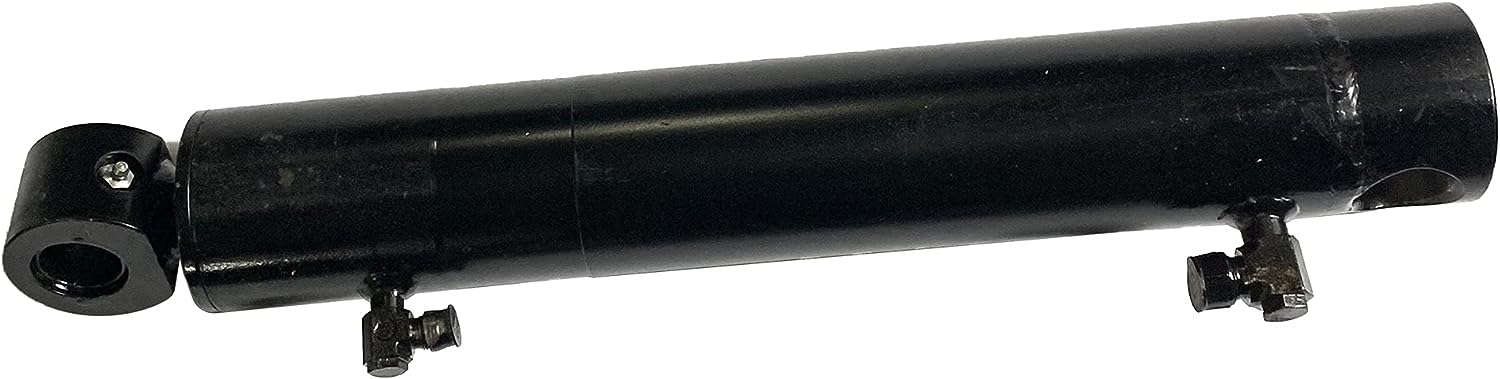
倾斜油缸能否用于高空作业平台以实现平台倾斜?
是的,倾斜油缸可用于高空作业平台,实现平台倾斜。这些油缸在确保平台安全可控倾斜方面发挥着至关重要的作用,并带来诸多优势,从而提升高空作业平台的功能性和多功能性。以下是详细说明:
- 平台角度调节:倾斜油缸可精确调节高空作业平台的平台角度。操作人员可以控制平台的倾斜角度,从而在作业过程中实现最佳定位和对准。无论是到达特定高度、进入难以触及的区域,还是适应不平整的地面,调节平台角度的功能都能提高高空作业平台作业的效率和效果。
- 稳定性和安全性:倾斜油缸有助于确保高空作业平台在倾斜过程中的稳定性和安全性。其设计旨在提供平稳可控的运动,最大限度地减少可能危及操作人员安全或稳定性的平台振动或突变。油缸与其他安全装置(例如稳定器或支腿)协同工作,以确保平台在倾斜作业过程中保持稳定和安全。
- 载荷分布:倾斜油缸有助于平台上的载荷合理分布。通过调节倾斜角度,操作人员可以将设备、工具或材料的重量更均匀地分布在平台上。这种均衡的载荷分布有助于防止平台结构和部件承受过大的压力,从而提高作业过程中的整体稳定性和安全性。
- 操作员舒适度和人体工程学:倾斜油缸有助于提升高空作业平台操作员的舒适度和人体工程学性能。通过倾斜平台,操作员可以将平台调整到更舒适的工作位置。这有助于减轻操作员的疲劳和压力,尤其是在长时间作业的情况下。平台角度的自定义功能还能改善视野和作业便利性,确保操作员能够高效安全地工作。
- 增强功能:倾斜油缸为高空作业平台增添了多功能性和实用性。它们使平台能够适应各种工作场景和要求。无论是在斜坡上、障碍物周围还是在不同高度作业,倾斜油缸提供的平台倾斜功能都能带来更高的适应性和操作灵活性。
- 与控制系统集成:倾斜油缸可与高空作业平台的控制系统集成。这种集成可实现对平台倾斜功能的精确自动化控制。操作人员可通过控制面板或操纵杆调整平台角度,从而确保精准定位并提高作业效率。
因此,倾斜油缸可有效应用于高空作业平台,实现平台倾斜,从而带来诸多益处,例如平台角度调节、稳定性和安全性、载荷分布优化、操作人员舒适性和人体工程学设计、功能增强以及与控制系统集成。这些特性提升了高空作业平台的整体性能和易用性,使操作人员能够在高空或复杂的工作环境中高效安全地作业。
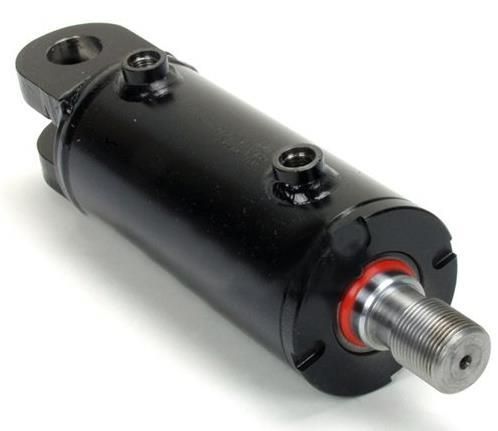
倾斜油缸能否用于推土机和挖掘机等工程机械?
是的,倾斜油缸广泛应用于推土机和挖掘机等工程机械中。这些油缸在提升此类设备的功能性和多功能性方面发挥着至关重要的作用。以下是详细说明:
- 推土机:倾斜油缸是推土机的关键部件,它能够调节铲刀角度,从而高效地进行土方作业和平整作业。倾斜油缸使操作员能够控制铲刀的倾斜角度,使其适应地形,达到所需的坡度,并高效地推移或移动物料。通过倾斜铲刀,推土机可以执行诸如平整地面、建造路堤或推开杂物等任务。倾斜油缸提供必要的动力和控制,以有效地完成这些作业。
- 挖掘机:倾斜油缸也广泛应用于挖掘机,尤其是在铲斗倾斜方面。通过安装倾斜油缸,挖掘机能够倾斜铲斗,从而精确控制物料的倾卸或放置。这项功能在挖掘沟渠、装载卡车或地形平整等作业中非常实用。倾斜油缸使操作员能够调整铲斗的角度,确保精准定位和高效的物料搬运。
- 多功能性和高效性:在推土机和挖掘机等工程机械中使用倾斜油缸,可显著提升其多功能性和效率。这些油缸提供可控的倾斜功能,使操作人员能够适应不同的工作条件,实现精准作业,并优化生产效率。调整铲刀或铲斗角度的功能,能够提高物料搬运效率,提升平整精度,并减少返工。
- 与液压系统集成:倾斜油缸与推土机和挖掘机的液压系统集成。液压动力用于驱动油缸,提供倾斜所需的力和控制。该液压系统可实现平稳、精确的运动,使操作员能够准确调整倾斜角度,并快速响应不断变化的需求。
- 定制化与兼容性:倾斜油缸可根据特定的推土机和挖掘机型号进行定制。制造商提供不同规格的倾斜油缸,例如不同的推力容量、行程长度和安装方式,以确保与特定设备的兼容性和最佳性能。这种定制化设计实现了无缝集成,并提升了工程机械的整体功能。
因此,倾斜油缸广泛应用于推土机和挖掘机等工程机械,实现对铲刀和铲斗的可控倾斜。这些油缸提高了设备的通用性、效率和精度,使操作人员能够以更高的生产率和性能完成各种土方作业和物料搬运任务。
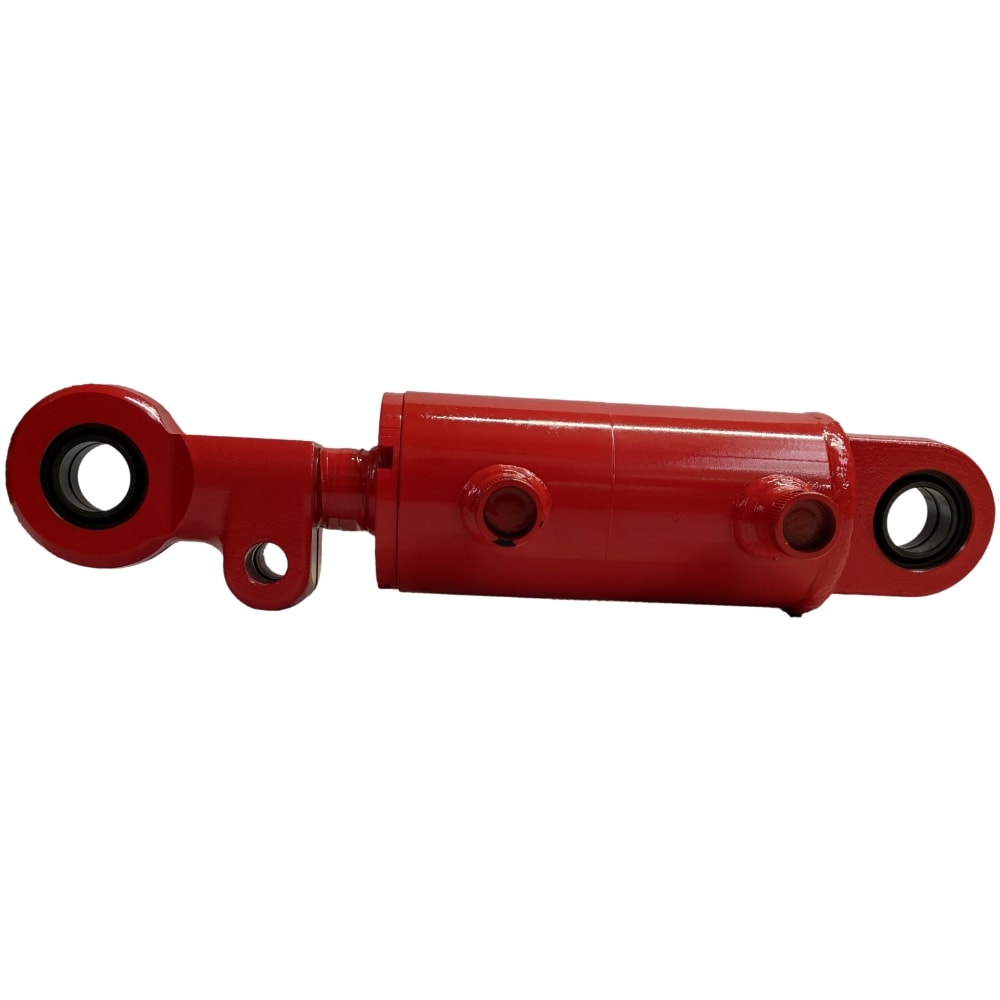
倾斜油缸可以同时用于倾斜和调平吗?
是的,倾斜油缸既可用于倾斜,也可用于调平。它们是用途广泛的液压元件,旨在提供可控的倾斜运动,并有助于调平操作。以下是详细说明:
倾斜应用:
倾斜油缸广泛应用于各行业的倾斜应用中。它们可以对连接到重型机械的部件进行可控的倾斜或角度调整。例如:
- 在工程机械中,倾斜油缸可以调节铲斗、刀片或附件,从而实现对地面的精确挖掘、平整和整平。
- 在采矿机械中,倾斜油缸控制铲斗或刀片的角度,从而实现高效的物料搬运和挖掘。
- 在农业设备中,倾斜油缸可以倾斜犁或铲斗等农具,使农民能够调整工作角度,从而实现最佳的土壤耕作或物料处理。
- 在物料搬运机械中,倾斜油缸用于控制叉子、平台或附件的倾斜,从而便于高效地装卸和堆垛货物。
水平测试应用:
除了倾斜之外,倾斜油缸还可用于调平。调平是指调整设备的水平位置或对准情况,以确保表面平整稳定。倾斜油缸可通过以下方式辅助调平作业:
- 补偿不平坦的地形:倾斜油缸可用于调整设备附件的倾斜度,补偿不平坦的表面并保持水平位置。
- 对准部件:倾斜油缸可用于对准或调平刀片、铲斗或平台等部件,确保工作区域内一致且精确的调平。
- 提供精细调节:倾斜油缸中的控制阀可精确控制倾斜运动。操作人员可以进行微调以达到所需水平,从而确保精确调平。
利用倾斜油缸的控制能力和运动范围,操作人员可以使用同一个液压元件有效地执行倾斜和调平任务。
总之,倾斜油缸用途广泛,可用于倾斜和调平两种应用。它们能够对各行各业的部件进行可控倾斜,并可辅助进行精确的调平操作。由于兼具这两种功能,倾斜油缸成为需要倾斜和调平的设备中不可或缺的液压元件。


editor by CX 2023-10-18