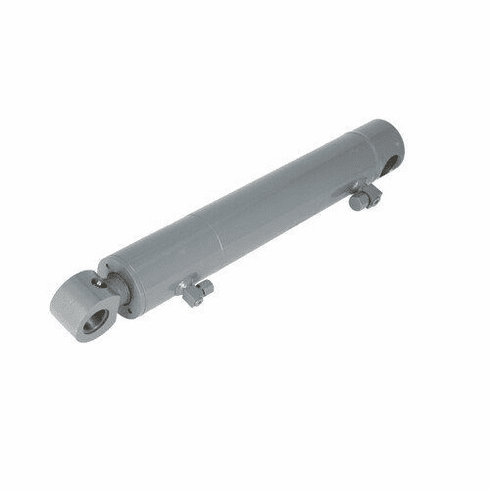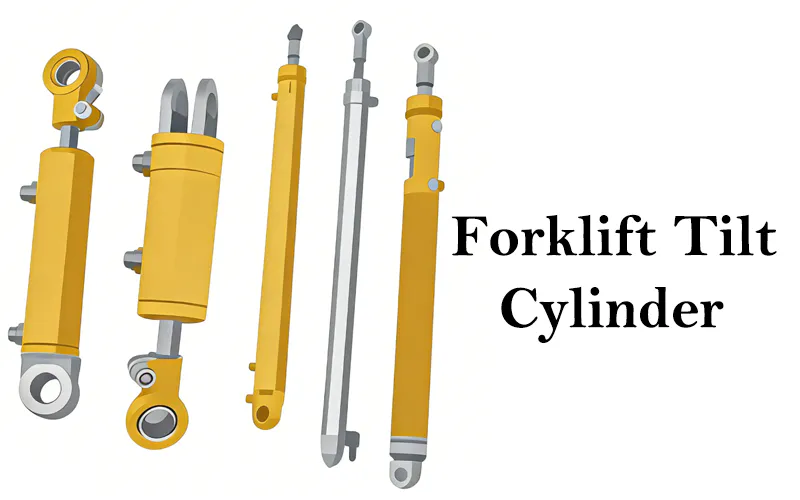
产品描述
产品描述
|
产品名称 |
HSG系列液压缸 |
|||
|
工作出版社 |
7/14/16/21/31.5MPa 37.5/63MPa 可定制 |
|||
|
材料 |
铝、铸铁、45mnb钢、不锈钢 |
|||
|
孔径 |
40毫米–320毫米,可定制 |
|||
|
轴径 |
20毫米–220毫米,可定制 |
|||
|
冲程长度 |
30毫米–14100毫米,可定制 |
|||
|
棒材表面硬度 |
HRC48-54 |
|||
|
油漆颜色 |
黑色、黄色、蓝色、棕色、可定制 |
|||
|
安装 |
耳环、法兰、U形夹、底座、耳轴、可定制 |
|||
|
保修 |
1 年 |
|||
|
最小起订量 |
1 件 |
|||
|
交货时间 |
7-15天,具体时间取决于具体需求 |
|||
|
认证 |
ISO9001、CE |
|||
公司简介
强林液压机械有限公司
| 强林是一家专业的液压设备制造商,主要从事液压系统的设计、制造、安装、改造、销售和技术服务。我们的生产设施已通过ISO 9001认证。我们是众多国内设备制造商的认证供应商,并与来自美国、加拿大、澳大利亚、德国、英国及其他欧洲国家的众多客户建立了合作关系。产品质量、交货期和客户满意度是我们对中国制造客户的长期承诺。期待成为您的合作伙伴。 |
常问问题:
问题一:您是贸易公司还是生产厂家?
答:我们有自己的工厂。
Q2:你们能够生产非标或定制产品吗?
A:是的,我们可以。
Q3:你们的交货时间是多久?
答:通常情况下,如有库存,交货时间为7天;如无库存,则需要15-30个工作日。
也取决于产品
要求和数量。
Q4:你们提供样品吗?样品是免费的吗?
答:是的,我们可以提供样品,但是样品不是免费的。
Q5:你们的付款条件是什么?
A:30% 定金可通过电汇 (T/T) 或不可撤销即期信用证 (L/C) 支付。如有任何疑问,请随时联系。
联系我们。
Q6:你们的售后服务有哪些?
答:发货前,每件产品都会经过我厂质检流程的严格检验。
系统。此外,我们还有一个
客服团队将在12小时内回复客户的咨询。乐于助人
solving customers’ problems is always our goal.
| 认证: | CE、ISO9001 |
|---|---|
| 压力: | 高压 |
| 工作温度: | 正常体温 |
| 定制化: |
可用的
|
|
|---|
.shipping-cost-tm .tm-status-off{background: none;padding:0;color: #1470cc}
|
运费:
每件商品预计运费。 |
关于运费和预计送达时间。 |
|---|
| 付款方式: |
|
|---|---|
|
首付款 全额付款 |
| 货币: | US$ |
|---|
| 退货和退款: | 您可以在收到产品后 30 天内申请退款。 |
|---|
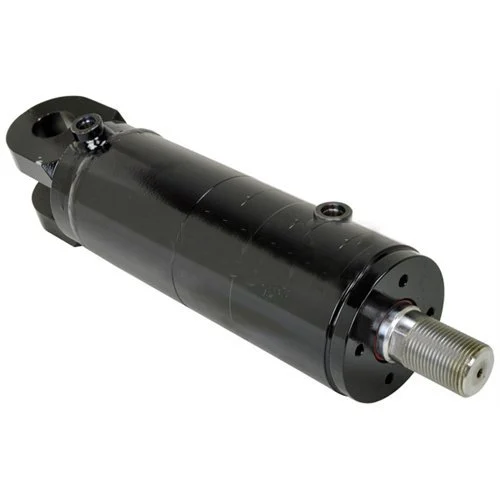
倾斜油缸能否用于林业设备中的树木搬运?
是的,倾斜油缸可用于林业机械的树木搬运作业。这些油缸在提高林业机械的效率和安全性方面发挥着至关重要的作用,例如伐木、去枝和装载树木等作业。以下是详细说明:
- 倾斜角度调节:倾斜油缸允许操作人员调节林业设备附件(例如抓斗或伐木头)的倾斜角度。通过操作油缸,操作人员可以将附件倾斜到所需角度,从而实现精准的树木操作。控制倾斜角度的功能使操作人员能够将附件与树干或树枝对齐,提高切割精度,并最大限度地降低对机械或周围环境造成损坏的风险。
- 树木抓取与操控:倾斜油缸有助于有效地抓取和操控树木。与抓斗或夹具配合使用时,这些油缸可提供必要的力和控制力,从而牢固地抓取和操控树木。操作人员可以调节附件的倾斜角度,以确保在伐木、去枝或装载作业期间牢牢抓住树木。此功能可提高作业安全性,防止树木滑落,并提升整体生产效率。
- 载荷分配:精准的树木搬运需要合理的载荷分配。倾斜油缸允许操作人员调节倾斜角度,使树木的重量均匀分布在设备上。这种载荷分配的优化在搬运大型或重型树木时尤为重要。通过倾斜油缸控制实现平衡定位,操作人员可以最大限度地减少设备受力,保持稳定性,并确保安全的树木搬运。
- 与控制系统集成:倾斜油缸可与现代林业设备的先进控制系统集成。这些控制系统可能包括液压或电子控制装置,可实现精确的自动倾斜角度调节。通过使用此类系统,操作人员可以实现稳定、精准的树木处理,从而减轻操作人员的疲劳并提高作业效率。
- 操作人员安全与人体工程学:倾斜油缸有助于提高树木作业过程中操作人员的安全性和人体工程学性能。通过精确调节倾斜角度,这些油缸使操作人员能够保持舒适且符合人体工程学的工作姿势。这降低了肌肉拉伤或受伤的风险,并增强了操作人员的控制能力和视野,尤其是在复杂的林业环境中。
- 附件多功能性:倾斜油缸为林业设备附件提供了多功能性。根据具体应用需求,它们可以采用多种配置,例如单作用油缸或双作用油缸。这种多功能性使林业机械能够处理不同尺寸、形状和生长状况的树木,从而适应林业作业的各种需求。
因此,倾斜油缸可有效应用于林业机械的树木搬运作业中。无论是倾斜角度调节、树木抓取和操控、载荷分布优化、与控制系统集成、操作人员安全和人体工程学,还是附件的多功能性,倾斜油缸都有助于提高林业树木搬运作业的效率、精度和安全性。
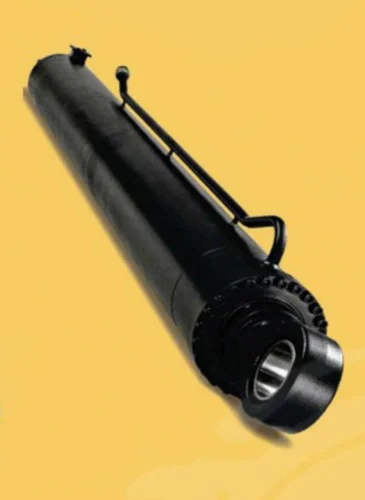
How does a tilt cylinder handle variations in tilt angle and load?
A tilt cylinder is designed to handle variations in tilt angle and load to ensure optimal performance and safe operation. It employs various mechanisms and features that allow it to adapt to different angles and loads. Here’s a detailed explanation:
- Adjustable Force and Stroke: Tilt cylinders can be adjusted to accommodate variations in tilt angle and load. The force generated by the cylinder can be controlled by adjusting the hydraulic pressure, allowing for precise control over the tilting movement. Similarly, the stroke length of the cylinder can be customized to provide the desired range of motion, enabling flexibility in achieving different tilt angles.
- Flow Control Valves: Tilt cylinders often incorporate flow control valves that regulate the speed and rate of hydraulic fluid flow. These valves allow operators to adjust the flow rate, providing finer control over the tilting movement. By adjusting the flow control valves, operators can handle variations in tilt angle and load with greater precision and stability.
- Load-Sensing Technology: Some advanced tilt cylinders utilize load-sensing technology to automatically adjust the force output based on the load applied. Load sensors integrated into the cylinder or the hydraulic system provide real-time feedback on the load, enabling the cylinder to adjust its force accordingly. This ensures consistent and safe operation, even when dealing with varying loads.
- Structural Integrity: Tilt cylinders are designed with robust construction to handle variations in load. The materials used, such as high-strength steel, provide structural integrity and durability. The cylinder’s design considers factors such as bending moments and stress distribution to ensure safe operation under different load conditions.
- Seals and Lubrication: Tilt cylinders incorporate seals and lubrication systems to minimize friction and maintain the required performance. Seals prevent leakage and contamination, ensuring the hydraulic system operates efficiently. Proper lubrication reduces wear and tear on moving parts, allowing the cylinder to handle variations in tilt angle and load smoothly and reliably.
- Stability and Balance: Tilt cylinders are designed to maintain stability and balance during tilting operations. The cylinder’s attachment points, along with the equipment’s center of gravity, are carefully considered to ensure safe and controlled tilting. This helps prevent instability or tipping when facing variations in tilt angle or load.
By incorporating adjustable force and stroke, flow control valves, load-sensing technology, robust construction, seals and lubrication, as well as ensuring stability and balance, tilt cylinders can effectively handle variations in tilt angle and load. These features enable precise control, safe operation, and reliable performance in a wide range of applications across industries.

What is the importance of regular maintenance for tilt cylinders?
Regular maintenance is crucial for tilt cylinders to ensure their optimal performance and longevity. Proper maintenance helps prevent potential issues, extends the lifespan of the cylinders, and enhances overall equipment reliability. Here are the key reasons highlighting the importance of regular maintenance for tilt cylinders:
- Preventive Maintenance: Regular maintenance allows for the early detection and prevention of potential problems. By inspecting tilt cylinders at regular intervals, any signs of wear, damage, leaks, or misalignment can be identified early on. Timely maintenance interventions, such as lubrication, seal replacements, or component adjustments, can be performed to prevent further damage and costly repairs.
- Optimal Performance: Tilt cylinders that receive regular maintenance are more likely to maintain their optimal performance. Proper lubrication of moving parts, such as pins and bushings, ensures smooth operation and minimizes friction, reducing wear and tear. Regular cleaning and inspection of hydraulic lines and valves help maintain proper fluid flow, ensuring efficient operation of the cylinder. By keeping the tilt cylinder in good condition, equipment operators can rely on consistent and reliable tilting performance.
- Equipment Safety: Well-maintained tilt cylinders contribute to equipment safety. A malfunctioning or poorly maintained tilt cylinder can lead to unexpected failures or accidents, posing risks to operators, bystanders, and the surrounding environment. Regular maintenance helps identify and rectify potential safety issues, ensuring that the tilt cylinder operates safely and reliably during equipment operation.
- Longevity and Cost Savings: Regular maintenance significantly extends the lifespan of tilt cylinders. By addressing minor issues promptly and performing preventive maintenance tasks, the overall wear and tear on the cylinder can be minimized. This prolongs the cylinder’s lifespan, reducing the frequency of replacements and associated costs. Additionally, regular maintenance helps avoid costly downtime caused by unexpected cylinder failures, leading to increased productivity and cost savings in the long run.
- Manufacturer Recommendations: Following the manufacturer’s recommended maintenance schedule is essential for tilt cylinders. Manufacturers provide specific guidelines on maintenance tasks, intervals, and recommended spare parts. Adhering to these recommendations ensures that the cylinder is properly maintained according to the manufacturer’s specifications, preserving warranty coverage and maintaining compliance with industry standards.
In conclusion, regular maintenance for tilt cylinders is vital for their reliable performance, equipment safety, and longevity. By conducting preventive maintenance, ensuring optimal performance, and adhering to manufacturer recommendations, operators can maximize the lifespan of the tilt cylinders, minimize downtime, and enhance the overall efficiency and safety of the equipment.


editor by CX 2023-11-12