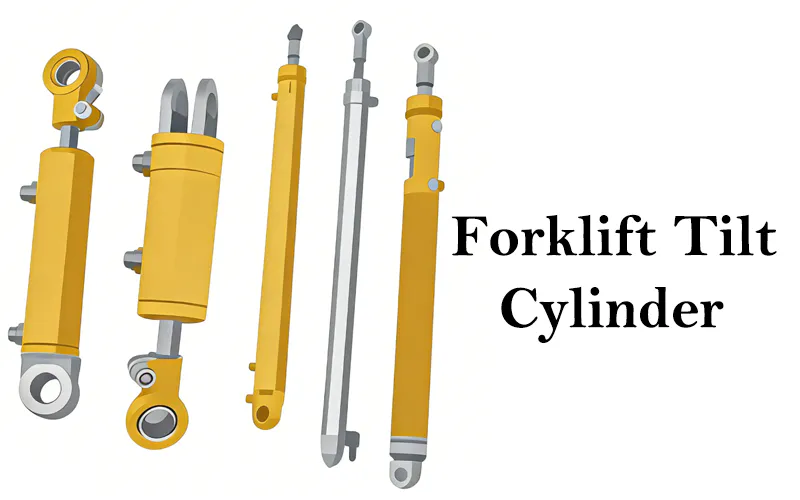
产品描述
China Factory Directly Supply Double Acting Large Forklift Spare Parts Hydraulic Cylinder with Sensor
产品 规格:
| 物品 | 规格 |
| 孔径 | 60毫米~500毫米 |
| 身体直径 | 30毫米~450毫米 |
| 中风 | 100毫米~600毫米 |
| 工作压力 | 17-40兆帕,可定制 |
| 活塞杆表面处理 | 硬铬电镀、电镀乳白色铬+硬铬、镀镍+硬铬、高速氧燃CrCNiC、陶瓷涂层、氮化、激光熔覆 |
| 材料 | 高强度冷拔管,经精密珩磨,延长密封件寿命 |
| 安装 | 耳环、法兰、U形夹、底座、耳轴、可定制 |
| 密封类型 | Parker、NOK、Hallite、GAPI 或根据客户要求 |
| 保修 | 18个月 |
| 最小起订量 | 1件 |
| 生产时间 | 根据订单数量而定,通常需要30-40天。 |
| 认证 | ISO9001、CE、SGS |
| 颜色 | 灰色、黄色、红色、黑色、可定制 |
| 包装 | 金属箱、胶合板箱、纸箱或按要求包装 |
| 服务 | OEM & ODM |
| 价格优势 | 工厂直销,价格优惠,质量保证 |
| 企业类型 | 制造商 |
产品展示:
转向油缸内置传感器用于精确测量大型叉车的转向位移。
安装方式:
应用领域: 步行式大型叉车。
其他相关产品:
我们的工厂:
检查流程:
| 检查类型 | 检验标准 |
| 原材料检验 | 入库前,质检部门会对原材料进行测量。 |
| 工艺材料检验 | 生产过程中,质检人员会进行随机抽检。 液压缸零件在移交至下一工序之前,质检人员会进行检验。 |
| 最终功能测试 | 所有液压缸均进行液压功能测试 |
原材料力学性能检验
工艺材料检验
最终功能测试
包装和配送:
关于我们:
我们的证书
浙江天健液压科技有限公司 专业生产各种类型的液压缸以及缸筒、活塞缸和其他缸体配件。
作为一家高度专业化的液压缸制造商,天健为国内外众多客户提供设计优化方案和可靠的产品。无论是在工程机械、铁路桥梁机械、港口船舶机械、冶金矿山机械、石油轻工机械、特种车辆等行业,天健都能根据用户需求提供各种标准和非标液压缸设计优化方案和产品,并提供完善的配套服务,确保产品质量。
如有可能,请在联系我们时提供以下信息。
|
钻孔 |
杆 |
中风 |
工作压力 |
安装 |
工作环境 |
|
|
|
|
|
|
|
或者您可以提供草图或照片,以便我们准确理解您的意思,帮助我们避免错误。
如果您有样品,请将样品寄给我们,我们可以根据样品进行生产。
如果您有时间,欢迎来我们工厂参观。
您的满意是我们最大的动力。
现在,您可以联系我们咨询任何问题或疑问。
常问问题:
1、贵公司是做什么的?
答:我们是高品质液压产品的供应商,产品包括液压缸、液压马达、液压动力单元、液压站及其他液压元件。
2、您是生产制造企业还是贸易公司?
答:我们是生产厂家。
3、你持有什么证书?
答:我们所有的工厂都通过了ISO认证。我们的主要原材料和零部件供应商都拥有CE、RoHS、CSA和UL认证。
4、你们的交货时间是多久?
答:交货时间取决于不同的产品和数量。气缸通常需要45-60天,电机需要30-50天。
5、你们能根据客户要求或图纸生产零件吗?
答:是的,我们可以根据您的图纸为您提供OEM服务。我们的工程师也可以为您提供专业的技术支持和建议。
6、你们接受哪些付款方式?
答:我们首选银行电汇(T/T)。订单确认后支付30%,发货前支付70%。对于超过2万美元的金额,我们也接受信用证(L/C)。
7、你们的保修政策是什么?
答:我们所有产品自交货之日起享有一年保修,保修范围涵盖材料和工艺缺陷。本保修不涵盖正常使用过程中磨损的部件或因疏忽造成的损坏。我们郑重提醒您,不洁净的液压油必然会损坏您的液压元件,而此类损坏不在保修范围内。因此,我们强烈建议您在使用我们的部件时,使用新的洁净液压油或确保系统油清洁。
| 认证: | GS、RoHS、CE、ISO9001 |
|---|---|
| 压力: | 中压 |
| 工作温度: | 高温 |
| 表演方式: | 双人表演 |
| 工作方法: | 直达之旅 |
| 调整后的形式: | 受管制类型 |
| 示例: |
US$ 600/套
1 套(最小订单) | |
|---|
| 定制化: |
可用的
|
|
|---|
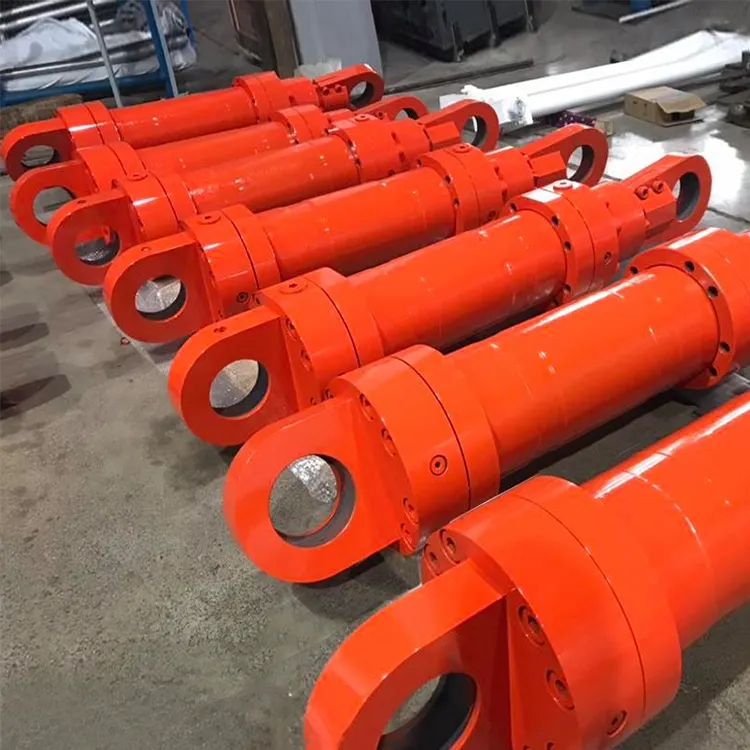
叉车液压缸如何处理缸径变化?
叉车液压缸的设计能够应对不同尺寸的缸体,并适应不同的起重能力。以下是其实现方式的解释:
液压缸应对缸径变化的能力主要取决于其设计和以下因素:
1. 活塞直径:
液压缸活塞直径决定了其产生的提升力。叉车液压缸采用不同直径的活塞设计,以适应不同的负载能力。较大的活塞直径提供更高的提升力,而较小的直径则适用于较轻的负载。液压缸的设计和制造均以叉车规格所需的提升力为标准。
2. 气缸结构:
液压缸的设计旨在承受起重作业过程中产生的力。其结构材料,例如高强度钢,是根据预期的承载能力选择的。无论缸体尺寸如何,其结构完整性都能确保其承受起重作业过程中产生的应力和压力。
3. 液压系统压力:
液压系统压力在决定油缸的提升能力方面起着至关重要的作用。通过增加或减少液压油的压力,可以调节油缸产生的提升力。叉车的液压系统设计为提供足够的压力,以满足不同尺寸油缸的提升需求。
4. 控制阀和流量:
叉车的液压系统包含控制阀,用于调节流向油缸的液压油流量。这些阀门使操作员能够控制油缸伸缩的速度和力度。通过调节流量,可以根据特定油缸尺寸和所提升的负载来调整提升能力。
5. 密封机构:
液压缸内部设有密封件,以防止液体泄漏并维持压力。这些密封件的设计可适应不同尺寸的液压缸,确保活塞与缸筒之间实现良好的密封。密封件的选择基于液压缸的具体尺寸要求,以保持最佳性能并防止泄漏。
总而言之,叉车液压缸通过整合活塞直径、合适的结构材料、液压系统压力、控制阀和密封机构等设计要素来应对缸体尺寸的变化。这些因素共同作用,确保液压缸无论尺寸大小,都能产生所需的提升力并承受提升作业过程中产生的力。
液压缸可以用于平衡重式叉车吗?
是的,液压缸广泛应用于平衡重式叉车。它们对这类叉车的运行和稳定性起着至关重要的作用。以下是对其用途的解释:
平衡重式叉车是一种常见的叉车类型,广泛应用于各个行业,用于起吊和搬运重物。它们采用液压缸组成的重量分配系统,以提供平衡和稳定性。
平衡重式叉车中的液压缸发挥以下作用:
1. 重量分布:
平衡重式叉车配备精心布置的液压缸,用于分散货物和叉车自身的重量。这些液压缸与叉车的车架和配重协同工作,以保持稳定的平衡。通过调节液压缸的伸缩,叉车可以维持重量分布的平衡,从而确保安全高效地提升和操控货物。
2. 倾斜控制:
液压缸用于平衡重式叉车,以控制门架和货叉的倾斜。操作员可以通过这些液压缸倾斜门架并根据需要调整货叉角度,从而安全地进行货物的装卸、运输和放置。通过伸缩液压缸,操作员可以精确控制倾斜角度,从而提高起升和操控作业时的稳定性。
3. 桅杆高度调节:
部分平衡重式叉车配备液压缸,用于调节门架高度。操作员可通过这些液压缸升降门架,以适应货架或装卸平台的高度要求。液压系统可实现平稳可控的垂直运动,确保在不同高度精准定位货物。
4. 稳定性和安全性:
平衡重式叉车的液压缸有助于提升整体稳定性和安全性。通过维持适当的重量分布并提供可控的倾斜角度和门架高度调节,这些液压缸有助于防止侧翻、货物移位和其他安全隐患。液压系统的响应性和精确控制增强了操作员安全搬运货物的能力。
总而言之,液压缸是平衡重式叉车不可或缺的组成部分。它们用于重量分配、倾斜控制、门架高度调节以及整体稳定性和安全性。通过利用液压动力,这些液压缸有助于平衡重式叉车高效、安全地提升、移动和定位重物。
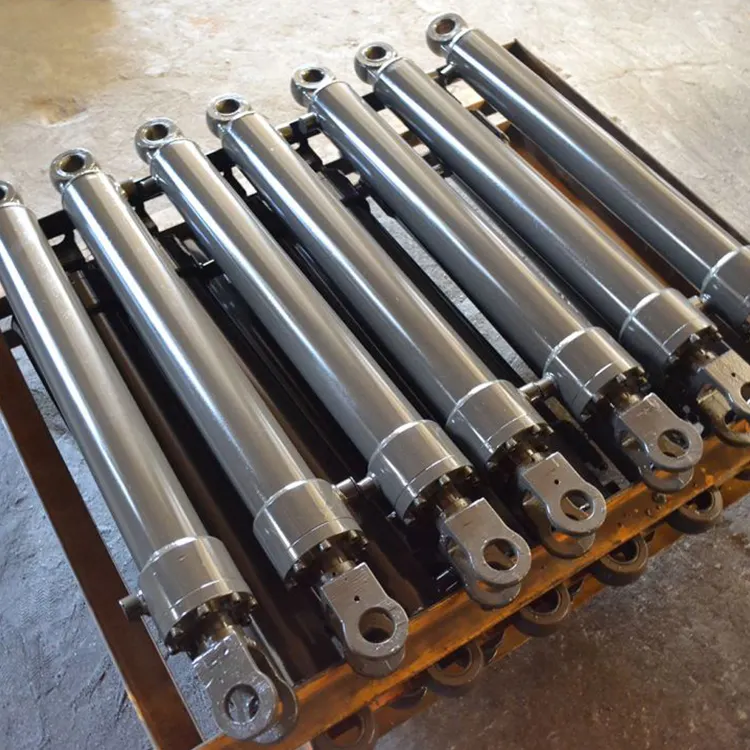
How Does a Forklift Hydraulic Cylinder Contribute to Precise Load Positioning?
A forklift hydraulic cylinder plays a crucial role in achieving precise load positioning during material handling operations. The hydraulic cylinder, along with the hydraulic system of a forklift, enables operators to accurately lift, lower, and position loads with precision. Here’s how a forklift hydraulic cylinder contributes to precise load positioning:
- Controlled Lifting and Lowering:
- Smooth and Gradual Movements:
- Load Sensing and Feedback:
- Fine Adjustment Controls:
- Stability and Balance:
The hydraulic cylinder allows for controlled lifting and lowering of the load. When the operator activates the controls to lift the load, the pressurized hydraulic fluid is directed to the hydraulic cylinder. The hydraulic pressure exerts force on the piston, causing it to extend and lift the load. By regulating the hydraulic pressure and flow, the operator can precisely control the height to which the load is raised. Similarly, during lowering, the hydraulic system enables a controlled descent, allowing for accurate placement of the load.
The hydraulic system, including the cylinder, facilitates smooth and gradual movements of the load. This is achieved through the use of control valves and hydraulic fluid flow regulation. By adjusting the valve settings, the operator can control the speed at which the hydraulic fluid enters or exits the cylinder, resulting in smooth and gradual movements. This level of control allows for precise positioning of the load, especially when working in tight spaces or when dealing with fragile or sensitive materials.
Modern forklifts often incorporate load sensing mechanisms in their hydraulic systems, which further enhance precise load positioning. Load sensing valves continuously monitor the force exerted on the hydraulic cylinder and provide feedback to the hydraulic system. This feedback enables the hydraulic system to adjust the hydraulic pressure and flow rate in real-time, ensuring that the load is positioned accurately and safely. Load sensing technology helps compensate for variations in load weight and provides the operator with greater control and precision.
Forklift hydraulic systems are typically equipped with fine adjustment controls that allow for precise load positioning. These controls, often in the form of joysticks or knobs, enable the operator to make small, incremental adjustments to the lift height or tilt angle of the forks. By manipulating these controls, the operator can fine-tune the position of the load to align it with racks, shelves, or other designated areas. These fine adjustment controls provide the operator with fine-grained control over load positioning, increasing accuracy and efficiency.
The hydraulic cylinder works in conjunction with the overall design and stability features of the forklift to contribute to precise load positioning. Forklifts are designed with a stable base, a low center of gravity, and features such as tilt cylinders and mast positioners. These elements ensure stability and balance during load handling operations, allowing for more accurate positioning of the load. The hydraulic cylinder’s smooth and controlled movements, combined with the stability features of the forklift, enable precise load placement without compromising safety or stability.
In summary, a forklift hydraulic cylinder contributes to precise load positioning through controlled lifting and lowering, smooth and gradual movements, load sensing and feedback mechanisms, fine adjustment controls, and the overall stability and balance of the forklift. These features and capabilities empower operators to handle loads with precision, align them accurately in designated areas, and optimize material handling operations in various industrial settings.


editor by CX 2023-10-12