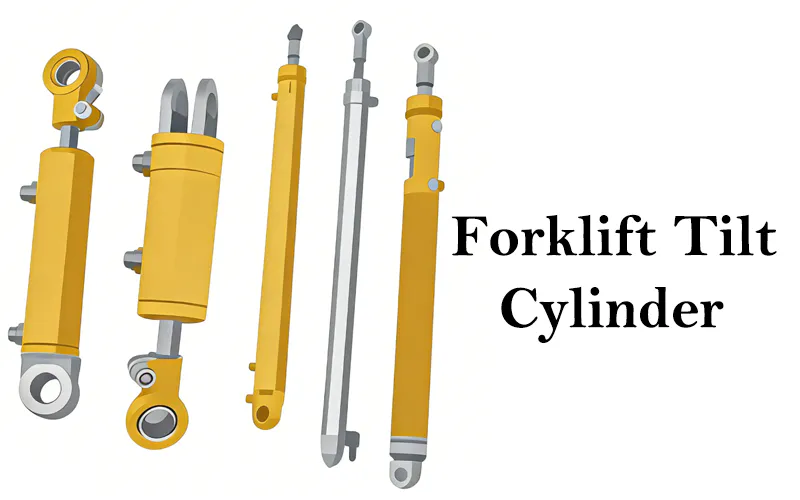
产品描述
Customized hydraulic cylinder for large forklift from factory
产品描述
| 活塞直径 | 最大 200 毫米,可定制 |
| 杆径 | 最大160毫米,可定制 |
| 中风 | 最大2500毫米,可定制 |
| 压力 | 16~25兆帕 |
| 工作温度 | -40~120 ºC |
| 原厂设备制造商 | 公认 |
| 最小起订量 | 1件 |
我们可以根据您的图纸进行定制!
其他液压缸
公司简介
关于我们:
天健液压是高压液压缸工程设计和制造领域的领先企业,其产品广泛应用于矿山、冶金、工程机械、船舶、海洋工程、水利工程、风力发电、液压机、农业机械等领域。
天健团队拥有近8年的经验,致力于提供创新可靠的解决方案,以满足OEM高压液压缸的需求。
如有可能,请在联系我们时提供以下信息。
|
钻孔 |
杆 |
中风 |
工作压力 |
安装 |
工作环境 |
|
|
|
|
|
|
|
质量保证
| 检查类型 | 检验标准 |
| 原材料检验 | 入库前,质检部门会对原材料进行测量。 |
| 工艺材料检验 | 生产过程中,质检人员会进行随机抽检。 液压缸零件在移交至下一工序之前,质检人员会进行检验。 |
| 最终功能测试 | 所有液压缸均进行液压功能测试 |
常问问题
常问问题:
1、贵公司是做什么的?
答:我们是高品质矿业液压缸的供应商。, 建筑、废物管理、林业、农业等。
2、您是生产制造企业还是贸易公司?
答:我们是生产厂家,热烈欢迎您来参观!
3、你持有什么证书?
答:我们所有的工厂都通过了ISO认证。我们的主要原材料和零部件供应商都拥有CE、RoHS和UL认证。
4、你们的交货时间是多久?
答:交货时间取决于不同的产品和数量。气瓶通常需要15-60天左右。
5、你们能根据客户要求或图纸生产零件吗?
答:是的,我们可以根据您的图纸为您提供OEM服务。我们的工程师也可以为您提供专业的技术支持和建议。
6、你们接受哪些付款方式?
答:我们首选银行转账(T/T)。订单确认后支付30%,发货前支付70%。具体可协商。
7、你们的保修政策是什么?
答:我们所有产品自交货之日起享有一年保修,保修范围涵盖材料和工艺缺陷。本保修不涵盖正常使用过程中磨损的部件或因疏忽造成的损坏。我们郑重提醒您,不洁净的液压油必然会损坏您的液压元件,而此类损坏不在保修范围内。因此,我们强烈建议您在使用我们的部件时,使用新的洁净液压油或确保系统油清洁。
/* 2571年3月10日 17:59:20 */!function(){function s(e,r){var a,o={};try{e&&e.split(“,”).forEach(function(e,t){e&&(a=e.match(/(.*?):(.*)$/))&&1
| 售后服务: | 10年 |
|---|---|
| 保修单: | 1 年 |
| 材料: | 碳钢 |
| 表面处理: | 烘焙涂料 |
| 定制: | 定制 |
| 标准: | 非标准 |
| 示例: |
US$ 200/件
1 件(最低订购量) | |
|---|
| 定制化: |
可用的
|
|
|---|
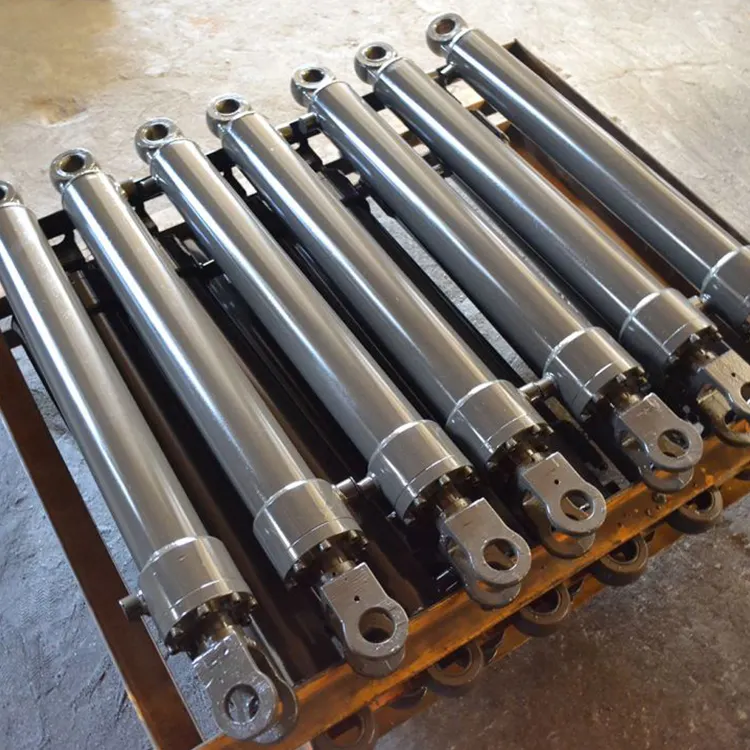
叉车液压缸如何帮助提高负载稳定性?
A forklift hydraulic cylinder plays a crucial role in ensuring load stability during lifting and material handling operations. Here’s an explanation of how it contributes to load stability:
Load stability refers to the ability of a forklift to safely lift, carry, and place loads without compromising their balance or causing them to shift unexpectedly. The hydraulic cylinder contributes to load stability in the following ways:
1. Lifting Control:
The hydraulic cylinder allows controlled and smooth lifting of the load. By regulating the flow of hydraulic fluid, the operator can adjust the lifting speed and ensure gradual, steady movement. This controlled lifting action minimizes the risk of load destabilization due to sudden jolts or jerks.
2. Load Balancing:
Hydraulic cylinders can be used in forklifts equipped with load balancing systems. These systems distribute the lifting force evenly across multiple hydraulic cylinders. By sharing the load, each cylinder carries a proportionate weight, reducing the strain on individual components and promoting load stability.
3. Tilting and Fork Positioning:
Hydraulic cylinders are often used to control the tilting of the mast or the positioning of the forks. By adjusting the tilt angle or fork position, the operator can optimize load stability. This feature is particularly important when handling loads with uneven weight distribution or when navigating through narrow spaces.
4. Mast Stability:
The hydraulic cylinder contributes to the stability of the mast assembly. The cylinder’s extension and retraction control the vertical movement of the mast, ensuring proper alignment and support. A stable mast assembly enhances load stability by preventing excessive swaying or wobbling during lifting and material handling operations.
5. Load Lowering:
When lowering the load, the hydraulic cylinder enables controlled and gradual descent. The operator can regulate the flow of hydraulic fluid to prevent sudden drops or impacts that could destabilize the load. This controlled lowering action ensures safe and stable placement of the load.
By incorporating these features and functionalities, a forklift hydraulic cylinder significantly contributes to load stability. It enables controlled lifting, load balancing, precise tilting and fork positioning, mast stability, and controlled load lowering. These capabilities promote safe and efficient material handling operations, reducing the risk of load shifts and maintaining overall load stability.
In summary, a forklift hydraulic cylinder plays a vital role in ensuring load stability. Through its lifting control, load balancing, tilting and fork positioning capabilities, mast stability, and controlled load lowering, the hydraulic cylinder enhances the safe and effective handling of loads, minimizing the risk of instability and accidents.
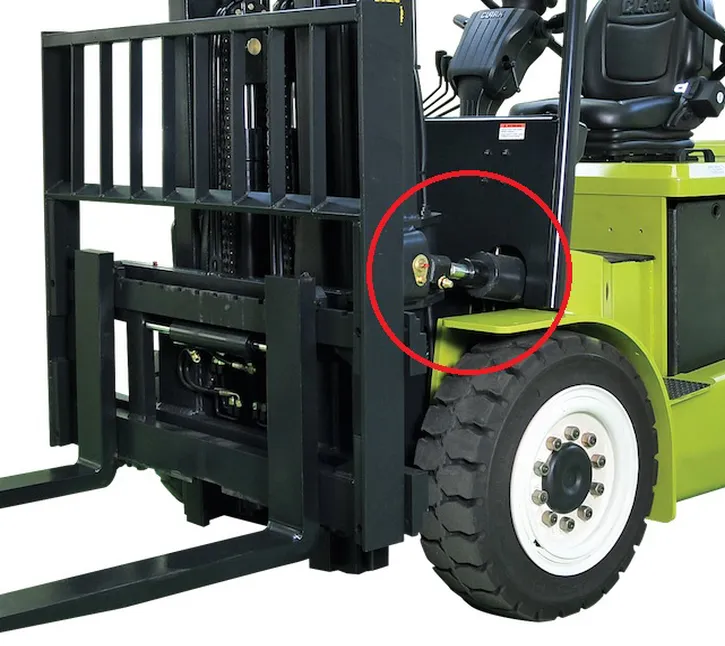
Can hydraulic cylinders be used in cold storage forklifts?
Yes, hydraulic cylinders can be used in cold storage forklifts. Cold storage forklifts, also known as freezer forklifts or refrigerated forklifts, are specifically designed to operate in cold environments such as cold storage warehouses or freezer rooms. Hydraulic cylinders play an essential role in the functionality of these specialized forklifts. Here’s an explanation of how hydraulic cylinders are used in cold storage forklifts:
Hydraulic cylinders are utilized in cold storage forklifts in the following ways:
1. Mast Lifting:
Similar to standard forklifts, hydraulic cylinders are used to lift and lower the mast in cold storage forklifts. The mast is the vertical assembly that houses the lifting mechanism and forks. Hydraulic cylinders provide the power and control for vertical movement, allowing the forklift to lift and lower loads in cold storage environments.
2. Reach and Extend:
Cold storage forklifts may have telescopic masts or extendable booms to reach and handle loads in high storage racks. Hydraulic cylinders are responsible for extending and retracting the telescopic sections of the mast or boom. This feature enables the forklift to reach and handle pallets or goods located at varying heights in cold storage areas.
3. Load Manipulation:
Hydraulic cylinders contribute to load manipulation in cold storage forklifts. These cylinders are used to control attachments such as side shifters, fork positioners, or clamp mechanisms. By utilizing hydraulic power, the cylinders allow for precise adjustments and positioning of the attachments, facilitating efficient handling of loads in cold storage environments.
4. Operator Controls:
Cold storage forklifts are equipped with operator controls that enable the adjustment and operation of hydraulic cylinders. The forklift operator can use the control levers or buttons within the cabin to activate and control the hydraulic cylinders, adjusting the lifting, reaching, or attachment functions as needed.
5. Cold-Resistant Design:
Hydraulic cylinders used in cold storage forklifts are often designed to withstand low temperatures. They may incorporate special seals, lubricants, or materials that can withstand the cold environment without compromising performance. This ensures the reliability and functionality of the hydraulic system in sub-zero temperatures.
In summary, hydraulic cylinders are integral components of cold storage forklifts, enabling mast lifting, reach and extension, load manipulation, and operator control functions. These cylinders are designed to operate in cold environments and contribute to the efficiency and effectiveness of material handling operations in cold storage warehouses or freezer rooms.
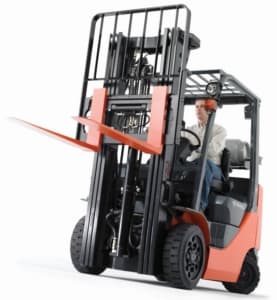
叉车液压缸由哪些部件组成?
叉车液压缸由多个部件组成,这些部件协同工作以产生提升重物所需的力。以下是主要部件的分解:
1. 气缸:
液压缸缸筒是一个圆柱形管状结构,用于容纳液压缸的其他部件。它通常由高强度钢或其他耐用材料制成,以承受液压作用力。
2. 活塞:
活塞是安装在气缸筒内的圆柱形部件。它将气缸分隔成两个腔室,并负责传递液压。活塞与气缸筒密封,以防止腔室之间的液体泄漏。
3. 活塞杆:
活塞杆从活塞延伸出来,伸出油缸筒外,与叉车的承载结构(例如门架组件)相连。活塞杆传递液压油产生的力,从而实现负载的升降。
4. 封条:
密封件是防止液压油泄漏和维持油缸内压力的关键部件。它们通常由橡胶或其他弹性材料制成,并安装在油缸的各个位置,例如活塞和活塞杆周围。
5. 进水口和出水口:
液压缸设有进油口和出油口,液压油由此流入和流出缸体。进油口连接液压系统的控制阀和软管,将加压液压油输送到缸体。当负载下降时,出油口允许液压油流出缸体。
6. 安装和连接组件:
为了将液压缸集成到叉车的液压系统中,需要使用各种安装和连接组件。这些组件包括支架、销钉、U形接头和其他配件,用于将液压缸固定并连接到叉车的结构上。
这些部件在叉车液压缸的运行中都起着至关重要的作用。缸筒提供外壳,活塞和活塞杆产生压力,密封件防止液压油泄漏,进出油口则控制液压油的流动。安装和连接部件确保液压缸与叉车的正确集成。
总而言之,叉车液压缸的组成部分包括缸体、活塞、活塞杆、密封件、进出油口以及各种安装和连接部件。这些部件共同作用,使液压缸能够产生叉车提升和降低负载所需的力。


编辑:CX 2023-12-21