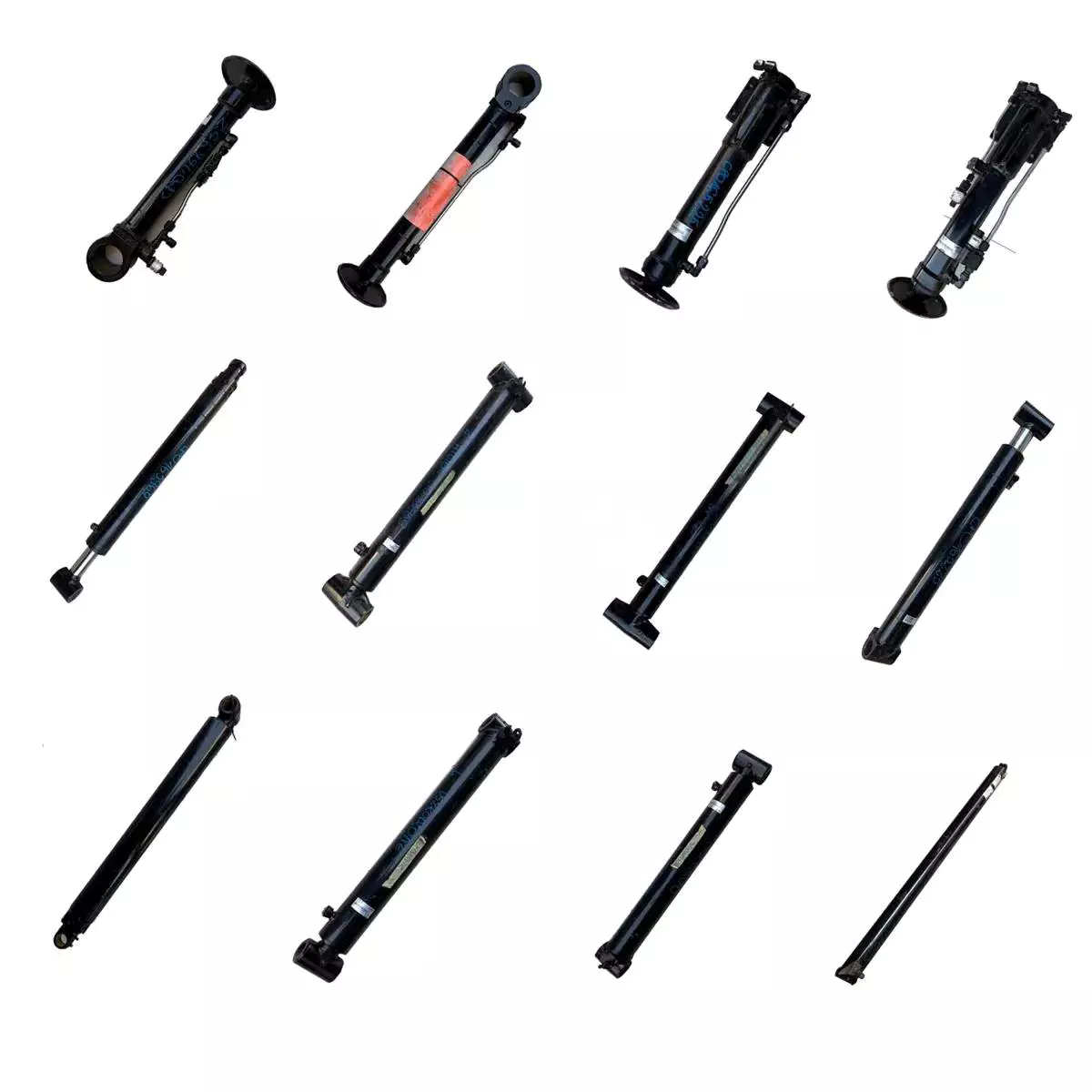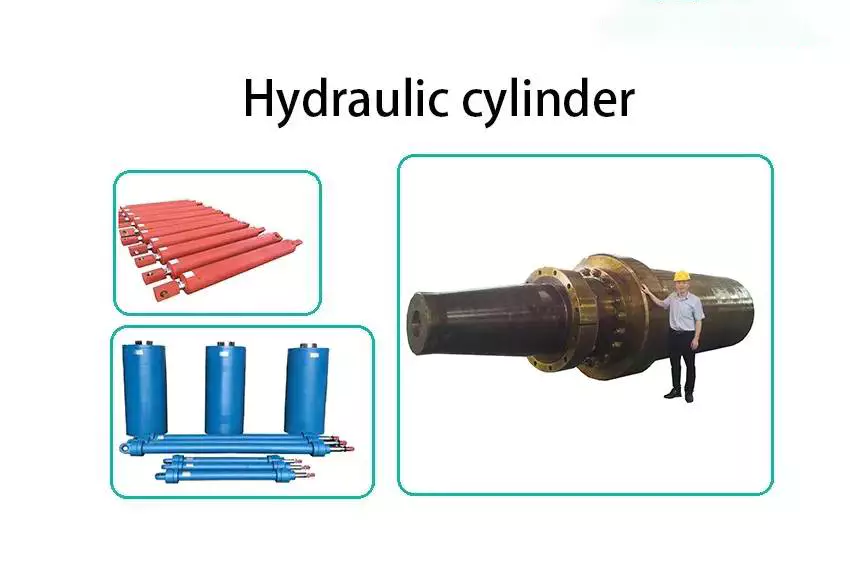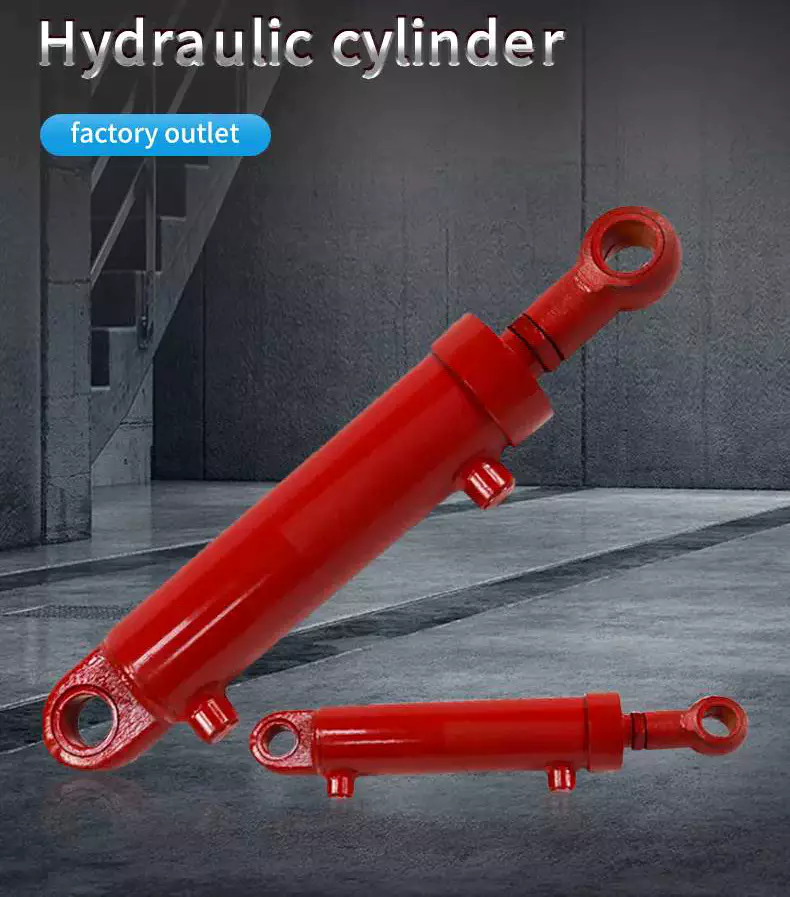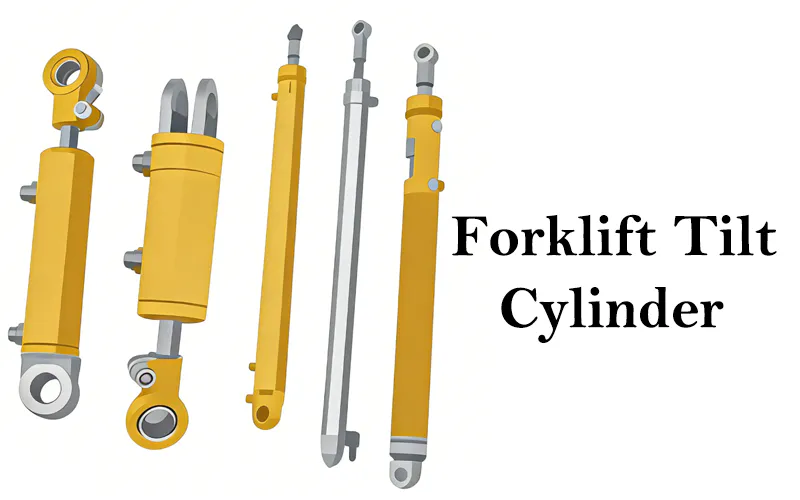
توضیحات محصول
توضیحات محصول 1.
سیلندر CO2 همه از لوله فولادی بدون درز با کیفیت بالا، ارتفاع ثابت، رنگآمیزی روان و خواص عالی ساخته شدهاند که به طور گسترده برای برش فولاد، جوشکاری، الکترونیک، پزشکی و سایر زمینهها استفاده میشود. قرار است به طور مکرر برای نگهداری آرگون که عمدتاً برای برش فولاد، جوشکاری، الکترونیک، پزشکی و غیره استفاده میشود، استفاده شود.
| نوع | سیلندر گاز سیفیک | قطر خارجی | ۱۷۸ میلیمتر | ||||||||||||
| ظرفیت آب | ۱۳.۴ لیتر | ارتفاع | ۷۰۵ میلیمتر | ||||||||||||
| فشار کاری | 2
سیلندرهای هیدرولیک چگونه چالشهای موقعیتیابی و کنترل دقیق را برطرف میکنند؟سیلندرهای هیدرولیک برای مقابله با چالشهای موقعیتیابی و کنترل دقیق با ترکیبی از اصول مهندسی و سیستمهای کنترل پیشرفته طراحی شدهاند. این چالشها اغلب در کاربردهایی که حرکات دقیق و کنترلشده مورد نیاز است، مانند اتوماسیون صنعتی، ساختوساز و جابجایی مواد، ایجاد میشوند. در اینجا توضیح مفصلی در مورد چگونگی غلبه سیلندرهای هیدرولیک بر این چالشها ارائه شده است: ۱. کنترل توان سیال: – سیلندرهای هیدرولیک از کنترل توان سیال برای دستیابی به موقعیتیابی و کنترل دقیق استفاده میکنند. سیستم هیدرولیک شامل یک پمپ هیدرولیک، شیرهای کنترل و سیال هیدرولیک است. با تنظیم جریان سیال هیدرولیک به داخل و خارج سیلندر، اپراتورها میتوانند سرعت، جهت و نیروی اعمال شده توسط سیلندر را کنترل کنند. کنترل توان سیال امکان حرکات روان و دقیق را فراهم میکند و موقعیتیابی دقیق سیلندر هیدرولیک و بار متصل به آن را امکانپذیر میسازد. ۲. شیرهای کنترل: – شیرهای کنترل نقش حیاتی در مدیریت چالشهای موقعیتیابی و کنترل دقیق ایفا میکنند. این شیرها مسئول هدایت جریان سیال هیدرولیک در سیستم هستند. آنها میتوانند به صورت دستی یا الکترونیکی کنترل شوند. شیرهای کنترل به اپراتورها اجازه میدهند تا سرعت جریان سیال هیدرولیک را تنظیم کنند و سرعت حرکت سیلندر را کنترل کنند. با تعدیل جریان، اپراتورها میتوانند کنترل دقیقی بر موقعیتیابی سیلندر هیدرولیک داشته باشند و حرکات دقیق و صحیحی را ممکن سازند. ۳. کنترل تناسبی: – سیلندرهای هیدرولیک میتوانند به سیستمهای کنترل تناسبی مجهز شوند که دقت بیشتری در موقعیتیابی و کنترل ارائه میدهند. سیستمهای کنترل تناسبی از بازخورد الکترونیکی و الگوریتمهای کنترل برای تنظیم دقیق جریان و فشار سیال هیدرولیک استفاده میکنند. این سیستمها کنترل دقیق و متناسبی بر حرکت سیلندر هیدرولیک ارائه میدهند و امکان موقعیتیابی دقیق در نقاط مختلف در امتداد طول کورس آن را فراهم میکنند. کنترل تناسبی توانایی سیلندر را برای انجام وظایف پیچیدهای که نیاز به حرکات و کنترل دقیق دارند، افزایش میدهد. ۴. حسگرهای بازخورد موقعیت: – برای دستیابی به موقعیتیابی دقیق، سیلندرهای هیدرولیک اغلب دارای حسگرهای بازخورد موقعیت هستند. این حسگرها اطلاعات بلادرنگ در مورد موقعیت میله پیستون سیلندر ارائه میدهند. انواع رایج حسگرهای بازخورد موقعیت شامل پتانسیومترها، ترانسفورماتورهای تفاضلی متغیر خطی (LVDTs) و حسگرهای مغناطیسی-انعطافپذیر هستند. حسگرهای بازخورد با نظارت مداوم بر موقعیت، کنترل حلقه بسته را امکانپذیر میکنند و امکان موقعیتیابی و کنترل دقیق سیلندر هیدرولیک را فراهم میکنند. اطلاعات بازخورد برای تنظیم جریان سیال هیدرولیک برای دستیابی دقیق به موقعیت مطلوب استفاده میشود. ۵. سیستمهای کنترل سروو: – سیستمهای هیدرولیک پیشرفته از سیستمهای کنترل سروو برای مقابله با چالشهای موقعیتیابی و کنترل دقیق استفاده میکنند. سیستمهای کنترل سروو، کنترل الکترونیکی، حسگرهای بازخورد موقعیت و شیرهای کنترل تناسبی را برای دستیابی به سطوح بالای دقت و پاسخگویی ترکیب میکنند. سیستم کنترل سروو به طور مداوم موقعیت مطلوب را با موقعیت واقعی سیلندر هیدرولیک مقایسه میکند و جریان سیال هیدرولیک را برای به حداقل رساندن هرگونه خطای موقعیتی تنظیم میکند. این مکانیسم کنترل حلقه بسته، سیلندر هیدرولیک را قادر میسازد تا موقعیتیابی و کنترل دقیق را حتی تحت بارهای متغیر یا اختلالات خارجی حفظ کند. ۶. اتوماسیون یکپارچه: – سیلندرهای هیدرولیک را میتوان در سیستمهای خودکار ادغام کرد تا به موقعیتیابی و کنترل دقیق دست یافت. در چنین سیستمهایی، سیلندرهای هیدرولیک توسط کنترلکنندههای منطقی قابل برنامهریزی (PLC) یا سایر کنترلکنندههای اتوماسیون کنترل میشوند. این کنترلکنندهها سیگنالهای ورودی را از حسگرهای مختلف دریافت میکنند و از منطق از پیش برنامهریزیشده برای فرمان دادن به حرکات سیلندر هیدرولیک استفاده میکنند. ادغام سیلندرهای هیدرولیک در سیستمهای خودکار، موقعیتیابی و کنترل دقیق و تکرارپذیر را امکانپذیر میکند و امکان اجرای توالیهای پیچیده حرکات را با دقت بالا فراهم میکند. ۷. الگوریتمهای کنترل پیشرفته: – پیشرفت در الگوریتمهای کنترل نیز به موقعیتیابی و کنترل دقیق سیلندرهای هیدرولیک کمک کرده است. این الگوریتمها، مانند کنترل PID (تناسبی-انتگرالی-مشتقی)، کنترل تطبیقی و کنترل مبتنی بر مدل، امکان پیادهسازی استراتژیهای کنترلی پیچیده را فراهم میکنند. این الگوریتمها عواملی مانند تغییرات بار، دینامیک سیستم و شرایط محیطی را برای بهینهسازی کنترل سیلندرهای هیدرولیک در نظر میگیرند. با بهکارگیری الگوریتمهای کنترل پیشرفته، سیلندرهای هیدرولیک میتوانند اختلالات را جبران کرده و موقعیتیابی و کنترل دقیقی را در طیف وسیعی از شرایط عملیاتی به دست آورند. به طور خلاصه، سیلندرهای هیدرولیک با استفاده از کنترل توان سیال، شیرهای کنترل، کنترل تناسبی، حسگرهای بازخورد موقعیت، سیستمهای کنترل سروو، اتوماسیون یکپارچه و الگوریتمهای کنترل پیشرفته، بر چالشهای موقعیتیابی و کنترل دقیق غلبه میکنند. با ترکیب این عناصر، سیلندرهای هیدرولیک میتوانند به حرکات دقیق و کنترلشده دست یابند و موقعیتیابی و کنترل دقیق را در کاربردهای مختلف امکانپذیر سازند. این قابلیتها برای صنایعی که به دقت و تکرارپذیری بالا در عملیات خود نیاز دارند، مانند اتوماسیون صنعتی، رباتیک و جابجایی مواد، ضروری هستند.
Adaptation of Hydraulic Cylinders for Medical Equipment and Aerospace ApplicationsHydraulic cylinders have the potential to be adapted for use in medical equipment and aerospace applications, offering unique advantages in these industries. Let’s explore how hydraulic cylinders can be adapted for these specialized fields:
In summary, hydraulic cylinders can be adapted for use in medical equipment and aerospace applications, leveraging their precise positioning, load handling capabilities, controlled motion, durability, and reliability. In medical equipment, hydraulic cylinders enable comfortable patient positioning, smooth transitions, and controlled movements during procedures. In aerospace, hydraulic cylinders provide precise actuation, weight optimization, shock and vibration resistance, and space-efficient solutions. By adapting hydraulic cylinders to these specialized fields, manufacturers can meet the unique requirements and enhance the performance of medical equipment and aerospace systems.
What safety precautions should be followed when working with hydraulic cylinders?Working with hydraulic cylinders requires strict adherence to safety precautions to prevent accidents, injuries, and damage to equipment or property. Hydraulic systems operate under high pressures and involve moving parts, which can pose serious hazards if not handled properly. Here’s a detailed explanation of the safety precautions that should be followed when working with hydraulic cylinders: 1. Training and Knowledge: – Ensure that personnel working with hydraulic cylinders have received adequate training and possess a thorough understanding of hydraulic system operation, maintenance, and safety protocols. Proper training should cover topics such as hydraulic principles, pressure ratings, safe work practices, and emergency procedures. Only trained and authorized personnel should be allowed to handle hydraulic cylinders. 2. Wear Personal Protective Equipment (PPE): – Always wear appropriate personal protective equipment when working with hydraulic cylinders. This may include safety glasses, gloves, protective clothing, and steel-toed boots. PPE helps protect against potential hazards, such as hydraulic fluid leaks, flying debris, or accidental contact with moving parts. 3. Hydraulic System Inspection: – Before working with hydraulic cylinders, inspect the entire hydraulic system for any signs of damage, leaks, or loose connections. Check hydraulic hoses, fittings, valves, and cylinders for integrity and secure fastening. If any issues are detected, the system should be repaired or serviced before operation. 4. Relieve Pressure: – Before performing any maintenance or disassembly on a hydraulic cylinder, it is crucial to relieve the pressure in the system. Follow the manufacturer’s instructions to properly release pressure and ensure that the hydraulic cylinder is depressurized before starting any work. Failure to do so can result in sudden and uncontrolled movement of the cylinder or hydraulic lines, leading to serious injuries. 5. Lockout/Tagout Procedures: – Implement lockout/tagout procedures to prevent accidental energization of the hydraulic system while maintenance or repair work is being conducted. Lockout/tagout involves isolating the energy source, such as shutting off the hydraulic pump and locking or tagging the controls to prevent unauthorized operation. This procedure ensures that the hydraulic cylinder remains in a safe, non-operational state during maintenance activities. 6. Use Proper Lifting Techniques: – When working with heavy hydraulic cylinders or components, use proper lifting techniques and equipment to avoid strain or injury. Hydraulic cylinders can be heavy and awkward to handle, so ensure that lifting equipment, such as cranes or hoists, is properly rated and used correctly. Follow safe lifting practices, including securing the load and maintaining a stable lifting posture. 7. Hydraulic Fluid Handling: – Handle hydraulic fluid with care and follow proper procedures for fluid filling, transfer, and disposal. Avoid contact with the skin or eyes, as hydraulic fluid may be hazardous. Use appropriate containers and equipment to prevent spills or leaks. If any hydraulic fluid comes into contact with the skin or eyes, rinse thoroughly with water and seek medical attention if necessary. 8. Regular Maintenance: – Perform regular maintenance and inspections on hydraulic cylinders to ensure their safe and reliable operation. This includes checking for leaks, inspecting seals, monitoring fluid levels, and conducting periodic servicing as recommended by the manufacturer. Proper maintenance helps prevent unexpected failures and ensures the continued safe use of hydraulic cylinders. 9. Follow Manufacturer Guidelines: – Always follow the manufacturer’s guidelines, instructions, and recommendations for the specific hydraulic cylinders and equipment being used. Manufacturers provide important safety information, maintenance schedules, and operational guidelines that should be strictly adhered to for safe and optimal performance. 10. Emergency Preparedness: – Be prepared for potential emergencies by having appropriate safety equipment, such as fire extinguishers, first aid kits, and emergency eyewash stations, readily available. Establish clear communication channels and emergency response procedures to promptly address any accidents, leaks, or injuries that may occur during hydraulic cylinder operations. By following these safety precautions, individuals working with hydraulic cylinders can minimize the risk of accidents, injuries, and property damage. It is essential to prioritize safety, maintain awareness of potential hazards, and ensure compliance with relevant safety regulations and industry standards.
|