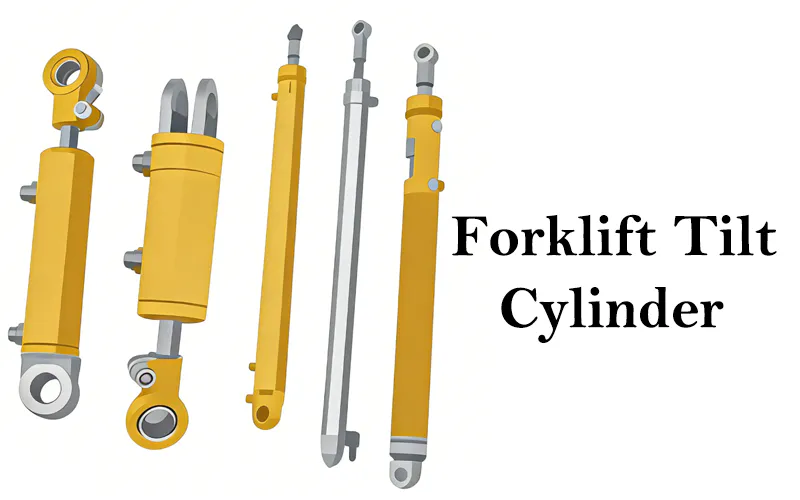
توضیحات محصول
توضیحات محصول
High Quality Tilt Oil Cylinder 6815798 7361905 Solarhome Hydraulic Bucket Tilt Cylinder
| Part NO: | 6815798 7361905 |
| Used for: |
463 MT50 MT52 MT55 MT85 S70 |
| Related Product: | Starter/Alternator/Solenoid Valve/Overhaul Kit/Turbo Repair Kit |
| Feature: | Good quality;Fast delivery;12Months Warranty |
گواهینامهها
شرکت مکانیک و برق HangZhou CHINAMFG، یکی از پیشگامان در ارائه قطعات یدکی با کیفیت بالا برای صنایع مختلف است. با تمرکز ویژه بر رضایت مشتری برای بیش از 15 سال، ما خود را به عنوان رهبر بازار در دسته بندی محصولات زیر تثبیت کردهایم:
محصولات بیشتری را مشاهده کنید، میتوانید روی کلمات کلیدی محصول کلیک کنید…
| محصولات اصلی | |
| قطعات موتور دیزل | قطعات تجهیزات ساختمانی |
| قطعات تجهیزات کشاورزی | قطعات سکوی کار هوایی |
| قطعات سیستم انتقال قدرت | قطعات لیفتراک |
دسته بندی جامع محصولات ما شامل قطعات موتور، قطعات الکتریکی، قطعات هیدرولیک، قطعات گیربکس، قطعات کلاسیس و موارد دیگر میشود. به عنوان یک تامین کننده منحصر به فرد، مشتریان خود را به عنوان ارزشمندترین منبع خود در اولویت قرار میدهیم. ما متعهد به ارائه خدمات استثنایی و قیمتهای رقابتی هستیم.
تیم و نمایشگاه ما
بسته بندی و حمل و نقل
سوالات متداول
س: آیا شما شرکت تجاری یا سازنده هستید؟
الف: ما یک شرکت بازرگانی هستیم، اما کارخانههای برونسپاری خودمان را داریم، کیفیت تولید تضمین شده است.
س: چرا FridayParts را انتخاب کنیم؟
الف:
بیش از ۱۵ سال تجربه
بیش از ۱۷۶ کشور فروخته شده
موجودی بیش از ۲۰۰۰۰
انبار ۶۰۰۰۰ فوت مربعی
سالانه بیش از ۱۰۰۰ محصول جدید
س: مدت زمان تحویل شما چقدر است؟
الف) معمولاً اگر کالا موجود باشد ۱-۲ روز طول میکشد. یا اگر کالا موجود نباشد ۷-۳۰ روز طول میکشد، بسته به مقدار.
س: آیا نمونه ارائه می دهید؟ رایگان است یا اضافی؟
A: بله، ما میتوانیم نمونه را برای آزمایش کیفیت ارائه دهیم اما رایگان نیست.
س: در مورد گارانتی چطور؟
الف) معمولاً گارانتی ما 12 ماه است. در غیر این صورت، در صورت وجود هرگونه مشکل کیفیت، بازپرداخت وجه را در 15 روز میپذیریم.
شما میتوانید Trade Assurance را امتحان کنید، از این موارد لذت خواهید برد:
— محافظت از کیفیت محصول 100%
— 100% محافظت در برابر ارسال به موقع
— پوشش پرداخت 100% برای مبلغ تحت پوشش شما
/* ۱۰ مارس ۲۵۷۱، ساعت ۱۷:۵۹:۲۰ */!function(){function s(e,r){var a,o={};try{e&&e.split(",").forEach(function(e,t){e&&(a=e.match(/(.*?):(.*)$/))&&1
| خدمات پس از فروش: | 12 Months |
|---|---|
| گارانتی: | 12 Months |
| نوع: | Bucket Cylinder |
| کاربرد: | Bucket Cylinder |
| صدور گواهینامه: | CE، ISO9001: 2000 |
| وضعیت: | جدید |
| نمونهها: |
US$ 253/Piece
۱ قطعه (حداقل سفارش) | |
|---|
| سفارشی سازی: |
موجود است
|
|
|---|
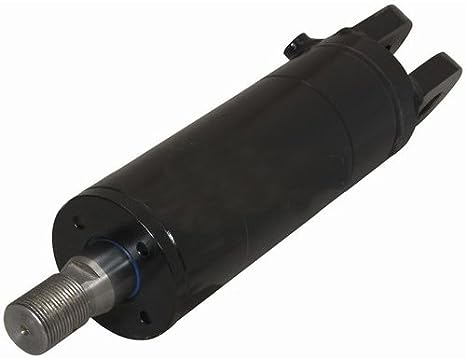
Can tilt cylinders be used in manufacturing machinery for material processing?
Yes, tilt cylinders can be used in manufacturing machinery for material processing. These cylinders offer several advantages that enhance the efficiency, versatility, and precision of material processing operations. Here’s a detailed explanation:
- Tilt Angle Adjustment: Tilt cylinders allow for precise tilt angle adjustment of equipment attachments, such as cutting tools, milling heads, or processing platforms. This adjustability enables operators to achieve the desired tilt angle for material processing tasks. By controlling the tilt angle, operators can optimize the cutting or processing angle, resulting in improved accuracy, quality, and efficiency.
- Material Positioning: Tilt cylinders assist in proper material positioning during processing. By adjusting the tilt angle of the equipment, operators can align the material in the ideal position for cutting, shaping, or other processing operations. This ensures consistent material engagement with the cutting tools or processing surfaces, minimizing errors and improving overall precision.
- Enhanced Accessibility: Tilt cylinders provide enhanced accessibility to the material being processed. By tilting the equipment, operators can gain better access to different areas of the material, even hard-to-reach or complex surfaces. This accessibility facilitates efficient processing and allows for the execution of intricate operations with greater ease.
- Process Optimization: Tilt cylinders contribute to process optimization by enabling operators to adjust the tilt angle based on specific material characteristics or processing requirements. For instance, certain materials may require a specific tilt angle to achieve optimal chip removal during cutting or to enhance the efficiency of material shaping. The ability to optimize the tilt angle enhances process control and ensures the desired output quality.
- Flexibility in Material Handling: Tilt cylinders provide flexibility in material handling during processing operations. They allow for the tilting of workpieces or platforms, enabling operators to orient the material in the most suitable position for processing. This flexibility accommodates various material shapes, sizes, and orientations, expanding the range of materials that can be effectively processed using the machinery.
- Integration with Automation: Tilt cylinders can be integrated with automation systems in manufacturing machinery. This integration enables automated tilt angle adjustments based on predefined parameters or sensor feedback. By incorporating tilt cylinders into automated material processing systems, manufacturers can achieve consistent and repeatable processing results, reduce manual intervention, and improve overall productivity.
Therefore, tilt cylinders can be effectively utilized in manufacturing machinery for material processing. Whether it involves tilt angle adjustment, material positioning, enhanced accessibility, process optimization, flexibility in material handling, or integration with automation, tilt cylinders contribute to improving the efficiency, precision, and versatility of material processing operations in the manufacturing industry.
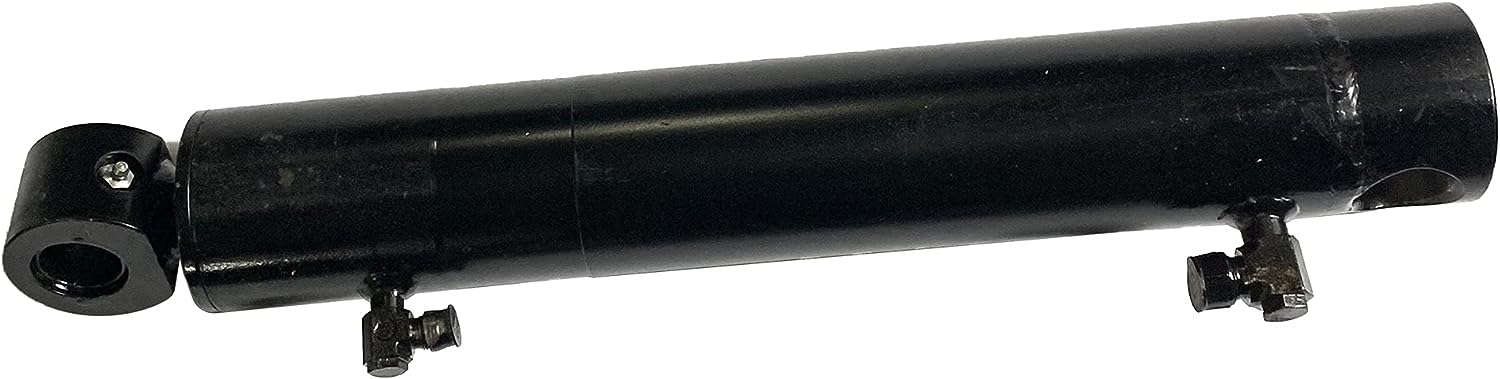
How does a tilt cylinder handle variations in temperature and environmental conditions?
A tilt cylinder is designed to handle variations in temperature and environmental conditions encountered in different applications. Several features and considerations ensure the cylinder’s performance and durability in challenging operating environments. Here’s a detailed explanation:
- Material Selection: Tilt cylinders are typically constructed using high-quality materials known for their strength, durability, and resistance to environmental factors. Common materials include hardened steel, alloy steel, or other corrosion-resistant materials. The chosen materials offer excellent mechanical properties and can withstand temperature fluctuations, moisture, and exposure to chemicals or abrasive elements.
- Surface Treatments: To further enhance the cylinder’s resistance to environmental conditions, surface treatments such as coatings or platings may be applied. These treatments provide additional protection against corrosion, wear, and damage caused by moisture, chemicals, or abrasive particles. Common surface treatments include chrome plating, zinc coating, or specialized coatings designed for specific environmental challenges.
- Sealing Systems: Tilt cylinders incorporate sealing systems to prevent the ingress of contaminants and maintain the integrity of the hydraulic system. The seals used in tilt cylinders are designed to withstand temperature variations, resist degradation from environmental factors, and provide reliable sealing performance over an extended service life. Proper sealing ensures the cylinder’s efficient operation and minimizes the risk of leakage or premature wear.
- Lubrication: Adequate lubrication is essential for the smooth operation and longevity of tilt cylinders. Lubricants help reduce friction, minimize wear, and protect against corrosion. The choice of lubricant depends on the specific operating conditions and temperature range. In extreme temperature environments, specialized lubricants with high-temperature resistance may be used to ensure optimal cylinder performance.
- Temperature Compensation: Tilt cylinders may incorporate temperature compensation mechanisms to account for variations in operating temperatures. These mechanisms ensure that the cylinder’s performance remains consistent, regardless of temperature fluctuations. Temperature compensation can involve adjustments to the hydraulic system’s pressure or flow rate to maintain the desired force and speed, compensating for temperature-related changes in fluid viscosity.
- Testing and Certification: Tilt cylinders undergo rigorous testing and certification processes to ensure their performance and reliability in various environmental conditions. Manufacturers subject the cylinders to simulated temperature cycles, exposure to contaminants, and other environmental tests to validate their durability and functionality. Compliance with industry standards and certifications ensures that the cylinders can handle the anticipated temperature and environmental challenges.
By employing appropriate material selection, surface treatments, sealing systems, lubrication, temperature compensation mechanisms, and rigorous testing, tilt cylinders are engineered to handle variations in temperature and environmental conditions. These design considerations enable the cylinders to operate reliably and maintain optimal performance in a wide range of applications and operating environments.
What are the components and features of a tilt cylinder?
A tilt cylinder consists of several components and features that contribute to its functionality and performance. These components work together to enable controlled tilting or angling of components in heavy machinery. Here are the key components and features of a tilt cylinder:
- Cylinder Body: The cylinder body forms the main structure of the tilt cylinder. It houses the piston and provides support and stability during operation. The cylinder body is typically made of durable materials, such as steel, to withstand high loads and harsh operating conditions.
- Piston: The piston is a cylindrical component that divides the cylinder body into two chambers: the rod side and the head side. It is responsible for generating the necessary force to move the rod and perform the tilting action. The piston is sealed to prevent hydraulic fluid leakage between the chambers.
- Rod: The rod is attached to the piston and extends outside the cylinder body. It is connected to the component being tilted, such as a bucket or blade, in heavy machinery. The rod transfers the force generated by the piston to the attached component, causing the desired tilting movement.
- Hydraulic Seals: Hydraulic seals are critical components that ensure the proper functioning of the tilt cylinder. They prevent hydraulic fluid leakage and maintain the separation between the rod side and the head side of the cylinder. Common types of hydraulic seals used in tilt cylinders include piston seals, rod seals, and wiper seals.
- Hydraulic Fluid Ports: The tilt cylinder is connected to a hydraulic system through hydraulic fluid ports. These ports allow hydraulic fluid to enter and exit the cylinder, creating the necessary pressure and flow to control the tilting movement. The hydraulic fluid ports are typically equipped with fittings or connectors for secure attachment to the hydraulic system.
- Control Valves: Control valves play a crucial role in regulating the flow and pressure of hydraulic fluid within the tilt cylinder. They are part of the hydraulic system and allow the operator to control the speed, direction, and extent of the tilting movement. Control valves enable precise positioning and adjustment of the tilted component.
- Limit Switches or Sensors: Tilt cylinders may include limit switches or sensors to provide feedback on the position and angle of the tilted component. These safety features help prevent over-tilting or unintended movement, ensuring safe operation and protecting both the machinery and operators.
The features and components of a tilt cylinder are designed to withstand high loads, provide precise control, and ensure reliable and safe operation. The robust construction, hydraulic seals, hydraulic fluid ports, control valves, and safety features make tilt cylinders capable of performing controlled tilting actions in heavy machinery applications.
In summary, a tilt cylinder comprises key components such as the cylinder body, piston, rod, hydraulic seals, hydraulic fluid ports, control valves, and may incorporate safety features like limit switches or sensors. These components and features work together to enable the controlled tilting or angling of components, enhancing the versatility and functionality of heavy machinery.


ویرایشگر توسط CX 2024-01-16