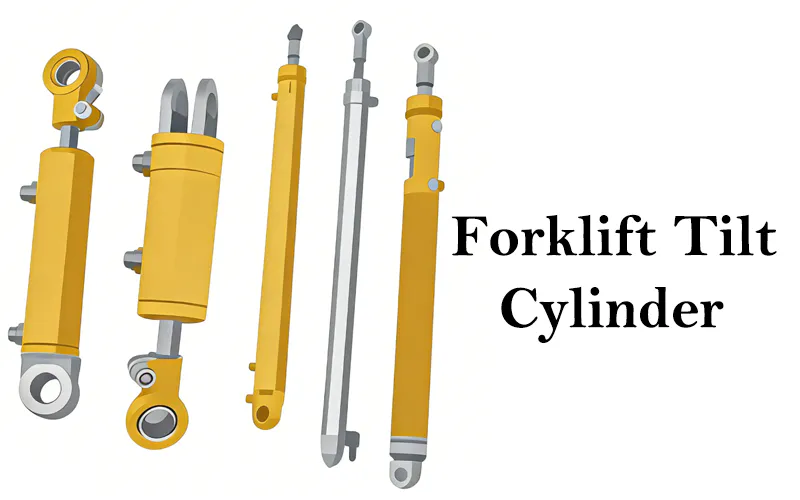
Description du produit
replacement cylinder hydraulic tilt cylinder
- Informations sur le produit
- Spécification
|
Matériel
|
Tube – Cold Drawn / Honed Tubing Piston Rod – Chromed, ground & polished 45#steel Joints de tige – Bouchon en U en polyuréthane End Caps – Steel, threaded fixed Rondelle d'usure – Rondelle de support en nylon Supports – Tourillon avec pivots angulaires |
|
Application
|
Agriculture, Concrete & Asphalt, Cranes, Fire & Rescue,Forestry & Logging,Mining & Rock Crushing,Oil & Gas,Snow & Ice Control,Waste Management and Material Recycling Industry , Engineering Equipment, Special Véhicule, équipement de fitness
|
|
Fonctionnalité |
1. Haute qualité à un prix raisonnable 2. ISO 9001:2008 3. Les spécifications personnalisées sont acceptées. |
|
Paiement |
T/T;L/C,WESTERN UNION |
|
Port |
HangZhou/ZheJiang , Chine |
|
Citation |
Conformément à la demande spécifique |
|
MOQ |
Selon le produit |
|
Conditionnement
|
caisse métallique ; caisse en contreplaqué ; carton ou selon les besoins |
|
Délai de livraison |
30 jours après réception par CHINAMFG du dépôt 30% ; ou réception par CHINAMFG de la L/C pertinente ; |
- À propos de nous
Nous sommes spécialisés dans ce domaine depuis plus de 20 ans et commercialisons les principaux produits suivants : vérins hydrauliques, centrales hydrauliques, blocs-collecteurs hydrauliques, brides hydrauliques, vérins pneumatiques et composants et pièces sur mesure, comme les vannes industrielles.
Nos marchés de vente ont couvert l'Amérique du Nord, l'Europe, l'Australie, le Japon, etc.
- Processus de travail
- Emballage et expédition
- FAQ
Q1 : Acceptez-vous la fabrication OEM ?
A1 : Oui ! Nous acceptons les commandes OEM. Nous vous fournirons un devis précis et fabriquerons le cylindre selon vos spécifications et votre plan.
Q2 : Pouvons-nous concevoir notre propre emballage ou imprimer notre propre logo ?
A2 : Oui ! L'emballage et le logo seront réalisés selon vos exigences.
Q3 : Pourrions-nous obtenir des échantillons en petite quantité ?
A3 : Oui ! Nous comprenons l’importance du test de qualité et nous serons ravis de vous fournir un échantillon. La quantité minimale de commande est de 1 pièce.
Q4 : Quel est le délai de production ?
A4 : Généralement, le délai de production est de 30 jours.
Q5 : Quelle est la garantie ?
A5 : 12 mois à compter de la date du connaissement.
N'hésitez pas à me contacter, vos commentaires seront les bienvenus.
Ellen Wang
| Certification : | CE, ISO9001 |
|---|---|
| Pression: | moyenne pression |
| Température de fonctionnement : | Température normale |
| Exemples : |
US$ 159/Pièce
1 pièce (commande minimale) | Commander un échantillon |
|---|
| Personnalisation : |
Disponible
|
|
|---|
.shipping-cost-tm .tm-status-off{background: none;padding:0;color: #1470cc}
|
Frais d'expédition :
Frais de transport estimés par unité. |
concernant les frais de livraison et le délai de livraison estimé. |
|---|
| Mode de paiement: |
|
|---|---|
|
Paiement initial Paiement intégral |
| Devise: | US$ |
|---|
| Retours et remboursements : | Vous pouvez demander un remboursement jusqu'à 30 jours après la réception des produits. |
|---|
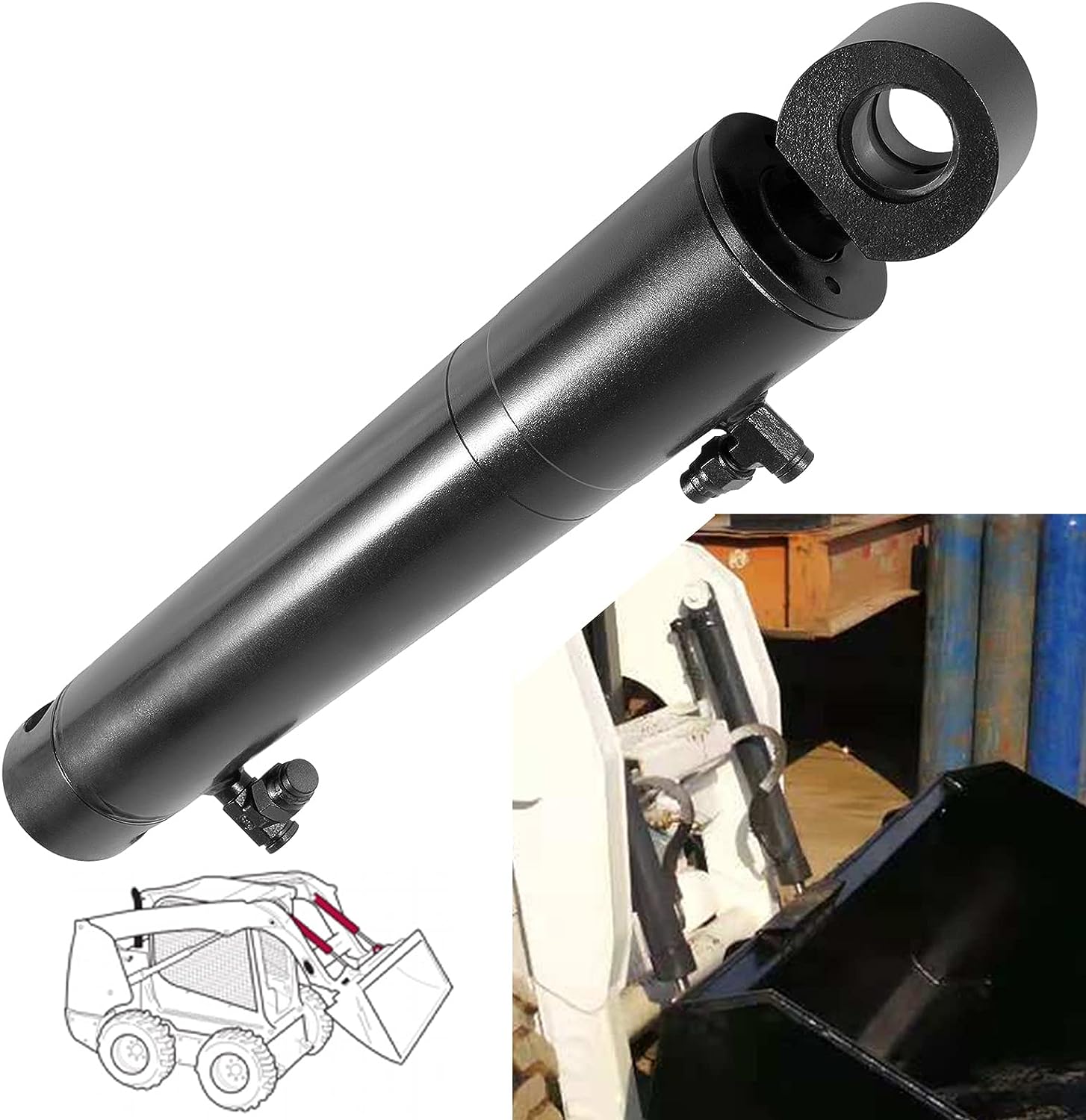
How does a tilt cylinder handle variations in hydraulic pressure and flow rate?
A tilt cylinder is designed to handle variations in hydraulic pressure and flow rate effectively. It incorporates specific features and mechanisms that allow it to operate reliably under different hydraulic conditions. Here’s a detailed explanation:
- Pressure Compensation: Tilt cylinders are equipped with pressure compensation mechanisms to handle variations in hydraulic pressure. These mechanisms ensure that the cylinder can function properly even when the hydraulic system experiences fluctuations in pressure. The pressure compensation feature allows the cylinder to maintain consistent force and performance, regardless of the changes in hydraulic pressure.
- Flow Control: Tilt cylinders are designed to accommodate variations in hydraulic flow rate. They have internal passages and ports that allow the hydraulic fluid to flow into and out of the cylinder. The cylinder’s design ensures that it can handle different flow rates without compromising its functionality. Whether the hydraulic flow rate is high or low, the tilt cylinder can adjust accordingly and provide the necessary force and control for load manipulation.
- Sealing Mechanisms: Tilt cylinders incorporate sealing mechanisms to prevent leakage and maintain hydraulic integrity. These seals are designed to withstand variations in pressure and flow rate, ensuring that the hydraulic fluid remains contained within the cylinder. The seals also help maintain the required pressure within the cylinder, allowing it to operate efficiently and effectively, regardless of the hydraulic conditions.
- Internal Design: The internal design of a tilt cylinder takes into account variations in hydraulic pressure and flow rate. The cylinder’s internal components, such as piston, rod, and cylinder barrel, are engineered to withstand different hydraulic conditions. They are designed to handle the forces exerted by varying pressure and flow rates, ensuring smooth operation and longevity of the cylinder.
- Hydraulic System Compatibility: Tilt cylinders are designed to be compatible with the hydraulic systems of the equipment they are installed in. Manufacturers ensure that the cylinders can handle the expected pressure and flow rate ranges of the hydraulic system. This compatibility allows for seamless integration and optimal performance, even when there are variations in hydraulic conditions.
- Quality Control and Testing: Tilt cylinders undergo rigorous quality control measures and testing during the manufacturing process. These measures ensure that the cylinders can handle variations in hydraulic pressure and flow rate within specified tolerances. Manufacturers test the cylinders under different hydraulic conditions to verify their performance, reliability, and ability to handle variations in pressure and flow.
By incorporating pressure compensation mechanisms, flow control features, sealing mechanisms, robust internal design, hydraulic system compatibility, and thorough quality control, tilt cylinders are capable of handling variations in hydraulic pressure and flow rate. These cylinders provide reliable and consistent performance, regardless of the hydraulic conditions, ensuring smooth and efficient operation in material handling and construction equipment.
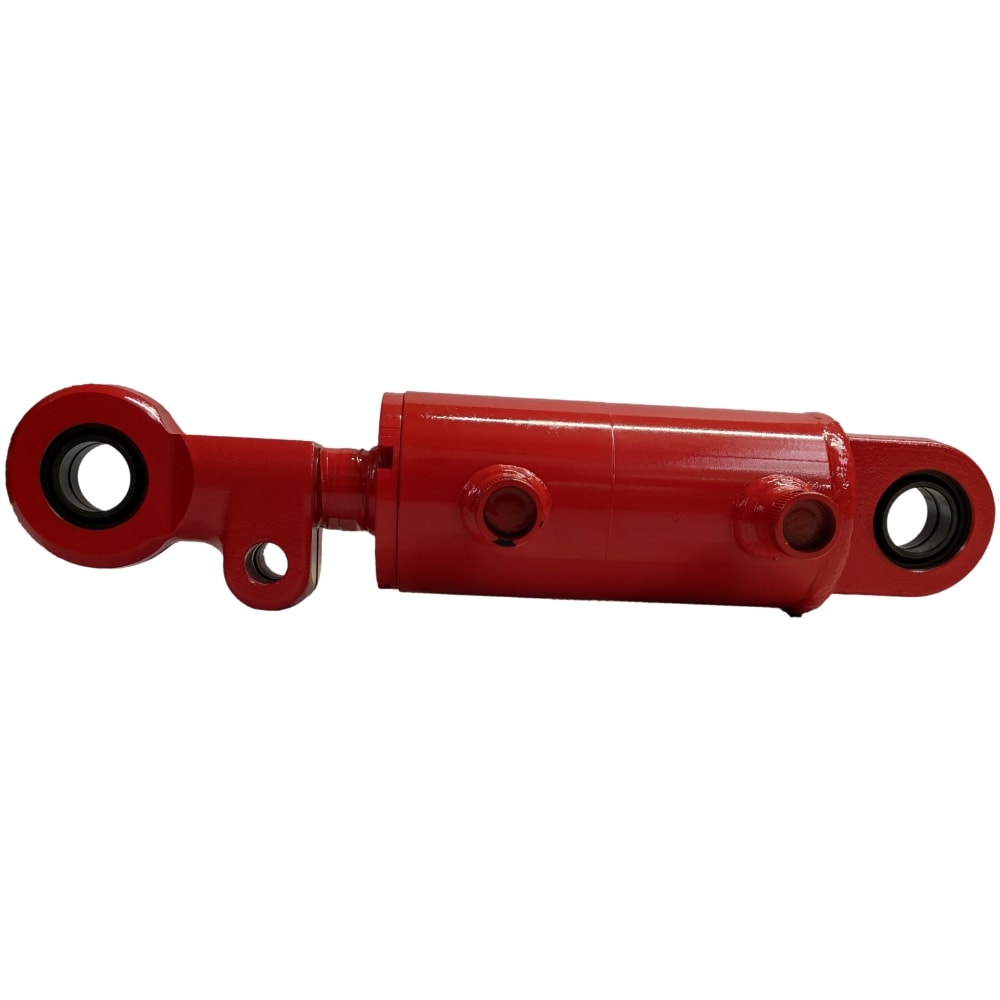
How does a tilt cylinder contribute to energy-efficient equipment operation?
A tilt cylinder plays a significant role in promoting energy-efficient equipment operation. By implementing certain design features and functionalities, tilt cylinders help optimize energy usage and improve overall equipment performance. Here’s a detailed explanation:
- Accurate Control: Tilt cylinders allow for precise control of the angle and position of attachments or implements, such as blades or buckets. This level of control enables operators to perform tasks with greater accuracy, minimizing the need for rework or additional passes. By achieving the desired angle or position on the first attempt, energy consumption is reduced, leading to more efficient equipment operation.
- Reduced Wasted Effort: Tilt cylinders prevent wasted effort by providing operators with the ability to adjust the tilt angle according to the specific requirements of the task at hand. For example, in grading operations, the ability to fine-tune the blade angle ensures that only the necessary amount of soil is moved, avoiding unnecessary exertion and energy expenditure. By minimizing wasted effort, tilt cylinders contribute to energy conservation and more efficient equipment operation.
- Optimized Material Handling: In equipment like excavators, tilt cylinders allow for precise control of the bucket tilt angle during material handling operations. This optimized control ensures that the right amount of material is loaded or dumped, minimizing spillage and unnecessary movements. By reducing material waste and improving handling efficiency, energy consumption is optimized, resulting in energy-efficient equipment operation.
- Hydraulic System Efficiency: Tilt cylinders are part of the hydraulic system in equipment. A well-designed hydraulic system, including the tilt cylinder, ensures efficient power transmission and minimal energy losses. By utilizing advanced hydraulic technologies, such as efficient pumps, valves, and control systems, equipment manufacturers can optimize the energy efficiency of the overall system, including the tilt cylinder’s operation.
- Smart Control Systems: Some modern equipment incorporates smart control systems that integrate with the tilt cylinder. These systems utilize sensors, actuators, and data processing capabilities to optimize equipment operation and energy usage. By analyzing real-time data, such as load conditions, terrain characteristics, and operator inputs, the control system can adjust the tilt cylinder’s operation for maximum energy efficiency while maintaining productivity.
- System Integration and Optimization: Tilt cylinders are designed to integrate seamlessly into the overall equipment system. Manufacturers optimize the interaction between the tilt cylinder, hydraulic system, control systems, and other components to achieve energy-efficient equipment operation. Components are selected and engineered to work together harmoniously, minimizing energy losses and maximizing system performance.
By enabling accurate control, reducing wasted effort, optimizing material handling, contributing to efficient hydraulic systems, incorporating smart control systems, and focusing on system integration and optimization, tilt cylinders significantly contribute to energy-efficient equipment operation. These cylinders play a vital role in enhancing productivity while minimizing energy consumption, promoting sustainability, and reducing operational costs.
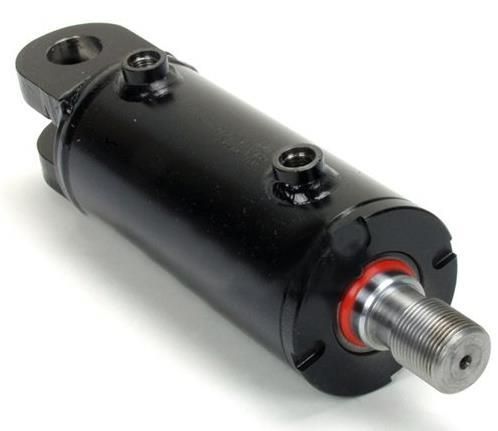
Comment un vérin d'inclinaison gère-t-il les variations d'inclinaison et de positionnement de l'équipement ?
Un vérin d'inclinaison est conçu pour compenser les variations d'inclinaison et de positionnement d'un équipement grâce à des caractéristiques et des mécanismes spécifiques. Ces caractéristiques lui permettent de s'adapter efficacement à différents angles et positions. Voici une explication du fonctionnement d'un vérin d'inclinaison :
- Amplitude de mouvement : Les vérins d’inclinaison sont conçus pour offrir une large amplitude de mouvement. Ils permettent d’incliner ou d’orienter les composants dans une plage spécifiée, autorisant ainsi diverses positions et angles. L’amplitude de mouvement est déterminée par la conception et la construction du vérin, ainsi que par les points de fixation sur l’équipement. Cette polyvalence permet au vérin d’inclinaison de répondre à différentes exigences d’inclinaison et de s’adapter aux diverses positions de l’équipement.
- Distributeurs hydrauliques : Les vérins d’inclinaison sont équipés de distributeurs hydrauliques permettant un contrôle précis du mouvement d’inclinaison. Ces distributeurs régulent le débit et la direction du fluide hydraulique, permettant ainsi aux opérateurs de contrôler la vitesse, l’amplitude et la direction de l’inclinaison. En ajustant les distributeurs hydrauliques, les opérateurs peuvent optimiser le positionnement de l’équipement, compenser les variations d’inclinaison et garantir un alignement précis.
- Mécanismes de retour d'information : Certains vérins d'inclinaison intègrent des mécanismes de retour d'information, tels que des interrupteurs de fin de course ou des capteurs. Ces mécanismes fournissent un retour d'information en temps réel sur la position et l'angle de l'élément incliné. En surveillant ce retour d'information, les opérateurs peuvent ajuster précisément le vérin d'inclinaison afin de compenser les variations d'inclinaison et de positionnement de l'équipement. Ceci garantit que l'élément reste dans la position et l'angle souhaités, améliorant ainsi l'efficacité opérationnelle et la sécurité.
- Commande du système hydraulique : Le système hydraulique qui actionne le vérin d’inclinaison joue un rôle crucial dans la gestion des variations d’inclinaison et de positionnement de l’équipement. Ce système comprend des régulateurs de pression, des vannes de régulation de débit et d’autres composants permettant aux opérateurs d’ajuster précisément la pression et le débit hydrauliques. En manipulant les commandes du système hydraulique, les opérateurs peuvent compenser les variations d’inclinaison de l’équipement et obtenir le positionnement souhaité avec précision.
- Construction robuste : Fabriqués avec des matériaux robustes, les vérins d’inclinaison résistent aux variations d’inclinaison et de positionnement des équipements. Conçus pour supporter des charges élevées et résister aux forces extérieures susceptibles d’affecter le mouvement d’inclinaison, leur construction robuste garantit durabilité et stabilité, leur permettant ainsi de maintenir des performances constantes même dans des conditions d’utilisation difficiles.
En résumé, la combinaison de facteurs tels que l'amplitude de mouvement, les distributeurs, les mécanismes de retour d'information, la commande du système hydraulique et la robustesse de la construction permet à un vérin d'inclinaison de gérer les variations d'inclinaison et de positionnement de l'équipement. Ces caractéristiques assurent conjointement un contrôle précis, une adaptabilité et une stabilité optimales, permettant ainsi au vérin d'inclinaison de gérer efficacement les différents angles et positions de l'équipement auquel il est fixé.


editor by CX 2023-10-13