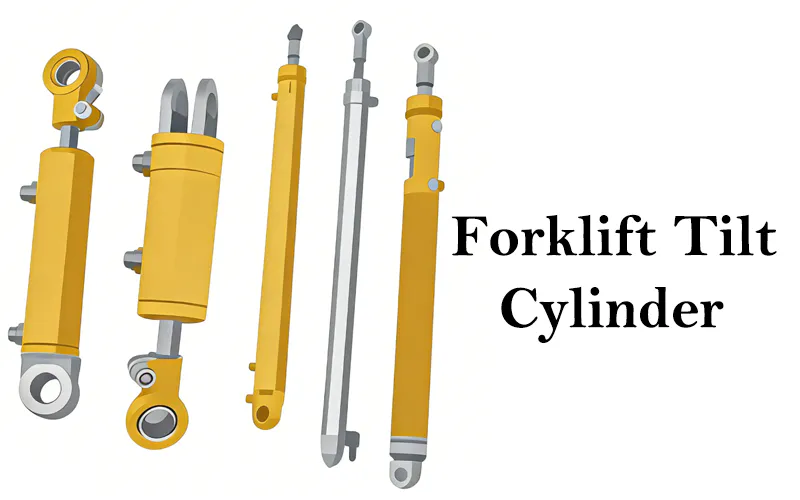
Ürün Açıklaması
replacement cylinder hydraulic tilt cylinder
- Ürün bilgileri
- Özellikler
|
Malzeme
|
Tube – Cold Drawn / Honed Tubing Piston Rod – Chromed, ground & polished 45#steel Rod Seals – Polyurethane U-Cap End Caps – Steel, threaded fixed Wear Ring – Nylon Backup Washer Mounts – Trunnion with angular Swivels |
|
Başvuru
|
Agriculture, Concrete & Asphalt, Cranes, Fire & Rescue,Forestry & Logging,Mining & Rock Crushing,Oil & Gas,Snow & Ice Control,Waste Management and Material Recycling Industry , Engineering Equipment, Special Araç, Fitness ekipmanı
|
|
Özellik |
1.High quality with a reasonable price 2. ISO9001-2008 3.Customized specification are accepted |
|
Ödeme |
T/T;L/C,WESTERN UNION |
|
Liman |
HangZhou/ZheJiang, Çin |
|
Alıntı yapmak |
According to the specific request |
|
Minimum Sipariş Miktarı |
According to the product |
|
Ambalajlama
|
metal case;plywood case;carton or as requirement |
|
Teslimat süresi |
30days CHINAMFG receipt of 30% deposit; or CHINAMFG receipt of relevant L/C; |
- Hakkımızda
20 yılı aşkın süredir bu alanda uzmanlaşmış olup, başlıca ürünlerimiz şunlardır: hidrolik silindirler, hidrolik güç üniteleri, hidrolik manifold blokları, hidrolik flanşlar, pnömatik silindirler ve endüstriyel vanalar gibi özel yapım bileşenler ve parçalar.
Satış pazarlarımız Kuzey Amerika, Avrupa, Avustralya, Japonya ve diğer bölgeleri kapsamaktadır.
- Çalışma Süreci
- Paketleme ve nakliye
- SSS
S1: OEM üretimini kabul ediyor musunuz?
A1: Evet! OEM üretimini kabul ediyoruz. Size kesin fiyatı vereceğiz ve spesifikasyonlarınıza ve çiziminize göre tam olarak istediğiniz silindiri üreteceğiz.
S2: Kendi ambalajımızı tasarlayabilir veya kendi logomuzu bastırabilir miyiz?
A2: Evet! Paket ve logo, istekleriniz doğrultusunda hazırlanacaktır.
S3: Az miktarda numune alabilir miyiz?
A3: Evet! Kalite testinin önemli olduğunu anlıyoruz ve sizin için numune hazırlamaktan memnuniyet duyarız. Minimum sipariş miktarı 1 adettir.
S4: Üretim süresi ne kadar?
A4: Üretim süresi genellikle 30 gündür.
S5: Garanti süresi nedir?
A5: Konşimento tarihinden itibaren 12 ay.
Benimle iletişime geçin, her türlü yorumunuzu memnuniyetle karşılarım.
Ellen Wang
| Sertifikasyon: | CE, ISO9001 |
|---|---|
| Basınç: | Orta Basınç |
| Çalışma Sıcaklığı: | Normal Sıcaklık |
| Örnekler: |
US$ 159/Adet
1 Adet (Minimum Sipariş) | Sipariş Örneği |
|---|
| Özelleştirme: |
Mevcut
|
|
|---|
.shipping-cost-tm .tm-status-off{background: none;padding:0;color: #1470cc}
|
Nakliye Ücreti:
Birim başına tahmini nakliye ücreti. |
Kargo ücreti ve tahmini teslim süresi hakkında bilgi. |
|---|
| Ödeme yöntemi: |
|
|---|---|
|
İlk Ödeme Tam Ödeme |
| Para birimi: | US$ |
|---|
| İade ve geri ödemeler: | Ürünleri teslim aldıktan sonraki 30 güne kadar iade talebinde bulunabilirsiniz. |
|---|
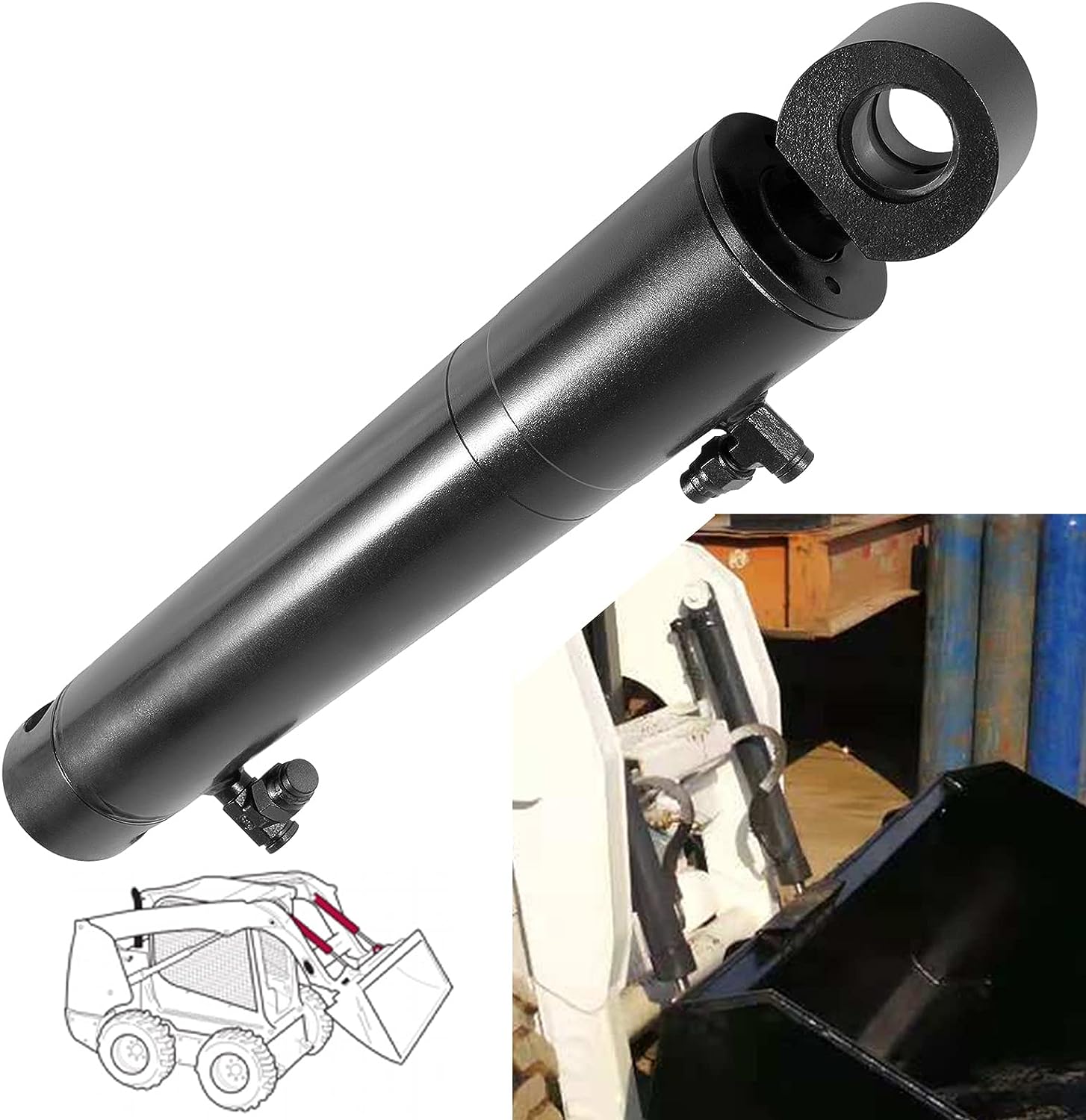
How does a tilt cylinder handle variations in hydraulic pressure and flow rate?
A tilt cylinder is designed to handle variations in hydraulic pressure and flow rate effectively. It incorporates specific features and mechanisms that allow it to operate reliably under different hydraulic conditions. Here’s a detailed explanation:
- Pressure Compensation: Tilt cylinders are equipped with pressure compensation mechanisms to handle variations in hydraulic pressure. These mechanisms ensure that the cylinder can function properly even when the hydraulic system experiences fluctuations in pressure. The pressure compensation feature allows the cylinder to maintain consistent force and performance, regardless of the changes in hydraulic pressure.
- Flow Control: Tilt cylinders are designed to accommodate variations in hydraulic flow rate. They have internal passages and ports that allow the hydraulic fluid to flow into and out of the cylinder. The cylinder’s design ensures that it can handle different flow rates without compromising its functionality. Whether the hydraulic flow rate is high or low, the tilt cylinder can adjust accordingly and provide the necessary force and control for load manipulation.
- Sealing Mechanisms: Tilt cylinders incorporate sealing mechanisms to prevent leakage and maintain hydraulic integrity. These seals are designed to withstand variations in pressure and flow rate, ensuring that the hydraulic fluid remains contained within the cylinder. The seals also help maintain the required pressure within the cylinder, allowing it to operate efficiently and effectively, regardless of the hydraulic conditions.
- Internal Design: The internal design of a tilt cylinder takes into account variations in hydraulic pressure and flow rate. The cylinder’s internal components, such as piston, rod, and cylinder barrel, are engineered to withstand different hydraulic conditions. They are designed to handle the forces exerted by varying pressure and flow rates, ensuring smooth operation and longevity of the cylinder.
- Hydraulic System Compatibility: Tilt cylinders are designed to be compatible with the hydraulic systems of the equipment they are installed in. Manufacturers ensure that the cylinders can handle the expected pressure and flow rate ranges of the hydraulic system. This compatibility allows for seamless integration and optimal performance, even when there are variations in hydraulic conditions.
- Quality Control and Testing: Tilt cylinders undergo rigorous quality control measures and testing during the manufacturing process. These measures ensure that the cylinders can handle variations in hydraulic pressure and flow rate within specified tolerances. Manufacturers test the cylinders under different hydraulic conditions to verify their performance, reliability, and ability to handle variations in pressure and flow.
By incorporating pressure compensation mechanisms, flow control features, sealing mechanisms, robust internal design, hydraulic system compatibility, and thorough quality control, tilt cylinders are capable of handling variations in hydraulic pressure and flow rate. These cylinders provide reliable and consistent performance, regardless of the hydraulic conditions, ensuring smooth and efficient operation in material handling and construction equipment.
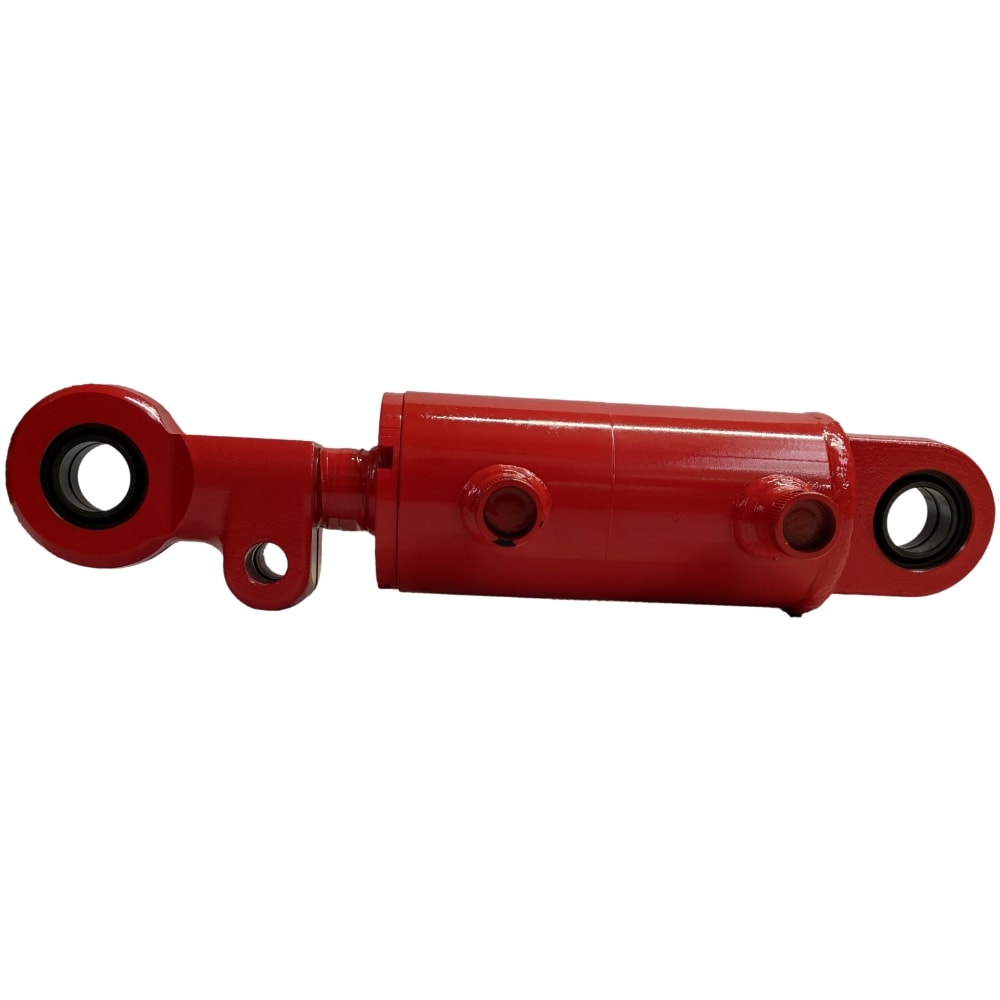
How does a tilt cylinder contribute to energy-efficient equipment operation?
A tilt cylinder plays a significant role in promoting energy-efficient equipment operation. By implementing certain design features and functionalities, tilt cylinders help optimize energy usage and improve overall equipment performance. Here’s a detailed explanation:
- Accurate Control: Tilt cylinders allow for precise control of the angle and position of attachments or implements, such as blades or buckets. This level of control enables operators to perform tasks with greater accuracy, minimizing the need for rework or additional passes. By achieving the desired angle or position on the first attempt, energy consumption is reduced, leading to more efficient equipment operation.
- Reduced Wasted Effort: Tilt cylinders prevent wasted effort by providing operators with the ability to adjust the tilt angle according to the specific requirements of the task at hand. For example, in grading operations, the ability to fine-tune the blade angle ensures that only the necessary amount of soil is moved, avoiding unnecessary exertion and energy expenditure. By minimizing wasted effort, tilt cylinders contribute to energy conservation and more efficient equipment operation.
- Optimized Material Handling: In equipment like excavators, tilt cylinders allow for precise control of the bucket tilt angle during material handling operations. This optimized control ensures that the right amount of material is loaded or dumped, minimizing spillage and unnecessary movements. By reducing material waste and improving handling efficiency, energy consumption is optimized, resulting in energy-efficient equipment operation.
- Hydraulic System Efficiency: Tilt cylinders are part of the hydraulic system in equipment. A well-designed hydraulic system, including the tilt cylinder, ensures efficient power transmission and minimal energy losses. By utilizing advanced hydraulic technologies, such as efficient pumps, valves, and control systems, equipment manufacturers can optimize the energy efficiency of the overall system, including the tilt cylinder’s operation.
- Smart Control Systems: Some modern equipment incorporates smart control systems that integrate with the tilt cylinder. These systems utilize sensors, actuators, and data processing capabilities to optimize equipment operation and energy usage. By analyzing real-time data, such as load conditions, terrain characteristics, and operator inputs, the control system can adjust the tilt cylinder’s operation for maximum energy efficiency while maintaining productivity.
- System Integration and Optimization: Tilt cylinders are designed to integrate seamlessly into the overall equipment system. Manufacturers optimize the interaction between the tilt cylinder, hydraulic system, control systems, and other components to achieve energy-efficient equipment operation. Components are selected and engineered to work together harmoniously, minimizing energy losses and maximizing system performance.
By enabling accurate control, reducing wasted effort, optimizing material handling, contributing to efficient hydraulic systems, incorporating smart control systems, and focusing on system integration and optimization, tilt cylinders significantly contribute to energy-efficient equipment operation. These cylinders play a vital role in enhancing productivity while minimizing energy consumption, promoting sustainability, and reducing operational costs.
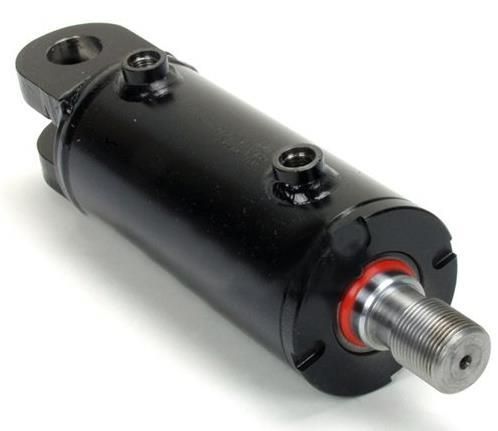
Bir eğim silindiri, ekipmanın eğim ve konumundaki değişiklikleri nasıl ele alır?
Eğim silindiri, belirli özellikler ve mekanizmalar içererek ekipmanın eğim ve konumundaki değişiklikleri yönetmek üzere tasarlanmıştır. Bu özellikler, eğim silindirinin farklı açılara ve konumlara etkili bir şekilde uyum sağlamasına olanak tanır. İşte bir eğim silindirinin ekipmanın eğim ve konumundaki değişiklikleri nasıl yönettiğine dair bir açıklama:
- Hareket Aralığı: Eğim silindirleri, geniş bir hareket aralığı sağlamak üzere tasarlanmıştır. Belirli bir aralıkta bileşenleri eğebilir veya açısını değiştirebilir, böylece çeşitli pozisyon ve açılara olanak tanır. Hareket aralığı, silindirin tasarımı ve yapısının yanı sıra ekipman üzerindeki bağlantı noktaları tarafından belirlenir. Bu çok yönlülük, eğim silindirinin farklı eğim gereksinimlerini karşılamasını ve değişen ekipman pozisyonlarına uyum sağlamasını mümkün kılar.
- Kontrol Vanaları: Eğim silindirleri, eğim hareketinin hassas kontrolünü sağlayan kontrol vanalarıyla donatılmıştır. Bu vanalar, hidrolik sıvının akışını ve yönünü düzenleyerek operatörlerin eğimin hızını, derecesini ve yönünü kontrol etmelerini sağlar. Operatörler, kontrol vanalarını ayarlayarak ekipmanın konumunu hassas bir şekilde ayarlayabilir, eğimdeki varyasyonları telafi edebilir ve doğru hizalamayı sağlayabilirler.
- Geri Besleme Mekanizmaları: Bazı eğim silindirleri, limit anahtarları veya sensörler gibi geri besleme mekanizmaları içerir. Bu mekanizmalar, eğimli bileşenin konumu ve açısı hakkında gerçek zamanlı geri besleme sağlar. Operatörler, geri beslemeyi izleyerek, ekipman eğimindeki ve konumundaki değişiklikleri telafi etmek için eğim silindirini hassas bir şekilde ayarlayabilirler. Bu, bileşenin istenen konumda ve açıda kalmasını sağlayarak operasyonel verimliliği ve güvenliği artırır.
- Hidrolik Sistem Kontrolü: Eğim silindirini çalıştıran hidrolik sistem, ekipmanın eğim ve konumlandırmasındaki varyasyonları yönetmede çok önemli bir rol oynar. Hidrolik sistem, operatörlerin hidrolik basıncı ve akışını hassas bir şekilde ayarlamasına olanak tanıyan basınç regülatörleri, akış kontrol vanaları ve diğer bileşenleri içerir. Operatörler, hidrolik sistem kontrollerini kullanarak ekipmanın eğimindeki varyasyonları telafi edebilir ve istenen konumlandırmayı hassas bir şekilde elde edebilirler.
- Sağlam Yapı: Eğim silindirleri, ekipman eğimi ve konumlandırmasındaki değişikliklere dayanacak şekilde sağlam malzemeler ve yapı ile üretilmiştir. Yüksek yükleri kaldıracak ve eğim hareketini etkileyebilecek dış kuvvetlere karşı direnç gösterecek şekilde tasarlanmıştır. Sağlam yapı, eğim silindirinin dayanıklılığını ve stabilitesini sağlayarak, zorlu çalışma koşullarında bile tutarlı performans sergilemesini mümkün kılar.
Genel olarak, hareket aralığı, kontrol vanaları, geri besleme mekanizmaları, hidrolik sistem kontrolü ve sağlam yapı gibi faktörlerin birleşimi, bir eğim silindirinin ekipman eğimindeki ve konumundaki varyasyonları yönetmesine olanak tanır. Bu özellikler, hassas kontrol, uyarlanabilirlik ve istikrar sağlamak için birlikte çalışarak, eğim silindirinin bağlı olduğu ekipmanın farklı açılarını ve konumlarını etkili bir şekilde yönetmesini sağlar.


editor by CX 2023-10-13