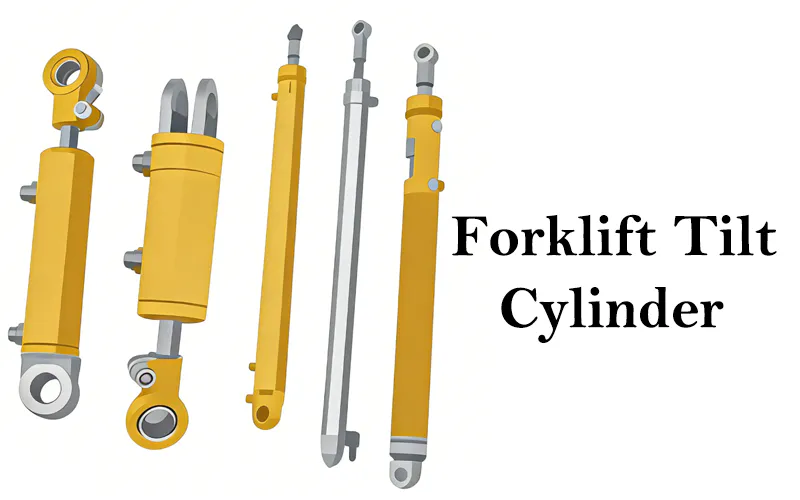
Description du produit
Ce vérin hydraulique est spécialement conçu pour les fraiseuses.
Ce cylindre se caractérise par une structure compacte et une grande fiabilité. Ses dimensions et son raccordement peuvent être adaptés aux exigences du moteur principal.
| Modèle | Diamètre d'alésage (mm) |
Diamètre de la tige (mm) |
Accident vasculaire cérébral (mm) |
Pression nominale (bar) |
| HSG25/16-180*420-WX | 25 | 16 | 180 | 160 |
| Taper: | Hoist Cylinder |
|---|---|
| Application: | Camions, chariots élévateurs, grues, chargeuses, engins de chantier |
| Nominal Pressure: | 160 Bar |
| Stroke: | 180 mm |
| Certificat: | ISO9001:2008 |
| Garantie: | 1 an |
| Personnalisation : |
Disponible
|
|
|---|
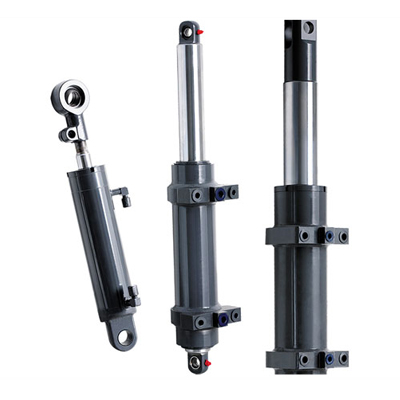
Comment un vérin hydraulique de chariot élévateur contribue-t-il à une manutention efficace des matériaux ?
Le vérin hydraulique d'un chariot élévateur joue un rôle crucial dans l'efficacité des opérations de manutention. Sa conception et son fonctionnement offrent plusieurs avantages clés qui améliorent la productivité, la précision et la sécurité. Voici une explication détaillée de la manière dont un vérin hydraulique de chariot élévateur contribue à une manutention efficace :
- Capacités de levage et d'abaissement :
- Capacité de levage élevée :
- Rapidité de réponse et délais de cycle :
- Positionnement précis de la charge :
- Polyvalence et adaptabilité :
- Stabilité et sécurité :
- Fiabilité et durabilité :
La fonction principale d'un vérin hydraulique de chariot élévateur est de lever et d'abaisser les fourches ou la plateforme de levage, permettant ainsi la manutention et le positionnement des charges. Cette fonctionnalité assure un déplacement vertical efficace, permettant aux opérateurs d'empiler, de désempiler, de charger et de décharger des matériaux rapidement et en toute sécurité. Le fonctionnement souple et contrôlé du vérin hydraulique, associé à la possibilité de régler la hauteur de levage, garantit un positionnement précis des fourches ou de la plateforme de levage, optimisant ainsi l'efficacité de la manutention des charges.
Les vérins hydrauliques des chariots élévateurs sont conçus pour générer des forces de levage importantes, permettant ainsi la manutention aisée de charges lourdes. La capacité du système hydraulique à générer une pression élevée et à la transmettre au vérin permet un levage efficace de charges qui seraient autrement difficiles, voire impossibles, à manipuler manuellement. Cette capacité de levage élevée contribue à accroître la productivité en réduisant le nombre de trajets nécessaires au déplacement des matériaux et en améliorant l'efficacité opérationnelle globale.
Les vérins hydrauliques des chariots élévateurs offrent une réactivité optimale, garantissant des cycles de manutention rapides et efficaces. Dès l'activation des commandes hydrauliques, le fluide hydraulique transmet instantanément la pression au vérin, déclenchant le mouvement de levage ou d'abaissement souhaité. Cette réactivité accrue réduit les temps de cycle, permettant aux chariots élévateurs d'effectuer leurs tâches plus rapidement et d'améliorer la productivité globale.
Le fonctionnement fluide et contrôlé des vérins hydrauliques permet un positionnement précis de la charge, un facteur essentiel pour une manutention efficace. Les opérateurs peuvent ajuster avec précision la hauteur de levage, abaisser ou relever les fourches par incréments et optimiser le positionnement en fonction des exigences de la tâche. Cette précision minimise les risques d'endommagement de la charge, optimise l'utilisation de l'espace et facilite l'intégration avec les systèmes de stockage, améliorant ainsi l'efficacité et réduisant les risques d'erreurs ou d'accidents.
Les vérins hydrauliques des chariots élévateurs offrent polyvalence et adaptabilité, permettant une manutention efficace de charges de types, dimensions et poids variés. La hauteur de levage réglable qu'ils offrent permet aux chariots élévateurs de s'adapter à différentes hauteurs de gerbage, aux exigences de dégagement et aux scénarios de chargement/déchargement. Cette flexibilité garantit aux chariots élévateurs la capacité de réaliser un large éventail de tâches de manutention, améliorant ainsi l'efficacité opérationnelle et réduisant le besoin d'équipements spécialisés.
Le vérin hydraulique contribue à une manutention efficace en assurant la stabilité et la sécurité lors des opérations de levage et d'abaissement. Les chariots élévateurs sont équipés de systèmes de contrepoids qui, associés au vérin hydraulique, maintiennent l'équilibre et préviennent le basculement. Le fonctionnement synchronisé du système hydraulique et du système de contrepoids améliore la stabilité, permettant une manutention sûre des charges, même en hauteur. Ceci favorise une manutention efficace tout en privilégiant la sécurité des opérateurs et des postes de travail.
Les vérins hydrauliques des chariots élévateurs sont conçus pour résister aux environnements industriels exigeants et à une utilisation fréquente. Fabriqués avec des matériaux robustes et soumis à des tests rigoureux, ils garantissent durabilité et fiabilité. Cette fiabilité minimise les temps d'arrêt dus aux pannes de vérins, permettant ainsi la continuité des opérations de manutention et améliorant l'efficacité globale.
La combinaison de leurs capacités de levage et d'abaissement, de leur capacité de levage élevée, de leur réactivité, de leur positionnement précis des charges, de leur polyvalence, de leur stabilité, de leur fiabilité et de leur durabilité rend les vérins hydrauliques des chariots élévateurs indispensables à une manutention efficace. Ces vérins permettent aux opérateurs de manipuler les charges avec précision, d'optimiser la productivité et de garantir des opérations sûres et fiables dans diverses applications de manutention.
 \
\
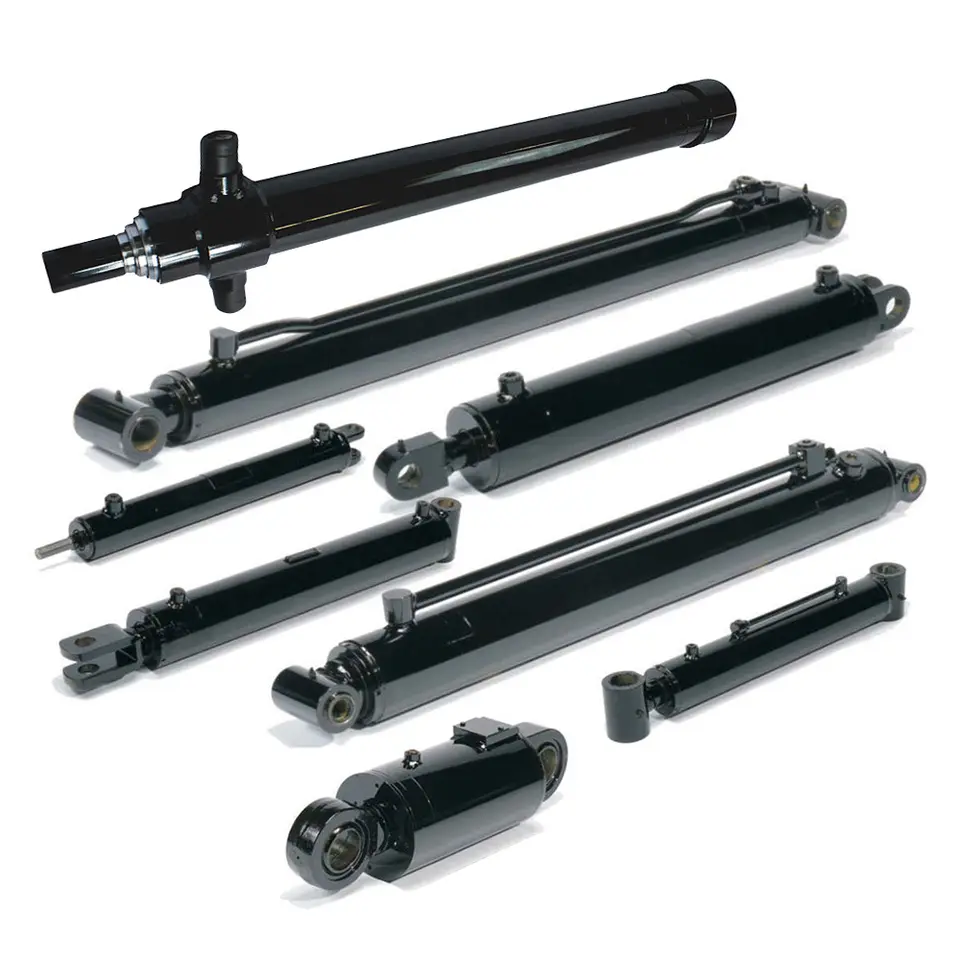
Can hydraulic cylinders be used in order fulfillment centers?
Yes, hydraulic cylinders can be used in order fulfillment centers. Order fulfillment centers require efficient and precise material handling equipment to handle the storage and movement of goods. Hydraulic cylinders are commonly used in various applications within these centers. Here’s an explanation of how they can be utilized:
Hydraulic cylinders find applications in order fulfillment centers in the following ways:
1. Conveyor Systems:
Conveyor systems are extensively used in order fulfillment centers for the transportation of goods. Hydraulic cylinders are employed to control the movement and positioning of conveyor belts. These cylinders enable smooth and precise adjustments of the conveyor height, ensuring efficient transfer of items between different processing areas.
2. Lift Tables and Platforms:
Hydraulic cylinders are utilized in lift tables and platforms used for order picking and loading/unloading operations. These cylinders provide controlled lifting and lowering of the tables or platforms, allowing operators to adjust the working height as needed. This enables ergonomic working conditions and precise alignment with shelving or loading docks.
3. Scissor Lifts:
Scissor lifts are commonly used in order fulfillment centers to reach elevated areas for order picking or stock replenishment. Hydraulic cylinders power the vertical movement of scissor lifts, providing stability and controlled elevation. The cylinders allow for precise positioning at different heights, enhancing efficiency and safety during the order fulfillment process.
4. Pallet Handling Equipment:
Order fulfillment centers often utilize pallet handling equipment, such as pallet jacks and pallet positioners, to move and stack palletized goods. Hydraulic cylinders are integral components of these machines, enabling the lifting and lowering of pallets. The cylinders provide the necessary force and control to handle heavy loads and ensure accurate placement of pallets.
5. Automated Guided Vehicles (AGVs):
AGVs are autonomous vehicles utilized in order fulfillment centers to transport goods within the facility. Hydraulic cylinders are employed in the lifting mechanisms of AGVs, allowing them to pick up and drop off loads at designated locations. The cylinders enable precise vertical movement and positioning of the load, ensuring accurate and efficient material handling.
In summary, hydraulic cylinders have various applications in order fulfillment centers, including conveyor systems, lift tables and platforms, scissor lifts, pallet handling equipment, and AGVs. These cylinders contribute to efficient and precise material handling, enhancing productivity and streamlining the order fulfillment process.
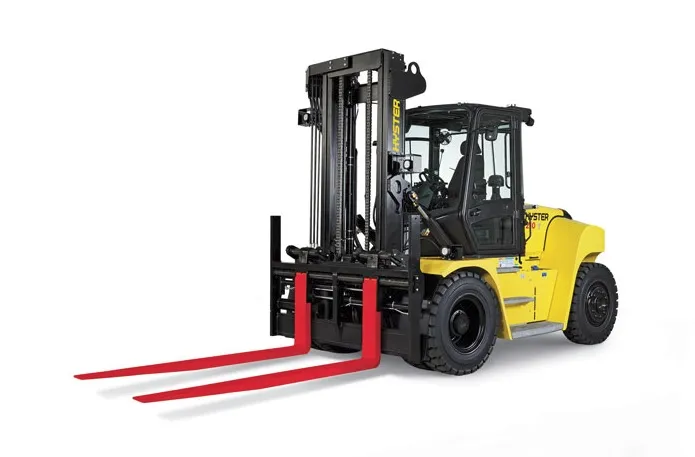
What Industries Rely on Forklifts with Hydraulic Cylinders?
Various industries heavily rely on forklifts equipped with hydraulic cylinders for their material handling and logistics operations. Forklifts with hydraulic cylinders offer efficient lifting, lowering, and maneuvering capabilities, making them indispensable in numerous sectors. Here are some industries that heavily rely on forklifts with hydraulic cylinders:
- Warehousing and Distribution:
- Manufacturing:
- Construction:
- Retail:
- Transportation and Logistics:
- Agriculture:
- Wholesale and Distribution:
- Food and Beverage:
In the warehousing and distribution industry, forklifts are essential for lifting and moving goods within warehouses and distribution centers. Forklifts with hydraulic cylinders enable the efficient stacking and retrieval of palletized goods, speeding up the loading and unloading process. They play a significant role in inventory management, order fulfillment, and ensuring smooth logistics operations.
Forklifts with hydraulic cylinders are widely used in manufacturing facilities for various applications. They are used to transport raw materials, components, and finished products within production lines and warehouses. Hydraulic-powered forklifts enable manufacturers to efficiently move heavy loads, streamline production processes, and optimize material flow.
The construction industry heavily relies on forklifts with hydraulic cylinders for material handling tasks on construction sites. Forklifts are used to lift and transport building materials, such as lumber, steel, bricks, and concrete blocks. Hydraulic cylinders allow forklift operators to lift and position heavy construction materials with precision, enhancing productivity on construction projects.
In the retail sector, forklifts with hydraulic cylinders play a crucial role in managing inventory and stock replenishment. They are used in retail warehouses, distribution centers, and large retail stores to handle palletized goods, unload delivery trucks, and stock shelves. Forklifts equipped with hydraulic cylinders enable efficient movement of goods, helping retailers maintain optimal stock levels and meet customer demand.
The transportation and logistics industry heavily relies on forklifts with hydraulic cylinders at various stages of the supply chain. Forklifts are used in freight terminals, airports, seaports, and rail yards to load and unload cargo containers, pallets, and freight shipments. Hydraulic-powered forklifts ensure smooth and efficient material handling operations in transportation hubs, contributing to the timely movement of goods.
In the agriculture industry, forklifts with hydraulic cylinders are utilized for various tasks on farms, nurseries, and agricultural warehouses. They are used to handle and transport bulky items such as bales of hay, bags of feed, and agricultural equipment. Forklifts enable efficient loading and unloading of agricultural products, contributing to streamlined operations and improved productivity.
Wholesale and distribution companies heavily rely on forklifts with hydraulic cylinders for their material handling needs. These forklifts are used to handle a wide range of products, including palletized goods, crates, and containers, in wholesale warehouses and distribution centers. Forklifts equipped with hydraulic cylinders enable efficient sorting, stacking, and movement of goods, ensuring smooth distribution operations.
In the food and beverage industry, forklifts with hydraulic cylinders are extensively used for material handling tasks in production facilities, warehouses, and cold storage facilities. They are employed to transport ingredients, packaging materials, and finished products. Forklifts equipped with hydraulic cylinders enable careful handling of delicate food items and efficient movement of goods in temperature-controlled environments.
These are just a few examples of the industries that heavily rely on forklifts with hydraulic cylinders. The versatility and lifting capabilities of these forklifts make them indispensable in a wide range of sectors, supporting efficient and safe material handling operations.


editor by CX 2023-10-16