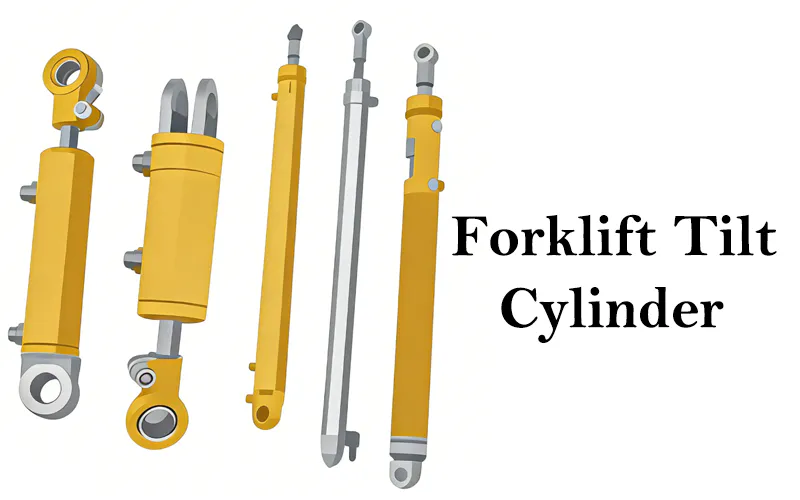
उत्पाद वर्णन
This hydraulic cylinder is specially designed for truck crane.
Our company produces a great variety of cylinders for all kinds of truck crane. It has the features of reliable performance, unique structure and high safety factor.
| नमूना | बोर व्यास (मिमी) |
रॉड व्यास (मिमी) |
आघात (मिमी) |
नाममात्र दबाव (छड़) |
| HSG55/30-1220*135-WX | 55 | 30 | 1220 | 250 |
| प्रमाणन: | आईएसओ9001 |
|---|---|
| दबाव: | उच्च दबाव |
| कार्य तापमान: | सामान्य तापमान |
| अभिनय का तरीका: | दुगना अभिनय |
| कार्य विधि: | सीधी यात्रा |
| समायोजित प्रपत्र: | विनियमित प्रकार |
| अनुकूलन: |
उपलब्ध
|
|
|---|
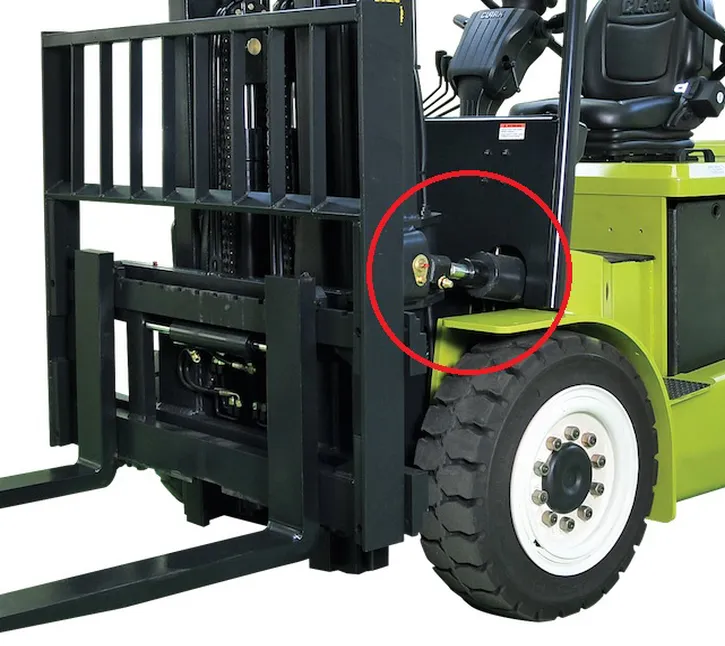
फोर्कलिफ्ट का हाइड्रोलिक सिलेंडर लोड को जल्दी से छोड़ने में कैसे योगदान देता है?
सामग्री की ढुलाई के दौरान भार को तेजी से उतारने में फोर्कलिफ्ट का हाइड्रोलिक सिलेंडर महत्वपूर्ण भूमिका निभाता है। यह कैसे काम करता है, इसका विवरण नीचे दिया गया है:
हाइड्रोलिक सिलेंडर द्वारा त्वरित लोड रिलीज में योगदान मुख्य रूप से इसकी डिजाइन और निम्नलिखित कारकों के कारण होता है:
1. सिलेंडर सक्रियण:
हाइड्रोलिक सिलेंडर को हाइड्रोलिक द्रव के नियंत्रित प्रवाह द्वारा संचालित किया जाता है। जब ऑपरेटर उपयुक्त नियंत्रणों को सक्रिय करता है, तो हाइड्रोलिक प्रणाली द्रव को जलाशय में वापस प्रवाहित होने देती है, जिससे सिलेंडर तेजी से पीछे हट जाता है। इस तीव्र वापसी से भार को शीघ्रता से छोड़ा जा सकता है, जिससे अनलोडिंग प्रक्रिया में तेजी आती है।
2. प्रवाह नियंत्रण वाल्व:
फोर्कलिफ्ट के हाइड्रोलिक सिस्टम में फ्लो कंट्रोल वाल्व लगे होते हैं जो हाइड्रोलिक सिलेंडर में आने-जाने वाले द्रव के प्रवाह की दर को नियंत्रित करते हैं। लोड उतारते समय, इन वाल्वों को समायोजित करके प्रवाह दर को बढ़ाया जा सकता है, जिससे हाइड्रोलिक द्रव तेजी से जलाशय में वापस लौट सके। प्रवाह को नियंत्रित करके, सिलेंडर तेजी से पीछे हट सकता है, जिससे लोड को जल्दी उतारा जा सकता है।
3. भार उतारने की गति:
हाइड्रोलिक सिलेंडर अपनी भार कम करने की क्षमता के कारण भार को शीघ्रता से उतारने में भी सहायक होते हैं। जब ऑपरेटर भार को तेजी से नीचे उतारना चाहता है, तो हाइड्रोलिक प्रणाली को समायोजित करके हाइड्रोलिक द्रव की प्रवाह दर को बढ़ाया जा सकता है, जिससे भार तेजी से नीचे उतरता है। भार को नीचे उतारने की गति में यह नियंत्रित वृद्धि अनलोडिंग प्रक्रिया को गति प्रदान करती है।
4. प्रतिक्रियाशील नियंत्रण प्रणाली:
फोर्कलिफ्ट का हाइड्रोलिक नियंत्रण तंत्र, जिसमें हाइड्रोलिक सिलेंडर के नियंत्रण भी शामिल हैं, त्वरित प्रतिक्रिया और संचालन में आसान होने के लिए डिज़ाइन किया गया है। ऑपरेटर लोड रिलीज़ फ़ंक्शन को तुरंत सक्रिय कर सकता है, जिससे सिलेंडर का तेजी से पीछे हटना और उसके बाद लोड का तुरंत रिलीज़ होना शुरू हो जाता है। सहज नियंत्रण तंत्र कुशल और समय पर लोड रिलीज़ सुनिश्चित करता है।
5. सुरक्षा उपाय:
फोर्कलिफ्ट के हाइड्रोलिक सिलेंडर भार को तेजी से छोड़ने में सुविधा प्रदान करते हैं, साथ ही अनियंत्रित या आकस्मिक रूप से भार छूटने से रोकने के लिए सुरक्षा उपाय भी शामिल करते हैं। दबाव राहत वाल्व और भार धारण वाल्व जैसी ये सुरक्षा विशेषताएं सुनिश्चित करती हैं कि भार छोड़ने की प्रक्रिया सुरक्षित और नियंत्रित रहे, जिससे दुर्घटनाओं या क्षति का जोखिम कम से कम हो जाता है।
संक्षेप में, एक फोर्कलिफ्ट हाइड्रोलिक सिलेंडर अपने एक्चुएशन मैकेनिज्म, फ्लो कंट्रोल वाल्व, लोड लोअरिंग फंक्शनैलिटी, रिस्पॉन्सिव कंट्रोल सिस्टम और एकीकृत सुरक्षा उपायों के माध्यम से लोड को तेजी से छोड़ने में योगदान देता है। इन विशेषताओं का उपयोग करके, सिलेंडर लोड को तेजी से पीछे खींचने और नियंत्रित तरीके से छोड़ने में सक्षम बनाता है, जिससे सामग्री हैंडलिंग कार्यों की दक्षता बढ़ती है।
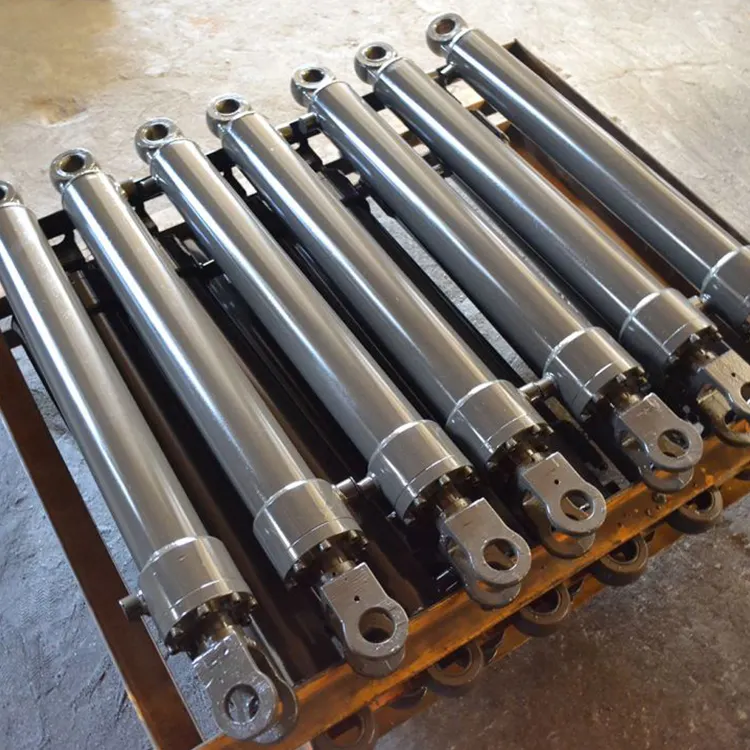
How does a forklift hydraulic cylinder handle variations in cylinder mounting?
A forklift hydraulic cylinder is designed to handle variations in cylinder mounting to accommodate different forklift configurations and applications. Here’s an explanation of how it can handle such variations:
The forklift hydraulic cylinder handles variations in cylinder mounting in the following ways:
1. Adjustable Mounting Brackets:
Many forklift hydraulic cylinders feature adjustable mounting brackets. These brackets allow for flexibility in positioning and aligning the cylinder to fit the specific requirements of the forklift. By adjusting the mounting brackets, the cylinder can be securely attached to the forklift frame, accommodating variations in mounting points, angles, and distances.
2. Threaded Rod Ends:
Threaded rod ends are commonly used in forklift hydraulic cylinders. These rod ends provide a threaded connection that allows for fine adjustments in cylinder mounting. By rotating the rod ends, the cylinder’s position can be modified, compensating for variations in mounting locations or angles.
3. Clevis Mounts:
Clevis mounts are another type of mounting mechanism used in forklift hydraulic cylinders. These mounts consist of a clevis bracket that attaches to the cylinder and a clevis pin that connects to the forklift. Clevis mounts offer a range of mounting positions to accommodate different forklift configurations. They provide flexibility in cylinder attachment, allowing for adjustments to compensate for variations in mounting points and angles.
4. Customizable Mounting Options:
In some cases, forklift hydraulic cylinders can be customized to meet specific mounting requirements. Manufacturers may offer options for custom brackets, rod ends, or mounting configurations based on the forklift’s unique specifications. This customization ensures proper alignment and secure attachment of the cylinder, even in situations with significant variations in mounting.
5. Alignment and Adjustment Mechanisms:
Forklift hydraulic cylinders may incorporate alignment and adjustment mechanisms to facilitate proper cylinder mounting. These mechanisms, such as swivel joints or adjustable linkage systems, allow for fine-tuning and alignment of the cylinder during installation. They enable the operator or technician to compensate for any variations in mounting, ensuring optimal performance and functionality.
In summary, a forklift hydraulic cylinder can handle variations in cylinder mounting through adjustable mounting brackets, threaded rod ends, clevis mounts, customizable mounting options, and alignment and adjustment mechanisms. These features provide flexibility and adaptability, allowing the cylinder to be securely mounted and properly aligned to ensure efficient and reliable operation in different forklift configurations and applications.
How Does a Forklift Hydraulic Cylinder Handle Variations in Lift Height?
A forklift hydraulic cylinder is responsible for raising and lowering the forks or lifting platform, allowing the forklift to handle loads at different heights. It handles variations in lift height through a combination of design features and hydraulic principles. Here’s a detailed explanation of how a forklift hydraulic cylinder handles variations in lift height:
1. Piston and Cylinder Design:
The hydraulic cylinder consists of a piston and a cylinder, which are sealed together to form a closed hydraulic system. The piston is connected to the forks or lifting platform, while the cylinder is fixed to the forklift frame. The design of the piston and cylinder allows for smooth movement and effective transfer of hydraulic pressure to generate lifting force.
2. Hydraulic Fluid and Pressure:
The hydraulic cylinder operates on the principle of Pascal’s Law, which states that when pressure is applied to a fluid in a closed system, it is transmitted equally in all directions. In the case of a forklift hydraulic cylinder, hydraulic fluid is used as the medium to transmit pressure. When hydraulic fluid is pumped into the cylinder, it creates pressure on the piston, causing it to move upward and lift the forks or lifting platform.
3. Cross-Sectional Area and Force:
The cross-sectional area of the piston within the hydraulic cylinder determines the force that can be exerted. A larger piston area can generate a greater lifting force. By varying the diameter of the piston, forklift manufacturers can adjust the lifting capacity and handle variations in lift height. Forklifts designed for heavier loads typically have larger piston areas to generate the necessary lifting force.
4. Valves and Controls:
The hydraulic system of a forklift includes valves and controls that regulate the flow of hydraulic fluid to the cylinder. These valves, such as control valves and relief valves, allow for precise control of the lifting operation. By adjusting the valves, operators can control the speed of ascent and descent, enabling smooth and controlled variations in lift height.
5. Telescopic Cylinders:
In some forklift designs, especially those used for high-reach applications, telescopic cylinders are employed. Telescopic cylinders consist of several nested stages that extend and retract, providing increased lift height. These cylinders allow for a compact design when retracted while offering extended reach when fully extended. Telescopic cylinders enable forklifts to handle variations in lift height without compromising stability or requiring excessively long cylinder strokes.
6. Stability and Counterbalancing:
Handling variations in lift height requires maintaining forklift stability. Forklifts are designed with counterweight systems to balance the load and prevent tipping. The hydraulic cylinder’s operation is coordinated with the counterweight system, ensuring that the center of gravity remains within safe limits during lifting and lowering operations. This counterbalancing helps maintain stability even when handling loads at different heights.
Through careful design, hydraulic principles, and the integration of valves and controls, a forklift hydraulic cylinder effectively handles variations in lift height. The combination of hydraulic pressure, piston and cylinder design, control mechanisms, and counterbalancing ensures precise and controlled lifting operations, allowing forklifts to safely handle loads at different heights as required in various material handling applications.


editor by CX 2023-10-19