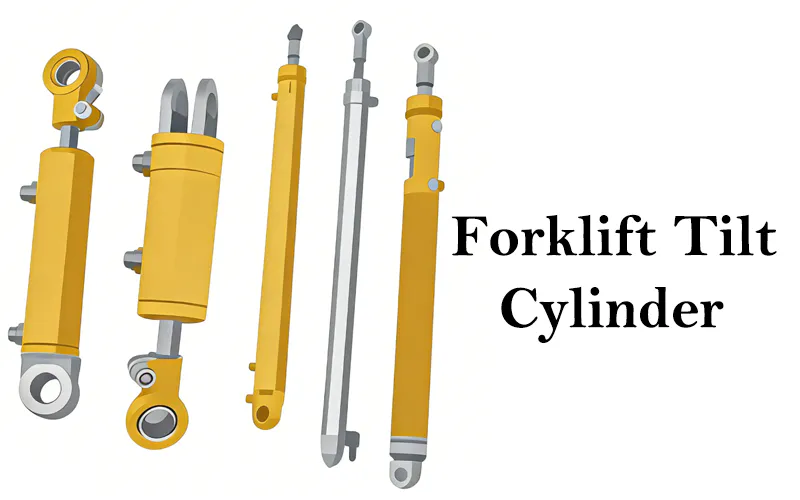
제품 설명
This hydraulic cylinder is specially designed for truck crane.
Our company produces a great variety of cylinders for all kinds of truck crane. It has the features of reliable performance, unique structure and high safety factor.
| 모델 | 내경 (mm) |
막대 직경 (mm) |
뇌졸중 (mm) |
공칭 압력 (술집) |
| HSG55/30-1220*135-WX | 55 | 30 | 1220 | 250 |
| 인증: | ISO9001 |
|---|---|
| 압력: | 고압 |
| 작동 온도: | 평온 |
| 연기 방식: | 1인 2역 |
| 작업 방식: | 직선 여행 |
| 수정된 형태: | 규제 유형 |
| 맞춤 설정: |
사용 가능
|
|
|---|
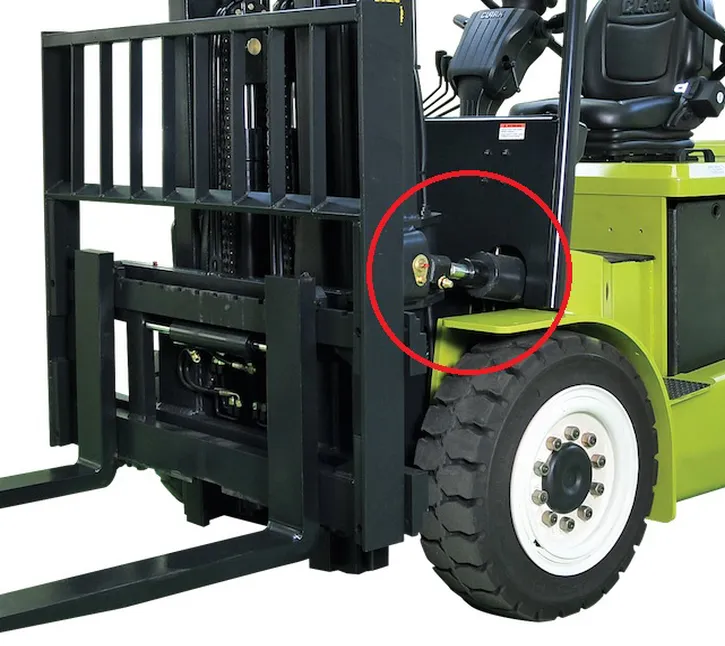
지게차 유압 실린더는 어떻게 신속한 적재물 하역에 기여합니까?
지게차 유압 실린더는 자재 운반 작업 중 신속한 적재물 하역에 매우 중요한 역할을 합니다. 유압 실린더가 어떻게 이러한 기능을 수행하는지 설명해 드리겠습니다.
유압 실린더가 신속한 하중 해제에 기여하는 주된 이유는 설계 방식과 다음과 같은 요인들 때문입니다.
1. 실린더 작동:
유압 실린더는 유압 유체의 제어된 방출에 의해 작동됩니다. 작업자가 해당 제어 장치를 작동시키면 유압 시스템은 유체가 저장소로 다시 흐르도록 하여 실린더를 빠르게 수축시킵니다. 이러한 빠른 수축으로 인해 하중을 신속하게 해제할 수 있어 하역 작업을 신속하게 진행할 수 있습니다.
2. 유량 조절 밸브:
지게차의 유압 시스템에는 유압 실린더로 유입되고 유출되는 유체의 유량을 조절하는 유량 제어 밸브가 포함되어 있습니다. 하중을 해제할 때 이 밸브를 조정하여 유량을 증가시키면 유압 유체가 저장소로 더 빠르게 돌아갈 수 있습니다. 유량을 제어함으로써 실린더가 신속하게 후퇴하여 하중을 빠르게 해제할 수 있습니다.
3. 하강 속도:
유압 실린더는 하중 하강 기능을 통해 신속한 하중 해제에도 기여합니다. 작업자가 하중을 빠르게 내리고자 할 때, 유압 시스템의 유압유량 조절을 통해 하중의 하강 속도를 높일 수 있습니다. 이러한 제어된 하중 하강 속도 가속은 하역 작업을 신속하게 진행하는 데 도움이 됩니다.
4. 반응형 제어 시스템:
지게차의 유압 제어 시스템은 유압 실린더 제어 장치를 포함하여 반응성이 뛰어나고 조작이 간편하도록 설계되었습니다. 운전자는 하중 해제 기능을 신속하게 작동시켜 실린더를 빠르게 후퇴시키고 하중을 빠르게 해제할 수 있습니다. 직관적인 제어 시스템 덕분에 효율적이고 적시에 하중을 해제할 수 있습니다.
5. 안전 조치:
지게차 유압 실린더는 신속한 적재물 해제를 용이하게 하는 동시에, 제어되지 않거나 우발적인 적재물 해제를 방지하기 위한 안전 장치도 갖추고 있습니다. 압력 방출 밸브 및 적재물 유지 밸브와 같은 이러한 안전 기능은 적재물 해제 과정이 안전하고 제어된 상태로 진행되도록 보장하여 사고나 손상 위험을 최소화합니다.
요약하자면, 지게차 유압 실린더는 작동 메커니즘, 유량 제어 밸브, 하중 하강 기능, 반응성이 뛰어난 제어 시스템 및 통합 안전 장치를 통해 신속한 하중 해제를 가능하게 합니다. 이러한 기능들을 활용하여 실린더는 하중의 빠른 후퇴와 제어된 해제를 가능하게 함으로써 자재 운반 작업의 효율성을 향상시킵니다.
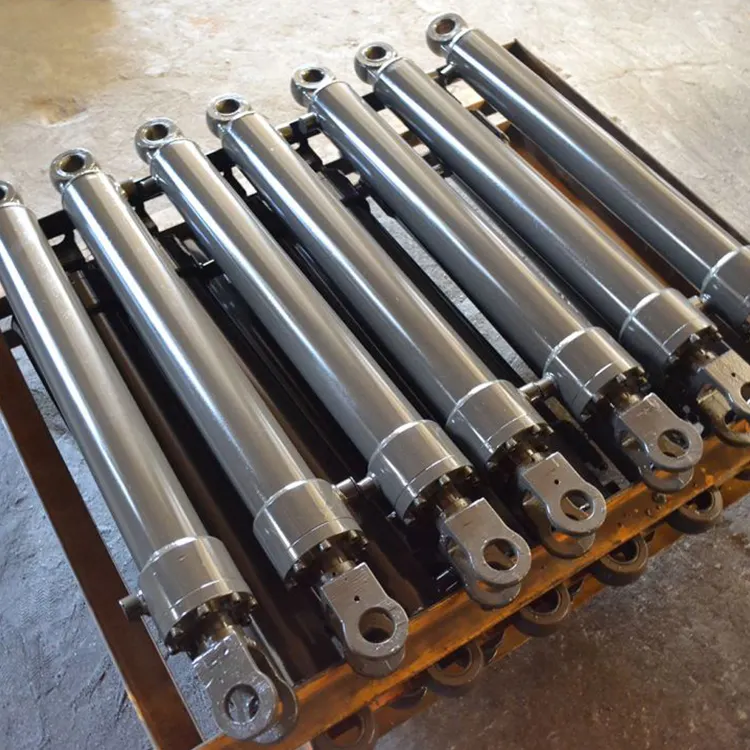
지게차 유압 실린더는 실린더 장착 방식의 변화에 어떻게 대응합니까?
지게차 유압 실린더는 다양한 지게차 구성 및 용도에 맞춰 실린더 장착 방식의 변화를 처리할 수 있도록 설계되었습니다. 이러한 변화를 처리하는 방법은 다음과 같습니다.
지게차 유압 실린더는 다음과 같은 방식으로 실린더 장착 방식의 변화를 처리합니다.
1. 조절 가능한 장착 브래킷:
많은 지게차 유압 실린더에는 조절 가능한 장착 브래킷이 있습니다. 이 브래킷을 사용하면 지게차의 특정 요구 사항에 맞게 실린더의 위치와 정렬을 유연하게 조정할 수 있습니다. 장착 브래킷을 조정함으로써 실린더를 지게차 프레임에 단단히 고정할 수 있으며, 장착 지점, 각도 및 거리의 변화에도 대응할 수 있습니다.
2. 나사산이 있는 봉 끝단:
지게차 유압 실린더에는 나사산이 있는 로드 엔드가 흔히 사용됩니다. 이 로드 엔드는 실린더 장착 시 미세 조정을 가능하게 하는 나사 연결부를 제공합니다. 로드 엔드를 회전시키면 실린더의 위치를 변경하여 장착 위치나 각도의 변화를 보정할 수 있습니다.
3. 클레비스 마운트:
클레비스 마운트는 지게차 유압 실린더에 사용되는 또 다른 유형의 장착 메커니즘입니다. 이 마운트는 실린더에 부착되는 클레비스 브래킷과 지게차에 연결되는 클레비스 핀으로 구성됩니다. 클레비스 마운트는 다양한 지게차 구성에 맞춰 여러 장착 위치를 제공합니다. 또한 실린더 부착에 유연성을 제공하여 장착 지점 및 각도의 변화에 대한 조정이 가능합니다.
4. 사용자 지정 가능한 장착 옵션:
경우에 따라 지게차 유압 실린더는 특정 장착 요구 사항을 충족하도록 맞춤 제작될 수 있습니다. 제조업체는 지게차의 고유 사양에 따라 맞춤형 브래킷, 로드 엔드 또는 장착 구성 옵션을 제공할 수 있습니다. 이러한 맞춤 제작을 통해 장착 환경에 상당한 차이가 있더라도 실린더의 정확한 정렬과 안전한 고정을 보장할 수 있습니다.
5. 정렬 및 조정 메커니즘:
지게차 유압 실린더에는 실린더의 적절한 장착을 용이하게 하는 정렬 및 조정 메커니즘이 포함될 수 있습니다. 회전 조인트 또는 조절식 연결 시스템과 같은 이러한 메커니즘은 설치 중에 실린더의 미세 조정 및 정렬을 가능하게 합니다. 이를 통해 작업자 또는 기술자는 장착상의 오차를 보정하여 최적의 성능과 기능을 보장할 수 있습니다.
요약하자면, 지게차 유압 실린더는 조절식 장착 브래킷, 나사산 로드 엔드, 클레비스 마운트, 맞춤형 장착 옵션, 정렬 및 조정 메커니즘 등을 통해 다양한 실린더 장착 방식을 지원할 수 있습니다. 이러한 기능들은 유연성과 적응성을 제공하여 다양한 지게차 구성 및 용도에서 효율적이고 안정적인 작동을 보장하기 위해 실린더를 안전하게 장착하고 정확하게 정렬할 수 있도록 합니다.
How Does a Forklift Hydraulic Cylinder Handle Variations in Lift Height?
A forklift hydraulic cylinder is responsible for raising and lowering the forks or lifting platform, allowing the forklift to handle loads at different heights. It handles variations in lift height through a combination of design features and hydraulic principles. Here’s a detailed explanation of how a forklift hydraulic cylinder handles variations in lift height:
1. Piston and Cylinder Design:
The hydraulic cylinder consists of a piston and a cylinder, which are sealed together to form a closed hydraulic system. The piston is connected to the forks or lifting platform, while the cylinder is fixed to the forklift frame. The design of the piston and cylinder allows for smooth movement and effective transfer of hydraulic pressure to generate lifting force.
2. Hydraulic Fluid and Pressure:
The hydraulic cylinder operates on the principle of Pascal’s Law, which states that when pressure is applied to a fluid in a closed system, it is transmitted equally in all directions. In the case of a forklift hydraulic cylinder, hydraulic fluid is used as the medium to transmit pressure. When hydraulic fluid is pumped into the cylinder, it creates pressure on the piston, causing it to move upward and lift the forks or lifting platform.
3. Cross-Sectional Area and Force:
The cross-sectional area of the piston within the hydraulic cylinder determines the force that can be exerted. A larger piston area can generate a greater lifting force. By varying the diameter of the piston, forklift manufacturers can adjust the lifting capacity and handle variations in lift height. Forklifts designed for heavier loads typically have larger piston areas to generate the necessary lifting force.
4. Valves and Controls:
The hydraulic system of a forklift includes valves and controls that regulate the flow of hydraulic fluid to the cylinder. These valves, such as control valves and relief valves, allow for precise control of the lifting operation. By adjusting the valves, operators can control the speed of ascent and descent, enabling smooth and controlled variations in lift height.
5. Telescopic Cylinders:
In some forklift designs, especially those used for high-reach applications, telescopic cylinders are employed. Telescopic cylinders consist of several nested stages that extend and retract, providing increased lift height. These cylinders allow for a compact design when retracted while offering extended reach when fully extended. Telescopic cylinders enable forklifts to handle variations in lift height without compromising stability or requiring excessively long cylinder strokes.
6. Stability and Counterbalancing:
Handling variations in lift height requires maintaining forklift stability. Forklifts are designed with counterweight systems to balance the load and prevent tipping. The hydraulic cylinder’s operation is coordinated with the counterweight system, ensuring that the center of gravity remains within safe limits during lifting and lowering operations. This counterbalancing helps maintain stability even when handling loads at different heights.
Through careful design, hydraulic principles, and the integration of valves and controls, a forklift hydraulic cylinder effectively handles variations in lift height. The combination of hydraulic pressure, piston and cylinder design, control mechanisms, and counterbalancing ensures precise and controlled lifting operations, allowing forklifts to safely handle loads at different heights as required in various material handling applications.


CX 편집, 2023년 10월 19일