Productbeschrijving
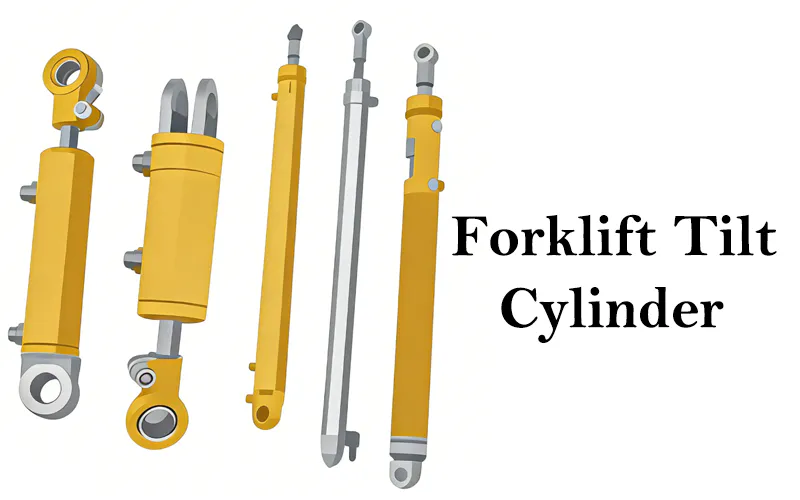
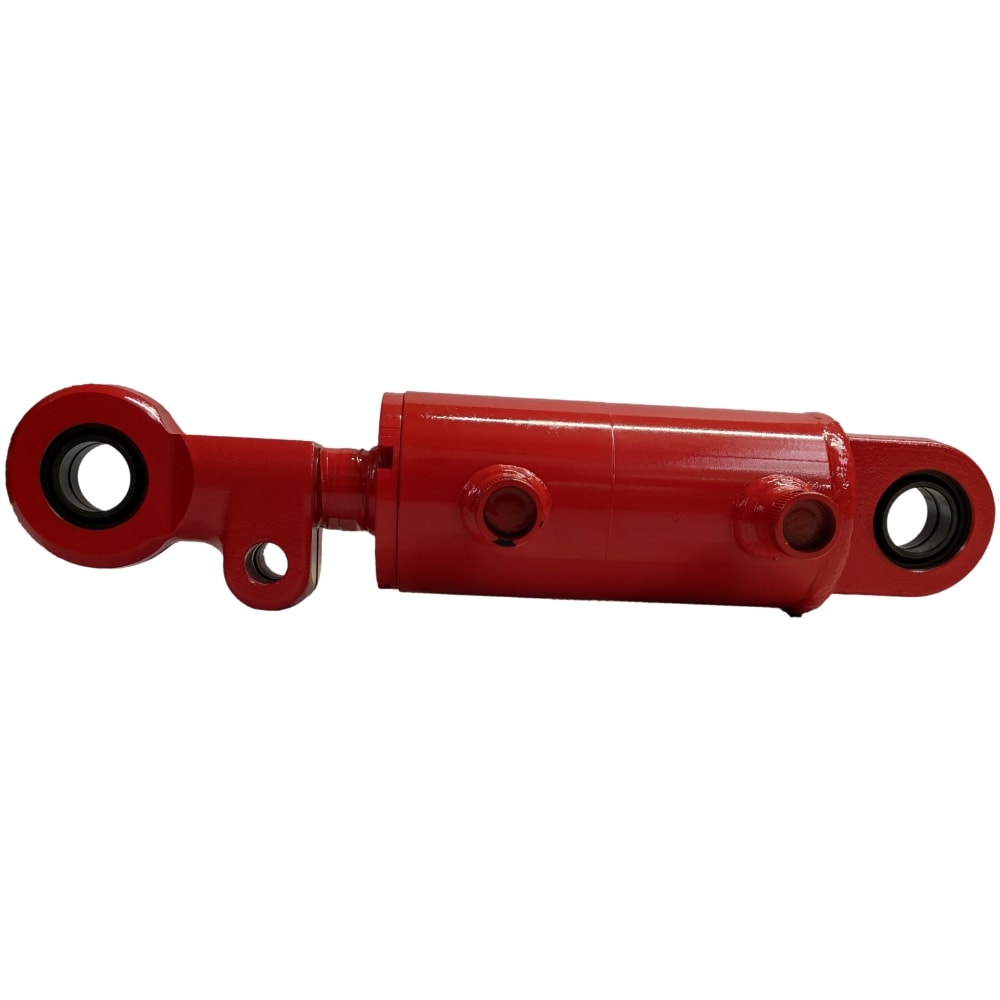
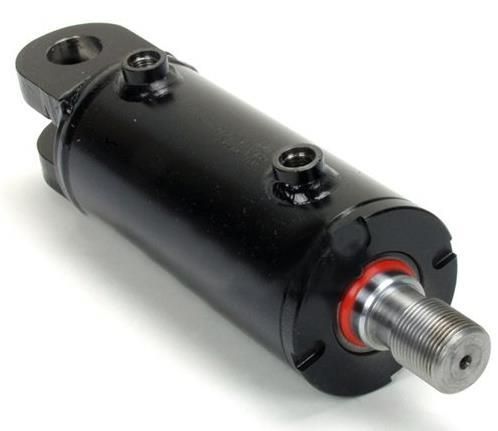
replacement cylinder hydraulic tilt cylinder
- Productinformatie
- Specificatie
|
Materiaal
|
Tube – Cold Drawn / Honed Tubing Piston Rod – Chromed, ground & polished 45#steel Stangafdichtingen – Polyurethaan U-vormige dop End Caps – Steel, threaded fixed Slijtring – Nylon steunring Bevestigingspunten – Draaipunt met hoekscharnieren |
|
Sollicitatie
|
Agriculture, Concrete & Asphalt, Cranes, Fire & Rescue,Forestry & Logging,Mining & Rock Crushing,Oil & Gas,Snow & Ice Control,Waste Management and Material Recycling Industry , Engineering Equipment, Special Voertuig, fitnessapparatuur
|
|
Functie |
1. Hoge kwaliteit voor een redelijke prijs 2. ISO 9001-2008 3. Specificaties op maat worden geaccepteerd. |
|
Betaling |
T/T;L/C,WESTERN UNION |
|
Haven |
HangZhou/ZheJiang, China |
|
Offerte |
Volgens het specifieke verzoek |
|
MOQ |
Volgens het product |
|
Verpakking
|
metalen kist; multiplex kist; kartonnen doos of naar wens |
|
Levertijd |
30 dagen na ontvangst door CHINAMFG van de 30%-storting; of na ontvangst door CHINAMFG van de relevante L/C; |
- Over ons
Wij zijn al meer dan 20 jaar gespecialiseerd in deze branche en zijn een handelsonderneming met als belangrijkste producten: hydraulische cilinders, hydraulische aggregaten, hydraulische verdeelblokken, hydraulische flenzen, pneumatische cilinders en op maat gemaakte componenten en onderdelen, zoals industriële kleppen.
Onze afzetmarkten omvatten Noord-Amerika, Europa, Australië, Japan en andere landen.
- Werkproces
- Verpakking en verzending
- Veelgestelde vragen
Vraag 1: Accepteert u OEM-productie?
A1: Ja! Wij accepteren OEM-productie. We geven u een exacte prijsopgave en maken de cilinder precies volgens uw specificaties en tekening.
Vraag 2: Kunnen we onze eigen verpakking ontwerpen of ons eigen logo erop laten drukken?
A2: Ja! De verpakking en het logo worden gemaakt volgens uw wensen.
Vraag 3: Kunnen we kleine hoeveelheden proefmonsters krijgen?
A3: Ja! We begrijpen dat de kwaliteitscontrole belangrijk is en we maken graag een proefexemplaar voor u. De minimale bestelhoeveelheid is 1 stuk.
Vraag 4: Hoe lang is de productietijd?
A4: De productietijd bedraagt over het algemeen 30 dagen.
Vraag 5: Wat is de garantie?
A5: 12 maanden vanaf de datum van de vrachtbrief.
Neem gerust contact met me op, alle opmerkingen zijn welkom.
Ellen Wang
| Certificering: | CE, ISO9001 |
|---|---|
| Druk: | Middendruk |
| Werktemperatuur: | Normale temperatuur |
| Voorbeelden: |
US$ 159/Piece
1 stuk (minimale bestelling) | Bestel een proefmonster |
|---|
| Aanpassing: |
Beschikbaar
|
|
|---|
.shipping-cost-tm .tm-status-off{background: none;padding:0;color: #1470cc}
|
Verzendkosten:
Geschatte vrachtkosten per eenheid. |
Informatie over verzendkosten en geschatte levertijd. |
|---|
| Betaalmethode: |
|
|---|---|
|
Aanbetaling Volledige betaling |
| Munteenheid: | US$ |
|---|
| Retourneren en terugbetalingen: | Je kunt tot 30 dagen na ontvangst van de producten een terugbetaling aanvragen. |
|---|
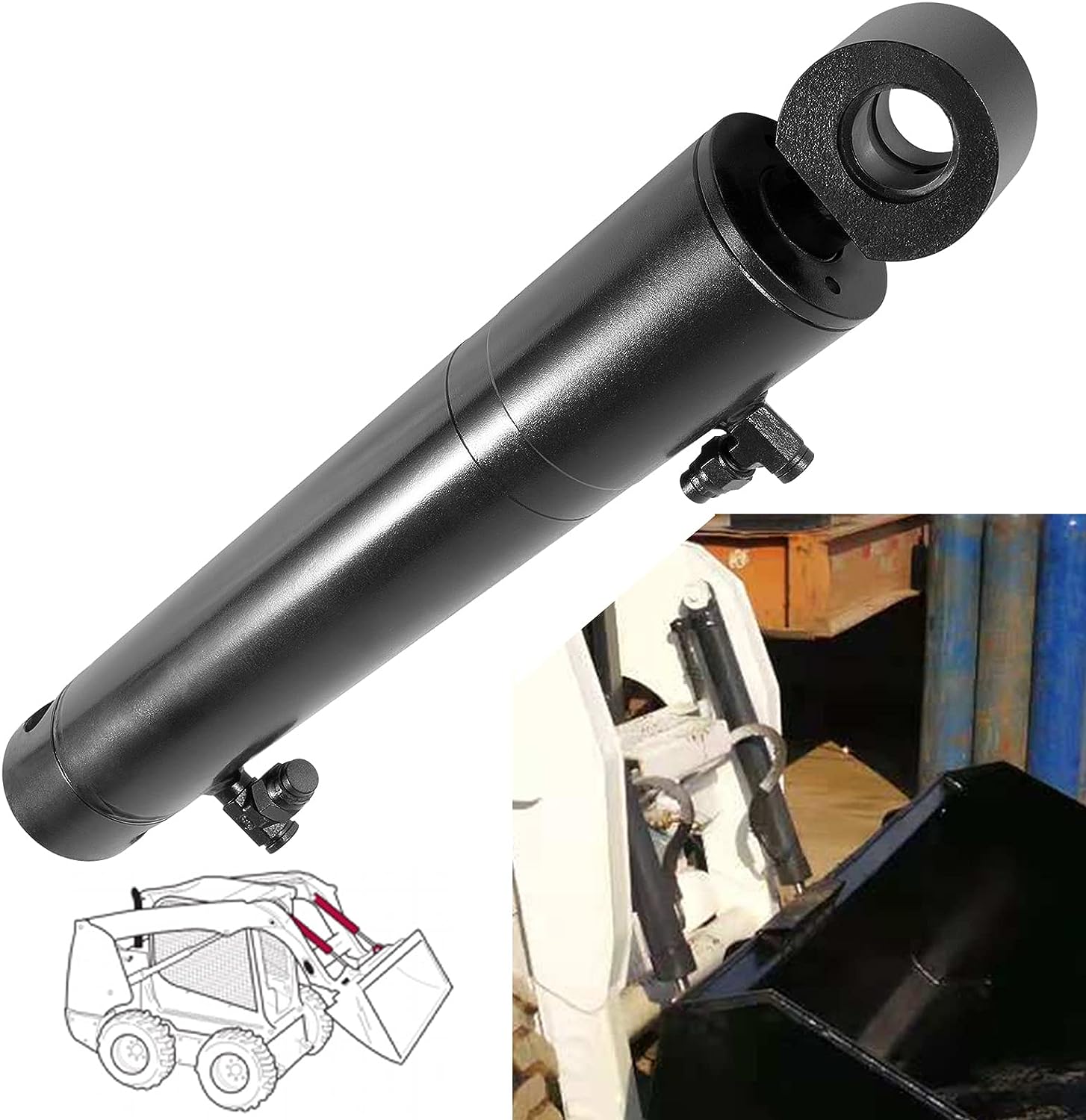
How does a tilt cylinder handle variations in hydraulic pressure and flow rate?
A tilt cylinder is designed to handle variations in hydraulic pressure and flow rate effectively. It incorporates specific features and mechanisms that allow it to operate reliably under different hydraulic conditions. Here’s a detailed explanation:
- Pressure Compensation: Tilt cylinders are equipped with pressure compensation mechanisms to handle variations in hydraulic pressure. These mechanisms ensure that the cylinder can function properly even when the hydraulic system experiences fluctuations in pressure. The pressure compensation feature allows the cylinder to maintain consistent force and performance, regardless of the changes in hydraulic pressure.
- Flow Control: Tilt cylinders are designed to accommodate variations in hydraulic flow rate. They have internal passages and ports that allow the hydraulic fluid to flow into and out of the cylinder. The cylinder’s design ensures that it can handle different flow rates without compromising its functionality. Whether the hydraulic flow rate is high or low, the tilt cylinder can adjust accordingly and provide the necessary force and control for load manipulation.
- Sealing Mechanisms: Tilt cylinders incorporate sealing mechanisms to prevent leakage and maintain hydraulic integrity. These seals are designed to withstand variations in pressure and flow rate, ensuring that the hydraulic fluid remains contained within the cylinder. The seals also help maintain the required pressure within the cylinder, allowing it to operate efficiently and effectively, regardless of the hydraulic conditions.
- Internal Design: The internal design of a tilt cylinder takes into account variations in hydraulic pressure and flow rate. The cylinder’s internal components, such as piston, rod, and cylinder barrel, are engineered to withstand different hydraulic conditions. They are designed to handle the forces exerted by varying pressure and flow rates, ensuring smooth operation and longevity of the cylinder.
- Hydraulic System Compatibility: Tilt cylinders are designed to be compatible with the hydraulic systems of the equipment they are installed in. Manufacturers ensure that the cylinders can handle the expected pressure and flow rate ranges of the hydraulic system. This compatibility allows for seamless integration and optimal performance, even when there are variations in hydraulic conditions.
- Quality Control and Testing: Tilt cylinders undergo rigorous quality control measures and testing during the manufacturing process. These measures ensure that the cylinders can handle variations in hydraulic pressure and flow rate within specified tolerances. Manufacturers test the cylinders under different hydraulic conditions to verify their performance, reliability, and ability to handle variations in pressure and flow.
By incorporating pressure compensation mechanisms, flow control features, sealing mechanisms, robust internal design, hydraulic system compatibility, and thorough quality control, tilt cylinders are capable of handling variations in hydraulic pressure and flow rate. These cylinders provide reliable and consistent performance, regardless of the hydraulic conditions, ensuring smooth and efficient operation in material handling and construction equipment.
How does a tilt cylinder contribute to energy-efficient equipment operation?
A tilt cylinder plays a significant role in promoting energy-efficient equipment operation. By implementing certain design features and functionalities, tilt cylinders help optimize energy usage and improve overall equipment performance. Here’s a detailed explanation:
- Accurate Control: Tilt cylinders allow for precise control of the angle and position of attachments or implements, such as blades or buckets. This level of control enables operators to perform tasks with greater accuracy, minimizing the need for rework or additional passes. By achieving the desired angle or position on the first attempt, energy consumption is reduced, leading to more efficient equipment operation.
- Reduced Wasted Effort: Tilt cylinders prevent wasted effort by providing operators with the ability to adjust the tilt angle according to the specific requirements of the task at hand. For example, in grading operations, the ability to fine-tune the blade angle ensures that only the necessary amount of soil is moved, avoiding unnecessary exertion and energy expenditure. By minimizing wasted effort, tilt cylinders contribute to energy conservation and more efficient equipment operation.
- Optimized Material Handling: In equipment like excavators, tilt cylinders allow for precise control of the bucket tilt angle during material handling operations. This optimized control ensures that the right amount of material is loaded or dumped, minimizing spillage and unnecessary movements. By reducing material waste and improving handling efficiency, energy consumption is optimized, resulting in energy-efficient equipment operation.
- Hydraulic System Efficiency: Tilt cylinders are part of the hydraulic system in equipment. A well-designed hydraulic system, including the tilt cylinder, ensures efficient power transmission and minimal energy losses. By utilizing advanced hydraulic technologies, such as efficient pumps, valves, and control systems, equipment manufacturers can optimize the energy efficiency of the overall system, including the tilt cylinder’s operation.
- Smart Control Systems: Some modern equipment incorporates smart control systems that integrate with the tilt cylinder. These systems utilize sensors, actuators, and data processing capabilities to optimize equipment operation and energy usage. By analyzing real-time data, such as load conditions, terrain characteristics, and operator inputs, the control system can adjust the tilt cylinder’s operation for maximum energy efficiency while maintaining productivity.
- System Integration and Optimization: Tilt cylinders are designed to integrate seamlessly into the overall equipment system. Manufacturers optimize the interaction between the tilt cylinder, hydraulic system, control systems, and other components to achieve energy-efficient equipment operation. Components are selected and engineered to work together harmoniously, minimizing energy losses and maximizing system performance.
By enabling accurate control, reducing wasted effort, optimizing material handling, contributing to efficient hydraulic systems, incorporating smart control systems, and focusing on system integration and optimization, tilt cylinders significantly contribute to energy-efficient equipment operation. These cylinders play a vital role in enhancing productivity while minimizing energy consumption, promoting sustainability, and reducing operational costs.
Hoe gaat een kantelcilinder om met variaties in de kantelhoek en positionering van apparatuur?
Een kantelcilinder is ontworpen om variaties in de kantelhoek en positionering van apparatuur op te vangen door middel van specifieke kenmerken en mechanismen. Deze kenmerken zorgen ervoor dat de kantelcilinder zich effectief kan aanpassen aan verschillende hoeken en posities. Hieronder volgt een uitleg over hoe een kantelcilinder variaties in de kantelhoek en positionering van apparatuur opvangt:
- Bewegingsbereik: Kantelcilinders zijn ontworpen om een breed bewegingsbereik te bieden. Ze kunnen componenten binnen een bepaald bereik kantelen of in een hoek plaatsen, waardoor diverse posities en hoeken mogelijk zijn. Het bewegingsbereik wordt bepaald door het ontwerp en de constructie van de cilinder, evenals de bevestigingspunten op de apparatuur. Deze veelzijdigheid stelt de kantelcilinder in staat om aan verschillende kantelvereisten te voldoen en zich aan te passen aan uiteenlopende posities van de apparatuur.
- Regelkleppen: Kantelcilinders zijn uitgerust met regelkleppen die een nauwkeurige controle over de kantelbeweging mogelijk maken. Deze kleppen regelen de stroom en richting van de hydraulische vloeistof, waardoor operators de snelheid, de mate en de richting van de kanteling kunnen controleren. Door de regelkleppen aan te passen, kunnen operators de positionering van de apparatuur nauwkeurig afstellen, variaties in de kanteling compenseren en een accurate uitlijning garanderen.
- Feedbackmechanismen: Sommige kantelcilinders zijn voorzien van feedbackmechanismen zoals eindschakelaars of sensoren. Deze mechanismen geven realtime feedback over de positie en de hoek van het gekantelde onderdeel. Door de feedback te monitoren, kunnen operators de kantelcilinder nauwkeurig afstellen om variaties in de kanteling en positionering van de apparatuur te compenseren. Dit zorgt ervoor dat het onderdeel in de gewenste positie en hoek blijft, wat de operationele efficiëntie en veiligheid verbetert.
- Regeling van het hydraulische systeem: Het hydraulische systeem dat de kantelcilinder aandrijft, speelt een cruciale rol bij het compenseren van variaties in de kantelhoek en positionering van de apparatuur. Het hydraulische systeem omvat drukregelaars, debietregelkleppen en andere componenten waarmee operators de hydraulische druk en het debiet nauwkeurig kunnen afstellen. Door de bedieningselementen van het hydraulische systeem te manipuleren, kunnen operators variaties in de kantelhoek van de apparatuur compenseren en de gewenste positionering met precisie bereiken.
- Robuuste constructie: Kantelcilinders zijn vervaardigd uit robuuste materialen en hebben een stevige constructie om variaties in de kantel- en positioneringshoek van de apparatuur te weerstaan. Ze zijn ontworpen om hoge belastingen aan te kunnen en externe krachten te weerstaan die de kantelbeweging kunnen beïnvloeden. De robuuste constructie garandeert de duurzaamheid en stabiliteit van de kantelcilinder, waardoor deze zelfs onder ve veeleisende bedrijfsomstandigheden consistent blijft presteren.
Over het algemeen zorgt een combinatie van factoren zoals de bewegingsvrijheid, regelkleppen, terugkoppelingsmechanismen, hydraulische systeemregeling en een robuuste constructie ervoor dat een kantelcilinder variaties in de kantelhoek en positionering van apparatuur kan opvangen. Deze eigenschappen werken samen om nauwkeurige controle, aanpasbaarheid en stabiliteit te garanderen, waardoor de kantelcilinder effectief verschillende hoeken en posities van de apparatuur waaraan deze is bevestigd, kan regelen.


editor by CX 2023-10-13