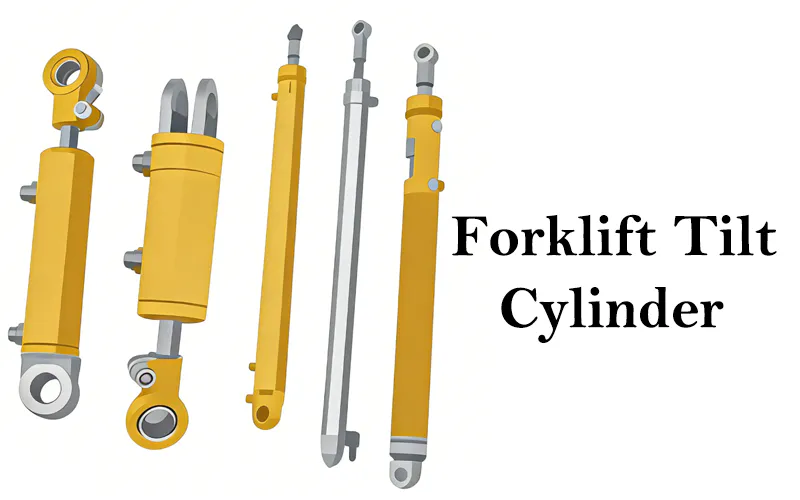
Why Fire-Resistant Hydraulic Fluid Changes Everything for Airport Forklift Tilt Cylinder Specification
Airport ramp environments present a hydraulic fluid specification challenge that simply does not arise in most other forklift and ground support equipment (GSE) applications. Aviation fuel — jet kerosene and avgas — is present throughout the apron and cargo handling areas of any commercial airport, and many aviation regulatory authorities and airport operators mandate or strongly recommend the use of fire-resistant hydraulic fluids (FRHF) in GSE equipment that operates in fuel-contaminated ramp zones. When this mandate extends to the cargo handling forklifts and ramp loaders used in airside cargo facilities, it directly affects every hydraulic component in the system — including the forklift tilt cylinder, whose seal package, barrel coating, and internal plating must all be chemically compatible with the FRHF grade specified by the airport or airline ground handler.
The challenge is not simply a matter of swapping fluid. Fire-resistant hydraulic fluid types differ fundamentally in their chemical composition from standard mineral oil, and the differences matter significantly to hydraulic cylinder seal life. A forklift tilt cylinder configured for standard ISO VG 46 mineral oil — the default for most general-purpose warehouse and industrial equipment — will very likely experience seal swelling, degradation, or premature failure if refilled with a water-glycol FRHF or phosphate ester fluid without a seal compound change, a conversion that can turn a functional tilt cylinder into a leaking one within weeks of the fluid switch. Understanding which FRHF type is specified at your airport, and confirming that the forklift tilt cylinder configuration in your GSE fleet is compatible with that fluid, is a foundational equipment reliability and fire safety task for any airport ground handler or cargo operator.
This article examines the four main categories of fire-resistant hydraulic fluid in use across global aviation GSE applications, the seal materials and barrel treatment specifications that make a forklift tilt cylinder compatible with each, and the regulatory and operational context within which Colombian airports — including El Dorado International in Bogotá, José María Córdova in Medellín, and Rafael Núñez in Cartagena — manage hydraulic fluid specification for their ground handling fleets.
Fire-Resistant Hydraulic Fluid Types and Forklift Tilt Cylinder Seal Compatibility
ISO 6743-4 classifies fire-resistant hydraulic fluids into four main categories, each with distinct chemical characteristics that determine their compatibility with the elastomers, PTFE, and metal surfaces of a forklift tilt cylinder. Airport GSE operators and hydraulic system engineers should confirm exactly which category is in use at their facility before specifying tilt cylinder seal packages or approving existing equipment for service in an FRHF-mandated zone.
| ISO Class | Fluid Type | Common Name | Tilt Cylinder Seal Compatibility | Barrel/Rod Notes |
|---|---|---|---|---|
| HFA | High water content fluid (>80% water) | HWCF | EPDM, PTFE; NBR incompatible | Requires corrosion-treated bore and rod; zinc and cadmium incompatible |
| HFB | Water-in-oil emulsion | Invert emulsion | Polyurethane, NBR acceptable; verify with fluid supplier | Moderate corrosion risk; pH monitoring essential |
| HFC | Water-glycol solution | Aqueous glycol | Polyurethane with reservations; EPDM, PTFE preferred | Zinc, cadmium, magnesium incompatible; steel with anti-corrosion treatment required |
| HFD | Synthetic anhydrous fluid (phosphate ester) | Phosphate ester | FKM (Viton) required; NBR, PU, EPDM incompatible | Compatible with standard steel; aggressive toward standard paints — epoxy coating required |
The column headed “Tilt Cylinder Seal Compatibility” in the table above is the most operationally critical row for airport GSE hydraulic engineers. It shows why a single standard seal kit — the polyurethane and nitrile (NBR) combination used in the vast majority of general-purpose forklift tilt cylinder assemblies — cannot simply be transferred into FRHF service without verification. HFD phosphate ester fluids in particular are aggressive toward polyurethane and NBR at a rate that can reduce seal life from thousands of hours to weeks if the wrong seal compound is fitted, producing the kind of sudden seal failure that grounds equipment at precisely the wrong moment in a busy cargo handling operation.
The water-based fluids — HFA and HFC — present a different but equally important compatibility concern: they can attack metal surfaces that mineral oil protects by forming a lubricant film. In a forklift tilt cylinder, this means the honed bore surface and the hard chrome rod require corrosion protection beyond what a standard mineral-oil-service cylinder provides. Zinc and cadmium plating systems — sometimes used on accessory hardware in standard cylinder assemblies — are categorically incompatible with HFA and HFC fluids and must be replaced with chromate conversion coating, stainless alternatives, or electroless nickel where these materials would contact the fluid.
Manufacturing Structure for FRHF-Compatible Forklift Tilt Cylinder
Designing a forklift tilt cylinder for fire-resistant hydraulic fluid service in an airport GSE application requires structural decisions at the manufacturing stage that cannot easily be retrofitted after assembly. The most fundamental of these is the sealing system architecture: the seal groove geometry, compression ratio, and backup ring configuration must be matched to the specific seal compound specified for the FRHF type in use, because different elastomers have different hardness, swell behaviour, and compression-set characteristics that affect how the groove must be dimensioned to achieve long-term sealing effectiveness.
For phosphate ester HFD service, FKM (Viton) seals require seal grooves designed to accommodate the harder, less compliant characteristics of this compound compared to polyurethane. An FKM seal installed into a forklift tilt cylinder groove dimensioned for a softer polyurethane seal will be under-compressed and prone to extrusion at system pressure, particularly during the dynamic pressure spikes that occur during tilt direction reversal on a cargo-handling forklift operating at rated load. This is why specifying a forklift tilt cylinder for FRHF service is not simply a matter of changing the seal material code at the point of order — it requires confirming that the cylinder’s groove specification was designed and validated for the intended seal compound.
The rod gland assembly in an FRHF-service forklift tilt cylinder also incorporates a wiper seal matched to the chemical compatibility of the working fluid. In HFC water-glycol service, the wiper must clear glycol solution from the rod before it contacts the primary seal, while preventing moisture from entering behind the wiper where it could initiate internal corrosion. In HFD phosphate ester service, the wiper compound must itself be FKM to prevent the phosphate ester contaminating the wiper’s elastomer and causing it to swell inward, increasing wiper drag on the rod to the point where it accelerates chrome wear and introduces stick-slip into the tilt cylinder’s movement response.
Material System: Component-by-Component FRHF Compatibility
A forklift tilt cylinder specified for airport GSE FRHF service must have every wetted and fluid-adjacent component reviewed for chemical compatibility with the specific fire-resistant hydraulic fluid category in use. The following component-by-component breakdown covers the main material considerations for common FRHF types in airport ground handling.
Piston and Rod Seals
FKM (Viton) for HFD phosphate ester; EPDM or PTFE-backed for HFA and HFC water-based fluids. Standard polyurethane and NBR must be avoided in both HFD and HFA service. The forklift tilt cylinder seal kit for airport FRHF service must explicitly state the elastomer compound, not just the physical dimensions.
Piston Rod Plating
Hard chrome plating on the Φ-series rod surface is compatible with most FRHF types when applied to the specifications used for standard mineral oil service, but the underlying steel requires enhanced anti-corrosion pre-treatment for HFA and HFC water-based service where the rod base metal will see water contact in the event of any chrome damage during field operation.
Barrel Internal Honing Surface
Standard steel barrel hone finish is compatible with HFB and HFD fluids without additional treatment. For HFA and HFC, the absence of the protective lubricant film that mineral oil provides means the honed bore requires an iron-phosphate or alkaline-zinc conversion treatment, or the fluid must include adequate corrosion inhibitor package maintained at the correct concentration throughout service.
External Paint and Coating
HFD phosphate ester dissolves many standard polyurethane topcoats and some epoxy primers over extended exposure, requiring an HFD-resistant epoxy system on the cylinder exterior in installations where external fluid splash or drip contact is expected. Water-based HFC and HFA fluids are generally less aggressive toward standard paint but require confirmation with the specific fluid product data sheet.
Hardware and Accessories
Any zinc-plated hardware — bolts, bleeder screws, port plugs — in contact with HFA or HFC fluid must be replaced with stainless steel or treated non-zinc alternatives. This extends to the mounting clevis pin hardware and any bracket bolting that could become wetted by fluid during a seal failure event in service at an airport ramp location.
Working Principle and FRHF Performance Effects on Forklift Tilt Cylinder Function
The fundamental operating principle of a forklift tilt cylinder remains unchanged regardless of hydraulic fluid — the forklift tilt cylinder regardless of the hydraulic fluid type: pressurised fluid directed into the cap-end chamber extends the piston rod, rotating the mast forward; fluid directed into the rod-end chamber retracts the rod, tilting the mast backward. What changes significantly with FRHF is the fluid’s viscosity behaviour, lubricity, and the way it interacts with the surfaces in the cylinder it contacts during operation.
HFC water-glycol fluids — the most commonly mandated FRHF type for cargo handling forklift equipment in many airport operations — have significantly different viscosity-temperature characteristics compared to mineral oil. At the low temperatures that can occur during night ramp operations in Colombia’s highland airports like El Dorado (Bogotá, 2,549 m altitude) where overnight temperatures can drop to near freezing at elevation, HFC viscosity increases sharply, potentially producing the sluggish tilt response that operators associate with cold-weather mineral oil operation. This means airport cargo forklift operators should anticipate slower initial tilt response from cold-start HFC-filled cylinders, which affects the duty calibration of counterbalance valve settings on tilt circuits compared to mineral oil baselines.
HFD phosphate ester fluids, by contrast, have excellent viscosity stability across temperature ranges and superior lubricity compared to water-based FRHF options — making them technically preferable for forklift tilt cylinder performance in demanding, high-cycle airport cargo handling applications. However, the stringent seal compatibility requirement for FKM seals and the aggressiveness toward standard paint and certain soft metals makes HFD specification more complex to manage across a mixed GSE fleet that may include forklift tilt cylinder equipment from multiple manufacturers with different internal material specifications. A documented forklift tilt cylinder parts and fluid specification register is essential for airports managing HFD-fluid fleets to prevent incorrect seal kit installation during maintenance.
Application Scenarios in Airport Ground Support Equipment
The forklift tilt cylinder with FRHF compatibility serves specific GSE roles across Colombian and international airport cargo and ramp operations.
Air Cargo Forklift Operations (Airside)
Cargo forklifts operating inside airside cargo terminals at El Dorado International and other Colombian international airports — where fuel contamination risk from aircraft operations mandates FRHF use under airport authority requirements — use FRHF-compatible forklift tilt cylinder assemblies for pallet, unit load device (ULD), and loose cargo handling throughout the airside cargo cycle.
Belt Loader and Container Loader Hydraulics
Airport belt loaders and container loaders use hydraulic lift and tilt cylinders throughout their mechanical structure, with the forklift tilt cylinder principle applied in the load platform tilt control that adjusts cargo presentation angle during loading and unloading of aircraft holds. These GSE units operating on the apron adjacent to fuelled aircraft are primary candidates for FRHF mandates at most major airports.
Maintenance Hangar Ground Equipment
Aircraft maintenance hangars at José María Córdova and other Colombian airports use hydraulic forklift tilt cylinder equipment for engine component handling, fuel system part transfer, and maintenance equipment positioning. FRHF specification in hangar environments — where fuel spillage risk during aircraft maintenance tasks is significant — increasingly drives the hydraulic fluid specification for all mobile hydraulic equipment regardless of whether it is a purpose-built GSE or a standard industrial forklift in airport service.
Ramp Vehicle Hydraulic Systems
Passenger steps, aircraft service trucks, and ground power units at Colombia’s international airports often incorporate hydraulic lift and tilt functions using cylinder types equivalent to the forklift tilt cylinder, with FRHF compatibility requirements extending across the entire ramp vehicle fleet under airport authority safety programs at IATA-aligned Colombian airports.
Catering Lift Vehicle Hydraulics
Airport catering lift vehicles — used at all major Colombian international airports to deliver onboard catering to aircraft — use hydraulic cylinder systems with tilt and lift function in their loading platform design. As food safety and fire safety standards converge in airport catering operations, the selection of hydraulically compatible, food-adjacent seal materials alongside FRHF fluid compatibility makes forklift tilt cylinder specification for catering GSE a dual-compliance challenge.
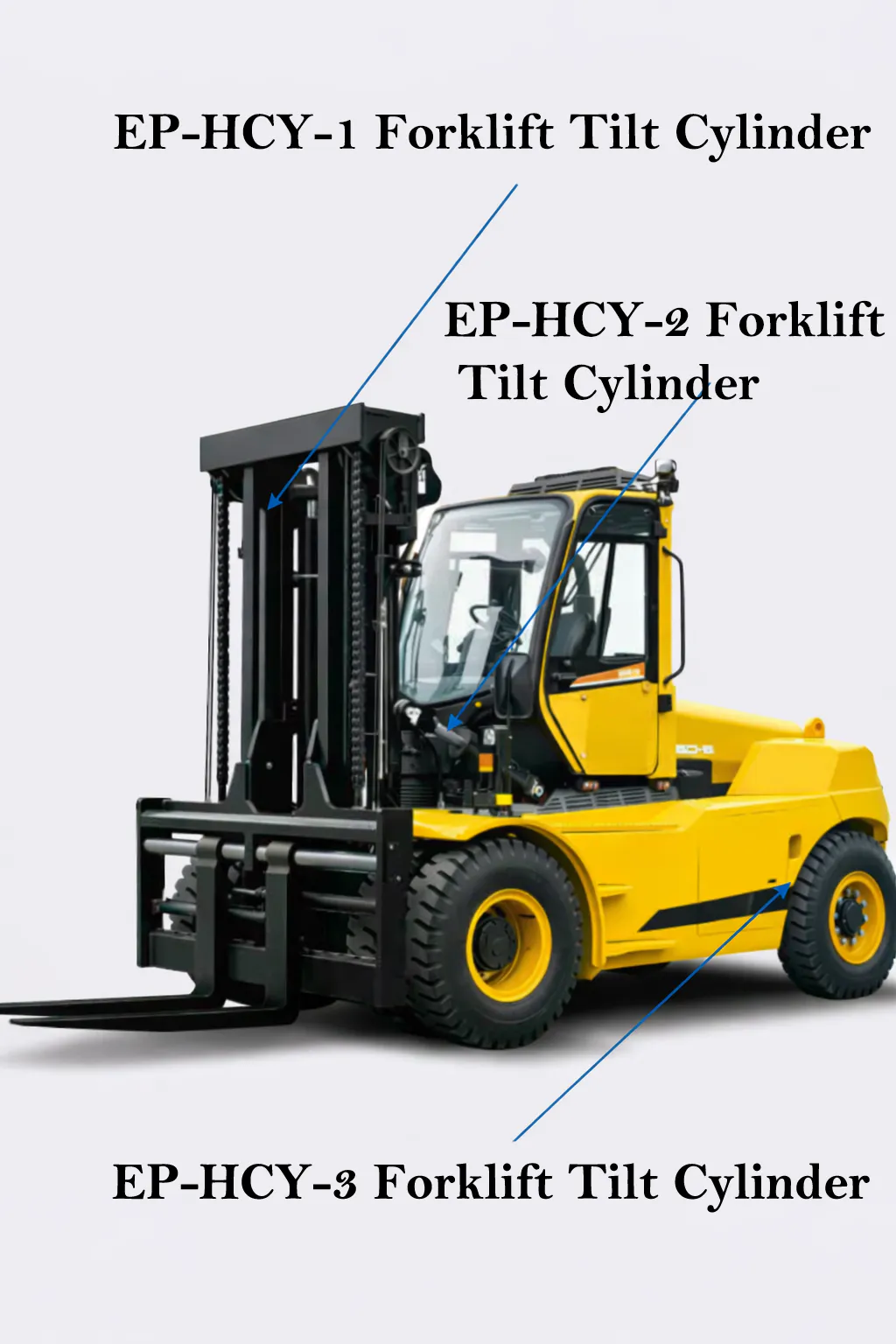
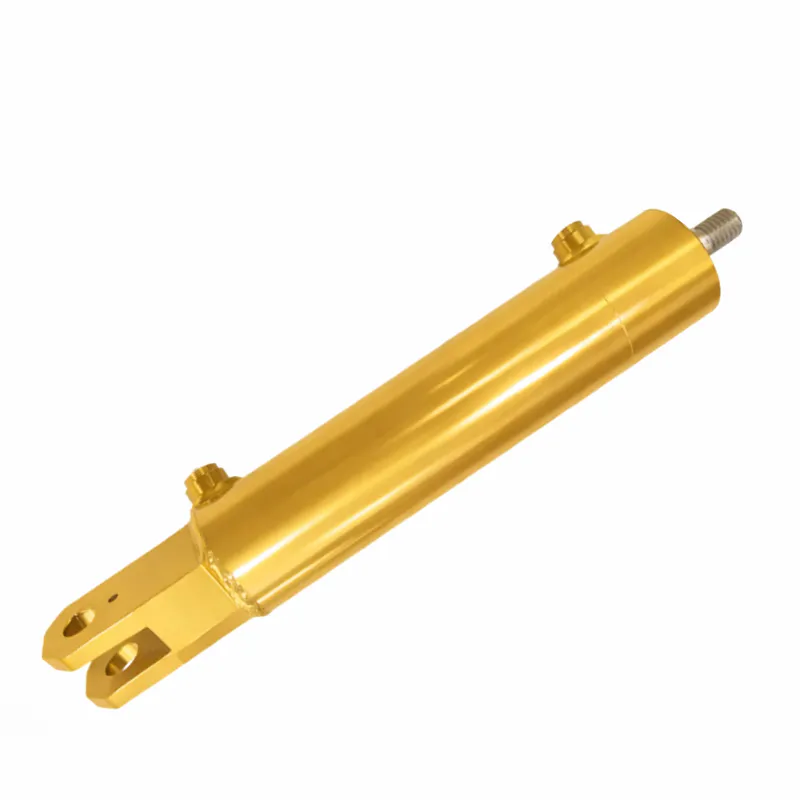
Recommended Forklift Tilt Cylinder Models for FRHF-Rated Airport GSE
The following models from the current forklift tilt cylinder range can be configured with FRHF-compatible seal packages and chemical-resistant external coatings for airport ground support equipment applications.

Regulatory and Safety Standards for Airport GSE Hydraulic Equipment
Airport GSE hydraulic equipment including the forklift tilt cylinder operates within a multi-layer regulatory and standards framework combining aviation authority requirements, national fire safety regulation, and international hydraulic safety standards.
ICAO Annex 14 and Airport Fire Safety
ICAO Annex 14 Volume I establishes international standards for aerodrome physical characteristics and equipment, including fire safety requirements for the apron and runway areas. While ICAO does not mandate specific hydraulic fluid types, the fire safety framework underpins many national aviation authority requirements that drive FRHF specification for GSE hydraulic systems including forklift tilt cylinder assemblies operating in fuel-contaminated zones.
Colombia — AEROCIVIL Aeronautical Regulations
Colombia’s Unidad Administrativa Especial de Aeronáutica Civil (AEROCIVIL) administers RAC (Reglamentos Aeronáuticos de Colombia) regulations covering airport operations, GSE safety, and ground handling procedures at Colombia’s international airports. GSE operators and ground handlers at El Dorado, José María Córdova, and Rafael Núñez must comply with AEROCIVIL fire safety and equipment maintenance requirements that may reference FRHF use for airside hydraulic equipment.
IATA Airport Handling Manual (AHM)
The IATA Airport Handling Manual provides operational standards for ground handling contractors, including forklift tilt cylinder equipment specifications serving IATA member airlines. Chapter 9 of the AHM covers GSE safety and maintenance requirements including hydraulic system specifications, and many IATA-aligned airlines specify FRHF use for ground handling equipment including cargo forklifts with tilt cylinder assemblies operating in designated fire-risk zones.
NFPA 409: Aircraft Hangar Fire Protection
NFPA 409 establishes fire protection standards for aircraft hangars in the United States and is referenced internationally for hangar design and equipment requirements. Its provisions for hydraulic fluid specification in mobile equipment operating inside hangars — where the combination of fuel, lubricants, and hydraulic fluid presents compounded ignition risk — directly influence FRHF requirements for maintenance hangar forklift and GSE equipment at Colombian international airports adopting international standards frameworks.
ISO 6743-4: Fire-Resistant Hydraulic Fluids Classification
ISO 6743-4 provides the international classification system (HFA, HFB, HFC, HFD) for fire-resistant hydraulic fluids that underpins all compatibility assessment of forklift tilt cylinder seal and material specification across the GSE sector. Procurement specifications for FRHF-compatible forklift tilt cylinder equipment should reference the ISO 6743-4 class designation to ensure unambiguous communication of the fluid type for which compatibility is being claimed.
Colombia — Resolución 0312 de 2019 (Ministerio del Trabajo)
Colombian occupational health and safety regulation Resolución 0312 de 2019 establishes preventive maintenance and inspection requirements for mobile industrial equipment including forklifts, with relevance to GSE operated by Colombian ground handling contractors at AEROCIVIL-regulated airports, where hydraulic system maintenance records — including FRHF type documentation for each forklift tilt cylinder and seal replacement history — form part of the broader safety management documentation these operations must maintain.
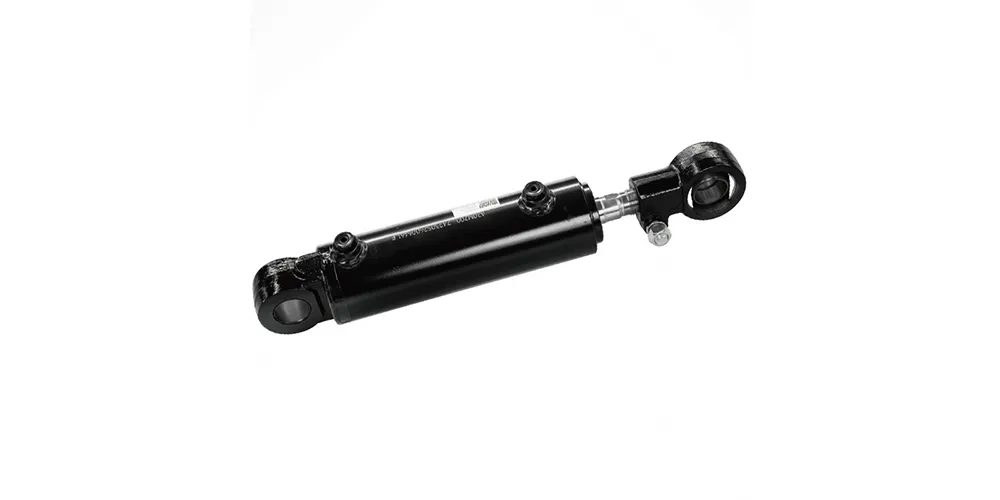
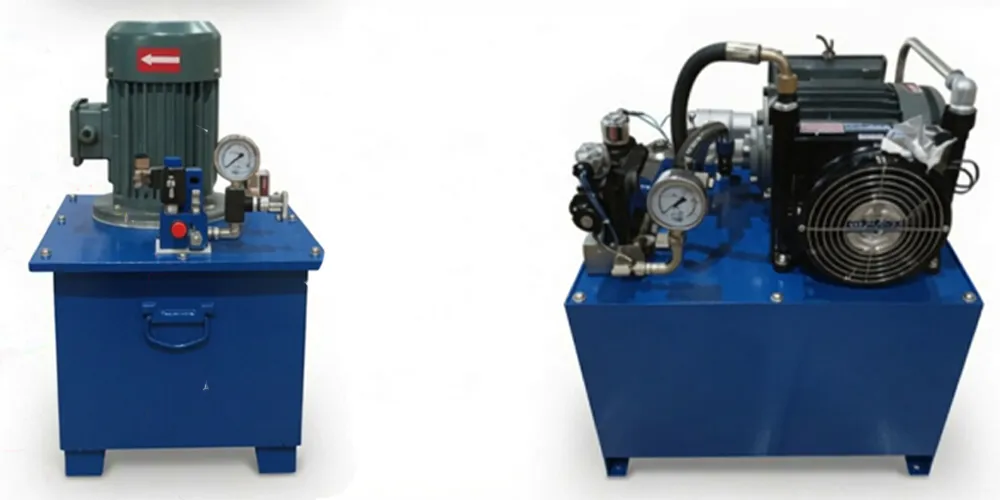
Related Hydraulic Products
We supply hydraulic system components designed to complement the forklift tilt cylinder within complete airport GSE hydraulic systems — providing single-source supply and compatibility assurance for Colombian and international airport ground handling operators.
About Our Forklift Tilt Cylinder Manufacturing
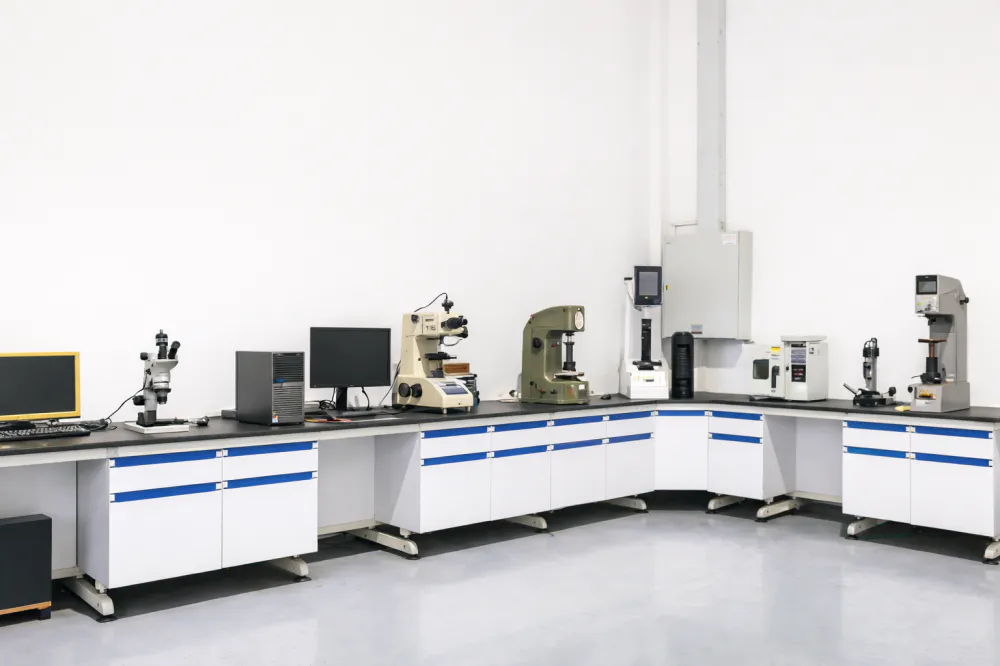
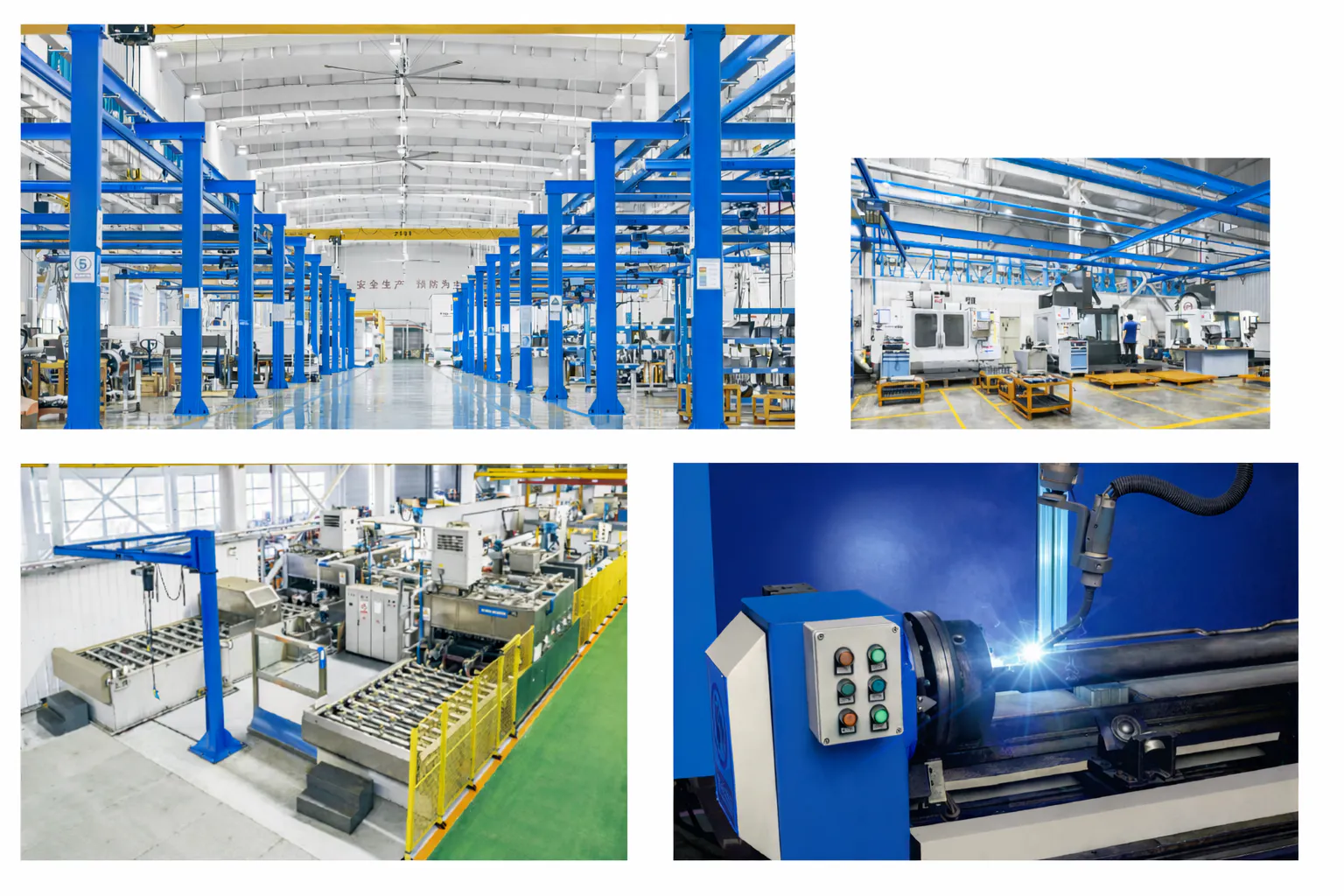
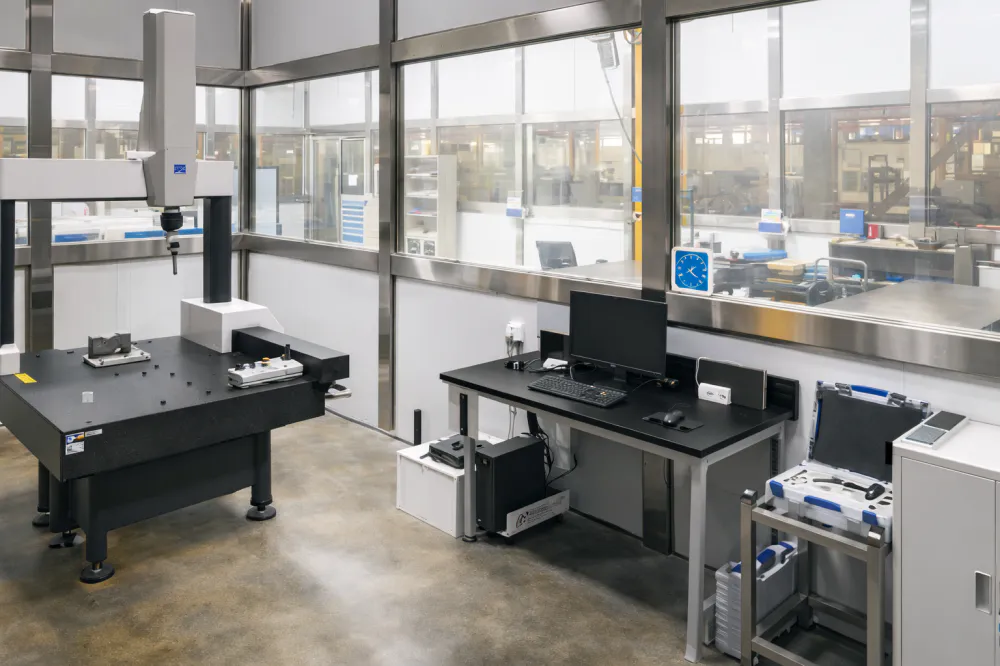
We are a specialist hydraulic cylinder manufacturer with technical experience supplying demanding industrial, aviation GSE, and material handling applications. Every forklift tilt cylinder we manufacture undergoes pressure testing — the forklift tilt cylinder passes a documented seal integrity check before dispatch, dimensional verification, and seal integrity inspection before dispatch. FRHF-compatible configurations — including FKM seal packages for HFD phosphate ester service and EPDM or PTFE-backed packages for HFA/HFC water-based fluids — are available across the EP-HCY and EP-HCYA series, with documentation confirming the seal compound and fluid compatibility for each configured unit.
Workshop
Veelgestelde vragen
Redacteur: PXY