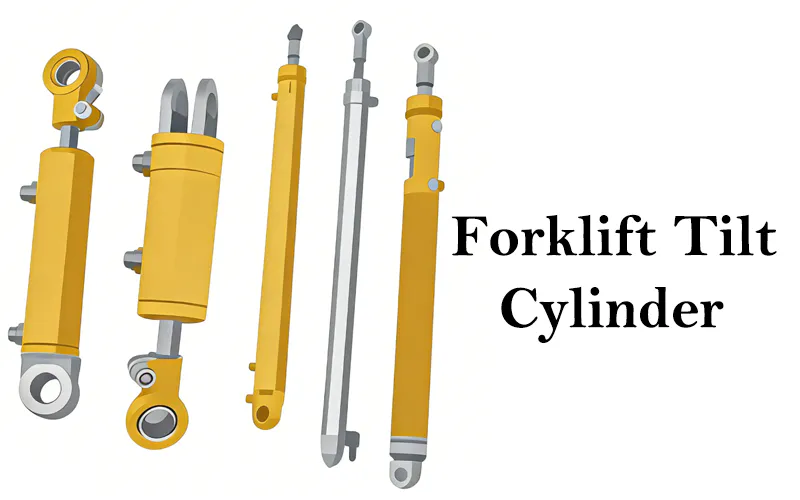
Описание продукта
1.hydraulic cylinder can be used with hydraulic station.
2.Selection is as follows.
3.The front and rear cylinder heads of this series of hydraulic cylinders are made of carbon steel.
4.Strong structure.
5.The shaft is made of medium carbon steel S45C steel rod . The surface is hard-plated and polished to mirror luminosity . It has strong rigidity , wear resistance and corrosion resistance .
6.The inner wall of the hydraulic cylinder is made of twilight carbon steel pipe , and the induction type is made of twilight stainless steel cylinder tube.
7.The endpoint can choose to set the buffer device.
Спецификация
| Диаметр цилиндра | Φ20,Φ25,Φ32,Φ40,Φ50,Φ60,Φ70,Φ80,Φ90,Φ100 |
| Tatal stroke | 40,50,60,80,90,100,100 |
| Actuation oil | iso vg68 |
| Maximum use pressure | 210kgf/cm |
| operating temperature range | -10~+60°C |
How toorder
| Диаметр цилиндра | Φ20,Φ25,Φ30,Φ40,Φ50,Φ60,Φ70,Φ80,Φ90,Φ100 |
| Гладить | 20-2000mm |
| Rod type | female thread,male thread |
| q’ty of rod | single end rod,double end rod |
Упаковка и доставка
About US
HangZhou you jia xin machinery equipment Co., Ltd was established in2006, it’s 1 of the leading hydraulic cylinder manufacturers in China, specializes in the production of hydraulic cylinders for various types of equipment, Our range of products includes both standard cylinders (double-acting and single acting), tie-rod cylinder, ultra- thin cylinder welded rod cylinders custom-made cylinders according to our customers’ requests. We are working with prestigious state-owned companies zijin Mining and recognized in cylinder industry widely for high service that we provide.
The company currently employs 135 staffs, among whom, 8 persons are R & D and engineering technical personnel, obtain 35 patents established”yozece” brand. At present, the factory has established 3 production bases, covers an area of 12 thousand m2. In 2571 annual sales revenue over 100 million Yuan.
Pre-sale: Our engineering team combines decades of experience with computer-aided technology. No matter your application, design challenge or geographic location, our engineers can work with you to develop the right custom hydraulics solutions.
During the manufacturing, we have semi-automated and fully automated equipment for manufacturing 1 piece to production quantities. What’s more Our proprietary and custom developed ERP system drives expedient quotes and efficiently synchronizes manufacturing process scheduling. This tool provides our customers with short lead times while maintaining on-time delivery.
After-sale: All the hydraulic cylinder we produced include a 3-year limited warranty service. And provide professional technology support and consult lifetime.
Any question or requirement about hydraulic cylinders CHINAMFG is here to serve you.
Часто задаваемые вопросы
- Do you accept OEM manufacturing?
Yes! We do accept OEM manufacturing. so we can provide the best price as well as the first class service.
- Could we get small quantity samples?
Yes! We understand the quality test is important and we are glad to make the sample for you. The MOQ could be 1pcs.
- Can you provide free sample? How long can we expect to get the sample?
Sample can be free of charge if deposit for future order received. samples need 5-10days if need custom make . standard can be ship out in 2 days.
- How long is the production time?
Normally about 30 days.
- What is the warranty?
1year against B/L date.
| Сертификация: | ISO9001 |
|---|---|
| Давление: | Low Pressure |
| Рабочая температура: | Высокая температура |
| Актерский Путь: | Двойного действия |
| Метод работы: | Прямой путь |
| Скорректированная форма: | Регулируемый тип |
| Образцы: |
US$ 100 шт./штука
1 штука (минимальный заказ) | |
|---|
| Настройка: |
Доступный
|
|
|---|
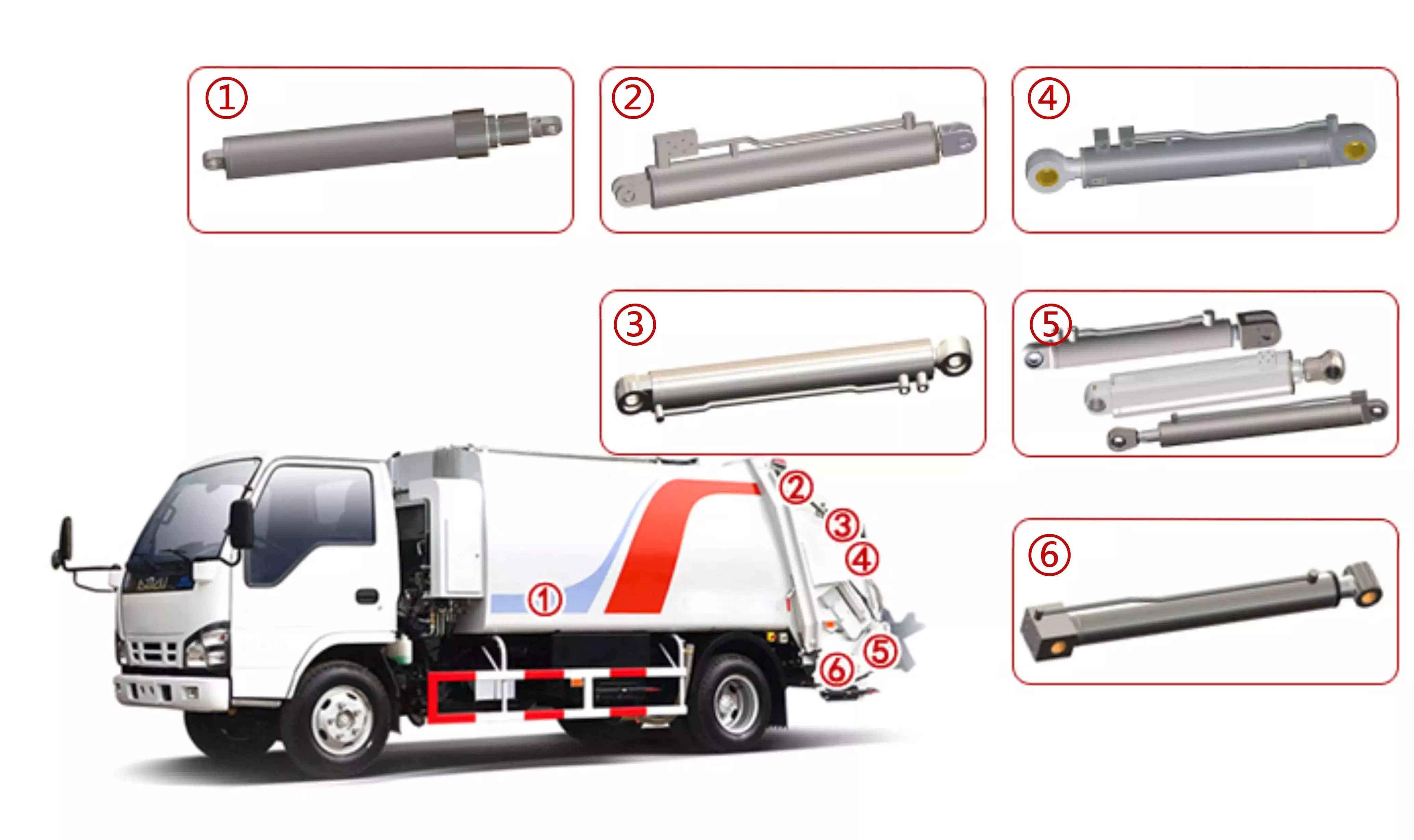
Возможно ли интегрировать гидравлические цилиндры с передовыми системами управления и автоматизации?
Да, гидравлические цилиндры могут быть интегрированы с передовыми системами управления и технологиями автоматизации для повышения их функциональности, точности и общей производительности. Интеграция гидравлических цилиндров с передовыми системами управления позволяет осуществлять более сложный и точный контроль над их работой, обеспечивая автоматизацию и интеллектуальное управление. Вот подробное объяснение того, как гидравлические цилиндры могут быть интегрированы с передовыми системами управления и автоматизации:
1. Электронное управление:
– Гидравлические цилиндры могут быть оснащены электронными датчиками и преобразователями для обеспечения обратной связи в реальном времени об их положении, силе, давлении или скорости. Эти датчики могут быть интегрированы с передовыми системами управления, такими как программируемые логические контроллеры (ПЛК) или распределенные системы управления (РСУ), для мониторинга и контроля работы гидравлических цилиндров. Благодаря интеграции электронного управления положение, скорость и сила гидравлических цилиндров могут точно контролироваться и регулироваться, что обеспечивает более точное и автоматизированное управление.
2. Управление с обратной связью:
– Системы управления с обратной связью используют данные с датчиков для непрерывного мониторинга и корректировки работы гидравлических цилиндров. Интеграция гидравлических цилиндров с системами управления с обратной связью позволяет достичь точного контроля положения, скорости и силы. Управление с обратной связью позволяет системе автоматически компенсировать отклонения, внешние возмущения или изменения условий эксплуатации, обеспечивая точную и стабильную работу. Такая интеграция особенно полезна в приложениях, требующих точного позиционирования, синхронизации или контроля силы.
3. Пропорциональное и сервоуправление:
– Гидравлические цилиндры могут быть интегрированы с системами пропорционального и сервоуправления для достижения более точного контроля над их работой. Системы пропорционального управления используют пропорциональные клапаны для регулирования потока и давления гидравлической жидкости, что позволяет точно регулировать скорость и усилие цилиндра. Системы сервоуправления, с другой стороны, сочетают в себе датчики обратной связи, высокопроизводительные клапаны и передовые алгоритмы управления для достижения чрезвычайно точного контроля над гидравлическими цилиндрами. Интеграция пропорционального и сервоуправления повышает быстродействие, точность и динамические характеристики гидравлических цилиндров.
4. Человеко-машинный интерфейс (ЧМИ):
– Гидравлические цилиндры, интегрированные с передовыми системами управления, могут управляться и контролироваться с помощью устройств человеко-машинного интерфейса (HMI). HMI предоставляют графический пользовательский интерфейс, позволяющий операторам взаимодействовать с системой управления, контролировать работу цилиндра и регулировать параметры. HMI позволяют операторам задавать желаемые положения, усилия или скорости, а также визуализировать обратную связь от датчиков в режиме реального времени. Такая интеграция упрощает эксплуатацию и мониторинг гидравлических цилиндров, делая их более удобными для пользователя и обеспечивая бесшовную интеграцию в автоматизированные системы.
5. Коммуникация и налаживание связей:
– Гидравлические цилиндры могут быть интегрированы в системы связи и сети, что позволяет им быть частью более крупной автоматизированной системы. Интеграция с промышленными протоколами связи, такими как Ethernet/IP, Profibus или Modbus, обеспечивает бесперебойный обмен информацией между гидравлическими цилиндрами и другими компонентами системы. Эта интеграция обеспечивает централизованное управление, регистрацию данных, удаленный мониторинг и координацию с другими автоматизированными процессами. Интеграция в системы связи и сети повышает общую эффективность, координацию и интеграцию гидравлических цилиндров в сложных системах автоматизации.
6. Автоматизация и последовательное управление:
– Благодаря интеграции гидравлических цилиндров с передовыми системами управления, их можно беспрепятственно интегрировать в автоматизированные процессы и операции последовательного управления. Система управления может выполнять предопределенные последовательности или запрограммированную логику для управления работой гидравлических цилиндров на основе конкретных условий, входных данных или времени. Такая интеграция позволяет автоматизировать сложные задачи, такие как перемещение материалов, сборочные операции или повторяющиеся движения. Гидравлические цилиндры могут быть синхронизированы с другими исполнительными механизмами, датчиками или устройствами, что позволяет осуществлять скоординированную и автоматизированную работу в различных промышленных приложениях.
7. Прогнозируемое техническое обслуживание и мониторинг состояния:
– Усовершенствованные системы управления также позволяют осуществлять прогнозирующее техническое обслуживание и мониторинг состояния гидравлических цилиндров. Благодаря интеграции датчиков и возможностей мониторинга, система управления может непрерывно отслеживать производительность, состояние и работоспособность гидравлических цилиндров. Такая интеграция позволяет в режиме реального времени обнаруживать отклонения, износ или потенциальные отказы. На основе собранных данных могут быть реализованы стратегии прогнозирующего технического обслуживания, оптимизирующие графики технического обслуживания, сокращающие время простоя и повышающие общую надежность гидравлических систем.
Вкратце, гидравлические цилиндры могут быть интегрированы с передовыми системами управления и технологиями автоматизации для повышения их функциональности, точности и производительности. Интеграция позволяет осуществлять электронное управление, управление с обратной связью, пропорциональное и сервоуправление, взаимодействие человека с машиной (HMI), связь и сетевое взаимодействие, автоматизацию и последовательное управление, а также прогнозирующее техническое обслуживание и мониторинг состояния. Эти интеграции обеспечивают более точное управление, автоматизацию, повышение эффективности и оптимизацию работы гидравлических цилиндров в различных промышленных приложениях.
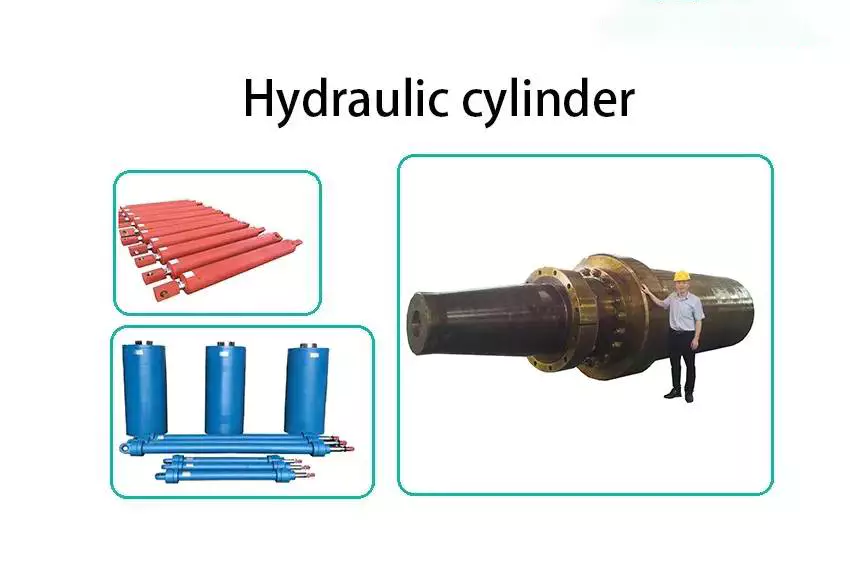
Adaptation of Hydraulic Cylinders for Medical Equipment and Aerospace Applications
Hydraulic cylinders have the potential to be adapted for use in medical equipment and aerospace applications, offering unique advantages in these industries. Let’s explore how hydraulic cylinders can be adapted for these specialized fields:
- Medical Equipment: Hydraulic cylinders can be adapted for various medical equipment applications, including hospital beds, patient lifts, surgical tables, and rehabilitation devices. Here’s how hydraulic cylinders are beneficial in medical equipment:
- Positioning and Adjustability: Hydraulic cylinders provide precise and smooth movement, allowing for accurate positioning and adjustments of medical equipment. This is crucial for ensuring patient comfort, proper alignment, and ease of use.
- Load Handling: Hydraulic cylinders offer high force capabilities, enabling the safe handling of heavy loads in medical equipment. They can support the weight of patients, facilitate smooth transitions, and provide stability during procedures.
- Controlled Motion: Hydraulic cylinders provide controlled and stable motion, which is essential for delicate medical procedures. The ability to adjust speed, position, and force allows for precise and controlled movements, minimizing patient discomfort and ensuring accurate treatment.
- Durability and Reliability: Hydraulic cylinders are designed to withstand rigorous use and demanding environments, making them suitable for medical equipment applications. Their durability and reliability contribute to the long-term performance and safety of medical devices.
- Aerospace Applications: Hydraulic cylinders can also be adapted for aerospace applications, where lightweight yet robust systems are essential. Here’s how hydraulic cylinders are advantageous in aerospace:
- Flight Control Systems: Hydraulic cylinders play a critical role in aircraft flight control systems, including ailerons, elevators, rudders, and landing gear. They provide precise and reliable actuation, allowing pilots to control the aircraft’s movements with accuracy and responsiveness.
- Weight Optimization: Hydraulic cylinders can be designed using lightweight materials, such as aluminum alloys or composite materials, to reduce overall weight. This weight optimization is crucial in aerospace applications to enhance fuel efficiency, payload capacity, and aircraft performance.
- Shock and Vibration Resistance: Aerospace environments involve significant shock and vibration forces. Hydraulic cylinders can be engineered to withstand these dynamic loads while maintaining performance and reliability, ensuring consistent operation even under extreme conditions.
- Space Constraints: Hydraulic cylinders can be designed to fit within the space constraints of aircraft or spacecraft. Their compact size and flexible mounting options allow for efficient integration into the limited available space.
In summary, hydraulic cylinders can be adapted for use in medical equipment and aerospace applications, leveraging their precise positioning, load handling capabilities, controlled motion, durability, and reliability. In medical equipment, hydraulic cylinders enable comfortable patient positioning, smooth transitions, and controlled movements during procedures. In aerospace, hydraulic cylinders provide precise actuation, weight optimization, shock and vibration resistance, and space-efficient solutions. By adapting hydraulic cylinders to these specialized fields, manufacturers can meet the unique requirements and enhance the performance of medical equipment and aerospace systems.
Can you explain the role and significance of hydraulic cylinders in machinery?
Hydraulic cylinders play a crucial role in machinery across various industries. They are essential components that provide controlled and powerful linear motion, enabling the operation of heavy equipment and facilitating numerous tasks. The role and significance of hydraulic cylinders in machinery can be explained in detail as follows:
Role of Hydraulic Cylinders:
– Conversion of Hydraulic Energy: Hydraulic cylinders convert hydraulic energy, typically in the form of pressurized hydraulic fluid, into linear force and motion. This conversion allows machinery to perform tasks such as lifting, pushing, pulling, clamping, tilting, and controlling various mechanisms.
– Generation of Linear Motion: Hydraulic cylinders generate linear motion by utilizing the principles of Pascal’s law. When hydraulic fluid is directed into one side of the cylinder, it applies pressure on the piston, resulting in linear movement of the piston and the attached piston rod. This linear motion can be used to actuate other components within the machinery or directly perform the required task.
– Force Generation: Hydraulic cylinders are capable of generating high forces due to the hydraulic pressure applied to the piston. The force output of a hydraulic cylinder depends on the surface area of the piston and the pressure of the hydraulic fluid. This force allows machinery to exert significant power for lifting heavy loads, applying pressure, or overcoming resistance.
– Precise Control: Hydraulic cylinders offer precise control over the linear motion and force exerted. By regulating the flow of hydraulic fluid, the speed and direction of the cylinder’s movement can be accurately adjusted. This level of control is crucial in machinery that requires precise positioning, delicate movements, or synchronization of multiple cylinders.
– Integration with Hydraulic Systems: Hydraulic cylinders are integral parts of hydraulic systems used in machinery. They work in conjunction with hydraulic pumps, valves, and actuators to create a complete hydraulic circuit. This integration allows for efficient power transmission, control, and coordination of various machine functions.
Significance of Hydraulic Cylinders:
– Heavy Equipment Operation: Hydraulic cylinders are vital in heavy machinery used in construction, mining, agriculture, material handling, and other industries. They enable the lifting and movement of heavy loads, the operation of attachments, and the performance of tasks that require high force and precision.
– Versatility and Adaptability: Hydraulic cylinders are versatile components that can be designed and tailored to meet specific machinery requirements. They can be integrated into various types of equipment and customized based on factors such as force capacity, stroke length, speed, and mounting options. This adaptability makes hydraulic cylinders suitable for diverse applications.
– Durability and Reliability: Hydraulic cylinders are built to withstand rigorous operating conditions, including high pressures, heavy loads, and continuous use. They are designed with robust materials, precise machining, and effective sealing systems to ensure durability and reliability over extended periods of operation.
– Safety and Load Control: Hydraulic cylinders provide safe and controlled operation in machinery. They offer overload protection mechanisms, such as relief valves, to prevent damage caused by excessive force or pressure. Additionally, hydraulic cylinders allow for precise load control, minimizing the risk of accidents during lifting, lowering, or positioning of heavy loads.
– Compact Design: Hydraulic cylinders offer a high power-to-size ratio, allowing for compact machinery design. Their relatively small size compared to the forces they can generate makes them suitable for applications where space is limited or weight restrictions apply.
– Energy Efficiency: Hydraulic cylinders contribute to energy efficiency in machinery. The use of hydraulic systems allows for the transfer of power over long distances without significant power losses. Additionally, hydraulic cylinders can incorporate energy-saving features such as load-sensing technology and regenerative circuits, reducing energy consumption.
Overall, hydraulic cylinders play a vital role in machinery by providing controlled and powerful linear motion. Their significance lies in their ability to convert hydraulic energy, generate high forces, offer precise control, integrate with hydraulic systems, and facilitate the operation of heavy equipment across various industries. Hydraulic cylinders contribute to increased productivity, safety, and efficiency in machinery applications, making them indispensable components in modern-day engineering.


Редактор: CX, 02.12.2023