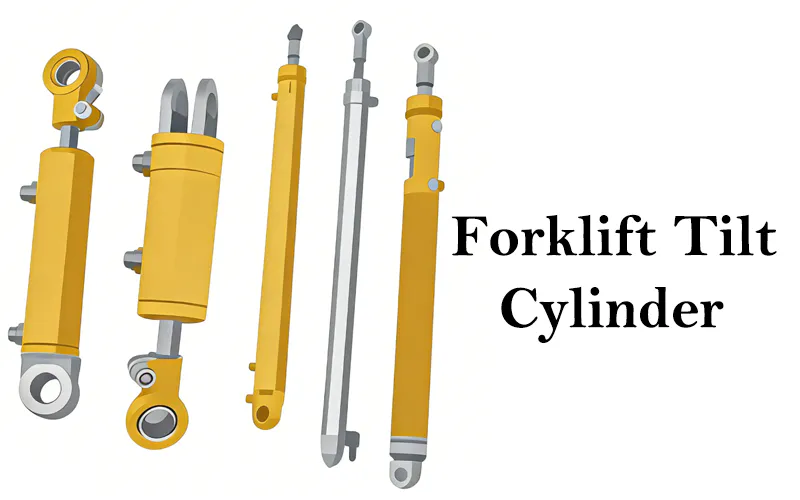
Описание продукта
1.hydraulic cylinder can be used with hydraulic station.
2.Selection is as follows.
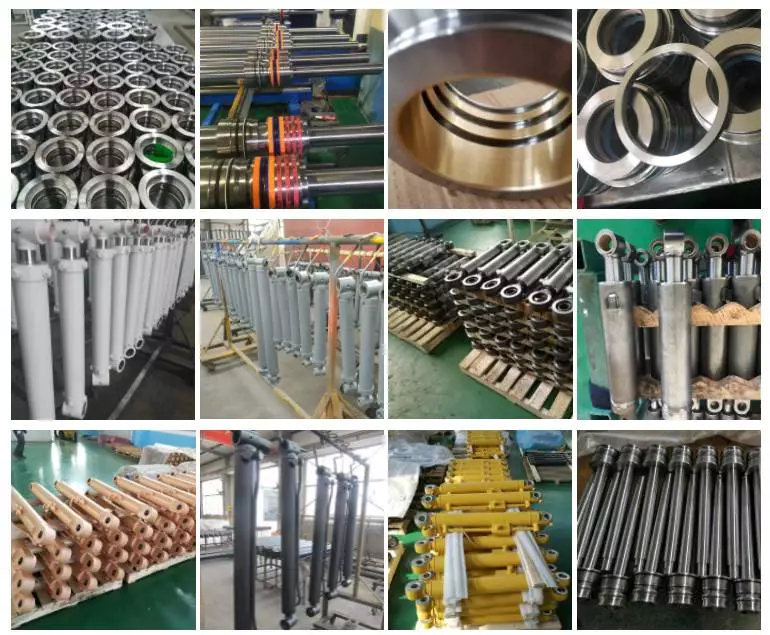
3.The front and rear cylinder heads of this series of hydraulic cylinders are made of carbon steel.
4.Strong structure.
5.The shaft is made of medium carbon steel S45C steel rod . The surface is hard-plated and polished to mirror luminosity . It has strong rigidity , wear resistance and corrosion resistance .
6.The inner wall of the hydraulic cylinder is made of twilight carbon steel pipe , and the induction type is made of twilight stainless steel cylinder tube.
7.The endpoint can choose to set the buffer device.
Спецификация
| Диаметр цилиндра | Φ20,Φ25,Φ32,Φ40,Φ50,Φ60,Φ70,Φ80,Φ90,Φ100 |
| Tatal stroke | 40,50,60,80,90,100,100 |
| Actuation oil | iso vg68 |
| Maximum use pressure | 210kgf/cm |
| operating temperature range | -10~+60°C |
How toorder
| Диаметр цилиндра | Φ20,Φ25,Φ30,Φ40,Φ50,Φ60,Φ70,Φ80,Φ90,Φ100 |
| Гладить | 20-2000mm |
| Rod type | female thread,male thread |
| q’ty of rod | single end rod,double end rod |
Упаковка и доставка
About US
HangZhou you jia xin machinery equipment Co., Ltd was established in2006, it’s 1 of the leading hydraulic cylinder manufacturers in China, specializes in the production of hydraulic cylinders for various types of equipment, Our range of products includes both standard cylinders (double-acting and single acting), tie-rod cylinder, ultra- thin cylinder welded rod cylinders custom-made cylinders according to our customers’ requests. We are working with prestigious state-owned companies zijin Mining and recognized in cylinder industry widely for high service that we provide.
The company currently employs 135 staffs, among whom, 8 persons are R & D and engineering technical personnel, obtain 35 patents established”yozece” brand. At present, the factory has established 3 production bases, covers an area of 12 thousand m2. In 2571 annual sales revenue over 100 million Yuan.
Pre-sale: Our engineering team combines decades of experience with computer-aided technology. No matter your application, design challenge or geographic location, our engineers can work with you to develop the right custom hydraulics solutions.
During the manufacturing, we have semi-automated and fully automated equipment for manufacturing 1 piece to production quantities. What’s more Our proprietary and custom developed ERP system drives expedient quotes and efficiently synchronizes manufacturing process scheduling. This tool provides our customers with short lead times while maintaining on-time delivery.
After-sale: All the hydraulic cylinder we produced include a 3-year limited warranty service. And provide professional technology support and consult lifetime.
Any question or requirement about hydraulic cylinders CHINAMFG is here to serve you.
Часто задаваемые вопросы
- Do you accept OEM manufacturing?
Yes! We do accept OEM manufacturing. so we can provide the best price as well as the first class service.
- Could we get small quantity samples?
Yes! We understand the quality test is important and we are glad to make the sample for you. The MOQ could be 1pcs.
- Can you provide free sample? How long can we expect to get the sample?
Sample can be free of charge if deposit for future order received. samples need 5-10days if need custom make . standard can be ship out in 2 days.
- How long is the production time?
Normally about 30 days.
- What is the warranty?
1year against B/L date.
| Сертификация: | ISO9001 |
|---|---|
| Давление: | Low Pressure |
| Рабочая температура: | Высокая температура |
| Актерский Путь: | Двойного действия |
| Метод работы: | Прямой путь |
| Скорректированная форма: | Регулируемый тип |
| Образцы: |
US$ 100 шт./штука
1 штука (минимальный заказ) | |
|---|
| Настройка: |
Доступный
|
|
|---|
What advancements in hydraulic cylinder technology have improved energy efficiency?
Advancements in hydraulic cylinder technology have led to significant improvements in energy efficiency, allowing hydraulic systems to operate more efficiently and reduce energy consumption. These advancements aim to minimize energy losses, optimize system performance, and enhance overall efficiency. Here’s a detailed explanation of some key advancements in hydraulic cylinder technology that have improved energy efficiency:
1. Efficient Hydraulic Circuit Design:
– The design of hydraulic circuits has evolved to improve energy efficiency. Advancements in circuit design techniques, such as load-sensing, pressure-compensated systems, or variable displacement pumps, help match the hydraulic power output to the actual load requirements. These designs reduce unnecessary energy consumption by adjusting the flow and pressure levels according to the system demands, rather than operating at a fixed high pressure.
2. High-Efficiency Hydraulic Fluids:
– The development of high-efficiency hydraulic fluids, such as low-viscosity or synthetic fluids, has contributed to improved energy efficiency. These fluids offer lower internal friction and reduced resistance to flow, resulting in decreased energy losses within the system. Additionally, advanced fluid additives and formulations enhance lubrication properties, reducing friction and optimizing the overall efficiency of hydraulic cylinders.
3. Advanced Sealing Technologies:
– Seal technology has advanced significantly, leading to improved energy efficiency in hydraulic cylinders. High-performance seals, such as low-friction or low-leakage seals, minimize internal leakage and friction losses. Reduced internal leakage helps maintain system pressure more effectively, resulting in less energy waste. Additionally, innovative sealing materials and designs enhance durability and extend seal life, reducing the need for frequent maintenance and replacement.
4. Electro-Hydraulic Control Systems:
– The integration of advanced electro-hydraulic control systems has greatly contributed to energy efficiency improvements. By combining electronic control with hydraulic power, these systems enable precise control over cylinder operation, optimizing energy usage. Proportional or servo valves, along with position or force feedback sensors, allow for accurate and responsive control, ensuring that hydraulic cylinders operate at the required level of performance while minimizing energy waste.
5. Energy Recovery Systems:
– Energy recovery systems, such as hydraulic accumulators, have been increasingly utilized to improve energy efficiency in hydraulic cylinder applications. Accumulators store excess energy during low-demand periods and release it when there is a peak demand, reducing the need for the hydraulic pump to provide the full power continuously. By utilizing stored energy, these systems can significantly reduce energy consumption and improve overall system efficiency.
6. Smart Monitoring and Control:
– Advancements in smart monitoring and control technologies have enabled real-time monitoring of hydraulic systems, allowing for optimized energy usage. Integrated sensors, data analytics, and control algorithms provide insights into system performance and energy consumption, enabling operators to make informed decisions and adjustments. By identifying inefficiencies or suboptimal operating conditions, energy consumption can be minimized, leading to improved energy efficiency.
7. System Integration and Optimization:
– The integration and optimization of hydraulic systems as a whole have played a significant role in improving energy efficiency. By considering the entire system layout, component sizing, and interaction between different elements, engineers can design hydraulic systems that operate in the most energy-efficient manner. Proper sizing of components, minimizing pressure drops, and reducing unnecessary piping or valve restrictions all contribute to improved energy efficiency of hydraulic cylinders.
8. Research and Development:
– Ongoing research and development efforts in the field of hydraulic cylinder technology continue to drive energy efficiency advancements. Innovations in materials, component design, system modeling, and simulation techniques help identify areas for improvement and optimize energy usage. Additionally, collaboration between industry stakeholders, research institutions, and regulatory bodies fosters the development of energy-efficient hydraulic cylinder technologies.
In summary, advancements in hydraulic cylinder technology have resulted in notable improvements in energy efficiency. Efficient hydraulic circuit designs, high-efficiency hydraulic fluids, advanced sealing technologies, electro-hydraulic control systems, energy recovery systems, smart monitoring and control, system integration and optimization, as well as ongoing research and development efforts, all contribute to reducing energy consumption and enhancing the overall energy efficiency of hydraulic cylinders. These advancements not only benefit the environment but also offer cost savings and improved performance in various hydraulic applications.
Достижения в технологии гидравлических цилиндров: повышение коррозионной стойкости.
Достижения в технологии гидравлических цилиндров привели к значительному улучшению коррозионной стойкости. Коррозия является серьезной проблемой в гидравлических системах, особенно в условиях, когда цилиндры подвергаются воздействию влаги, химических веществ или коррозионных агентов. Эти достижения направлены на повышение долговечности и срока службы гидравлических цилиндров. Давайте рассмотрим некоторые из ключевых достижений в технологии гидравлических цилиндров, которые улучшили коррозионную стойкость:
- Коррозионностойкие материалы: Использование коррозионностойких материалов является фундаментальным шагом вперед в технологии гидравлических цилиндров. Нержавеющая сталь, например, обладает превосходной коррозионной стойкостью, что делает ее популярным выбором в морской, шельфовой и других агрессивных средах. Кроме того, достижения в металлургии привели к разработке специализированных сплавов и покрытий, обеспечивающих повышенную коррозионную стойкость и продлевающих срок службы гидравлических цилиндров.
- Обработка и покрытие поверхностей: Для защиты гидравлических цилиндров от коррозии разработаны различные методы обработки поверхности и покрытия. К таким методам относятся гальваническое покрытие, цинкование, порошковая покраска и специализированные коррозионно-стойкие покрытия. Эти покрытия создают барьер между поверхностью цилиндра и коррозионными элементами, предотвращая прямой контакт и замедляя начало коррозии. Выбор подходящего покрытия зависит от конкретного применения и условий окружающей среды.
- Технология герметизации: Эффективные системы герметизации имеют решающее значение для предотвращения попадания воды, влаги и загрязнений в цилиндр и возникновения коррозии. Достижения в технологии герметизации привели к разработке высококачественных уплотнений и усовершенствованных конструкций, обеспечивающих превосходную устойчивость к коррозии. Эти уплотнения, как правило, изготавливаются из материалов, специально разработанных для работы в агрессивных средах, что обеспечивает долговременную герметичность и минимизирует риск возникновения проблем, связанных с коррозией.
- Улучшенная отделка поверхности: Качество обработки поверхности гидравлических цилиндров играет важную роль в их коррозионной стойкости. Достижения в технологиях механической обработки и полировки позволили получить более гладкую и однородную поверхность. Более гладкие поверхности снижают вероятность начала коррозии и облегчают очистку и техническое обслуживание гидравлических цилиндров. Кроме того, для дальнейшего повышения коррозионной стойкости могут применяться специальные виды обработки, такие как пассивация или химическая обработка.
- Экологические характеристики: Гидравлические цилиндры могут быть оснащены дополнительными элементами защиты от коррозии. К таким элементам относятся защитные чехлы, сильфоны или щиты, которые защищают уязвимые участки от воздействия коррозионных агентов. Благодаря включению этих защитных элементов в конструкцию, гидравлические цилиндры могут выдерживать суровые условия эксплуатации и минимизировать риск повреждений, связанных с коррозией.
В заключение, достижения в технологии гидравлических цилиндров значительно повысили коррозионную стойкость. Использование коррозионностойких материалов, передовых методов обработки поверхности и покрытий, инновационных технологий герметизации, улучшенной отделки поверхности и внедрения элементов защиты окружающей среды способствовали повышению долговечности и срока службы гидравлических цилиндров в агрессивных средах. Эти достижения обеспечивают надежную работу и снижают затраты на техническое обслуживание и замену, связанные с проблемами, вызванными коррозией.
What is a hydraulic cylinder and how does it function in various applications?
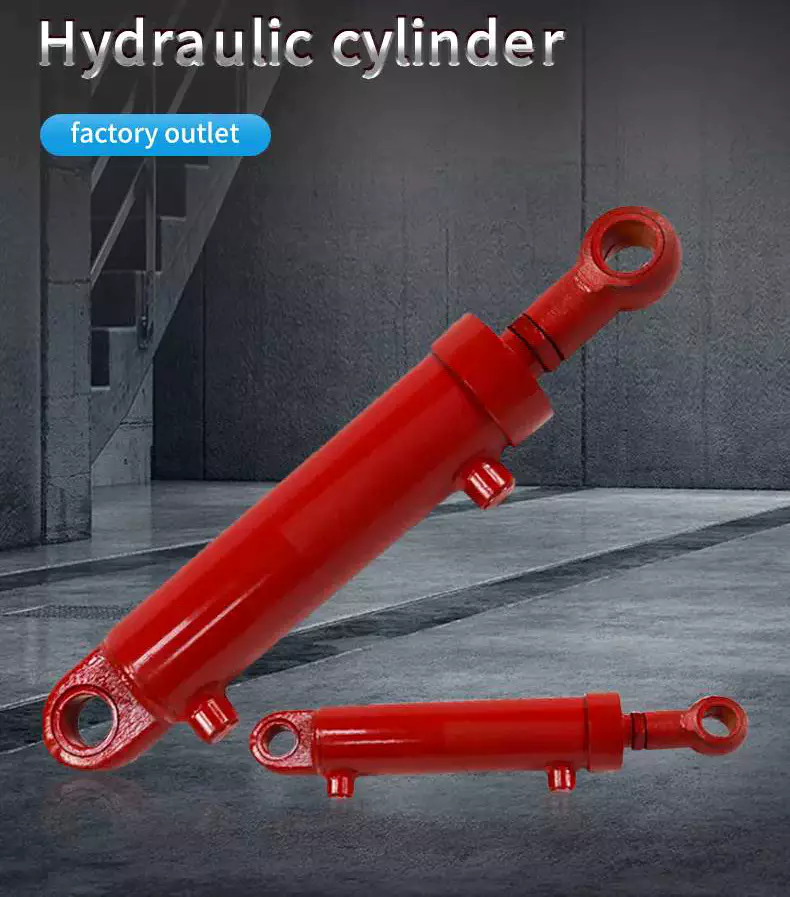
A hydraulic cylinder is a mechanical actuator that converts hydraulic energy into linear force and motion. It plays a critical role in various applications where controlled and powerful linear motion is required. Hydraulic cylinders are commonly used in industries such as construction, manufacturing, agriculture, and transportation. Here’s a detailed explanation of what a hydraulic cylinder is and how it functions:
Definition and Components:
– A hydraulic cylinder consists of a cylindrical barrel, a piston, a piston rod, and various seals. The barrel is a hollow tube that houses the piston and allows for fluid flow. The piston divides the cylinder into two chambers: the rod side and the cap side. The piston rod extends from the piston and provides a connection point for external loads. Seals are used to prevent fluid leakage and maintain hydraulic pressure within the cylinder.
Функция:
– The function of a hydraulic cylinder is to convert the pressure and flow of hydraulic fluid into linear force and motion. The hydraulic fluid, typically oil, is pressurized and directed into one of the chambers of the cylinder. As the fluid enters the chamber, it applies pressure on the piston, causing it to move in a linear direction. This linear motion of the piston is transferred to the piston rod, creating a pushing or pulling force.
Working Principle:
– The working principle of a hydraulic cylinder is based on Pascal’s law, which states that pressure exerted on a fluid in a confined space is transmitted equally in all directions. In a hydraulic cylinder, when hydraulic fluid is pumped into one side of the cylinder, it creates pressure on the piston. The pressure is transmitted through the fluid to the other side of the piston, resulting in a balanced force across the piston and piston rod. This force generates linear motion in the direction determined by the fluid input.
Приложения:
– Hydraulic cylinders find extensive use in a wide range of applications due to their ability to generate high forces and precise control of linear motion. Some common applications include:
1. Construction Equipment: Hydraulic cylinders are used in excavators, loaders, bulldozers, and cranes for lifting, pushing, and digging tasks.
2. Manufacturing Machinery: Hydraulic cylinders are employed in presses, machine tools, and material handling equipment for pressing, clamping, and lifting operations.
3. Agricultural Machinery: Hydraulic cylinders are used in tractors, harvesters, and irrigation systems for tasks like steering, lifting, and controlling attachments.
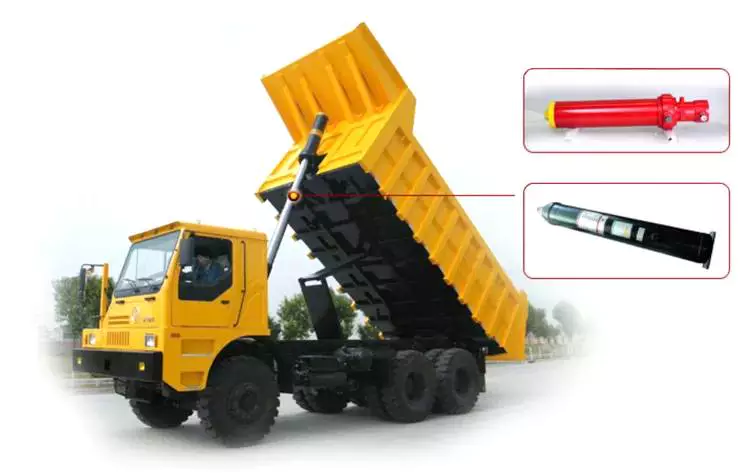
4. Transportation: Hydraulic cylinders are utilized in vehicles such as dump trucks, garbage trucks, and forklifts for tilting, lifting, and tipping operations.
5. Aerospace and Defense: Hydraulic cylinders are employed in aircraft landing gear, missile systems, and hydraulic actuators for control surfaces.
6. Marine and Offshore: Hydraulic cylinders are used in ship steering systems, cranes, and offshore drilling equipment for various lifting and positioning tasks.
In these applications, hydraulic cylinders offer advantages such as high force capability, precise control, compact size, and durability. They provide efficient and reliable linear motion, contributing to enhanced productivity and functionality in a wide range of industries.
Overall, hydraulic cylinders are integral components in various applications where controlled and powerful linear motion is required. Their ability to convert hydraulic energy into mechanical force makes them invaluable in numerous industries, enabling the operation of heavy machinery, precise positioning, and efficient load handling.


editor by CX 2023-12-08