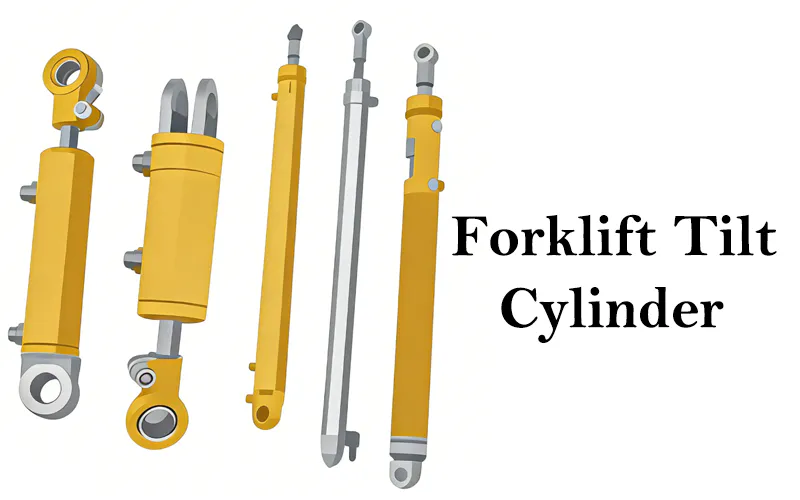
คำอธิบายผลิตภัณฑ์
1. กระบอกไฮดรอลิกสามารถใช้งานร่วมกับสถานีไฮดรอลิกได้
2. ขั้นตอนการคัดเลือกเป็นดังนี้
3. หัวกระบอกสูบด้านหน้าและด้านหลังของกระบอกไฮดรอลิกซีรีส์นี้ทำจากเหล็กกล้าคาร์บอน
4.โครงสร้างแข็งแรง
5. แกนหมุนทำจากเหล็กกล้าคาร์บอนปานกลาง S45C พื้นผิวผ่านการชุบแข็งและขัดเงาจนเป็นมันวาว มีความแข็งแรงสูง ทนต่อการสึกหรอและการกัดกร่อน
6. ผนังด้านในของกระบอกไฮดรอลิกทำจากท่อเหล็กกล้าคาร์บอนชนิดทไวไลท์ ส่วนแบบเหนี่ยวนำทำจากท่อเหล็กกล้าไร้สนิมชนิดทไวไลท์
7. ปลายทางสามารถเลือกตั้งค่าอุปกรณ์บัฟเฟอร์ได้
ข้อกำหนด
| เจาะ | Φ20,Φ25,Φ32,Φ40,Φ50,Φ60,Φ70,Φ80,Φ90,Φ100 |
| โรคหลอดเลือดสมอง | 40,50,60,80,90,100,100 |
| น้ำมันกระตุ้นการทำงาน | ไอโซ vg68 |
| แรงดันใช้งานสูงสุด | 210 กก./ซม. |
| ช่วงอุณหภูมิการทำงาน | -10 ถึง +60 องศาเซลเซียส |
วิธีการสั่งซื้อ
| เจาะ | Φ20,Φ25,Φ30,Φ40,Φ50,Φ60,Φ70,Φ80,Φ90,Φ100 |
| จังหวะ | 20-2000 มม. |
| ประเภทแท่ง | เกลียวตัวเมีย, เกลียวตัวผู้ |
| จำนวนของแท่ง | แท่งปลายเดี่ยว, แท่งปลายคู่ |
บรรจุภัณฑ์และการจัดส่ง
เกี่ยวกับเรา
บริษัท หางโจว ยู เจีย ซิน แมชชีนเนล อีควิตี้ จำกัด ก่อตั้งขึ้นในปี 2549 เป็นหนึ่งในผู้ผลิตกระบอกไฮดรอลิกชั้นนำในประเทศจีน เชี่ยวชาญในการผลิตกระบอกไฮดรอลิกสำหรับอุปกรณ์ประเภทต่างๆ ผลิตภัณฑ์ของเราประกอบด้วยกระบอกมาตรฐาน (แบบทำงานสองทางและแบบทำงานทางเดียว) กระบอกแบบมีก้านผูก กระบอกบางพิเศษ กระบอกแบบมีก้านเชื่อม และกระบอกสั่งทำพิเศษตามความต้องการของลูกค้า เราทำงานร่วมกับบริษัทของรัฐที่มีชื่อเสียงอย่างบริษัทเหมืองแร่จื่อจิน และได้รับการยอมรับอย่างกว้างขวางในอุตสาหกรรมกระบอกไฮดรอลิกในด้านบริการที่เป็นเลิศที่เรามอบให้
ปัจจุบันบริษัทมีพนักงาน 135 คน โดยในจำนวนนี้มีบุคลากรด้านการวิจัยและพัฒนาและวิศวกรรม 8 คน และได้รับสิทธิบัตร 35 ฉบับภายใต้แบรนด์ “yozece” ปัจจุบันโรงงานมีฐานการผลิต 3 แห่ง ครอบคลุมพื้นที่ 12,000 ตารางเมตร และมีรายได้จากการขายในปี 2571 มากกว่า 100 ล้านหยวน
ก่อนการขาย: ทีมวิศวกรของเราผสมผสานประสบการณ์หลายสิบปีเข้ากับเทคโนโลยีช่วยออกแบบด้วยคอมพิวเตอร์ ไม่ว่าการใช้งาน ความท้าทายในการออกแบบ หรือที่ตั้งทางภูมิศาสตร์ของคุณจะเป็นอย่างไร วิศวกรของเราสามารถทำงานร่วมกับคุณเพื่อพัฒนาโซลูชันไฮดรอลิกส์แบบกำหนดเองที่เหมาะสมได้
ในกระบวนการผลิต เรามีอุปกรณ์กึ่งอัตโนมัติและอัตโนมัติเต็มรูปแบบสำหรับการผลิตตั้งแต่ชิ้นเดียวจนถึงปริมาณการผลิตจำนวนมาก ยิ่งไปกว่านั้น ระบบ ERP ที่เป็นกรรมสิทธิ์และพัฒนาขึ้นเองของเรา ช่วยให้การเสนอราคาเป็นไปอย่างรวดเร็วและประสานงานการกำหนดตารางเวลาของกระบวนการผลิตได้อย่างมีประสิทธิภาพ เครื่องมือนี้ช่วยให้ลูกค้าของเราได้รับระยะเวลารอคอยที่สั้นลง ในขณะที่ยังคงรักษาการส่งมอบตรงเวลา
บริการหลังการขาย: กระบอกไฮดรอลิกทุกชิ้นที่เราผลิตมาพร้อมกับการรับประกันแบบจำกัด 3 ปี และเรายังให้การสนับสนุนทางเทคนิคและให้คำปรึกษาอย่างมืออาชีพตลอดอายุการใช้งาน
หากมีคำถามหรือความต้องการใดๆ เกี่ยวกับกระบอกไฮดรอลิก CHINAMFG พร้อมให้บริการคุณเสมอ
คำถามที่พบบ่อย
- คุณรับผลิตสินค้าภายใต้บริษัทผู้ผลิต (OEM) หรือไม่?
ใช่! เรารับผลิตสินค้าตามสั่ง (OEM) ดังนั้นเราจึงสามารถเสนอราคาที่ดีที่สุดและบริการชั้นเยี่ยมได้
- เราสามารถขอตัวอย่างในปริมาณน้อยได้หรือไม่?
ใช่! เราเข้าใจว่าการทดสอบคุณภาพมีความสำคัญ และเรายินดีที่จะจัดทำตัวอย่างให้คุณ โดยจำนวนขั้นต่ำในการสั่งซื้อคือ 1 ชิ้น
- คุณสามารถส่งตัวอย่างฟรีได้หรือไม่? เราจะได้รับตัวอย่างภายในระยะเวลาเท่าใด?
สามารถขอรับตัวอย่างได้ฟรีหากชำระเงินมัดจำสำหรับการสั่งซื้อในอนาคต ตัวอย่างต้องใช้เวลา 5-10 วันหากต้องการสั่งทำพิเศษ ส่วนสินค้ามาตรฐานสามารถจัดส่งได้ภายใน 2 วัน
- ระยะเวลาในการผลิตนานเท่าไหร่?
โดยปกติประมาณ 30 วัน
- การรับประกันเป็นอย่างไร?
รับประกัน 1 ปี นับจากวันที่ในใบตราส่งสินค้า (B/L)
| การรับรอง: | ISO9001 |
|---|---|
| ความดัน: | ความดันต่ำ |
| อุณหภูมิในการทำงาน: | อุณหภูมิสูง |
| วิธีการแสดง: | ละครสองภาค |
| วิธีการทำงาน: | การเดินทางตรง |
| แบบฟอร์มที่ปรับปรุงแล้ว: | ประเภทควบคุม |
| ตัวอย่าง: |
US$ 100 ชิ้น/ชิ้น
1 ชิ้น (สั่งขั้นต่ำ) | |
|---|
| การปรับแต่ง: |
มีอยู่
|
|
|---|
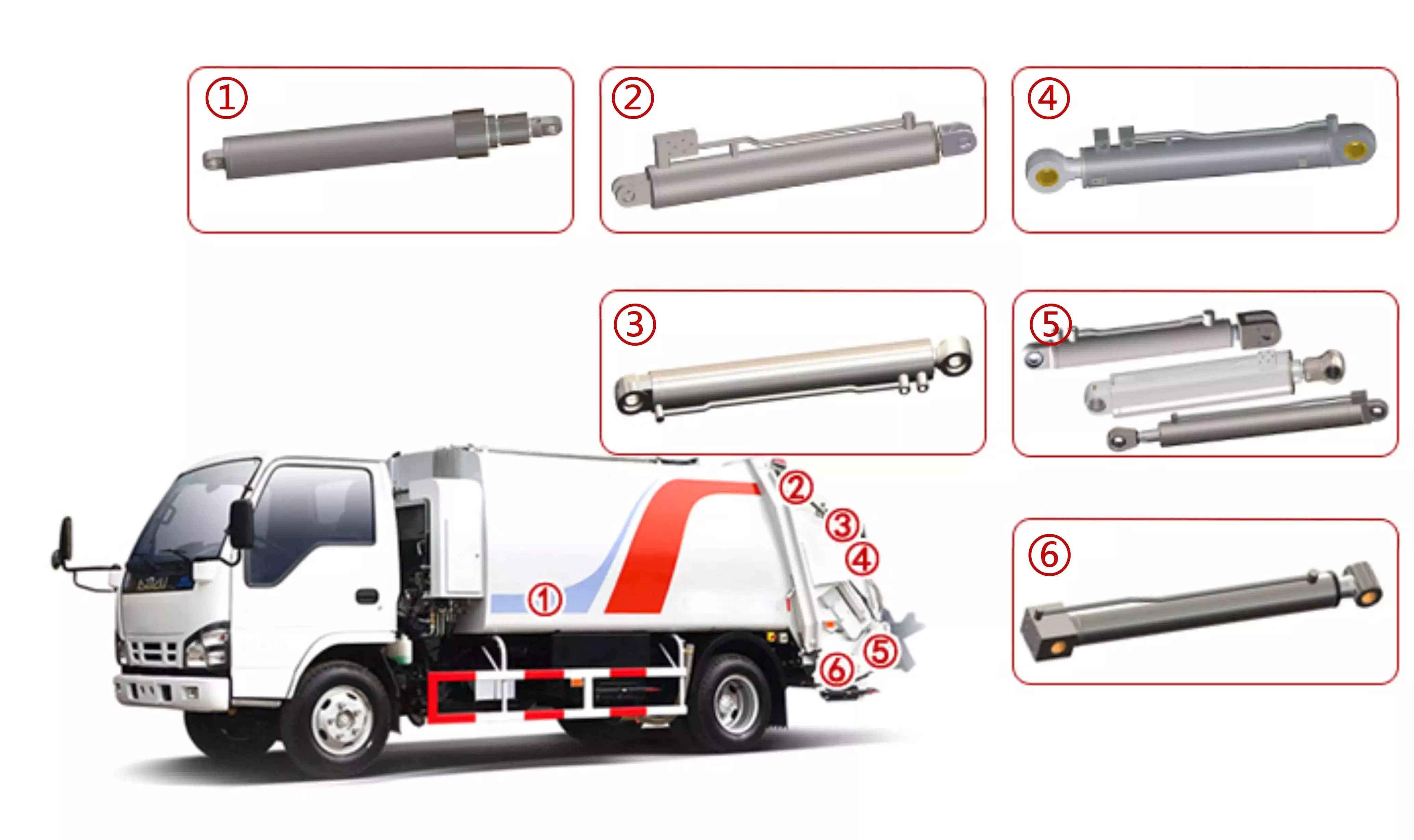
กระบอกไฮดรอลิกสามารถบูรณาการเข้ากับระบบควบคุมและระบบอัตโนมัติขั้นสูงได้หรือไม่?
ใช่แล้ว กระบอกไฮดรอลิกสามารถบูรณาการเข้ากับระบบควบคุมขั้นสูงและเทคโนโลยีระบบอัตโนมัติเพื่อเพิ่มประสิทธิภาพการทำงาน ความแม่นยำ และสมรรถนะโดยรวม การบูรณาการกระบอกไฮดรอลิกเข้ากับระบบควบคุมขั้นสูงช่วยให้สามารถควบคุมการทำงานได้อย่างซับซ้อนและแม่นยำยิ่งขึ้น ทำให้สามารถทำงานอัตโนมัติและควบคุมอย่างชาญฉลาดได้ ต่อไปนี้เป็นคำอธิบายโดยละเอียดเกี่ยวกับวิธีการบูรณาการกระบอกไฮดรอลิกเข้ากับระบบควบคุมขั้นสูงและระบบอัตโนมัติ:
1. การควบคุมด้วยระบบอิเล็กทรอนิกส์:
– กระบอกไฮดรอลิกสามารถติดตั้งเซ็นเซอร์และทรานสดิวเซอร์อิเล็กทรอนิกส์เพื่อให้ได้ข้อมูลป้อนกลับแบบเรียลไทม์เกี่ยวกับตำแหน่ง แรง ความดัน หรือความเร็ว เซ็นเซอร์เหล่านี้สามารถบูรณาการเข้ากับระบบควบคุมขั้นสูง เช่น ตัวควบคุมลอจิกแบบโปรแกรมได้ (PLC) หรือระบบควบคุมแบบกระจาย (DCS) เพื่อตรวจสอบและควบคุมการทำงานของกระบอกไฮดรอลิก การบูรณาการการควบคุมอิเล็กทรอนิกส์ทำให้สามารถตรวจสอบและปรับตำแหน่ง ความเร็ว และแรงของกระบอกไฮดรอลิกได้อย่างแม่นยำ ทำให้สามารถควบคุมได้อย่างแม่นยำและเป็นอัตโนมัติมากขึ้น
2. การควบคุมแบบวงปิด:
– ระบบควบคุมแบบวงปิดใช้ข้อมูลป้อนกลับจากเซ็นเซอร์เพื่อตรวจสอบและปรับการทำงานของกระบอกไฮดรอลิกอย่างต่อเนื่อง การผสานรวมกระบอกไฮดรอลิกเข้ากับระบบควบคุมแบบวงปิดทำให้สามารถควบคุมตำแหน่ง ความเร็ว และแรงได้อย่างแม่นยำ ระบบควบคุมแบบวงปิดช่วยให้ระบบสามารถชดเชยความแปรผัน การรบกวนจากภายนอก หรือการเปลี่ยนแปลงในสภาวะการทำงานได้โดยอัตโนมัติ ทำให้มั่นใจได้ถึงประสิทธิภาพที่แม่นยำและสม่ำเสมอ การผสานรวมนี้มีประโยชน์อย่างยิ่งในแอปพลิเคชันที่ต้องการการกำหนดตำแหน่งที่แม่นยำ การซิงโครไนซ์ หรือการควบคุมแรง
3. การควบคุมแบบสัดส่วนและเซอร์โว:
– กระบอกไฮดรอลิกสามารถบูรณาการเข้ากับระบบควบคุมแบบสัดส่วนและระบบควบคุมเซอร์โว เพื่อให้สามารถควบคุมการทำงานได้อย่างละเอียดมากขึ้น ระบบควบคุมแบบสัดส่วนใช้ลิ้นควบคุมแบบสัดส่วนในการควบคุมการไหลและความดันของของเหลวไฮดรอลิก ทำให้สามารถปรับความเร็วและแรงของกระบอกสูบได้อย่างแม่นยำ ในขณะที่ระบบควบคุมเซอร์โวจะรวมเซ็นเซอร์ป้อนกลับ ลิ้นควบคุมประสิทธิภาพสูง และอัลกอริธึมควบคุมขั้นสูง เพื่อให้ได้การควบคุมกระบอกไฮดรอลิกที่แม่นยำอย่างยิ่ง การบูรณาการระบบควบคุมแบบสัดส่วนและเซอร์โวช่วยเพิ่มการตอบสนอง ความแม่นยำ และประสิทธิภาพการทำงานแบบไดนามิกของกระบอกไฮดรอลิก
4. ส่วนต่อประสานระหว่างมนุษย์กับเครื่องจักร (HMI):
– กระบอกไฮดรอลิกที่ผสานรวมกับระบบควบคุมขั้นสูงสามารถใช้งานและตรวจสอบได้ผ่านอุปกรณ์ส่วนต่อประสานระหว่างมนุษย์กับเครื่องจักร (HMI) HMI มีส่วนต่อประสานผู้ใช้แบบกราฟิกที่ช่วยให้ผู้ปฏิบัติงานสามารถโต้ตอบกับระบบควบคุม ตรวจสอบประสิทธิภาพของกระบอกไฮดรอลิก และปรับพารามิเตอร์ได้ HMI ช่วยให้ผู้ปฏิบัติงานสามารถกำหนดตำแหน่ง แรง หรือความเร็วที่ต้องการ และแสดงผลตอบรับแบบเรียลไทม์จากเซ็นเซอร์ การผสานรวมนี้ช่วยลดความซับซ้อนในการใช้งานและการตรวจสอบกระบอกไฮดรอลิก ทำให้ใช้งานง่ายขึ้นและอำนวยความสะดวกในการผสานรวมเข้ากับระบบอัตโนมัติได้อย่างราบรื่น
5. การสื่อสารและการสร้างเครือข่าย:
– กระบอกไฮดรอลิกสามารถบูรณาการเข้ากับระบบสื่อสารและเครือข่าย ทำให้สามารถเป็นส่วนหนึ่งของระบบอัตโนมัติขนาดใหญ่ได้ การบูรณาการกับโปรโตคอลการสื่อสารทางอุตสาหกรรม เช่น Ethernet/IP, Profibus หรือ Modbus ช่วยให้การแลกเปลี่ยนข้อมูลระหว่างกระบอกไฮดรอลิกและส่วนประกอบอื่นๆ ของระบบเป็นไปอย่างราบรื่น การบูรณาการนี้ช่วยให้สามารถควบคุมจากส่วนกลาง บันทึกข้อมูล ตรวจสอบระยะไกล และประสานงานกับกระบวนการอัตโนมัติอื่นๆ ได้ การบูรณาการด้านการสื่อสารและเครือข่ายช่วยเพิ่มประสิทธิภาพ การประสานงาน และการบูรณาการของกระบอกไฮดรอลิกภายในระบบอัตโนมัติที่ซับซ้อนโดยรวม
6. ระบบอัตโนมัติและการควบคุมตามลำดับ:
– การผสานกระบอกไฮดรอลิกเข้ากับระบบควบคุมขั้นสูง ทำให้สามารถรวมเข้ากับกระบวนการอัตโนมัติและการควบคุมตามลำดับได้อย่างราบรื่น ระบบควบคุมสามารถดำเนินการตามลำดับที่กำหนดไว้ล่วงหน้าหรือตรรกะที่ตั้งโปรแกรมไว้เพื่อควบคุมการทำงานของกระบอกไฮดรอลิกตามเงื่อนไข อินพุต หรือจังหวะเวลาที่เฉพาะเจาะจง การผสานรวมนี้ช่วยให้สามารถทำงานที่ซับซ้อนโดยอัตโนมัติได้ เช่น การขนถ่ายวัสดุ การประกอบ หรือการเคลื่อนไหวซ้ำๆ กระบอกไฮดรอลิกสามารถซิงโครไนซ์กับแอคชูเอเตอร์ เซ็นเซอร์ หรืออุปกรณ์อื่นๆ ทำให้สามารถทำงานร่วมกันและทำงานอัตโนมัติในงานอุตสาหกรรมต่างๆ ได้
7. การบำรุงรักษาเชิงพยากรณ์และการตรวจสอบสภาพ:
– ระบบควบคุมขั้นสูงยังช่วยให้สามารถบำรุงรักษาเชิงคาดการณ์และตรวจสอบสภาพของกระบอกไฮดรอลิกได้ ด้วยการบูรณาการเซ็นเซอร์และความสามารถในการตรวจสอบ ระบบควบคุมสามารถตรวจสอบประสิทธิภาพ สุขภาพ และสภาพของกระบอกไฮดรอลิกได้อย่างต่อเนื่อง การบูรณาการนี้ช่วยให้สามารถตรวจจับความผิดปกติ การสึกหรอ หรือความล้มเหลวที่อาจเกิดขึ้นได้แบบเรียลไทม์ สามารถนำกลยุทธ์การบำรุงรักษาเชิงคาดการณ์มาใช้โดยอิงจากข้อมูลที่รวบรวมได้ ซึ่งจะช่วยเพิ่มประสิทธิภาพตารางการบำรุงรักษา ลดเวลาหยุดทำงาน และเพิ่มความน่าเชื่อถือโดยรวมของระบบไฮดรอลิก
โดยสรุปแล้ว กระบอกไฮดรอลิกสามารถบูรณาการเข้ากับระบบควบคุมขั้นสูงและเทคโนโลยีระบบอัตโนมัติเพื่อเพิ่มประสิทธิภาพ ความแม่นยำ และสมรรถนะ การบูรณาการนี้ช่วยให้สามารถควบคุมด้วยระบบอิเล็กทรอนิกส์ การควบคุมแบบวงปิด การควบคุมแบบสัดส่วนและเซอร์โว การโต้ตอบกับส่วนต่อประสานระหว่างมนุษย์กับเครื่องจักร (HMI) การสื่อสารและการเชื่อมต่อเครือข่าย ระบบอัตโนมัติและการควบคุมตามลำดับ รวมถึงการบำรุงรักษาเชิงคาดการณ์และการตรวจสอบสภาพ การบูรณาการเหล่านี้ช่วยให้การควบคุมมีความแม่นยำยิ่งขึ้น ระบบอัตโนมัติ ปรับปรุงประสิทธิภาพ และเพิ่มประสิทธิภาพการทำงานของกระบอกไฮดรอลิกในงานอุตสาหกรรมต่างๆ ได้ดียิ่งขึ้น
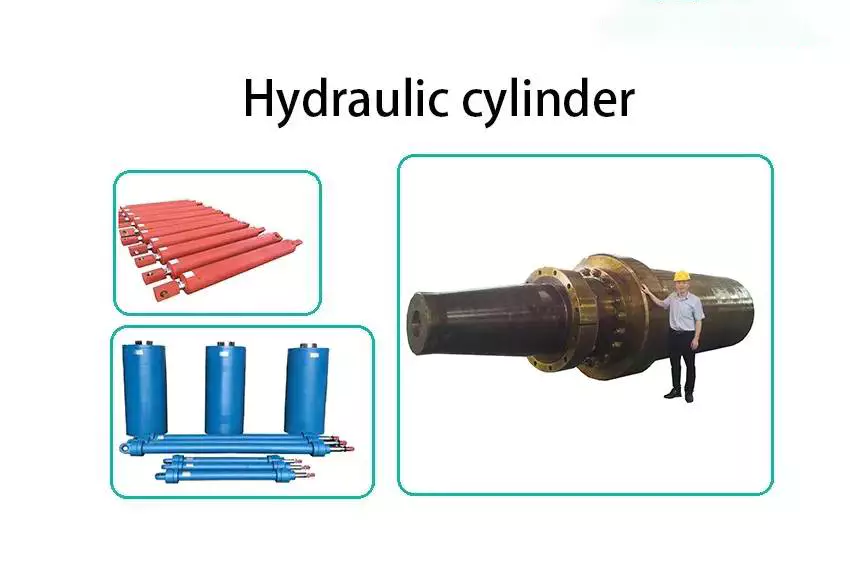
Adaptation of Hydraulic Cylinders for Medical Equipment and Aerospace Applications
Hydraulic cylinders have the potential to be adapted for use in medical equipment and aerospace applications, offering unique advantages in these industries. Let’s explore how hydraulic cylinders can be adapted for these specialized fields:
- Medical Equipment: Hydraulic cylinders can be adapted for various medical equipment applications, including hospital beds, patient lifts, surgical tables, and rehabilitation devices. Here’s how hydraulic cylinders are beneficial in medical equipment:
- Positioning and Adjustability: Hydraulic cylinders provide precise and smooth movement, allowing for accurate positioning and adjustments of medical equipment. This is crucial for ensuring patient comfort, proper alignment, and ease of use.
- Load Handling: Hydraulic cylinders offer high force capabilities, enabling the safe handling of heavy loads in medical equipment. They can support the weight of patients, facilitate smooth transitions, and provide stability during procedures.
- Controlled Motion: Hydraulic cylinders provide controlled and stable motion, which is essential for delicate medical procedures. The ability to adjust speed, position, and force allows for precise and controlled movements, minimizing patient discomfort and ensuring accurate treatment.
- Durability and Reliability: Hydraulic cylinders are designed to withstand rigorous use and demanding environments, making them suitable for medical equipment applications. Their durability and reliability contribute to the long-term performance and safety of medical devices.
- Aerospace Applications: Hydraulic cylinders can also be adapted for aerospace applications, where lightweight yet robust systems are essential. Here’s how hydraulic cylinders are advantageous in aerospace:
- Flight Control Systems: Hydraulic cylinders play a critical role in aircraft flight control systems, including ailerons, elevators, rudders, and landing gear. They provide precise and reliable actuation, allowing pilots to control the aircraft’s movements with accuracy and responsiveness.
- Weight Optimization: Hydraulic cylinders can be designed using lightweight materials, such as aluminum alloys or composite materials, to reduce overall weight. This weight optimization is crucial in aerospace applications to enhance fuel efficiency, payload capacity, and aircraft performance.
- Shock and Vibration Resistance: Aerospace environments involve significant shock and vibration forces. Hydraulic cylinders can be engineered to withstand these dynamic loads while maintaining performance and reliability, ensuring consistent operation even under extreme conditions.
- Space Constraints: Hydraulic cylinders can be designed to fit within the space constraints of aircraft or spacecraft. Their compact size and flexible mounting options allow for efficient integration into the limited available space.
In summary, hydraulic cylinders can be adapted for use in medical equipment and aerospace applications, leveraging their precise positioning, load handling capabilities, controlled motion, durability, and reliability. In medical equipment, hydraulic cylinders enable comfortable patient positioning, smooth transitions, and controlled movements during procedures. In aerospace, hydraulic cylinders provide precise actuation, weight optimization, shock and vibration resistance, and space-efficient solutions. By adapting hydraulic cylinders to these specialized fields, manufacturers can meet the unique requirements and enhance the performance of medical equipment and aerospace systems.
Can you explain the role and significance of hydraulic cylinders in machinery?
Hydraulic cylinders play a crucial role in machinery across various industries. They are essential components that provide controlled and powerful linear motion, enabling the operation of heavy equipment and facilitating numerous tasks. The role and significance of hydraulic cylinders in machinery can be explained in detail as follows:
Role of Hydraulic Cylinders:
– Conversion of Hydraulic Energy: Hydraulic cylinders convert hydraulic energy, typically in the form of pressurized hydraulic fluid, into linear force and motion. This conversion allows machinery to perform tasks such as lifting, pushing, pulling, clamping, tilting, and controlling various mechanisms.
– Generation of Linear Motion: Hydraulic cylinders generate linear motion by utilizing the principles of Pascal’s law. When hydraulic fluid is directed into one side of the cylinder, it applies pressure on the piston, resulting in linear movement of the piston and the attached piston rod. This linear motion can be used to actuate other components within the machinery or directly perform the required task.
– Force Generation: Hydraulic cylinders are capable of generating high forces due to the hydraulic pressure applied to the piston. The force output of a hydraulic cylinder depends on the surface area of the piston and the pressure of the hydraulic fluid. This force allows machinery to exert significant power for lifting heavy loads, applying pressure, or overcoming resistance.
– Precise Control: Hydraulic cylinders offer precise control over the linear motion and force exerted. By regulating the flow of hydraulic fluid, the speed and direction of the cylinder’s movement can be accurately adjusted. This level of control is crucial in machinery that requires precise positioning, delicate movements, or synchronization of multiple cylinders.
– Integration with Hydraulic Systems: Hydraulic cylinders are integral parts of hydraulic systems used in machinery. They work in conjunction with hydraulic pumps, valves, and actuators to create a complete hydraulic circuit. This integration allows for efficient power transmission, control, and coordination of various machine functions.
Significance of Hydraulic Cylinders:
– Heavy Equipment Operation: Hydraulic cylinders are vital in heavy machinery used in construction, mining, agriculture, material handling, and other industries. They enable the lifting and movement of heavy loads, the operation of attachments, and the performance of tasks that require high force and precision.
– Versatility and Adaptability: Hydraulic cylinders are versatile components that can be designed and tailored to meet specific machinery requirements. They can be integrated into various types of equipment and customized based on factors such as force capacity, stroke length, speed, and mounting options. This adaptability makes hydraulic cylinders suitable for diverse applications.
– Durability and Reliability: Hydraulic cylinders are built to withstand rigorous operating conditions, including high pressures, heavy loads, and continuous use. They are designed with robust materials, precise machining, and effective sealing systems to ensure durability and reliability over extended periods of operation.
– Safety and Load Control: Hydraulic cylinders provide safe and controlled operation in machinery. They offer overload protection mechanisms, such as relief valves, to prevent damage caused by excessive force or pressure. Additionally, hydraulic cylinders allow for precise load control, minimizing the risk of accidents during lifting, lowering, or positioning of heavy loads.
– Compact Design: Hydraulic cylinders offer a high power-to-size ratio, allowing for compact machinery design. Their relatively small size compared to the forces they can generate makes them suitable for applications where space is limited or weight restrictions apply.
– Energy Efficiency: Hydraulic cylinders contribute to energy efficiency in machinery. The use of hydraulic systems allows for the transfer of power over long distances without significant power losses. Additionally, hydraulic cylinders can incorporate energy-saving features such as load-sensing technology and regenerative circuits, reducing energy consumption.
Overall, hydraulic cylinders play a vital role in machinery by providing controlled and powerful linear motion. Their significance lies in their ability to convert hydraulic energy, generate high forces, offer precise control, integrate with hydraulic systems, and facilitate the operation of heavy equipment across various industries. Hydraulic cylinders contribute to increased productivity, safety, and efficiency in machinery applications, making them indispensable components in modern-day engineering.


editor by CX 2023-12-02