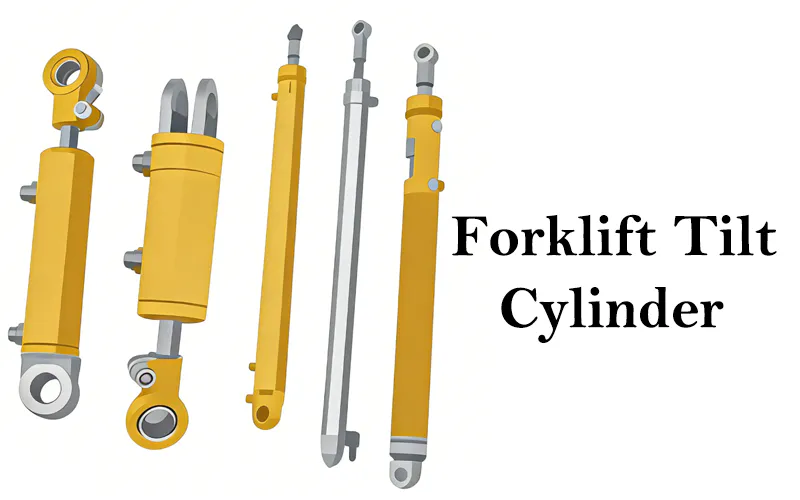
Ürün Açıklaması
Bu hidrolik silindir, asfalt serme makineleri için özel olarak tasarlanmıştır.
Bu silindir, kompakt yapısı ve yüksek güvenilirliği ile öne çıkmaktadır.
| Model | Delik Çapı (mm) |
Çubuk Çapı (mm) |
Felç (mm) |
Nominal Basınç (çubuk) |
| HSG55/32-400*650-WX | 55 | 32 | 400 | 210 |
| Tip: | Hidrolik Silindir |
|---|---|
| Başvuru: | Kamyonlar, Forkliftler, Vinçler, Yükleyiciler, Yol Makineleri |
| Nominal Pressure: | 210 Bar |
| Stroke: | 400 mm |
| Sertifika: | ISO9001:2008 |
| Garanti: | 1 Yıl |
| Özelleştirme: |
Mevcut
|
|
|---|
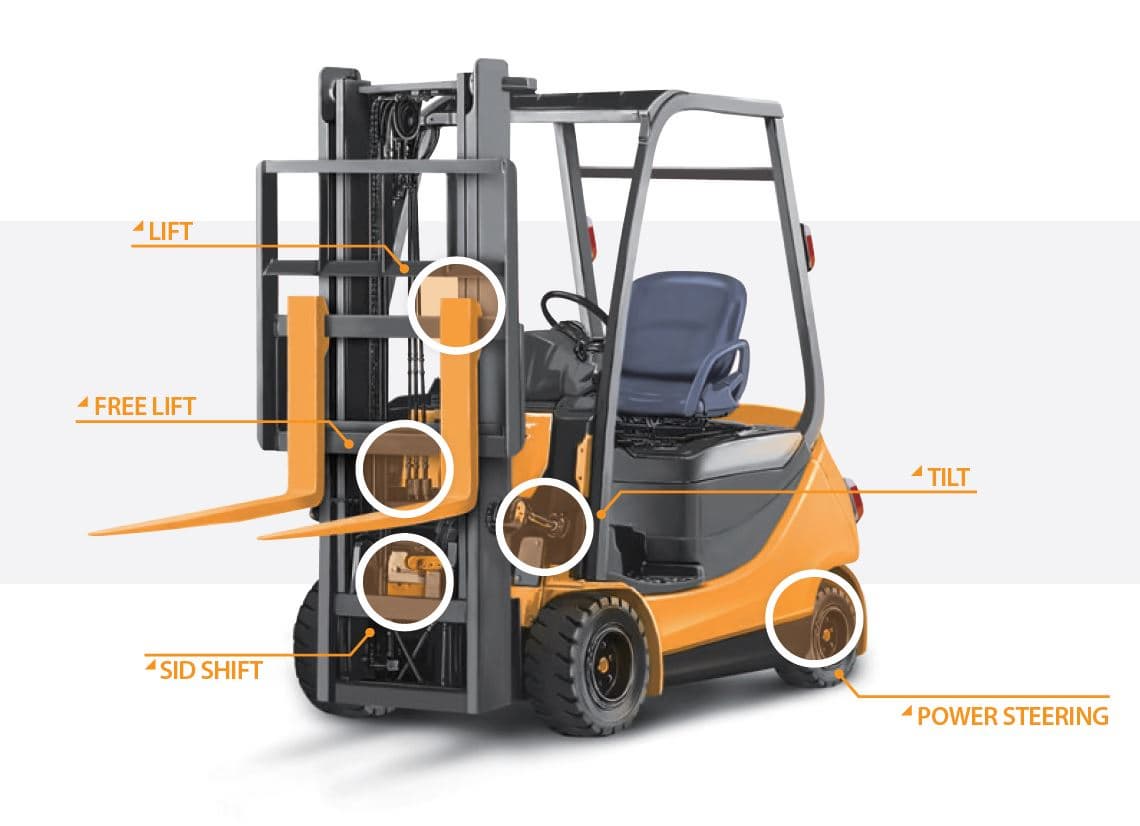
Yan yüklemeli forkliftlerde hidrolik silindirler kullanılabilir mi?
Evet, hidrolik silindirler yandan yüklemeli forkliftlerde kullanılabilir. Hidrolik sistemler, hidrolik silindirler de dahil olmak üzere, yandan yüklemeli forkliftlerde yaygın olarak kullanılır ve çalışmalarında kritik bir rol oynar. İşte kullanımlarına dair bir açıklama:
Yan yüklemeli forkliftler, kereste, boru ve diğer uzun ve hacimli malzemeler gibi uzun ve hacimli eşyaların yüklenmesi ve boşaltılması için özel olarak tasarlanmıştır. Bu forkliftler, geleneksel forkliftlerin aksine, yükü önden veya arkadan değil, yandan yaklaşmalarına olanak tanıyan benzersiz bir yapıya sahiptir.
Yan yüklemeli forkliftlerdeki hidrolik silindirler, işlevselliklerinin ayrılmaz bir parçasıdır ve aşağıdaki şekillerde katkıda bulunurlar:
1. Yanal Hareket:
Yan yüklemeli forkliftlerde, yük taşıma platformunun veya çatalların yanal hareketini sağlamak için hidrolik silindirler kullanılır. Bu silindirler genellikle yatay olarak konumlandırılır ve çatalların veya platformun uzatılıp geri çekilmesi için gerekli kuvveti sağlayarak hassas yanal harekete olanak tanır. Hidrolik sistem, silindirlerin uzatılıp geri çekilmesini kontrol ederek uzun ve hacimli eşyaların verimli bir şekilde yüklenmesini ve boşaltılmasını kolaylaştırır.
2. Yük Stabilitesi:
Yan yüklemeli forkliftlerde hidrolik silindirler, yük stabilitesine de katkıda bulunur. Çatalların veya platformun yüksekliğini ve açısını ayarlayarak, silindirler yükün taşıma sırasında güvenli kalmasını sağlamaya yardımcı olur. Hidrolik sistem, yükün konumlandırılması üzerinde hassas kontrol sağlayarak, yan yükleme işlemleri sırasında kayma veya devrilme riskini en aza indirir.
3. Ağırlık Dağılımı:
Hidrolik silindirler, yandan yüklemeli forkliftlerde ağırlığın doğru dağılımının sağlanmasına yardımcı olur. Yük taşıma platformunun veya çatalların yüksekliğini ve açısını ayarlayarak, silindirler yükün ağırlığının forklift boyunca eşit şekilde dağıtılmasına yardımcı olur. Bu, yandan yükleme manevraları sırasında denge ve istikrar sağlayarak devrilme veya aşırı yüklenme riskini azaltır.
4. Kontrol ve Manevra Kabiliyeti:
Silindirler de dahil olmak üzere hidrolik sistem, yandan yüklemeli forkliftlerde hassas kontrol ve manevra kabiliyeti sağlar. Operatörler, silindirlerin uzatma ve geri çekme hareketlerini ayarlayarak dar alanlarda hareket edebilir, yükü doğru bir şekilde konumlandırabilir ve hassas manevraları kolaylıkla gerçekleştirebilirler. Hidrolik sistemin tepki hızı ve kontrolü, yandan yükleme işlemlerinin genel verimliliğini ve güvenliğini artırır.
Özetle, hidrolik silindirler yandan yüklemeli forkliftlerin temel bileşenleridir. Yanal hareketi mümkün kılarlar, yük stabilitesine katkıda bulunurlar, doğru ağırlık dağılımının korunmasına yardımcı olurlar ve kontrol ve manevra kabiliyeti sağlarlar. Hidrolik güç kullanarak, bu silindirler yandan yüklemeli forklift uygulamalarında uzun ve hacimli eşyaların verimli ve güvenli bir şekilde yüklenmesini ve boşaltılmasını kolaylaştırır.
 \
\
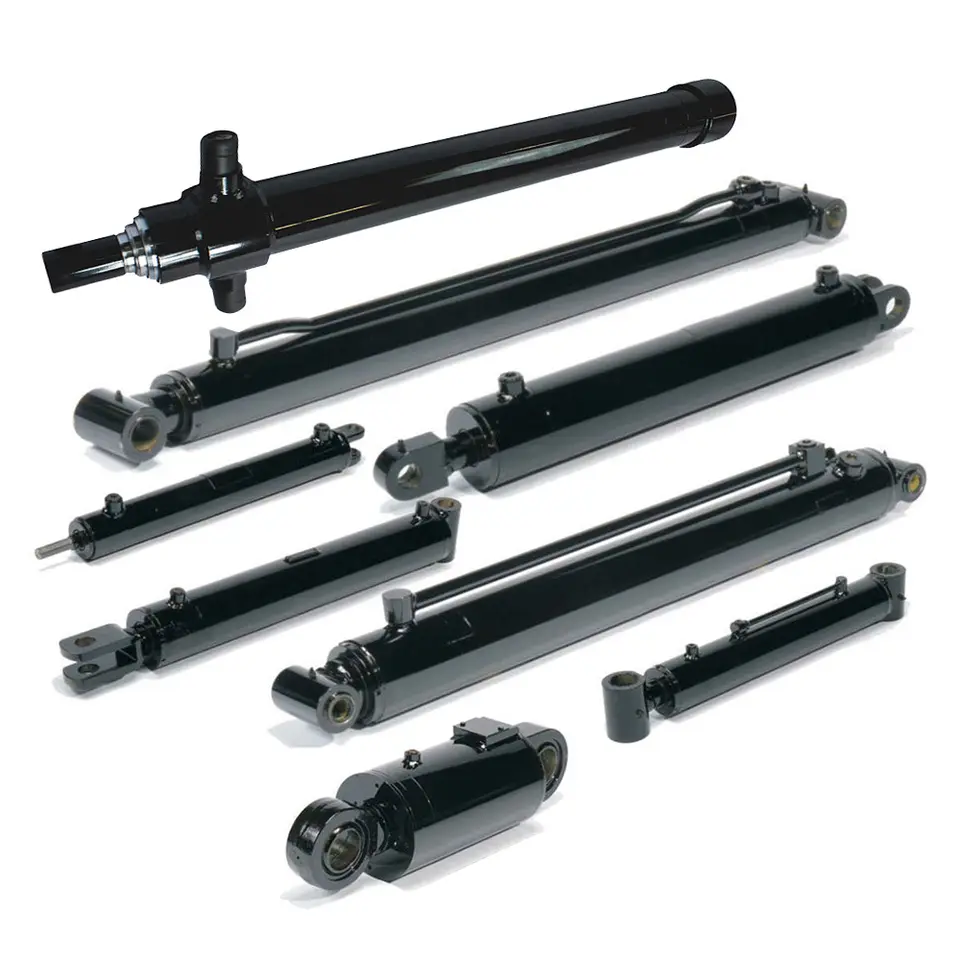
Can hydraulic cylinders be used in order fulfillment centers?
Yes, hydraulic cylinders can be used in order fulfillment centers. Order fulfillment centers require efficient and precise material handling equipment to handle the storage and movement of goods. Hydraulic cylinders are commonly used in various applications within these centers. Here’s an explanation of how they can be utilized:
Hydraulic cylinders find applications in order fulfillment centers in the following ways:
1. Conveyor Systems:
Conveyor systems are extensively used in order fulfillment centers for the transportation of goods. Hydraulic cylinders are employed to control the movement and positioning of conveyor belts. These cylinders enable smooth and precise adjustments of the conveyor height, ensuring efficient transfer of items between different processing areas.
2. Lift Tables and Platforms:
Hydraulic cylinders are utilized in lift tables and platforms used for order picking and loading/unloading operations. These cylinders provide controlled lifting and lowering of the tables or platforms, allowing operators to adjust the working height as needed. This enables ergonomic working conditions and precise alignment with shelving or loading docks.
3. Scissor Lifts:
Scissor lifts are commonly used in order fulfillment centers to reach elevated areas for order picking or stock replenishment. Hydraulic cylinders power the vertical movement of scissor lifts, providing stability and controlled elevation. The cylinders allow for precise positioning at different heights, enhancing efficiency and safety during the order fulfillment process.
4. Pallet Handling Equipment:
Order fulfillment centers often utilize pallet handling equipment, such as pallet jacks and pallet positioners, to move and stack palletized goods. Hydraulic cylinders are integral components of these machines, enabling the lifting and lowering of pallets. The cylinders provide the necessary force and control to handle heavy loads and ensure accurate placement of pallets.
5. Automated Guided Vehicles (AGVs):
AGVs are autonomous vehicles utilized in order fulfillment centers to transport goods within the facility. Hydraulic cylinders are employed in the lifting mechanisms of AGVs, allowing them to pick up and drop off loads at designated locations. The cylinders enable precise vertical movement and positioning of the load, ensuring accurate and efficient material handling.
In summary, hydraulic cylinders have various applications in order fulfillment centers, including conveyor systems, lift tables and platforms, scissor lifts, pallet handling equipment, and AGVs. These cylinders contribute to efficient and precise material handling, enhancing productivity and streamlining the order fulfillment process.
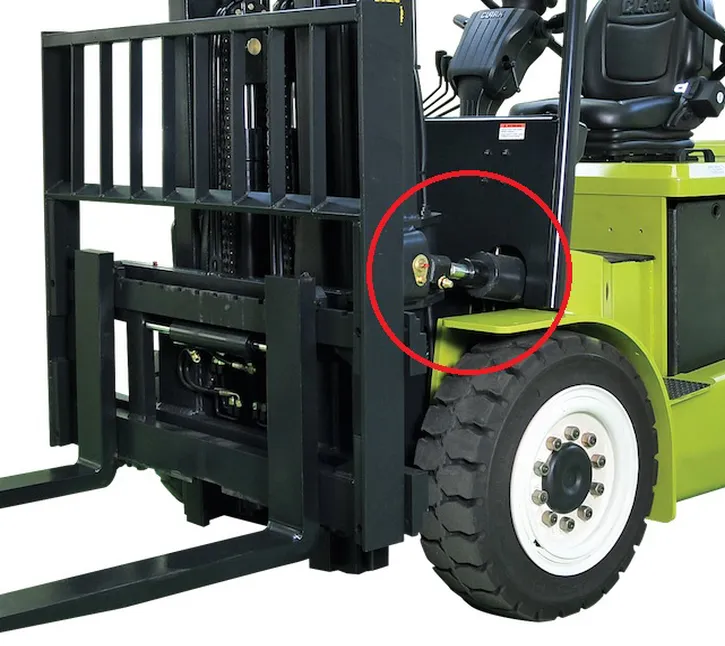
How Does a Forklift Hydraulic Cylinder Handle Variations in Lift Height?
A forklift hydraulic cylinder is responsible for raising and lowering the forks or lifting platform, allowing the forklift to handle loads at different heights. It handles variations in lift height through a combination of design features and hydraulic principles. Here’s a detailed explanation of how a forklift hydraulic cylinder handles variations in lift height:
1. Piston and Cylinder Design:
The hydraulic cylinder consists of a piston and a cylinder, which are sealed together to form a closed hydraulic system. The piston is connected to the forks or lifting platform, while the cylinder is fixed to the forklift frame. The design of the piston and cylinder allows for smooth movement and effective transfer of hydraulic pressure to generate lifting force.
2. Hydraulic Fluid and Pressure:
The hydraulic cylinder operates on the principle of Pascal’s Law, which states that when pressure is applied to a fluid in a closed system, it is transmitted equally in all directions. In the case of a forklift hydraulic cylinder, hydraulic fluid is used as the medium to transmit pressure. When hydraulic fluid is pumped into the cylinder, it creates pressure on the piston, causing it to move upward and lift the forks or lifting platform.
3. Cross-Sectional Area and Force:
The cross-sectional area of the piston within the hydraulic cylinder determines the force that can be exerted. A larger piston area can generate a greater lifting force. By varying the diameter of the piston, forklift manufacturers can adjust the lifting capacity and handle variations in lift height. Forklifts designed for heavier loads typically have larger piston areas to generate the necessary lifting force.
4. Valves and Controls:
The hydraulic system of a forklift includes valves and controls that regulate the flow of hydraulic fluid to the cylinder. These valves, such as control valves and relief valves, allow for precise control of the lifting operation. By adjusting the valves, operators can control the speed of ascent and descent, enabling smooth and controlled variations in lift height.
5. Telescopic Cylinders:
In some forklift designs, especially those used for high-reach applications, telescopic cylinders are employed. Telescopic cylinders consist of several nested stages that extend and retract, providing increased lift height. These cylinders allow for a compact design when retracted while offering extended reach when fully extended. Telescopic cylinders enable forklifts to handle variations in lift height without compromising stability or requiring excessively long cylinder strokes.
6. Stability and Counterbalancing:
Handling variations in lift height requires maintaining forklift stability. Forklifts are designed with counterweight systems to balance the load and prevent tipping. The hydraulic cylinder’s operation is coordinated with the counterweight system, ensuring that the center of gravity remains within safe limits during lifting and lowering operations. This counterbalancing helps maintain stability even when handling loads at different heights.
Through careful design, hydraulic principles, and the integration of valves and controls, a forklift hydraulic cylinder effectively handles variations in lift height. The combination of hydraulic pressure, piston and cylinder design, control mechanisms, and counterbalancing ensures precise and controlled lifting operations, allowing forklifts to safely handle loads at different heights as required in various material handling applications.


editor by CX 2023-10-19