Mô tả sản phẩm
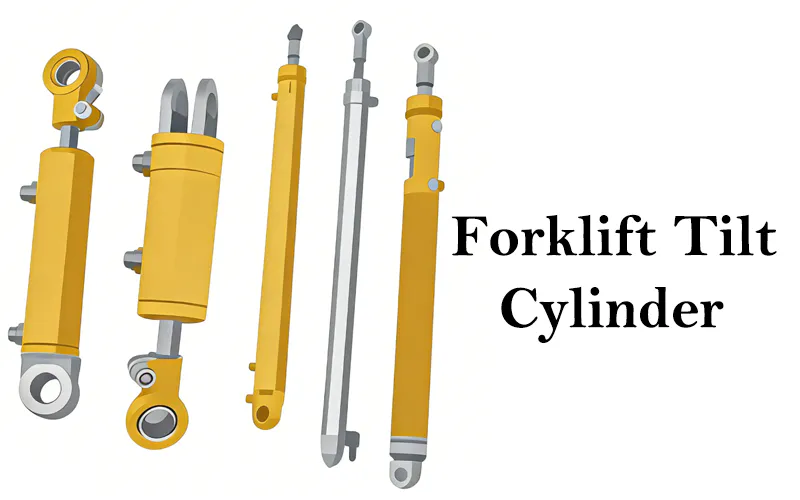
replacement cylinder hydraulic tilt cylinder
- Thông tin sản phẩm
- Thông số kỹ thuật
|
Vật liệu
|
Tube – Cold Drawn / Honed Tubing Piston Rod – Chromed, ground & polished 45#steel Gioăng trục – Nắp chữ U bằng polyurethane End Caps – Steel, threaded fixed Vòng chống mài mòn – Vòng đệm dự phòng bằng nylon Giá đỡ – Trục xoay có khớp nối góc |
|
Ứng dụng
|
Agriculture, Concrete & Asphalt, Cranes, Fire & Rescue,Forestry & Logging,Mining & Rock Crushing,Oil & Gas,Snow & Ice Control,Waste Management and Material Recycling Industry , Engineering Equipment, Special Xe cộ, Thiết bị tập thể dục
|
|
Tính năng |
1. Chất lượng cao với giá cả hợp lý 2. Tiêu chuẩn ISO 9001-2008 3. Chúng tôi chấp nhận các thông số kỹ thuật tùy chỉnh. |
|
Sự chi trả |
T/T;L/C,WESTERN UNION |
|
Cảng |
Hàng Châu/Chiết Giang, Trung Quốc |
|
Trích dẫn |
Theo yêu cầu cụ thể |
|
Số lượng đặt hàng tối thiểu |
Theo sản phẩm |
|
Bao bì
|
Thùng kim loại; thùng gỗ dán; thùng carton hoặc theo yêu cầu |
|
Thời gian giao hàng |
Trong vòng 30 ngày, CHINAMFG sẽ nhận được khoản tiền đặt cọc 30%; hoặc CHINAMFG sẽ nhận được thư tín dụng (L/C) có liên quan; |
- Về chúng tôi
Chúng tôi chuyên về lĩnh vực này hơn 20 năm và là nhà phân phối các sản phẩm chính như: xi lanh thủy lực, bộ nguồn thủy lực, cụm van thủy lực, mặt bích thủy lực, xi lanh khí nén và các linh kiện, phụ tùng sản xuất theo yêu cầu, ví dụ như van công nghiệp.
Thị trường bán hàng của chúng tôi trải rộng khắp Bắc Mỹ, Châu Âu, Úc, Nhật Bản, v.v.
- Quy trình làm việc
- Đóng gói và vận chuyển
- Câu hỏi thường gặp
Câu 1: Bạn có nhận sản xuất theo đơn đặt hàng (OEM) không?
A1: Có! Chúng tôi nhận sản xuất theo đơn đặt hàng (OEM). Chúng tôi sẽ báo giá chính xác và sản xuất xi lanh chính xác theo thông số kỹ thuật và bản vẽ của bạn.
Câu 2: Chúng tôi có thể tự thiết kế bao bì hoặc in logo của riêng mình không?
A2: Vâng! Bao bì và logo sẽ được thiết kế theo yêu cầu của bạn.
Câu 3: Chúng tôi có thể lấy mẫu với số lượng nhỏ được không?
A3: Vâng! Chúng tôi hiểu rằng kiểm tra chất lượng rất quan trọng và chúng tôi rất vui được làm mẫu cho bạn. Số lượng đặt hàng tối thiểu là 1 chiếc.
Câu 4: Thời gian sản xuất là bao lâu?
A4: Thông thường thời gian sản xuất là 30 ngày.
Câu 5: Chế độ bảo hành là gì?
A5: 12 tháng kể từ ngày giao hàng (B/L).
Hãy liên hệ với tôi, mọi ý kiến đóng góp đều được hoan nghênh.
Ellen Wang
| Chứng nhận: | CE, ISO9001 |
|---|---|
| Áp lực: | Áp suất trung bình |
| Nhiệt độ làm việc: | Nhiệt độ bình thường |
| Mẫu: |
US$ 159/Mảnh
1 chiếc (Số lượng đặt tối thiểu) | Đặt hàng mẫu |
|---|
| Tùy chỉnh: |
Có sẵn
|
|
|---|
.shipping-cost-tm .tm-status-off{background: none;padding:0;color: #1470cc}
|
Chi phí vận chuyển:
Cước phí vận chuyển ước tính cho mỗi đơn vị sản phẩm. |
Thông tin về chi phí vận chuyển và thời gian giao hàng dự kiến. |
|---|
| Phương thức thanh toán: |
|
|---|---|
|
Khoản thanh toán ban đầu Thanh toán đầy đủ |
| Tiền tệ: | US$ |
|---|
| Chính sách đổi trả và hoàn tiền: | Bạn có thể yêu cầu hoàn tiền trong vòng 30 ngày kể từ ngày nhận sản phẩm. |
|---|
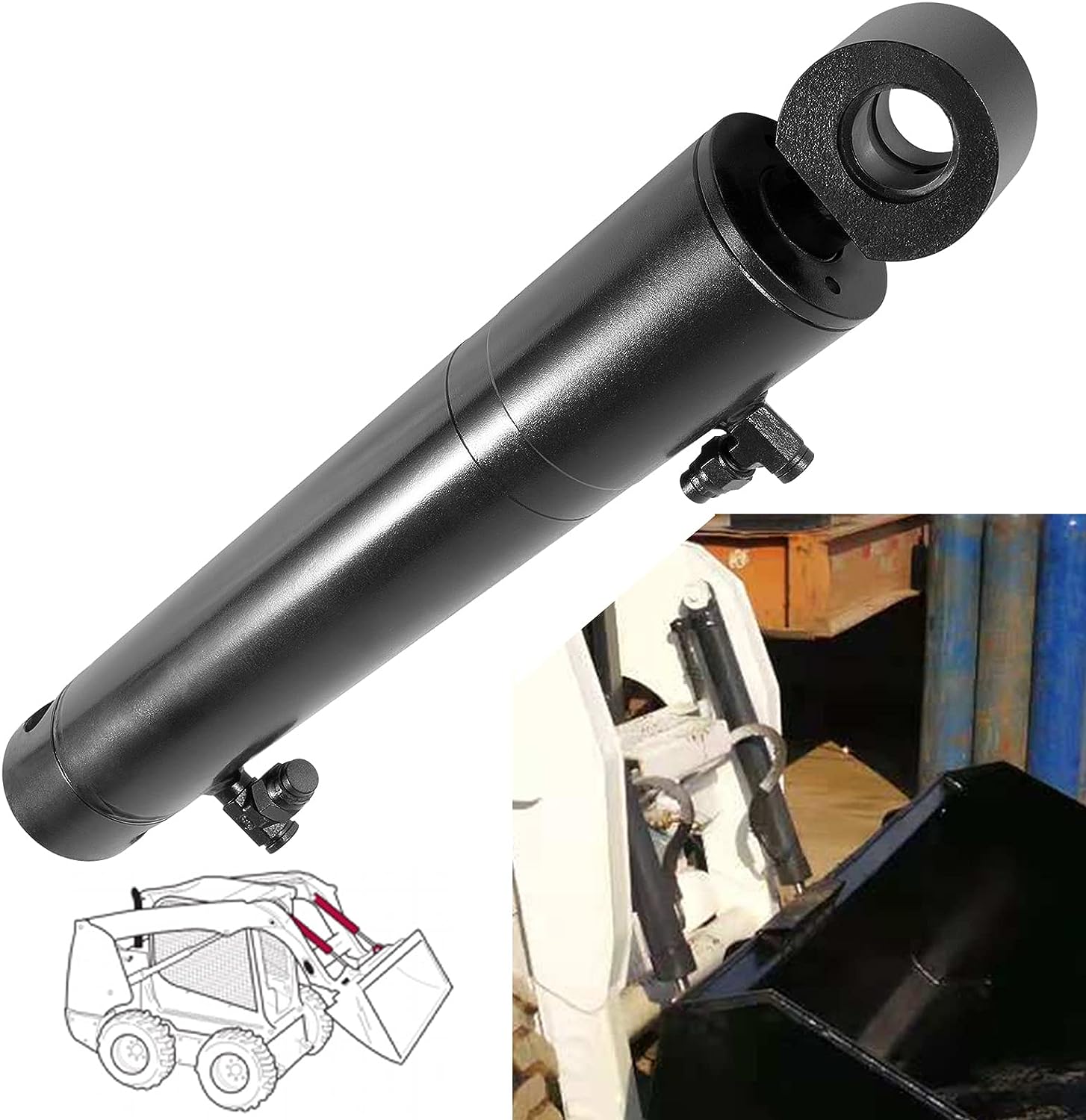
How does a tilt cylinder handle variations in hydraulic pressure and flow rate?
A tilt cylinder is designed to handle variations in hydraulic pressure and flow rate effectively. It incorporates specific features and mechanisms that allow it to operate reliably under different hydraulic conditions. Here’s a detailed explanation:
- Pressure Compensation: Tilt cylinders are equipped with pressure compensation mechanisms to handle variations in hydraulic pressure. These mechanisms ensure that the cylinder can function properly even when the hydraulic system experiences fluctuations in pressure. The pressure compensation feature allows the cylinder to maintain consistent force and performance, regardless of the changes in hydraulic pressure.
- Flow Control: Tilt cylinders are designed to accommodate variations in hydraulic flow rate. They have internal passages and ports that allow the hydraulic fluid to flow into and out of the cylinder. The cylinder’s design ensures that it can handle different flow rates without compromising its functionality. Whether the hydraulic flow rate is high or low, the tilt cylinder can adjust accordingly and provide the necessary force and control for load manipulation.
- Sealing Mechanisms: Tilt cylinders incorporate sealing mechanisms to prevent leakage and maintain hydraulic integrity. These seals are designed to withstand variations in pressure and flow rate, ensuring that the hydraulic fluid remains contained within the cylinder. The seals also help maintain the required pressure within the cylinder, allowing it to operate efficiently and effectively, regardless of the hydraulic conditions.
- Internal Design: The internal design of a tilt cylinder takes into account variations in hydraulic pressure and flow rate. The cylinder’s internal components, such as piston, rod, and cylinder barrel, are engineered to withstand different hydraulic conditions. They are designed to handle the forces exerted by varying pressure and flow rates, ensuring smooth operation and longevity of the cylinder.
- Hydraulic System Compatibility: Tilt cylinders are designed to be compatible with the hydraulic systems of the equipment they are installed in. Manufacturers ensure that the cylinders can handle the expected pressure and flow rate ranges of the hydraulic system. This compatibility allows for seamless integration and optimal performance, even when there are variations in hydraulic conditions.
- Quality Control and Testing: Tilt cylinders undergo rigorous quality control measures and testing during the manufacturing process. These measures ensure that the cylinders can handle variations in hydraulic pressure and flow rate within specified tolerances. Manufacturers test the cylinders under different hydraulic conditions to verify their performance, reliability, and ability to handle variations in pressure and flow.
By incorporating pressure compensation mechanisms, flow control features, sealing mechanisms, robust internal design, hydraulic system compatibility, and thorough quality control, tilt cylinders are capable of handling variations in hydraulic pressure and flow rate. These cylinders provide reliable and consistent performance, regardless of the hydraulic conditions, ensuring smooth and efficient operation in material handling and construction equipment.
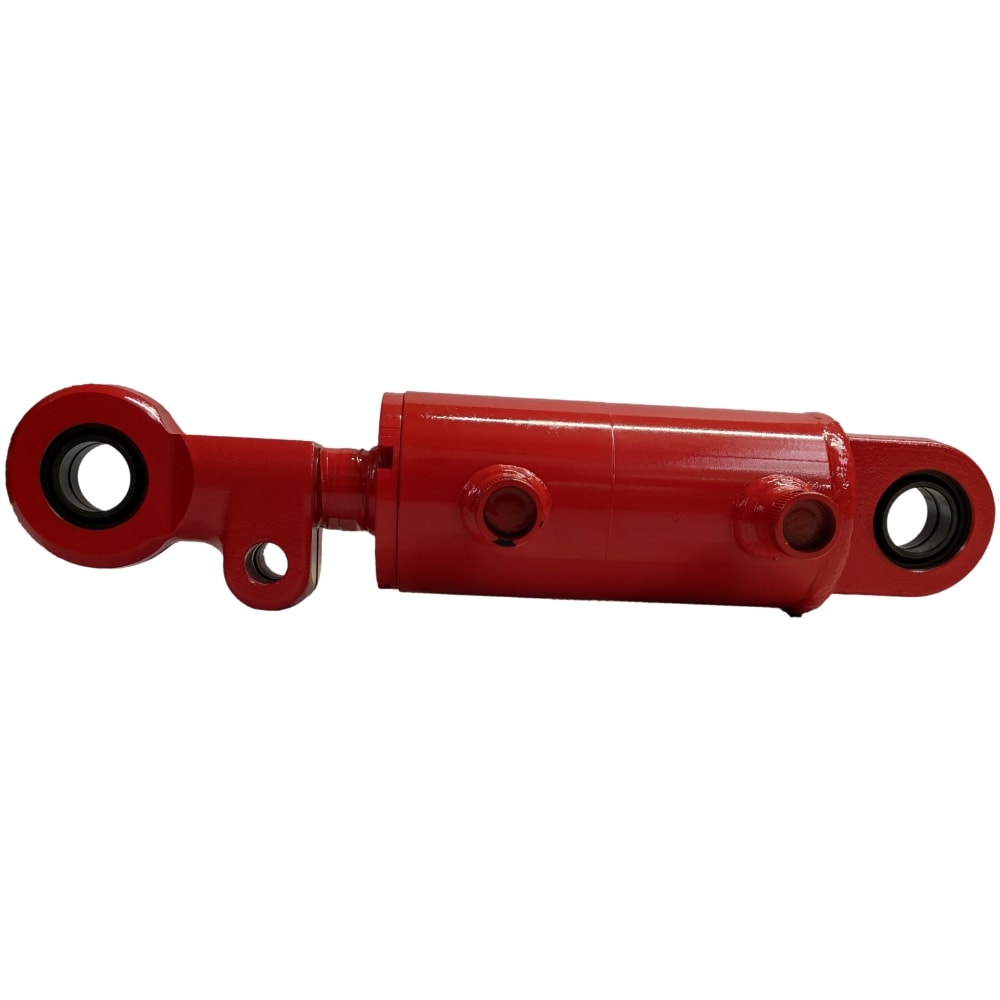
How does a tilt cylinder contribute to energy-efficient equipment operation?
A tilt cylinder plays a significant role in promoting energy-efficient equipment operation. By implementing certain design features and functionalities, tilt cylinders help optimize energy usage and improve overall equipment performance. Here’s a detailed explanation:
- Accurate Control: Tilt cylinders allow for precise control of the angle and position of attachments or implements, such as blades or buckets. This level of control enables operators to perform tasks with greater accuracy, minimizing the need for rework or additional passes. By achieving the desired angle or position on the first attempt, energy consumption is reduced, leading to more efficient equipment operation.
- Reduced Wasted Effort: Tilt cylinders prevent wasted effort by providing operators with the ability to adjust the tilt angle according to the specific requirements of the task at hand. For example, in grading operations, the ability to fine-tune the blade angle ensures that only the necessary amount of soil is moved, avoiding unnecessary exertion and energy expenditure. By minimizing wasted effort, tilt cylinders contribute to energy conservation and more efficient equipment operation.
- Optimized Material Handling: In equipment like excavators, tilt cylinders allow for precise control of the bucket tilt angle during material handling operations. This optimized control ensures that the right amount of material is loaded or dumped, minimizing spillage and unnecessary movements. By reducing material waste and improving handling efficiency, energy consumption is optimized, resulting in energy-efficient equipment operation.
- Hydraulic System Efficiency: Tilt cylinders are part of the hydraulic system in equipment. A well-designed hydraulic system, including the tilt cylinder, ensures efficient power transmission and minimal energy losses. By utilizing advanced hydraulic technologies, such as efficient pumps, valves, and control systems, equipment manufacturers can optimize the energy efficiency of the overall system, including the tilt cylinder’s operation.
- Smart Control Systems: Some modern equipment incorporates smart control systems that integrate with the tilt cylinder. These systems utilize sensors, actuators, and data processing capabilities to optimize equipment operation and energy usage. By analyzing real-time data, such as load conditions, terrain characteristics, and operator inputs, the control system can adjust the tilt cylinder’s operation for maximum energy efficiency while maintaining productivity.
- System Integration and Optimization: Tilt cylinders are designed to integrate seamlessly into the overall equipment system. Manufacturers optimize the interaction between the tilt cylinder, hydraulic system, control systems, and other components to achieve energy-efficient equipment operation. Components are selected and engineered to work together harmoniously, minimizing energy losses and maximizing system performance.
By enabling accurate control, reducing wasted effort, optimizing material handling, contributing to efficient hydraulic systems, incorporating smart control systems, and focusing on system integration and optimization, tilt cylinders significantly contribute to energy-efficient equipment operation. These cylinders play a vital role in enhancing productivity while minimizing energy consumption, promoting sustainability, and reducing operational costs.
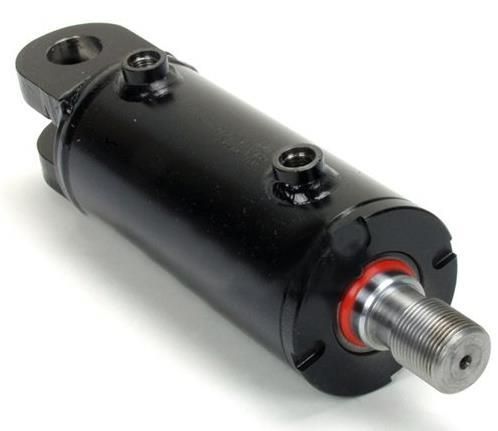
Xi lanh nghiêng xử lý sự thay đổi về độ nghiêng và vị trí của thiết bị như thế nào?
Xi lanh nghiêng được thiết kế để xử lý các thay đổi về độ nghiêng và vị trí của thiết bị bằng cách tích hợp các tính năng và cơ chế cụ thể. Những tính năng này cho phép xi lanh nghiêng thích ứng hiệu quả với các góc độ và vị trí khác nhau. Dưới đây là giải thích về cách xi lanh nghiêng xử lý các thay đổi về độ nghiêng và vị trí của thiết bị:
- Phạm vi chuyển động: Xi lanh nghiêng được thiết kế để cung cấp phạm vi chuyển động rộng. Chúng có thể nghiêng hoặc điều chỉnh góc các bộ phận trong một phạm vi nhất định, cho phép nhiều vị trí và góc độ khác nhau. Phạm vi chuyển động được xác định bởi thiết kế và cấu tạo của xi lanh, cũng như các điểm gắn trên thiết bị. Tính linh hoạt này cho phép xi lanh nghiêng đáp ứng các yêu cầu nghiêng khác nhau và thích ứng với các vị trí thiết bị khác nhau.
- Van điều khiển: Xi lanh nghiêng được trang bị van điều khiển cho phép kiểm soát chính xác chuyển động nghiêng. Các van này điều chỉnh lưu lượng và hướng của chất lỏng thủy lực, cho phép người vận hành kiểm soát tốc độ, phạm vi và hướng nghiêng. Bằng cách điều chỉnh các van điều khiển, người vận hành có thể tinh chỉnh vị trí của thiết bị, bù đắp cho sự thay đổi độ nghiêng và đảm bảo sự căn chỉnh chính xác.
- Cơ chế phản hồi: Một số xi lanh nghiêng tích hợp các cơ chế phản hồi như công tắc giới hạn hoặc cảm biến. Các cơ chế này cung cấp phản hồi theo thời gian thực về vị trí và góc của bộ phận được nghiêng. Bằng cách theo dõi phản hồi, người vận hành có thể điều chỉnh chính xác xi lanh nghiêng để bù lại sự thay đổi về độ nghiêng và vị trí của thiết bị. Điều này đảm bảo bộ phận vẫn ở vị trí và góc mong muốn, nâng cao hiệu quả hoạt động và an toàn.
- Điều khiển hệ thống thủy lực: Hệ thống thủy lực cung cấp năng lượng cho xi lanh nghiêng đóng vai trò quan trọng trong việc xử lý các thay đổi về độ nghiêng và vị trí của thiết bị. Hệ thống thủy lực bao gồm các bộ điều chỉnh áp suất, van điều khiển lưu lượng và các bộ phận khác cho phép người vận hành điều chỉnh chính xác áp suất và lưu lượng thủy lực. Bằng cách điều khiển hệ thống thủy lực, người vận hành có thể bù trừ cho các thay đổi về độ nghiêng của thiết bị và đạt được vị trí mong muốn với độ chính xác cao.
- Cấu trúc chắc chắn: Xi lanh nghiêng được chế tạo bằng vật liệu và cấu trúc chắc chắn để chịu được sự thay đổi về độ nghiêng và vị trí của thiết bị. Chúng được thiết kế để xử lý tải trọng cao và chống lại các lực tác động từ bên ngoài có thể ảnh hưởng đến chuyển động nghiêng. Cấu trúc chắc chắn đảm bảo độ bền và tính ổn định của xi lanh nghiêng, cho phép nó duy trì hiệu suất ổn định ngay cả trong điều kiện vận hành khắc nghiệt.
Nhìn chung, sự kết hợp của các yếu tố như phạm vi chuyển động, van điều khiển, cơ chế phản hồi, điều khiển hệ thống thủy lực và cấu trúc chắc chắn cho phép xi lanh nghiêng xử lý các thay đổi về độ nghiêng và vị trí của thiết bị. Những tính năng này hoạt động cùng nhau để đảm bảo khả năng điều khiển chính xác, tính thích ứng và độ ổn định, cho phép xi lanh nghiêng xử lý hiệu quả các góc độ và vị trí khác nhau của thiết bị mà nó được gắn vào.


editor by CX 2023-10-13