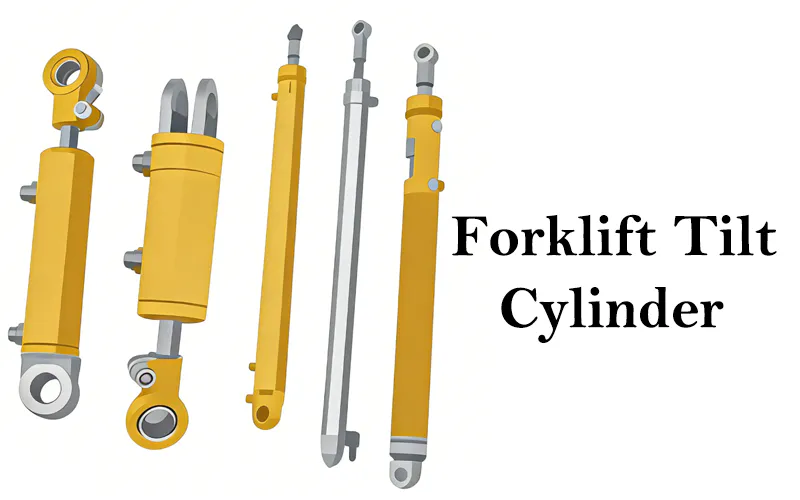
Mô tả sản phẩm
Mô tả sản phẩm
|
Tên sản phẩm |
Xi lanh thủy lực dòng HSG |
|||
|
Máy ép công nghiệp |
7/14/16/21/31.5MPa 37.5/63MPa Có thể tùy chỉnh |
|||
|
Vật liệu |
Nhôm, Gang, Thép 45mnb, Thép không gỉ |
|||
|
Kích thước lỗ khoan |
40mm–320mm, Có thể tùy chỉnh |
|||
|
Đường kính trục |
20mm–220mm, Có thể tùy chỉnh |
|||
|
Độ dài hành trình |
30mm–14100mm, Có thể tùy chỉnh |
|||
|
Độ cứng bề mặt thanh |
HRC48-54 |
|||
|
Màu sơn |
Đen, Vàng, Xanh dương, Nâu, Có thể tùy chỉnh |
|||
|
Lắp đặt |
Khuyên tai, mặt bích, chốt cài, chân đế, trục xoay, có thể tùy chỉnh. |
|||
|
Bảo hành |
1 năm |
|||
|
Số lượng đặt hàng tối thiểu |
1 chiếc |
|||
|
Thời gian giao hàng |
7-15 ngày, cũng tùy thuộc vào yêu cầu cụ thể. |
|||
|
Chứng nhận |
ISO9001, CE |
|||
Hồ sơ công ty
CÔNG TY TNHH MÁY MÓC THỦY LỰC QIANGLIN
| QiangLin là nhà sản xuất thiết bị thủy lực chuyên nghiệp, chủ yếu hoạt động trong lĩnh vực thiết kế, sản xuất, lắp đặt, chuyển đổi, bán hàng và dịch vụ kỹ thuật hệ thống thủy lực. Các cơ sở sản xuất của chúng tôi đạt chứng nhận tiêu chuẩn ISO 9001. Chúng tôi là nhà cung cấp được nhiều nhà sản xuất thiết bị tại Trung Quốc phê duyệt. Chúng tôi cũng là đối tác của nhiều khách hàng từ Mỹ, Canada, Úc, Đức, Anh và các nước châu Âu khác. Chất lượng sản phẩm, thời gian giao hàng ngắn hơn và sự hài lòng của khách hàng là cam kết lâu dài của chúng tôi đối với khách hàng CHINAMFG. Hy vọng được trở thành đối tác của bạn. |
Câu hỏi thường gặp:
Câu 1: Bạn là công ty thương mại hay nhà sản xuất?
A: Chúng tôi có nhà máy riêng.
Câu 2: Công ty có khả năng sản xuất các sản phẩm không theo tiêu chuẩn hoặc sản phẩm đặt làm riêng không?
A: Vâng, chúng ta có thể.
Câu 3: Thời gian giao hàng của bạn là bao lâu?
A: Thông thường, thời gian giao hàng là 7 ngày nếu có sẵn hàng, 15-30 ngày làm việc nếu không có sẵn. Nhưng...
Ngoài ra, điều này cũng phụ thuộc vào sản phẩm.
yêu cầu và số lượng.
Câu 4: Các bạn có cung cấp mẫu không? Mẫu có miễn phí hay không?
A: Vâng, chúng tôi có thể cung cấp mẫu, nhưng chúng không miễn phí.
Câu 5: Điều khoản thanh toán của bạn là gì?
A: Thanh toán bằng chuyển khoản ngân hàng (T/T) hoặc thư tín dụng không hủy ngang trả ngay (Irrevocable L/C at sight) theo điều khoản 30%. Nếu có bất kỳ thắc mắc nào, vui lòng liên hệ với chúng tôi.
Hãy liên hệ với chúng tôi.
Câu 6: Dịch vụ hậu mãi của quý công ty là gì?
A: Trước khi giao hàng, mỗi sản phẩm riêng lẻ sẽ được kiểm tra nghiêm ngặt theo quy trình kiểm soát chất lượng tại nhà máy của chúng tôi.
Hệ thống. Ngoài ra, chúng tôi có một
Đội ngũ Chăm sóc Khách hàng sẽ phản hồi các câu hỏi của khách hàng trong vòng 12 giờ. Hỗ trợ khách hàng trong việc...
Giải quyết vấn đề của khách hàng luôn là mục tiêu của chúng tôi.
| Chứng nhận: | CE, ISO9001 |
|---|---|
| Áp lực: | Áp suất cao |
| Nhiệt độ làm việc: | Nhiệt độ bình thường |
| Tùy chỉnh: |
Có sẵn
|
|
|---|
.shipping-cost-tm .tm-status-off{background: none;padding:0;color: #1470cc}
|
Chi phí vận chuyển:
Cước phí vận chuyển ước tính cho mỗi đơn vị sản phẩm. |
Thông tin về chi phí vận chuyển và thời gian giao hàng dự kiến. |
|---|
| Phương thức thanh toán: |
|
|---|---|
|
Khoản thanh toán ban đầu Thanh toán đầy đủ |
| Tiền tệ: | US$ |
|---|
| Chính sách đổi trả và hoàn tiền: | Bạn có thể yêu cầu hoàn tiền trong vòng 30 ngày kể từ ngày nhận sản phẩm. |
|---|
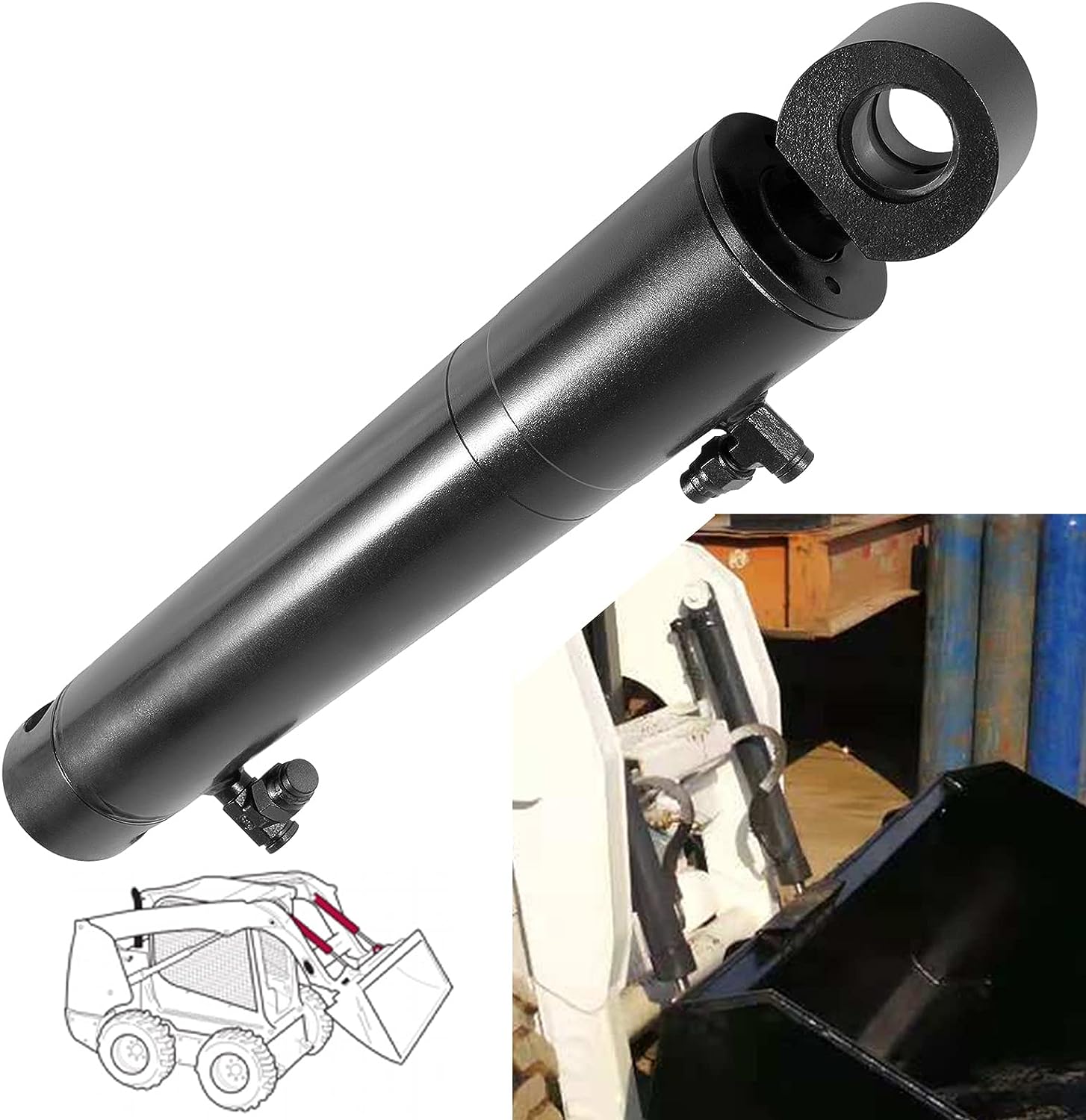
How does a tilt cylinder handle variations in hydraulic pressure and flow rate?
A tilt cylinder is designed to handle variations in hydraulic pressure and flow rate effectively. It incorporates specific features and mechanisms that allow it to operate reliably under different hydraulic conditions. Here’s a detailed explanation:
- Pressure Compensation: Tilt cylinders are equipped with pressure compensation mechanisms to handle variations in hydraulic pressure. These mechanisms ensure that the cylinder can function properly even when the hydraulic system experiences fluctuations in pressure. The pressure compensation feature allows the cylinder to maintain consistent force and performance, regardless of the changes in hydraulic pressure.
- Flow Control: Tilt cylinders are designed to accommodate variations in hydraulic flow rate. They have internal passages and ports that allow the hydraulic fluid to flow into and out of the cylinder. The cylinder’s design ensures that it can handle different flow rates without compromising its functionality. Whether the hydraulic flow rate is high or low, the tilt cylinder can adjust accordingly and provide the necessary force and control for load manipulation.
- Sealing Mechanisms: Tilt cylinders incorporate sealing mechanisms to prevent leakage and maintain hydraulic integrity. These seals are designed to withstand variations in pressure and flow rate, ensuring that the hydraulic fluid remains contained within the cylinder. The seals also help maintain the required pressure within the cylinder, allowing it to operate efficiently and effectively, regardless of the hydraulic conditions.
- Internal Design: The internal design of a tilt cylinder takes into account variations in hydraulic pressure and flow rate. The cylinder’s internal components, such as piston, rod, and cylinder barrel, are engineered to withstand different hydraulic conditions. They are designed to handle the forces exerted by varying pressure and flow rates, ensuring smooth operation and longevity of the cylinder.
- Hydraulic System Compatibility: Tilt cylinders are designed to be compatible with the hydraulic systems of the equipment they are installed in. Manufacturers ensure that the cylinders can handle the expected pressure and flow rate ranges of the hydraulic system. This compatibility allows for seamless integration and optimal performance, even when there are variations in hydraulic conditions.
- Quality Control and Testing: Tilt cylinders undergo rigorous quality control measures and testing during the manufacturing process. These measures ensure that the cylinders can handle variations in hydraulic pressure and flow rate within specified tolerances. Manufacturers test the cylinders under different hydraulic conditions to verify their performance, reliability, and ability to handle variations in pressure and flow.
By incorporating pressure compensation mechanisms, flow control features, sealing mechanisms, robust internal design, hydraulic system compatibility, and thorough quality control, tilt cylinders are capable of handling variations in hydraulic pressure and flow rate. These cylinders provide reliable and consistent performance, regardless of the hydraulic conditions, ensuring smooth and efficient operation in material handling and construction equipment.
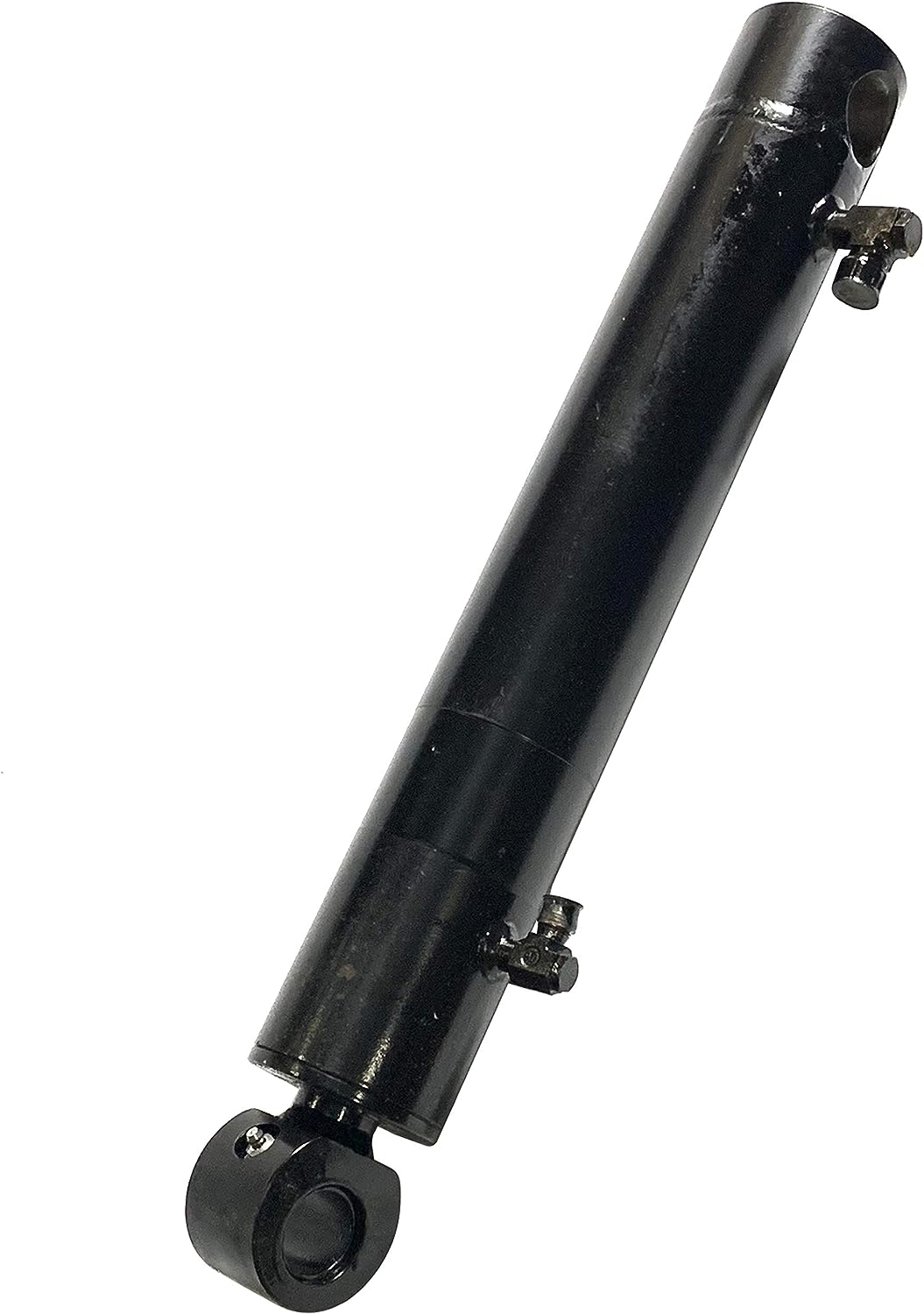
Xi lanh nghiêng có thể được sử dụng trong cả máy móc di động và máy móc cố định không?
Đúng vậy, xi lanh nghiêng có thể được sử dụng trong cả máy móc di động và cố định. Chúng là những bộ phận đa năng được ứng dụng trong nhiều loại thiết bị thuộc nhiều ngành công nghiệp khác nhau. Dưới đây là giải thích chi tiết:
- Máy móc di động: Xi lanh nghiêng thường được sử dụng trong máy móc di động, chẳng hạn như thiết bị xây dựng, máy móc nông nghiệp, xe khai thác mỏ và thiết bị lâm nghiệp. Trong các ứng dụng này, xi lanh nghiêng cho phép điều chỉnh các phụ kiện hoặc dụng cụ, giúp người vận hành đạt được góc hoặc vị trí mong muốn. Ví dụ, trong máy xúc xây dựng, xi lanh nghiêng cho phép nghiêng gầu để kiểm soát chính xác quá trình đào hoặc xử lý vật liệu. Khả năng nghiêng các phụ kiện giúp tăng tính linh hoạt và hiệu suất của máy móc di động trong các điều kiện công trường khác nhau.
- Máy móc cố định: Xi lanh nghiêng cũng được sử dụng trong máy móc cố định, bao gồm máy ép công nghiệp, hệ thống xử lý vật liệu, máy ép thủy lực và máy nén rác thải. Trong các ứng dụng này, xi lanh nghiêng cho phép điều khiển việc nghiêng hoặc định vị các bộ phận hoặc phôi gia công. Ví dụ, trong máy ép công nghiệp, xi lanh nghiêng giúp nghiêng bệ ép hoặc pít tông, cho phép căn chỉnh và điều chỉnh chính xác cho các quy trình sản xuất khác nhau. Máy móc cố định được hưởng lợi từ xi lanh nghiêng bằng cách nâng cao hiệu quả hoạt động, độ chính xác và khả năng thích ứng với các yêu cầu công việc khác nhau.
- Khả năng thay thế lẫn nhau: Một trong những ưu điểm của xi lanh nghiêng là khả năng thay thế lẫn nhau giữa các loại máy móc khác nhau. Xi lanh nghiêng thường được thiết kế để dễ dàng lắp đặt và tháo rời, cho phép lắp đặt và tháo gỡ thuận tiện. Khả năng thay thế lẫn nhau này cho phép các nhà sản xuất thiết bị và người vận hành sử dụng xi lanh nghiêng trên nhiều loại máy móc, mang lại sự linh hoạt và tiết kiệm chi phí.
- Tùy chỉnh: Xi lanh nghiêng có thể được tùy chỉnh để phù hợp với các yêu cầu cụ thể của máy móc di động hoặc cố định. Các nhà sản xuất có thể thiết kế và chế tạo xi lanh nghiêng với khả năng chịu lực, chiều dài hành trình, tùy chọn lắp đặt và các thông số kỹ thuật khác nhau để đáp ứng nhu cầu riêng biệt của các thiết bị khác nhau. Việc tùy chỉnh này đảm bảo hiệu suất tối ưu và khả năng tương thích với nhiều ứng dụng máy móc khác nhau.
- Ứng dụng trong công nghiệp: Xi lanh nghiêng được ứng dụng rộng rãi trong nhiều ngành công nghiệp, bao gồm xây dựng, nông nghiệp, khai thác mỏ, lâm nghiệp, sản xuất, quản lý chất thải, và nhiều ngành khác. Tính linh hoạt của chúng giúp chúng phù hợp với nhiều loại thiết bị khác nhau, chẳng hạn như máy xúc, máy chất tải, máy ủi, cần cẩu, máy ép và máy đầm. Xi lanh nghiêng góp phần cải thiện chức năng, năng suất và an toàn trong các ngành công nghiệp này, bất kể máy móc đó là di động hay cố định.
Do đó, xi lanh nghiêng là các bộ phận linh hoạt có thể được sử dụng trong cả máy móc di động và cố định. Tính đa năng, khả năng thay thế, các tùy chọn tùy chỉnh và ứng dụng rộng rãi trong công nghiệp khiến chúng trở nên có giá trị trong việc đạt được khả năng nghiêng có kiểm soát và nâng cao hiệu suất trong nhiều loại thiết bị khác nhau.
How does a tilt cylinder contribute to precise equipment tilt control?
A tilt cylinder plays a crucial role in achieving precise equipment tilt control. It provides the necessary force and control mechanisms to enable controlled and accurate tilting movements. Here’s a detailed explanation of how a tilt cylinder contributes to precise equipment tilt control:
- Force Generation: A tilt cylinder is a hydraulic component that generates the force required to tilt or angle the equipment. It consists of a cylinder housing, piston, and rod assembly. When hydraulic pressure is applied to the cylinder, the piston moves, exerting force on the attached component. The force generated by the tilt cylinder allows for precise and controlled tilting of the equipment.
- Controlled Fluid Flow: Tilt cylinders utilize hydraulic fluid to transmit force and control the tilting movement. The flow of hydraulic fluid is regulated by control valves, which allow operators to control the speed, extent, and direction of the tilt. By adjusting the control valves, operators can achieve precise control over the fluid flow, enabling accurate and controlled tilting of the equipment.
- Range of Motion: Tilt cylinders provide a specific range of motion, allowing for controlled tilting within that range. The range of motion is determined by the design and construction of the cylinder, as well as the attachment points on the equipment. The defined range enables operators to tilt the equipment to the desired angle with precision, ensuring precise control over the tilt position.
- Feedback Mechanisms: Some tilt cylinders incorporate feedback mechanisms such as limit switches or sensors. These mechanisms provide real-time feedback on the position and angle of the tilted component. By monitoring the feedback, operators can precisely adjust the tilt cylinder to achieve the desired tilt angle. This feedback loop enhances the precision of equipment tilt control.
- Operator Input: Tilt cylinders are typically operated by equipment operators who have control over the hydraulic system. Operators can manipulate the control levers or buttons to adjust the hydraulic pressure and flow, thereby controlling the tilt cylinder’s movement. The operator’s skill and experience in operating the tilt cylinder contribute to achieving precise equipment tilt control.
By combining the force generation capabilities, controlled fluid flow, defined range of motion, feedback mechanisms, and operator input, a tilt cylinder enables precise control over the equipment’s tilt. This precision is essential for applications where accurate tilting is required, such as in construction, mining, agriculture, and material handling. The ability to achieve precise equipment tilt control enhances operational efficiency, productivity, and safety in various industries.


Biên tập bởi CX 2023-11-17